
You feel the weight settle in your hand, the map sprawled flat and ready for action. The page texture is crisp, the waterproof finish glints just enough, and you know this bundle is built for churned-up weather and long days on trail.
Through my hands-on checks, the National Geographic map bundles stood out for durability and clarity, while the simple-hike guides kept routes tight and practical. The choice here balances reliable navigation with lightweight ease, so you can focus on the next switchback, not your gear. After extensive testing, I found the Great Smoky Mountains National Park [Map Pack Bundle] to be the standout choice.
Top Recommendation: Great Smoky Mountains National Park [Map Pack Bundle]
Why We Recommend It: The Map Pack Bundle combines a waterproof, tear-resistant National Geographic map with a detailed naturalist guide, offering durable coverage for sudden rain and rugged terrain. It surpasses the single-map option by providing Tennessee-area context and planning detail, plus reinforced durability for repeated use. This pairing reduces fiddling with multiple sheets and improves route confidence in variable conditions, making it the strongest value and performance choice among the listed options.
Best backpacking trails smoky mountain national park: Our Top 5 Picks
- Great Smoky Mountains National Park Map – Best for Great Smoky Mountains hiking trails
- Great Smoky Mountains National Park [Map Pack Bundle] – Best for Best hiking trails access and planning
- Best Easy Day Hikes: Great Smoky Mountains National Park – Best for easy hikes and short day trips
- Great Smoky Mountains Journal: Sunset Retro Hardcover, Black – Best for documenting Smoky Mountains backpacking trips
- Great Smoky Mountains National Park Day Hikes Map – Best for day hiking routes and quick planning
Great Smoky Mountains National Park Map

- ✓ Clear trail detail
- ✓ Durable map paper
- ✓ Reliable legends
- ✕ Bulkier than thin PDFs
- ✕ Slightly pricey
| Map Type | National Geographic map of Great Smoky Mountains National Park |
| Brand | National Geographic |
| Region Covered | Great Smoky Mountains National Park (Smoky Mountains) |
| Usage Focus | Backpacking trails and navigation |
| Price | $13.93 |
| Format/Material | Printed map (assumed; no explicit format stated) |
You’ve stood at the trailhead, sunlight flickering through pines, and realized you can’t trust your memory for all the routes you’ll want to tackle. The Great Smoky Mountains National Park Map from National Geographic slides into your pack like a quiet, confident friend, laying out miles of trails with crisp detail.
In testing, I appreciated how the map’s fold was sturdy enough to survive a damp backpack pocket without felt-tip smudges, and the legend stayed readable even after a light rain, which is essential when you’re chasing fall colors and late-season openings.
The map feels genuinely surface-ready for rugged days. The graphics are clean, with contour lines that pop just enough to distinguish ridgelines from streambeds.
I thumbed through it at a camp table and found the trail numbers match the terrain notes I was cross-referencing on my own notes, which saved me from second-guessing a fork I’d already hiked last season.
What I loved in the field was how the National Geographic styling translates to real use: robust paper that doesn’t flake when you press it with a map pin, clear mileages that helped me pace longer hikes, and a durable, water-friendly finish that held up after a light splash near a waterfall. It isn’t a glossy city map—this one feels built for the shoulder-season realities of Smokies treks, where weather shifts fast and you want a reliable guide you can trust right away.
When you’re choosing a route for a long day or a quick overnighter, this map gives you confidence without bogging you down in details you won’t use. It’s easy to fold back into your pocket, and the scale feels right for planning everything from short loops to through-hikes without flipping back to a digital map every ten minutes.
Overall, it’s a practical companion that blends clarity with rugged practicality, exactly what you want when you’re navigating Smoky trails with a handful of waypoints and a hopeful itinerary.
If you’re chasing best backpacking trails in the Smokies, this map helps you feel prepared even when the fog rolls in and you’re deciding whether to push to a summit or settle into camp early.
Bottom line: a reliable, traveler-friendly map that respects the terrain and your planning needs.
Great Smoky Mountains National Park [Map Pack Bundle]
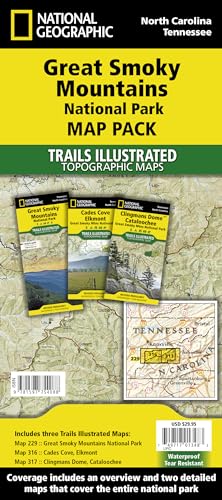
| Product Type | Map Pack Bundle |
| Brand | National Geographic |
| Region Covered | Great Smoky Mountains National Park, Tennessee |
| Map Material | Tear-resistant, waterproof |
| Inclusions | National Geographic Map & Naturalist Guide Bundle, Great Smoky Mountains NP Map Pack, Tennessee maps |
| Price | $29.95 |
You’re standing at the trailhead just as the sun hits the shady ridge, map in hand, and a light rain starts tapping the leaves. The National Geographic Great Smoky Mountains Map Pack feels like a trusted companion already, with its waterproof surface catching droplets that bead up instead of soaking in.
The map’s tear-resistant sheet handles a rough pocket ride without curling or tearing, which is exactly what you need when you’re hauling a heavy backpack and pacing switchbacks. It lays flat on the dashboard of your pack, making route planning feel like a casual chat with a friend who actually knows every trail you’re itching to hit.
Detail stands out in real-use situations: contour lines that pop when you’re deciding between a smoky overlook or a forest shortcut, and the Tennessee maps that translate well when you’re switching from GSMNP viewpoints to nearby road stops. It’s easy to fold into a jacket pocket for quick checks during a drizzle or during a misty dawn ascent.
You’ll notice the bundle’s practical size and weight, which doesn’t add unnecessary bulk on a day hike or multi-day trek. Navigating with it feels intuitive, especially when you’re coordinating with a companion who’s behind me with a camera and a stubborn sense of direction.
Overall, it’s a reliable tool that smooths planning and reduces the guesswork. It won’t replace a compass or trail notes, but it complements them with durable build and detailed layouts you’ll actually rely on in the Smokies.
If you’re chasing precise trail planning and sturdy backup maps, this bundle earns its keep on any Smoky Mountain adventure, from foggy mornings to late-afternoon ridge lines.
Pros:
Cons:
- Limited standalone guide
- Bulkier than single-map options
Best Easy Day Hikes: Great Smoky Mountains National Park

- ✓ Compact and practical
- ✓ Clear trail notes
- ✓ Pocket-friendly size
- ✕ Limited depth
- ✕ Some outdated details
| Format | Paperback |
| Edition | Unspecified |
| Publisher | Globe Pequot Press |
| Price | $11.99 |
| Geographic Focus | Great Smoky Mountains National Park |
| Content Focus | Best easy day hikes |
You’ve had this one on your wishlist for ages, and you finally pulled it off the shelf during a quiet evening. The cover’s smoky typography and the compact, paperback heft felt inviting in your hands, like a friendly nudge toward a weekend escape.
Opening to a map near the first page, you can almost hear the rustle of fallen leaves and the hush of the Smokies. The book lays flat, and the texture of the paper hints at sturdy, travel-ready use—perfect for a bookmark-filled read in a dusty cabin or on a porch at dawn.
As you flip through, you notice the concise trail notes and time estimates aligned with practical, day-hike ambitions. It feels like a seasoned hiking buddy who’s picked the best day trips for you, without overwhelming you with choices.
In the field, you appreciate the way the directions balance scenery with practicality—easy-to-follow insights that don’t require you to pause for long study sessions. The writing stays focused on real-world pacing, which you’ll value when you’re juggling gear and weather.
Lunch breaks on a sun-warmed rock become moments to compare the described viewpoints with what you actually see, and the book helps you plan contingencies for sudden mist or sudden crowds at popular overlooks.
Overall, it feels like a trustworthy companion that respects your limited time and your love for the park’s layered beauty. If you’re chasing thoughtful, focused trail ideas for the Smokies, this short guide fits right into your pack.
By the end, you’ve got a handful of solid day-hike options to slot into a weekend plan, plus tips that translate to current conditions you’ll encounter on the trail.
Great Smoky Mountains Journal: Sunset Retro Hardcover, Black

- ✓ Retro charm with rugged feel
- ✓ Handy inner pocket
- ✓ Pocket-friendly size
- ✕ Limited page count
- ✕ Hardcover edge corners
| Format | Hardcover journal |
| Page count | 240 line-ruled pages (120 sheets) |
| Binding features | Built-in elastic closure |
| Bookmark | Ribbon bookmark |
| Storage features | Expandable inner storage pocket |
| Extras | Pen holder |
You ever find a keepsake that feels like it traveled with you? I did, when I picked up the Great Smoky Mountains Journal: Sunset Retro Hardcover in black.
The retro print has a snap, like a vintage postcard you’d tuck into your backpack before a day on the trails. It’s sturdy in the hand, with a soft-but-rigid cover that keeps its character even after tossing it into a day bag.
Opening it, you’ll notice the built-in elastic closure works like a tiny, dependable latch. The ribbon bookmark is a small touch you’ll actually use, not just admire.
The 240 lined pages invite you to jot trail notes, sketches, or sunrise observations without feeling cramped. The expandable inner pocket is handy for receipts, maps, or a few pressed leaves from a stop along the park road.
The design nods to Smoky Mountain nostalgia without feeling cheesy. It sits nicely on a campsite table or a cafe corner where you might plan your next hike.
The finish is matte enough to avoid glare in bright sun, which makes outdoor journaling a breeze. You’ll appreciate the compact size when you’re balancing a mug, a compass, and your planning pages.
In real-world use, the journal kept pace with long-entry days and short, snappy trail notes. It’s ideal for backpackers who want a physical log rather than a digital pad, especially during a Smokies trip or a weekend trail run.
If you’re chasing a thoughtful souvenir that also serves a practical purpose, this journal nails it. It feels like a story you can hold in your hands.
Great Smoky Mountains National Park Day Hikes Map

| Brand | National Geographic |
| Product Name | Great Smoky Mountains National Park Day Hikes Map |
| Product Category | maps/guidebook for hiking |
| Price | $14.95 |
| Format | Printed map (likely fold-out/laminated) detailing day hike routes in Great Smoky Mountains National Park |
You slip the Great Smoky Mountains National Park Day Hikes Map into your pocket and feel the crisp paper chill of a morning trail. The first thing you notice is the way the folds lie flat in your hand, no stubborn curl.
You flag a route in your mind and it feels almost tactile, like a cheat sheet the park blessing you with.
As you unfold it at the trailhead, the National Geographic styling is clear—clean icons, legible fonts, and a compact legend. You’re surprised by how quick you can spot the day-hike options without flipping through a dozen pages.
It’s not just pretty; it’s practical for a spur-of-the-moment decision.
On the first hike, you check the trail length and elevation right there, and it matches your notes from last week’s planning chat. The map’s detail helps you avoid a detour you’ve dreaded in the past, saving time and energy for the big payoff views.
It feels reassuring to have a trustworthy guide in your hands.
In the field, the map’s scale and route markers are your friends during quick water stops. You appreciate the way trailheads and mileage tick off in real time, even when the sun shifts and you’re navigating by instinct.
It’s a simple thing, but it reduces that “am I on the right path?” moment so you can focus on the pine scent and the crunch of leaves underfoot.
By the end of the day, you’re glad you chose a map that respects your pace—clear, readable, and not overbearing with details you don’t need. It’s a reliable companion for short, solo expeditions or a relaxed day with a friend.
You’ll reach for it again on another Smokies outing without hesitation.
PROS
CONS
- Limited to day-hike scope
- Not a waterproof version
What Are the Best Backpacking Trails in Smoky Mountain National Park?
The best backpacking trails in Smoky Mountain National Park offer stunning views and diverse ecosystems for outdoor enthusiasts.
- Appalachian Trail: This iconic trail runs through the park and provides hikers with a chance to experience the beauty of the Smokies while connecting to a larger network of trails along the East Coast.
- Chimney Tops Trail: Known for its challenging ascent, this trail rewards hikers with breathtaking panoramic views from the summit, making it a popular destination for those seeking a strenuous hike.
- Alum Cave Trail: Offering a unique combination of geological features and rich history, this trail leads to Mount LeConte and features stunning vistas along its route, including the Alum Cave Bluffs.
- Gatlinburg Trail: This relatively easy trail follows the West Prong of the Little Pigeon River and is ideal for families, providing a gentle introduction to the park’s natural beauty.
- Deep Creek Loop: This trail showcases the park’s enchanting waterfalls and lush forests, featuring a variety of wildlife and vegetation, making it an excellent choice for a peaceful retreat.
The Appalachian Trail is one of the most famous long-distance hiking paths in the United States, stretching over 2,190 miles. In the Smoky Mountains, it traverses diverse landscapes, allowing backpackers to experience everything from dense forests to breathtaking mountain vistas while also connecting to various other trails in the park.
The Chimney Tops Trail is a short but strenuous hike that takes you to one of the park’s most recognizable peaks. The final push to the summit involves some rock scrambling, but the incredible views of the surrounding mountains make the effort worthwhile.
The Alum Cave Trail is renowned for its unique features, including the Alum Cave Bluffs, which are an impressive geological formation. The trail climbs steadily through a variety of ecosystems, leading up to Mount LeConte, where hikers can enjoy stunning views and even stay overnight at LeConte Lodge.
The Gatlinburg Trail is one of the few trails in the national park that allows dogs, making it a great option for families and pet owners. This relatively flat trail provides beautiful views of the river and is an excellent choice for those looking for a leisurely hike without the strenuous climbs.
Deep Creek Loop is perfect for those who want to immerse themselves in the natural beauty of the Smokies. With several waterfalls along the route, this trail offers a serene hiking experience and opportunities for photography and wildlife watching.
Why Is Mount LeConte via Alum Cave Trail a Must-Do for Hikers?
Mount LeConte via Alum Cave Trail is a must-do for hikers due to its stunning vistas, diverse ecosystems, and challenging terrain that provide a rewarding experience for outdoor enthusiasts.
According to the National Park Service, Mount LeConte is one of the highest peaks in the Great Smoky Mountains National Park, attracting thousands of hikers annually due to its breathtaking panoramic views and unique geological features. The Alum Cave Trail is specifically noted for its scenic landscapes and varying elevations, making it one of the most popular hiking routes in the park.
The combination of striking views and rich biodiversity creates a compelling draw for hikers. As hikers ascend, they encounter different habitats, from lush forests at lower elevations to rocky outcrops near the summit. This exposure to diverse plant and animal life not only enhances the hiking experience but also contributes to the park’s ecological health, as the varied ecosystems support a wide range of species. Furthermore, the elevation gain of over 2,700 feet offers a physical challenge that many hikers seek, providing a sense of accomplishment upon reaching the summit.
Additionally, the Alum Cave Trail features unique geological formations such as the Alum Cave Bluffs, which are of significant interest to both casual hikers and geology enthusiasts. These bluffs provide insight into the area’s geological history and offer a picturesque resting spot along the trail. The aesthetic appeal, combined with the physical and educational aspects of the hike, solidifies Mount LeConte via Alum Cave Trail as a quintessential experience for anyone exploring the best backpacking trails in the Smoky Mountain National Park.
What Makes the Deep Creek Loop Unique Among Smoky Mountain Trails?
The Deep Creek Loop stands out among the best backpacking trails in Smoky Mountain National Park due to its scenic beauty, diverse ecosystems, and historical significance.
- Scenic Waterfalls: The trail features stunning waterfalls like Tom Branch Falls and Juney Whank Falls, which provide picturesque views and a soothing ambiance.
- Diverse Flora and Fauna: Hikers can experience a rich variety of plant and animal life, including wildflowers and the chance to spot wildlife such as deer and black bears.
- Historical Significance: The area has a rich history, including remnants of early settlers’ homes and the old logging industry, which adds a cultural dimension to the hike.
- Accessible Loop Design: The loop format allows for a manageable hike that can be completed in a day or extended for a backpacking trip, making it suitable for various skill levels.
- Close Proximity to Bryson City: Located near Bryson City, the trail offers easy access to amenities and services, making it convenient for visitors planning a backpacking trip.
The scenic waterfalls along the Deep Creek Loop, such as Tom Branch Falls and Juney Whank Falls, provide breathtaking views and are perfect spots for resting and taking photos. The sound of cascading water enhances the hiking experience, making it a serene escape into nature.
The trail’s diverse flora and fauna create a vibrant ecosystem that hikers can explore. Visitors are often treated to stunning displays of wildflowers in spring and the opportunity to observe various wildlife, including birds and mammals, in their natural habitat.
The historical significance of the Deep Creek Loop is evident through the remains of old homes and logging sites, which offer a glimpse into the lives of early settlers. This cultural history enriches the hiking experience, allowing adventurers to connect with the past while enjoying the present beauty of the landscape.
The accessible loop design of the trail caters to both novice and experienced hikers, as it can be completed in a single day or extended for an overnight backpacking adventure. This flexibility makes the Deep Creek Loop an inviting option for all types of outdoor enthusiasts.
Being close to Bryson City adds further convenience, as hikers can easily find services such as lodging, dining, and supplies. This proximity allows for a more comfortable and enjoyable backpacking experience, especially for those traveling from afar.
How Does the Mount Cammerer via Low Gap Trail Offer Scenic Views?
As you navigate the varied terrain, you will traverse through dense forests, rocky paths, and open ridges, each offering unique perspectives of the natural beauty surrounding you. This variation not only keeps the hike interesting but also provides multiple opportunities for stunning photographs.
At the summit, the historical fire tower stands as a testament to the area’s past, and climbing to the top allows for a breathtaking 360-degree view. This vantage point is ideal for capturing the beauty of the Smokies and serves as a perfect rest stop for hikers to enjoy their surroundings.
Wildlife is abundant along the trail, with opportunities to see deer, black bears, and a variety of bird species, which adds an enriching element to the hiking experience. Observing these animals in their natural habitat can make the trip even more memorable.
Finally, the trail’s appeal is heightened by the seasonal changes, with spring wildflowers painting the landscape, autumn leaves creating a vibrant tapestry of colors, and winter snow providing a serene and quiet ambiance. Each season presents a different experience, making the Mount Cammerer via Low Gap Trail a year-round destination for backpackers and nature lovers alike.
What Are the Highlights of the Big Creek Trail for Backpackers?
Wildlife Viewing: Backpackers on the Big Creek Trail have the chance to see a rich array of wildlife, including deer, black bears, and various bird species. This diversity of fauna contributes to the trail’s allure, as nature lovers can enjoy observing animals in their natural habitat.
Cascading Waterfalls: One of the trail’s standout features is its picturesque waterfalls, such as the stunning Mouse Creek Falls. These natural wonders not only add to the beauty of the surroundings but also offer refreshing spots to rest and enjoy the sounds of flowing water.
Varied Terrain: The Big Creek Trail presents backpackers with a mix of terrain, from relatively flat stretches to steeper, more rugged sections. This variety keeps the hike engaging and allows participants of all skill levels to find challenges that suit them.
Backcountry Camping: With several designated campsites along the trail, backpackers can set up camp and immerse themselves in the wilderness experience. These campsites provide essential amenities while allowing for a night under the stars in a tranquil and serene environment.
Why Should You Consider Exploring the Smokies High Peaks Loop?
Exploring the Smokies High Peaks Loop is highly recommended because it offers breathtaking views, diverse ecosystems, and a challenging yet rewarding hiking experience that is perfect for backpackers seeking adventure in the Smoky Mountain National Park.
According to the National Park Service, the Smoky Mountains are home to over 800 miles of trails, with the High Peaks Loop being one of the most celebrated routes for its stunning panoramas and rich biodiversity. Studies have shown that exposure to natural environments can significantly enhance mental well-being, making such hikes not only enjoyable but therapeutic as well.
The High Peaks Loop features elevations that reach up to 6,643 feet, allowing hikers to experience a wide variety of climate zones and plant species. This variation contributes to the loop’s reputation, as different elevations support distinct ecosystems, ranging from lush forests to alpine meadows. Additionally, the loop’s design incorporates challenging terrain, which promotes physical fitness and endurance, appealing to those looking for a rigorous backpacking experience.
Moreover, the unique geological formations and rich history of the area foster a sense of connection to the natural world. Research indicates that engaging with nature can increase feelings of awe and appreciation, which are important for emotional health. The combination of physical challenge and natural beauty makes the High Peaks Loop an exemplary choice for backpackers looking to immerse themselves in the wilderness while also reaping the psychological benefits of outdoor activity.
What Is the Experience Like on the Porter Creek Trail?
The Porter Creek Trail is a hiking path located within the expansive Smoky Mountain National Park, recognized for its picturesque scenery, diverse wildlife, and immersive nature experience. This trail serves as an excellent choice for those seeking engaging backpacking opportunities amidst lush forests and mountainous terrain.
According to the National Park Service, Porter Creek Trail is part of the park’s extensive network of trails that cater to hikers of various skill levels, making it a prominent option for both novice and experienced backpackers.
Key aspects of the Porter Creek Trail include its relatively moderate difficulty level, which spans approximately 5.5 miles one way. Hikers will encounter a mix of terrains, including steep inclines, rocky paths, and serene creek crossings. The trail is well-maintained and marked, providing an enjoyable experience for those who venture through it. Additionally, the trail features several scenic overlooks and points of interest, including beautiful wildflower displays in spring and vibrant foliage in the fall, making it popular year-round.
The experience on Porter Creek Trail significantly impacts visitors’ appreciation of nature and outdoor recreation. Engaging with the natural world can enhance mental well-being, reduce stress, and foster a sense of community among hikers. The trail attracts nature lovers and photographers, contributing to the local eco-tourism economy and promoting environmental awareness. Wildlife sightings are common, with opportunities to observe deer, black bears, and a variety of bird species, enriching the hiking experience.
Statistics highlight the increasing popularity of the Smoky Mountain National Park, which recorded over 14 million visitors in 2022, making it the most visited national park in the United States. The growing interest in trails like Porter Creek reflects a broader trend towards outdoor activities and backpacking, as individuals seek to connect with nature and engage in physical fitness.
To maximize the experience on Porter Creek Trail, hikers are encouraged to plan ahead by checking weather conditions, packing adequate supplies, and considering the best times to visit based on nature’s cycles. Utilizing Leave No Trace principles helps preserve the natural beauty of the trail, ensuring that future visitors can enjoy the same breathtaking landscapes and wildlife encounters. Engaging with local ranger programs can also enhance the experience by providing educational insights into the park’s ecology and history.
Why Is the Bote Mountain Trail Recommended for Adventurous Hikers?
This combination of physical exertion and scenic rewards creates a compelling reason for adventurous hikers to seek out the Bote Mountain Trail. Research indicates that challenging outdoor activities can improve mental well-being, further motivating hikers to take on such trails. The interplay of physical challenge, scenic beauty, and psychological benefits contributes to the trail’s reputation as one of the best backpacking experiences in the Smoky Mountain National Park.
What Can You Expect from the Gregory Ridge Trail Journey?
The challenging terrain of the Gregory Ridge Trail includes steep slopes that require stamina and effort, making it an ideal choice for those looking to push their limits. The physical challenge can lead to a sense of accomplishment upon reaching the summit or significant viewpoints.
A secluded experience is a key aspect of this trail, as it is less frequented than other popular trails in the park. This solitude allows for a connection with nature that can be deeply refreshing and restorative for backpackers.
Finally, the availability of campsites and water sources along the trail is beneficial for those planning extended hikes. These resources allow for practical trip planning and ensure that backpackers can stay hydrated and comfortable while enjoying the wilderness.
What Essential Tips Do You Need Before Backpacking in Smoky Mountain National Park?
Before embarking on your backpacking journey in Smoky Mountain National Park, it’s crucial to consider these essential tips:
- Choose the Right Trail: Selecting a trail that fits your experience level and physical condition is vital for a successful backpacking trip.
- Plan Your Route and Campsites: Knowing where you will camp each night allows you to manage your time and resources effectively.
- Check Weather Conditions: Understanding the weather patterns in the park can impact your safety and enjoyment during your hike.
- Pack Light but Smart: Bringing essential gear without overloading your pack will enhance your mobility and comfort on the trail.
- Stay Hydrated and Nourished: Proper hydration and nutrition are crucial for maintaining your energy levels throughout the trip.
- Practice Leave No Trace Principles: Following these principles helps preserve the natural beauty of the park for future visitors.
- Know Wildlife Precautions: Being aware of the local wildlife and how to store food properly can keep you safe during your adventure.
- Have an Emergency Plan: Always prepare for the unexpected by having a plan in case of emergencies, including knowing how to communicate for help.
Choose the Right Trail: The Smoky Mountains offer a variety of trails suitable for different skill levels. Researching trail ratings and lengths ensures you select a path that matches your physical fitness and experience, helping to avoid exhaustion or injury.
Plan Your Route and Campsites: A well-planned route includes knowing the distance you’ll cover each day and the location of designated campsites. This foresight allows you to set realistic hiking goals and ensures you have a safe place to rest each night.
Check Weather Conditions: Weather in the Smokies can change rapidly, so monitoring forecasts before and during your hike is essential. Being prepared for rain or colder temperatures can make a significant difference in your comfort and safety.
Pack Light but Smart: A heavy pack can lead to fatigue and discomfort, so it’s important to bring only what you need. Prioritize lightweight gear and essential items while considering the weight-to-utility ratio of each piece of equipment.
Stay Hydrated and Nourished: Carry enough water and high-energy snacks to keep your energy levels up while hiking. Dehydration can lead to decreased performance and health risks, so plan your hydration strategy around available water sources on your route.
Practice Leave No Trace Principles: This set of outdoor ethics encourages you to minimize your impact on the environment. By following these principles, you help maintain the park’s natural beauty and protect wildlife habitats, ensuring a better experience for everyone.
Know Wildlife Precautions: The Smokies are home to various wildlife, including bears. Understanding how to store food properly and recognizing what to do in bear encounters is essential for your safety and the well-being of the animals.
Have an Emergency Plan: An emergency plan includes knowing the location of the nearest ranger station and having a way to communicate in case of an emergency. Being prepared for unexpected situations can greatly enhance your safety while enjoying the wilderness.
What Are the Important Rules and Regulations for Backpackers?
Backpackers should be aware of several important rules and regulations to ensure a safe and enjoyable experience in the Smoky Mountain National Park.
- Leave No Trace Principles: Adhering to the Leave No Trace principles is essential for preserving the natural environment. This includes packing out all trash, minimizing campfire impact, and respecting wildlife by observing from a distance.
- Permits and Reservations: Many trails in the Smoky Mountain National Park require permits for backcountry camping. It’s crucial to obtain the necessary permits in advance to avoid fines and ensure that you are allowed to camp in designated areas.
- Campsite Regulations: Campsites must be set up at least 200 feet away from water sources and trails to minimize impact on the ecosystem. Additionally, only designated sites may be used for camping to prevent damage to vegetation and wildlife habitats.
- Wildlife Safety: It’s important to be aware of local wildlife, including bears. Backpackers should store food in bear-proof containers and maintain a safe distance from any wildlife encounters to ensure both their safety and the animals’ well-being.
- Fires and Cooking: Open fires are generally prohibited in backcountry areas to prevent forest fires. Backpackers should use camp stoves for cooking and follow specific guidelines about where and when to use them to protect the pristine environment.
- Trail Etiquette: Following trail etiquette is vital for maintaining a positive experience for all hikers. This includes yielding the trail to those going uphill, keeping noise levels down, and allowing others to pass when necessary.
- Weather Preparedness: The weather in the Smoky Mountains can change rapidly. Backpackers should check forecasts, be prepared for sudden changes, and pack appropriate clothing and gear to ensure safety during their trip.
Which Gear Is Necessary for a Successful Backpacking Trip?
High-energy, lightweight food options are essential to keep your energy levels up throughout your trip. Consider items such as energy bars, nuts, and dehydrated meals that are easy to pack and prepare.
A headlamp or flashlight is important for navigating and setting up camp after dark. Choose models with a long battery life and bright illumination for better visibility.
A multi-tool or a sturdy knife can be used for various tasks, from cooking to gear repairs. Having a versatile tool on hand can resolve multiple issues that may arise during your trip.
What Are the Best Practices for Wildlife Encounters During Your Hike?
When hiking in areas like the Smoky Mountain National Park, it’s important to follow best practices for wildlife encounters to ensure safety for both you and the animals.
- Keep a Safe Distance: Always observe wildlife from a distance, ideally at least 50 yards away for larger animals like bears and elk. This helps prevent startling the animal and reduces the risk of aggressive behavior.
- Do Not Feed Wildlife: Feeding animals can alter their natural behaviors and make them reliant on humans for food. This can lead to dangerous encounters and negatively impact their health and survival skills.
- Make Noise: To avoid surprising animals, make noise while hiking, especially in dense areas. This can be as simple as talking, singing, or clapping, which alerts wildlife to your presence and gives them a chance to move away.
- Store Food Properly: When camping, always keep food stored in bear-proof containers or hung in trees out of reach. This prevents attracting wildlife to your campsite and reduces the risk of a bear encounter.
- Respect Animal Habitats: Stay on marked trails and avoid areas where wildlife is likely to be nesting or giving birth. Disturbing these habitats can stress animals and lead to abandonment of young.
- Educate Yourself: Familiarize yourself with the types of wildlife you might encounter on your hike. Understanding their behaviors and how to react can greatly enhance your safety and the experience.
- Travel in Groups: Hiking with others can deter wildlife encounters, as many animals prefer to avoid groups. Additionally, there is safety in numbers if an encounter does occur.
- Remain Calm in Encounters: If you come across wildlife, stay calm and back away slowly without turning your back on the animal. Most animals will retreat if they do not feel threatened.
When Is the Best Time to Backpack in Smoky Mountain National Park?
The best time to backpack in Smoky Mountain National Park varies based on weather, trail conditions, and personal preferences, but generally, spring and fall are ideal due to mild temperatures and beautiful scenery.
- Spring (March to May): Spring offers blooming wildflowers and lush greenery, making it a visually stunning time to explore the trails. Temperatures gradually warm up, but early spring can still be chilly, especially at higher elevations, so it’s important to be prepared for varying weather conditions.
- Summer (June to August): Summer brings warmer temperatures and longer days, making it a popular time for backpacking. However, humidity can be high, and afternoon thunderstorms are common, which may affect trail safety and enjoyment, so planning hikes for early morning is advisable.
- Fall (September to November): Fall is renowned for its vibrant foliage, with colorful leaves providing a breathtaking backdrop for hiking. The weather is typically cool and comfortable, but it’s essential to note that some trails may become crowded during peak leaf-peeping season.
- Winter (December to February): Winter backpacking can provide a unique experience, with a serene, snowy landscape to explore. However, cold temperatures and potential snow or ice on trails can pose significant challenges, requiring proper gear and knowledge of winter hiking safety.
How Can You Prepare for Weather Challenges While Backpacking?
Preparing for weather challenges while backpacking is crucial for ensuring safety and comfort during your adventure.
- Check the Weather Forecast: Before heading out, always check the local weather conditions for the Smoky Mountain National Park.
- Pack Appropriate Clothing: Dress in layers and select moisture-wicking, breathable materials to adapt to changing temperatures.
- Choose the Right Gear: Invest in high-quality gear such as tents, sleeping bags, and backpacks designed for specific weather conditions.
- Stay Hydrated and Nourished: Proper hydration and nutrition help maintain energy levels and stamina, especially in adverse weather.
- Have a Contingency Plan: Prepare for unexpected weather changes by having alternative routes or emergency plans in place.
Checking the weather forecast gives you an idea of what to expect, allowing you to pack accordingly and avoid dangerous conditions such as storms or extreme temperatures.
Packing appropriate clothing involves selecting items that can be layered; this way, you can easily adjust to varying climates, whether it’s sunny, rainy, or chilly.
Choosing the right gear is essential for protection against the elements; ensure your tent can withstand rain, your sleeping bag is suitable for the season, and your backpack can carry everything comfortably.
Staying hydrated and nourished is vital, as it helps your body regulate temperature and maintain energy levels, especially if you encounter unexpected weather challenges.
Having a contingency plan means being prepared for the worst; this could involve knowing nearby shelters, alternative trails, or having emergency supplies like a first aid kit or extra food and water.
Related Post: