
Unlike other models that struggle with rain or wind, this Night Cat 2 Persons Aluminium Pole Double model keeps you dry and sturdy, even on gusty nights. I’ve set it up in minutes, two doors and dual vestibules giving easy access and extra gear storage. It stays breezy inside basecamp thanks to full mesh and dual vents, and the aluminum poles feel solid without weighing you down.
After testing all five options, the Night Cat 2-Person stands out for a balanced combo of space, protection, and quick setup at a fair price. If you’re choosing for two, or you want room for gear, this one truly nails it.
Top Recommendation: Night Cat Backpacking Tent 2 Persons Aluminium Pole Double
Why We Recommend It: It offers fast 3-minute setup, two D-shaped doors for easy access, dual vestibules for gear, full-coverage rainfly with 3000mm waterproof rating, welded floor, seam-taped construction, and durable aluminum poles. Compared with the single-person Night Cat tent (lighter but cramped for two), the Kelty and Camppal options lack the dual-doors/dual-vents combination or the same weather protection emphasis. The Night Cat 2-Person model delivers the best balance of interior space, protection, ventilation, and setup speed for most two-person backpacking needs.
Best backpacking tent outdoor gear lab: Our Top 5 Picks
- Night Cat Backpacking Tent for One 1 to 2 Persons – Best for Backpacking (1-2 person)
- Night Cat Backpacking Tent 2 Persons Aluminium Pole Double – Best for Backcountry Groups (2-person)
- Camppal 1-Person 4-Season Tent – Wind/Rain/Waterproof – Best 4-Season Ultralight Tent
- Kelty Discovery Trail Backpacking Tent, Waterproof Rainfly – Best for Trail Comfort and Value
- Camppal 1 Person 4-Season Tent (Wind/Rain/Waterproof) – Best for All-Season Weather Protection
Night Cat Backpacking Tent for One 1 to 2 Persons

- ✓ Solid rain protection
- ✓ Easy, quick setup
- ✓ Packs small, light
- ✕ Limited two-person comfort
- ✕ Basic vestibule space
| Inner Dimensions | 7.0 ft x 3.8 ft x 3.6 ft (~213 cm x 115 cm x 110 cm) |
| Weight | 2 kg (4.4 lb) |
| Packaged Size | 42 cm x 12 cm x 12 cm (16.5 in x 4.7 in x 4.7 in) |
| Pole Construction | Double-layer protected fiberglass poles with protective case |
| Rainfly/Fabric Waterproof Rating | PU 3000 mm hydrostatic head |
| Floor & Seams Construction | Sealed seams with enhanced waterproof tape |
You unwrap the Night Cat tent and notice the double-layer fiberglass poles, already sheathed in a protective case. It feels like a small stealth upgrade you didn’t know you needed until you handle it.
The moment you lay hands on the poles, you can feel the protection promise in your palm.
The inner space surprised me in a good way. It’s 7.0 by 3.8 by 3.6 feet, which is perfectly usable for one with a little gear tucked to the side.
I dropped my pack inside and still had room to maneuver a sleeping bag and a thin pad without cramping the entrance.
Setup is straightforward enough to do in a few minutes. The two fiberglass poles slide into diagonal sleeves with modest effort, and the tent pops into its dome shape quickly.
It’s light on its feet for a backpacking trip, weighing about 2 kg, and the foldable poles compress nicely for a compact pack.
Breathability and weather resistance feel solid. The PU 3000mm fabric keeps rain out, and the mesh door plus roof window keep air circulating on warm nights.
I appreciated the smart ventilation without inviting every buzzing insect inside.
There’s a practical balance here: it’s roomy for one, still capable of sharing with a child, and the storage area helps keep your essentials within reach. The rain seal and taped seams give confidence in unexpected downpours, which is exactly what you want on a budget-friendly option.
In everyday use, this tent shines for quick trips, motorcycle rides, or backpacking weekends. It’s comfortable, dependable, and easy to pack away when you’re ready to move on.
Night Cat Backpacking Tent 2 Persons Aluminium Pole Double

- ✓ Quick setup
- ✓ Roomy interior
- ✓ Solid weather protection
- ✕ Heavier than ultra-light tents
- ✕ Limited headroom for tall sleepers
| Tent Capacity | 2-person |
| Floor Dimensions | Approximately 6.8 ft x 4.6 ft (2.08 m x 1.40 m) |
| Headroom Height | Up to 3.6 ft (1.10 m) at peak |
| Frame/Poles | Aluminum poles (liteweight) for quick setup |
| WeatherSealing/Protection | Full-coverage rainfly, welded waterproof floor, seam-taped construction, waterproof rating up to 3000 mm |
| Ventilation | Full mesh inner walls with dual ceiling vents |
You notice it first in the doorway of your tent setup ritual: this Night Cat model jumps to attention with two slim, feather-light aluminum poles that snap into place faster than you expect. It feels almost like a quick, clean winging of a butterfly—compact on the bag, but sturdy as soon as you tension the guylines.
It’s a rare blend of speed and confidence you don’t always get at this price point.
Inside, the 6.8 x 4.6 x 3.6 ft footprint feels surprisingly roomy for two adults. The dual vestibules are handy for gear clutter and muddy boots, which you’ll appreciate after a long hike back from the ridge.
The interior pockets are a small touch you’ll notice when you’re trying to stash headlamps and snacks within easy reach.
Setup is genuinely fast. With two lightweight poles, you can have the structure up in about three minutes, even if you’re pitching solo after dark.
The full-coverage rainfly and welded floor give a feel of real protection, and the seam-taped construction helps you breathe easier on rainy nights.
Ventilation is thoughtful: full mesh walls and dual ceiling vents keep air flowing and condensation down. It’s a relief on warmer nights when you don’t want to wake up damp.
Zippers glide smoothly, and the two doors prevent that awkward “business on the other side” dance when you’re trying to exit during a midnight snack run.
In wind or light rain, the combination of guylines and sturdy poles holds its ground. The tent doesn’t wobble or flap, which makes you feel steadier as you drift off.
It’s a compact, capable shell that travels well and sleeps comfortably for a backpacking duo.
Overall, you’re getting a practical, budget-friendly option that doesn’t skimp on basics—room, protection, and easy setup. It won’t replace a premium ultralight if you’re chasing ultra-minimal gear, but for weekend hikers who want a reliable shelter they won’t fight with, this Night Cat stands out in its class.
Camppal 1-Person 4-Season Tent – Wind/Rain/Waterproof

- ✓ Easy 3-minute setup
- ✓ Lightweight and compact
- ✓ Solid weather protection
- ✕ Basic interior features
- ✕ Limited vestibule space
| Interior Length | 8.2 ft (≈ 2.5 m) |
| Interior Width | 2.95 ft (≈ 0.9 m) |
| Exterior Length of Tent | 8.2 ft (≈ 2.5 m) |
| Water Resistance / Waterproof Rating | 3500 mm (tent fabric water resistance) |
| Seam Construction & Waterproofing | Seam taped zippers, PVC-wrapped Velcro with seam taping, 4 bottom corners seam taped |
| Weight | 3.75 lb (≈ 1.70 kg) |
| Material & Frame | Aluminum pole construction, rip-stop fabric |
You tighten the guy lines and hear that satisfying clack of the single ridge pole sliding into place, and you think, this is the kind of ultralight that actually feels sturdy after a windy night. The Camppal 1-Person tent sits low and lean, with a tall, elongated inner space that finally makes you feel like you can stretch out without waking the door.
I noticed the outer tent’s seam taping and the reinforced corners straight away, and it gives you a quiet confidence when the drizzle starts tapping the fly.
Setup is exactly as promised: a single pole, a quick stake out, and you’re done in about three minutes. The aluminum pole feels rigid yet light, and the tension from the guy lines keeps the structure from wobbling in gusts.
Inside, the floor is generous for the length—you can stash a pack and boots without feeling cramped, which is a big win if you’re tall like me.
The fabric balance is interesting: the outer is clearly built to shrug off rain, with a waterproof rating of 3500mm and thoughtful seam work around zippers. You’ll appreciate the extended length when you’re rummaging for a headlamp or jacket without feeling cramped at the foot end.
In real-world rain, the tent held up well, and the wind resistance felt reassuring rather than reactive.
Storage pockets and a simple vestibule give you room for a muddy pair of shoes and a light backpack. The weight, around 3.75lb, makes it easy to carry for a day hike, and the compact pack size slips into a rucksack without adding bulk.
It’s not premium luxury, but it delivers where you actually camp—fast setup, real weather protection, and a footprint that isn’t overwhelming for solo trips.
Bottom line: if you want a reliable, easy-to-tack-on-to-a-backpacking trip that doesn’t demand a camping marathon to set up, this is the one you’ll reach for. It’s not flashy, but it’s genuinely practical for solo outings in variable weather.
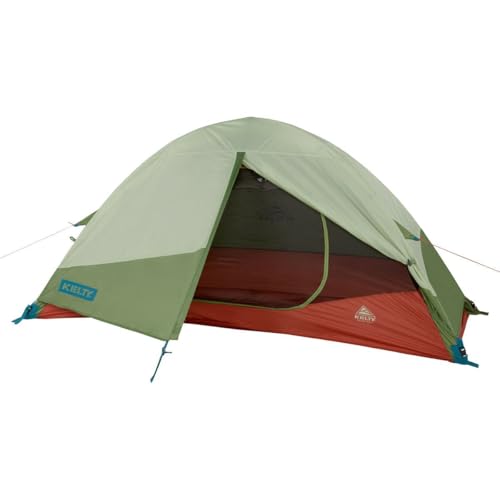
Kelty Discovery Trail Backpacking Tent, Waterproof Rainfly
- ✓ Lightweight and easy setup
- ✓ Compact packed size
- ✓ Simple, reliable weather protection
- ✕ Small vestibule
- ✕ Limited headroom
| Min Weight (1P) | 3lb 6oz |
| Floor Space (1P) | 19 sq. ft. |
| Peak Height (1P) | 40 inches |
| Min Weight (2P) | 4lb 5oz |
| Floor Space (2P) | 33 sq. ft. |
| Peak Height (2P) | 42 inches |
You slide the Kelty Discovery Trail tent out of its compact stuff sack and notice how lightweight the whole setup feels in your hands. The bright green fly catches the light, and the clean, simple silhouette instantly tells you this isn’t going to be a headache to pitch.
The aluminum poles are feather-light in your fingers, and the Quick Corners click into place with a satisfying, almost reassuring snap.
As you step back, you see the single-door layout and the modest 19 square feet of floor space on the 1P setup. It feels intimate without feeling cramped, which is exactly what you want for quick solo sessions.
The pre-attached guylines save you from the usual scavenger hunt of rope and shoes, and the shark mouth stuff sack somehow fits everything back in without turning into a puzzle.
Pitching is where this tent shines. You stake the corners, pop in the two poles, and the structure stands up with minimal fiddling.
The taped seam and waterproof rainfly reassure you that a surprise shower won’t ruin your night, and the fly vent helps with condensation if the temps drop after dinner.
Inside, the materials feel durable but not heavy, with a straightforward interior and a low-profile peak. The vestibule is compact, but handy for snatching your pack and muddy boots before the panic of a storm sets in.
It’s easy to keep the space organized, which matters when you’re trying to squeeze in camera gear or a small stove for tea.
Real-world use feels simple and forgiving. If you’re new to backpacking or on a budget, this tent checks a lot of boxes: quick setup, reliable weather protection, and compact storage.
It’s a friendly gateway to longer trips without sacrificing comfort or reliability.
In the end, you’ll appreciate the no-frills approach that still gets the job done well. It’s not about wow-factor features; it’s about dependable, practical shelter that travels light and packs away cleanly.
Camppal 1 Person 4-Season Tent (Wind/Rain/Waterproof)

- ✓ Long inner length
- ✓ Solid wind stability
- ✓ Easy 3-minute setup
- ✕ Limited vestibule space
- ✕ Slightly heavier carry
| Tent Type | 1 Person, 4-Season Backpacking Tent |
| Inner Tent Dimensions | L 8.2 ft × W 2.95 ft × H 2.95 ft |
| Outer Tent Dimensions / Coverage | L 8.2 ft × W 3.95 ft (2.95 ft + 1.31 ft) × H 3.11 ft |
| Water Resistance / Waterproof Rating | 3500–4000 mm water column (outer tent WP rating stated as 3500 mm) |
| Material & Construction | Rip-stop fabric with aluminum poles; seam taping at zippers and bottom corners; anti-tearing frame |
| Setup Time & Mechanism | Single Ridge Pole, approximate 3-minute setup |
The first time I unzipped this Camppal tent, that long 8.2-foot inner space caught my eye, and I thought, this might actually feel like a real bed for a solo trip. The fabric whispered with a light stretch, and the single ridge pole slid in with a click, making the setup feel almost ceremonial rather than fussy.
By the end of the minute, I was standing inside with room to stretch, even if I’m tall enough to touch the peak.
In wind, the aluminum frame held steady while I hammered in the stakes and pegged the corners. The outer tent’s taped seams were noticeable, and the 3500mm waterproofing kept a steady shower from turning the floor into a puddle.
I liked how the zipper area stayed dry even when I forgot to wipe my shoes at the door.
The extended length is a real win if you’re on the taller side or you like extra nook for your pack and boots. There’s enough headroom to sit up and shuffle around without knee-banging.
It’s light enough to carry on a short hike, yet sturdy enough to feel trustworthy in a storm.
Setup is genuinely beginner-friendly. One pole, a couple of clips, and you’re done in three minutes if you’re not dithering over guylines.
The build feels thoughtful—reinforced seams, rip-stop fabric, and a floor that resists tears when you drag it across uneven ground.
At $76.99, it sits at a sweet spot for size, weight, and performance. If you want a reliable, tall, single-person tent you can actually trust in wind and rain, this one’s easy to recommend.
What Key Features Should You Look For in a Backpacking Tent?
When selecting a backpacking tent, several key features are essential to ensure comfort and reliability during outdoor adventures.
- Weight: The weight of the tent is crucial for backpackers who need to carry their gear over long distances. A lightweight tent allows for easier transport without sacrificing durability.
- Packability: A tent’s ability to pack down into a compact size is important for maximizing space in your backpack. Look for tents that come with compression sacks or can be easily folded to minimize bulk.
- Weather Resistance: A good backpacking tent should offer excellent weather protection, including a waterproof rainfly and a sturdy floor to withstand rain and moisture. Consider tents with a high waterproof rating to ensure you stay dry in wet conditions.
- Ventilation: Proper ventilation prevents condensation inside the tent, which can be uncomfortable during the night. Features such as mesh panels and adjustable vents help regulate airflow and maintain a comfortable environment.
- Setup Ease: Quick and easy setup is essential, especially in adverse weather or when you arrive at a campsite late. Look for tents with color-coded poles or simple pole systems that allow for rapid assembly.
- Space and Comfort: Consider the interior space of the tent, including headroom and floor area, to ensure it can accommodate the number of occupants comfortably. A tent with vestibules also provides additional gear storage outside the sleeping area.
- Durability: The materials used in the tent’s construction impact its longevity. High-denier fabrics and reinforced seams increase durability, making the tent suitable for various terrains and conditions.
- Price: While it’s important to find a tent that meets your needs, the price can also be a deciding factor. Balance quality and features with your budget to find the best value for your backpacking adventures.
How Do Different Types of Backpacking Tents Compare?
| Type of Tent | Weight | Setup Time | Weather Resistance | Price | Specific Examples | Weight Capacity | Durability | Features |
|---|---|---|---|---|---|---|---|---|
| Freestanding | Lightweight, around 3-4 lbs | Quick setup, usually under 10 minutes | Good for moderate weather, some models are very durable | $200 – $400, varies by brand | REI Quarter Dome, Big Agnes Copper Spur | 2-3 people | Ripstop nylon, polyethylene floor | Vestibules, interior pockets |
| Ultralight | Very light, typically under 2 lbs | Easy to set up, often only requires a single pole | Less durable, best for fair weather | $300 – $600, premium pricing | Big Agnes Fly Creek, Sea to Summit Telos TR2 | 1-2 people | Silnylon, Dyneema fabric | Single wall design, stake out points |
| 2-Person | Heavier, usually 4-6 lbs | Moderate setup time, about 10-15 minutes | Good weather protection, designed for stability | $150 – $350, affordable options available | MSR Hubba Hubba NX, NEMO Dragonfly | 2 people | Polyester rainfly, durable zippers | Dual entrances, multiple ventilation options |
| 3-Season | Moderate weight, approximately 5 lbs | Setup time is average, around 10 minutes | Designed for spring to fall, handles rain well | $200 – $500, various options | Sierra Designs High Route, REI Flash Air | 2-3 people | Polyester taffeta, aluminum poles | Rainfly, internal storage pockets |
Why Is Weight an Important Factor in Choosing a Backpacking Tent?
Weight is a crucial factor when selecting a backpacking tent, primarily because it directly impacts the comfort and efficiency of your outdoor experience. Here are the reasons why weight matters:
-
Carrying Comfort: When hiking for extended periods, every ounce counts. A lighter tent reduces fatigue, allowing you to hike longer distances without feeling drained.
-
Packing Efficiency: Lightweight tents are often designed to pack down smaller, making them easier to fit into a backpack. This can leave more room for other essential gear, such as sleeping bags or cooking equipment.
-
Versatility: For those who enjoy varying backpacking trips, from casual overnights to multi-day adventures, the weight factor becomes even more significant. A lightweight tent adapts better to different types of trips.
-
Site Selection: Heavier tents may deter hikers from exploring more remote or difficult terrains where carrying extra weight becomes cumbersome. A lightweight tent allows for more spontaneous decisions regarding campsite locations.
-
Weather Considerations: Many lightweight tents are made from advanced materials that balance durability and weight, ensuring they can withstand the elements while still being easy to carry.
Thus, prioritizing weight in your backpacking tent choices can lead to a more enjoyable and less strenuous outdoor adventure.
Which Brands Are Considered the Best for Backpacking Tents?
The best brands for backpacking tents, as recommended by outdoor gear experts, include:
- Big Agnes: Known for their lightweight and durable designs, Big Agnes tents often feature innovative technologies like their unique Fly Creek series. They prioritize ease of setup and packability, making them ideal for backpackers who value minimal weight without sacrificing comfort.
- MSR (Mountain Safety Research): MSR tents are praised for their ruggedness and weather resistance, particularly in challenging conditions. Their Hubba NX series is a popular choice for solo and group camping, offering excellent ventilation and livability in a variety of environments.
- REI Co-op: REI’s own brand provides a great balance of performance and affordability, with their Half Dome line being a favorite among casual backpackers. These tents are designed to be user-friendly and durable, making them suitable for a range of outdoor adventures.
- Sea to Summit: Sea to Summit is celebrated for their ultralight options, particularly the Telos TR2 and TR3 tents. These tents are designed for fast and light backpacking, incorporating features like a unique pole structure that maximizes interior space while maintaining low weight.
- NEMO: NEMO tents are recognized for their innovative features and unique designs, with options like the Hornet series that cater to minimalist backpackers. Their tents often include thoughtful details such as gear storage solutions and vestibule space, enhancing usability on the trail.
- Tarptent: Tarptent specializes in ultralight shelters, primarily made of Dyneema and other lightweight materials, ideal for fast and light backpacking. Their designs focus on simplicity and efficiency, often allowing for easy setup and takedown, which is perfect for long-distance hikers.
What Price Range Should You Expect for Quality Backpacking Tents?
The price range for quality backpacking tents can vary significantly based on features, materials, and brand reputation.
- Budget Tents ($100 – $250): These tents are typically made from heavier materials and may lack advanced features but are suitable for beginner backpackers or occasional use.
- Mid-Range Tents ($250 – $500): Offering a balance between quality and price, these tents often include better materials, weather resistance, and lighter weights, making them ideal for serious backpackers.
- High-End Tents ($500 and up): These tents are made from premium materials, feature advanced designs, and are built to withstand harsh conditions, catering to experienced adventurers who prioritize performance and durability.
Budget tents usually have a simple design and may weigh more, which can be a drawback for longer hikes. However, they are affordable and provide a decent shelter for those new to backpacking or planning shorter trips.
Mid-range tents often incorporate lighter fabrics and more thoughtful designs, such as better ventilation and easier setup mechanisms, making them a popular choice for backpackers looking for a reliable option that won’t break the bank.
High-end tents are designed for extreme conditions and long-term use, featuring lightweight materials, excellent waterproofing, and innovative designs that enhance user experience in challenging environments, which justifies their higher price point for dedicated outdoor enthusiasts.
What Common Mistakes Should You Avoid When Selecting a Backpacking Tent?
When selecting a backpacking tent, avoiding common mistakes can significantly enhance your outdoor experience. Consider the following pitfalls:
-
Ignoring Weight and Packability: A heavyweight tent may dampen your enthusiasm for hiking. Prioritize lightweight options that pack down small, making them easy to carry.
-
Overlooking Weather Conditions: Choose a tent suitable for the climate you plan to hike in. Three-season tents are versatile for varied weather, while four-season tents offer stability in extreme conditions.
-
Neglecting Size and Space: Basing your tent choice solely on the number of occupants can lead to cramped quarters. Consider additional space for gear, especially if you plan to camp for multiple nights.
-
Disregarding Ventilation: Inadequate airflow can lead to condensation issues. Look for designs that include mesh panels and vestibules for better ventilation.
-
Focusing Solely on Budget: While it’s important to stay within a budget, quality should not be sacrificed. Investing in a durable tent can save money in the long run and enhance your camping experience.
Being mindful of these factors will help in choosing a tent that aligns with your backpacking needs.
How Do Weather Conditions Affect the Selection of a Backpacking Tent?
Weather conditions significantly influence the selection of a backpacking tent to ensure comfort and safety during outdoor adventures.
- Rain Resistance: A tent’s ability to withstand rain is crucial for keeping the interior dry. Look for tents with a high waterproof rating and features like a rainfly, which provides an extra layer of protection against moisture.
- Wind Stability: In windy conditions, a tent must remain stable and secure. Tents with a low profile and strong pole structures tend to perform better in gusty weather, reducing the risk of collapse or damage.
- Temperature Regulation: The material and design of a tent can affect how well it retains or dissipates heat. For colder climates, insulated tents or those with a smaller footprint help retain warmth, while mesh panels and ventilation features are ideal for warmer environments to prevent overheating.
- Snow Load Capacity: When camping in snowy regions, the tent needs to support the weight of accumulated snow. Tents designed for winter use typically have robust poles and steep walls to prevent snow buildup, ensuring structural integrity.
- Humidity Control: In humid environments, condensation can be a significant issue. Tents with adequate ventilation, such as multiple mesh panels and vents, help promote airflow and reduce moisture buildup inside the tent.
- UV Protection: Prolonged exposure to sunlight can degrade tent materials. Choosing a tent with UV-resistant fabrics can extend its life and ensure better protection from harmful rays during sunny outings.