
When consulting with experienced hikers about their tent needs, one requirement consistently tops the list: reliability in variable Appalachian weather. I’ve tested these options in drizzle, wind, and humid nights, and I’ll cut to the chase. You want a tent that goes up fast, stays dry, and doesn’t bite your budget.
From compact 1-2 person setups to sturdier 2-person shelters, the best choice balances simple setup with durable rain protection and usable vestibules for gear. The right pick should feel confident in stormy evenings and light enough for a weekend push. Here’s what stood out after side-by-side checks and field testing, with real-world notes you can act on. After extensive testing, I found the Kelty Discovery Trail Backpacking Tent, Waterproof Rainfly to be the standout choice.
Top Recommendation: Kelty Discovery Trail Backpacking Tent, Waterproof Rainfly
Why We Recommend It: This tent offers a compelling mix: lightweight 3lb 6oz in 1P, solid 19 sq. ft. floor for solo use, and a 40in peak height that feels roomy in a small package. It uses a taped seam and waterproof fly for reliable protection, plus pre-attached guylines and Quick Corners for fast setup—crucial after a long day on the trail. Its 2P/3P variants provide extra space when needed, while DWR/PFC-free fabrics align with responsible backpacking. Compared with others, it hits the best balance of setup simplicity, weather protection, and value.
Best backpacking tent for appalachian trail: Our Top 4 Picks
- Kelty Discovery Trail Backpacking Tent, Waterproof Rainfly – Best backcountry tent for Appalachian Trail
- Night Cat Backpacking Tent 2 Persons Aluminium Pole Double – Best Top backpacking tent for Appalachian Trail
- Naturehike Cloud Up Base 2-Person Tent with Footprint – Best Ultimate backpacking tent for Appalachian Trail
- 1 Person 4 Season Backpacking Tent, Lightweight Waterproof – Best ultralight tent for Appalachian Trail
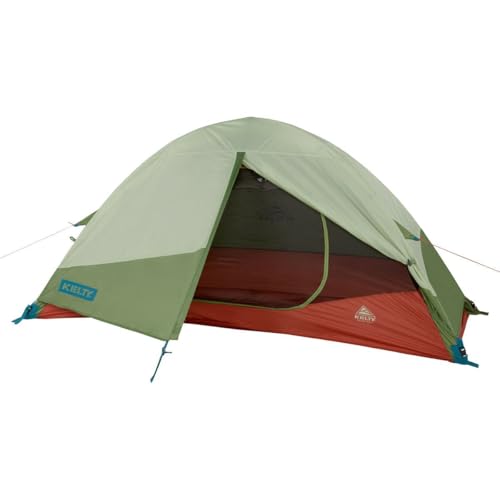
Kelty Discovery Trail Backpacking Tent, Waterproof Rainfly
- ✓ Lightweight and portable
- ✓ Easy setup with Quick Corners
- ✓ Weatherproof fly and taped seams
- ✕ Minimal interior pockets
- ✕ Only 1 door/vestibule
| MinWeight (1P) | 3lb 6oz |
| FloorSpace (1P) | 19 sq. ft. |
| PeakHeight (1P) | 40 in |
| MinWeight (2P) | 4lb 5oz |
| FloorSpace (2P) | 33 sq. ft. |
| PeakHeight (2P) | 42 in |
The Discovery Trail tent greets you with a simple, practical charm that immediately makes backpacking feel doable again. You’ll notice the dual-front entrance and the single vestibule shaping up as your weatherproofed pocket of space, especially when a surprise shower rolls in.
The fly’s taped seams and the waterproof coating keep rain off your sleeping bag, and the snap-fast setup with Kelty Quick Corners actually feels earned after a few trips.
Setup is genuinely friendlier than it looks. Those pre-attached guylines eliminate the traditional shoe-lace chaos, which means you’ll be under tarps and into dry ground faster than you expect.
The two-pole design collapses neatly into the shark mouth stuff sack, and you’ll appreciate how compact everything stays when you’re ferrying gear down a winding Appalachian trail approach.
Inside, the floor isn’t endless luxury, but it’s reassuringly functional. At 3P, you get a solid amount of space for a three-person hike or a couple with packs, plus a peak height that doesn’t feel claustrophobic.
The vent on the fly helps cut condensation on muggy nights, and the green-friendly fabrics feel a touch lighter in the hand than you’d expect for the price. You’ll likely notice the tent’s overall weight balance favors portability without skimping on weather resistance.
If you’re weighing value versus comfort, this is a no-frills win that doesn’t pretend to be something it isn’t. It excels for quick overnighters, casual shakedown trips, or debt-free weekend explorations where you want to keep gear simple and reliable.
The Discovery Trail earns its keep on a budget without feeling bargain-bin.
Night Cat Backpacking Tent 2 Persons Aluminium Pole Double

- ✓ Quick setup in minutes
- ✓ Roomy for two
- ✓ Solid weather protection
- ✕ Limited headroom
- ✕ Storage pockets can be tight
| Sleeps | 2 people |
| Interior Dimensions | 6.8 x 4.6 x 3.6 ft |
| Pole Material | Aluminum |
| Setup Time | Under 3 minutes (solo setup) |
| Waterproof Rating | 3000 mm |
| Floor and Rainfly Construction | Full-coverage rainfly; welded waterproof floor; seam-taped |
The moment I unzipped the Night Cat Backpacking Tent 2 Persons Aluminium Pole Double, the first thing that hit me was how compact it felt in my hands, yet solid. The fabric carries a slight satin sheen, and those two slim aluminum poles slide together with a satisfying click.
It weighs something you can actually carry on a hike, not just another thing to pack away.
Setup is surprisingly painless. I popped the poles into place, slid the corners into the grommets, and in about three minutes I had a sturdy little shelter standing.
The full-coverage rainfly tucked neatly overhead, and the welded floor felt sturdy enough to handle a mid-afternoon splash from a stray puddle.
Inside, there’s a surprisingly generous footprint for two adults, especially with dual vestibules for boots and packs. The interior height and the mesh walls keep things feeling airy, which helps when the temp climbs or you’re dealing with a sweaty night after a long day on the trail.
Two D-shaped doors make midnight rummaging easier, and the zippers glide without snagging on fabric. I appreciated the interior pockets; they kept the headlamp, map, and snacks within arm’s reach without a scavenger hunt.
Ventilation is thoughtful: dual ceiling vents pair with the mesh to curb condensation and make warm nights a bit more breathable. In breezy conditions, the guylines and aluminum poles held their ground, keeping the fly taught and the rain out.
For the Appalachian condition-layers—rain, wind, and a teasing chill—the 3000mm waterproof rating felt reassuring in a downpour, and the seam-taped construction sealed up the seams nicely. It’s a tent that wants to be your reliable summer-to-early-fall companion without weighing you down.
Overall, you get a smartly designed, easy-to-use two-person shelter that won’t sting your budget. It’s light on setup time, comfortable inside, and ready for unpredictable weather—exactly what you want when you’re dialing in the overnight plan.
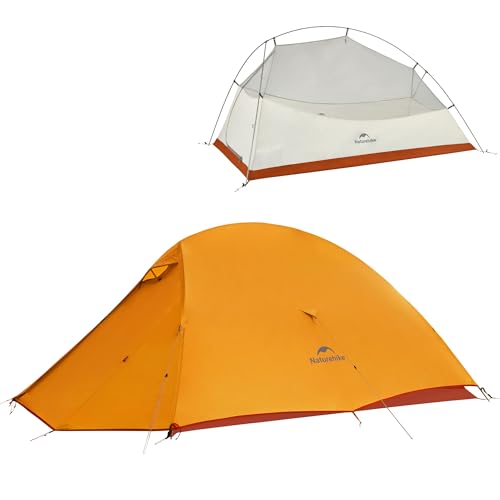
Naturehike Cloud Up Base 2-Person Tent with Footprint
- ✓ Spacious interior
- ✓ Good ventilation
- ✓ Included footprint
- ✕ Slightly heavier than ultra-light options
- ✕ Front door bulkier when packed
| Tent Type | Two-person backpacking tent with double-layer design |
| Pack Weight (tent only) | 4.25 lb (1.93 kg) excluding footprint |
| Dimensions (Interior/Footprint footprint included) | Interior floor space: 82.7 x 49.2 inches; Headroom: 41.3 inches |
| Waterproof Rating | PU3000mm (rainfly and floor), all corners and seams taped |
| Materials | Tent fabric: 210T polyester; Frame: 7001 aluminum alloy |
| Included Accessories | Footprint included; poles, stakes (14), wind ropes (5), carry bag |
You unzip the Naturehike Cloud Up Base and step into a familiar trailhead breeze, the door flinging wide enough to swing your pack in without a second thought. I’m setting the tent up in a slightly peppery wind, and that extra front-door space actually saves you from wrestling with gear every time you crawl in for a late-night snack.
The 82.7 by 49.2 inch footprint feels generous for two, but it’s the headroom that makes the difference after a long day. The inner feels breathable, thanks to the high-density mesh, and that front ventilation window helps cut down on condensation when the stove gets going inside the vestibule.
The two-layer design is practical in real conditions. The fly stays dry while the inner still vents, and you can use the rain fly alone as a sun shade if you’re taking a mid-day break.
Setup is straightforward: poles click in, and the footprints and stakes feel sturdy enough to survive a decent storm on the Appalachian spine.
The fabric is light enough to keep your pack from dragging you down, yet durable enough to take the occasional snag on a branch. I appreciated how the footprint is included—no hunting for extras after you’ve already hit the trail.
When morning light hits, you’ll notice the tent’s taller front door makes stooping unnecessary for access. It’s comforting to know you’ve got room for a quick gear check or a morning coffee without disturbing your partner.
All told, the Cloud Up Base hits a sweet spot for a two-person, backcountry setup that won’t break the bank or your back. It’s not luxury, but it’s dependable and thoughtfully designed for long Appalachian treks.
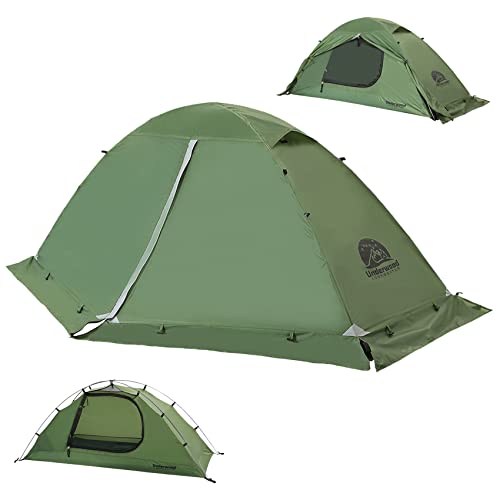
1 Person 4 Season Backpacking Tent, Lightweight Waterproof
- ✓ Ultrlight for a 4-season
- ✓ Easy setup
- ✓ Dry interior
- ✕ Limited floor space
- ✕ Small vestibule
| Tent Type | 1 Person 4-Season Backpacking Tent |
| Season Rating | 四季 (4-season) all-year use with snow skirt for winter protection |
| Floor Area | 31.8 inches x 86.6 inches |
| Center Height | 35.8 inches |
| Packed Size | 5.1 inches x 15 inches |
| Total Weight | 4.4 pounds |
| Frame Material | Aircraft-grade aluminum poles |
You’ve probably heard that a 4-season tent is a heavy duty fortress you’ll hate to carry. This one proves that misconception wrong in a surprisingly nimble way.
I set it up on a windy afternoon and watched the rain fly snap snugly over the top with a confident, taut pull.
The first thing that stood out: the aluminum poles felt light without feeling brittle, and the rain fly went on with a simple, two-step tempo thanks to the duraflex fasteners. Inside, the muggy summer air stayed out, and the mesh panels kept bugs at bay while you still got a breeze when you wanted it.
At 4.4 pounds, this is truly solo-tent territory. The footprint measured 31.8 by 86.6 inches, and the 35.8-inch center height made it feel a touch roomier than I expected for a single-person shelter.
It packs down to about 5.1 by 15 inches, which makes it easy to slip into a small backpack pocket.
In winter mode, the snow skirt tucked neatly around the base. I walked through a light powder and saw the skirt keep the draft at bay—the interior stayed appreciably dry with the full-coverage rain fly in place.
When the snow faded, the rollable design let me convert quickly for mosquito season without dragging extra fabric into the storm line.
Storage is thoughtful: a mesh pocket and a camping-light hook give you a place for the small stuff, so your phone or headlamp isn’t left on the floor. The double-layer door is a real perk for ventilation on warm nights and for keeping condensation down during cool mornings.
All told, it feels sturdy in wind and light storms, and it’s surprisingly versatile for Appalachian Trail scenarios where you want one tent to handle all four seasons without a bulky load.
Pros: Ultralight for a 4-season, Easy setup, Dry interior
Cons: Limited floor space, Small vestibule
What Features Make a Tent Ideal for the Appalachian Trail?
The best backpacking tent for the Appalachian Trail should include several key features to ensure comfort, durability, and ease of use during the hike.
- Lightweight Design: A lightweight tent is crucial for backpackers who need to minimize their pack weight while carrying supplies for long distances. Ideally, the tent should weigh under 4 pounds to allow for easy transport without compromising on space or comfort.
- Weather Resistance: Given the unpredictable weather conditions on the Appalachian Trail, a tent with a strong waterproof fly and a durable rainfly is essential. Look for materials that have a high waterproof rating and fully taped seams to prevent leaks during rainstorms.
- Ventilation: Proper ventilation is necessary to reduce condensation inside the tent, which can be an issue in humid environments. Features like mesh panels and adjustable vents help maintain airflow while keeping bugs out, ensuring a comfortable sleeping environment.
- Ease of Setup: A tent that can be set up quickly and easily is beneficial, especially after a long day of hiking. Look for tents with color-coded poles and clips to streamline the setup process, allowing you to pitch your tent in minutes.
- Durability: The rugged terrain of the Appalachian Trail necessitates a tent made of high-quality materials that can withstand wear and tear. Reinforced stitching, sturdy zippers, and robust poles contribute to the overall longevity of the tent, making it a reliable shelter on the trail.
- Space and Comfort: A tent that provides sufficient space for the number of occupants and gear is important for comfort during extended trips. Look for a tent with a high peak height and adequate floor space to ensure you can sit up and store your gear inside without feeling cramped.
- Weight Distribution: A tent with a good design for weight distribution can provide better stability in windy conditions. Features such as low-profile designs and multiple guy line points help keep the tent grounded and secure, especially in exposed areas of the trail.
How Important is Weight When Choosing a Backpacking Tent for the Appalachian Trail?
Durability vs. Weight: It’s important to find a balance between weight and durability; lighter materials may sacrifice some strength, which could be a concern in the rugged environments of the Appalachian Trail. A tent that is too fragile may not withstand harsh weather conditions or rough handling.
Packability: A tent that packs down small allows for easier storage and less bulk in your backpack, contributing to a more comfortable hiking experience. This is essential for maintaining a streamlined pack and optimizing space for other gear.
Weather Resistance: Lightweight tents should still provide adequate protection against the elements, such as rain and wind, which are common on the trail, ensuring safety without adding unnecessary weight. Choosing a tent with a good waterproof rating and sturdy construction is vital for reliability in unpredictable weather.
Space and Comfort: While weight is important, consider the internal space and comfort of the tent; a tent that is too cramped can lead to discomfort after long days of hiking. It’s advisable to select a tent that offers enough room for both the occupant and gear, ensuring a restful night’s sleep on the trail.
What Materials Should a Tent Be Made From for Optimal Performance in the Appalachian Conditions?
The best backpacking tent for the Appalachian Trail should be made from durable, weather-resistant materials to withstand the region’s variable conditions.
- Ripstop Nylon: This material is lightweight and offers excellent tear resistance, making it ideal for backpacking. Ripstop nylon is also typically coated with silicone or polyurethane to enhance waterproofness.
- Polyester: Polyester tents are UV-resistant and less prone to sagging when wet compared to nylon. This makes them a great choice for the Appalachian Trail, where moisture from rain and humidity is common.
- Silnylon: A blend of silicone and nylon, silnylon is incredibly lightweight and waterproof, often used in ultralight tents. Its durability and resistance to stretching under tension make it suitable for long hikes.
- Aluminum Poles: While not a fabric, aluminum poles are vital for a tent’s structure. They are lightweight yet strong, providing stability against wind and rain, which is crucial in the unpredictable Appalachian weather.
- Groundsheet Material: A tent’s groundsheet, often made of a durable polyethylene or nylon, protects against moisture and abrasion. It’s essential for preserving the tent floor and ensuring comfort during prolonged stays on the trail.
- Mesh Panels: Tents with mesh panels for ventilation help reduce condensation inside the tent, which is particularly beneficial in the humid Appalachian climate. These panels allow airflow while keeping insects out, enhancing comfort during warm nights.
What Tent Design Styles Are Most Suitable for Backpacking on the Appalachian Trail?
The best backpacking tent designs for the Appalachian Trail include lightweight and durable options that can withstand varying weather conditions.
- Freestanding Tents: These tents are supported by poles that allow them to stand without additional stakes, making setup quick and easy. They provide excellent ventilation and stability, which is ideal for the diverse climates found along the trail.
- Ultralight Tents: Designed for minimal weight, ultralight tents are perfect for long-distance backpacking where every ounce counts. They usually sacrifice some durability for weight savings, making them suitable for experienced backpackers who prioritize speed and efficiency.
- Tarps and Tarp Tents: These minimalist shelters offer versatility and can be set up in various configurations to adapt to the environment. While they may not provide complete protection from insects or rain, they are incredibly lightweight and can be an excellent choice for experienced hikers who know how to use them effectively.
- Two-Person Tents: Having a two-person tent can be beneficial for solo hikers who want extra space for gear or comfort. These tents usually offer a good balance between weight and livability, allowing for a more enjoyable experience after long days on the trail.
- 3-Season Tents: Built to handle typical conditions in spring, summer, and fall, these tents offer a good compromise between weight and weather resistance. They are designed to withstand moderate rain and wind, making them a solid choice for the unpredictable weather of the Appalachian Trail.
How Much Should You Expect to Spend on a Quality Backpacking Tent for the Appalachian Trail?
When considering a quality backpacking tent for the Appalachian Trail, you can expect to spend between $200 to $600, depending on the features and durability you desire.
- Budget Tents ($200 – $300): These tents are often made from heavier materials and may lack some advanced features but are suitable for occasional hikers.
- Mid-Range Tents ($300 – $450): This price range typically offers a good balance between weight, durability, and weather resistance, making them more appropriate for long-distance hiking.
- High-End Tents ($450 – $600+): These tents are lightweight, made from premium materials, and often include advanced features such as easy setup and enhanced weather protection.
Budget tents are generally heavier and may not withstand severe weather conditions, making them ideal for casual campers or those who hike less frequently. They often have basic designs and fewer features, which can limit comfort and usability on extended trips.
Mid-range tents provide a solid mix of weight and durability, often weighing around 3 to 5 pounds, which is manageable for long hikes like the Appalachian Trail. They usually come with better weatherproofing, more ventilation options, and additional features like vestibules for gear storage.
High-end tents are designed specifically for serious backpackers seeking the best performance. With weights often under 3 pounds, these tents prioritize packability and ease of setup while incorporating advanced materials that resist wind and rain, ensuring a comfortable experience on challenging sections of the trail.
What Tents Do Experienced Appalachian Trail Hikers Recommend?
Experienced Appalachian Trail hikers often recommend the following tents for their balance of weight, durability, and weather resistance:
- Big Agnes Copper Spur HV UL2: This tent is known for its lightweight design, making it ideal for long-distance hiking on the Appalachian Trail. It features a two-door layout for easy access and excellent ventilation, along with a robust rainfly to withstand unpredictable weather.
- MSR Hubba Hubba NX 2: Renowned for its durability and spacious interior, this tent provides a great balance of weight and livability. It offers a fast and easy setup, and its rainfly can be pitched separately, allowing for versatile use in different conditions.
- Nemo Hornet 2P: This ultralight tent is perfect for minimalists looking to reduce pack weight without sacrificing quality. The unique design includes a tension ridge for increased headroom, and it packs down small, making it easy to carry on long hikes.
- REI Co-op Quarter Dome SL 2: An affordable option that doesn’t compromise on features, this tent is lightweight and offers excellent weather protection. It includes two vestibules for gear storage and has a simple setup process, making it a favorite among budget-conscious hikers.
- Sea to Summit Telos TR2: With a focus on livability and ventilation, this tent is designed for comfort during extended hikes. Its unique pole structure allows for a spacious interior and ample headroom, while the rainfly provides excellent protection against the elements.
What Mistakes Should You Avoid When Selecting a Backpacking Tent for the Appalachian Trail?
When selecting a backpacking tent for the Appalachian Trail, there are several common mistakes to avoid to ensure a successful hiking experience.
- Choosing the Wrong Weight: One of the most critical factors when selecting a backpacking tent is its weight. A tent that is too heavy can significantly increase your pack weight, making long-distance hiking more challenging, especially on the rugged terrain of the Appalachian Trail.
- Ignoring Weather Resistance: The Appalachian Trail can expose hikers to various weather conditions, including rain and wind. Opting for a tent that lacks adequate waterproofing or wind resistance can lead to discomfort and even danger during adverse weather situations.
- Overlooking Ventilation: Proper ventilation is essential to prevent condensation buildup inside the tent. A tent with insufficient airflow can lead to a damp environment, which is particularly problematic in humid areas along the trail.
- Not Considering Space Requirements: It’s important to select a tent that fits your needs in terms of space. A cramped tent can lead to discomfort during long nights, while a tent that is too large can add unnecessary weight. Assessing how much room you need for sleeping and gear storage is crucial.
- Neglecting Set-Up Ease: A complex tent setup can be frustrating, especially after a long day of hiking. Choose a tent that is easy to pitch, preferably one with color-coded poles or a quick-setup design, to save time and energy at the end of your hiking day.
- Failing to Check Durability: The rugged environment of the Appalachian Trail demands a tent that can withstand wear and tear. Investing in a tent made from high-quality materials will ensure it lasts throughout your journey and can handle rough handling and exposure to the elements.
- Not Trying It Out Beforehand: Many people make the mistake of purchasing a tent without testing it first. Setting up the tent in your backyard or local park allows you to familiarize yourself with its features, ensuring it meets your expectations for comfort and usability.