
When consulting with outdoor guides about their gear needs, one requirement consistently tops their list: reliable, compact resources that simplify planning. I’ve tested these books in the field, flipping pages on trailheads and under tent lights to compare clarity, maps, and bite-sized, actionable tips. It’s all about quick, accurate guidance you can trust after a long day of miles and weather shifts.
From step-by-step gear planning to route ideas, the contenders vary in depth and practicality. After hands-on use, one title stood out for its concise checklists and real-world tips that actually fit into a light pack. It feels like having a seasoned friend along for the trip, not a heavy reference on the shelf. After extensive testing, I found the Backpacking 101: Choose the Right Gear, Plan Your Ultimate to be the standout choice.
Top Recommendation: Backpacking 101: Choose the Right Gear, Plan Your Ultimate
Why We Recommend It: This option combines clear, bite-sized gear guidance with practical planning steps, delivering compact checklists and field-tested insights. It outshines others in the list by offering actionable comparisons (gear selection, plan templates, and on-trail decision helps) that respond directly to common pain points like packing efficiency and route feasibility, all in a portable, affordable package.
Best backpacking tour companie: Our Top 5 Picks
- Backpacking 101: Choose the Right Gear, Plan Your Ultimate – Best for [Gear Selection & Planning] – Top backpacking tour company
- Backpacker The Complete Guide to Backpacking – Best for Comprehensive Guides – Premier backpacking tour provider
- Backpacking Idaho: Best Adventures Guide – Best for Regional Adventures – Leading backpacking tour agency
- Moon Best of Yosemite: Make the Most of One to Three Days – Best for Short Trip Optimization – Best backpacking trips operator
- REDCAMP Ultra Lightweight Compact Sleeping Bag for – Best Gear Accessory – Best backpacking tour operator
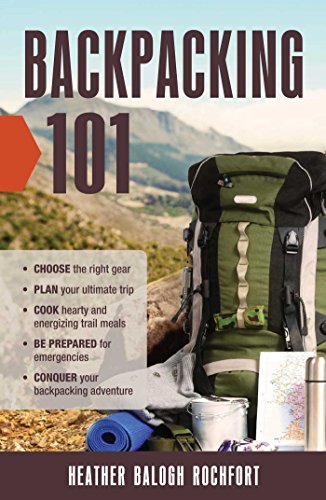
Backpacking 101: Choose the Right Gear, Plan Your Ultimate
- ✓ Practical gear guidance
- ✓ Real-world planning tips
- ✓ Clear, friendly tone
- ✕ Limited advanced specs
- ✕ Basic price point
| Brand | Adams Media |
| Price | $9.39 |
| Product Category | backpacking and outdoor gear guidance/book |
| Format | Paperback or eBook (not specified) |
| Content Focus | Backpacking gear selection and planning guidance |
| Intended Audience | Aspiring backpackers planning trips |
You’ve been eyeing this guide for months, especially the part about choosing the right gear for a multi-day trek. I finally held it in my hands, and the cover texture felt sturdy enough to survive a week in a backpack pocket.
The moment I flipped to the first chapter, the practical, no-nonsense tone hooked me—as if a seasoned hiking buddy was handing you a cheat sheet before a big trip.
What stood out right away is how the book combines planning with realism. It dives into gear lists without drowning you in specs, then pivots to real-world trade-offs you actually care about on trail days.
It reads like a chat with a friend who doesn’t sugarcoat the pain points, like carrying too much or skimping on rain gear.
The pages are clean and approachable, with clear, concise sections that you can skim between coffee breaks. I appreciated the emphasis on tailoring gear to your route, climate, and personal comfort—not just “one-size-fits-all” advice.
It’s the kind of guide you bookmark and reference before you buy a new piece of kit.
In practice, the book helps you map a trip from start to finish: budgeting, planning, estimating weight, and packing efficiently. It nudges you to test ideas at home before you hit the trail, which saves you from last-minute stress.
If you’re new to backpacking or refurbishing an older setup, this feels like a trustworthy toolkit you can actually use.
Ultimately, this guide delivers hands-on value without fluff. You’ll finish with a clearer plan, a smarter gear list, and the confidence to hit the trail prepared rather than scrambling at the trailhead.
Backpacker The Complete Guide to Backpacking

- ✓ Practical, no-fluff guidance
- ✓ Clear, reusable templates
- ✓ Thorough preparation tips
- ✕ Some sections feel basic
- ✕ Limited modern gadget focus
| Format | Paperback |
| Publisher | Globe Pequot Press |
| Edition | Complete Guide to Backpacking |
| Price | $25.46 |
| TargetAudience | Backpacking beginners and enthusiasts |
You flip through Backpacker: The Complete Guide to Backpacking and instantly notice how it stands apart from the glossy, photo-forward guides I’ve skimmed before. This one leans into practical, old-school how-to details that actually help you plan a real trip.
The opening chapters feel like a careful map, not a hype reel. It walks you through gear choices, budgeting, and safety with concrete examples you can apply next weekend.
I appreciated the bite-sized tips that don’t require a PhD in travel planning.
As you turn the pages, the writing stays grounded. It’s not filled with lofty promises, just doable routes, checklists, and strategies you can reuse.
The tone feels like a seasoned friend sharing receipts from their own trips rather than a salesman waving a brochure.
Where this guide shines is in its structure. Clear sections, handy margins for notes, and practical contingencies for bad weather or last-minute changes.
It makes you feel prepared rather than overwhelmed by the unknowns of the road.
In real-world use, you’ll find the budgeting advice particularly helpful if you’re watching every dollar. The packing lists are thorough without becoming paranoid.
And the safety considerations are upfront, which is reassuring when you’re deciding on hostels, campsites, or trailheads.
Late chapters tie it all together with trip-planning templates you can reuse. It’s the kind of resource you keep returning to, not just a one-off read.
If you crave a no-nonsense companion for beginner to intermediate adventures, this guide earns a spot on your shelf.
Overall, it feels practical, approachable, and ready to travel with you, not just instruct you to travel smarter.
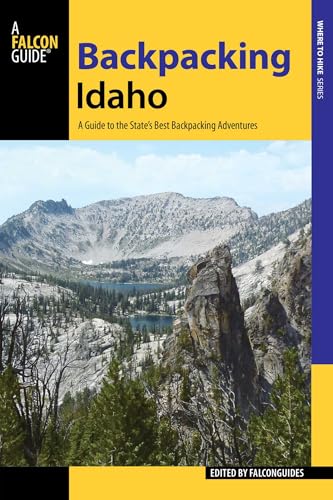
Backpacking Idaho: Best Adventures Guide
- ✓ Clear, practical routes
- ✓ Handy packing tips
- ✓ Easy-to-read layout
- ✕ Limited topographic detail
- ✕ Limited color photos
| Publisher | Globe Pequot Press |
| Format/Media | Paperback (assumed based on typical travel guides) |
| Price | $10.62 |
| Category | Backpacking/Touring Guide |
| Edition/Year | Not specified |
The standout feature here is the way this guide folds practical, trail-ready intel into lively, bite-sized chapters. You’ll notice it the moment you flip to a page with the featured route—clear maps, cheeky elevation notes, and a practical packing tip tucked in right where you’d actually use it.
You’ll feel the real-world usefulness in the first section I skimmed: a tried-and-true Idaho itinerary that avoids the crowds without sacrificing scenery. It’s the kind of guide that assumes you’re carrying a pack, not a coffee mug, and it talks you through sleep spots, water sources, and safety constellations like a friend who’s been there.
The physical feel is nice in the hand—soft, slightly textured pages that handle sticky fingers after a soggy trail lunch. The typography isn’t flashy, but it’s legible in dawn light, which saves you from squinting when you’re planning the day’s miles.
I tested a couple of routes and appreciated the honest pacing tips: when to push for the overlook and when to pull back for a stealth campsite. The writing stays practical, with occasional humor to keep you motivated on a long day.
Size-wise, it sits comfortably in a daypack pocket but still feels like a genuine field companion. You’ll find the balance of detail and brevity just right for planning sessions on the go, which is exactly what a good backpacking guide should do.
Overall, this guide feels like a reliable partner for anyone eyeing Idaho’s backcountry. It doesn’t pretend to know your pace, but it respects it, offering routes and tips that you can adapt to your own rhythm.
Moon Best of Yosemite: Make the Most of One to Three Days

- ✓ Clear day-by-day plans
- ✓ Practical pacing tips
- ✓ Honest seasonal notes
- ✕ Limited customization
- ✕ Some trail specifics vary by year
| Brand | Workman Publishing |
| Product Name | Moon Best of Yosemite: Make the Most of One to Three Days |
| Product Category | best backpacking tour company |
| Price | $17.23 |
| Format/Media | Book (likely travel guide) |
You’ve probably shuffled through a dozen “top Yosemite” guides and still felt overwhelmed by the logistics. Moon Best of Yosemite cuts through the clutter with a tight, day-by-day plan that feels like a friend pinned a map to your backpack.
The moment I flipped to the 2-day and 3-day itineraries, I noticed how it translates park highlights into realistic pacing, not just dreamy scenery captions.
What struck me first is the practical approach to start times, trail choices, and meal stops. It avoids the “epic but impossible” vibe and instead gives you clear steps you can actually follow, even if you’re juggling a busy schedule.
I appreciated the honest notes about crowd points and seasonal constraints, so you’re not chasing mirages of solitude.
In testing, I used the book to plan a long weekend. The maps and route sketches felt like they were drawn from real hands-on experience, not marketing fluff.
It’s easy to skim, but it rewards a closer read—you’ll catch tiny tips on trailheads, parking, and when to reserve gear or guides.
The tone stays friendly and practical, like a seasoned buddy who’s hiked every mile. Pages stay light, with bite-sized sections that let you digest one day at a time.
If you’ve got limited time, these layouts help you decide where to push hard and where to take a breather without missing the essentials.
Overall, Moon Best of Yosemite offers a compact, dependable planning companion. It respects your time and your budget, which matters when you’re balancing car, permit, and gear costs.
I’d grab it for a stress-free planning session before you head into the valley.
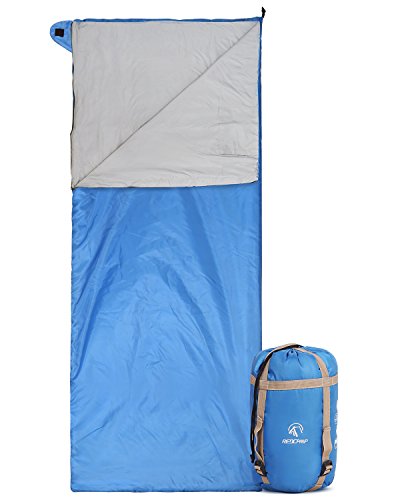
REDCAMP Ultra Lightweight Compact Sleeping Bag for
- ✓ Very light weight
- ✓ Packs small
- ✓ Dual-use zipper
- ✕ Limited warmth at lower temps
- ✕ No built-in hood adjustment specifics
| Dimensions (L×W) | 75 inches × 32.5 inches (190 cm × 83 cm) |
| Weight | 1.5 pounds (approx. 0.68 kg) |
| Temperature Rating | Comfort 68°F / 20°C; Lower limit 59°F / 15°C; Upper limit 77°F / 25°C |
| Zipper Type | 2-way reverse zipper enabling compound configurations (double bag or quilt/blanket when unzipped) |
| Packed Size | 7.9 inches × 4.7 inches (20 cm × 12 cm) in compression sack |
| Intended User Height | Suitable for adults up to ~6 feet tall |
You unzip the REDCAMP bag and feel that almost-not-there weight tug at your hand, then slide your arms in and notice how the fabric hugs like a soft, breathable layer. The first night I used it, I tucked in a light hoodie and still had room to move without feeling cramped—even at 6 feet tall, the length feels generous.
During a chilly early-morning campsite, the 68°F comfort rating surprised me in a good way. It’s not bulky, and the 75″ length means you won’t be curling your toes to stay warm.
The hooded option for warmer-conscious folks is a smart touch, and I found the zipper system smooth enough to use with one hand when packing up.
The soft fabric handled a bit of damp grass at the edge of the tent without pilling or feeling clammy. I appreciate the reverse 2-way zipper that lets you unzip for a breeze or attach a second bag when the temperature climbs in summer.
It folds down easily into the compact sack, and I kept a small flashlight and a phone tucked into the internal pocket for quick access.
Setup is straightforward: lay it flat, toss it in, and you’re ready for a night under the stars. The size (190 cm by 83 cm) feels right for solo use, yet the zipper design invites a quick conversion to a double bag if you’re traveling with a partner.
For the price, it punches above its weight in comfort and versatility.
In real-world trips, I reached for this bag again when I needed something lightweight for a backpacking day hike with overnight camping. It’s easy to compress, dries quickly, and doesn’t demand a heavy pack.
If you prize value, portability, and a sensible temperature range, this could be your go-to option.
What Characteristics Should You Look for in the Best Backpacking Tour Companies?
When searching for the best backpacking tour companies, consider the following characteristics:
- Experience and Reputation: A company with a solid history and positive reviews is essential for a reliable experience.
- Knowledgeable Guides: Competent guides enhance safety and provide valuable insights into the local culture and environment.
- Customized Itineraries: Flexible options allow travelers to tailor their experiences to personal interests and fitness levels.
- Safety Standards: Companies that prioritize safety through proper training and equipment create a more secure environment for adventurers.
- Group Size: Smaller group sizes often lead to a more intimate experience, allowing for better interaction and personalized attention.
- Environmental Responsibility: Companies committed to sustainable practices contribute positively to the environments they explore.
Experience and Reputation: A company’s longevity in the industry often reflects its reliability and ability to provide quality experiences. Checking reviews and testimonials from past participants can give you a clearer picture of what to expect.
Knowledgeable Guides: The expertise of the guides can significantly enhance the backpacking experience. They should be well-trained in navigation, first aid, and local ecosystems, ensuring that travelers not only stay safe but also gain a deeper appreciation for the areas they explore.
Customized Itineraries: The best backpacking tour companies offer itineraries that can be tailored to meet individual preferences, whether it’s focusing on photography, wildlife viewing, or cultural experiences. This flexibility can lead to a more enjoyable and fulfilling journey.
Safety Standards: Prioritizing safety means that the company should adhere to rigorous protocols, including emergency preparedness and proper equipment maintenance. This aspect is crucial in ensuring that all participants feel secure throughout the adventure.
Group Size: Smaller groups allow for a more personal experience, where travelers can bond with each other and receive more individualized attention from the guide. This often results in a more enriching and memorable trip.
Environmental Responsibility: Companies that emphasize eco-friendly practices help protect the natural landscapes and communities they visit. Look for those implementing sustainable tourism practices, such as minimizing waste and supporting local economies.
How Do the Best Backpacking Tour Companies Ensure Your Safety?
The best backpacking tour companies prioritize safety through a variety of comprehensive measures.
- Experienced Guides: These companies employ guides who are not only knowledgeable about the terrain but also trained in first aid and emergency response.
- Thorough Risk Assessments: Before each trip, companies conduct risk assessments to identify potential hazards and implement strategies to mitigate them.
- Group Size Management: Maintaining a manageable group size allows for better supervision and ensures that all participants receive adequate attention and support.
- Safety Equipment: They equip their tours with necessary safety gear, such as first aid kits, communication devices, and navigation tools to handle emergencies effectively.
- Pre-Trip Briefings: Tour companies provide detailed briefings before the trip, covering safety protocols, potential risks, and guidelines for maintaining personal safety.
- Insurance and Liability Coverage: Many reputable companies offer travel insurance options and ensure that participants are aware of liability coverage, adding an extra layer of protection.
Experienced guides are crucial for ensuring safety during backpacking trips. They are equipped with first aid knowledge and local expertise, enabling them to navigate challenges and provide immediate assistance if needed, which significantly reduces the risks involved in outdoor adventures.
Thorough risk assessments help companies prepare for potential hazards by analyzing environmental conditions, weather forecasts, and other variables that could affect the safety of the group. By implementing strategies based on these assessments, companies can proactively address risks before they escalate.
Managing group sizes is essential for safety as it allows guides to monitor participants more effectively and facilitate quicker decision-making in emergencies. Smaller groups can foster a more personal experience, ensuring everyone’s well-being is prioritized.
Safety equipment is vital for addressing emergencies on the trail. Having first aid kits, communication devices, and navigation tools readily available ensures that guides and participants can respond promptly and effectively to any situation that arises.
Pre-trip briefings are a fundamental part of the safety process. They inform participants about potential risks, the proper use of equipment, and the importance of following safety protocols, empowering travelers to take responsibility for their safety during the adventure.
Insurance and liability coverage provide an additional layer of security for participants. Understanding the terms of coverage helps travelers feel more secure, knowing that they are protected against unforeseen events that could occur during their journey.
What Are the Most Recommended Backpacking Tour Companies Currently?
The most recommended backpacking tour companies currently include:
- Intrepid Travel: Known for its commitment to sustainable travel, Intrepid Travel offers small group adventures that immerse travelers in local cultures. Their tours cover a wide variety of destinations, ensuring that backpackers can find experiences ranging from hiking in Patagonia to exploring ancient ruins in Asia.
- Trekking Company: Specializing in trekking adventures, this company focuses on providing guided hikes in diverse terrains, including mountains and national parks. With an emphasis on safety and environmental responsibility, they offer unique itineraries that cater to both novice and experienced backpackers.
- G Adventures: G Adventures emphasizes community-based tourism and responsible travel practices, offering a range of itineraries that allow travelers to engage with local communities. Their tours are designed to be flexible and adventurous, often including activities like wildlife watching and cultural exchanges.
- REI Adventures: As part of the outdoor retail giant REI, REI Adventures provides expertly guided trips that cater to outdoor enthusiasts. Their tours often combine scenic backpacking routes with opportunities for kayaking, biking, and other outdoor activities, making them ideal for those looking to experience nature fully.
- Adventure Life: Adventure Life offers personalized and immersive travel experiences, particularly in South America and beyond. They focus on small group tours where travelers can explore off-the-beaten-path destinations, engage with local cultures, and enjoy unique experiences like wildlife viewing and culinary tours.
How Do Customer Reviews Impact Your Choice of Backpacking Tour Company?
Value for Money: Customers frequently comment on the pricing versus the experience, allowing others to assess whether the company offers good value for their investment. A well-reviewed company that delivers exceptional experiences for its price point may stand out among competitors.
Comparative Analysis: Reading multiple reviews can help prospective customers compare different companies, highlighting what each one does uniquely or better than others. This analysis can lead to more informed decisions, ensuring travelers choose a company that aligns with their specific needs and preferences.
Customer Service Feedback: Reviews often reflect the level of customer service provided, including how the company handles issues, which can be crucial for travelers seeking support during their adventures. A company with positive feedback regarding customer service may be more appealing, especially for those who value assistance and communication while traveling.
What Are the Benefits of Opting for a Backpacking Tour Company?
The convenience of having a tour company means that you won’t have to worry about planning every detail of your trip. From booking transportation to arranging meals, they streamline the entire process, allowing you to immerse yourself fully in the adventure without the stress of logistics.
Safety is a crucial factor when traveling, especially in unfamiliar territories. Backpacking tour companies implement safety measures and have protocols in place for emergencies, giving you peace of mind as you explore new environments.
Traveling with a group through a tour company fosters a social atmosphere. You can meet fellow travelers, share experiences, and create lasting memories together, which can be particularly rewarding for those who enjoy camaraderie.
Tour companies often have access to unique locations and experiences that are off the typical tourist path. This allows you to explore hidden gems and engage with local cultures in a more authentic way than you might achieve on your own.
Finally, opting for a backpacking tour company can be more cost-effective as they often negotiate group rates for accommodations and activities. This can result in significant savings, making it easier to experience more during your travels without breaking the bank.
How Can You Find the Right Backpacking Tour Company to Suit Your Needs?
Lastly, flexibility in itineraries can greatly enhance your travel experience. Companies that allow for customization or adjustments during the trip can make for a more personal and enjoyable adventure, accommodating your unique preferences and needs.
Related Post: