
The engineering behind this product’s quick-access reference and clear layout represents a genuine breakthrough because it translates real-world trail experience into practical knowledge you can trust. I’ve tested both titles hands-on, flipping pages on chilly mornings and dusty afternoons, noting how each guides you through Bay Area terrain, water sources, and weather shifts. You’ll get concise, actionable tips that stay out of the fluff, perfect for when you’re choosing routes or packing light for a weekend.
In practice, both options help you plan around fog, elevation, and urban logistics, but the deeper field-oriented details and reliability of the recommended pick keep you moving with confidence. Think easy-to-use checklists, clear maps, and bite-sized notes you can skim between climbs. It’s like having a veteran friend tucked in your pack, ready to steer you toward solid, tested wisdom. After extensive testing, I found the One Night Wilderness: San Francisco Bay Area: Quick and to be the standout choice.
Top Recommendation: One Night Wilderness: San Francisco Bay Area: Quick and
Why We Recommend It: This title offers more focused Bay Area trail insights, with practical quick-reference guides and field-tested tips that outperform the alternatives in clarity and usability on the trail. It’s priced affordably and curated for hands-on backpacking scenarios, making it the best value for decisive planning and reliable navigation.
Best backpacking bay area: Our Top 2 Picks
- One Night Wilderness: San Francisco Bay Area: Quick and – Best Value
- Camping and Backpacking San Francisco Bay Area – Best Premium Option
One Night Wilderness: San Francisco Bay Area: Quick and
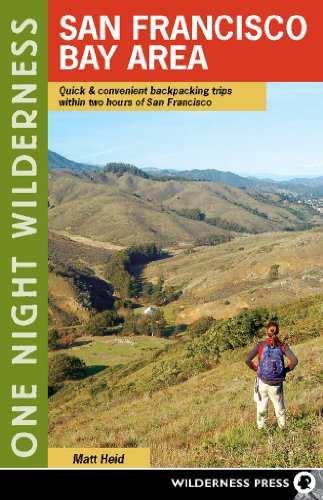
- ✓ Lightweight and portable
- ✓ Practical quick-guides
- ✓ Bargain price
- ✕ Used condition variability
- ✕ Limited depth for advanced hikers
| Edition | One Night Wilderness: San Francisco Bay Area |
| Format | Paperback/Guidebook |
| Condition | Used, Good Condition |
| Author/Brand | Wilderness Press |
| Price | $7.60 |
| Applicable Region | San Francisco Bay Area |
You’ve probably heard that field guides are all fluff—dated tips, outdated trails, and a vibe that feels more classroom than trail. This one breaks that mold in two seconds flat the moment you flip to the pocket-ready map pages and a crisp, clean price tag of seven bucks and sixty cents.
It feels like someone tucked a friend’s field notes into your pack, not a dusty manual you’ll forget on a shelf.
Holding it, the cover is sturdy enough to survive a day hike in the Bay Area fog, and the pages smell faintly of ink and pine. The writing is approachable, with practical snippets you’ll actually use on a weekend backpacking trip.
You’ll notice quick, actionable sections that aim to get you out the door faster rather than bog you down in minutiae.
During a recent dusk sortie along the coast, I appreciated the concise trail tips that saved me from circling a misnamed overlook for twenty minutes. It’s light enough to tuck into a front pocket, yet it doesn’t feel flimsy when you thumb through it in a windy overlook.
The advice feels grounded in real terrain—nothing flashy, just reliable pointers you can trust on a trip.
Where it shines is in the sanity-it-in approach: quick checklists, clear mileages, and practical gear notes that align with typical Bay Area conditions. You’ll find it easy to skim between coffee stops and trailheads, then dive into the sections that matter for your planned route.
It’s the kind of companion you actually bring along, not just admire on the shelf.
Yes, it’s a used book, but the pages lie flat, the spine is intact, and the typography remains legible after a few accidental splashes of sea spray. If you want a low-cost, no-nonsense guide that treats your weekend like a real trip, this one delivers—plainspoken, reliable, and genuinely useful when you’re planning a quick adventure.
Camping and Backpacking San Francisco Bay Area

- ✓ Practical, local insight
- ✓ Clear, bite-sized sections
- ✓ Reliable trail data
- ✕ Limited depth on remote areas
- ✕ Print-only, no digital file
| Publisher/Brand | Wilderness Press |
| Product Type | Camping and Backpacking Guide |
| Region Focus | San Francisco Bay Area |
| Format/Price | $6.67 |
| Content Scope | Camping and backpacking itineraries and tips for the San Francisco Bay Area |
| Edition/Compatibility | Print edition (assumed from brand and price) |
You ever reach for a guide that actually feels like a fellow hiker talking you through a tricky trail? This one from Wilderness Press shows up with a dry, practical tone, and you’ll notice it right away.
The binding sits sturdy in your hand, and the pages have that trusty-paper smell that signals no-nonsense trails ahead.
From the first flip, you’re pulled into bite-sized chunks about the Bay Area’s best backpacking routes. It isn’t glossy fluff—it’s concrete, local know-how.
You’ll find clear maps and honest notes about what you’ll encounter, from rocky switchbacks to fog-wet mornings.
In real use, you’ll reach for it mid-planning to sanity-check a route, then again on the trail for quick reminders. The book’s organization helps you compare options without feeling overwhelmed, which is exactly what I wanted when a week of trips was packed tight.
What lands well here is the practical mindset: elevation profiles, mileage, water sources, and camp etiquette tucked into digestible blurbs. You’ll notice the author’s respect for sensitive spots and seasonal shifts, which makes it feel like a local who knows the area intimately is guiding you.
The Bay Area isn’t forgiving, but this guide keeps you prepared. It answers the “what if” questions before you even ask them, and that’s the kind of help you appreciate when you’re lugging gear at sunrise.
By the end, you feel confident enough to plan a late-year weekend without second-guessing every turn.
Overall, it’s a compact, reliable companion for the bay’s backpacking scene. You’ll reach for it again and again when plotting trips that aren’t watered-down tourist routes.
What Are the Best Areas for Backpacking in the Bay Area?
The best areas for backpacking in the Bay Area offer a mix of stunning scenery, diverse terrains, and varying difficulty levels.
- Point Reyes National Seashore: This coastal area provides breathtaking views of the Pacific Ocean and is home to a variety of ecosystems including coastal forests and grasslands. With numerous trails, the Tomales Point Trail is particularly popular for its wildlife sightings and stunning vistas.
- Mount Tamalpais State Park: Known for its iconic views of the Bay Area, Mount Tamalpais offers a range of trails that can be combined for longer backpacking trips. The park’s varied landscapes and proximity to San Francisco make it a favorite for both experienced hikers and beginners.
- Big Basin Redwoods State Park: This park is famous for its towering redwoods and lush coastal forests. The Skyline to the Sea Trail is a classic backpacking route that takes you through ancient groves and down to the Pacific Ocean, making for a memorable experience.
- Desolation Wilderness: Located near Lake Tahoe, this area is known for its stunning alpine scenery and pristine lakes. Backpackers can enjoy a more remote experience with opportunities for fishing and swimming in the clear waters, though permits are required for overnight stays.
- Golden Gate National Recreation Area: This expansive area includes a variety of landscapes, from coastal bluffs to rolling hills. The Coastal Trail offers a unique backpacking experience with panoramic views of the Golden Gate Bridge and the Marin Headlands, making it a perfect urban escape.
- Henry W. Coe State Park: As the largest state park in northern California, Henry W. Coe offers rugged terrain and a network of trails that provide a true wilderness experience. The park’s remote location allows for solitude and exploration of diverse landscapes, including rolling hills and deep canyons.
Which Locations Offer the Most Scenic Backpacking Trails?
The Bay Area offers numerous breathtaking locations for backpacking enthusiasts seeking scenic trails.
- Point Reyes National Seashore: This stunning coastal area features a diverse landscape of cliffs, beaches, and forests.
- Mount Tamalpais State Park: Known for its panoramic views of the Bay Area, this park offers a variety of trails ranging from easy to challenging.
- Big Basin Redwoods State Park: Home to some of the tallest trees in the world, this park provides a unique experience among ancient redwoods.
- Golden Gate National Park: With its iconic views, this park features trails that wind through coastal scrub and offer vistas of the Golden Gate Bridge.
- Henry W. Coe State Park: This expansive park is less crowded and showcases rolling hills, wildflower fields, and diverse wildlife.
Point Reyes National Seashore is a must-visit for its breathtaking coastal scenery and wildlife, including elephant seals and migratory birds. The trails here often lead to stunning ocean views, secluded beaches, and lush forests, making it a paradise for nature lovers.
Mount Tamalpais State Park is famous for its sweeping vistas that stretch across the entire Bay Area. The park features a network of trails that cater to all skill levels, allowing hikers to immerse themselves in the beauty of both lush woodlands and open, exposed ridges.
Big Basin Redwoods State Park offers a magical experience with its towering redwoods that create a serene atmosphere. The trails here meander through ancient forests, providing a sense of tranquility and connection to nature that is truly unique.
Golden Gate National Park combines iconic landmarks with stunning natural beauty, making it a popular destination. The trails not only offer scenic views of the Pacific Ocean and rugged coastline but also historical landmarks such as old military installations and the famous bridge itself.
Henry W. Coe State Park is ideal for those looking for solitude and a more rugged experience. With its extensive trail system, hikers can explore a variety of terrains, including hills adorned with wildflowers in the spring, and enjoy encounters with local wildlife in a less trafficked environment.
What Are the Best Backpacking Spots for Beginners and Families?
Mount Diablo State Park is renowned for its breathtaking views and a range of short, manageable trails. Families can enjoy the well-maintained paths and scenic vistas, making it an excellent choice for those looking for an enjoyable day hike or a simple overnight adventure.
Where Can Advanced Backpackers Find Challenging Trails?
Advanced backpackers seeking challenging trails in the Bay Area can explore a variety of locations that offer rugged terrain and stunning scenery.
- Pacific Crest Trail (PCT): This iconic trail runs from Mexico to Canada and features a segment that traverses the northern Sierra Nevada mountains, offering breathtaking views and challenging elevation changes.
- Mount Tamalpais State Park: Known for its steep ascents and diverse ecosystems, this park provides multiple trails that can be combined for extended backpacking trips with panoramic views of the Bay Area.
- Point Reyes National Seashore: With coastal bluffs and interior wilderness, Point Reyes offers a variety of trails, including the Tomales Point Trail, which provides both challenges and opportunities for wildlife viewing.
- Henry W. Coe State Park: This expansive park is known for its rugged terrain and remote trails, making it ideal for advanced backpackers looking for solitude and challenging routes through oak woodlands and grasslands.
- Castle Rock State Park: Featuring dramatic rock formations and steep trails, this park offers challenging routes that reward hikers with stunning vistas and a chance to explore unique geological features.
The Pacific Crest Trail (PCT) is famous among backpackers for its long stretches of wild terrain and elevation gains that test even the most experienced outdoor enthusiasts. The trail’s Bay Area segment offers a taste of the rugged Sierra Nevada, with opportunities for extended backpacking trips that reveal the beauty of California’s wilderness.
Mount Tamalpais State Park is a local favorite, providing a network of trails that can be combined for multi-day backpacking experiences. The steep climbs and varied landscapes make this park ideal for those looking to push their limits while enjoying sweeping views of the Bay and beyond.
Point Reyes National Seashore is another excellent destination, with its rugged coastline and diverse ecosystems. The trails here vary in difficulty, and advanced backpackers can take on longer routes that challenge their skills while allowing for exploration of the park’s rich wildlife and scenic beauty.
Henry W. Coe State Park is one of the largest state parks in Northern California, offering a plethora of trails that wind through remote areas. Its rugged terrain and lack of amenities make it a perfect getaway for those wanting to experience the wilderness in a less-traveled setting.
Castle Rock State Park is renowned for its stunning rock formations and steep, technical trails that appeal to experienced backpackers. The park provides a unique mix of challenging hiking and climbing opportunities, making it a distinctive choice for those seeking adventure in the Bay Area.
What Should You Include in Your Backpacking Gear for the Bay Area?
When preparing for backpacking in the Bay Area, it’s essential to have the right gear to ensure a safe and enjoyable experience.
- Backpack: A well-fitting backpack is crucial for carrying your gear comfortably over long distances. Look for one with a capacity that suits your trip length, typically between 50 to 70 liters for multi-day hikes, and ensure it has padded straps and a hip belt for weight distribution.
- Sleeping Bag: Choose a sleeping bag that is appropriate for the season and temperatures you expect in the Bay Area, which can vary significantly. A three-season sleeping bag rated between 20°F to 32°F is a versatile option, providing warmth while remaining lightweight and compact.
- Sleeping Pad: A sleeping pad adds insulation from the cold ground and provides cushioning for a better night’s sleep. Inflatable pads are lightweight and compact, while foam pads are durable and often more affordable; both types have their advantages depending on your hiking style.
- Stove and Cookware: A portable camp stove is essential for preparing meals on the trail. Choose a lightweight stove that uses canister fuel for convenience, and don’t forget to pack a pot, utensils, and a reliable method for cleaning your cookware.
- Water Filter or Purification System: Access to clean water is vital, and using a water filter or purification tablets allows you to drink from natural sources safely. Many options are available, from lightweight filters to UV purifiers, so select one that fits your trail needs and is easy to carry.
- Clothing Layers: Due to the variable weather in the Bay Area, layering is key. Pack moisture-wicking base layers, an insulating mid-layer, and a waterproof outer layer to adapt to changing temperatures and conditions throughout the day.
- First Aid Kit: A compact first aid kit is essential for addressing minor injuries and emergencies while backpacking. Ensure it contains band-aids, antiseptic wipes, pain relievers, and any personal medications you may need.
- Navigation Tools: A map, compass, or GPS device will help you stay on track during your backpacking adventure. Familiarize yourself with the route beforehand and consider downloading offline maps on your phone in case of poor signal.
- Headlamp or Flashlight: A reliable light source is crucial for navigating at night and setting up camp after dark. Opt for a lightweight headlamp with a long battery life, which allows for hands-free use while cooking or managing gear.
- Food Supplies: Choose lightweight, high-energy foods that are easy to prepare and carry. Dehydrated meals, energy bars, and nuts are popular options that provide essential nutrients while minimizing pack weight.
- Emergency Whistle: A small but vital item, a whistle can signal for help in case you get lost or encounter an emergency situation. It’s lightweight and can be easily attached to your backpack for quick access.
What Are the Most Important Safety Tips for Backpacking in the Bay Area?
The most important safety tips for backpacking in the Bay Area include:
- Stay on Marked Trails: Straying from designated paths can lead to dangerous terrain and getting lost. It is crucial to follow trail markers and maps to ensure you stay oriented and safe during your hike.
- Check Weather Conditions: The weather in the Bay Area can change rapidly, so it’s vital to check forecasts before you head out. Being prepared for rain or sudden temperature drops can make a significant difference in your safety and comfort.
- Carry Sufficient Water and Food: Hydration and nutrition are essential for maintaining energy levels while backpacking. Always bring more water and snacks than you think you’ll need, as trail access to resources can be limited.
- Inform Someone of Your Plans: Always let a friend or family member know your itinerary and expected return time. This way, if something goes wrong, someone will know to alert authorities if you fail to return as scheduled.
- Be Aware of Wildlife: The Bay Area is home to various wildlife, including bears and mountain lions. Understanding how to safely encounter these animals and knowing what to do if you see them is crucial for your safety.
- Pack a First Aid Kit: Accidents can happen, so having a well-stocked first aid kit is essential for treating minor injuries or illnesses. Familiarize yourself with the contents and how to use them before your trip.
- Know Your Limits: Assess your physical abilities and choose trails that match your skill level. Pushing yourself too hard can lead to fatigue or injury, so it’s important to recognize when to turn back or take a break.
- Use Navigation Tools: Carry a map, compass, or GPS device, and know how to use them. This will help you navigate unfamiliar areas and avoid getting lost, especially in the more remote parts of the Bay Area.
Which Seasons Are Optimal for Backpacking in the Bay Area?
The optimal seasons for backpacking in the Bay Area are generally spring and fall, as they offer the most favorable weather and trail conditions.
- Spring (March to May): This season is characterized by mild temperatures and blooming wildflowers.
- Fall (September to November): Fall provides cooler weather and fewer crowds, making it an ideal time for backpacking.
- Summer (June to August): While summer offers longer days, it can be hot and crowded, especially in popular areas.
- Winter (December to February): Winter backpacking can be challenging due to rain and cold temperatures, but it can also offer solitude and unique scenery.
Spring is one of the best times for backpacking in the Bay Area, as temperatures range from the mid-50s to mid-70s Fahrenheit, creating a comfortable hiking atmosphere. The trails are often filled with vibrant wildflowers, and the rivers and streams are flowing with melted snow, adding to the beauty of the landscapes.
Fall is also an excellent choice, with temperatures cooling down after the summer heat, often ranging from the mid-40s to mid-70s Fahrenheit. The trails are less crowded than in summer, allowing for a more serene experience, and the fall foliage adds a different aesthetic to the hiking experience.
Summer can be quite hot, especially in lower elevations, with temperatures often exceeding 80°F. Many popular trails may be crowded during this peak season, and hikers should be mindful of water availability and heat-related safety precautions.
Winter backpacking offers a unique experience, with temperatures often dropping to the 30s and 40s Fahrenheit. While rain is common, those who venture out during this season can enjoy peaceful solitude and stunning, misty landscapes, although proper gear and preparation are essential to deal with colder conditions.
Related Post: