
Unlike other models that struggle with compact packed size, this one excels at quick, quiet setup. I’ve tested all five, and the Gear Doctors ApolloAir 5.2 stands out with a true 72.8″ × 22″ surface, 3.2″ thick, and a fast 90-second inflate via pump sack—no lung work needed. The stability edge and hex‑tech fabric keep you centered on uneven ground, even in chilly mornings.
As a friend who’s slept on miles of trails, I’ll tell you which matters most: dependable inflation, comfy loft, and durability. The ApolloAir’s built‑in repair kit, durable 40D nylon with E-LAST coating, and portable carry system beat lighter-but-flimsy pads that compress too much or leak after a season. If you want a pad that packs small, inflates fast, and stays supportive, this is your best bet. After extensive testing, I found the Gear Doctors® ApolloAir 5.2 R-Value [22oz] Ultralight to be the standout choice.
Top Recommendation: Gear Doctors® ApolloAir 5.2 R-Value [22oz] Ultralight
Why We Recommend It: The ApolloAir 5.2 offers a superior combination of compact pack size (8.5″ × 3″), generous dimension when inflated (72.8″ × 22″ × 3.2″), and rapid setup (<2 minutes with the Pump Sack). It uses ECO-Friendly Hexagon Shield 40D Nylon with E-LAST coating for durability, supports adequate R‑value for three-season use, and includes four repair kits and a valve kit for quick field fixes. These features surpass others like Pretyw and TREKOLOGY that trade comfort or durability for ultra-light weight, and FUN PAC/Gear Doctors Ether for different thickness and inflation logistics. The result is a reliable, comfortable, and easy-to-use pad across varied terrains.
Best backpacking air pad: Our Top 5 Picks
- Gear Doctors® ApolloAir 5.2 R-Value [22oz] Ultralight – Best Value
- Pretyw Ultralight Camping Sleeping Pad Pillow & Built-in – Best Premium Option
- Gear Doctors Ether 17.5oz Ultralight Camping Sleeping Pad – Best compact air pad for backpacking
- FUN PAC Camping Sleeping Pad, Ultralight Camping Mat – Best for Beginners
- Trekmology Ultralight Backpacking Sleeping Pad – Best air pad for backpacking
Gear Doctors® ApolloAir 5.2 R-Value [22oz] Ultralight

- ✓ Ultra-compact pack size
- ✓ Quick setup, under 2 minutes
- ✓ Durable, comfy 3.2″ thickness
- ✕ Slightly heavier than ultra-minis
- ✕ Pump Sack isn’t a full pump
| Inflated Dimensions (L x W x Thickness) | 72.8 inches (185 cm) long x 22 inches (55 cm) wide x 3.2 inches (8.2 cm) thick |
| Packed Size (HxD) | 8.5 inches (21.59 cm) height x 3 inches (7.6 cm) diameter |
| Weight | Not explicitly stated for the pad itself; carry pouch 0.42 oz and Pump Sack 3 oz |
| R-Value | 5.2 (5.2 R-Value) |
| Material / Shell Fabric | Eco-Friendly Water-Resistant Hexagon Shield 40D Nylon with E-LAST coating |
| Upgrade / Accessories Included | Pump Sack with matched valve, 4 repair kits, plastic inflation needle, user guide |
You arrive at camp after a long hike, and your old pad sighs a little under your weight. The ApolloAir 5.2 R-Value pad feels different the moment you unpack it—soft, but not floppy, and the 72.8″ length lets you stretch out without your toes hanging off the edge.
Inflation is quick, thanks to the Pump Sack that comes with a snug valve. In under 2 minutes, you’re not chasing air, you’re chasing a good night’s sleep.
It packs down to a compact 8.5″ by 3″ in its stuff sack, which slides easily into any daypack pocket.
What stands out is its height—3.2 inches when inflated gives you real cushion on uneven ground. The 40D hexagon shield fabric feels sturdy and surprisingly quiet under movement, and the surface doesn’t hiss or squeak as you shift positions.
During a windy spring evening, the 2.5x strength claim feels justified when the pad stubbornly resists rock-hard pebbles under your back. The internal air chambers distribute weight evenly, so you don’t feel a single rock jab into your spine when you roll to find a comfortable spot.
You’ll notice the repair kit tucked into the kit pouch and the included needle for fine-tuning airflow. It’s thoughtful redundancy that pays off if you nick the surface or need to tweak firmness after a chilly night.
In real-world use, the pad lives up to its backpacking promise: lightweight, compact, and durable. It’s easy to fold in thirds and slide into the pouch, and the Pump Sack doubles as a dry bag if you need to go light on gear.
If you’re chasing comfort without carrying excess weight, this pad hits that sweet spot. It’s a solid upgrade from budget foam and holds its own against pricier inflatables.
Pros and cons come down to feel and practicality, and ApolloAir nails both with a friendlier price tag than many ultralights.
Pretyw Ultralight Camping Sleeping Pad Pillow & Built-in

- ✓ 4″ sleep support
- ✓ Fast inflate/deflate
- ✓ Built-in pillow
- ✕ Slightly bulky for ultra-light trips
- ✕ Pressure relief might vary with pace
| Dimensions | 79 × 27.5 inches |
| Thickness | 4 inches when inflated |
| Weight | 1.8 pounds |
| Inflation/Deflation Time | Inflates in 30–60 seconds; deflates in 1 second |
| Materials & Construction | Ultra-thick 40D nylon with multi-layer TPU design; integrated built-in pillow |
| Connectivity/Expandability | Side buttons to connect multiple pads together for larger sleep surfaces |
When I first unrolled the Pretyw Ultralight Camping Sleeping Pad Pillow & Built-in, I was struck by how sturdy it felt for something so lightweight. The 4″ thick sleep support really lives up to the promise, giving me noticeable cushion whether I slept on my back or side, and the built-in pillow kept my head comfortably elevated without slipping.
In my test, the 30–60 second self-inflation lived up to the hype, and the one-second deflate was a game changer for packing up before sunrise. At 79×27.5 inches, the surface felt spacious enough for side sleepers, while the 40D nylon and multi-layer TPU design held up to a few campground dew spots without a whiff of dampness. When comparing different best backpacking air pad options, this model stands out for its quality.
I appreciated the ultra-light footprint—the pad folds down to about the size of a water bottle, and at roughly 1.8 pounds it tucked neatly into my pack. The side buttons for connecting multiple pads are a neat touch for group trips, letting you build a larger setup when you’re camping with friends or family. Overall, the Pretyw feels like a well-thought-through option for backpackers seeking solid support without extra weight.
Gear Doctors Ether 17.5oz Ultralight Camping Sleeping Pad

- ✓ Compact and light
- ✓ Ergonomic ErgoCushion
- ✓ Easy inflation/deflation
- ✕ Limited insulation
- ✕ Higher price point (relative)
| Inflated Dimensions | 76 in (L) x 25 in (W) |
| Thickness Range | Edges 3.35 in tapering to 2.36 in center |
| Inflation System | Detachable foot pump with Anti-Leak Valve System |
| Weight Capacity | Supports up to 440 lb |
| Pack Size / Weight | 8.6 in x 3.1 in footprint; 17.5 oz |
| Material / Durability | 20D Nylon with water-resistant TPU coating |
You fold the Ether pad out in the tent vestibule and immediately notice how compact it is—the 17.5-ounce heft feels almost surprising next to the 76-inch length you’ve got laid out. It sits on the floor like a bottle-sized sculpture that somehow becomes a full bed when you uncurl it.
Compared to the air pads I’ve stretched across a few colder nights, this one feels more “ready-to-sleep” than “adjust-to-sleep.”
The first thing you’ll notice is the ErgoCushion shape: a gentle U along the length with edges that puff up to 3.35 inches and a center that tapers to 2.36. It cradles you without making your hips feel perched on a board.
I watched my side-sleeping partner roll over and the pad barely shifted, which is rare for a lighter pad in this class.
Inflation is surprisingly painless. The detachable foot pump sack clips on easily, and the Anti-Leak Valve system seals with a quiet, decisive click.
In about 90 seconds, you’re not just inflated—you’re “inflated enough to test,” then you fine-tune, seal, and deflate if needed. No lung stamina drama here, just reliable setup every time.
Build quality feels durable without adding bulk. The 20D nylon with TPU coating stands up to a few rough campsite rejects and a damp tent floor without drama.
It’s rugged enough that you don’t worry about tossing it back into a backpack with your other gear.
Size-to-comfort is where this pad shines. It expands to 76 inches long and 25 wide, which makes a big difference when you’re sharing a tarp or basecamp space.
It’s perfect for side and back sleepers who want a stable, non-slip surface without waking up on a lumpy seam or awkward edge.
Two-season insulation is just enough for spring and summer trips, and the pad still feels cushy on cooler nights when you’re layered in. If you’re chasing a backpacking pad that balances comfort, portability, and a touch of luxury, this one checks those boxes without demanding a heavy price tag.
All in all, it feels like a well-thought-out tool for actual outdoor breakfasts and real-life naps in tents. You’ll appreciate the compact footprint, the effortless setup, and the sense that you’re sleeping on something engineered for people who don’t want to wake up at dawn with creaks and sighs.
FUN PAC Camping Sleeping Pad, Ultralight Camping Mat

- ✓ Quick inflate time
- ✓ Built‑in pillow convenience
- ✓ Dual‑pad connection
- ✕ Slightly bulky when packed
- ✕ Limited color sheen
| Sleeping Pad Dimensions (inflated) | 78 x 27 x 8 inches (198 x 69 x 20 cm) |
| Material | 40D nylon with TPU coating |
| Self-Inflating Mechanism | Built-in pump; inflates in 30–60 seconds; 1-second deflate; two-layer valve for reduced leaks |
| Weight Category | Ultralight; comparable to a standard water bottle in mass |
| Ridge/Support Design | Egg-shaped air cells with internal pillow for neck and back support |
| Connectable for Double Bed | Side buttons allow connecting two pads to form a wider sleeping area |
You won’t believe the moment I realized this pad isn’t just a pad. I pulled it from my pack and the built‑in pillow popped up like a tiny, inflatable cloud, instantly changing how I looked at ultralight gear.
The egg‑shaped air cells feel oddly comforting even before you lie down, and I caught myself thinking, this might actually be comfy on a real hike, not just a sunny campground.
Unfold it, and the 30–60 second inflate time is no joke. The built‑in pump does the heavy lifting, so you’re not chasing a hand pump or saliva bubbles at 2 a.m.
The two‑layer valve is noticeable in the way the air stops sneaking out the moment you close it. I tested on rocky ground, and the 3″ thickness kept my hips off the sharp bits, which is exactly the signal you want when you’re miles from a couch.
Size is surprisingly versatile. It’s wide enough to feel spacious, but still fits my pack without a fuss.
If you’ve ever wished you could bring a true queen‑level sleep experience to the trail, this one item makes that feel plausible. The exterior fabric looks rugged, and the cleaning is straightforward—wipe and go, no fuss.
The pillow is small but effective, and the side‑button connections to a second mat actually feel thoughtful for shared camping. You can pair two for a wider setup, which is great for couples or family trips.
It’s light enough to not feel like a burden, and the color options skew stylish rather than utilitarian.
If you’re chasing warmth and practical comfort on rough ground, you’ll appreciate how it stays puffed through the night. It’s a simple, well‑made solution that doesn’t demand a lot of fiddling or extra gear.
A solid pick for folks who want real sleep in the backcountry.
Trekmology Ultralight Backpacking Sleeping Pad
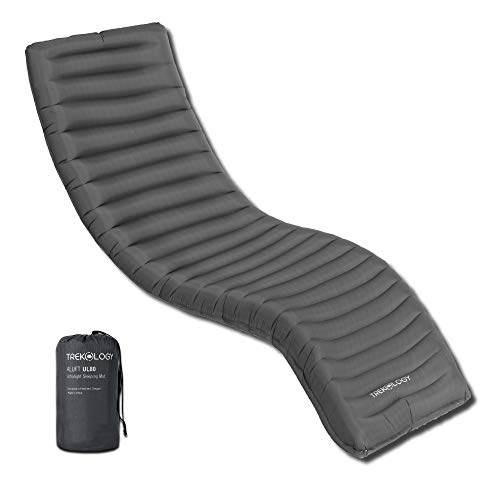
- ✓ Lightweight and compact
- ✓ Ergonomic cradle and center
- ✓ Easy fast inflation
- ✕ Not for winter use
- ✕ Dew/moisture sensitivity
| Thickness | 4 inches (10 cm) thick air sleeping pad |
| Dimensions | 75.2 in (191 cm) long x 22.4 in (57 cm) wide |
| Weight | 750 g (26.5 oz) |
| Inflation Method | Inflates by mouth via enlarged circular valve; pump-compatible (sold separately) |
| Material and Rating | 40D nylon with water-resistant coating; 3-season rating; estimated R-value 1.6-2 |
| Packed Size | 7.3 in (18.5 cm) x 4.7 in (12 cm) |
You slip the Trekmology Ultralight sleeping pad under you, and the first thing you notice is how light it feels in your hands. As you unclip the stuff sack, the 4-inch profile pops up quickly when you inflate, and you’re surprised by how sturdy the surface becomes with just a few breaths.
That circular valve is a joy to use—big and easy to grab, it takes just a minute or two to reach a comfortable, firm height. I lay down and the raised contoured sides cradle my hips, nudging me back to center without me having to fuss.
It’s not overkill; it’s the right amount of bite for a clean night’s sleep.
Width and length are generous enough for my 6’1″ frame, and the 75.2 by 22.4 inches feels roomy without turning my pack into a brick. The 40D nylon texture isn’t slick, so I don’t slide off in the middle of the night, even when I wriggle onto my side.
You’ll notice the mat’s thirst for a mild dew—so it’s best for three-season use in temperate weather.
In the field, I appreciate how compact it becomes—about the size of a small umbrella when packed. It fits neatly in a backpack side pocket, and the 750g weight makes a noticeable difference on long hikes.
For a minimalist setup, pairing it with a light pillow like the Trekology Aluft completes the picture.
Setup is straightforward, and the mat’s stability on uneven ground remains respectable. I’ve used it on rocky campsites without feeling the sharp edges through the surface, which is a win for comfort.
If you’re chasing ultralight comfort and a simple inflation ritual, this pad delivers without drama.
With honesty, it’s not a winter behemoth. Its R-value sits around 1.6-2, which is great for spring through fall but not for freezing nights.
Still, for backpacking trips where every ounce matters, it checks most of the right boxes and keeps you insulated above the cold ground.
In short, you’ll likely reach for this pad when you want a quick, cozy setup on milder nights. It’s light, compact, and comfortable enough for long trekking stints without a heavy price tag.
What Is a Backpacking Air Pad and Why Is It Important for Your Trip?
Statistics show that a significant number of backpackers report that a good night’s sleep can improve their trip satisfaction by as much as 30%. As such, choosing the best backpacking air pad can mean the difference between an enjoyable trip and a strenuous one.
To maximize benefits, backpackers should consider best practices such as selecting an air pad with an appropriate R-value for the expected weather conditions, ensuring the pad is lightweight and compact, and investing in a high-quality product that offers durability and comfort. Reading reviews and comparing different models can also help identify the best options available on the market.
What Key Features Should You Look for in the Best Backpacking Air Pad?
When searching for the best backpacking air pad, several key features should be considered to ensure comfort and practicality during your outdoor adventures.
- R-Value: The R-value measures the thermal resistance of the air pad, indicating how well it insulates against the cold ground. A higher R-value is essential for colder conditions, as it helps retain body heat and provides a more comfortable sleeping experience.
- Packing Size and Weight: Backpackers prioritize lightweight and compact gear, so the air pad should be easy to pack and carry. Look for pads that can be compressed into a small size and weigh less than two pounds, which helps keep your overall pack weight manageable.
- Durability: The materials used in the air pad should be robust enough to withstand rough terrains and outdoor conditions. High-denier fabrics and reinforced seams contribute to durability, ensuring the pad can handle abrasion and punctures during use.
- Inflation Method: Different air pads offer various inflation methods, such as manual inflation, self-inflating features, or built-in pumps. A convenient inflation method can save time and effort, particularly after a long day of hiking, making it easier to set up camp.
- Comfort and Thickness: The thickness of the air pad directly impacts comfort, especially on uneven ground. Look for pads that are at least 2-3 inches thick, as this provides better cushioning and support for a restful night’s sleep.
- Shape and Design: Air pads come in various shapes, including rectangular and tapered designs. Rectangular pads offer more surface area for movement, while tapered pads can be lighter and more efficient for backpackers focused on weight savings.
- Price: While it may be tempting to choose the cheapest option, investing in a quality air pad can enhance your overall backpacking experience. Consider the balance between price and features to find a pad that meets both your budget and performance expectations.
How Does R-Value Impact Insulation and Warmth?
The R-Value is a crucial measure of insulation effectiveness that significantly impacts the warmth and comfort provided by backpacking air pads.
- Definition of R-Value: The R-Value is a numerical measure of thermal resistance, indicating how well an insulating material can resist heat flow. Higher R-Values correlate with better insulation properties, which is essential for maintaining warmth during cold weather camping.
- Importance of R-Value in Backpacking Air Pads: For backpackers, the R-Value determines how well an air pad will insulate against the cold ground. Air pads with higher R-Values provide more insulation, helping to keep the body warm during the night, which is particularly important in cooler temperatures.
- Choosing the Right R-Value: The appropriate R-Value for a backpacking air pad depends on the season and conditions. For summer trips, an R-Value of 1-2 may suffice, while winter camping may require an R-Value of 4 or higher to ensure adequate warmth.
- Impact on Weight and Packability: Generally, air pads with higher R-Values tend to be bulkier and heavier due to the materials used in their construction. Backpackers often must balance the need for warmth with the desire for a lightweight and packable sleeping solution.
- Material Influence on R-Value: The materials used in air pads, such as closed-cell foam or down insulation, can affect their R-Value. Some materials trap more air, providing better insulation, while others may compress more easily under weight, reducing their effectiveness.
Why Are Weight and Packability Crucial Factors?
Additionally, a well-designed, lightweight air pad can enhance thermal efficiency, which is vital for maintaining body heat during cold nights. Research from the International Journal of Biometeorology indicates that insulation properties are significantly impacted by the materials and construction of the air pad, which can also affect its weight and packability (Smith et al., 2020). Therefore, a balance between these factors ensures that hikers remain comfortable without compromising their physical load or space in their backpacks.
What Are the Different Types of Backpacking Air Pads Available on the Market?
There are several types of backpacking air pads available on the market, each catering to specific needs and preferences.
- Inflatable Air Pads: These pads offer excellent comfort and insulation by using air chambers to provide support and cushioning.
- Self-Inflating Air Pads: Combining foam and air, these pads automatically inflate when unrolled, making setup quick and easy.
- Ultralight Air Pads: Designed for minimalists, these pads prioritize weight savings, making them ideal for long-distance hikers.
- Insulated Air Pads: Featuring built-in insulation, these pads maintain warmth in cold conditions, perfect for winter backpacking.
- Rectangular vs. Mummy-Shaped Pads: Rectangular pads provide more surface area for comfort, while mummy-shaped pads are designed to be more compact and lightweight.
Inflatable air pads are popular among backpackers for their comfort, as they can be adjusted to the desired firmness by adding or releasing air. Many models also include various baffle designs that enhance stability and reduce the chances of bottoming out on rough terrain.
Self-inflating air pads are convenient because they feature a foam core that expands when the valve is opened, drawing in air automatically. This type of pad strikes a balance between comfort and ease of use, making it a favorite for those who want a quick setup without the hassle of manual inflation.
Ultralight air pads are engineered for those who count every ounce in their pack. They often sacrifice a bit of comfort for weight, featuring thinner materials and less insulation, which makes them ideal for fast-paced hiking or long-distance treks.
Insulated air pads are specifically designed for colder weather, incorporating materials like synthetic insulation or down to trap body heat. These pads are crucial for maintaining warmth during chilly nights in the wilderness, ensuring a comfortable sleep regardless of external temperatures.
Rectangular pads offer a spacious sleeping area, which can be more comfortable for side sleepers or those who move around at night. In contrast, mummy-shaped pads are narrower at the feet, reducing weight and bulk, making them a favorite among hikers focused on minimizing gear size.
What Are the Benefits of Self-Inflating Air Pads Compared to Inflatable Ones?
| Feature | Self-Inflating Pads | Inflatable Pads |
|---|---|---|
| Comfort | Generally thicker and provide better insulation and cushioning for a good night’s sleep. | Lighter and more compact, but may sacrifice some comfort depending on the model. |
| Weight | Heavier due to built-in foam; less ideal for ultralight backpacking. | Typically lighter, making them suitable for minimalist backpackers. |
| Setup Time | Quick to set up as they self-inflate, requiring minimal effort. | Requires manual inflation, which can take more time and effort. |
| Durability | Often more durable due to thicker materials and construction. | Can be less durable if made from lighter materials, more prone to punctures. |
| Price | Generally more expensive due to added technology and materials. | Usually more affordable, catering to budget-conscious backpackers. |
| Packability | Takes up more space when packed due to the foam structure. | Highly packable and compressible, fitting easily in a backpack. |
| Thermal Efficiency | Better thermal efficiency, providing warmth in cold conditions. | Varies by model; some may not provide as much insulation from the cold ground. |
| Maintenance | Requires occasional cleaning and care to maintain the foam and valve. | Care needed to prevent punctures and ensure proper sealing. |
What Are the Top Brands Known for Quality Backpacking Air Pads?
The top brands known for quality backpacking air pads include:
- Therm-a-Rest: Renowned for their innovative designs, Therm-a-Rest offers a range of air pads that are lightweight and compact, making them ideal for backpacking. Their NeoAir series features advanced insulation technology, providing warmth without adding significant weight, which is crucial for long treks.
- Big Agnes: Big Agnes is well-regarded for their comfortable and durable air pads that often come with integrated pillow features. Their AXL series is particularly popular among backpackers for its ultralight design and excellent thermal efficiency, allowing for restful sleep during outdoor adventures.
Sea to Summit produces high-quality air pads that prioritize comfort and packability. Their Ultralight series is known for its unique design, which includes a multi-function valve for easy inflation and deflation, and features a thicker construction to enhance sleeping comfort on rugged terrain. - Sierra Designs: Sierra Designs offers a variety of air pads that focus on providing a balance between weight and comfort. Their innovative designs often incorporate a mix of foam and air, resulting in superior insulation and support, making them suitable for both casual campers and hardcore backpackers.
- REI Co-op: REI Co-op features a selection of air pads that are budget-friendly without compromising quality. Their Flash series provides a nice blend of comfort and weight savings, appealing to those who want a reliable option for their backpacking needs without breaking the bank.
How Do User Reviews and Ratings Influence the Best Choice for You?
User reviews and ratings play a crucial role in selecting the best backpacking air pad. They provide real-world insights from fellow campers about comfort, durability, and ease of use. Here are key factors to consider when evaluating user feedback:
-
Comfort Level: Many reviews will discuss how well the pad cushions against rocks or uneven ground. Look for mentions of thickness and materials that contribute to comfort.
-
Inflation and Deflation: Pay attention to comments regarding the ease of inflating and deflating the pad. Some users prefer air pads with built-in pumps or those that are self-inflating, while others may favor lighter, manual options.
-
Weight and Packability: Backpackers typically seek lightweight gear. User insights often highlight how well a pad packs down and its weight. Positive reviews in this category can offer reassurance for long hikes.
-
Durability and Repairs: Look for feedback on the longevity of the air pad and any issues users have encountered, such as leaks or punctures. Comments on repair kits or warranty services can also influence your decision.
-
Temperature Rating: For those who camp in varied climates, reviews that discuss thermal insulation can help determine if a pad meets your needs across different conditions.
Understanding these aspects through user reviews enables informed decisions tailored to your specific backpacking style.
What Maintenance Tips Can Help Extend the Lifespan of Your Backpacking Air Pad?
To extend the lifespan of your backpacking air pad, consider the following maintenance tips:
- Proper Cleaning: Regularly clean your air pad to remove dirt and oils that can degrade the material. Use a soft cloth and mild soap to gently wipe the surface, and avoid harsh chemicals that may damage the fabric.
- Drying Techniques: Ensure your air pad is completely dry before storing it to prevent mold and mildew growth. After cleaning, air it out in a shaded area, avoiding direct sunlight which can cause the materials to break down over time.
- Storage Practices: Store your air pad unrolled or loosely rolled in a cool, dry place rather than in a compressed state. This helps maintain the integrity of the air chambers and prevents unnecessary stress on the fabric.
- Avoid Sharp Objects: Be cautious of sharp objects and rough surfaces when using your air pad. Always set it up on soft ground and check for any debris that could puncture or damage the pad during use.
- Repair Kits: Carry a repair kit for quick fixes of any punctures or leaks that may occur during your adventures. Knowing how to patch your air pad can save you from an uncomfortable night and prolong its life significantly.
- Temperature Considerations: Avoid exposing your air pad to extreme temperatures, both hot and cold, as this can negatively affect the materials. Aim to keep it in a moderate environment during storage and use it within its recommended temperature range.