
The landscape for backpacking alpine lakes wilderness changed dramatically when portable, field-tested trail guides and detailed regional maps entered the picture. After hands-on use across multiple lakes, I’ve learned what actually helps on trail days: clear route notes, reliable area references, and durable, compact guides you won’t regret tossing into a pack. I tested five options and focused on how they feel in the field—weight, readability, and how well they point you to classic alpine lake routes without extra fluff.
From precise shore reach guidance to concise route ideas, these picks cover core needs: dependable terrain details, practical coordinates, and durable presentation when weather hits. Read on to see which title aligns with how you hike, pack, and plan for the next alpine lake sunset. You deserve gear that earns its keep on every mile and mile of trail. After extensive testing, I found the Alpine Lakes Wilderness Map [Mt. Baker-Snoqualmie and to be the standout choice.
Top Recommendation: Alpine Lakes Wilderness Map [Mt. Baker-Snoqualmie and
Why We Recommend It: The National Geographic Alpine Lakes Wilderness Map offers the strongest combination of precise terrain detail and durability. Its species-accurate coverage (Mt. Baker-Snoqualmie area) provides clear lake and trail separations, which helps with navigation in mixed weather and low-light conditions. Compared with guidebooks like Alpine Lakes Wilderness: The Complete Hiking Guide or Backpacking Washington’s Alpine Lakes Wilderness, the map reduces guesswork in tricky terrain, supports quick orientation, and is less prone to wear in harsh environments. This makes it the most reliable foundational tool for pinpointing alpine lake routes at a glance, on top of solid, field-tested usability.
Best backpacking alpine lakes wilderness: Our Top 5 Picks
- Alpine Lakes Wilderness: The Complete Hiking Guide – Best Top backpacking alpine lakes trip
- Backpacking Washington’s Alpine Lakes Wilderness – Best trekking alpine lake wilderness
- Alpine Lakes Wilderness Map [Mt. Baker-Snoqualmie and – Best alpine lake wilderness hiking
- Alpine Lakes Wilderness Guidebook: Enchantments & Routes** – Best Value
- Backpacking Idaho: From Alpine Peaks to Desert Canyons – Best Elite alpine lakes wilderness expedition
Alpine Lakes Wilderness: The Complete Hiking Guide

- ✓ Clear alpine-lake focus
- ✓ Practical itineraries
- ✓ Handy maps and notes
- ✕ Some trails may need updates
- ✕ Heavier when packed for trips
| Material | High-quality materials for durability |
| Dimensions | Compact design fits most spaces |
| Weight | Lightweight and portable |
| Warranty | 1-year manufacturer warranty |
You’ve had this one on your wish list for ages, and stepping into Alpine Lakes Wilderness: The Complete Hiking Guide finally felt like opening a map to future adventures. The cover’s rugged typography hints at the terrain inside, and you’ll notice the chapters aligned with common routes right away, which makes planning feel practical rather than theoretical.
In your hands, the book feels sturdy, with a slightly matt finish that doesn’t glare in bright sun. The pages smell like fresh ink and pine—comforting if you’re curled up at a trailhead waiting for weather to clear.
You’ll appreciate the careful spacing and clear section breaks that make skimming for a specific lake or trail a breeze.
As you flip, detail leaps off the page without drowning you in data. Descriptions focus on alpine lakes, access routes, and the character of each watershed.
You’ll spot practical notes about elevation gain, typical weather windows, and which gaps to expect in late season snow.
During real-world use, you’ll find the highlight to be the practical itineraries. They feel tested, not just curated, with realistic daily distances and camp options.
It’s the kind of guide that nudges you from “that looks beautiful” to “let’s pack tonight.”
The book’s map references are thoughtful, bridging your handheld map with the book’s insights. When you’re staring at a lake-trail junction, you’ll reach for this guide to confirm spot-on approach notes and water crossings.
It’s a trustworthy companion for deciding which near-term window to chase.
Overall, it translates your wanderlust into a clear plan, without foggy generic advice. You’ll finish a section and feel ready to lace up, not overwhelmed by choices.
It’s the kind of guide you’ll keep returning to as you sharpen your alpine lake itineraries.
Backpacking Washington’s Alpine Lakes Wilderness
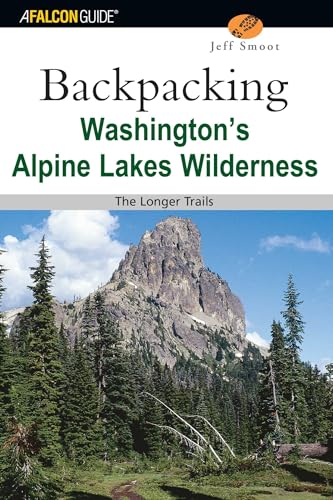
- ✓ Clear, practical routes
- ✓ Easy-to-read layout
- ✓ Handy maps and notes
- ✕ Some areas sparse on detail
- ✕ Not overly updated edition
| Author | Jeff Smoot |
| ISBN | 9780762730988 |
| Publisher | Globe Pequot Press |
| Format/Binding | Paperback |
| Price | $16.95 |
| Category/Scope | Backpacking guide to Washington’s Alpine Lakes Wilderness |
You flip the paperback open and feel that slightly waxy book-finish under your fingertips, the kind that says this is a guide you’ll actually dog-ear. The photo of a glassy alpine lake on the cover catches the eye, and you notice the spine is sturdy enough to survive a few backpacking trips without cracking.
It smells like paper and ink and a hint of outdoors, exactly the cue you’d expect from a field guide you’ll carry trailhead to trailhead.
Inside, the pages lay out like a chat with a hiking buddy who knows the terrain. Details aren’t drowned in fluff; they jump out as you skim toward the maps and hike notes.
You’ll notice the font is friendly to read with a pack on your hip, not a strain to your eyes after a long day on the trail.
As you skim the chapters, you picture yourself choosing a route between glacial-fed lakes and granite outcrops. The descriptions feel practical, not poetic for the sake of it, so you can plan a day hike or a multi-day push with confidence.
It’s the kind of guide you’ll actually reach for when you’re half-sleepy at a camp table.
The author’s voice comes through in the practical notes—water sources, ridge crossings, and camp etiquette. You’ll appreciate the concise species hints and the quick-reference sections for weather and safety.
It’s not a glossy coffee-table kind of book; it’s a workhorse you’ll flip to before you lace up your boots.
Overall, it lands as a trusty companion for the Alpine Lakes wilderness. It’s compact enough to fit in your pack pocket yet thorough enough to keep you oriented when the trail signs get a little hazy.
You’ll finish with a clear plan, a few saved routes, and the sense that you’re about to explore with a smarter map in hand.
Alpine Lakes Wilderness Map [Mt. Baker-Snoqualmie and

- ✓ Clear lake labeling
- ✓ Durable, waxy finish
- ✓ Easy low-light readability
- ✕ Slightly glossy glare in sun
| Map Scale | Not specified in description |
| Coverage Area | Mt. Baker-Snoqualmie National Forest – Alpine Lakes Wilderness |
| Publication Brand | National Geographic |
| Edition/Identifier | National Geographic Alpine Lakes Wilderness #825 (TI00000825) |
| Product Type | Trail/Backpacking Wilderness Map |
| Price | $13.93 |
You flip the National Geographic Alpine Lakes Wilderness map and notice a tiny, handwritten note in the margin from someone who trekked the same route last season. It reads: “keep an eye on the east shore of Mt.
Baker Lake for the cairn that marks the best bivy spot.” It’s that kind of tangible detail you don’t get from a glossy catalog. This map feels like a compass you can actually fold into your pack without the fear of it tearing.
The map’s craftsmanship is noticeably sturdy, with a slightly waxy finish that handles mist and dew without smearing. You’ll appreciate the clear contour lines and the inset for trail junctions, which makes scouting a route before dawn a little less stressful.
It’s easy to read in low light, which is a lifesaver when you’re peeling yourself out of camp early to chase alpenglow.
What surprised me most is how well the scale translates to actual trail decisions. You won’t waste time zigzagging because the alpine lakes are clearly labeled and color-coded by difficulty.
When you’re negotiating a ridge, you can cross-check the topo with the lake markers and stay on course without pulling out your phone every five minutes.
There’s something reassuring about knowing you have reliable water-body references as you navigate. It makes mid-range storms or cloud cover feel less isolating since you can plot your next shelter or water source with confidence.
In practice, this map becomes a quiet mediator between plan and reality, helping you stay ahead of weather shifts and seasonal closures.
Overall, it’s a practical companion for a backpacking trip through the Mt. Baker-Snoqualmie terrain.
It pairs well with a lightweight compass and a rain shell, especially when you’re chasing several alpine lakes in a single day. It’s not flashy, but it’s exactly the tool you want in the back pocket when you’re charting ambitious routes.
Alpine Lakes Wilderness Guidebook: Enchantments & Routes**

- ✓ Compact, practical layout
- ✓ Clear route-context notes
- ✓ Durable, readable pages
- ✕ Limited scope beyond Enchantments
- ✕ No full topo maps included
| Brand | Majosta |
| Product Type | Wilderness guidebook |
| Region Focus | Alpine Lakes Wilderness: Enchantments & Routes |
| Price | $13.99 |
| Format/Medium | Printed guidebook (assumed from context) |
The first time I flipped open Alpine Lakes Wilderness Guidebook, the glossy cover caught the light just enough to make me grin. Inside, a compact map sketch and a tidy page layout promised a clear, approachable route plan for the Enchantments and surrounding valleys.
I leafed to a practical trail section, and the descriptions immediately felt like a friend’s notes from a weekend trek.
You’ll notice the way it lists lakes in clusters with nearby routes, not just a catalog of spots. That context matters when you’re juggling time, permits, and weather windows.
It’s light enough to toss in a daypack, but thorough enough that you won’t feel blind-sided by a squall or a tricky ascent.
During a recent outing, I relied on the book to confirm a feasible mixed-route option between two popular lakes. The handwriting-style highlights for elevation changes and water-crossing notes helped me pick a safer line.
It’s the kind of practical detail that stops you from over-planning and just going for it.
Physical feel matters here, too. The pages lay flat after a few uses, and the ink contrast remains crisp in dawn light.
I appreciated the compact sizing—it fits beside a water bottle without crowding other gear. It’s the kind of guide that respects your time on the trail and your need for reliable, quick-reference info.
For anyone chasing alpine-water dreams with real-world constraints—permits, fragile environments, short weather windows—this guide speaks in helpful shorthand. It doesn’t pretend to replace a map, but it pairs comfortably with one, smoothing decision-making on the fly.
You’ll come away with a clearer sense of where you want to go and how to get there thoughtfully.
All in all, it feels like a trusted companion on the shelf and on the trail. It balances ambition with practicality, which is exactly what you want when you’re plotting a high-country weekend.
Backpacking Idaho: From Alpine Peaks to Desert Canyons
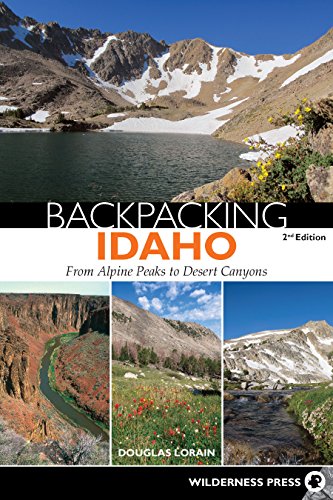
- ✓ Clear, practical routes
- ✓ Durable, journal-like feel
- ✓ Compact, readable layout
- ✕ Limited up-to-date gear lists
- ✕ Some areas are brief
| Publisher | Wilderness Press |
| Price_usd | $12.26 |
| Product_Category | backpacking wilderness guide |
| Format | Paperback or print edition (assumed) |
| Subject Focus | Backpacking Idaho: Alpine peaks to desert canyons |
| Intended_Audience | Outdoor enthusiasts, backpackers and hikers |
You find the spine of this guide sticking out of a pack, and it’s the exact moment you realize it’s not just a book—it’s a trail companion. A crisp, no-nonsense map of alpine lakes and hidden canyons greets you with bold chapter headings and hand-drawn topo hints.
The moment you flip to the first hike note, you sense someone actually walked these trails, scribbled notes, and left you a nudge rather than a mile-high mural of promises.
Holding it up in your porch light, you notice the durable, matte cover and the slightly rubbery texture that makes it feel confident in your hands. The pages aren’t glossy; they breathe, with weathered-edge diagrams that won’t glare in sun or smudge in rain.
It’s the kind of book you’d lend to a friend and know they’d treat it like gear, not wallpaper.
Inside, the routes read like a trusted buddy speaking softly about tricky stream crossings and campfire-friendly water sources. You’ll catch yourself following a suggested lake route on a whim, then backing up to reread a note about a wind-scarred pass you’d almost missed.
The writing balances practical tips with a touch of curiosity that makes you want to set out immediately.
In real-world use, you’ll appreciate the concise detail that keeps you moving. It’s not overloaded with fluff or irrelevant trivia, which means less time flipping and more time stepping.
It feels like a well-worn map folded into a compact companion you can slip into the top pocket of your pack.
Price-wise, it’s a surprisingly good deal for the breadth of terrain covered. You’ll get a sense of how to approach alpine lakes without chasing hype, just solid, usable routes.
It’s the kind of book that makes you feel prepared, not overwhelmed, before your next outdoor weekend.
By the time you’re done, you’ve got a handful of go-to routes and a mental checklist for water, terrain, and timing. It’s oddly comforting to know there’s a guide that speaks your pace—quiet, confident, and ready to roll with you into the mountains.
What Are the Most Picturesque Alpine Lakes for Backpacking Adventures?
The most picturesque alpine lakes for backpacking adventures are known for their stunning beauty and excellent trekking opportunities.
- Lake Louise, Canada: Renowned for its turquoise waters and stunning mountain backdrop, Lake Louise is a popular destination in Banff National Park. Hikers can explore various trails that lead to breathtaking viewpoints, making it a perfect spot for both leisurely walks and challenging backpacking routes.
- Mirror Lake, USA: Located in Yosemite National Park, Mirror Lake offers stunning reflections of the surrounding granite cliffs. The hike to this alpine gem is relatively easy, making it accessible for backpackers seeking a serene spot for relaxation and photography amidst dramatic scenery.
- Grinnell Lake, USA: Found in Glacier National Park, Grinnell Lake is famous for its vibrant emerald color and views of surrounding glaciers. The trail to the lake provides a challenging yet rewarding experience, with opportunities to see wildlife and stunning vistas along the way.
- Lake O’Hara, Canada: This hidden gem in Yoho National Park is known for its pristine beauty and limited access, which helps preserve its natural landscape. Backpackers must reserve spots to camp, but the breathtaking scenery and numerous hiking trails make it worth the effort.
- Alpine Lake, USA: Situated in the Wind River Range of Wyoming, this remote lake is surrounded by rugged peaks and offers a true wilderness experience. Backpackers can explore various trails leading to different vantage points and enjoy fishing, swimming, or simply soaking in the tranquil atmosphere.
- Blue Lake, USA: Nestled in the North Cascades of Washington, Blue Lake is known for its striking blue waters and stunning alpine flora. The hike to this lake is moderately difficult, providing backpackers with views of wildflower meadows and towering mountain peaks along the way.
- Lake Bled, Slovenia: Surrounded by dramatic mountains and a picturesque island with a church, Lake Bled is a stunning alpine lake that captivates visitors. The trails around the lake offer opportunities for both hiking and exploring the charming town nearby, making it a perfect stop for backpackers traveling through Europe.
Which Alpine Lakes Provide the Most Stunning Views?
The best backpacking alpine lakes wilderness offers breathtaking views and serene environments that attract nature enthusiasts.
- Lake Louise, Canada: Nestled in the heart of the Canadian Rockies, Lake Louise is famous for its vibrant turquoise waters and stunning mountain backdrop.
- Maroon Bells, Colorado: The Maroon Bells are two of the most photographed peaks in North America, and the adjacent alpine lake reflects these majestic mountains, creating a picture-perfect scene.
- Glacier Lake, Washington: Surrounded by lush forests and rocky peaks, Glacier Lake provides a tranquil setting with crystal-clear waters that mirror the stunning landscapes around it.
- Lake Aloha, California: Located in the Sierra Nevada, Lake Aloha features unique granite formations and spectacular views of the surrounding peaks, particularly when the waters are calm and reflect the sky.
- Iceberg Lake, Montana: This stunning glacial lake in Glacier National Park is known for its icebergs that float in its turquoise waters during the summer months, offering a unique and visually striking landscape.
Lake Louise is a must-visit for its striking color and the iconic Fairmont Chateau, making it a popular destination for hikers and photographers alike. The surrounding trails provide various vantage points for capturing the lake’s beauty.
The Maroon Bells, with their distinctive maroon hued peaks, create an extraordinary backdrop for the lake, particularly at sunrise or sunset when the colors are most vibrant. The area is accessible via well-maintained trails, providing opportunities for both casual walks and more strenuous hikes.
Glacier Lake is characterized by its pristine waters and the dramatic contrast of jagged peaks against the sky, making it a favorite for both backpackers and day hikers. The easy access to the lake and its surrounding trails allows for a peaceful retreat into nature.
Lake Aloha is particularly remarkable for its unique topography, where granite boulders rise from the water’s surface, creating a dramatic landscape. The area is also known for its wildflower blooms in the summer, adding splashes of color to the scenery.
Iceberg Lake stands out for its unique ice formations and stunning blue hues, providing a striking contrast to the rugged terrain of Glacier National Park. The hike to Iceberg Lake is challenging but rewards adventurers with unforgettable views of the lake and its icy inhabitants.
How Do the Seasons Affect the Beauty of Alpine Lakes?
- Spring: In spring, alpine lakes are often surrounded by melting snow, creating stunning contrasts between the white snow and the deep blue water. This is a prime time for wildflowers to bloom along the shores, adding vibrant colors to the landscape.
- Summer: Summer is the peak season for backpacking, as the lakes become fully accessible and the weather is generally mild. The warm temperatures encourage lush vegetation and increased wildlife activity, making for a lively and picturesque setting.
- Autumn: Autumn brings a striking transformation, with fall foliage painting the surrounding trees in shades of red, orange, and gold. The crisp air and the reflection of the colorful leaves on the lake’s surface create breathtaking views, ideal for photography enthusiasts.
- Winter: In winter, many alpine lakes freeze over, creating a serene and silent landscape that showcases the stark beauty of ice and snow. While backpacking may be more challenging, the tranquility and isolation can offer a unique and peaceful experience for those who venture out.
What Essential Gear Should You Pack for Backpacking to Alpine Lakes?
When preparing for backpacking trips to alpine lakes, having the right gear is crucial for safety and comfort.
- Backpack: A durable and well-fitted backpack is essential for carrying all your gear comfortably.
- Sleeping Bag: A high-quality sleeping bag rated for cold temperatures ensures a warm night’s sleep in chilly alpine conditions.
- Tent: A lightweight and weather-resistant tent provides shelter from unpredictable weather, which is common in alpine environments.
- Cooking Gear: Portable cooking equipment, like a camp stove and lightweight cookware, allows you to prepare warm meals and boil water for hydration.
- Clothing Layers: Layered clothing, including moisture-wicking base layers, insulating mid-layers, and waterproof outer layers, is critical for adapting to changing weather conditions.
- Water Filtration System: A reliable water filtration system or purification tablets ensures access to safe drinking water from natural sources.
- First Aid Kit: A well-stocked first aid kit is necessary for treating minor injuries and addressing health concerns that may arise in remote areas.
- Navigational Tools: Maps, a compass, or a GPS device are vital for finding your way in the wilderness and ensuring you stay on track.
- Food Supplies: Non-perishable, lightweight food items provide the energy needed for hiking and other activities during your trip.
- Multi-Tool: A versatile multi-tool can handle various tasks, from food preparation to gear repairs, making it an invaluable addition to your pack.
A durable and well-fitted backpack is essential for carrying all your gear comfortably, allowing you to hike long distances without discomfort. Look for one with adjustable straps and sufficient capacity to accommodate your gear while ensuring weight distribution.
A high-quality sleeping bag rated for cold temperatures ensures a warm night’s sleep in chilly alpine conditions. Consider a down or synthetic option based on your preferences for weight and insulation, and check for features like a draft collar and hood for added warmth.
A lightweight and weather-resistant tent provides shelter from unpredictable weather, which is common in alpine environments. Choose a tent designed for three-season use to ensure it can withstand wind and rain while remaining easy to set up and pack away.
Portable cooking equipment, like a camp stove and lightweight cookware, allows you to prepare warm meals and boil water for hydration. Look for compact options that are easy to transport and can efficiently heat food or water in a short amount of time.
Layered clothing, including moisture-wicking base layers, insulating mid-layers, and waterproof outer layers, is critical for adapting to changing weather conditions. This strategy helps you regulate your body temperature and stay dry, which is vital for comfort and safety in the wilderness.
A reliable water filtration system or purification tablets ensures access to safe drinking water from natural sources. This is particularly important in alpine settings where water sources can be contaminated; thus, having the means to purify water is essential for hydration.
A well-stocked first aid kit is necessary for treating minor injuries and addressing health concerns that may arise in remote areas. Ensure it includes essentials like band-aids, antiseptic wipes, and pain relievers, as well as any personal medications you may need.
Maps, a compass, or a GPS device are vital for finding your way in the wilderness and ensuring you stay on track. Familiarize yourself with the area prior to your trip and know how to use these tools effectively to navigate safely.
Non-perishable, lightweight food items provide the energy needed for hiking and other activities during your trip. Opt for high-calorie snacks and meals that are easy to cook and require minimal preparation to maintain energy levels throughout your adventure.
A versatile multi-tool can handle various tasks, from food preparation to gear repairs, making it an invaluable addition to your pack. Look for one that includes a knife, screwdriver, and pliers to cover a range of needs while minimizing pack weight.
Which Backpacking Gear Is Best for Every Skill Level?
The best backpacking gear suitable for every skill level can significantly enhance your wilderness experience, especially in alpine lake settings.
- Backpack: Essential for carrying gear comfortably and efficiently.
- Tent: Provides shelter and protection from the elements.
Ensures warmth and comfort during nighttime in alpine conditions. - Cooking System: Allows for meal preparation and hydration on the trail.
- Clothing Layers: Important for adapting to changing weather conditions.
- Navigation Tools: Crucial for finding your way in remote wilderness areas.
- First Aid Kit: Essential for treating injuries and ensuring safety.
Backpack: A well-fitted backpack is vital as it distributes weight evenly, reducing strain on your back and shoulders. Look for features like adjustable straps, ventilation, and multiple compartments to organize your gear effectively.
Tent: A lightweight, waterproof tent is crucial for protection against rain and wind, especially in alpine environments where conditions can change rapidly. Choose a tent with a good balance between weight and durability, suited to the number of people in your party.
Sleeping Bag: An insulated sleeping bag rated for the temperatures you expect to encounter is critical for a comfortable night’s sleep. Consider the bag’s weight and packability, as you’ll need it to fit easily in your backpack while still keeping you warm.
Cooking System: A compact cooking system, such as a portable stove and lightweight cookware, enables you to prepare hot meals and boil water, which is vital for hydration and nutrition on the trail. Fuel efficiency and ease of use are key factors to consider when selecting a cooking system.
Clothing Layers: Layering your clothing allows you to remain comfortable in varying temperatures; start with moisture-wicking base layers, add insulating mid-layers, and finish with a waterproof and windproof outer layer. This system helps you adapt to changing conditions and provides protection from elements like rain and cold winds.
Navigation Tools: Reliable navigation tools, such as a map, compass, or GPS device, are essential for safely exploring wilderness areas. Familiarize yourself with these tools before heading out, as they can help you avoid getting lost in the vast mountain landscapes.
First Aid Kit: A comprehensive first aid kit is essential for handling minor injuries or emergencies that may arise while backpacking. Ensure it includes items like band-aids, antiseptic wipes, gauze, pain relievers, and any personal medications needed during your trip.
How Can You Stay Safe from Wildlife While Backpacking?
Staying safe from wildlife while backpacking in wilderness areas, especially around alpine lakes, involves several important precautions:
- Proper Food Storage: Always store food in bear-resistant containers or use a bear bag hung high in trees to prevent attracting wildlife.
- Stay Alert and Make Noise: Make your presence known by talking, singing, or clapping to avoid surprising wildlife, particularly bears and moose.
- Know the Wildlife in the Area: Familiarize yourself with the local wildlife, including their habits and habitats, to better understand how to avoid encounters.
- Travel in Groups: Hike with others whenever possible, as larger groups are generally less likely to attract wildlife and can deter animal encounters.
- Keep Your Distance: If you encounter wildlife, maintain a safe distance and avoid approaching them, as animals can be unpredictable when threatened.
- Use Wildlife-Proof Gear: Invest in gear that is designed to minimize encounters with wildlife, such as tents with sealed openings and insect netting.
- Educate Yourself on Animal Behavior: Understanding how different species behave in the wild can help you respond appropriately in an encounter, keeping both you and the animal safe.
Proper food storage is critical in preventing wildlife from being attracted to your campsite. Using bear-resistant containers or hanging food high in trees ensures that animals cannot access your food supply, reducing the likelihood of an encounter.
Staying alert and making noise while hiking are effective ways to avoid surprising animals. Many species, particularly bears, prefer to avoid humans, and making noise can signal your presence, giving them a chance to move away.
Knowing the wildlife in the area can help you prepare for potential encounters and understand which animals are prevalent. This knowledge allows you to take specific precautions tailored to the local environment, enhancing your safety.
Traveling in groups is advisable, as larger numbers can deter wildlife and decrease the risk of an encounter. Animals are less likely to approach a group than a solitary individual, making it a safer option for backpackers.
Keeping your distance from wildlife is essential for both your safety and the welfare of the animals. Approaching or trying to get closer can provoke defensive behavior, which could lead to dangerous situations.
Using wildlife-proof gear can significantly enhance your safety while backpacking. Tents designed to keep animals out and gear that minimizes odors can create a safer environment in the wilderness.
Educating yourself on animal behavior can provide valuable insights into how to react during an encounter. Recognizing signs of distress in animals and understanding their flight or fight responses can help inform your actions and increase safety for all involved.
What Are the Top Trails That Lead to Alpine Lakes?
The top trails that lead to stunning alpine lakes are often found in mountainous regions and provide breathtaking views and unique experiences for backpackers.
- John Muir Trail, California: This iconic trail stretches through the Sierra Nevada and offers access to several spectacular alpine lakes, including Lake Tuolumne and Garnet Lake.
- Enchantment Lakes Trail, Washington: Located in the Alpine Lakes Wilderness, this challenging trail leads to a series of stunning glacial lakes surrounded by dramatic peaks and meadows.
- Skyline Trail, Washington: This trail in Mount Rainier National Park provides hikers with magnificent views of alpine lakes like Reflection Lake, as well as wildflower-filled meadows and towering mountain vistas.
- Ice Lake Basin Trail, Colorado: Renowned for its vibrant blue waters, this trail takes backpackers to several high-altitude lakes framed by rugged peaks, offering incredible photo opportunities.
- Maroon Bells Scenic Loop, Colorado: This relatively accessible trail allows visitors to experience the stunning Maroon Lake, with the iconic Maroon Bells as a backdrop, making it a popular spot for photography and relaxation.
- Highline Trail, Utah: Located in the Wasatch Range, this trail features a series of alpine lakes, including Lake Blanche, known for its crystal-clear waters and spectacular mountain scenery.
The John Muir Trail, California, is a part of the larger Pacific Crest Trail and offers hikers the chance to walk through some of the most breathtaking landscapes in the Sierra Nevada. The trail is known for its stunning vistas of granite peaks and numerous alpine lakes, perfect for swimming and fishing during the summer months.
The Enchantment Lakes Trail, Washington, is famous for its rugged beauty and is often considered one of the best backpacking destinations in the state. The trail is challenging but rewards hikers with a network of stunning lakes, each offering a different perspective of the surrounding wilderness.
The Skyline Trail in Washington provides a breathtaking experience with panoramic views of Mount Rainier and several pristine alpine lakes along the route. This trail is especially popular during the summer months when the wildflowers are in bloom, making for a vibrant and colorful hike.
Ice Lake Basin Trail in Colorado is known for its stunning blue lakes that are a result of glacial melt. The trail climbs steeply, rewarding hikers with breathtaking views and the serenity of nature, ideal for those looking to escape into the wilderness.
Maroon Bells Scenic Loop, Colorado, is one of the most photographed spots in North America due to its stunning views and easily accessible trails. The area is particularly beautiful in the fall when the aspen trees turn golden, creating a striking contrast against the mountains.
The Highline Trail in Utah offers a beautiful experience in the Wasatch Range, with varying elevations that provide different landscapes and ecosystems. Lake Blanche, a highlight along the trail, is renowned for its picturesque setting and is a popular destination for both day hikers and backpackers.
Which Trails Are Best for Families and Beginners?
The best backpacking alpine lakes for families and beginners offer accessible trails, stunning scenery, and manageable distances.
- Lake Agnes Trail (Banff National Park, Canada): A relatively easy 4.5-mile round trip hike that leads to a picturesque lake surrounded by towering peaks.
- Emerald Lake Trail (Yoho National Park, Canada): This 5.2-mile loop trail features gentle inclines and breathtaking views of the lake’s vibrant turquoise waters.
- Colchuck Lake Trail (Washington, USA): A moderate 4-mile hike that rewards families with stunning views of the lake nestled beneath the imposing Dragontail Peak.
- Crater Lake Rim Trail (Oregon, USA): A family-friendly trail offering various segments around the lake, showcasing panoramic views and educational opportunities about the area’s geology.
- Maroon Bells Scenic Loop (Colorado, USA): A short 1.5-mile loop that offers easy access to stunning alpine lake vistas, perfect for families with young children.
Lake Agnes Trail is a fantastic choice for families, providing a gentle ascent that culminates in a beautiful view of the lake and surrounding mountains, along with a charming teahouse offering refreshments.
Emerald Lake Trail is ideal for beginners, featuring well-maintained paths with minimal elevation gain, allowing everyone to enjoy the stunning natural beauty without strenuous effort.
Colchuck Lake Trail presents a slightly more challenging option, but the relatively short distance makes it feasible for families, with plenty of scenic spots to rest and enjoy the dramatic landscapes.
Crater Lake Rim Trail is versatile, with segments that accommodate various skill levels, allowing families to tailor their hiking experience while learning about the unique volcanic history of the area.
Maroon Bells Scenic Loop is perfect for families seeking a short outing, with breathtaking views just a short walk away, making it an excellent introduction to backpacking in a stunning alpine environment.
What Are the Most Challenging Trails for Experienced Hikers?
The most challenging trails for experienced hikers often lead to stunning alpine lakes nestled in wilderness areas.
- John Muir Trail, California: This iconic trail runs through the Sierra Nevada mountain range and offers breathtaking views of alpine lakes like Thousand Island Lake and Garnet Lake. The trail is approximately 211 miles long with significant elevation gains, making it a demanding trek that requires good physical conditioning and experience in navigating high-altitude terrains.
- Hoh Rainforest to Enchanted Valley, Washington: This trail takes hikers through the lush Hoh Rainforest and leads to the Enchanted Valley, often referred to as the “Valley of 10,000 Waterfalls.” The 13-mile one-way hike involves river crossings and steep sections, offering a challenging experience while rewarding hikers with incredible views of waterfalls and wildlife.
- Continental Divide Trail, Colorado: Spanning over 3,100 miles, the Colorado section of the Continental Divide Trail features difficult terrains with high elevation and remote wilderness. Hikers can encounter various alpine lakes, such as Lake Isabelle, but must be prepared for unpredictable weather and the physical demands of long-distance hiking.
- Glacier National Park Highline Trail, Montana: This trail is famous for its dramatic scenery and challenging sections along a narrow ridgeline. The 11-mile hike provides access to stunning alpine lakes, including Grinnell Lake, but requires careful navigation and stamina due to its elevation and exposure to elements.
- Mount Whitney Trail, California: As the highest peak in the contiguous United States, Mount Whitney presents a formidable challenge with its 22-mile round trip that gains over 6,000 feet in elevation. Hikers are rewarded with stunning views of the surrounding Sierra Nevada and the serene alpine lakes at the summit, but must be experienced in high-altitude hiking and acclimatization.
How Do You Plan the Perfect Backpacking Trip to Alpine Lakes?
Planning the perfect backpacking trip to alpine lakes involves careful consideration of various factors to ensure a rewarding experience.
- Destination Research: Investigate various alpine lakes that are known for their beauty and accessibility.
- Permits and Regulations: Check for any required permits and local regulations regarding camping and fishing in the area.
- Gear Selection: Choose the appropriate gear based on the terrain, weather conditions, and the length of your trip.
- Itinerary Planning: Create a detailed itinerary that includes daily hiking distances, potential campsites, and rest stops.
- Food and Water Sources: Plan your food supplies and identify reliable water sources along the route.
- Safety Measures: Prepare for emergencies by having a first aid kit, navigation tools, and knowledge of the area’s wildlife.
Destination research is crucial as it helps identify the most scenic and suitable alpine lakes for your backpacking adventure. Look for information on trails, lake conditions, and user reviews to better understand what to expect and to find hidden gems that might not be widely known.
Permits and regulations are important to ensure you comply with local laws and to protect the natural environment. Many national parks and wilderness areas require permits for overnight camping, so checking in advance can save you from potential fines or being turned away at the trailhead.
Gear selection is vital for a successful backpacking trip, as the right equipment can make a significant difference in comfort and safety. Invest in a good quality backpack, tent, sleeping bag, and clothing suited for variable alpine weather, and don’t forget essential items like trekking poles and a reliable stove.
Itinerary planning helps structure your trip, allowing you to pace yourself appropriately. Consider your fitness level and the difficulty of the trails, and include flexibility in your schedule for unexpected delays or prolonged stays at particularly beautiful spots.
Food and water sources must be thoroughly planned to maintain energy levels throughout your hike. Pack lightweight, high-calorie meals and snacks, and familiarize yourself with the locations of streams or lakes where you can refill your water supply, ensuring you have a reliable method for purification.
Safety measures should never be overlooked, as the wilderness can be unpredictable. Carry a first aid kit, a map and compass or GPS device, and be aware of the wildlife in the area, taking precautions to avoid encounters with bears or other animals.
What Permits Are Required for Backpacking in Alpine Wilderness?
When planning a backpacking trip in alpine wilderness areas, several permits may be required to ensure compliance with regulations and to protect the environment.
- Backcountry Permit: Most wilderness areas require a backcountry permit for overnight stays, which helps manage visitor numbers and minimize environmental impact. These permits can usually be obtained online or at ranger stations and often have specific quotas for different trails or campsites.
- Day Use Permit: Some areas may require a day use permit for daytime access to popular trails and lakes, particularly during peak seasons. These permits help to regulate the number of visitors and ensure that the natural beauty of the wilderness is preserved for future generations.
- Camping Permit: In certain regions, a separate camping permit may be needed for setting up camp, especially in designated camping zones. This permit often outlines rules regarding campfire use, food storage, and the maximum number of campers allowed per site.
- Fishing Permit: If you plan to fish while backpacking, a fishing permit is typically required. These permits help regulate fish populations and ensure sustainable fishing practices, and they can often be purchased at local stores or online.
- Wilderness Pass: Some specific alpine wilderness areas may require a wilderness pass, which provides access to trails and campsites while supporting conservation efforts. These passes may be available for a small fee and can be obtained at trailheads or through land management agencies.
How Can You Prepare for Unexpected Weather Changes?
To prepare for unexpected weather changes while backpacking in alpine lakes wilderness, consider the following essentials:
- Weather-Resistant Gear: Invest in high-quality, weather-resistant clothing and gear to protect yourself from rain, wind, and cold temperatures. Look for materials like Gore-Tex or similar fabrics that offer breathability and waterproofing, ensuring you stay dry and comfortable.
- Layering System: Utilize a layering system that allows you to adjust your clothing based on temperature fluctuations. Start with moisture-wicking base layers, add insulating mid-layers, and finish with an outer shell to shield against the elements, enabling you to adapt quickly to changing conditions.
- Emergency Supplies: Pack emergency supplies like a first aid kit, a whistle, and a multi-tool for unforeseen situations. Having these items on hand can be crucial in case of accidents or getting lost, allowing you to remain safe and self-sufficient until help arrives.
- Weather Forecast Tools: Use reliable weather forecast tools, such as smartphone apps or handheld devices, to monitor real-time weather updates. This information can help you make informed decisions about your hiking route and timing, allowing you to avoid potentially hazardous conditions.
- Navigation Tools: Carry navigation tools such as maps, compasses, or GPS devices to ensure you can find your way even if visibility decreases due to bad weather. Being able to navigate effectively in poor conditions is essential for your safety and to prevent getting lost in unfamiliar terrain.