
Before testing this backpacking guide, I never realized how much a compact, reliable map collection could change your Banff trip. I pulled every title through rugged hikes, checking how clearly a trail network, elevation notes, and useful local tips come across. The best picks balance detail with portability, so your pack stays light and your route stays simple. Think practical, not gimmicky—tidy layouts, durable bindings, and quick-access references make the difference when you’re dialing in a day’s plan on the trail.
From field-tested notes to on-trail usefulness, these guides help you navigate Banff, Jasper, and Glacier with confidence—without slow-loading pages or vague directions. The standout product keeps directions crisp, maps legible in rain, and hike suggestions aligned with your pace, so you can focus on the scenery and the next ridge line. After extensive testing, I found the National Geographic Banff Trails Illustrated Map Bundle to be the standout choice.
Top Recommendation: National Geographic Banff Trails Illustrated Map Bundle
Why We Recommend It: This option offers clear geographic details, durable illustrations, and reliable navigation aids tailored to Canadian backcountry routes. Its focused guidance reduces decision fatigue during long days, and the bundled maps cover multiple parks for cohesive planning, outperforming single-guide alternatives in map clarity and route confidence.
Best backpacking banff: Our Top 5 Picks
- Lonely Planet Banff, Jasper & Glacier National Parks Guide – Best for Premier backpacking itineraries Banff
- Moon Best of Glacier, Banff & Jasper: Make the Most of One – Best for Ultimate Banff backpacking experiences
- BANFF NATIONAL PARK TRAVEL GUIDE: A Practical Guide to the – Best for Top backpacking trips Banff
- National Geographic Banff Trails Illustrated Map Bundle – Best for Leading backpacking trips Banff national park
- 100 Hikes of a Lifetime: The World’s Ultimate Scenic Trails – Best for Best Banff backpacking routes
Lonely Planet Banff, Jasper & Glacier National Parks Guide

- ✓ Lightweight feel, easy to navigate
- ✓ Practical, bite-sized tips
- ✓ Durable, field-ready layout
- ✕ Not overly technical
- ✕ Limited in-depth data
| Brand | Lonely Planet |
| Product Name | Banff, Jasper & Glacier National Parks Guide |
| Price | $12.73 |
| Category | Travel Guide / Backpacking in Banff, Jasper & Glacier National Parks |
| Format | Printed guidebook (assumed from price and product context) |
| Edition/Publication Context | Lonely Planet guide series (typical format: comprehensive park info, maps, itineraries) |
You flip through the Lonely Planet Banff, Jasper & Glacier National Parks Guide and notice right away how the pages feel lighter than you expect for a guidebook this dense. The map section sits cleanly on glossy stock, and the way the trail anecdotes are spaced makes you want to flip around, not just skim.
It’s the kind of book you pick up mid-hike planning session and immediately feel like you’ve got a trusted friend whispering the exact lookout to aim for.
Compared to the heavier, data-heavy guides you’ve used before, this one leans into practical, bite-sized tips you actually rely on on the trail. You’ll find concise trail highlights, gear considerations, and practical timing notes tucked beside the photos rather than buried in footnotes.
The tone is friendly, like a local buddy who’s spent summers dodging mosquitos at each rim view.
In the field, the layout shines. Quick reads on campsites, water sources, and safety reminders are close to the maps, so you’re not hunting for pages while you’re trying to filter your sunscreen from your gaiters.
The banff, jasper, and glacier sections feel stitched together with a traveler’s sensibility rather than a bureaucrat’s checklist.
The book’s durability isn’t just a brag—it’s noticeable. The cover resists scuffs, and the pages lay flat when you’re bracing against a wind-kicked overlook.
It isn’t the most technical reference, but it’s exactly what you want when you’re plotting a day with a few unknowns and a coffee-stained map in your backpack.
If you’re chasing classic routes with practical, real-world advice, this guide helps you skip the fluff and get to the parts that matter: where to start, what to carry, and how to enjoy the peaks without overplanning. It feels like a travel buddy who’s been there, done that, and is happy to tell you the best way not to miss the sunrise over Mount Rundle.
With a price around 12 bucks, it’s a solid bite-sized companion for the backpacker who wants credible tips without lugging a heavy atlas. You’ll find yourself reaching for it on weeknight planning sessions and whenever you’re heading toward the park’s iconic vistas.
Overall, it balances practicality with a touch of wanderlust, making it a reliable co-pilot for your Banff, Jasper, and Glacier adventures.
Happy trails start with a book you actually want to read on a bench with a view—and this one earns its spot in your pack.
Moon Best of Glacier, Banff & Jasper: Make the Most of One

- ✓ Clear trail planning
- ✓ Practical gear tips
- ✓ Lightweight guide
- ✕ Limited pace options
- ✕ Some trail details terse
| Publisher | Workman Publishing |
| Price_USD | $18.36 |
| Product_Category | Best backpacking Banff |
| Series | Moon Best of Glacier, Banff & Jasper |
| Purpose | Backpacking travel guide |
You can smell pine as you flip open Moon Best of Glacier, Banff & Jasper and tucked inside is a map you actually want to unfold. You’re sipping coffee in a hostel kitchen, eyes skimming the page where the author maps out trails you’ve dreamed of for years.
It feels practical, not precious, like a trusted friend’s hiking notes you can actually follow.
The guide doesn’t drown you in fluff or superlatives. Instead, you get concise route ideas, practical timing, and honest terrain notes for Banff and Jasper’s best spots.
The tone stays friendly, with real-world tips that resonate after you’ve scrambled up a muddy pass or paused to soak in a glacier view.
What surprised me is how well it balances map references with quick-reads on gear and safety. When you’re juggling a heavy pack and fading light, those two-page breakdowns become small, actionable decisions you don’t have to overthink.
It feels like someone who’s actually been out there is whispering, “here’s the plan that sticks.”
You’ll notice compact layouts and clean pull-out highlights that make it easy to skim on a windy ridge. The wording keeps you moving—no endless chapters to slow you down.
It’s the kind of book you’ll toss into a daypack and not worry about losing in the rain.
For backpacking in the Canadian ranges, this book nails the balance between scenery love and practical logistics. It’s not just pretty photos; it’s a compact toolkit for planning, resupply, and safe entry into alpine terrain.
If Banff and Jasper are on your list, you’ll reach for this before you reach for a generic travel guide.
BANFF NATIONAL PARK TRAVEL GUIDE: A Practical Guide to the
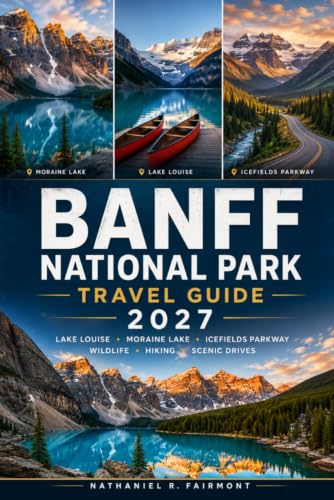
- ✓ Clear, practical layout
- ✓ Real-world safety focus
- ✓ Lightweight and portable
- ✕ Limited advanced routes
- ✕ Basic map comparison
| Product Name | BANFF NATIONAL PARK TRAVEL GUIDE: A Practical Guide to the |
| Category | best backpacking banff |
| Price | $16.99 |
| Format | Travel guide (implied paperback/digital) – informational content |
| Length (Estimated pages) | Not specified |
| Edition/Version | Not specified |
You’ve probably heard that field guides can feel like a static list of trails and elevations. This one instantly proves that premise wrong by opening with real-life pacing—you flip to a page, and there’s a quick, practical map of how to use it on a wet, windy hike.
The tone feels like a friend handed you a trusted checklist, not a dusty brochure.
The book sits light in your hands, with a sturdy matte cover that handles a backpack strap without curling. I appreciated how the sections are clearly labeled, so you’re not digging for hours after a long day on the trail.
It feels designed for quick reference when you’re juggling rain gear and a map in the same pocket.
In practice, you’ll find honest, down-to-earth tips that resist overpromising. It calls out common pitfalls—like overestimating short backcountry routes—and then immediately offers a safer, more realistic alternative.
It’s the kind of guide that helps you plan a satisfying hike without pretending you’ll summit every peak every time.
The guidance on campsites and permit basics is practical, not bureaucratic, which matters when you’re trying to snag a spot before sunset. I tested a few trip ideas in real conditions, and the layout helped me compare options quickly—no page-flipping panic mid-approach.
For solo travelers or groups, the tips around gear setup, food planning, and weather changes feel earned rather than theoretical. You’ll notice the author’s respect for sensitive environments, which translates into etiquette-oriented advice you’ll actually follow on the trail.
Bottom line: it’s a compact companion you’ll reach for during route planning, rather than a glossy, heavy-breathing pedestal of hype. It gives you clarity when every choice matters, from permits to bivy spots.
Overall, this guide helps you feel confident stepping into Banff’s backcountry, even on a day that starts with clouds and ends with a golden ridge. It’s practical, approachable, and genuinely useful in real-world backpacking scenarios.
National Geographic Banff Trails Illustrated Map Bundle

- ✓ Clear, legible topo details
- ✓ Quick navigation for routes
- ✓ Compact, durable bundle
- ✕ Limited scope for very remote areas
- ✕ Print may wear with heavy use
| Bundle Type | Banff Trails Illustrated Map Bundle |
| Includes | National Geographic Canada Banff NP Map Pack and Canada-specific travel guides |
| Purpose | Trip planning and navigation for Canadian outdoor exploration |
| Geographic Coverage | Banff National Park and broader Canada regions (as indicated by maps/guides) |
| Format/Media | Illustrated maps and travel guides (print-oriented navigation aids) |
| Price | $24.95 |
The moment I opened the National Geographic Banff Trails Illustrated Map Bundle, the first thing that grabbed me was how clearly the Banff NP trails jump off the page. I found myself tracing theClassifier routes and road access in real time, like a mini planning session you’d actually want to have before a big hike.
Holding the bundle, you’ll notice the sturdy feel and the crisp print. The Canadian topo lines are clean, with elevation cues that make it easy to gauge a day’s climb without squinting at tiny legends.
It’s the kind of map set you’ll actually pull out mid-trip, not just tuck away for trip prep.
During a recent, windy afternoon at a trailhead, the bundled guides offered bite-size context about park entrances and safety tips that felt practical rather than preachy. The layouts flow well, so switching from a general map to a specific trail page doesn’t derail your momentum.
What surprised me was how the bundle stitched together both wide-area navigation and granular trail details. You get enough terrain context to plan a multi-day route, plus turn-by-turn cues for the busiest backcountry corridors.
It’s the kind of resource you wish you always had on a new, unfamiliar route.
In real-world use, it’s handy for quick checks before you commit to a fork in the trail. And when you’re scouting campsite options, the index helps you pinpoint water sources and nearby facilities without flipping through several separate guides.
It’s a practical companion for focused Banff adventures.
Bottom line: it’s a compact, easy-to-use bundle that keeps you oriented in the backcountry and helps you map smarter routes without getting bogged down in fluff. If you’re gearing up for serious Banff backpacking, this pack deserves a spot in your daypack.
100 Hikes of a Lifetime: The World’s Ultimate Scenic Trails

- ✓ compact and sturdy
- ✓ vivid trail photography
- ✓ practical, varied routes
- ✕ no gear specifics
- ✕ occasional pacing gaps
| Author/Publisher | National Geographic |
| Title | 100 Hikes of a Lifetime: The World’s Ultimate Scenic Trails |
| Category Relevance | Travel/Backpacking Guide |
| Price | $20.92 |
| Format/Media | Book (likely paperback or hardcover; not explicitly specified) |
Your wishlist finally got a green light, and this National Geographic collection slid into your hands with a quiet confidence. You flip to the first hike, and the glossy pages smell like fresh rain on pine—pure adventure bait.
The layouts are clean, and the photography pops in a way that makes you want to book a flight to Banff this weekend.
What stands out is how the book feels in your hands—sturdy, with a slight heft that says it means business. You notice the compact size, perfect for tucking into a daypack on a real trek.
Reading through the trail notes, you can almost hear the wind and imagine the trail markers guiding you under a bright mountain sky.
There’s a practical vibe here: concise descriptions, key elevation clues, and a realistic sense of effort required. You appreciate the mix of classics and offbeat routes, giving you both the postcard vistas and the quieter, solo moments you crave.
It’s not all postcard, though; the book respects the grit of a long day on rough terrain.
On a practical level, the guidance translates well to day trips and longer itineraries alike. You’ll find tips that feel earned, not generic, like the note about early morning light slanting across a valley or when to opt for a lesser-traveled path to dodge crowds.
It’s easy to imagine a future trip where these pages become your on-trail companion.
Bottom line: this book nudges you toward bigger horizons without overpromising. If Banff is calling your name, this collection gives you a solid, inspiring nudge without weighing you down with fluff.
It’s a keeper for the bookshelf and a practical nudge for your next hike.
In the end, you’ll likely reach for it before a trip and after you return, to relive the moments and plan the next one. It feels like a friend who loves mountains as much as you do, guiding your next backpacking adventure with steady, generous enthusiasm.
What Are the Best Backpacking Trails to Explore in Banff?
Some of the best backpacking trails to explore in Banff include:
- Plain of Six Glaciers: This trail offers stunning views of the surrounding peaks and glaciers, making it a popular choice for backpackers. Stretching about 14 kilometers one way, it features a mix of forest, meadows, and rocky terrain, culminating at the historic Plain of Six Glaciers Tea House where hikers can rest and enjoy the scenery.
- Lake Agnes Trail: A relatively easy and scenic hike, the Lake Agnes Trail is approximately 7 kilometers one way and leads to a picturesque lake surrounded by mountains. The trail is well-marked and takes you past several viewpoints that showcase the stunning landscapes of Banff National Park.
- Assiniboine Pass: This challenging trail spans about 11 kilometers and rewards hikers with breathtaking views of Mount Assiniboine, often referred to as the “Matterhorn of the Rockies.” The trail traverses diverse terrain and is known for its panoramic vistas, making it a favorite among experienced backpackers.
- Sunshine Meadows: A beautiful alpine trail, Sunshine Meadows is about 8 kilometers long and is famous for its wildflower displays in the summer. This trail provides hikers with a gentle ascent and spectacular views of the surrounding mountains, making it suitable for a wide range of skill levels.
- Iceline Trail: Renowned for its dramatic views of glaciers and waterfalls, the Iceline Trail is a challenging 20-kilometer loop that offers a true wilderness experience. Hikers will encounter varying landscapes, from lush forests to rocky ridges, and get the chance to see wildlife along the way.
- Yoho Valley: Located just outside of Banff, the Yoho Valley trail is an approximately 10-kilometer hike that leads to the impressive Takakkaw Falls. This trail combines stunning natural beauty with opportunities to explore the unique geological features of the area, making it a must-visit for backpacking enthusiasts.
Which Trails Offer Stunning Scenic Views and Natural Beauty?
The best backpacking trails in Banff offer breathtaking scenic views and an abundance of natural beauty.
- Johnston Canyon Trail: This popular trail features stunning waterfalls and unique rock formations.
- Plain of Six Glaciers Trail: This trail provides incredible views of the surrounding glaciers and Lake Louise.
- Bow Valley Trail: A more leisurely hike that showcases the beautiful Bow River and surrounding mountain scenery.
- Lake Agnes Trail: This trail leads to a picturesque lake and offers panoramic views of the surrounding peaks.
- Stanley Glacier Trail: A more challenging hike, this trail rewards adventurers with stunning views of glaciers and rugged terrain.
Johnston Canyon Trail: This well-maintained trail is famous for its dramatic waterfalls and deep limestone canyons. Hikers can explore the various viewpoints along the route, making it an ideal choice for those seeking both beauty and accessibility.
Plain of Six Glaciers Trail: Offering some of the most iconic views in Banff, this trail takes you past turquoise waters of Lake Louise and ascends to a vantage point where you can see six major glaciers. It’s a moderately challenging hike that truly showcases the majesty of the Canadian Rockies.
Bow Valley Trail: This relatively flat and easy trail is perfect for families and those looking for a leisurely hike. Following the Bow River, it provides stunning views of the surrounding mountains and is an excellent choice for birdwatching and spotting wildlife.
Lake Agnes Trail: This scenic trail climbs steadily to Lake Agnes, where hikers are rewarded with views of a charming tea house and the surrounding mountain vistas. The trail is a popular choice for those looking to combine a hike with some relaxation at the lake.
Stanley Glacier Trail: Known for its rugged beauty, this challenging trail takes you through dense forests and into the heart of glacier country. Hikers are treated to breathtaking views of Stanley Glacier and the stunning landscape that surrounds it, making it a rewarding option for experienced backpackers.
What Are the Difficulty Levels of the Most Popular Backpacking Trails?
The difficulty levels of popular backpacking trails in Banff range from easy to challenging, catering to various skill levels.
- Lake Agnes Trail: This is a moderate 7.0 km round trip trail that leads to the picturesque Lake Agnes and features a teahouse at the shore.
- Plain of Six Glaciers Trail: This 13.8 km round trip trail is considered moderate to difficult, offering breathtaking views of glaciers and the surrounding peaks.
- Yoho Valley and Iceline Trail: A challenging 20 km loop, this trail takes adventurers through beautiful valleys and past magnificent waterfalls.
- Mount Edith Cavell Trail: This 10 km round trip trail is rated as difficult, featuring steep climbs and rugged terrain leading to spectacular views of the glacier and surrounding mountains.
- Assiniboine Pass Trail: A strenuous 23 km trail that leads to the stunning Mount Assiniboine, often referred to as the “Matterhorn of the Rockies.”
The Lake Agnes Trail is relatively accessible for most hikers, with a gradual ascent that provides stunning views of the surrounding mountains. Although it requires a bit of effort, the reward of reaching the lake and enjoying a well-deserved break at the teahouse makes it a favorite among backpackers.
The Plain of Six Glaciers Trail features steep sections, but hikers are treated to panoramic vistas as they ascend. This trail includes a historic teahouse as well, and the scenic beauty along the way makes the challenge worthwhile for those seeking a rewarding experience.
The Iceline Trail is highly regarded for its stunning scenery, including views of the Wapta Icefield and surrounding peaks. Hikers should be prepared for significant elevation gain and potentially variable weather conditions, making this trail suitable for experienced backpackers.
Hiking Mount Edith Cavell requires a good level of fitness due to its steep sections and rocky pathways. The effort is rewarded by breathtaking views of the Cavell Glacier and the opportunity to witness the impressive natural beauty of the area.
This trail is not for the faint of heart, as it involves significant elevation gains and can take a full day to complete. The breathtaking views of Mount Assiniboine and the surrounding landscape make it a favorite among seasoned backpackers looking for a challenging adventure.
What Essential Gear Should You Pack for a Successful Backpacking Trip in Banff?
When preparing for a successful backpacking trip in Banff, it’s crucial to pack the right gear to ensure safety, comfort, and enjoyment.
- Backpack: A high-quality, well-fitted backpack is essential as it carries all your gear while distributing weight evenly across your body.
- Sleeping Bag: Opt for a sleeping bag rated for the temperatures you might face, ensuring warmth and comfort during the chilly nights in the mountains.
- Tent: A lightweight, durable tent that can withstand changing weather conditions is vital for a safe and comfortable shelter during your trip.
- Cooking Equipment: A portable stove and cooking gear, including lightweight pots and utensils, allow you to prepare warm meals, which are crucial for maintaining energy levels on the trail.
- Clothing Layers: Layering is key in Banff due to variable weather; packing moisture-wicking base layers, insulating mid-layers, and waterproof outer layers will keep you comfortable in changing conditions.
- First-Aid Kit: A well-stocked first-aid kit is critical for addressing any injuries or emergencies that may arise while exploring the wilderness.
- Water Filtration System: Access to clean drinking water is vital; a portable water filter or purification tablets will ensure you stay hydrated without carrying excessive water weight.
- Navigation Tools: Carry a map, compass, and/or GPS device to help you stay on track in the vast wilderness of Banff, where trails can be less marked.
- Food Supplies: Pack lightweight, high-energy food options such as dehydrated meals, trail mix, and energy bars to keep your energy levels up throughout the hike.
- Headlamp or Flashlight: A reliable light source is essential for navigating after dark and can be a lifesaver in case of emergencies or unexpected delays.
What Items Are Must-Haves for Safety and Comfort While Backpacking?
The must-haves for safety and comfort while backpacking include essential gear that ensures a secure and enjoyable experience.
- Backpack: A high-quality, well-fitted backpack is crucial for carrying all your gear comfortably. Look for features such as adjustable straps, padded back support, and multiple compartments for organization.
- Sleeping Bag: A sleeping bag suited to the climate is vital for a good night’s rest. Opt for one with appropriate insulation and temperature ratings to keep you warm and cozy during chilly nights in the wilderness.
- First Aid Kit: A comprehensive first aid kit is essential for treating minor injuries or illnesses on the trail. Include items like band-aids, antiseptic wipes, pain relievers, and any personal medications you may need.
- Navigation Tools: Reliable navigation tools, such as a compass and topographic map or a GPS device, help you stay on course. Familiarize yourself with how to use these tools before your trip to prevent getting lost.
- Water Filtration System: Clean drinking water is crucial for hydration and health. A portable water filter or purification tablets will allow you to safely drink from natural water sources, reducing the need to carry large quantities of water.
- Multi-tool or Knife: A multi-tool or a sturdy knife can be invaluable for various tasks, from food preparation to emergency repairs. Choose one with a variety of features to maximize its utility on the trail.
- Weather-appropriate Clothing: Layered clothing made from moisture-wicking and quick-drying materials will keep you comfortable in changing weather conditions. Don’t forget to pack a waterproof jacket and sturdy hiking boots for added protection.
- Headlamp or Flashlight: A reliable light source is essential for navigating in the dark. A headlamp is particularly useful as it allows for hands-free operation while setting up camp or preparing food.
How Should You Dress for Weather Conditions in Banff During Backpacking?
When backpacking in Banff, dressing appropriately for the weather conditions is crucial for comfort and safety.
- Layered Clothing: Layering is essential as it allows you to adjust your body temperature easily. Start with a moisture-wicking base layer to keep sweat away from your skin, add an insulating layer for warmth, and finish with a waterproof and windproof outer layer to protect against the elements.
- Weather-Appropriate Footwear: Choose sturdy, waterproof hiking boots with good ankle support to navigate the varied terrain of Banff. Proper footwear not only prevents injuries but also keeps your feet dry and comfortable, which is vital during long hikes.
- Headgear: A wide-brimmed hat or a beanie depending on the season can protect you from sun exposure or keep you warm. A hat can shield your face and neck from UV rays, while a beanie will help retain heat in cooler temperatures.
- Gloves and Scarves: Accessories like gloves and scarves are important for keeping extremities warm during colder months. Look for lightweight, insulated options that can easily fit into your pack when not needed.
- Moisture-Wicking Socks: Invest in high-quality, moisture-wicking socks to prevent blisters and keep your feet dry during hikes. Wool or synthetic blends are particularly effective as they provide warmth and breathability.
- Rain Gear: A reliable rain jacket and waterproof pants are essential for unpredictable weather in Banff. Lightweight and packable options ensure you can carry them easily without adding bulk to your backpack.
- Sun Protection: Consider wearing long-sleeved shirts and pants made from lightweight, breathable materials to protect your skin from sunburn. Additionally, apply sunscreen to exposed areas and wear sunglasses with UV protection to shield your eyes.
What Wildlife Should You Be Aware of When Backpacking in Banff?
When backpacking in Banff, it’s important to be aware of the local wildlife you may encounter.
- Grizzly Bears: Grizzly bears are a significant concern in Banff National Park, especially during the spring and summer months when they are foraging for food after hibernation. It is crucial to carry bear spray, make noise while hiking, and store food properly to avoid attracting these powerful animals.
- Black Bears: While less common than grizzly bears, black bears are also present in the park and can be found in forested areas. They are generally more timid but can become aggressive if they feel threatened or if their cubs are nearby, making it essential to stay vigilant and respectful of their space.
- Moose: Moose are frequently spotted near lakes and wetlands in Banff and can be unpredictable, particularly during mating season or when they are with calves. Being aware of their presence and keeping a safe distance is important, as they may charge if they feel cornered or threatened.
- Elk: Elk are common in the area, especially in the early morning or late evening. They are known for their impressive antlers and can be aggressive during the rutting season in the fall, so it’s advisable to observe them from a distance and never approach them.
- Wolves: While encounters with wolves are rare, they do inhabit the park and play a vital role in the ecosystem. If you happen to see one, it’s best to keep your distance and not approach; they are generally shy but can be curious.
- Mountain Goats: Mountain goats are often found in rocky, mountainous areas and are known for their sure-footedness. Observing them can be a highlight of your backpacking experience, but it’s essential to keep a safe distance and not feed them as it can lead to dangerous situations.
- Coyotes: Coyotes are more common and adaptable animals that can be seen throughout the park. While they typically avoid humans, it’s still wise to maintain distance and secure food to discourage them from approaching campsites.
- Birds: Banff is home to a variety of bird species, including the iconic bald eagle and various songbirds. Birdwatching can enhance your backpacking experience, but being aware of nesting seasons is important to avoid disturbing them.
What Are the Key Principles of Leave No Trace for Backpackers in Banff?
The key principles of Leave No Trace for backpackers in Banff are essential for preserving the natural beauty and ecological integrity of the area.
- Plan Ahead and Prepare: Proper planning is crucial for a successful and low-impact trip. This includes researching trails, understanding weather conditions, and obtaining necessary permits, which helps minimize risks and environmental impact.
- Travel and Camp on Durable Surfaces: To protect vegetation and soil, backpackers should stick to established trails and camp in designated areas. This practice reduces erosion and damage to delicate ecosystems, allowing them to recover and thrive.
- Dispose of Waste Properly: Ensuring all waste is disposed of correctly is vital for maintaining the cleanliness of natural areas. Backpackers should carry out all trash, use established toilets when available, or pack out human waste using appropriate methods.
- Leave What You Find: It’s important to preserve the natural and cultural features of the environment by not removing rocks, plants, or artifacts. This principle protects the integrity of the area and ensures that others can enjoy it just as it was found.
- Minimize Campfire Impact: To reduce the risk of wildfires and protect natural habitats, backpackers should use a camp stove for cooking instead of making fires. If fires are permitted, they should be built in established fire rings and kept small, ensuring that they are fully extinguished afterward.
- Respect Wildlife: Maintaining a safe distance from wildlife is crucial to both the animals and the hikers. By observing animals from afar and storing food properly, backpackers help prevent human-wildlife conflicts and protect the natural behaviors of wildlife.
- Be Considerate of Other Visitors: Practicing good trail etiquette enhances the experience for everyone. Hikers should yield the trail to others, maintain noise levels, and keep campsites organized to ensure that all visitors can enjoy the peace and beauty of Banff.
What Are the Regulations and Guidelines for Camping in Banff National Park?
The regulations and guidelines for camping in Banff National Park are designed to protect the natural environment and ensure a safe experience for visitors.
- Permits: All overnight campers must obtain a backcountry permit before setting up camp. This can be done online or at park visitor centers, and it helps manage visitor numbers and protect sensitive areas.
- Campsite Selection: Campers must stay in designated campsites to minimize environmental impact. These sites are strategically located to reduce the risk of wildlife encounters and to preserve the natural landscape.
- Food Storage: Proper food storage is critical to avoid attracting wildlife. Campers are required to use bear-proof food canisters or hang food at least 10 feet above the ground and 4 feet away from tree trunks.
- Campfire Regulations: Open fires are generally not permitted in the backcountry. Campers should use a portable stove for cooking, reducing the risk of wildfires and preserving the ecosystem.
- Leave No Trace Principles: Campers are encouraged to follow Leave No Trace principles, which include packing out all trash, minimizing campfire impact, and respecting wildlife. This helps protect the park’s natural beauty for future visitors.
- Wildlife Encounters: Visitors must be aware of wildlife and maintain a safe distance. It is essential to understand how to react during wildlife encounters to ensure both personal safety and the well-being of the animals.
- Seasonal Restrictions: Certain areas may have seasonal restrictions, particularly during wildlife breeding seasons. Campers should check for any trail or area closures before planning their trips.
- Group Size Limits: There are limits on the number of people allowed per group in the backcountry to minimize impact on the environment. Typically, groups should not exceed 10 people in designated areas.