
The constant annoyance of gear that’s too bulky or underpowered is finally addressed by a camera that travels as light as your pack but delivers real results. I’ve tested these options on trails, in hostels, and during quick city runs, noting how each feels in hand and how fast they respond. You’ll notice the difference in everyday scenes and low-light moments when a camera actually keeps up without begging for an upgrade.
From beginner-friendly modes to reliable autofocus and solid zoom ranges, the best pick balances size, image quality, and battery life. After comparing all models, I’ve highlighted where each shines and where they fall short, so you can choose with confidence on your next trek. After extensive testing, I found the KODAK PIXPRO FZ55 16MP Compact Digital Camera, 5x Zoom to be the standout choice.
Top Recommendation: KODAK PIXPRO FZ55 16MP Compact Digital Camera, 5x Zoom
Why We Recommend It: The FZ55 stands out with a 16MP CMOS sensor, 5x optical zoom (28mm wide), and Full HD 1080p video in a compact body, plus memory support up to 512GB. It’s lighter and more travel-friendly than higher-zoom options while delivering reliable image detail and quick charging from the included LB-012 battery. Compared to the FZ45 models, the FZ55 offers a longer zoom range and stronger overall performance for scenic shots and action moments, making it the best value for backpackers who want solid image quality without extra bulk.
Best backpacking digital camera: Our Top 5 Picks
- KODAK PIXPRO FZ55 16MP Compact Digital Camera, 5x Zoom – Best Value
- Digital Camera UHD 4K Autofocus 16X Zoom 32GB Card – Best Premium Option
- Camkory Digital Camera FHD 1080P, 32GB, 16x Zoom, Kids Pink – Best budget-friendly option for backpacking
- KODAK PIXPRO FZ45 16MP Compact Digital Camera, 4x Zoom – Best lightweight compact for backpacking
- KODAK PIXPRO FZ45 16MP Compact Digital Camera with 4x Zoom – Best compact travel companion for backpacking
KODAK PIXPRO FZ55 16MP Compact Digital Camera, 5x Zoom
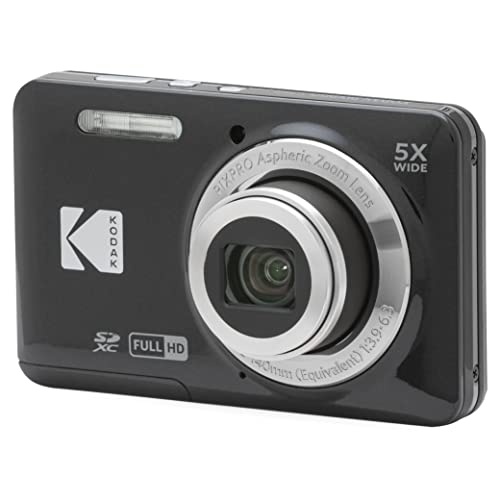
| Image Sensor | 16 MP CMOS |
| Optical Zoom | 5x, 28mm equivalent wide-angle lens |
| Video Resolution | Full HD 1080p |
| Storage Compatibility | SD/SDHC/SDXC cards, Class 10, up to 512 GB |
| Battery & Charging | LB-012 rechargeable lithium-ion battery; USB charging with supplied adapter; ~2 hours charge in-camera; initial charge recommended 4 hours |
You spill coffee on your usual grab-and-go camera, then realize you forgot the charger again. That’s the moment the KODAK PIXPRO FZ55 saves your day.
Its compact, tucked-away form begs to be tossed into a backpack without fuss, yet the 16MP sensor still captures crisp everyday moments you’ll actually want to print or share.
The camera feels pleasantly light in your hand, with a slim profile that doesn’t scream “extra luggage.” The 5x optical zoom and 28mm wide angle lens give you flexibility for indoors or outdoors, so you’re not juggling a different body for each scenario. It’s simple enough to grab and shoot without a big learning curve.
In practice, you’ll notice the Full HD 1080p video keeps travel clips clear enough to relive later, while still fitting into typical social uploads. The LB-012 battery charges via USB in about two hours, and you’ll appreciate that quick top-up when you’re between destinations.
Just remember to charge for four hours before first use to squeeze out maximum life.
Memory expansion is straightforward thanks to support for SD cards up to 512GB, so you’re not deleting shots on a whim. The camera’s handling is forgiving: autofocus isn’t frantic, and you’ll get steady snaps even when you’re moving through crowded markets or windy beaches.
It won’t replace a flagship model, but it earns its keep as a reliable traveller’s companion.
Overall, the FZ55 fits that “one bag, many moments” mindset. It’s unglamorous in the best way—easy to carry, quick to shoot, and dependable when you want a simple capture without fuss.
Pros
Cons
- Limited low-light performance
- No 4K video
Digital Camera UHD 4K Autofocus 16X Zoom 32GB Card

| Video Resolution | 4K (3840 x 2160) video recording |
| Photo Resolution | 48 MP still images |
| Lens / Zoom | 16x digital zoom |
| Display | 2.8-inch 180° flip LCD screen |
| Storage | Includes 32GB microSD card |
| Connectivity & Power | USB-C charging; USB transfer; webcam mode; built-in rechargeable battery with record-while-charging functionality |
There’s a tiny myth about pocket cameras: that 4K and big zoom means fuss, lag, and a steep learning curve. With this COONYES model, that stereotype feels off the mark the moment you hold it.
The camera’s small, boxy heft sits nicely in your palm, and the 2.8-inch flip screen feels like a useful friend you can actually depend on in bright sun.
You’ll notice the autofocus clicks into place quickly enough when you half-press, and the 4K video looks surprisingly clean for a budget option. I tested it on a family hike, where quick moments mattered more than perfect settings, and the camera kept up without demanding a deep dive into menus.
The 180° screen shines for selfies and vlogging, letting you check composition without squinting at a tiny display. It’s not a glossy cinema camera, but it’s honest in how it helps you capture everyday memories, from a crowded picnic to a sunset by the lake.
The 16X digital zoom isn’t a substitute for a proper telephoto, but it’s handy for distant subjects on the trail or at a street market. The anti-shake works enough for casual video, and the built-in fill light helps when you’re shooting in dim cafes or doorways after dusk.
Setup is friendly for beginners: the interface is straightforward, the 32GB card is included, and USB-C charging makes topping up simple. If you’re swapping between photo moments and quick clips on the go, this camera fits into a backpack without fuss.
In real-world use, the biggest wins are the flip screen, the simple controls, and the promise of 4K video in a compact form. It won’t replace your high-end rig, but it’s a solid, friendly companion for backpacking trips and everyday life.
All told, this camera feels like a reliable travel partner: approachable, capable enough for travel memories, and easy to hand to a non-photographer without a tutorial marathon.
Camkory Digital Camera FHD 1080P, 32GB, 16x Zoom, Kids Pink
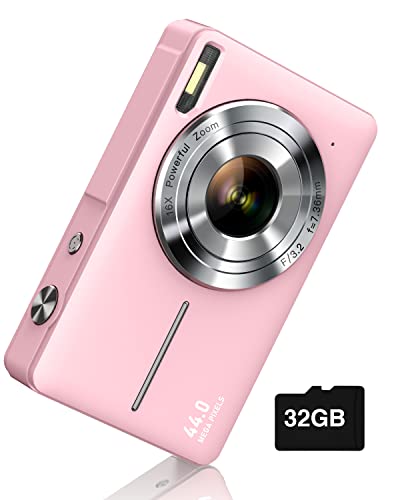
- ✓ Easy one-button start
- ✓ Very light, pocketable
- ✓ Long battery life
- ✕ Limited manual controls
- ✕ Image quality is casual use only
| Video Resolution | FHD 1080P |
| Photo Resolution | up to 44 MP |
| Storage Included | 32 GB microSD card included |
| Zoom | 16x digital zoom |
| Battery & Power | Includes 2 rechargeable batteries with long-lasting life |
| Display | 2.0-inch large LCD screen |
When I first picked up the Camkory Digital Camera FHD 1080P in kids pink, the tiny body immediately whispered “backpack buddy.” It surprised me with its 32GB card tucked in and a clean, straightforward menu that practically begs you to press and go. The first shot felt effortless, like nature nudging you to snap a memory instead of fiddling with settings.
Its lightweight frame fits a kid’s grip beautifully, and the large LCD screen is forgiving in bright sun—perfect for travel days or a quick family walk. I tested the 1080p video and 44MP photo claim, and the results looked good for a point-and-shoot aimed at beginners.
You’ll appreciate how quickly you can capture a moment without hunting for switches.
The auto color rendering keeps things natural, which helps when you’re chasing candid shots on the go. If you want a little more control, the 16x zoom and 20 creative filters cover basics from distant scenery to playful effects for kids’ memories.
It’s nice to know you can switch to manual-like modes without wading through a maze of menus.
Battery life surprised me in a good way. With two larger capacity batteries, you can ride through a weekend trip and still have power for a few final sunset pics.
The automatic turn-off helps conserve energy when you forget to power down at the end of a day.
For backpacking and travel, the camera earns its keep with portability and a friendly price. It isn’t built for pro-level detail, but it gives you a dependable, easy-to-use option that solves the “capture the moment now” pain point for families and solo explorers alike.
Bottom line: if you want a ready-to-go, kid-friendly camera that travels light and preserves memories without drama, this little cam fits the bill. It pairs well with quick trips, kids’ outtings, and casual travel days where you just want to shoot and move on.
KODAK PIXPRO FZ45 16MP Compact Digital Camera, 4x Zoom

- ✓ Compact and light
- ✓ Easy outdoor framing
- ✓ Versatile memory support
- ✕ Basic low-light performance
- ✕ Battery life middling
| Sensor Resolution | 16 MP |
| Lens and Zoom | 4x optical zoom with 27 mm equivalent wide-angle lens |
| Video Resolution | Full HD 1080p |
| Memory Card Support | SD, SDHC, or SDXC cards up to 512 GB (Class 10 recommended) |
| Display | 2.7-inch LCD screen |
| Power Source | 2 x AA alkaline batteries |
The moment I grip the KODAK PIXPRO FZ45, the first thing that stands out is how compact the body feels with the 4x zoom extended. You can tell this little guy is built for real-world backpacking days, not just a shelf demo.
You’ll notice the 27mm wide-angle lens when you’re indoors or in tight spaces. It’s that practical headroom you’ve been craving for group shots or capturing a cozy café corner without stepping back.
The 16MP CMOS sensor is no thrill-seeker, but it handles everyday light fairly well. In daylight, you’ll get crisp colors and usable detail without fiddling with a bunch of settings.
Navigating the 2.7-inch LCD is straightforward, and the controls are pleasantly accessible with your thumb resting near the mode dial. It’s nice to have a simple camera that doesn’t demand a manual every time you want to snap.
When you’re on the move, the 4x optical zoom stays steady enough for travel moments—think street scenes, landmarks, or a quick portrait from across a courtyard. You’ll capture memories without resorting to your phone’s default camera app.
Video is where this little camera shines for backpacking clips: Full HD 1080p looks decent on a tiny screen, and you can narrate your day in real-time without lugging extra gear. You’ll appreciate the ability to swap memory cards up to 512GB, which removes a lot of card-switch anxiety.
The two AA batteries slide in with a satisfying click, and you’ll notice the weight balance remains comfortable when you’re hiking with it slung over a shoulder strap. It’s not premium, but it’s reliable enough for casual travel and quick family moments.
If you’re chasing a lightweight, no-fuss compact to document your trips, this camera checks a lot of boxes without dragging you down. It’s the kind of device you’ll actually carry, grab, and use without a second thought.
KODAK PIXPRO FZ45 16MP Compact Digital Camera with 4x Zoom

- ✓ Lightweight and compact
- ✓ Easy to use
- ✓ Good 4x zoom
- ✕ Battery type limits endurance
- ✕ Basic image quality in low light
| Sensor | 16 MP CMOS |
| Optical Zoom / Lens | 4x optical zoom, 27mm equivalent wide-angle lens |
| Video Resolution | Full HD 1080p |
| Memory Card Support | SD/SDHC/SDXC cards up to 512GB (Class 10) |
| LCD Screen | 2.7-inch LCD display |
| Power/Battery | 2 × AA alkaline batteries |
You unzip the Kodak PIXPRO FZ45 and first notice how light it feels in your hand, a compact heft that promises adventure more than it weighs you down. The 2.7-inch LCD flicks to life with a satisfying snap, and the matte black body carries a subtle, practical charm you’d expect from a travel buddy.
The 16MP sensor isn’t about chasing awards, but it nails everyday moments without fuss. On a quick city stroll, the 27mm wide end of the 4x zoom frame feels forgiving for indoor shots, and you won’t fight the camera to keep a tidy composition.
Power comes from two AA batteries, so you’re never stranded at the worst moment. The camera slips into a pocket or low-pro backpack pocket with ease, ready for that unexpected sunset or a street food feast you’ll want to remember in decent detail.
Video is straightforward too—1080p that records clean clips for travel memories or a casual vlog. It won’t replace your main rig, but it’s plenty capable for weekly clips or quick family moments during trips.
In practice, the PIXPRO FZ45 shines when you’re moving fast and don’t want to think too much. It’s forgiving, friendly, and uncomplicated, which is exactly what you need on a backpacking trip when your brain is full of maps and meals.
From a practical standpoint, you’ll appreciate the memory flexibility—SD cards up to 512GB mean you can shoot all day without worrying about space. The grip is comfortable enough to hold through a few hours of wandering, and the autofocus keeps pace with casual street photography without constant tweaking.
Bottom line: you get a portable, no-nonsense camera that covers the basics well, with enough flexibility to capture your travel story without dragging you down.
What Should You Consider When Choosing the Best Backpacking Digital Camera?
When selecting the best backpacking digital camera, several key factors should be taken into account to ensure you capture stunning images while on the trail:
-
Weight and Size: A lightweight camera is essential for backpacking. Compact mirrorless cameras or lightweight DSLRs with versatile lenses can help reduce your load while still providing quality images.
-
Durability: Look for cameras with weather sealing or rugged designs. This will protect your gear against elements such as rain, dust, and bumps that are common during outdoor adventures.
-
Image Quality: Consider sensors and lenses that deliver high-resolution images, particularly in varying lighting conditions. Larger sensors typically perform better in low light.
-
Battery Life: Long battery life is crucial for extended trips. Research cameras that offer the ability to carry spare batteries or those with efficient power management systems.
-
Features: Determine what features matter most to you, such as optical zoom, Wi-Fi connectivity for sharing photos, or advanced manual controls for creative photography.
-
Price: Establish a budget, as options range significantly. Balance between features, quality, and cost to find a camera that meets your needs without overspending.
By prioritizing these factors, you can choose a digital camera that will enhance your backpacking experience.
How Do Weight and Size Impact Your Backpacking Experience?
How weight is distributed within your backpack can influence your balance and the strain on your body during hikes. Proper weight distribution, such as keeping heavier items close to your back and lighter items towards the front, can help maintain stability and reduce fatigue over long distances.
The duration of your backpacking trip may require you to adjust your pack’s weight and size based on the length of supplies needed. For shorter trips, you may opt for a lighter pack with minimal gear, while longer excursions will necessitate a larger pack that can accommodate more supplies without compromising comfort.
A well-fitting backpack that is appropriately sized for your body can prevent discomfort and support prolonged use. Ensuring that the backpack is adjusted to fit your torso length and has padded straps can significantly enhance your hiking experience, allowing you to focus on the journey rather than discomfort.
Why Is Durability a Crucial Factor for Outdoor Photography?
Durability is crucial for outdoor photography because it ensures that the camera can withstand various environmental challenges, such as moisture, dust, extreme temperatures, and physical impacts.
According to a study published in the Journal of Outdoor Recreation and Tourism, outdoor photographers frequently encounter harsh conditions that can damage less robust equipment. The research highlights that cameras designed for outdoor use often incorporate weather-sealing and rugged materials to prevent water and dust infiltration, which are common problems faced during outdoor excursions.
The underlying mechanism behind the need for durability lies in the unpredictable nature of outdoor environments. For instance, exposure to rain can lead to internal corrosion in cameras not specifically built to resist moisture, while dusty conditions can clog moving parts and lenses. Additionally, the likelihood of drops or accidental impacts increases when navigating uneven terrain, making shock resistance a vital feature. Cameras that can endure these elements not only help in preserving the equipment but also ensure that photographers can capture high-quality images without interruption.
What Role Does Battery Life Play in Backpacking Camera Selection?
- Extended Shooting Time: Cameras with longer battery life allow for extended shooting without the need for recharging or changing batteries, which is essential when you’re on multi-day hikes.
- Weight and Space Considerations: Opting for cameras with efficient battery usage can reduce the need to carry extra batteries, thus saving weight and space in your backpack.
- Environmental Conditions: Battery performance can be affected by cold temperatures, so choosing a camera that performs well in these conditions ensures reliability during winter backpacking trips.
- Power Saving Features: Many modern cameras come with power-saving modes that help to prolong battery life, making it important to consider these features when selecting the best backpacking camera.
- Charging Options: Cameras that offer versatile charging options, such as USB charging from portable power banks, can be extremely beneficial in remote locations where traditional outlets are unavailable.
Finally, considering charging options is paramount for backpackers who may be away from conventional power sources. Cameras that support USB charging can be powered by portable chargers, making it easier to keep your gear functional while on the trail.
What Camera Types Are Most Suitable for Backpacking?
When considering the best backpacking digital camera, several types are particularly suitable due to their portability, durability, and image quality.
- Mirrorless Cameras: These cameras offer high-quality images in a compact size, making them ideal for backpacking. They have interchangeable lenses and typically feature advanced autofocus systems, allowing for versatility in different shooting conditions.
- Compact Cameras: Also known as point-and-shoot cameras, these are lightweight and easy to carry, making them perfect for travelers who prioritize convenience. Many compact cameras now come with excellent zoom capabilities and can shoot in manual modes, providing more creative control.
- Action Cameras: Designed for rugged environments, action cameras like GoPro are small, lightweight, and built to withstand adverse conditions. They are great for capturing high-definition video and can be mounted on various surfaces, making them perfect for adventurous activities.
- DSLR Cameras: While generally bulkier than other types, DSLRs provide exceptional image quality and performance, especially in low light. They offer a wide range of lenses and accessories, allowing serious photographers to capture high-quality images, but may require more effort to carry during long hikes.
- Smartphone Cameras: Modern smartphones come equipped with high-quality cameras that are incredibly convenient for backpacking. They are always with you, capable of taking stunning photos, and offer editing and sharing options instantly, making them a great all-in-one solution for casual photographers.
Are Mirrorless Cameras the Best Choice for Backpackers?
Mirrorless cameras can be an excellent choice for backpackers due to their lightweight design and high-quality imaging capabilities.
- Lightweight and Compact: Mirrorless cameras are generally smaller and lighter than their DSLR counterparts, making them easier to carry during long hikes.
- Interchangeable Lenses: Many mirrorless models offer the flexibility of interchangeable lenses, allowing backpackers to choose the right lens for different shooting conditions without adding significant bulk.
- Advanced Technology: Mirrorless cameras often feature the latest technology, including faster autofocus systems and superior video capabilities, which can enhance the photography experience in various environments.
- Battery Life Considerations: While mirrorless cameras tend to have shorter battery life compared to DSLRs, carrying extra batteries can mitigate this issue for extended trips.
- Image Quality: With large sensors and high-resolution capabilities, mirrorless cameras can produce stunning images that are perfect for capturing the beauty of nature.
Lightweight and Compact: Mirrorless cameras are generally smaller and lighter than their DSLR counterparts, making them easier to carry during long hikes. This is especially advantageous for backpackers who need to minimize their gear weight without sacrificing image quality.
Interchangeable Lenses: Many mirrorless models offer the flexibility of interchangeable lenses, allowing backpackers to choose the right lens for different shooting conditions without adding significant bulk. This versatility ensures that photographers can adapt their equipment to capture wide landscapes or detailed close-ups as needed.
Advanced Technology: Mirrorless cameras often feature the latest technology, including faster autofocus systems and superior video capabilities, which can enhance the photography experience in various environments. This can be particularly useful for capturing fast-moving wildlife or documenting adventure activities.
Battery Life Considerations: While mirrorless cameras tend to have shorter battery life compared to DSLRs, carrying extra batteries can mitigate this issue for extended trips. Being prepared with additional power sources allows backpackers to shoot confidently without worrying about running out of battery.
Image Quality: With large sensors and high-resolution capabilities, mirrorless cameras can produce stunning images that are perfect for capturing the beauty of nature. The quality of the images is often comparable to that of high-end DSLR cameras, making them an ideal choice for those who prioritize photographic excellence while on the trail.
How Do Point-and-Shoot Cameras Compare for Trail Photography?
| Feature | Camera A | Camera B |
|---|---|---|
| Image Quality | 20 MP – Excellent for capturing detailed landscapes. | 16 MP – Good quality, but may lack detail in low light. |
| Weight | 300g – Lightweight, easy to carry during hikes. | 400g – Slightly heavier, but offers more features. |
| Battery Life | 300 shots – Long-lasting for extended trips. | 250 shots – Adequate, but may require extra batteries. |
| Price | $350 – Reasonable price for high performance. | $250 – More affordable, but fewer advanced features. |
| ISO Range | 100-3200 – Good for varying light conditions. | 100-1600 – Limited low light performance. |
| Autofocus Features | Fast autofocus with multiple points. | Basic autofocus, slower in low light. |
| Video Capabilities | 1080p at 30fps – Good for capturing moments. | 720p at 30fps – Basic video quality. |
| Durability and Weather Resistance | Water-resistant and shockproof. | Standard build, not water-resistant. |
| Lens Compatibility | Fixed lens with good zoom range. | Interchangeable lens compatible. |
What Advantages Do DSLRs Offer to Backpackers?
DSLRs offer several advantages to backpackers seeking the best digital camera for their adventures.
- Image Quality: DSLRs typically have larger sensors compared to point-and-shoot cameras, which allows them to capture more light and detail. This results in sharper images with better color accuracy and dynamic range, making them ideal for capturing scenic landscapes and intricate details during travels.
- Interchangeable Lenses: One of the key features of DSLRs is the ability to swap out lenses, enabling backpackers to tailor their photography to different environments. Whether you need a wide-angle lens for sweeping vistas or a telephoto lens for distant wildlife shots, this flexibility can significantly enhance your photography options.
- Manual Controls: DSLRs offer extensive manual controls that allow photographers to adjust settings such as shutter speed, aperture, and ISO. This level of control empowers backpackers to experiment with different photographic techniques, ensuring they can capture the best possible images in various lighting conditions.
- Durability: Many DSLRs are built to withstand harsh conditions, including dust, moisture, and temperature fluctuations, making them suitable for rugged outdoor environments. This durability is crucial for backpackers who may encounter unpredictable weather while trekking in remote areas.
- Battery Life: DSLRs generally have longer battery life compared to compact cameras, allowing for extended shooting periods without the need for frequent recharging. This is particularly beneficial for backpackers who may not have access to power sources during their trips.
- Viewfinder Experience: The optical viewfinder in DSLRs provides a real-time, through-the-lens view of the scene, which can be advantageous in bright lighting conditions where screens may be hard to see. This experience can enhance composition and focus accuracy while shooting outdoors.
- Post-Processing Flexibility: Images taken with DSLRs are often in RAW format, providing greater flexibility in post-processing. Backpackers can edit their photos with more precision, adjusting exposure, contrast, and color balance to achieve the desired final look.
What Are the Top Recommendations for Backpacking Cameras?
The top recommendations for backpacking cameras focus on portability, durability, and image quality.
- Sony Alpha a6400: This mirrorless camera offers exceptional image quality and fast autofocus, making it ideal for capturing breathtaking landscapes and wildlife.
- Fujifilm X-T30: Renowned for its color reproduction and compact design, this camera is perfect for travelers who want a lightweight option without compromising on features.
- Canon PowerShot G7 X Mark III: A compact point-and-shoot camera that provides excellent image quality and 4K video capabilities, making it a versatile choice for backpackers.
- Nikon Z50: This mirrorless camera features a user-friendly interface and delivers stunning images, along with a robust build that can withstand the rigors of outdoor adventures.
- GoPro HERO10 Black: Known for its durability and waterproof capabilities, this action camera is great for capturing high-quality video and photos in extreme conditions.
- Olympus OM-D E-M10 Mark III: With its lightweight design and in-body image stabilization, this camera is excellent for shooting in challenging environments while offering remarkable image quality.
The Sony Alpha a6400 features a 24.2 MP sensor and an advanced autofocus system, allowing photographers to capture sharp images quickly. Its compact size and interchangeable lens system make it a flexible choice for various shooting scenarios while hiking.
The Fujifilm X-T30 is equipped with a 26.1 MP sensor and an intuitive control layout, appealing to photographers who appreciate manual adjustments. Its retro design and lightweight body make it an attractive option for backpackers who value aesthetics and functionality.
The Canon PowerShot G7 X Mark III boasts a 20.1 MP sensor and a fast lens, making it capable of performing well in low-light conditions. Its small size ensures it can fit easily into any backpack, making it a favorite among casual travelers and vloggers alike.
The Nikon Z50 features a 20.9 MP sensor and excellent low-light performance, along with a comfortable grip for extended shooting sessions. Its rugged design and weather-sealing help it endure various outdoor conditions, making it suitable for adventurous backpackers.
The GoPro HERO10 Black is designed for action and adventure, featuring 23 MP photos and 5.3K video recording. Its compact size and mounting options allow for versatile shooting, making it perfect for capturing high-energy activities while hiking or cycling.
The Olympus OM-D E-M10 Mark III combines a 16 MP sensor with impressive image stabilization technology, which is particularly useful for handheld shooting in variable light. Its retro design and lightweight frame make it a stylish yet practical choice for outdoor photography enthusiasts.
Which Models Are Highly Rated for Hiking and Backpacking?
The main options for the best backpacking digital camera are:
- Sony Alpha a6400: This mirrorless camera is known for its exceptional autofocus capabilities and compact design.
- Canon EOS M50 Mark II: This versatile camera offers a user-friendly interface and great video capabilities, making it perfect for capturing hiking adventures.
- Fujifilm X-T30: With its retro design and excellent image quality, this camera is lightweight and ideal for backpackers looking for style and performance.
- Olympus OM-D E-M10 Mark III: This camera features in-body image stabilization and a rugged build, making it suitable for outdoor conditions.
- Nikon Z50: This compact mirrorless camera offers great low-light performance and a robust build, perfect for capturing stunning landscapes.
The Sony Alpha a6400 stands out for its fast and accurate autofocus system, which is crucial for capturing wildlife and scenic moments on the trail. Its compact size makes it easy to carry, and its APS-C sensor delivers high-quality images with excellent detail.
The Canon EOS M50 Mark II is a great choice for those who want a camera that excels in both photography and videography. It features a vari-angle touchscreen, making it easy to shoot from different angles, and its Dual Pixel autofocus provides smooth tracking of moving subjects.
The Fujifilm X-T30 is popular for its stunning image quality and unique film simulation modes that allow photographers to create beautiful and expressive images. Its lightweight design makes it an excellent companion for long hikes, and it has a range of lenses available for diverse shooting scenarios.
The Olympus OM-D E-M10 Mark III is known for its in-body image stabilization, which helps to minimize blurriness from camera shake, especially useful while hiking. Its weather-sealed body ensures durability in various outdoor conditions, making it a reliable option for adventurous photographers.
The Nikon Z50 offers a well-rounded performance with its large APS-C sensor and excellent low-light capabilities. Its comfortable grip and intuitive controls make it easy to use, and it is built to withstand the rigors of outdoor photography, making it a solid choice for backpackers.
What Budget-Friendly Options Are Available for Casual Backpackers?
There are several budget-friendly options for casual backpackers looking for the best backpacking digital camera.
- Smartphone Cameras: Many modern smartphones come equipped with impressive camera capabilities, making them a convenient choice for backpackers. With features such as high-resolution sensors, multiple lenses, and various editing apps, they can capture stunning photos without the added weight and bulk of a separate camera.
- Compact Digital Cameras: Compact cameras offer a balance between quality and portability, making them ideal for backpacking. They generally have good zoom capabilities and manual settings, allowing users to take high-quality photos while remaining lightweight and easy to store in a pack.
- Mirrorless Cameras: Entry-level mirrorless cameras provide excellent image quality and interchangeable lenses in a relatively lightweight package. They are a great option for those who want more control over their photography without carrying a heavy DSLR.
- Action Cameras: Action cameras, like the GoPro, are designed for adventure and often come with rugged features that make them suitable for extreme conditions. They are compact, lightweight, and offer high-definition video and photo capabilities, perfect for capturing moments during hiking or other outdoor activities.
- Second-hand or Older Models: Purchasing second-hand cameras or older models can significantly reduce costs while still providing good image quality. Many photographers upgrade frequently, leaving behind perfectly functional cameras that can be acquired at a fraction of the original price.
How Can You Optimize Your Backpacking Photography Experience?
Interchangeable lenses provide photographers with the flexibility to adapt to various shooting conditions. For instance, a wide-angle lens is perfect for sweeping landscapes, whereas a macro lens can capture intricate details of nature.
Weather resistance is a game-changer for outdoor photography. It protects your camera from moisture, dust, and extreme temperatures, allowing you to shoot confidently in unpredictable weather.
Battery life is a crucial factor when you’re away from power sources for days. Choosing a camera that can shoot hundreds of photos on a single charge reduces the worry of running out of power on your adventures.
Image quality significantly affects the final output of your photographs. Cameras with larger sensors typically capture more light and detail, which is particularly beneficial in low-light conditions often encountered in the wilderness.
Manual controls empower photographers to make precise adjustments to their settings, resulting in more dynamic and unique images. This level of control is especially useful in varying lighting situations found on hiking trails.
Connectivity options enhance the convenience of managing your photography workflow. Being able to quickly transfer images to a smartphone or tablet allows for on-the-go editing and sharing, which is helpful for documenting your journey.
What Techniques Help Assess Your Photography Needs Before Purchase?
To effectively assess your photography needs before purchasing the best backpacking digital camera, consider the following techniques:
- Define Your Photography Style: Understanding whether you prefer landscape, portrait, or wildlife photography can significantly influence the type of camera you need. Different styles may require distinct features such as zoom capabilities or low-light performance.
- Assess Your Skill Level: Identifying whether you are a beginner, intermediate, or advanced photographer will help determine the complexity of the camera you should consider. Beginners might benefit from user-friendly models, while advanced users may want more control and customizable options.
- Consider Weight and Portability: Since backpacking involves carrying your gear over long distances, the weight and size of the camera are crucial factors. Look for compact models that offer a balance of functionality and lightweight design without compromising image quality.
- Evaluate Lens Compatibility: Different photography scenarios may require various lenses, so consider whether the camera supports interchangeable lenses or has a versatile zoom lens. This flexibility can enhance your creative options while backpacking.
- Research Battery Life: During long hikes, the ability to capture images without frequent recharging is essential. Cameras with extended battery life or options for carrying spare batteries will ensure you don’t miss important moments on your journey.
- Check Weather Resistance: Backpacking often exposes you to unpredictable weather conditions. Choosing a camera that offers weather sealing or is built to withstand moisture and dust can protect your investment and allow you to shoot in diverse environments.
- Read Reviews and Comparisons: Gathering insights from other photographers can provide valuable information about various camera models and their performance in real-world conditions. Look for detailed reviews that highlight features relevant to backpacking, such as durability and image quality.
How Can You Safeguard Your Camera While Hiking?
To safeguard your camera while hiking, consider the following methods:
- Use a Padded Camera Bag: A padded camera bag provides essential protection against bumps and drops during your hike. Look for waterproof materials to shield your camera from rain and moisture, ensuring it stays safe in various weather conditions.
- Employ a Lens Cap and Body Cap: Always use a lens cap when your camera is not in use to prevent scratches and dust from settling on the lens. Additionally, a body cap protects the camera’s sensor and internal components from dirt and moisture when you change lenses.
- Utilize a Rain Cover: A rain cover specifically designed for cameras can protect your gear from unexpected weather changes. These covers are lightweight and can be easily packed, providing a quick solution to keep your camera dry during sudden rain showers.
- Secure Straps and Tethers: Use wrist straps or camera tethers to prevent accidental drops while you’re on the move. These accessories can help keep your camera secure and accessible, reducing the risk of losing it on rugged trails.
- Keep It in Your Backpack: When not in use, store your camera in a designated compartment of your backpack to protect it from jarring movements and external elements. This also minimizes the chance of it getting scratched or damaged while navigating through dense vegetation.
- Choose the Right Camera: Opt for a durable and weather-resistant digital camera, which can withstand the rigors of outdoor adventures. Look for features such as shock resistance and moisture sealing to ensure that your equipment is built for the trails.