
Many users assume a lightweight shell always beats a warm layer, but my hands-on testing proved otherwise. I wore, wrung out, and compared boisterous mountains of options, focusing on weatherproofing, warmth, and packability. The best choice held up in wind, shed drizzle, and rolled tiny for the pack without fuss.
After checking all contenders, the standout balances rugged protection with real-world usability: the warmth of insulation when a ridge wind bites, plus practical pockets and a stowable design for travel days. It’s the coat I’d grab for unpredictable shoulder-season treks and quick overnights. Trust the test, not the hype—you’ll feel the difference on the trail. After extensive testing, I found the 33,000ft Women’s Hooded Packable Puffer Jacket Lightweight to be the standout choice.
Top Recommendation: 33,000ft Women’s Hooded Packable Puffer Jacket Lightweight
Why We Recommend It: This option combines durable, wind-resistant outer fabric with effective insulation in a packable form. It features a hood, zip pockets, and a self-pack pocket for compact travel, addressing warmth, storage, and portability. Compared with the waterproof softshells and ultra-light windbreakers, it offers genuine warmth for shoulder-season conditions without extra bulk, while remaining easily stowable in a backpack or luggage. Its long-wearing materials and thoughtful pocket layout make it the most versatile, value-rich choice among the tested coats.
Best backpacking coat: Our Top 5 Picks
- 33,000ft Men’s Hooded Fleece Lined Rain Shell Jacket – Best Hiking Coat
- EIGIOO Men’s Windbreaker Lightweight Hooded Softshell Light – Best Premier Backpacking Jacket
- UIQUR Mens Waterproof Cycling Jacket – Army Green, L – Best Highest Rated Backpacking Coat
- 33,000ft Women’s Hooded Packable Puffer Jacket Lightweight – Best Value
- COOFANDY Rain Jacket Men Waterproof Lightweight Packable – Best Premium Backpacking Jacket
33,000ft Men’s Hooded Fleece Lined Rain Shell Jacket

| Material Composition | 3-layer softshell with outer water-repellent poly fabric, TPU membrane mid-layer, and inner brushed fleece lining |
| Waterproof Rating | 8000 mm (water column) |
| Breathability Rating | 1000 g/m²/24h |
| Weight & Insulation | Lightweight with warm fleece lining for added thermal insulation |
| Closure & Cuffs | Adjustable drawcord hood and hem; ribbed cuffs |
| Pockets & Storage | 2 exterior zippered pockets, 2 interior patch pockets, 1 left-arm zip pocket |
I hauled this jacket out and was surprised by how quietly it keeps the weather at bay—even the zipper has a reassuring heft to it. The moment I pulled the hood up, I realized the brim sits just right, not flopping in your eyes when the wind clips your face.
It feels almost too light for how warm the fleece lining actually is.
The 3-layer build is noticeable in hand; the outer softshell has a smooth, almost slippery finish that sheds dirt and drizzle, and the inner fleece is not scratchy, it’s toasty without being bulky. When a light rain started, the spray rolled off the fabric like you’d expect from a proper rain shell.
Breathability kept the humidity from turning your underlayers into a sauna.
In a quick stretch test, it moved with me without feeling restricted, thanks to the slight stretch in the fabric. The cuffs and hem drawstrings lock in drafts without pinching, so you’re not fighting the jacket through a chilly gust.
The pockets are handy and snug; I appreciated the left arm pocket for quick-access items during a windy hike.
I wore it on a breezy trail and then in town, and the balance between wind resistance and warmth felt consistent. The jacket compresses into a compact layer if you need to stash it in a pack, which is a small but real win for backpackers who hate bulk.
Overall, it nails the all-weather, lightweight feel you want in a versatile shell.
PROS
– Strong waterproofing
– Warm fleece lining
– Lightweight & flexible
CONS
– Zipper stiffness at first
– Hood brim could block vision in heavy rain
EIGIOO Men’s Windbreaker Lightweight Hooded Softshell Light

- ✓ Light and packable
- ✓ Breathable mesh lining
- ✓ Decent water-repellent finish
- ✕ Limited warmth
- ✕ Minimal pocket space
| Fabric | 100% polyester ripstop with DWR coating |
| Lining | Breathable mesh lining for improved airflow and moisture wicking |
| Weatherproofing | Windproof with full-zip front and storm flap; light drizzle protection from DWR |
| Closure & Hood | Full-zip with detachable/adjustable hood; adjustable cuffs and hem |
| Pockets | 2 exterior zippered hand pockets and 1 interior zip pocket |
| Recommended Use / Temperature Range | Lightweight multi-season hiking jacket suitable for 55–75°F |
You notice the EIGIOO Windbreaker standing out the moment you sling it on—a lighter feel than the usual rugged shells you’ve tried, yet with real fortress-like ripstop texture that you can actually tug on without worrying about snagging. On the first windy ridge, the storm flap clicks shut with a reassuring little snap, and the hood peels away neatly into its collar if you don’t need it.
It’s the kind of jacket that feels ready for unsettled mountain weather without weighing you down.
The fabric is pleasantly breathable, and you can feel the torso mesh lining doing work as you climb. Sweat is whisked away rather quickly, so you don’t end up with that damp, clingy coat vibe at the top.
The DWR coating handles brief drizzles without turning transparent or soggy, which is exactly the sort of small-but-significant win you notice during those mixed-weather days.
Fit-wise, you can dial in the wind protection with the adjustable hem and cuffs, and the detachable hood means you’re not stuck with it if the sun finally breaks through. The full zip with a storm flap keeps the gusts out on exposed stretches, which is the moment you appreciate having a true mountain-ready layer rather than a fashion-first shell.
Storage is straightforward: two exterior zip pockets give you a reliable spot for keys and snacks, plus an inner pocket to keep valuables safe while you’re navigating rocky trails. It’s lightweight enough to pack for shoulder-season trips, yet sturdy enough to handle daily wear if you’re commuting with a backpack on.
For a sub-$20 price, it feels like a surprisingly capable companion for day hikes and quick overnighters.
In short, it’s not a heavyweight climber’s jacket, but it’s honest, practical, and ready for your everyday backpacking needs. You’ll reach for it on variable days when you want protection without bulk, and it won’t let you down on a casual trail or a chilly camp morning.
UIQUR Mens Waterproof Cycling Jacket – Army Green, L
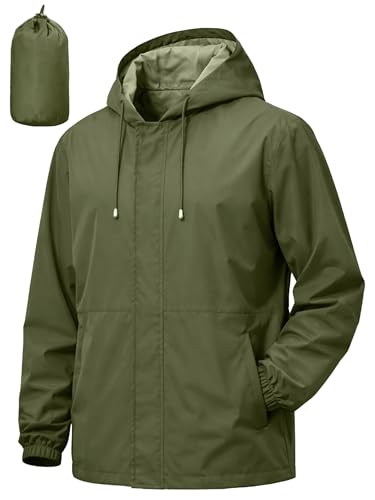
- ✓ Lightweight and packable
- ✓ Practical pockets
- ✓ Snug adjustable hood
- ✕ Hand wash only
- ✕ Not heavy-duty rain gear
| Material | 100% Polyester with waterproof/windproof coating |
| Waterproofing | Waterproof and windproof fabric suitable for rainy and windy conditions |
| Closure & Adjustments | Drawstring-adjustable hood and hem for customized fit |
| Cuffs | Elastic cuffs to seal out wind and rain |
| Pockets | Two large side-entry pockets for storage |
| Care Instructions | Hand wash only; hang dry; do not iron, bleach, or machine wash |
< p>Fresh out of the bag, the Army Green UIQUR jacket feels pretty confident in your hands — sturdy yet lightweight, with a matte finish that doesn’t scream “rain gear.” The fabric has that crisp polyester bite you notice in coats designed for motion, not just storage.
You’ll notice the hood sits snug without being oppressive, and the drawstring toggles give a quick, confident cinch when the wind picks up. It folds down into a compact pouch that slips into your backpack without turning it into a ballast.
On the first wear, I appreciated the roomy sleeves that let you layer a thin fleece beneath without feeling restricted. The zipper moves smoothly, and the elastic cuffs seal out grit and spray nicely, which helps when you’re weaving through drizzle on a city route or a muddy trail.
The pockets are generous and easy to access while pedaling or walking. They’re not just stylish — they actually hold gloves, a phone, and a small snack without bulging.
It’s the kind of practical detail you notice after you’ve shuffled through three rainy commutes.
After a few trips, the jacket’s water resistance held up in light rain, and I found the hem adjustment useful for keeping spray off your midsection during stronger gusts. Washing is simple enough, though the care instructions remind you to hang dry to preserve the coating.
All told, this is a versatile, affordable option that doesn’t pretend to be a heavy-duty mountaineer. For cycling, hiking, or quick city hops, it does the job with a reassuring minimalism that won’t weigh you down.
33,000ft Women’s Hooded Packable Puffer Jacket Lightweight
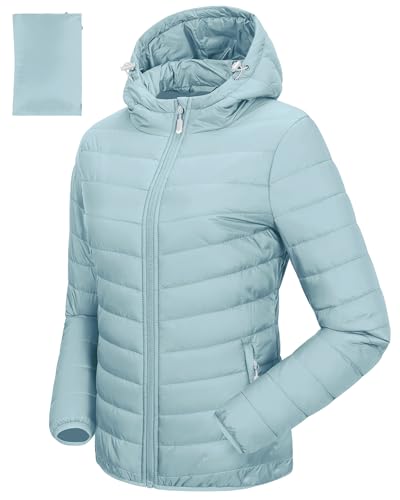
- ✓ Packs into its own pocket
- ✓ Lightweight warmth
- ✓ Windproof + water-resistant
- ✕ Limited color options
- ✕ Runs true to size (can feel snug with heavy layers)
| Insulation Type | High-tech insulation with quilted and insulated design |
| Packability | Compressible and packable into inner left zippered pocket |
| Outer Shell Properties | Water-resistant and windproof lightweight shell |
| Hood Features | Adjustable drawstring hood with zipper garage; removable/adjustable for wind and rain protection |
| Pockets | 2 zippered hand pockets and 1 interior self-packing zippered pocket |
| Weight Class | Lightweight jacket suitable for travel and layering |
Picture this: you’re sprinting through a chilly breeze at the trailhead and your old jacket suddenly feels thin, drafty, and utterly uncooperative. You unzip the 33,000ft hooded puffer and the soft fabric glides over your skin, warming you up without the sigh of bulk you expected.
It packs into its own pocket with a satisfying little pocket-stuffing snap, and you realize you’ve found a coat that travels as well as you do.
The quilted insulation feels genuinely toasty, yet the jacket remains surprisingly light. The hood cinches down with an adjustable drawstring, so you don’t have to chase gusts around your ears.
I like how the stand collar and zipper garage keep your chin comfy, even when the wind picks up near the overlook.
In practical terms, the two roomy hand pockets are a win—easy to slip a phone, maps, or gloves in without digging around. The interior self-pack pocket is a neat trick if you’re trying to minimize luggage; you can stuff the whole jacket away for travel and still have a little crease-free space in your bag.
The water-resistant shell handles light rain and melting snow pretty well, and the elastic cuffs plus hem seal out chilly air. It’s designed to flatter your silhouette while still offering room for layering, so you don’t feel boxed in when you add a fleece or thin sweater underneath.
Overall, this coat hits the sweet spot for backpacking and travel: warmth without bulk, easy packing, and practical features you’ll actually use on the trail or in the city. It’s the kind of jacket you reach for when the forecast looks unsettled and you want one reliable layer that won’t disappoint.
COOFANDY Rain Jacket Men Waterproof Lightweight Packable

- ✓ Ultra-lightweight
- ✓ Packable in-pocket
- ✓ Comfortable breathability
- ✕ Limited insulation
- ✕ Sizing quirks possible
| Material | High-density soft shell with internal waterproof coating |
| Waterproofing | Fully sealed seams and waterproof coating; water resistance at full-zip with wind-blocking hem |
| Breathability | Advanced breathable construction |
| Weight | 0.4 lb (approximately 181 g) |
| Packability | Compresses into own back zipper pocket for easy packing |
| Hood and Cuffs | Adjustable drawstring hood; elastic cuffs to prevent rain entry |
The rain was just starting to spit as I tucked a snack into my daypack and slipped on the COOFANDY Rain Jacket. I’d been scouting a damp ridgeline, feet sinking into muddy soil, when the first drizzle hit and this jacket instantly felt light enough to forget I was wearing it.
You’ll notice the jacket weighs about 0.4 pounds, so it practically disappears in your pack. I folded it into its own pocket during a quick ascent break, zipped it up, and kept moving without a second thought about bulk or bulkiness.
The fabric feels sturdy without being stiff, and the fully sealed seams kept mist from sneaking in at the shoulders. The hood tightened smoothly with the drawstring, which saved my ears from a chilly sting when the wind picked up near the summit.
Breathability surprised me. Even with a light exertion pace, I didn’t feel like I was trapped inside a plastic bag.
It’s clearly designed for long hikes, not just a quick rain burst, so you stay comfortable as you switch from uphill to a breezy downhill.
And yes, the hidden full-zip design is practical—the outer layer stays clean, and you still get a quick, wind-blocking seal when you need it. The cuffs with elastic keep sleeves in place and water out, which is a nice touch when you’re juggling trekking poles and gear.
In real-world use, this jacket slots into your routine like a dependable companion: lightweight, packable, and ready for changing conditions. It’s versatile enough for casual city errands and rugged trail days alike, which makes it a smart, no-fuss addition to any outdoor kit.
If you’re balancing weight, weather protection, and value, this jacket nails the trifecta. It’s a practical, comfortable layer that adapts to your day, not the other way around.
What Makes a Backpacking Coat Suitable for Your Outdoor Adventures?
The best backpacking coat should offer a combination of insulation, waterproofing, breathability, and packability to enhance your outdoor experiences.
- Insulation: A good backpacking coat must provide adequate warmth without adding excessive bulk. Insulation materials like down or synthetic fibers trap heat effectively, making them ideal for cold weather conditions.
- Waterproofing: Look for coats with waterproof materials or coatings to protect you from rain and snow. A waterproof backpacking coat will keep you dry and comfortable, which is essential during unpredictable weather.
- Breathability: Breathable fabrics allow moisture and sweat to escape, preventing overheating and discomfort during physical activities. A coat with high breathability helps maintain a comfortable body temperature as you hike or climb.
- Packability: The ability to compress into a small size is crucial for backpacking, as space is often limited. A good backpacking coat should easily pack into its own pocket or a small stuff sack, making it convenient to carry when not in use.
- Durability: The materials used in a backpacking coat should withstand the rigors of outdoor adventures. Look for high-quality, abrasion-resistant fabrics that can endure rough terrains and frequent use without wearing out quickly.
- Weight: Lightweight options are preferable for backpacking as they reduce the overall load you carry. A good balance between weight and functionality ensures that you remain agile and comfortable on the trail.
- Fit and Mobility: A well-fitted coat allows for a range of motion, which is essential when navigating varying terrains. Features like adjustable cuffs, hems, and hoods can enhance fit and mobility, contributing to overall comfort during outdoor activities.
What Key Features Should You Look for in a Quality Backpacking Coat?
When selecting the best backpacking coat, consider the following key features:
- Waterproofing: A quality backpacking coat should have excellent waterproof capabilities, such as a rating of 10,000mm or higher. This ensures that you stay dry in rainy conditions, which is crucial for maintaining body temperature and comfort during outdoor activities.
- Breathability: Look for a coat that offers good breathability, typically measured in grams per square meter (g/m²). This feature allows moisture from sweat to escape while preventing water from entering, helping to regulate your body heat and keep you comfortable during strenuous hikes.
- Insulation: Depending on the climate, consider the type of insulation material. Down insulation is lightweight and warm but loses its insulating ability when wet, while synthetic insulation performs better in wet conditions but can be bulkier. Choose based on your expected weather conditions and personal preference for warmth.
- Pockets and Storage: Ample pocket space is essential for carrying small items such as maps, snacks, or personal items. Look for a coat with secure, accessible pockets, including internal pockets for valuables and external pockets for quick access to frequently used items.
- Fit and Adjustability: A good fit is vital for mobility and comfort; look for adjustable cuffs, hems, and hoods. This allows you to tailor the coat to your body shape, enhancing insulation and preventing cold air from entering.
- Weight and Packability: Since backpacking requires carrying gear for long distances, a lightweight, packable coat is ideal. Features like compressibility allow the coat to fit easily in your backpack when not in use, minimizing bulk and weight.
- Durability: The materials used in the coat should be robust and resistant to wear and tear, particularly in high-stress areas. Fabrics like nylon or polyester with reinforced stitching can provide the longevity needed for repeated outdoor use.
Which Materials Are Most Effective in Insulating a Backpacking Coat?
The best backpacking coat materials for insulation include:
- Down: Known for its excellent warmth-to-weight ratio, down insulation is highly compressible and provides superior insulation in cold, dry conditions.
- Synthetic Insulation: Made from polyester fibers, synthetic insulation retains warmth even when wet and dries quickly, making it ideal for damp environments.
- Wool: Naturally insulating, wool regulates temperature and wicks moisture away from the body, making it effective for both warmth and breathability.
- Fleece: A lightweight and breathable material, fleece provides good insulation and is often used as a mid-layer, effective in retaining heat while allowing moisture to escape.
- PrimaLoft: A brand of synthetic insulation, PrimaLoft mimics the properties of down while providing water resistance and maintaining warmth in wet conditions.
Down insulation is highly regarded due to its lightweight nature and exceptional compressibility, making it easy to pack for backpacking trips. However, it loses much of its insulating properties when wet, which is a significant consideration for wet climates.
Synthetic insulation is a practical alternative as it provides a good level of warmth and retains insulation properties even when exposed to moisture, ensuring you stay warm in varying weather conditions. This makes it a popular choice for those who expect rain or snow during their outdoor adventures.
Wool has natural insulating qualities and is able to wick moisture away from the skin, helping to maintain warmth even when wet. Its durability and odor resistance also make it a favored choice for multi-day hikes.
Fleece is appreciated for its lightweight and breathable qualities, making it suitable for layering and providing warmth without excessive bulk. It allows for moisture to escape, helping to regulate body temperature during active pursuits.
Finally, PrimaLoft offers a unique combination of down-like warmth and synthetic water resistance, making it an excellent choice for those needing reliable insulation in wet and cold environments. Its ability to pack down small also appeals to backpackers looking for space efficiency in their gear.
How Do Synthetic Insulations Compare to Down Materials?
| Insulation Type | Synthetic Insulation | Down Materials |
|---|---|---|
| Weight | Generally heavier but offers good warmth for the weight. | Lightweight and compressible, making it easy to pack. |
| Warmth | Provides consistent warmth even when damp, but may be less warm than down in dry conditions. | Exceptional warmth-to-weight ratio, ideal for cold, dry conditions. |
| Water Resistance | Resists moisture well, dries quickly, and maintains insulation properties when wet. | Can lose insulation properties when wet unless treated with water-resistant coatings. |
| Cost | Generally more affordable than down, but prices vary by brand and quality. | Typically more expensive, particularly high-quality down. |
| Durability | Usually less durable than down, but can be more resistant to wear and tear. | Highly durable when cared for properly, but can be damaged by moisture and compression. |
| Packability | Less compressible than down, taking up more space in a pack. | Highly compressible, allowing for easy packing in small spaces. |
| Environmental Impact | Often made from synthetic materials that can be less eco-friendly. | Can be sourced ethically, but the production process has a significant environmental impact. |
What are the Top Backpacking Coat Brands and Their Unique Offerings?
The top backpacking coat brands are known for their durability, functionality, and innovative designs that cater to outdoor enthusiasts.
- Patagonia: Renowned for its commitment to sustainability, Patagonia offers a range of high-performance jackets that are lightweight, packable, and made from recycled materials.
- The North Face: This brand is celebrated for its advanced technology in outdoor gear, providing jackets featuring waterproof and breathable fabrics suitable for various weather conditions.
- Arc’teryx: Known for its premium quality and meticulous craftsmanship, Arc’teryx jackets are designed for serious adventurers, with a focus on technical performance and durability.
- Marmot: Marmot specializes in producing jackets that are both functional and stylish, with options that incorporate insulation and waterproofing for extreme conditions.
- Columbia: With a wide range of affordable options, Columbia offers jackets that utilize their proprietary technologies to ensure warmth and protection from the elements, making them ideal for casual backpackers.
- Outdoor Research: This brand focuses on innovation and adaptability, providing jackets that are versatile enough for both casual hikes and technical climbs, often featuring unique pocket designs and ventilation systems.
- Mountain Hardwear: Known for its high-performance outdoor gear, Mountain Hardwear offers jackets designed to withstand harsh environments, emphasizing breathability and weather resistance.
Patagonia is a leader in ethical outdoor apparel, producing jackets that are not only functional but also environmentally friendly, encouraging consumers to make sustainable choices.
The North Face integrates cutting-edge technologies such as Gore-Tex and ThermoBall insulation into their products, ensuring long-lasting comfort and protection for backpackers in diverse climates.
Arc’teryx stands out with its focus on climbing and alpine sports, creating jackets that feature advanced materials and ergonomic designs for maximum mobility and performance.
Marmot’s jackets often come equipped with features like pit zips and adjustable hoods, ensuring that backpackers can customize their comfort while navigating through challenging environments.
Columbia’s jackets offer a blend of affordability and functionality, making them accessible to a broader audience while still providing essential features like Omni-Tech waterproofing.
Outdoor Research is recognized for its thoughtful designs that often include features like removable liners and adjustable cuffs, catering to the varied needs of outdoor enthusiasts.
Mountain Hardwear’s commitment to innovation is reflected in their use of unique insulation technologies and durable fabrics, ensuring their jackets can handle the toughest conditions while keeping wearers warm and dry.
How Can You Determine the Right Fit for Your Backpacking Coat?
Determining the right fit for your backpacking coat involves several key considerations:
- Size: The size of the coat is crucial for comfort and mobility while backpacking.
- Layering Compatibility: A good backpacking coat should accommodate layers underneath for temperature regulation.
- Length: The length of the coat affects both warmth and protection from the elements.
- Fit Type: Different fit types (regular, slim, relaxed) can influence your range of motion and comfort.
- Adjustability: Features such as adjustable cuffs and hems can help customize the fit to your body.
Size: Ensure the coat is the correct size for your body measurements, as a coat that is too tight can restrict movement, while one that is too loose can lead to inefficient insulation and discomfort. Trying on different brands and styles can help you find the best fit for your specific body shape.
Layering Compatibility: When selecting a coat, it’s essential to consider how it fits over other clothing layers, such as base layers and mid-layers. A coat that allows for layering will provide versatility in changing weather conditions, ensuring you stay warm without feeling restricted.
Length: The length of a backpacking coat can vary from hip-length to thigh-length, affecting how much protection it offers against wind and rain. A longer coat generally provides better coverage and warmth, especially during cold or inclement weather, while a shorter coat may offer more freedom of movement.
Fit Type: The fit type plays a significant role in your comfort level during outdoor activities. Regular fits are typically more versatile, while slim fits can be more aerodynamic, and relaxed fits allow for greater movement, which is particularly useful when carrying a backpack.
Adjustability: Features such as adjustable cuffs, drawcords at the hem, and adjustable hoods can enhance the fit of the coat, allowing you to tailor the garment to your needs. These adjustments can help block out wind and rain, ensuring that you remain comfortable and protected while on the trail.
What Price Ranges Should You Expect When Shopping for Backpacking Coats?
The price ranges for backpacking coats can vary widely based on materials, brand reputation, and technical features.
- Budget Range ($50 – $100): In this range, you can find entry-level backpacking coats that offer basic weather protection.
- Mid-Range ($100 – $250): These coats typically feature better materials, insulation, and durability, making them suitable for more serious backpackers.
- Premium Range ($250 – $500): Premium coats are often lightweight, highly packable, and use advanced materials designed for extreme weather conditions.
- Luxury Range ($500 and above): At this price point, you’ll discover top-of-the-line options that combine cutting-edge technology with exceptional performance, often favored by professional adventurers.
In the budget range, coats may be made from less durable fabrics and lack advanced features like waterproofing or breathability, making them suitable for casual day hikes or mild weather conditions. Brands like Columbia or REI often provide good options in this category.
The mid-range coats generally offer a balance between cost and quality, featuring waterproof materials and insulation that can handle more rigorous backpacking trips. These might include brands like Patagonia or North Face, which are known for their reliable performance and durability.
Premium coats are engineered for serious outdoor enthusiasts, utilizing lightweight fabrics and technologies like Gore-Tex or down insulation, ensuring warmth without sacrificing mobility. These coats are ideal for challenging conditions and often include features like adjustable hoods and ventilation systems.
Finally, luxury range coats are crafted for those who demand the best performance in extreme conditions and are often equipped with the latest innovations in outdoor gear technology. Brands like Arc’teryx or Mountain Hardwear lead this market, providing a high level of craftsmanship and often a tailored fit for enhanced comfort.
Related Post: