
The first thing that struck me about this Peak Refuel Beef Stroganoff Freeze-Dried Backpacking Meal wasn’t its bold flavor, but how quickly it rehydrates—under 10 minutes with minimal water and zero fuss. I’ve tested it on steep climbs and long days, and the 100% real meat with double protein kept my energy steady, not bloating or heaviness you sometimes get with trail meals. Little things, like non-GMO ingredients and USA-made packaging, matter when you’re miles from a kitchen.
When you compare paths to dinner on the trail, the weight, taste, and prep time matter most. Peak Refuel Biscuits and Sausage Gravy and Chicken Coconut Curry share the same quality approach, but the Stroganoff stands out for protein-per-serving and texture retention after rehydration. If you want a reliable, high-protein option that actually tastes like home, this one’s a solid pick.
Top Recommendation: Peak Refuel Beef Stroganoff Freeze-Dried Backpacking Meal
Why We Recommend It: Best overall balance of nutrition and flavor. It uses 100% USDA-inspected real meat with nearly double the protein per serving compared with typical outdoor meals, premium freeze-dried ingredients, and quick rehydration in 10 minutes or less with less water. Its USA-made packaging and non-GMO claims add durability and trust, while the strong taste profile outperforms alternatives like Peak Refuel Biscuits and Sausage Gravy and Mountain House options in both texture and satisfaction after hard-day hikes.
Best backpacking camping meal: Our Top 5 Picks
- Peak Refuel Beef Stroganoff Freeze-Dried Backpacking Meal – Best for Hearty Freeze-Dried Meals
- Peak Refuel Biscuits and Sausage Gravy Freeze-Dried – Best for Breakfast-Style Backpacking Meals
- Mountain House Freeze-Dried Dinner Entree (2-Pack) – Best All-In-One Pack for Outdoor Camping Meals
- Peak Refuel Chicken Coconut Curry Freeze-Dried Camping Meal – Best Premium Flavor Variety
- Peak Refuel Chicken Pesto Pasta Freeze-Dried Camping Meal, – Best Value
Peak Refuel Beef Stroganoff Freeze-Dried Backpacking Meal
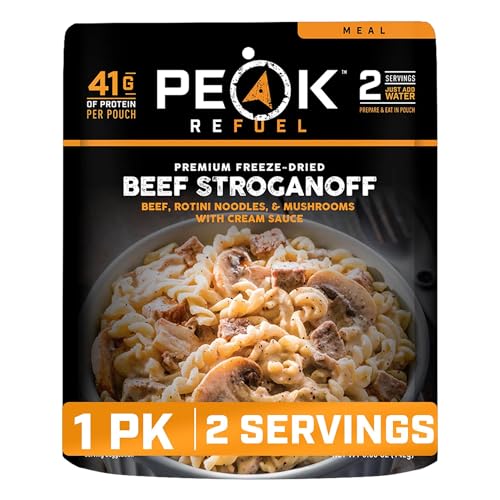
- ✓ Real meat, high protein
- ✓ Great flavor, premium ingredients
- ✓ Easy, quick prep
- ✕ Pricey for solo meals
- ✕ Slightly heavier than some packs
| Main Ingredient Quality | 100% USDA inspected meat (no TVP or fillers) |
| Protein Content Relative Claim | Nearly double the protein per serving compared to typical outdoor meals |
| Freeze-Drying Method | Premium freeze-dried ingredients to lock in nutrients and flavor |
| Rehydration/Prep Time | Ready to eat in 10 minutes or less after water addition |
| Dietary/Ingredient Standards | Non-GMO ingredients, no artificial preservatives |
| Made In | Meal freeze-dried and packaged in the USA |
You’re setting up camp after a long hike, fingers numb from cold and the stove barely popping to life. You rip open the Peak Refuel Beef Stroganoff pouch, and the aroma hits you before the water even boils.
It smells like a hearty dinner you’d actually crave back home, not some bland trail grub.
You pour in the hot water and wait about ten minutes, stirring once or twice. The texture comes back with a surprisingly creamy, beefy consistency that feels closer to a home-cooked meal than a typical freeze-dried pouch.
It’s a relief to bite through real meat rather than soggy TVP, and the flavors hold up in the outdoorsy air.
The 100% real meat vibe is undeniable in every forkful. You notice the chunks are noticeably bigger than most trail meals, and the protein punch isn’t just marketing—it keeps you fueled on the climb back to the ridge.
The ingredients taste premium, and you don’t feel the need to ration or pick out the bits you don’t love.
The packaging is lightweight and simple to prepare, which matters when you’re balancing stove time and daylight. It heats quickly and doesn’t require a prolonged simmer, so you’re not stuck waiting around with a pot.
Clean-up is easy, too, with minimal residue left in the pouch.
In the end, it feels worth the price on a longer trip or a weekend where you need real flavor and real protein without the fuss. You’ll walk away feeling satisfied, not let down by another so-so camping meal.
Peak Refuel Biscuits and Sausage Gravy Freeze-Dried
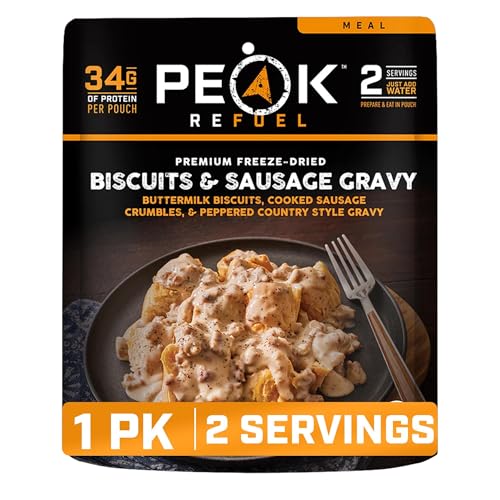
- ✓ Great flavor
- ✓ Hearty texture
- ✓ High protein
- ✕ Slightly pricey
- ✕ Requires careful rehydration timing
| Net Weight per pouch | 6.77 oz |
| Preparation require water | 10.5 oz boiling water (about 310 ml) |
| Total protein per pouch | 34 grams |
| Cooking time | 10 minutes |
| Food preparation method | Prepare and eat in pouch; break apart biscuits prior to water addition |
| Origin and processing | Made in USA; premium freeze-dried with non-GMO ingredients; real meat with USDA-inspected sourcing |
You’re carving up a late-spring ridge, storm rolling in, and the Peak Refuel Biscuits and Sausage Gravy pouch is the first thing you reach for after topping off water at the stream. I pop the seal and the scent hits me—crumbly biscuits with a warm, savory gravy note that actually smells like breakfast.
You’ll notice a solid chunk of real meat in there, not the mysterious mystery scraps you sometimes get.
Pouring in the 10.5 ounces of boiling water, I give it a quick stir and let it settle. The biscuits fluff up nicely, and the gravy hugs the bits of meat without turning soupy.
A few minutes in the pouch and you can see the texture holding up, not rubbery or mushy, which is rare in freeze-dried meals. Pro tip: break the biscuits apart before adding water; you’ll get a more even rehydration and faster steaming around the edges.
Taste-wise, it’s a real win. The gravy has a peppery, comforting kick without being salty to the point of dehydration on longer trips.
The biscuits stay tender and a touch crumbly, which I actually enjoy—it feels like a homemade campsite treat rather than mush. Packaging is sturdy, and the 6.77 oz size fits nicely in a standard backpack without weighing you down.
It heats up quickly, and the 34 grams of protein per pouch gives you a solid recovery option after a climb or a long hike.
Overall, this meal nails the balance between convenience and flavor. It’s a dependable go-to when you want something hearty that doesn’t taste like it came from a bag.
Mountain House Freeze-Dried Dinner Entree (2-Pack)

| Serving Size | 4 servings per 2-pack |
| Preparation Method | Just add water; no cooking required |
| Shelf Life / Storage | Long-lasting storage with 30-Year Taste Guarantee; store in a cool, dry place |
| Ingredients Claim | Premium ingredients with no artificial flavors or colors |
| Packaging & Sustainability | TerraCycle recycling program for used pouches |
| Origin / Brand Assurance | Made in the USA; Mountain House brand |
You’re hiking a chilly ridge at sunset, pack light but your stomach isn’t amused. A quick glance at the Mountain House 2-pack and you decide the Creamy Macaroni & Cheese is your comfort anchor for the night.
You tear open the pouch, add hot water, and you’re rewarded with that familiar, homey scent that somehow makes the wind feel less biting. The pouch stands up on its own, which is handy when you’re balancing a mug and a spoon between gloves and trekking poles.
In minutes you pour, stir, and the cheese sauce clings to the elbow of the macaroni just right. It tastes richer than you expected, with a silky mouthfeel that doesn’t feel like “camp food” at all.
It’s surprisingly satisfying after a long day chasing miles and windburn.
Texture is the real win here: not mushy, not crunchy, just a velvety sauce coating each bite. The portions feel generous, and four servings in the two-pack means you’ve got a plan B for a second dinner or a cold breakfast snack without rummaging through the gear box.
Storage is straightforward, and the packaging doesn’t feel flimsy even when your hands aren’t fully warm. You get the sense this is built for true backpacking scenarios—easy to prep, reliable flavor, no artificial flavors to distract from the meal itself.
Overall, it balances heartiness with practicality: a quick heat, a comforting taste, and a reasonable shelf life that makes sense for weekend trips or longer treks. It’s exactly the kind of meal you’ll crave when the day ends early and the campfire picture-perfect moment is calling your name.
PROS
Comfort-food satisfaction
Easy, quick prep
Four servings per pack
CONS
Higher price per meal
Single-flavor option
Peak Refuel Chicken Coconut Curry Freeze-Dried Camping Meal

- ✓ Real meat, not filler
- ✓ Great flavor balance
- ✓ Quick, lightweight prep
- ✕ Slightly pricey
- ✕ Not ultra spicy
| Protein per Serving | Nearly double the protein per serving vs typical outdoor meals |
| Meat Source | 100% USDA inspected meat, no TVP or fillers |
| Dietary/Ingredients Quality | Premium freeze-dried ingredients, non-GMO, no artificial preservatives |
| Preparation Method | Just add water, ready to eat in 10 minutes or less |
| Weight/Portability Inference | Lightweight camping meal (packaged as single-serving freeze-dried meal) |
| Origin/Manufacturing | Made and packaged in the USA |
I poured the Peak Refuel Chicken Coconut Curry into my kettle and watched the steam swirl as the aroma hit my kitchen table first, then my tent a few minutes later. The bag plumps up nicely with water, and you can feel the weight savings already as you measure out a smaller amount of liquid than you expect.
I stirred in a bit more water after the first minute and almost forgot I wasn’t at home—the familiar curry scent filled the room, and I could tell this wasn’t going to taste like a bland trail meal.
First bite confirms the claim: 100% real meat, no filler. The chicken isn’t chewy in that gritty, rehydrated way you sometimes get with backcountry options; it’s tender, and the curry has a balance of spice and sweetness that rides the line between comforting and adventurous.
The coconut doesn’t taste artificial, and the texture holds up as you chew, not turning to mush as it cools.
Preparation is quick, which matters when you’re juggling a windy morning or a late-day summit push. You’ll likely need less water than you think, and the packet’s design makes it easy to pour and stir without spillage.
In less than ten minutes, you’re rewarded with a complete meal that feels substantial—protein-packed and flavorful enough to actually satisfy a hungry hiker.
The packaging hints at a USA-made promise, and the ingredient quality feels evident in the final plate. It’s the kind of backcountry option you’d happily serve to friends back home, yet the portion sizes still feel generous for a solo adventure.
If you’re chasing a hearty, well-flavored freeze-dried option that keeps protein high and flavor authentic, this is a solid pick for your next backpacking trip.
Peak Refuel Chicken Pesto Pasta Freeze-Dried Camping Meal,

- ✓ Real meat, no fillers
- ✓ Quick 10-minute prep
- ✓ Fresh taste, pesto brightness
- ✕ Higher price point
- ✕ Less variety in flavor line
| Protein Content per Serving | High-protein with 100% real meat; nearly double the protein per serving than many outdoor meals |
| Main Ingredient Type | Freeze-dried meal with real meat and pesto pasta |
| Preparation Method | Just add water; rehydration to ready-to-eat in 10 minutes or less |
| Weight/Portion Size Indicator | Lightweight backpacking meal suitable for trails (specific weight not stated) |
| Origin/Manufacturing | Made in the USA; freeze-dried and packaged domestically |
| Nutritional/Ingredient Transparency | Non-GMO ingredients; no TVP or artificial preservatives; premium freeze-dried ingredients |
You catch a whiff of a real meal as soon as you rehydrate this one, and that small moment changes your whole trail vibe. The Chicken Pesto Pasta looks like something you’d ladle onto a plate at home, not something you’d yank from a backpack.
I noticed the visible bits of real chicken and vibrant herb specks right away.
The texture holds up surprisingly well for a freeze-dried dish. It rehydrates quickly and still has a pleasant bite, not that powdery thing you fear after a long day.
You’ll taste the garlic, basil, and whey in a way that makes you forget you’re outdoors.
When you’re competing with a mountain wind and a cold stove, this meal slides into your routine. It finishes in under 10 minutes, which is perfect for a quick refuel between climbs or after a sweaty hike.
The sauce isn’t just salty; it carries a pesto brightness that makes the whole plate feel comforting.
Protein sits higher here, and you’ll notice it in the filling feel after you swallow. No TVP or fillers, just real meat with real flavor, which matters when you’re living off a pack for days.
The package is lightweight, and the packaging size fits well in most standard backpacking setups.
It’s made in the USA and uses premium freeze-dried ingredients, which translates to a clean ingredient list you won’t dread pulling out of your kit. If you crave a meal that feels like home with less prep and more taste, this one checks those boxes.
In practical terms, you’re getting a meal that travels light, tastes fresh, and keeps you moving without a long cooking ritual. It’s a reliable option when you need a real meal fast after a long day on the trail.
What Makes a Meal the Best Choice for Backpacking and Camping?
When selecting the best meals for backpacking and camping, a few essential factors come into play:
-
Nutrition: Balanced meals should provide adequate calories, protein, fats, and carbohydrates to sustain energy levels during rigorous activities. Look for options that include whole grains, lean proteins, and healthy fats to support overall health.
-
Weight and Portability: Lightweight meals that are easy to pack and carry are essential. Freeze-dried or dehydrated meals typically offer a compact choice that minimizes bulk and weight in your backpack, enabling easier hiking.
-
Preparation Time: Meals that require minimal cooking time are ideal, especially for campers with limited cooking gear. Options like instant rice, quick-cook pasta, or single-pot meals can significantly reduce meal prep time.
-
Shelf Life: Long-lasting meals are a must for multi-day trips. Check for meals that have been specifically designed for outdoor use, often boasting extended shelf lives.
-
Taste and Variety: Enjoyable meals can enhance the outdoor experience. Look for brands that offer a range of flavors and cuisines to avoid monotony, ensuring that meals remain appealing throughout your trip.
These characteristics together make a meal suitable for the rigors and enjoyment of outdoor adventures.
How Do Portability and Weight Affect Meal Selection?
- Lightweight Meals: These meals are designed to minimize pack weight, making them ideal for backpackers who need to conserve energy and space. Options often include freeze-dried meals, which provide a full meal in a compact form and can be easily rehydrated with hot water.
- Compact Packaging: The way meals are packaged can affect their portability; compact packaging allows for more efficient use of space in a backpack. Meals that come in pouches or vacuum-sealed bags are often favored because they take up less room and reduce waste.
- Caloric Density: Meals with high caloric density provide more energy for less weight, which is essential for strenuous hikes. Foods like nut butters, energy bars, and dehydrated fruits offer substantial calories without the bulk of traditional meals.
- Ease of Preparation: Meals requiring minimal preparation are preferred, as they save time and energy after a long day of hiking. Single-pot meals or those that only need hot water are convenient, allowing backpackers to enjoy a warm meal without extensive cooking gear.
- Nutritional Balance: Selecting meals that offer a good balance of carbohydrates, proteins, and fats is crucial for sustained energy during hikes. Backpacking meals often include a mix of whole grains, legumes, and dried fruits to ensure that nutritional needs are met without excessive weight.
What Nutritional Requirements Should Be Considered for Camping Meals?
Macronutrients: A good rule of thumb is to include approximately 60% carbohydrates for energy, 20% protein for muscle repair, and 20% fats for sustained energy release. This balance helps maintain energy levels throughout the trip and supports recovery after strenuous activities.
Micronutrients: Essential vitamins and minerals, such as potassium, magnesium, and vitamin C, should be included to support various bodily functions, including energy metabolism and immune response. Depleted nutrient levels can lead to fatigue and decreased performance.
Hydration: Backpackers should drink plenty of water and consider electrolyte-rich drinks, especially in hot or strenuous conditions. Dehydration can lead to decreased physical performance, cognitive function, and increased risk of heat-related illnesses.
Weight and Portability: Meals should be chosen for their light weight and compact packaging, making them easy to carry without sacrificing nutrition. Options like dehydrated meals, energy bars, and nuts are popular choices for their convenience and nutrient density.
Which Cooking Methods Are Optimal for Backpacking Meals?
The optimal cooking methods for backpacking meals prioritize convenience, efficiency, and minimal weight.
- Boiling: This method involves heating water to its boiling point, which is essential for rehydrating dehydrated meals or cooking instant foods. Boiling is quick and requires only a lightweight pot and a portable stove, making it an ideal choice for backpackers needing a hot meal in a short amount of time.
- Stir-frying: Using a lightweight frying pan, stir-frying involves cooking ingredients quickly over high heat with a small amount of oil. This method allows for the preparation of fresh or pre-cooked ingredients, making it versatile for creating flavorful meals that can include a variety of vegetables and proteins, though it requires more fuel than boiling.
- Baking: While less common in the backcountry, portable ovens or baking setups can be used to prepare a variety of meals, including breads and casseroles. This method requires more equipment and time but can yield delicious, homey meals that provide comfort during long trips.
- Steaming: Utilizing a pot with a steamer insert or a makeshift steaming setup, this method cooks food with steam produced from boiling water. Steaming is an excellent way to preserve nutrients in vegetables and can be used to cook grains, providing a healthy option for backpacking meals.
- One-pot meals: This method involves cooking all ingredients together in a single pot, simplifying cleanup and cooking processes. It is ideal for backpackers as it minimizes the amount of equipment needed while allowing for a variety of ingredients to be combined for a hearty meal.
- Cold soaking: This no-cook method involves soaking dehydrated meals in water for several hours until they are rehydrated and ready to eat. Cold soaking is incredibly lightweight and fuel-efficient, perfect for long hikes where conserving weight and energy is critical.
What Are Some Easy and Delicious Backpacking Meal Recipes?
Some easy and delicious backpacking meal recipes include:
- Dehydrated Chili: This meal combines dehydrated beans, tomatoes, bell peppers, and spices to create a hearty chili that only requires hot water to prepare. It’s filling and packed with protein, making it an excellent option for long hiking days. Adding cheese or hot sauce can enhance the flavor even further.
- Instant Oatmeal Packs: These are quick and customizable breakfasts that only need boiling water. You can mix oats with various toppings like dried fruits, nuts, or cinnamon for added nutrition and taste. They are lightweight and provide the energy needed for a day on the trail.
- Quinoa Salad: Pre-cooked quinoa mixed with dehydrated vegetables and a light vinaigrette makes for a refreshing and nutritious meal. Just add hot water to hydrate the veggies and let it sit for a few minutes. This dish is not only easy to prepare but also gluten-free and packed with protein.
- Mac and Cheese with Broccoli: A classic comfort food that can be easily adapted for the trail by using a dehydrated cheese sauce mix and freeze-dried broccoli. Simply boil pasta, mix in the cheese sauce, and add the broccoli for a satisfying meal. It’s creamy, cheesy, and great for replenishing energy after a long hike.
- Peanut Butter Tortillas: A simple yet satisfying meal that involves spreading peanut butter on tortillas and adding honey or banana chips. This no-cook recipe is energy-dense, making it perfect for a quick lunch on the go. It’s easy to pack and provides a good balance of carbs and protein.
- Vegetable Fried Rice: Using pre-cooked rice and dehydrated vegetables, you can whip up a quick stir-fry by adding soy sauce and spices. This meal is versatile and can be customized with different proteins like tofu or jerky. Just add hot water, let it sit, and enjoy a flavorful dish that reminds you of home.
How Can You Pack Meals Efficiently for a Backpacking Trip?
To pack meals efficiently for a backpacking trip, consider the following strategies:
- Dehydrated Meals: Dehydrated meals are lightweight and easy to prepare; simply add hot water to rehydrate them. They typically have a long shelf life and come in various flavors, making them a popular choice for backpackers.
- Pre-packaged Snacks: Including a variety of pre-packaged snacks like trail mix, energy bars, and jerky can provide quick energy boosts on the trail. These items require no preparation and are easy to carry, ensuring you can refuel effectively between meals.
- Meal Planning: Planning your meals ahead of time helps you pack only what you need, minimizing waste and reducing weight. By organizing meals by day and ensuring balanced nutrition, you can maintain energy levels throughout your trip.
- Lightweight Cooking Gear: Using lightweight cooking gear, such as a portable stove and compact cookware, allows you to prepare warm meals easily while keeping your pack light. Investing in gear designed for backpacking can enhance your cooking experience without adding unnecessary weight.
- Vacuum-Sealed Bags: Storing individual meal components in vacuum-sealed bags can save space and keep food fresh. This method also allows you to organize meals efficiently and prevents items from getting squished during your hike.
- Nutritious Add-ons: Bringing along nutritious add-ons like powdered milk, peanut butter, or protein powder can enhance meals and provide extra calories. These items are lightweight and can easily be added to various dishes for improved nutrition and flavor.
What Tips Can Enhance the Flavor of Your Backpacking Meals?
Using broth instead of water to cook your meals can make a noticeable difference in taste. Broth adds a savory note that enriches the flavor of grains, soups, and stews, making your meals feel hearty and satisfying.
Spice blends tailored for camping can simplify your cooking process while maximizing flavor. These blends often combine complementary spices, making it easy to add a complex flavor profile to your dishes without the hassle of carrying multiple individual spices.
Carrying fresh ingredients like green onions or peppers can add a delightful crunch and fresh flavor to your meals. They are relatively lightweight and can enhance the taste of otherwise dehydrated or freeze-dried meals.
Employing cooking techniques such as toasting spices or sautéing can significantly enhance flavors. Toasting spices releases their essential oils, while sautéing ingredients in a little oil can create a rich base for your meals, transforming simple ingredients into flavorful dishes.
How Can You Prepare Backpacking Meals in Advance for Convenience?
Preparing backpacking meals in advance can enhance convenience and ensure you have nutritious options while on the trail. The best backpacking camping meals can be categorized as follows:
- Dehydrated Meals: These meals are pre-packaged and dehydrated, allowing for lightweight packing and quick preparation. Simply add hot water, wait a few minutes, and enjoy a hearty meal without the hassle of cooking from scratch.
- Homemade Freeze-Dried Meals: For those who prefer a personal touch, making your own freeze-dried meals allows you to customize ingredients and flavors. Once prepared, the meals can be portioned, freeze-dried, and stored in vacuum-sealed bags for easy transport and rehydration on the trail.
- Pasta and Grains: Pre-cooked pasta or grains can be prepared at home and stored in airtight containers. These complex carbohydrates are not only filling but can be easily reheated or added to other meals, providing versatility in your backpacking menu.
- Energy Bars and Snacks: Homemade or store-bought energy bars are convenient for quick energy boosts while hiking. They can be made with a variety of ingredients like nuts, seeds, and dried fruit, ensuring you have healthy options that are easy to carry and eat on the go.
- Ready-to-Eat Canned or Packaged Foods: Items such as tuna packets, pre-cooked beans, or soups can be included in your meal plan for minimal preparation. They require no cooking and can be eaten straight from the package, making them a practical choice for quick meals on the trail.
- Instant Oatmeal or Breakfast Options: For a quick and energizing start to the day, instant oatmeal packets or other ready-to-eat breakfast items can be packed. They are lightweight, easy to prepare with just hot water, and can be customized with fruits or nuts for added nutrition.