
You hold the log-book-sized feel of the Majosta Packing Checklist in your hand, its 6×9 travel footprint surprisingly sturdy for a $7.99 keeper. The page texture and binding suggest it’s meant to travel, not just live on a shelf. You jot quick notes, and the compact format makes it easy to slide into a daypack without turning pockets inside out.
Between the tiny weight and the simple, purposeful layout, this checklist feels like a trusted friend: clear categories, no fluff, and room to customize. It stands out when you’re packing light yet thorough, helping you avoid common misses on multi-day trips. If you value practicality and portability, this one earns a spot in your kit. After extensive testing, I found the Backpack Hiking Checklist Log Book 6×9 Travel Size to be the standout choice.
Top Recommendation: Backpack Hiking Checklist Log Book 6×9 Travel Size
Why We Recommend It: Compact 6×9 footprint fits in small packs; durable, travel-friendly binding suits frequent use; purpose-built checklist keeps essential items organized without excess. Among the options, it offers the best balance of portability, focus, and price, outperforming clothing-themed checklists and other novelty formats by staying task-oriented and rugged for real-world trips.
Best backpacking checklist: Our Top 3 Picks
- Backpack Hiking Checklist Log Book 6×9 Travel Size – Best for Comprehensive, On-the-Go Packing Lists
- 46 Adirondack Mountaineering Checklist T-Shirt – Best for Essential Backpacking Gear List
- Funny Thru-Hiker Packing List T-Shirt – Best for Lightweight, Quick-Reference Packing Checklist
Backpack Hiking Checklist Log Book 6×9 Travel Size

- ✓ Compact and sturdy
- ✓ Easy page layout
- ✓ Pleasant writing surface
- ✕ Limited space for notes
- ✕ No spiral binding option
| Product Type | Backpack Hiking Checklist Log Book |
| Size | 6×9 inches |
| Brand | Majosta |
| Price | $7.99 |
| Format/Contents | Checklist log book for hiking trips |
You slip the Majosta Backpack Hiking Checklist Log Book 6×9 out of its slim packaging and it feels sturdy in your hands, weighty enough to feel substantial but not bulky. The cover shows a crisp, minimalist design with a soft matte finish and a tiny logo that sits unobtrusively in the corner.
It smells slightly like new paper and a hint of ink, which somehow makes planning a trip feel more real.
Opening to the first page, you notice clean lines and a well-organized layout that promises simplicity. The 6×9 size sits nicely in a daypack pocket, not too chunky, and the pages turn with a satisfying, almost whisper-soft flick.
You run a finger over the perforations and appreciate the durability a step above the notebook you usually grab on the go.
In use, the checklist sections are intuitive: gear lists, weather considerations, and day-by-day prompts. It’s the kind of tool that nudges you to actually pack thoughtfully without turning your trip into a test of your pencil skills.
The handwriting-friendly paper holds pen marks well, with minimal bleed-through on a typical ballpoint you’d keep with you on a hike.
There’s a calm confidence to the way it lays flat when you open it, making it easy to jot notes while the kettle hisses in camp. The binding feels resilient, like it will survive a few river crossings and a dusty backpack without spooking.
It’s friendly to both meticulous planners and spontaneous organizers alike.
For the real-world use, it slots into your routine as a reliable reminder: did you pack spare batteries, did you check the map, did you hydrate enough? It nudges you to prep in advance, not just react in the moment.
If you’re chasing a compact log book that keeps your pre-trip checklist tidy, this hits the sweet spot.
Overall, it’s a practical companion that stays out of the way until you need it—like a trusted buddy who always remembers the little things.
46 Adirondack Mountaineering Checklist T-Shirt
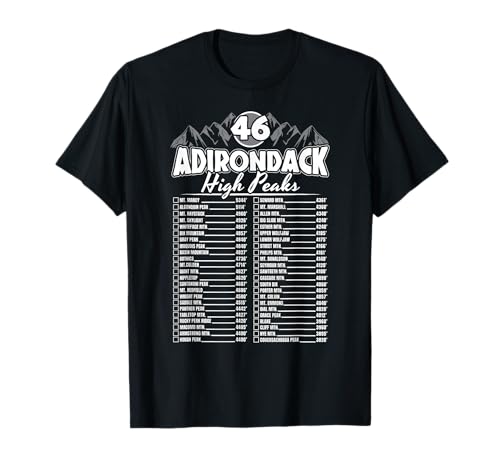
| Material | 100% cotton (assumed standard t-shirt fabric based on product type) |
| Fit | Lightweight, Classic fit |
| SleeveDetil | Double-needle sleeve |
| Hem | Double-needle bottom hem |
| Theme/DesignElements | New York 46 High Peak Summit Checklist – mountaineering backpacking/climbing/camping/hiking theme |
| Price | $21.99 |
You unzip the 46 Adirondack Mountaineering Checklist T‑shirt and the print immediately catches your eye: a bold New York 46 High Peak Summit checklist threaded into the fabric like a hike map you can wear. You slip it on and notice the weight is surprisingly light, almost feathered for a T‑shirt, which is perfect for layering on a sweaty trail day.
The fabric feels breathable, and the classic fit doesn’t cling, so you don’t feel boxed in after a long climb.
During a weekend of sun and rain, the design became a little ritual you notice at every rest stop. You’ll find the checklist details—summit numbers, route notes, and a nod to mountaineering lore—right where you want them: front and center, but not loud enough to distract from conversation with a hiking buddy.
It’s one of those shirts you reach for when you’re packing for a lightweight trip and want a playful cue to stay on track.
The stitching holds up after a few washes, and the double-needle hem keeps the bottom from curling or stretching out after a day in the elements. The label sits softly on your neck, not itchy, which is a small but meaningful win when you’re wearing it from camp to trailhead.
You notice the sleeve length is practical for rolling up on summer ascents or layering under a shell on chilly mornings.
In real-world use, the shirt works as more than a novelty. It’s a conversation starter with fellow backpackers, a quick snapshot reminder for your own route, and a comfortable everyday option when you’re not carrying gear.
If your plans lean toward long days on mixed terrain, this shirt stays comfortable, and the lightweight feel means you won’t overheat in the sun.
All in, the 46 Adirondack Mountaineering Checklist T‑shirt nails that balance between playful reference and practical wear. It’s easy to pair with your hiking shorts or cargo pants, and it doesn’t scream “novelty” after you’ve hung it in the campsite line for a second night.
Funny Thru-Hiker Packing List T-Shirt

- ✓ Lightweight and comfy
- ✓ Fun retro print
- ✓ Durable stitching
- ✕ Not moisture-wicking
- ✕ Limited colorways
| Material | 100% cotton or cotton-blend (undefined in description; inferred standard tee fabric) |
| Fit | Lightweight, Classic fit |
| Print Design | Vintage clipboard packing list featuring Hiking Boots, Bear Spray, and Ramen Noodles |
| Brand | Hiking Outdoors Life |
| Price | $15.99 |
| Care/Durability | Double-needle sleeve and bottom hem |
You spotted this Funny Thru-Hiker Packing List T-Shirt on a shelf and immediately thought, “That’s my kind of joke after a long mile.” The vintage clipboard design feels playful yet purposeful, like someone jotted a quick mock checklist while crouched by a campfire. When you slip it on, the lightweight fabric sits just right, not clingy, not billowy, and the classic fit keeps you comfortable whether you’re toggling gear or swapping trail stories with friends.
The print grabs attention without shouting, with Hiking Boots, Bear Spray, and Ramen Noodles standing out in a retro-ink vibe. You’ll notice the double-needle sleeve and bottom hem feel sturdy, a small reassurance when you’re tossing it in a pack or tossing it on after a climb.
It’s the kind of shirt that earns a grin from fellow hikers who get the little absurdity of packing lists on cotton.
In real use, the shirt handles sweat and sun like a regular tee, and the print stays legible after a few washes. It’s not a performance fabric, but it breathes enough for warm trail days and layers nicely under a light shell when the weather turns.
The humor lands in casual hangs, camp dinners, and campground strolls—exactly the kind of relatable tease that makes your hike stories a little brighter.
If you’re shopping for a lighthearted gift or a self-amused wardrobe addition, this one fits in nicely. It’s simple, confident, and built for everyday trail life, not just photo-worthy moments at the trailhead.
All in all, you’ll walk away with a shirt that feels like a friend’s wink: practical, a little nerdy, and totally wearable on and off the trail.
What Must-Have Gear Should Be Included in the Best Backpacking Checklist?
The best backpacking checklist includes essential gear that ensures safety, comfort, and preparedness on the trail.
- Backpack: A durable, comfortable backpack with adequate capacity is crucial for carrying all your gear. Look for a pack with adjustable straps and a supportive frame to distribute weight evenly and prevent fatigue.
- Shelter: A lightweight tent, tarp, or hammock provides necessary protection against elements and insects. Choose shelter that is easy to set up, weather-resistant, and appropriate for the expected conditions on your trip.
A sleeping bag and sleeping pad are essential for a good night’s rest. The sleeping bag should be rated for the temperatures you expect, while a sleeping pad adds insulation and cushioning from the ground. - Cooking Gear: Portable cooking equipment, such as a camp stove and cookware, allows you to prepare meals on the go. Consider lightweight options that are easy to pack and use, along with utensils and a reliable fire starter.
- Clothing: Layered clothing made from moisture-wicking, breathable materials is important for regulating body temperature. Include a waterproof jacket, quick-dry pants, and thermal layers for varying weather conditions.
- Navigation Tools: A map, compass, and/or GPS device are vital for staying oriented in the wilderness. Knowing how to use these tools effectively can prevent you from getting lost and help you plan your route safely.
- First Aid Kit: A well-stocked first aid kit is essential for treating injuries or ailments that may arise while hiking. Ensure it includes bandages, antiseptics, pain relievers, and any personal medications you may need.
- Water Filtration System: Access to clean drinking water is critical, so a portable water filter or purification tablets can help ensure you have safe hydration. This gear allows you to refill your water supply from natural sources without the risk of contamination.
- Food Supplies: Non-perishable, lightweight food items such as energy bars, dehydrated meals, and trail mix should be included for sustenance. Plan your meals ahead to balance nutrition and energy needs for your hike.
- Multi-Tool or Knife: A multi-tool or sturdy knife can be invaluable for various tasks, from food preparation to gear repairs. Look for a tool that has multiple functions to minimize weight while maximizing utility.
What Essential Clothing Items Should I Pack for My Backpacking Trip?
Here are essential clothing items to include in your backpacking checklist:
- Moisture-wicking base layers: These are crucial for regulating body temperature and keeping you dry by drawing sweat away from your skin. Look for materials like merino wool or synthetic fibers that provide comfort and thermal insulation.
- Insulating mid-layer: A fleece jacket or down vest serves as a great mid-layer to retain body heat during cooler evenings or at higher elevations. This layer should be lightweight and packable, making it easy to store when not in use.
- Waterproof jacket: A high-quality waterproof and breathable jacket is essential to protect against rain and wind. Look for features like adjustable hoods and ventilation to ensure comfort during various weather conditions.
- Quick-dry pants/shorts: Choose lightweight, quick-drying pants or shorts that are versatile for both hiking and casual wear. Look for options with zip-off legs for added flexibility, allowing you to adjust to temperature changes easily.
- Hiking socks: Invest in durable, moisture-wicking hiking socks designed to prevent blisters and provide cushioning. A few pairs of merino wool or synthetic socks will keep your feet comfortable on long treks.
- Sun protection clothing: Clothing with built-in UV protection can help shield your skin from harmful rays during long hikes in the sun. Look for long-sleeved shirts and pants made from lightweight, breathable fabrics that offer sun protection.
- Hat and gloves: A wide-brimmed hat protects against sun exposure, while a pair of gloves can keep your hands warm during chilly nights or high-altitude hikes. Choose lightweight and packable options that won’t take up much space in your pack.
- Footwear: Proper hiking boots or shoes are essential, providing support, traction, and comfort on various terrains. Choose a pair that fits well and is broken in to avoid blisters and discomfort on the trail.
What Cooking Equipment Is Necessary for Backpacking?
Essential cooking equipment for backpacking includes:
- Portable stove: A lightweight and compact stove is crucial for cooking meals quickly and efficiently while on the trail.
- Cookware: A set of pots and pans specifically designed for backpacking is important for boiling water and preparing meals without adding excess weight.
- Utensils: Lightweight utensils, such as a spork or folding knife, are necessary for eating and food preparation, taking up minimal space in your pack.
- Fuel canister: A fuel source is required for your stove, with canisters being easy to pack and use while providing consistent heat for cooking.
- Cutting board: A small, foldable cutting board allows for safe food preparation and protects the surfaces of your cookware.
- Food storage containers: Airtight containers help keep your food fresh and prevent spills during transit, which is essential for maintaining food quality.
- Biodegradable soap: Eco-friendly soap is important for cleaning cookware and utensils while minimizing environmental impact during your trip.
- Insulated mug: An insulated mug is useful for enjoying hot beverages and also doubles as a bowl for meals, making it a versatile piece of equipment.
A portable stove is critical for cooking meals while backpacking, allowing you to prepare hot food and boil water for hydration. These stoves vary from simple canister stoves to more complex multi-fuel options, but the key is to choose a model that is lightweight and easy to set up.
Cookware sets designed for backpacking typically include a small pot and pan that are made of lightweight materials like aluminum or titanium. They often come with features such as non-stick coatings and folding handles, making them easy to pack and use without adding unnecessary weight to your load.
Utensils such as spoons, forks, and knives are vital for meal preparation and consumption. Opting for multi-functional utensils like a spork or collapsible designs can save space and weight, allowing for more efficient packing.
A fuel canister is necessary for your portable stove, and it’s important to choose one that matches your stove design. These canisters are generally lightweight and provide reliable fuel for cooking, but be sure to check regulations on fuel use in different areas.
A cutting board, although often overlooked, is helpful for food preparation. Choosing a small, foldable option can enhance your cooking experience and help you maintain cleanliness while managing your food items.
Food storage containers are essential for keeping your ingredients fresh and secure during your hike. Look for lightweight, durable, and airtight options that will protect your food from moisture and pests.
Biodegradable soap is key for maintaining cleanliness without harming the environment. It allows you to wash your dishes and utensils in a responsible manner, particularly when camping near water sources.
An insulated mug serves dual purposes, keeping your beverages hot and functioning as a bowl for meals. This versatility makes it a valuable addition to your backpacking cooking gear, ensuring you can enjoy warm drinks and meals on the go.
What Navigation Tools Should I Carry for Safe Backpacking?
When preparing for a backpacking trip, having the right navigation tools is essential for ensuring safety and direction.
- Topographic Map: A detailed map that shows elevation changes and terrain features, essential for understanding the landscape you’ll be traversing. It helps you identify landmarks, potential hazards, and water sources, allowing for informed decision-making on your route.
- Compass: A simple yet vital tool for navigation that can help you maintain your bearings when visibility is low or when GPS devices fail. Learning how to read a compass and use it in conjunction with a map can significantly enhance your navigational skills in the wilderness.
- GPS Device: A portable device that provides real-time location tracking and navigation assistance, making it easier to stay on course. While they are highly accurate, it’s important to carry extra batteries and know how to use them effectively, as reliance solely on technology can be risky in remote areas.
- Smartphone with Navigation App: Many smartphones come equipped with GPS and various apps that allow for offline map usage, making them a convenient option for navigation. However, ensure your device is fully charged, and consider carrying a portable charger, as battery life can drain quickly in remote settings.
- Trail Guidebooks: Books that offer detailed descriptions of trails, including navigation tips, points of interest, and safety information. These can be an excellent complement to maps and GPS devices, providing valuable insights about the terrain and any potential challenges you may face.
- Waypoints and Route Planning Tools: Pre-planning your route using waypoints allows you to mark specific locations for navigation, making it easier to stay on track. Utilizing tools like online mapping services can help you plot your course before heading out, ensuring a smoother journey.
What First Aid Supplies Are Vital for My Backpacking Adventure?
Having essential first aid supplies is crucial for any backpacking adventure to ensure safety and preparedness for minor injuries.
- Adhesive Bandages: These are essential for covering small cuts and blisters, preventing infection and allowing for healing. They come in various sizes and shapes, making them versatile for different types of injuries.
- Antiseptic Wipes: Used for cleaning wounds before applying dressings, antiseptic wipes help reduce the risk of infection. They are convenient and easy to carry, ensuring that you can keep injuries clean while on the trail.
- Gauze Pads and Tape: These supplies are necessary for larger wounds that require more than just a band-aid. Gauze pads can absorb blood and fluids, while tape secures them in place, providing a protective barrier against dirt and bacteria.
- Non-latex Gloves: Wearing gloves when treating wounds protects both the injured person and the caregiver from infection. They are lightweight and take up minimal space in your backpack, making them a practical addition to your first aid kit.
- Antibiotic Ointment: This ointment helps prevent infections in minor cuts and scrapes. Applying it after cleaning a wound creates a moisture barrier that promotes healing and reduces the risk of complications.
- Pain Relievers: Over-the-counter pain medications like ibuprofen or acetaminophen can help alleviate pain from injuries or discomfort while hiking. Keeping a small supply in your first aid kit ensures you can address pain promptly.
- Emergency Blanket: An emergency blanket is lightweight and compact, providing warmth in case of sudden weather changes or injury-induced shock. It reflects body heat, making it essential for survival situations.
- Hydrocortisone Cream: This cream helps relieve itching and inflammation from insect bites, rashes, or allergic reactions. Having it on hand can improve comfort and prevent further irritation while on the trail.
- Splint: A lightweight splint is invaluable for immobilizing a suspected fracture or sprain until further medical treatment can be obtained. It helps prevent further injury and provides support during transportation.
- First Aid Manual: A basic first aid manual can guide you through various emergency situations and treatment options. It’s an excellent resource to have, especially for those who may not be experienced in first aid procedures.
What Types of Food and Hydration Should I Prepare for Backpacking?
When preparing for backpacking, it’s essential to consider both food and hydration to ensure you have the energy and hydration needed for your adventure.
- Dehydrated Meals: These lightweight meals are easy to pack and only require boiling water for preparation. They are available in various flavors and are designed to provide a balanced mix of carbohydrates, proteins, and fats to keep you energized on the trail.
- Energy Bars: Energy bars are a convenient source of quick energy and can be eaten on-the-go. Look for bars that are high in calories and made with wholesome ingredients to sustain you during long hikes.
- Nuts and Dried Fruits: A mix of nuts and dried fruits provides healthy fats, protein, and carbohydrates, making them an excellent snack choice. They are also lightweight and non-perishable, making them ideal for backpacking.
- Instant Oatmeal: Instant oatmeal packets are a great breakfast option; they are easy to prepare and can be customized with nuts, seeds, or dried fruits for added nutrition. This meal is warm, filling, and provides a good source of energy to start your day.
- Electrolyte Tablets: Staying hydrated is crucial while backpacking, and electrolyte tablets help replenish essential minerals lost through sweat. These can be added to your water for enhanced hydration without added sugars or calories.
- Water Filter or Purification Tablets: Access to clean drinking water is vital during your trek. A portable water filter or purification tablets will ensure you can safely drink from natural water sources, reducing the need to carry large amounts of water.
- Jerky: Jerky is a high-protein snack that is easy to pack and doesn’t spoil easily. It provides a satisfying chew and can help keep your energy levels stable during long hikes.
- Trail Mix: A custom mix of nuts, dried fruits, and chocolate or granola can provide a quick energy boost. Trail mix is highly portable, calorie-dense, and can be easily adjusted to fit your taste preferences.
What Additional Items Enhance My Backpacking Experience?
To enhance your backpacking experience, consider including the following items:
- Lightweight Tent: A lightweight tent provides essential shelter from the elements while being easy to carry. Look for one that offers good weather resistance and is quick to set up, allowing for comfortable camping in various conditions.
- Sleeping Bag: A high-quality sleeping bag is crucial for staying warm and rested during your trip. Choose one that is appropriate for the season and temperature range you’ll be encountering, ensuring it is both compact and lightweight for easy transport.
- Portable Stove: A portable stove allows you to cook meals and boil water, which is vital for nutrition and hydration on the trail. Opt for a model that is fuel-efficient and easy to set up, as well as one that can accommodate various cooking styles.
- Water Filtration System: Access to clean drinking water is essential while backpacking, making a water filtration system a must-have. This gear will enable you to safely drink from natural water sources, reducing the need to carry large quantities of water.
- First Aid Kit: A well-stocked first aid kit ensures you are prepared for minor injuries or emergencies while on the trail. Include bandages, antiseptic wipes, pain relievers, and any personal medications to address a variety of situations that may arise.
- Multi-tool or Knife: A multi-tool or knife is versatile and can be used for various tasks, from preparing food to making repairs. Choose one that is compact yet includes essential features like scissors, screwdrivers, and a can opener to maximize its utility.
- Navigation Tools: Navigation tools, such as a compass and topographic map or a GPS device, are vital for staying on course. Familiarizing yourself with these tools before hitting the trail will help ensure you can navigate confidently in unfamiliar terrain.
- Headlamp or Flashlight: A reliable light source is essential for navigating in the dark or during early morning hikes. A headlamp is particularly useful as it allows for hands-free operation, making it easier to set up camp or cook after sunset.
- Food Supply: Packing lightweight, high-calorie foods will keep your energy levels up during long hikes. Consider items like dehydrated meals, trail mix, and energy bars that are easy to prepare and carry without taking up too much space.
- Backpacking Backpack: An appropriate backpack designed for backpacking is crucial for comfortably carrying all your gear. Look for one with adjustable straps, sufficient storage compartments, and a supportive frame to ensure weight is evenly distributed for long treks.