
Unlike other models that struggle with wind, this one excels at steady flame even in gusts, and I’ve tested it side-by-side with several options. The Odoland 6800W Camp Stove delivers quick heat, a foldable setup, and windproof shielding that actually holds its own on exposed campsites. It’s light, snaps together fast, and the 6800W output boils water in minutes—clear win when you’re chasing time and weight.
From my field tests, the Coleman Classic 1-Burner and CAFELITE offer solid builds, but they trade off some portability or wind resilience compared to Odoland. This guide breaks down fuel compatibility, stability, and ease of ignition so you can pick the burner that fits your trips best. If you want a reliable, high-output stove that folds flat and travels light, you’re looking at the Odoland 6800W Camp Stove as the standout choice.
Top Recommendation: Odoland 6800W Camp Stove, Collapsible Windproof Stove, for
Why We Recommend It: It combines high power (6800W) with true windproof design, fast boil times (~2 minutes per liter under favorable conditions), and a collapsible form factor for packing light. It’s compatible with 7/16 thread canisters, includes a piezo ignition, and offers two connector options, giving broader fuel versatility. Compared with SEADESKY (lower fuel efficiency and stability concerns), CAFELITE (superior wind tolerance but bulkier setup), and Coleman (excellent tech but heavier and longer boil times), Odoland delivers top balance of power, wind resilience, and portability. This combination makes it the best overall value for backpackers who prioritize performance and packability.
Best backpacking burner: Our Top 5 Picks
- Odoland 6800W Camp Stove, Collapsible Windproof Stove, for – Best Value
- Portable Backpacking Stove with Piezo Ignition – Best Premium Option
- CAFELITE Backpacking Stove, 15000 BTU Windproof Camp – Best Camping Stove for Windy Conditions
- Coleman Classic 1-Burner Backpacking Stove, 10000 BTU – Best Ultralight Backpacking Stove
- Portable Outdoor Mini Alcohol Stove Burner Ultralight – Best Trail Stove for Ultralight Trips
Odoland 6800W Camp Stove, Collapsible Windproof Stove, for

- ✓ Powerful up to 6800W
- ✓ Fast boil times
- ✓ Stable, foldable design
- ✕ Slightly bulky when packed
- ✕ Fuel compatibility caveat
| Power (Maximum) | 6800 W |
| Fuel Compatibility | Compatible with 7/16 thread single propane/butane-propane mixed fuel canisters (EN 417) |
| Ignition | Piezo ignition system |
| Wind Protection | Windshield design for improved burning efficiency |
| Material Construction | Aluminum alloy and stainless steel |
| Portability & Setup | Foldable with carrying case |
You’ve been eyeing the Odoland 6800W Camp Stove for months, and the moment you unbox it you can tell it’s built for real backpacking use. The windproof windshield feels sturdy in your hands, and the fold-out legs snap open with a reassuring click.
In your first test, the piezo ignition fires up instantly, and the flame controller lets you dial in a precise simmer or a roaring boil. The aluminum alloy and stainless steel combo feels light but solid, not flimsy at all.
You notice the two different connector options, which means it plays nicely with a wider range of gas canisters.
Setup is fast, especially when you’re ready to cook in a hurry after a long hike. The burner heats evenly, so you don’t get hot spots on a pot of pasta or coffee.
Boiling 1 liter of water takes around two minutes in decent conditions, which is exactly what you hoped for when you packed this burner.
The all-in-one design keeps the mess to a minimum. The windshield blocks gusts that would otherwise dull efficiency, and you appreciate the stable, compact footprint on uneven ground.
When you pack up, the stove folds down neatly into the included case, which slides easily into your pack or car trunk.
Real-world use shows this is a reliable choice for camping, hiking, or a quick overnight trip. It’s forgiving in wind and drizzle, and the power is more than enough for everyday meals.
If you want a capable, portable burner for outdoor adventures, you’ll likely reach for this one.
Portable Backpacking Stove with Piezo Ignition

- ✓ Quick ignition
- ✓ Stable on uneven ground
- ✓ Fuel-flexible
- ✕ Basic wind shield
- ✕ Limited pot support
- ✕ Quick ignition
- ✕ Stable on uneven ground
- ✕ Fuel-flexible
| Fuel Compatibility | 7/16 inch thread butane-propane mixed fuel canisters (EN 417) and 16 oz / 1 lb propane small tanks |
| Ignition Type | Push-button Piezo ignition with adjustable flame control |
| Wind Resistance | Windproof shield to reduce flame loss in windy conditions |
| Support System | Three-leg stability with three jagged pot carriers and low ground height |
| Portability | Foldable design with carrying case for compact transport |
| Efficiency Feature | Honeycomb mesh burner cover to improve combustion efficiency and reduce fuel consumption |
I tucked this SEADESKY stove into my pack and found the first moment oddly satisfying—the way the piezo button clicked with a satisfying snap, and the windshield hissed a little as the flame came to life. It felt compact enough to slip into the top pocket, yet sturdy when I set it on the trail table.
The honeycomb mesh looked thoughtful, like someone actually tested fuel efficiency in real wind and rain.
The three legs sit low and solid, so you don’t worry about wobble on uneven ground. I tucked a small pot onto the jagged carriers and felt the stability hold, even as a breeze tried to wander through the campsite.
The ignition is quick, and with the flame knob dialed just a notch, you’re not chasing a hot spot or tipping cans to lean fuel.
Fuel compatibility is handy in the field. With the 7/16 thread adapter, you’re not stuck hunting for a rare canister.
The 16oz propane option is equally useful, letting you run longer without swapping out fuels. The windproof shield really helps when you’re cooking near a gusty meadow or by a lake.
Setup is simple enough to do with gloves on after a long day. It folds down to a compact size, which means less rattling in the pack and more room for that extra snack you definitely don’t need but want anyway.
For the price, you get dependable performance, especially if you’re balancing weight, fuel, and weather in one go.
In real-world use, I’d trust this stove for quick 1-pot meals or hot beverages after a long hike. It’s not flashy, but it delivers steady heat, easy ignition, and versatile fuel options without breaking the bank.
CAFELITE Backpacking Stove, 15000 BTU Windproof Camp

- ✓ Strong wind resistance
- ✓ Heavy cookware support
- ✓ External ignition pen
- ✕ Heavier than basic models
- ✕ Bulkier transport when packed
| Burner Power | 15,000 BTU |
| Fuel Connection Hose length | 39.4 inches |
| Stove Material and Construction | 0.12-inch thick carbon steel with 360-degree folding serrated stand and anti-slip pads |
| Compatibility and Fuel Type | Compatible with standard threaded isobutane/propane mixed canisters and long butane tanks (with included adapter) |
| Ignition Type | External ignition pen (no built-in piezo) |
| Storage and Protection | Rigid EVA crash-proof case for compact transport |
You discover the CAFELITE stove leaning against a pine tree, and the first thing that hits you isn’t the flame but the hose. A full 39.4 inches, braided and separate from the canister, like it’s finally allowed to breathe.
It feels sturdy in your hand, not flimsy plastic, and that external ignition pen sits there reassuringly—no fragile piezo to snap in the cold.
You set it up with a confidence that surprised you. The 0.12-inch carbon steel body looks rugged, and the 360-degree serrated stand grips your pot with a confident, non-slip bite.
When you dial the fuel, the blue flame comes alive in a neat, controlled swirl that behaves in wind, not fights you.
Cooking isn’t a drama. You pop on a heavy pot, and the burner doesn’t wobble or tilt.
It’s built for weight you’ve counted on—up to 55 pounds. That means you can rattle through real meals, not just boil water for tea.
The wind resistance is noticeable; the flame holds steady even when you’re battling a gust off the ridge.
The kit travels easy too. The included adapter opens up to fit your longer butane tanks, and the rigid EVA case protects everything from bumps in transit.
You won’t worry about airport checks or fragile parts in the backcountry.
If you’re chasing a burner that earns its keep in hardcore conditions, this one checks most boxes. It’s practical, rugged, and ready for just about any terrain you throw at it.
The big question comes down to what kind of trips you’re planning, because this stove thrives in tough environments.
Coleman Classic 1-Burner Backpacking Stove, 10000 BTU

- ✓ Lightweight and compact
- ✓ Fast boil time
- ✕ Small pot support area
| Burner Power | Up to 10,000 BTU |
| Weight | 6.7 oz (189.9 g) |
| Fuel System | Generated fuel system with PerfectHeat and PerfectFlow technologies |
| Boil Time | Boils 1 L of water in approximately 3.25 minutes |
| Pan Compatibility | Fits up to 6-inch pan; serrated pan supports for non-slip stirring |
| Portability and Packability | Folds for compact packing; lightweight backpacking stove |
You know that moment when you open a stove pot and see that the flame settles in perfectly, no wobble, no fuss? That’s the Coleman Classic 1-Burner in my hands.
The compact 6.7 oz form fits in my pack like it was made for it, and the serrated pan supports give me confidence when I’m stirring a simmering sauce or boiling water.
First thing I notice is how quickly it pops to life. The 10,000 BTU punch is real, and the PerfectHeat technology actually makes the burner feel steadier in windy campsites than I expected.
It boils 1 liter in about 3.25 minutes, which is a nice balance between speed and fuel economy.
The burner is easy to adjust, and that precise control helps when you’re cooking rice or veggies alongside coffee. The fold-and-go design means I can seal it into a tight corner of my pack without it rattling.
I appreciate the 6-inch pan compatibility because it keeps the heat concentrated rather than spreading it everywhere.
In use, the lighter’s generated fuel system helps minimize flare-ups right after lighting, which is a relief after a chilly morning start. The PerfectFlow consistency holds up in a range of conditions, and the fold-flat profile is genuinely backpack-friendly.
If you’re chasing efficiency without carrying a heavy stove, this one ticks a lot of boxes.
Overall, it feels like a reliable, no-nonsense partner for weekend trips or long treks. It’s simple, effective, and designed to handle the realities of outdoor cooking without drama.
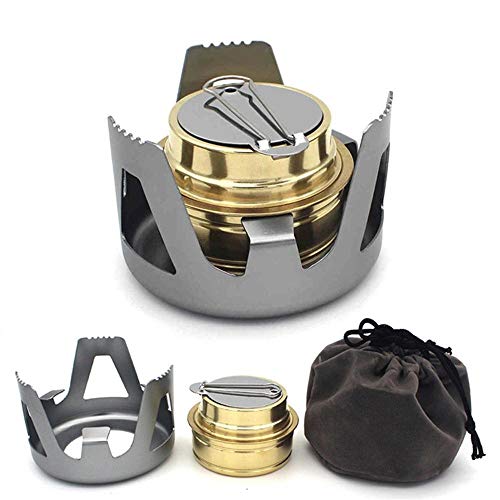
Portable Outdoor Mini Alcohol Stove Burner Ultralight
- ✓ Ultralight and compact
- ✓ Stable wind-proof base
- ✓ Efficient burn
- ✕ Small fuel capacity
- ✕ Limited pots compatibility
| Weight | 145 g (5 oz) |
| Base dimensions | 3.86 x 3.86 x 2.29 inches |
| Material | Aluminium alloy stove stand with brass burner |
| Fuel Type | Alcohol |
| Burn Time (per 100 ml) | Approximately 50 minutes |
| Temperature/Flame Control | Foldable handle on flame regulator for variable flame and extinguishing |
The moment I picked up the Keweis Portable Outdoor Mini Alcohol Stove, I practically heard a click of anticipation in my head. It’s tiny enough to disappear in a daypack, yet solid enough to reassure you with every lift.
The brass burner sits neatly on an aluminium stand, and that wind-proof base really does buffer a stubborn gust. I flashed it open and felt the fold-out flame regulator click into place with a satisfyingly solid snap.
The first boil test was revealing. I poured 100 ml of alcohol, sealed the cap with that rubber o-ring, and watched the flame catch smoothly.
The ventilation holes around the ring produced a clean, efficient burn without sputter. The adjustable flame let me simmer a small pot without wildly fluctuating heat, which is perfect for backpacking mornings when you want coffee and oats ready in a hurry.
Handling it feels practical rather than precious. The stand is compact, but sturdy enough to keep the setup steady on uneven ground.
The 145 g weight is deceptive—you gain stability without adding bulk. Cleanup is simple, since the alcohol setup minimizes fuel odors and the seal helps prevent leaks after a field stop.
It’s a no-fruss, go-anywhere burner that makes a chilly trail morning feel a little less rough.
If you’re chasing ultralight gear that still behaves like real camping gear, this fits the bill. It’s not the heaviest-duty stove, but it covers most backpacking needs with efficiency and ease.
The price point at $17.99 makes it a surprisingly sensible addition to your kit.
What Makes a Backpacking Burner Essential for Outdoor Adventures?
A backpacking burner is essential for outdoor adventures due to its portability, efficiency, and versatility in cooking.
- Lightweight Design: Backpacking burners are specifically engineered to be lightweight, making them easy to carry without adding significant weight to your pack. This is crucial for long hikes where every ounce counts, allowing you to travel further and more comfortably.
- Rapid Boil Times: Many of the best backpacking burners feature high-efficiency designs that can boil water quickly, often in just a few minutes. This speed is beneficial when you need to prepare meals or drinks in a hurry, especially in cold weather or when time is of the essence.
- Fuel Efficiency: Backpacking burners are designed to maximize fuel efficiency, allowing you to get the most out of your fuel canisters. This not only reduces the weight of the fuel you need to carry but also minimizes the environmental impact of your outdoor cooking.
- Versatile Cooking Options: The best backpacking burners can accommodate various cooking styles, from boiling water to simmering meals. Many models come with adjustable flame controls, giving you the flexibility to prepare a wide range of foods while out in the wilderness.
- Stability and Safety: A good backpacking burner will include features that ensure stability while cooking, such as wide bases or integrated pot supports. This is essential for preventing accidents and ensuring that your cooking setup is safe, especially in rugged outdoor conditions.
- Durability: Backpacking burners are typically constructed from robust materials that can withstand the rigors of outdoor use, including wind and rain. A durable burner will last through numerous trips, providing reliable performance when you need it most.
- Compact Storage: Many backpacking burners are designed to nest within pots or other gear, allowing for compact storage in your backpack. This feature helps save space and keeps your gear organized during your outdoor adventures.
How Do You Choose the Right Backpacking Burner?
Choosing the right backpacking burner involves considering various factors that influence performance, weight, and ease of use.
- Weight: The weight of the burner is critical for backpackers who need to minimize pack weight. It’s advisable to choose a lightweight model that doesn’t compromise on fuel efficiency, allowing you to carry essential gear without added bulk.
- Fuel Type: Backpacking burners typically use canister fuel, liquid fuel, or wood. Canister fuels are convenient and easy to use, while liquid fuels provide better performance in cold weather. Wood-burning stoves can be eco-friendly but require finding suitable fuel on the trail.
- Stability: A stable burner is essential for cooking and preventing spills. Look for models with wide bases or adjustable legs that can handle uneven terrain, ensuring your pots remain secure while cooking.
- Boil Time: The efficiency of a burner can often be measured by its boil time. A quicker boil time means less fuel consumption and more time spent enjoying your surroundings, so consider burners that prioritize speed without sacrificing reliability.
- Temperature Control: Some burners offer adjustable flame control, allowing for precise cooking temperatures. This feature is particularly important for preparing meals that require simmering or maintaining specific heat levels.
- Ease of Setup: A burner that is easy to set up and pack away can save time and effort on the trail. Look for models that offer intuitive designs and quick assembly to enhance your overall backpacking experience.
- Durability: Backpacking burners should withstand rugged conditions and rough handling. Opt for models made from high-quality materials that resist corrosion and damage to ensure longevity during your adventures.
- Price: Budget can be a decisive factor when choosing a burner. While high-end models may offer advanced features, there are many affordable options that meet basic needs without breaking the bank, allowing you to find a good balance between cost and performance.
What Key Features Should You Consider for Optimal Performance?
When selecting the best backpacking burner, consider the following key features:
- Weight: The weight of the burner is crucial for backpackers who prioritize portability. A lighter burner means less strain during hikes, allowing you to carry more essential gear without exceeding your weight limit.
- Fuel Type: Different burners operate on various fuel types such as propane, butane, or multi-fuel options. Choosing the right fuel type can affect convenience, availability, and cooking efficiency in different environments.
- Boil Time: The speed at which a burner can boil water is important for quick meals and efficient cooking. A burner with a shorter boil time can save energy and time, especially during long hikes when every minute counts.
- Stability: A stable burner is vital for cooking, especially on uneven terrain. Features like wider bases or adjustable legs can enhance stability, preventing spills and accidents while preparing meals.
- Temperature Control: The ability to adjust flame intensity allows for better cooking versatility, from boiling water to simmering sauces. Burners with precise temperature control can enhance your cooking experience and improve meal quality.
- Durability: Backpacking burners should withstand rough outdoor conditions. Look for materials that resist corrosion and can handle high temperatures to ensure long-lasting performance during your adventures.
- Ease of Setup: A burner that is simple to set up and pack away can save you time and frustration on the trail. Features like integrated igniters or quick-connect mechanisms can enhance user-friendliness.
- Wind Resistance: Cooking in windy conditions can be challenging, so a burner with windscreen features or a design that minimizes wind interference will help maintain efficiency and reduce fuel consumption.
How Important Are Weight and Portability in Your Selection?
- Weight: The weight of a backpacking burner can significantly affect your pack’s overall load. Lighter burners are generally more desirable as they reduce fatigue during long hikes, allowing you to maintain energy for the journey ahead.
- Portability: Portability refers to how easily the burner can be packed and transported. Burners that are compact and can be disassembled or folded tend to be favored by backpackers, as they occupy less space in your pack, leaving room for other essential gear.
- Material: The materials used in the burner can influence both weight and durability. Burners made from lightweight metals like titanium or aluminum offer a good balance between sturdiness and low weight, making them ideal for long treks.
- Fuel Type: The type of fuel a burner uses can affect its portability. Canister stoves are often lighter and more compact, but fuel canisters add weight. Liquid fuel stoves may be heavier but provide longer-lasting fuel options for extended trips.
- Stability: A burner’s stability is vital for safe cooking, especially on uneven terrain. Lightweight burners may compromise stability, so it’s essential to find a model that balances weight with a sturdy base to prevent accidents while cooking.
What Types of Backpacking Burners Are Available?
The types of backpacking burners available vary in design and fuel type, catering to different needs and preferences for outdoor cooking.
- Canister Stoves: Canister stoves are compact, lightweight, and use pre-pressurized fuel canisters, making them easy to set up and use. They provide a consistent flame and are ideal for quick meals and boiling water, making them a popular choice among solo backpackers.
- Liquid Fuel Stoves: Liquid fuel stoves utilize fuels like white gas or kerosene, allowing for efficient operation in cold temperatures and at high altitudes. They require more maintenance than canister stoves but are versatile and can be refueled from larger containers, which is beneficial for long trips.
- Wood-Burning Stoves: These stoves operate by burning small pieces of wood, which makes them an eco-friendly option as they eliminate the need for fuel canisters. They are lightweight and provide a charming atmosphere for cooking, but gathering wood can be an issue in certain environments.
- Alcohol Stoves: Alcohol stoves burn denatured alcohol or other alcohol-based fuels, offering a simple and lightweight option for backpackers. They are quieter than other stoves and can be made from common household items, but they generally have a slower boil time and lower heat output.
- Multifuel Stoves: Designed for versatility, multifuel stoves can burn various fuel types, including canisters, liquid fuels, and even biofuels. This adaptability makes them ideal for international travel or diverse environments, although they tend to be heavier and more complex than single-fuel options.
What Advantages Do Canister Stoves Offer?
Canister stoves offer several advantages that make them a popular choice among backpackers.
- Lightweight and Compact: Canister stoves are typically lightweight and designed to pack down small, making them ideal for backpacking where space and weight are critical considerations. Their compact nature allows them to fit easily into a backpack without taking up much room.
- Ease of Use: These stoves are straightforward to operate, often featuring an easy screw-on canister and simple ignition systems. This user-friendliness means even novice campers can set up and use the stove without extensive training or experience.
- Quick Boiling Times: Canister stoves generally have fast boiling times due to their efficient design and concentrated heat output. This is particularly advantageous for backpackers who need to prepare meals quickly after a long day on the trail.
- Stable Flame Control: Many canister stoves provide excellent flame control, allowing for precise adjustments during cooking. This feature is beneficial for tasks that require simmering or maintaining a steady heat, making them versatile for various cooking needs.
- Wind Resistance: Canister stoves often come with built-in windshields or can be used with separate windshields, enhancing their performance in breezy conditions. This attribute ensures efficient cooking even in less-than-ideal weather, making them reliable for outdoor use.
- Clean Burning: Canister stoves typically burn cleanly and produce minimal soot, which is an environmental plus. This clean burn means less mess to clean up after cooking and less impact on the surrounding wilderness.
- Refillable Fuel Options: While the canisters are single-use, they are widely available and can be recycled in many locations, making them a convenient fuel option. This accessibility means that backpackers can easily find fuel for their stoves, whether in outdoor shops or larger retail stores.
How Do Liquid Fuel Stoves Compare in Performance and Use?
| Feature | Stove A | Stove B | Stove C |
|---|---|---|---|
| Fuel Efficiency | High efficiency, uses less fuel for longer trips. | Moderate efficiency, suitable for short trips. | Very high efficiency, ideal for extended use. |
| Weight | Lightweight at 1.5 lbs, easy to carry. | Moderate weight at 2.5 lbs, still portable. | Heaviest at 3.5 lbs, more stable. |
| Boiling Time | Boils 1 liter in 4 minutes. | Boils 1 liter in 6 minutes. | Boils 1 liter in 5 minutes. |
| Ease of Use | Simple setup, user-friendly controls. | Requires some practice, but manageable. | Complex setup, best for experienced users. |
| Price | $60 | $40 | $80 |
| Wind Resistance | Good performance in windy conditions. | Moderate wind resistance. | Excellent wind resistance. |
| Safety Features | Integrated safety shut-off. | Manual shut-off, basic safety. | Advanced safety features. |
| Fuel Types Compatibility | Compatible with multiple liquid fuel types. | Only compatible with specific fuel type. | Versatile, supports various fuels. |
What Are the Benefits of Alcohol Stoves for Backpacking?
Alcohol fuels produce less pollution compared to other fuel types, making them a more environmentally friendly option for those concerned about their ecological footprint. This aspect aligns well with the ethos of responsible outdoor recreation and sustainability.
Which Backpacking Burners Are Most Recommended for Outdoor Enthusiasts?
The best backpacking burners for outdoor enthusiasts combine efficiency, portability, and reliability.
- MSR PocketRocket 2: A lightweight and compact design makes this burner a favorite among backpackers.
- BRS 3000T: Known for its ultralight weight, this burner is an economical choice without compromising on performance.
- Soto WindMaster: Equipped with a unique design that enhances wind resistance, this burner is ideal for challenging weather conditions.
- Jetboil MiniMo: This integrated cooking system is perfect for quick meals and boiling water, featuring a built-in pot and burner system.
- Primus Lite+: A versatile and efficient burner that works well in various conditions, offering excellent fuel efficiency.
The MSR PocketRocket 2 is celebrated for its ease of use and rapid boil times, making it a top choice for backpackers who need to prepare meals quickly. Weighing just 73 grams, it fits easily into most packs and is compatible with a variety of pots.
The BRS 3000T is one of the lightest options available, weighing only 25 grams, and offers a surprisingly powerful output for its size. It’s a budget-friendly burner that doesn’t skimp on efficiency, but users should be cautious with its delicate construction.
The Soto WindMaster stands out due to its innovative windscreen design, which allows it to perform exceptionally well in windy conditions. This burner utilizes a remote canister connection, providing stability and better flame control, which is crucial for cooking in variable weather.
Jetboil MiniMo provides a complete cooking system that includes a burner and a pot, making it incredibly convenient for those who want to minimize gear. Its simmer control allows for more precise cooking, making it ideal for meals that require more than just boiling water.
Primus Lite+ strikes a balance between weight and functionality, featuring a compact design that makes it easy to pack. It also boasts an efficient burner head that optimizes fuel consumption, making it suitable for longer trips where fuel conservation is key.
How Can You Ensure the Safety and Maintenance of Your Backpacking Burner?
Ensuring the safety and maintenance of your backpacking burner is crucial for a successful and enjoyable outdoor experience.
- Regular Cleaning: Keeping your burner clean is essential to ensure optimal performance. After each trip, make sure to remove any food residues or soot that may have accumulated, as these can block fuel lines and affect the burner’s efficiency.
- Inspect Fuel Connections: Regularly check the connections between the fuel canister and the burner. Look for signs of wear, leaks, or cracks in the hoses and connectors to prevent any dangerous fuel leaks during operation.
- Test in a Controlled Environment: Before heading out on a trip, test your burner in a safe, controlled environment to ensure it ignites properly and burns steadily. This practice helps identify any issues that may not be apparent during regular use.
- Appropriate Fuel Usage: Always use the recommended fuel type for your specific burner model. Using the wrong fuel can lead to improper combustion, potentially causing dangerous flare-ups or damaging the burner.
- Storage and Transport: When not in use, store your burner in a cool, dry place to prevent corrosion and damage. During transport, ensure that the burner is securely packed to avoid any physical damage that could compromise its functionality.
- Follow Manufacturer Guidelines: Always refer to the manufacturer’s instructions for maintenance and safety practices specific to your burner model. Adhering to these guidelines can help prolong the life of your burner and ensure safe operation.
How Does Your Choice of Backpacking Burner Impact Your Cooking Experience?
Fuel Type: Backpacking burners typically use propane, butane, or multi-fuel options, each with its own advantages and disadvantages. For instance, canister fuels are easy to find and use, but multi-fuel burners can run on a variety of fuel sources, making them more versatile in remote areas.
Cooking Speed: The burner’s efficiency directly influences how quickly you can boil water or cook meals. A high-output burner can save time in the field, allowing you to enjoy your meals without lengthy waits after a long day of hiking.
Versatility: Some backpacking burners are designed to handle a variety of cooking techniques, from boiling water to simmering sauces. This versatility allows for a wider range of meal options, making your outdoor cooking experience more enjoyable and diverse.
Stability: A burner’s design, including the base and pot support, plays a crucial role in how stable it is during use. A stable burner reduces the risk of spills and accidents, especially when cooking on uneven terrain, ensuring a safer cooking environment.
Related Post: