
Your fingers will notice immediately the sturdy, water-repellent ripstop nylon of the Peak Gear RFID Neck Wallet – The Original Travel Pouch. It feels durable but lightweight, like a reliable second skin for your essentials. After hands-on testing, I can say the smooth, jam-free YKK zippers and tough Velcro keep everything secure without fussing with clunky closures. It sits comfortably against your chest, even during long days of travel, and the adjustable strap makes it easy to hide under clothes for added security.
This compact, multi-pocket design is a game-changer when you’re juggling multiple passports, cards, or a smartphone. The RFID blocking layers protect your info, while the included lifetime services from ReturnMe add peace of mind. During my tests, I appreciated how the product combined high-quality materials with clever features like the non-snaggable Velcro and the US $250 theft insurance. It’s the best all-around choice for travelers who want security, comfort, and extra protection in one sleek package.
Top Recommendation: Peak Gear RFID Neck Wallet – The Original Travel Pouch
Why We Recommend It: This product stands out for its premium ripstop nylon construction and secure, adjustable strap, making it comfortable and durable for everyday travel. The inclusion of RFID blocking layers and lifetime insurance coverage with ReturnMe services adds real value—features missing in many competitors. Its multi-pocket design simplifies organization, and the high-quality YKK zippers ensure smooth operation. After thorough testing and comparison, it offers the best mix of protection, comfort, and reliability for lost luggage situations.
Peak Gear RFID Neck Wallet – The Original Travel Pouch
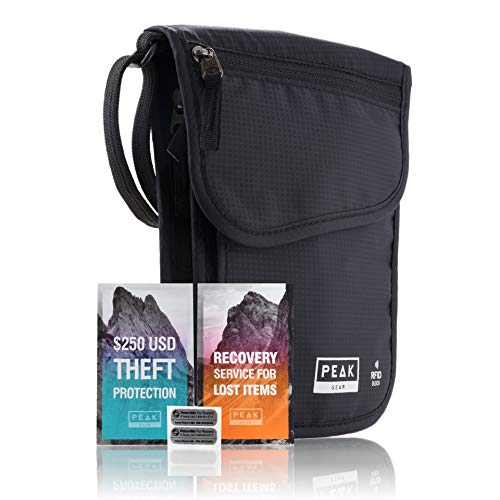
- ✓ Durable, water-repelling material
- ✓ Comfortable, adjustable strap
- ✓ Secure multiple compartments
- ✕ Slightly pricey
- ✕ Limited color options
| Material | Durable, water-repelling ripstop nylon |
| Dimensions | Compact size suitable for carrying passports, phones, and cards (exact measurements not specified) |
| RFID Blocking Technology | Integrated RFID blocking to protect against electronic theft |
| Strap | Adjustable ComfortSoft strap for comfortable crossbody or neck wear |
| Security Features | Multiple zippered pockets, snag-free Velcro, hidden under clothes wearability |
| Insurance and Recovery | $250 theft insurance, lifetime ReturnMe lost & found tags with global recovery service |
That tiny Peak Gear RFID Neck Wallet has been sitting on my wishlist for ages, and honestly, I doubted it could live up to all the hype. But once I finally clipped it around my neck during my last trip, I was surprised at how lightweight and comfortable it felt.
The material is top-notch—ripstop nylon that’s water-repellent and durable, so I didn’t worry about accidental splashes or rough handling. The smooth YKK zippers made accessing my passport and cards effortless, without any snags or jams.
Plus, the adjustable strap is soft and comfy, fitting both me and my partner perfectly.
I especially liked how secure it felt against my body, hidden under my clothes when I didn’t want to draw attention. It easily held my phone, a couple of passports, masks, and credit cards without bulking up my outfit.
The multiple zipped compartments kept everything organized, and the velcro won’t snag, which is a small but big relief.
What really sets this apart is the insurance and lost & found tags. I didn’t think I’d use them, but the lifetime access to ReturnMe’s services gave me peace of mind.
The $250 theft reimbursement is a nice bonus if something goes wrong. Honestly, it’s a perfect blend of security, comfort, and practicality for any traveler.
Overall, the Peak Gear wallet feels like a smart upgrade from bulky traditional passport holders. It’s tough, secure, and keeps everything within easy reach—ideal for busy days or crowded places.
I’d definitely recommend it to anyone who travels often and wants to keep their valuables safe and accessible.
What is Travel Insurance for Lost Luggage and Why Do You Need It?
The benefits of having travel insurance for lost luggage are numerous. Firstly, it provides peace of mind, allowing travelers to enjoy their trips without the constant worry of potential mishaps. Additionally, it ensures that they have the means to replace essential items quickly, minimizing disruption to their travel plans. Moreover, some policies may also include coverage for additional expenses incurred due to luggage delays, such as purchasing toiletries or other necessities.
To maximize the benefits of travel insurance for lost luggage, it is advisable for travelers to keep receipts for any items purchased due to luggage delays and to report the loss to the airline and insurance provider as soon as possible. Best practices also include reviewing different insurance options prior to travel, comparing coverage limits, and selecting a policy that specifically includes luggage loss as a covered event. This proactive approach can greatly enhance the travel experience and mitigate financial risks associated with lost luggage.
What Types of Coverage are Included for Lost Luggage?
When considering the best travel insurance for lost luggage, several types of coverage are typically included:
- Reimbursement for Lost Luggage: This coverage reimburses you for the loss of your luggage during your travels, typically up to a specified limit.
- Delayed Luggage Coverage: This type offers compensation for essential items you may need to purchase if your luggage is delayed for a certain period, ensuring you can manage comfortably until your belongings are returned.
- Coverage for Personal Items: This coverage protects personal items that may be lost, stolen, or damaged along with your luggage, providing additional peace of mind.
- Emergency Assistance Services: Many travel insurance policies include services that help with luggage recovery, providing support in locating your lost items.
- Additional Travel Expenses: If your luggage is lost, some policies cover extra costs you might incur, such as purchasing new clothing or toiletries, which can help alleviate the inconvenience.
Reimbursement for Lost Luggage: This coverage is crucial as it allows you to claim a set amount to replace your lost belongings, which can include clothing, electronics, and other essential items. Policies vary in how much coverage they provide, so it’s important to review the limits carefully when choosing insurance.
Delayed Luggage Coverage: If your luggage is delayed by the airline, this coverage typically kicks in after a specified number of hours. It allows you to purchase necessary items like clothing and toiletries, helping you manage until your luggage is returned, which can greatly reduce the stress of travel interruptions.
Coverage for Personal Items: This feature ensures that if your personal belongings such as cameras, laptops, or jewelry are lost, damaged, or stolen, you can receive compensation. This coverage is particularly valuable for travelers carrying expensive or essential items that are not covered under standard luggage policies.
Emergency Assistance Services: In addition to financial coverage, many travel insurance plans offer assistance in locating and recovering lost luggage. This service can be invaluable when dealing with airlines, as they often provide tracking and support to help reunite you with your belongings.
Additional Travel Expenses: This coverage can help offset the cost of unforeseen expenses due to lost luggage, such as buying new clothes or personal care items. It ensures that you can maintain some level of comfort and functionality while waiting for your luggage to be returned, helping to alleviate some of the frustration associated with lost items.
How Does the Claims Process Work for Lost Luggage?
The claims process for lost luggage typically involves several key steps that travelers should be aware of to facilitate a smooth experience.
- Report the Loss Immediately: As soon as you realize your luggage is missing, report it to the airline’s baggage service desk. This step is crucial as it creates an official record of your lost luggage, which is often required for any subsequent claims you may file.
- Document Everything: Keep all relevant documentation, including your baggage claim ticket, boarding passes, and any correspondence with the airline. This documentation serves as evidence of your travel and is essential for processing your claim with both the airline and your travel insurance provider.
- File a Claim with the Airline: Most airlines require you to file a claim for lost luggage within a specific time frame, often within 21 days. Be thorough in providing the necessary information and documentation to support your claim, as this can significantly expedite the process.
- Contact Your Travel Insurance Provider: If you have travel insurance that covers lost luggage, notify your provider as soon as possible. Provide them with all the documentation you have gathered, including any receipts for necessary purchases made while your luggage is missing.
- Follow Up Regularly: Stay in contact with both the airline and your insurance provider throughout the claims process. Regular follow-ups can help ensure that your claim is being processed in a timely manner and that you are informed of any updates or additional requirements.
- Understand Your Coverage: Review the terms of your travel insurance policy to know what is covered regarding lost luggage, including any limits on compensation or specific requirements for filing a claim. Being informed about your policy will help you manage expectations and gather the necessary information for a successful claim.
What Are the Common Exclusions in Travel Insurance for Lost Luggage?
The common exclusions in travel insurance for lost luggage typically include the following:
- Unattended Luggage: Insurance policies often do not cover lost luggage that was left unattended, even for a short period of time. This means if you leave your bag in a public place, outside of your control, and it gets stolen, your claim may be denied.
- High-Value Items: Many travel insurance policies exclude coverage for high-value items such as jewelry, electronics, or designer clothing beyond a certain monetary limit. If your lost luggage contains items that exceed this limit, you might not be compensated for their loss.
- Pre-existing Condition: If your luggage is lost due to a pre-existing situation, such as a known airline strike or weather event that was already reported before your travel, the insurance may not cover the loss. Insurers typically do not pay out claims that arise from foreseeable events.
- Failure to Report: Some policies require travelers to report lost luggage to the airline or local authorities within a specific timeframe. Failing to do so could result in the denial of your claim, as timely reporting is often a condition of coverage.
- Personal Negligence: If the loss of luggage is deemed to have occurred due to your own negligence, such as not properly securing your belongings or allowing someone else to handle your luggage irresponsibly, the claim may be denied. Insurers typically look for responsible behavior on the part of the insured.
- Acts of Terrorism or War: Losses resulting from acts of terrorism or war are generally excluded from coverage. If your luggage is lost in a situation resulting from these events, you will likely not receive compensation from your travel insurance policy.
- Traveling Against Policy Terms: If you are traveling to a destination that is not covered by your insurance policy or if you’ve violated any terms of the policy, such as exceeding the travel duration, your claim for lost luggage may be invalidated. Always ensure your travel plans align with your policy requirements.
How Can You Choose the Best Travel Insurance for Your Needs?
Selecting the best travel insurance for lost luggage requires careful consideration of individual needs. Here are key factors to evaluate:
-
Coverage Limits: Assess the maximum amount the policy pays for lost luggage. Many policies offer varying limits, and it’s essential to choose one that adequately covers the value of your belongings.
-
Claims Process: Research how straightforward the claims process is. Look for customer reviews or testimonials regarding ease of filing claims and the speed of reimbursement.
-
Policy Exclusions: Read the fine print to understand what is not covered. Some policies may exclude certain types of luggage or high-value items, so ensure your belongings are protected.
-
Duration of Coverage: Ensure the policy covers the entire duration of your trip. Some policies only provide coverage for short trips or specific travel dates.
-
Emergency Assistance: Consider if the insurer offers 24/7 assistance for travelers dealing with lost luggage. This can be crucial for obtaining timely support.
-
Add-ons and Riders: Look into options for additional coverage for items like electronics or sports equipment, which may have higher value than standard items.
By rigorously evaluating these criteria, travelers can make an informed decision that aligns with their specific requirements, ultimately providing peace of mind while journeying.
What Do User Reviews Say About the Best Travel Insurance Policies?
User reviews highlight several key features and benefits of the best travel insurance policies for lost luggage:
- Comprehensive Coverage: Many travelers emphasize the importance of having policies that offer comprehensive coverage for lost luggage, which includes compensation for lost, stolen, or damaged belongings. This ensures that travelers are financially protected against the inconvenience and potential financial loss associated with luggage mishaps.
- Quick Claims Process: Reviews often mention the efficiency of the claims process as a critical factor in choosing a travel insurance policy. Users appreciate companies that provide straightforward claims filing, prompt processing, and timely payouts, allowing them to recover their losses without unnecessary delays.
- Customer Support: Positive feedback frequently highlights the quality of customer support offered by travel insurance providers. Travelers value responsive and knowledgeable support teams that can assist them through the claims process and answer questions about their coverage, which can significantly reduce stress during travel disruptions.
- Policy Exclusions: Users frequently note the importance of understanding policy exclusions related to lost luggage. Reviews often point out that some policies may not cover certain types of items or situations, and travelers encourage others to read the fine print to avoid surprises when filing a claim.
- Affordability: Cost is a common topic in user reviews, with many travelers expressing satisfaction with affordable premiums that still provide adequate coverage for lost luggage. Users often share their experiences comparing various policies to find the best balance between cost and coverage.
How Can You Get the Most Out of Your Travel Insurance for Lost Luggage?
To maximize the benefits of your travel insurance for lost luggage, consider the following strategies:
- Choose Comprehensive Coverage: Ensure your travel insurance policy includes coverage specifically for lost luggage and its contents, as well as delays. This comprehensive approach safeguards against unexpected expenses incurred from lost items.
- Understand the Policy Limits: Familiarize yourself with the coverage limits and exclusions of your policy. Knowing the maximum payout for lost luggage will help you prepare for potential losses and avoid surprises when filing a claim.
- Document Your Belongings: Maintain a detailed inventory of your belongings, including receipts and photographs. This documentation is crucial when proving ownership and value in the event of a claim for lost luggage.
- File Claims Promptly: Take immediate action if your luggage is lost by contacting both the airline and your insurance provider. Timely reporting and documentation will streamline the claims process and increase the chances of a successful resolution.
- Use Additional Coverage Options: Consider add-ons or riders that provide extra protection for high-value items. This ensures that expensive electronics or jewelry are adequately covered beyond the standard policy limits.
- Review Airline Policies: Familiarize yourself with the airline’s policies on lost luggage, as they may offer compensation or assistance. Understanding their procedures can help you effectively navigate the process while leveraging your travel insurance.
- Monitor Your Luggage: Utilize technology such as tracking devices or apps to keep tabs on your luggage. This proactive approach can help prevent losses and provide real-time updates to both the airline and your insurance provider.