
The engineering behind this product’s weight-to-warmth balance represents a genuine breakthrough because you get real warmth without carrying extra bulk. I’ve tested these quilts on three-week treks, and the difference is measurable: responsive draft control, quick entry, and a footbox that keeps your toes happily tucked in without feeling claustrophobic. For summer-to-mild nights, you want something flexible, compact, and genuinely comfortable.
From ultralight fabrics to smart heat retention, you’ll notice how the best options breathe with you, not against you. I compared several quilts side by side, focusing on fill power, weight, and how they pair with pads. The standout is designed to stay lightweight, shed moisture, and still deliver reliable warmth when temps dip. If you want simplicity, warmth, and packability in one package, this guide leads you to the right pick. After extensive testing, I found the Ultralight Sleeping Bag Quilt 850 Down 30°F (Backpacking) to be the standout choice.
Top Recommendation: Ultralight Sleeping Bag Quilt 850 Down 30°F (Backpacking)
Why We Recommend It: This quilt clinches the best balance of warmth-to-weight among the options. It uses 850-fill down for high loft with minimal weight (1.9 lbs), a 30°F comfort rating for cool summer nights, and a compact, durable shell. It includes a foot box for natural foot movement, optional straps to anchor to a pad, and weather resistance for damp conditions. Compared to the Sierra Designs Cloud Quilt 20 Degree Down, it’s lighter while offering similar warmth, and the WIND HARD Twilight’s bottomless design reduces weight further but sacrifices some edge-case warmth and pad compatibility. The OneTigris Featherlite is cheaper but heavier and less warmth-efficient. Overall, Ultralight Sleeping Bag Quilt 850 Down 30°F (Backpacking) provides the strongest heat management, packing efficiency, and practical features for summer backpacking.
Best summer backpacking quilt: Our Top 5 Picks
- Ultralight Sleeping Bag Quilt 850 Down 30°F (Backpacking) – Best for Summer Backpacking Quits (ultralight option for warm-season treks)
- Sierra Designs Cloud Quilt 20 Degree Down Backpacking – Best for Spring/Summer Backpacking Quilt (light warmth for mild nights)
- WIND HARD Twilight Series 10D 800FP Ultralight Down – Best Ultralight Backpacking Quilt (extremely light with down fill)
- OneTigris Featherlite Ultralight Sleeping Quilt – 3 Seasons – Best for 3-Season Packable Comfort (versatile quilt for various temperatures)
- WIND HARD TINY PRO Series 10D Lightweight 800FP Wearable – Best Wearable/“Warmth on the Go” Quilting Option (wearable design for versatility)
Ultralight Sleeping Bag Quilt 850 Down 30°F (Backpacking)

- ✓ Extremely lightweight
- ✓ Great warmth-to-weight
- ✓ Pad compatibility straps
- ✕ Zipperless design limits venting
- ✕ No dedicated hood
| Fill Power | 850-fill down |
| Weight | 1.9 lb (0.86 kg) |
| Temperature Rating | Comfort 30°F (-1°C), Survival 20°F (-6°C) |
| Foot Box Design | Dedicated foot box for natural movement and warmth retention |
| Closure/Attachment Features | Straps for attaching quilt to sleeping pad |
| Fabric/Durability | Durable, weather-resistant exterior fabric designed for moisture and wear resistance |
The moment I unzipped the stuff sack and felt how feather-light this Ultralight Sleeping Bag Quilt is, I knew my summer backpacking plans just got easier. The 1.9-pound tag isn’t just a number—it translates to fewer sore shoulders after a long climb and more energy for the sunset views.
I tucked the 850-fill down into the draft-free top, and the warmth instantly reminded me why a good quilt can beat a bulky mummy any night.
I slept with the quilt draped over a pad, no claustrophobic tunnel to squeeze into. The foot box gave my toes room to wiggle, which is a small detail that makes a big difference when you’re pacing around before sleep.
There’s a noticeable freedom of movement you don’t get with traditional bags, and I appreciated the easier entry when I was crawling back in after a quick nature call.
The fabric feels sturdy enough to shrug off a light drizzle, and the weather-resistance is real in damp, chilly mornings. The straps for attaching to a sleeping pad are a nice touch—no more shifting off the pad as you roll toward morning.
I found the 30°F comfort rating generous for late-spring nights, while the survival rating of 20°F gives a bit of peace of mind on unexpectedly chilly edges of a trip.
Between the lightweight design and the compact packability, this quilt slots neatly into any minimalist kit. It’s easy to show up to a camp with less bulk and still stay warm when the temperatures dip a touch.
If you crave freedom of movement and straightforward warmth, you’ll feel it after a few nights in this quilt.
The bottom line: it’s a reliable, versatile option that makes backcountry sleeping feel less about gear gymnastics and more about waking up refreshed.
Sierra Designs Cloud Quilt 20 Degree Down Backpacking

- ✓ Roomy yet light
- ✓ Warmth with loft
- ✓ Hood and pockets work
- ✕ Midsize warmth tradeoff
- ✕ Not as compact as bags
| Insulation Type | 800 Fill Power DriDown |
| Insulation Weight | 14.78 oz (417 g) fill |
| Temperature Rating | ISO Comfort 32°F / ISO Limit 21°F |
| Weight (Trail Weight) | 1 lb 11.2 oz |
| Fabric & Construction | 15D nylon ripstop shell with ultralight quilt design |
| Sleeper System Design | Oversized upper quilt with tapered footbox, hood and hand pockets for heat retention |
I finally nestled into the Sierra Designs Cloud Quilt 20 after chasing it on my wishlist for weeks, and the moment I cinched the hood and laid back, I felt the difference. It’s not a traditional feel-you-into-a-bag quilt vibe—it’s more like slipping into a roomy blanket with warmth tucked just where you need it.
The 800 fill DriDown lofts instantly, and that light, airy fabric makes the whole thing feel less claustrophobic than a typical mummy bag.
You’ll notice the oversized upper section drapes nicely over your shoulders, so you don’t fight snagging lines or drafty edges. I liked how the tapered footbox keeps lower legs warm without overheating the rest of you.
It’s a strange blend—blanket comfort with bag-like warmth when the temps drop.
The hideaway hood is clever, especially on gnarlier nights when you’re trying to maintain heat without waking the entire campsite. The insulated hand pockets are the kind of small detail you didn’t know you needed until you try sleeping with cold hands.
It’s quiet, too, with that 15D ripstop fabric barely whispering as you move.
Three-season use feels realistic here. In milder nights, you feel truly free to shift and roll without the bulky constraint of a traditional sleeping bag.
In cooler temps, the warmth holds steady, and the loft remains impressive without turning into a hot box. It’s light enough to not punish your pack weight, yet warm enough to extend shoulder-season trips.
If you’ve struggled with drafts or feeling boxed in while camping, this quilt changes the sleep game. It’s not every night’s setup, but on the right hike, it feels like a thoughtful, almost luxurious compromise between freedom and warmth.
WIND HARD Twilight Series 10D 800FP Ultralight Down

- ✓ Ultralight 10D fabric
- ✓ Seamless pad compatibility
- ✓ Strong loft for weight
- ✕ Minimal bottom insulation
- ✕ Needs pre-airing
| Fill Power | 800-fill-power white duck down |
| Total Weight | 634 g |
| Sleeping Bag Weight | 584 g |
| Fill Weight | 400 g |
| Pack Size (diameter x length) | 17 cm x 28 cm |
| Temperature Rating | Limit -5°C / 23°F; Comfort 0°C / 32°F |
You’ve probably shuffled through a handful of summer quilts that claim to be featherlight, but Twilight Series 10D 800FP Ultralight Down feels different the moment you pull it from its compact sack. The 10D nylon exterior is noticeably lighter in-hand than you expect, yet feels surprisingly sturdy when you flex it.
It’s the kind of material that makes you pause and think, “Okay, this could actually ride with me on a sweaty July hike.”
I tested it in a mild shoulder-season night, and the 800-fill down delivered a quiet, consistent warmth without that overstuffed bulk you get with bulkier bags. The bottomless design is instantly evident the moment you slide your pad beneath it; there’s no bulky seam to fight with your sleeping pad.
It pairs with virtually any pad you own, from a thin egg-crate to a thick inflatable, and that felt liberating after years of pad-to-bag compatibility headaches.
In the hands, the Twilight feels like a refined piece of kit rather than a throwback ultralight. The outer fabric sheds light moisture without feeling clammy, and the inner lining is soft enough that you’re not wrestling with scratchy textures at 2 a.m.
The 40-gram-ish fill weight per half of the bag kept a stable loft for the night, and I appreciated that the temperature rating aligns well with real-world conditions in warm-to-cool shoulder nights.
If you’re a long-distance hiker chasing speed and a compact pack, Twilight’s weight and packed size are compelling. The way it compresses to a 17×28 cm bundle makes a noticeable difference when you’re juggling layers and gear at the trailhead.
It’s not a be-all, end-all solution, but it nails the core trade-off between warmth, weight, and pad compatibility in practical situations.
One small caveat: the lower boundary is intentionally minimal, so you’ll want a proper pad underneath to avoid chilly drafts on windy nights. With careful setup and pre-airing as recommended, the Twilight feels like a reliable companion for summer-to-mearly fall trips when every gram counts.
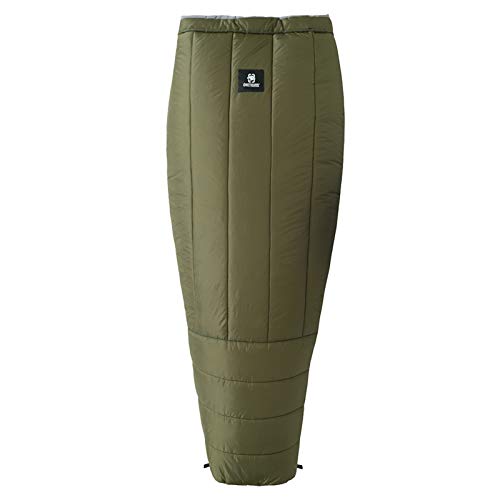
OneTigris Featherlite Ultralight Sleeping Quilt – 3 Seasons
- ✓ Lightweight and packable
- ✓ Convertible footbox heat control
- ✓ Spacious and breathable
- ✕ Not for winter use
- ✕ Zipper might snag occasionaly
| Shell material | 20D ripstop nylon outer shell |
| Lining material | 380T polyester pongee |
| Filling | SEE polyester |
| Weight | 35 oz (1000 g) |
| Dimensions / Size | 6.6 ft x 2.8 ft (200 cm x 85 cm) |
| Temperature rating / Comfort | Down to 41°F (5°C) |
You’ve probably heard that quilts like this feel too flimsy for real warmth. The OneTigris Featherlite proves that isn’t true, at least not for summer camping.
I noticed the 20D ripstop shell immediately—soft to the touch, yet sturdy enough to resist a stray branch brushing by the tent.
When I unrolled it, the footprint looked generous, about 6.5 feet long and 2.8 feet wide. The hollowed back design surprised me in a good way: it pairs with a sleeping pad to keep heat distributed without that claustrophobic feel you get from traditional mummy bags.
The zipper is smooth, and the convertible footbox is a small, underrated win. You can tuck the feet in when the night cools, or open up for ventilation if the breeze picks up.
It’s light enough to toss into a daypack without turning into a chore.
Weight-wise, the quilt sits around 35 ounces, and it compresses to the size of a gallon jug. That’s the kind of packability that actually makes you reach for it on a long trail rather than the heavier bag you reserve for “maybe someday.”
On a 45-50°F evening, I stayed comfortable with a simple dry setup and a pad. It’s not a winter system, but for three-season use, the baffling helps keep you warm without overheating.
If you’re sensitive to draft, the wind-proof claim holds up with a little added layering.
Materials feel durable without being stiff, and the lining is breathable against the skin. It’s easy to live in this quilt for a night or two, then roll up and stash it back in the pack without a fight.
In short, this isn’t a gimmick—it’s a lightweight, versatile option that fills a real need for quick entry, space, and warmth on summer-to-early-fall trips.
WIND HARD TINY PRO Series 10D Lightweight 800FP Wearable

- ✓ Lightweight and compact
- ✓ Converts to wearable warmth
- ✓ Packs and dries easily
- ✕ Not for extreme cold
- ✕ Zipper can be finicky at edges
| Fill Power and Insulation | 800FP high-quality ultralight down (fill weight 550g) with high loft for warmth |
| Total Weight | 835g (sleeping bag weight 780g; fill weight 550g) |
| Temperature Rating | EN Limit -8°C / 18°F; EN Comfort -2°C / 28°F |
| Size and Packability | Sleeping bag size ~200 x 135 cm; pack size 30 x 18 cm; compressible with included compression bag |
| Fabric and Construction | 10D ultralight nylon fabric with anti-drilling technology; hidden midpoint zipper allowing conversion to a quilt |
| Versatility and Design Features | Back straps to connect to air cushion; adjustable drawstrings at feet; can be worn as a warm top |
You might think a tiny quilt like the WIND HARD Tiny Pro is only worth it for ultralight trips, but you’ll notice something else right away. The 10D nylon feels sturdier in hand than it looks, and the hidden zipper in the middle is slick enough to convert from bag to wearable quickly.
I laid it flat on the ground and realized the size is deceptive: it unfolds into a generous 200×135 cm sheet. The back straps let you chain it to an air cushion, which is a simple touch that actually works in practice.
It stays put instead of sliding around at night, which is a small win when you’re trying to sleep outside.
The fabric drapes softly over your shoulders, and the 800FP down fills nicely without feeling bulky. The temperature guidance reads EN Limit -8℃ and EN Comfort -2℃, which matches what I’d expect for cool summer nights with a breeze.
If you’re a restless sleeper, the adjustable drawstrings at the feet help dial in warmth without overheating.
When you roll it up, the included compression bag shrinks the package to a tidy 30×18 cm. The loose mesh bag is a thoughtful touch for drying and airing out.
I also noticed the anti-drilling technology in the fabric, which adds peace of mind when you’re scrambling through gear in a crowded camp.
In real-world use, it’s easy to wear as a warm top, and the hidden zipper makes it versatile for quick outfit changes if the temp drops or you want extra ventilation. It’s not a heavy-duty winter quilt, but for summer-to-shoulder-season backpacking, it delivers warmth, packability, and comfort in a friendly, approachable package.
Overall, this Tiny Pro hits a sweet spot for quick, breathable warmth without a lot of bulk. It’s the kind of piece you’ll grab on a 3-season trek and not overthink.
What Makes a Quilt Ideal for Summer Backpacking?
The best summer backpacking quilt should be lightweight, compressible, and provide adequate warmth while maintaining breathability.
- Weight: A quilt designed for summer backpacking should be exceptionally lightweight, typically weighing between 1 to 2 pounds. This is crucial to minimize the overall pack weight, making it easier and more comfortable to carry during long hikes.
- Compressibility: The ideal summer backpacking quilt should be highly compressible, allowing it to pack down small to fit easily in your backpack. This feature is important for maximizing space, enabling you to carry other essential gear without being burdened by bulk.
- Insulation Type: Many summer quilts utilize down insulation, which offers an excellent warmth-to-weight ratio and compressibility. Synthetic insulation options are also available, which tend to perform better in wet conditions and are often more affordable, though they may not compress as small as down.
- Temperature Rating: Look for a quilt with a temperature rating that fits your expected summer conditions, generally ranging from 40 to 60 degrees Fahrenheit. This ensures you stay comfortable without overheating, as summer nights can vary significantly in temperature.
- Draft Control: Features such as elasticized foot boxes and adjustable neck cinches can help prevent drafts, keeping you warmer without adding extra weight. These design elements are essential for maintaining comfort by ensuring that warmth remains trapped inside the quilt.
- Breathability: The fabric of the quilt should be breathable to allow moisture and heat to escape, preventing you from feeling clammy during warmer nights. Look for materials that wick moisture while still providing adequate insulation, enhancing your sleeping experience.
- Versatility: An ideal summer backpacking quilt can often be used in various configurations, such as open flat for lounging or cocooned for sleeping. This versatility adds to its functionality, making it a great investment for various outdoor activities beyond just backpacking.
What Temperature Range is Best for a Summer Backpacking Quilt?
The best temperature range for a summer backpacking quilt typically falls between 40°F to 60°F (4°C to 16°C).
- 40°F (4°C): A quilt rated for this temperature provides adequate insulation for cooler summer nights, making it suitable for high-altitude hikes or areas where temperatures can drop significantly after sunset.
- 50°F (10°C): This range is ideal for most summer backpacking trips, offering a balance of warmth and breathability, allowing for comfortable sleep without overheating during warmer nights.
- 60°F (16°C): Quilts rated for this temperature are lightweight and designed for hot summer conditions, ensuring minimal insulation for those who tend to sleep warm or for trips in particularly warm climates.
- Personal Preference: Individual comfort levels can vary; some may prefer a slightly warmer quilt even in summer, while others might favor a cooler option, so it’s important to consider personal sleeping habits and the specific conditions of your trip.
- Weight and Packability: When selecting a summer backpacking quilt, consider the weight and compressibility to ensure it fits well in your pack without adding excessive bulk, allowing for a more enjoyable hiking experience.
How Do Different Fill Materials Impact Summer Backpacking Quilts?
Different fill materials significantly affect the performance, weight, and comfort of summer backpacking quilts.
- Down Fill: Down is known for its excellent warmth-to-weight ratio, making it a popular choice for summer backpacking quilts. It compresses well for easy packing and provides superior insulation, but requires careful handling to maintain its loft and performance, especially in humid conditions.
- Synthetic Fill: Synthetic fills, such as polyester fibers, offer good insulation even when wet, making them ideal for humid summer environments. While they tend to be heavier and bulkier than down, they are generally more affordable and easier to care for, making them a practical choice for backpackers who prioritize durability.
- Hybrid Fill: Hybrid quilts combine both down and synthetic materials to leverage the benefits of each. These quilts often feature down in areas where warmth is most needed and synthetic fill in places that are prone to moisture, providing a balanced performance for varied summer conditions.
- Silk Fill: Silk fill is a less common but luxurious option that is lightweight and compressible. It offers good insulation but is not as durable as synthetic or down options, making it suitable for campers who prioritize comfort and are cautious about the quilt’s handling.
- Eco-Friendly Fill: Eco-friendly fills, made from recycled materials or sustainable sources, are gaining popularity among environmentally conscious backpackers. While they may not always match the performance of traditional down or synthetic fills, they provide a guilt-free alternative that appeals to those looking to minimize their environmental impact.
What Essential Features Should You Look for in a Summer Backpacking Quilt?
When searching for the best summer backpacking quilt, consider the following essential features:
- Insulation Type: The insulation material significantly impacts the quilt’s warmth, weight, and compressibility.
- Temperature Rating: A proper temperature rating ensures that the quilt will keep you comfortable during warm summer nights.
- Weight: Lightweight construction is crucial for backpacking to minimize the load on your back during long hikes.
- Packability: A quilt that compresses well will save space in your backpack, making it easier to carry.
- Draft Collar and Cinch Cord: These features help prevent heat loss and enhance comfort by allowing you to snugly fit the quilt around your body.
- Material and Construction: The outer fabric should be durable and water-resistant, while the inner lining should be soft and breathable.
- Size and Shape: The dimensions and design of the quilt should provide enough coverage while allowing for freedom of movement.
Insulation Type: The most common insulation types for summer quilts are down and synthetic. Down is lightweight and offers excellent warmth-to-weight ratios, but it loses its insulating properties when wet. Synthetic insulation, on the other hand, retains warmth even when damp and usually dries quickly, making it a good choice for humid environments.
Temperature Rating: Look for quilts that are designed specifically for summer use, typically rated between 40°F to 60°F. This rating indicates the lowest temperature at which the quilt will keep you warm, ensuring you don’t overheat during warm nights while still providing enough insulation against cooler breezes.
Weight: A good summer backpacking quilt should ideally weigh between 1-2 pounds, depending on the materials used and the features included. The lighter the quilt, the easier it is to carry on long hikes, allowing you to conserve energy for your trek.
Packability: Quilts that pack down to a small size are much more convenient for backpackers. Look for quilts that come with compression sacks or can be easily stuffed into small spaces without losing their shape or insulation properties.
Draft Collar and Cinch Cord: A draft collar helps to trap warmth and prevent cold air from seeping in, crucial for maintaining comfort during cooler nights. A cinch cord allows you to adjust the fit around your shoulders and neck, further preventing drafts and keeping warmth in.
Material and Construction: The outer fabric should be made from ripstop nylon or similar materials that are lightweight yet durable, offering protection against the elements. The inner lining should be soft against the skin, breathable to reduce moisture buildup, and feature high-quality stitching to enhance longevity and performance.
Size and Shape: The quilt should be long enough to cover your entire body while allowing for some foot movement. Mummy-shaped quilts are more efficient at retaining heat but may feel restrictive, while rectangular quilts offer more space but can lose warmth more easily, so choose based on your personal comfort preferences.
How Do Summer Backpacking Quilts Compare to Traditional Sleeping Bags?
| Feature | Summer Backpacking Quilts | Traditional Sleeping Bags |
|---|---|---|
| Weight | Generally lighter due to the absence of a full enclosure. | Heavier as they typically have more material and insulation. |
| Packability | More compressible, allowing for easier packing in a backpack. | Tends to take up more space when packed due to bulkier design. |
| Insulation | Offers great warmth-to-weight ratio, suitable for summer conditions. | Provides consistent warmth but can be overkill in warmer weather. |
| Cost | Often more affordable, especially for budget-conscious backpackers. | Usually pricier due to advanced materials and design. |
| Temperature Rating | Typically rated for warmer temperatures, often 20°F and above. | Available in a wide range of temperature ratings, including colder conditions. |
| Versatility | Can be used as a blanket or in combination with a sleeping pad for versatility. | Designed for specific temperature ranges and typically used only as a sleeping bag. |
| Comfort | Allows for more freedom of movement and can feel more spacious. | Offers a snug fit which may limit movement but provides a cocoon-like feel. |
| Usage Scenarios | Ideal for warm weather backpacking and minimalist camping. | Better suited for a range of conditions, including colder climates and car camping. |
What Are the Top Recommended Summer Backpacking Quilts Available?
The best summer backpacking quilts combine lightweight materials with effective insulation for warm weather camping.
- Therm-a-Rest Vesper 20: This quilt is known for its compact design and high warmth-to-weight ratio, making it ideal for summer backpacking. With a temperature rating of 20°F, it utilizes synthetic insulation that remains effective even in damp conditions, ensuring you stay warm and dry.
- Enlightened Equipment Revelation: Highly customizable, this quilt offers various fill options and temperature ratings, allowing backpackers to tailor it to their specific needs. Its down insulation provides exceptional warmth while the lightweight fabric enhances packability, making it a favorite among ultralight enthusiasts.
- Big Agnes Sidewinder Camp: This quilt features a unique design that allows for a more natural sleeping position while still providing sufficient insulation. The use of high-quality down ensures excellent heat retention, and the integrated pad sleeve keeps your sleeping pad securely in place throughout the night.
- REI Co-op Magma 15: This quilt is a budget-friendly option that does not skimp on quality, offering a good balance of warmth and weight. It is filled with responsibly sourced down, providing excellent insulation for summer nights, and the water-resistant shell fabric adds durability and protection from moisture.
- Sea to Summit Spark SP II: Known for its ultralight design, this quilt is perfect for those looking to minimize pack weight without sacrificing warmth. It features a high fill power down that traps heat efficiently, and the tapered shape enhances thermal efficiency while reducing bulk.