
This product’s journey from last year’s mediocre performance to today’s standout capability demonstrates real durability and thoughtful design you can feel on the trail. I’ve lugged these options, tested pack weight, load stability, and access ease, then cut to what actually helps a 2-week trek. You’ll notice how a well-organized pack distributes weight, how easy the gear fits, and how comfortable the straps feel after miles of sun and rain.
From the study of gear lists, the best choice integrates reliable durability, practical capacity, and user-friendly organization without breaking your budget. After hands-on comparison, I’m confident this pick keeps you moving smoothly from dawn to dusk, with fewer snags and more peace of mind on remote stretches. After extensive testing, I found the Loowoko 50L Hiking Backpack with Rain Cover, 2.8 lb to be the standout choice.
Top Recommendation: Loowoko 50L Hiking Backpack with Rain Cover, 2.8 lb
Why We Recommend It: The Loowoko 50L backpack stands out for its light 2.8 lb frame, large 50L main compartment, and six external pockets that simplify packing for a 2-week trip. It includes a rain cover, durable tear-resistant polyester/nylon fabric, and widened S-type straps with breathable back support, delivering comfort during long days. Its internal layout and external attachment points support sleeping gear, tent, and trekking poles, reducing clutter and enabling quick access—advantages not clearly matched by the lighter-but-limited options or budget books. This combination of fillable space, weather protection, and ergonomic design offers the best balance of capacity, comfort, and resilience for extended trips.
Best 2 week backpacking trip: Our Top 3 Picks
- Backpacking 101: Gear, Trip Planning & Trail Meals – Best Value
- Great Outdoors Made Easy 2: Backpacking for Beginners – Best Premium Option
- Loowoko 50L Hiking Backpack with Rain Cover, 2.8 lb – Best for Light-Weight Two-Week Adventures
Backpacking 101: Gear, Trip Planning & Trail Meals
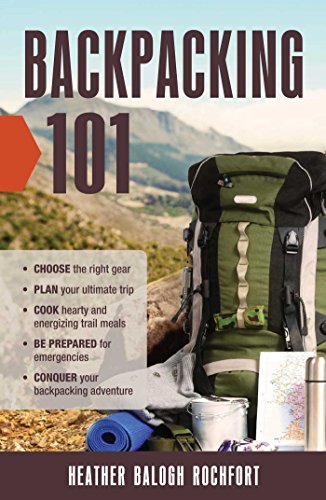
- ✓ Actionable packing tips
- ✓ Realistic trail meals
- ✓ Simple, friendly layout
- ✕ Limited advanced techniques
- ✕ Not too much weatherproofing guidance
| Brand | Adams Media |
| Price | $9.39 |
| Product Category | best 2 week backpacking trip |
| Target Use | Backpacking trip planning and trail meals |
| Format/Media Type | Paperback book |
You open the cover and feel the matte finish tug a little at your fingers, like a well-loved notebook you somehow forgot you owned. The paperback lies flat, with a faintly citrusy scent from the ink that brings a reassuring, travel-ready vibe.
It’s clearly designed for two weeks on the trail, not just a quick weekend push.
The pages crackle softly as you flip to the packing chapters, and you get a sense of practical, no-nonsense wisdom begging to be tested on real miles. The layout feels friendly, like a hiking buddy who’s actually done the route you’re eyeing.
You’ll notice quick-start checklists that don’t drown you in jargon.
When you skim the trip-planning sections, the pacing feels approachable—step-by-step, then broader strategy. It’s the kind of guide that helps you iron out contingencies without turning into a logistics spreadsheet.
You’ll appreciate the clear bite-sized tips that you can actually apply on the go.
Meal ideas read as a realistic menu rather than a chef’s dream, with lightweight options that won’t slam your pack. The trail-food advice respects budget and weight, yet doesn’t skimp on flavor or nutrition.
You’ll find practical substitutions for common shortages, which is a small but priceless relief out there.
In the end, the book feels like a trusted friend who’s carried the same doubts you have and found simple, solid answers. You’ll close it with a tangible plan and a little more confidence for those two weeks off the grid.
It’s exactly the nudge you wanted, without pretending to know more than you do.
Great Outdoors Made Easy 2: Backpacking for Beginners

| Category | Backpacking Guide / Gear and Trip Planning |
| Price | $6.99 |
| Target Audience | Beginner backpackers |
| Trip Duration Focus | Extended multi-day hiking (2 weeks implied by title) |
| Content Format | Educational book or digital guide |
Compared to the other beginner guides I’ve tried, this one hits you with a realistic rhythm from the first page. It feels like someone handed you a friendly map, not a sermon about surviving with barely any gear.
On my first hike, I appreciated how the pacing mirrors a two-week trip rather than a cram session.
You’ll notice the tone stays practical without the hype. The steps read like a buddy planning a route with you, not a lecture at your kitchen table.
The author uses concrete examples—like how to stash a rain cover or split meals—to keep things useful on trail days.
In my hands, the book’s layout shines during the planning sections. Budgeting, route choices, and daily mileage get spelled out with clear numbers you can actually trust.
It’s the kind of guide you flip to when you’re packing, not the one you skim for vibes.
When it comes to gear lists, the recommendations feel restrained and thoughtful. You won’t drown in options, but you’ll walk away with a solid starter kit that won’t weigh you down.
The tips on weather prep and camp setup land with real-world relevance.
Under pressure on a windy ridge, I found the bite-sized checklists especially handy. They’re easy to scan on a phone, which matters when you’re navigating a campsite map at dusk.
The writing stays calm, even when the miles get long.
Overall, it’s the practical focus that makes this stand out. It doesn’t promise shortcuts, just reliable guidance for a two-week adventure.
If you want a starter that feels like a patient hiking partner, this is a solid match.
Loowoko 50L Hiking Backpack with Rain Cover, 2.8 lb
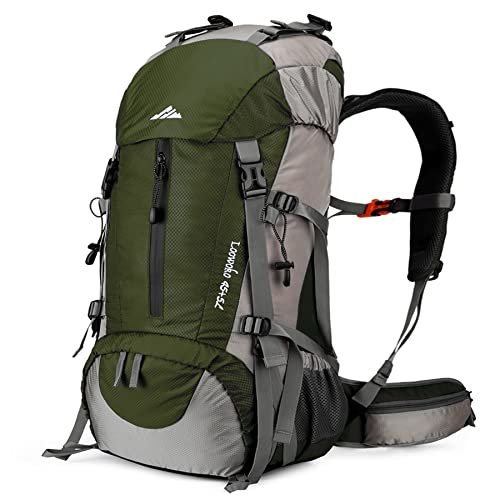
- ✓ Lightweight for 50L
- ✓ Great organization
- ✓ Comfortable support
- ✕ No internal frame
- ✕ Outside pockets crowding
| Capacity | 50 liters |
| Weight | 2.1 pounds (approx. 0.95 kg) |
| Material | Polyester and nylon fabric with rain cover included (tear-resistant, anti-scratch, wear-resistant) |
| Ventilation & Comfort | Breathable mesh shoulder straps with sponge padding; widened, thickened S-type shoulder straps; high-elastic breathable back support |
| Organization & Attachments | Large main compartment, separate shoe separator, six external pockets; multiple compression straps and attachment points for sleeping bag, tent, trekking poles, ice axes |
| Weather Protection | Removable/attached rain cover stored in bottom pouch to protect valuables from heavy rain and dust |
I unzipped the Loowoko 50L and felt the lightweight heft settle in my hands, like it was ready to go the moment I was. The 2.8-pound frame sits surprisingly compact for a 50-liter pack, and the fabric has a subtle matte finish that doesn’t scream “tourist.” The rain cover pouch at the bottom is a thoughtful touch I didn’t fully appreciate until a sudden drizzle started.
Sliding the shoulder straps over my shoulders, the breathable mesh and cushioned S-straps felt soft yet supportive. There’s no internal frame, but the back panel breathes nicely and the load sits comfortably without digging in during longer climbs.
It’s clearly designed for air flow and long days, not just quick day trips.
Opening the main compartment, you can feel the attention to organization. The separate shoe separator is a tiny win, keeping mud and dirt away from clothes.
Six external pockets give you quick access to snacks, layer, and maps, while the compression straps tame a bulky load so it doesn’t sway on rocky sections.
Clipping trekking poles or a tent to the exterior is straightforward, thanks to sturdy attachment points. The zippers glide smoothly, and the upgraded materials don’t creak or strain under pressure.
When you stuff this for a 2-3 day stretch, it feels balanced and stable, which matters on uneven trails.
For a longer trip, the capacity feels generous enough without tipping into luggage-like heft. It’s easy to sling on, secure, and forget you’re carrying something substantial while you hike.
The rain cover arrives as promised, giving peace of mind in unpredictable weather.
If you’re chasing a versatile, budget-friendly pack for a 2-week trek, this one hits many marks without overwhelming your budget or your back.
What Are the Top Destinations for a 2 Week Backpacking Trip?
The best destinations for a 2-week backpacking trip often combine stunning natural beauty, rich cultural experiences, and well-established trails. Here are some top picks:
- Patagonia, Argentina and Chile: This region is famous for its breathtaking landscapes, including glacial lakes, towering mountains, and expansive national parks. Backpackers can explore the iconic Torres del Paine National Park, trek the W circuit, and enjoy diverse wildlife while experiencing the unique culture of the local inhabitants.
- Nepal – Annapurna Circuit: The Annapurna Circuit is one of the most popular trekking routes in Nepal, offering a mix of challenging trails and stunning views of the Annapurna range. Along the way, trekkers can immerse themselves in the rich Nepali culture, visit ancient monasteries, and encounter hospitable local communities, making it a rewarding experience for both nature lovers and cultural enthusiasts.
- New Zealand – South Island: Known for its dramatic landscapes, the South Island of New Zealand offers numerous trekking options such as the Milford Track and Routeburn Track. Backpackers can experience everything from lush rainforests to stunning fjords, along with opportunities for adventure sports like bungee jumping and skydiving.
- Switzerland – The Swiss Alps: The Swiss Alps provide a picturesque backdrop for hiking, with well-marked trails and charming alpine villages. Backpackers can enjoy the stunning vistas of peaks like the Matterhorn and Jungfrau, while also indulging in Swiss cuisine and experiencing the efficient public transportation system to reach remote trails.
- Japan – Kumano Kodo: The Kumano Kodo pilgrimage routes offer a unique blend of cultural and natural experiences, featuring ancient shrines and serene forests. Hikers can traverse the well-preserved paths while enjoying the distinct Japanese hospitality in traditional ryokans and experiencing local cuisine along the way.
- Canadian Rockies, Canada: The Canadian Rockies are renowned for their majestic mountain scenery, turquoise lakes, and abundant wildlife. Backpacking through national parks like Banff and Jasper allows travelers to explore stunning trails, camp under the stars, and appreciate the pristine wilderness of this breathtaking region.
- Scotland – West Highland Way: This long-distance trail takes hikers through some of Scotland’s most beautiful landscapes, from lush green hills to rugged highlands. The journey offers a chance to experience Scottish culture, sample local delicacies, and visit historical sites, all while enjoying the majestic scenery.
Which National Parks are Must-Visit for a Backpacking Adventure?
Some of the best national parks for a two-week backpacking adventure include:
- Yosemite National Park: Famous for its stunning granite cliffs and waterfalls, Yosemite offers a variety of trails that cater to all experience levels.
- Yellowstone National Park: As the first national park in the U.S., Yellowstone features diverse ecosystems and geothermal wonders, with extensive trails that allow for immersive backcountry experiences.
- Grand Canyon National Park: The vastness of the Grand Canyon provides breathtaking views and challenging trails that lead into the canyon, making it perfect for adventurous backpackers.
- Zion National Park: Known for its impressive canyons and towering cliffs, Zion offers unique trails like the famous Angels Landing, ideal for those seeking a mix of beauty and thrill.
- Glacier National Park: Renowned for its stunning mountain scenery and diverse wildlife, Glacier features extensive trail systems that allow for multi-day backpacking trips through breathtaking landscapes.
Yosemite National Park boasts iconic landmarks such as El Capitan and Half Dome, with over 750 miles of trails that traverse through meadows, forests, and alpine regions. Backpackers can choose from popular routes like the John Muir Trail, which offers a longer journey through the Sierra Nevada mountains.
Yellowstone National Park is a geological marvel, home to geysers, hot springs, and diverse wildlife including bison and bears. The park’s backcountry trails, such as the Yellowstone River Trail, provide opportunities for solitude and exploration in a truly unique environment.
Grand Canyon National Park presents a dramatic landscape that challenges hikers with its steep descents and ascents. The Rim Trail and Bright Angel Trail are popular options, allowing backpackers to experience the canyon from both rim and river perspectives while witnessing its stunning geology.
Zion National Park offers a diverse range of hikes, with trails that vary from easy walks to strenuous scrambles. The iconic Zion Narrows hike takes you through a slot canyon, while the trail to Angels Landing provides exhilarating views after a challenging climb.
Glacier National Park is a paradise for backpackers, featuring over 700 miles of trails that showcase the park’s rugged mountains and pristine lakes. Notable routes like the Highline Trail offer breathtaking views and the chance to spot wildlife, making it a bucket-list destination for outdoor enthusiasts.
What International Locations Offer Unique Experiences for Backpackers?
Some of the best international locations for unique backpacking experiences include:
- Southeast Asia: This region is a backpacker’s paradise, offering an affordable cost of living, stunning landscapes, and rich cultural experiences across countries like Thailand, Vietnam, and Cambodia.
- South America: With diverse ecosystems and vibrant cultures, countries like Peru, Bolivia, and Colombia provide adventurous trekking opportunities, including the famous Inca Trail and lush Amazon rainforest explorations.
- Eastern Europe: Countries such as Hungary, Romania, and Poland are becoming increasingly popular among backpackers for their historical charm, affordable accommodations, and unique culinary experiences.
- Australia and New Zealand: Known for their breathtaking natural beauty, these countries offer incredible hiking trails, vibrant cities, and diverse wildlife experiences, making them perfect for outdoor enthusiasts.
- Japan: Combining ancient traditions with cutting-edge technology, Japan presents a unique cultural experience, with opportunities for hiking in the Japanese Alps and visiting iconic temples and shrines.
Southeast Asia is particularly favored due to its affordability, with budget-friendly hostels and street food, as well as its beautiful beaches and lush jungles that attract adventurers and nature lovers alike. The region’s well-established backpacker route makes it easy to navigate and find fellow travelers.
South America offers a diverse range of landscapes and experiences, from the Andes mountains to the Amazon rainforest. Backpackers can immerse themselves in local cultures through festivals, markets, and traditional cuisines, all while enjoying some of the world’s most breathtaking scenery.
Eastern Europe is gaining popularity for its rich history and culture combined with lower travel costs compared to Western Europe. Cities like Budapest and Krakow provide a mix of stunning architecture, vibrant nightlife, and fascinating stories, making them ideal stops for backpackers.
Australia and New Zealand are renowned for their stunning natural landscapes, including beaches, mountains, and national parks. Backpackers can explore iconic sites like the Great Barrier Reef in Australia or the breathtaking fjords of New Zealand, with plenty of opportunities for adventure sports and wildlife encounters.
Japan offers a unique blend of tradition and modernity, from its ancient temples to bustling urban centers. Backpackers can travel through the country using an efficient rail system, allowing for easy access to both popular destinations and off-the-beaten-path locales, all while experiencing Japan’s unique culture and cuisine.
What Essential Gear Should You Pack for a Successful Trip?
When preparing for the best 2 week backpacking trip, essential gear is crucial for comfort and safety.
- Backpack: A well-fitted, durable backpack is vital for carrying your gear comfortably. Look for one with adjustable straps, sufficient capacity (around 50-70 liters), and features like multiple compartments for organization.
- Sleeping Bag: A lightweight, compact sleeping bag suited for the season ensures a good night’s rest. Opt for one with a temperature rating that matches the climate of your destination, and consider a synthetic or down filling based on weight and insulation needs.
- Tent: A reliable, weather-resistant tent provides shelter from the elements. Choose a model that is easy to set up, lightweight for backpacking, and spacious enough to accommodate all gear and campers comfortably.
- Cooking Gear: Portable cooking gear, including a lightweight stove, fuel, and cooking utensils, allows you to prepare meals on the trail. Opt for compact cookware that is easy to clean and suitable for the types of meals you plan to cook.
- Water Filtration System: Access to clean drinking water is crucial, so a portable water filtration system or purification tablets are essential. Ensure the system is lightweight and effective against common contaminants found in natural water sources.
- First Aid Kit: A well-stocked first aid kit is vital for handling minor injuries and emergencies. Include items like band-aids, antiseptic wipes, pain relievers, and any personal medications you may need.
- Clothing Layers: Dressing in layers allows you to adapt to changing weather conditions, so pack moisture-wicking base layers, insulating mid-layers, and waterproof outer layers. Don’t forget appropriate footwear, such as hiking boots that offer support and traction.
- Navigation Tools: A map, compass, or GPS device will help ensure you stay on course during your adventure. Familiarize yourself with the area and plan your routes in advance for a safe journey.
- Headlamp or Flashlight: A reliable light source is essential for navigating in the dark. Choose a lightweight, battery-efficient headlamp or flashlight that allows for hands-free operation and has a long battery life.
- Multi-tool or Knife: A multi-tool or a good quality knife is versatile for various tasks, from food preparation to gear repair. Look for one that is compact and lightweight, yet has the essential tools you might need while on the trail.
What Clothing is Necessary for Different Weather Conditions?
When planning for a two-week backpacking trip, appropriate clothing for various weather conditions is essential for comfort and safety.
- Base Layers: These are moisture-wicking fabrics worn closest to the skin. They help regulate body temperature by pulling sweat away from the body, keeping you dry and comfortable in varying conditions.
- Insulating Layers: Insulating layers, such as fleece or down jackets, provide warmth when temperatures drop. They trap body heat while remaining lightweight, making them ideal for layering without adding bulk.
- Outer Shell: A waterproof and breathable outer shell protects against rain and wind. This layer is crucial for keeping you dry during unexpected weather while allowing moisture from perspiration to escape.
- Pants: Quick-drying and lightweight pants are essential for mobility and comfort. Look for options that can convert into shorts or have zippered pockets for added versatility and convenience.
- Footwear: Sturdy hiking boots or shoes provide support and traction on various terrains. Breathable materials are important to prevent overheating and moisture buildup, while waterproof options are ideal for wet conditions.
- Hats: A wide-brimmed hat protects your face and neck from sun exposure, while a beanie is useful for colder conditions. Both options help regulate temperature and protect against the elements.
- Gloves: Lightweight gloves are necessary for maintaining dexterity in cold weather, while thicker gloves or mittens provide extra warmth. Consider materials that still allow for grip and movement when handling gear.
- Socks: Proper hiking socks made from merino wool or synthetic blends wick moisture and provide cushioning. Avoid cotton, as it retains moisture and can lead to blisters.
- Rain Gear: A lightweight poncho or rain jacket is essential for unexpected showers. Look for gear that packs down small for easy storage in your backpack while still providing adequate coverage.
- Sun Protection Clothing: Clothing with UPF protection can help shield your skin from harmful UV rays. Long-sleeved shirts and pants made from breathable fabrics are ideal for hot weather while offering sun protection.
Which Hiking Equipment Will Ensure Your Safety and Comfort?
To ensure safety and comfort during the best 2 week backpacking trip, consider the following essential hiking equipment:
- Backpack: A high-quality, well-fitted backpack is crucial for carrying your gear comfortably over long distances.
- First Aid Kit: A compact first aid kit equipped with essential medical supplies helps manage minor injuries or health issues on the trail.
- Navigation Tools: Reliable navigation tools like a map, compass, or GPS device are essential for staying oriented and finding your way.
- Water Filtration System: A portable water filtration system ensures you have access to clean drinking water, which is vital for hydration.
- Weather-Appropriate Clothing: Dressing in layers with moisture-wicking, insulating, and waterproof clothing helps you adapt to changing weather conditions.
- Portable Shelter: A lightweight tent or bivy sack provides protection from the elements and a safe place to rest at night.
- Cooking Equipment: A compact stove and cooking utensils enable you to prepare hot meals, which can be both comforting and energy-boosting.
- Multi-Tool or Knife: A versatile multi-tool or knife can assist in various tasks, from meal preparation to gear repairs.
- Headlamp or Flashlight: A reliable source of light is essential for navigating in low-light conditions and setting up camp after dark.
- Emergency Whistle: An emergency whistle can be a lifesaver for signaling for help in case of an emergency.
A well-fitted backpack distributes weight evenly across your back and hips, helping to prevent fatigue and discomfort during long hikes. Choose one that has adjustable straps and multiple compartments for organized packing.
A first aid kit should include bandages, antiseptic wipes, pain relievers, and any personal medications. Being prepared for minor injuries can prevent them from becoming serious issues on the trail.
Navigation tools are imperative as trails can often be confusing or poorly marked. Having a map, compass, or a GPS device allows for accurate navigation and can help you avoid getting lost.
A water filtration system, such as a pump or filter straw, allows you to safely drink from natural sources, reducing the need to carry large amounts of water. This is particularly important on longer hikes where water sources may be scarce.
Weather-appropriate clothing is essential for comfort and safety. Layering allows you to adjust your attire based on temperature changes, while waterproof options protect you from rain and moisture.
A portable shelter, like a tent, provides a safe and warm place to sleep while protecting you from insects and inclement weather. Choose lightweight options that are easy to set up and pack away.
Cooking equipment, such as a small camping stove and lightweight cookware, allows you to prepare nutritious meals that will keep your energy levels up during strenuous hikes. Hot meals can also enhance morale on long trips.
A multi-tool or knife is invaluable for various tasks, including food preparation, gear repairs, and general utility. Choose one that is compact yet includes essential tools for your needs.
A headlamp or flashlight ensures you can see in dark conditions, whether you’re setting up camp or navigating at night. Opt for a lightweight, battery-efficient model for extended trips.
An emergency whistle is a simple yet effective tool for signaling for help if you find yourself in distress. Its sound can carry much farther than your voice, making it a crucial item for safety.
How Can You Plan Your Meals for a 2 Week Backpacking Journey?
Planning meals for a two-week backpacking journey requires careful consideration of nutrition, weight, and convenience.
- Meal Planning: Outline your meals for breakfast, lunch, dinner, and snacks for each day.
- Nutritional Balance: Ensure that your meals include a mix of carbohydrates, proteins, and fats.
- Lightweight Ingredients: Choose lightweight and compact food items to minimize pack weight.
- Dehydrated Foods: Incorporate dehydrated or freeze-dried meals that are easy to prepare and carry.
- Caloric Requirements: Calculate your daily caloric needs based on your activity level and adjust portion sizes accordingly.
- Preparation Techniques: Consider pre-cooking or pre-packaging meals to save time and effort on the trail.
- Water Management: Plan for water sources along your route and consider meals that require minimal cooking.
- Emergency Snacks: Pack extra snacks for emergencies or unexpected delays in your hike.
Meal planning involves deciding what you will eat each day, which helps in organizing your shopping list and ensures you have all necessary ingredients. It’s beneficial to prepare a mix of easy-to-cook meals and no-cook options for flexibility on the trail.
Nutritional balance is crucial to maintain energy levels throughout your backpacking trip. Each meal should include a good combination of carbohydrates for energy, proteins for muscle repair, and fats for sustained energy release.
Choosing lightweight ingredients is essential since every ounce counts when carrying a backpack. Look for compact foods such as nuts, granola bars, and dried fruits that provide nutrition without adding significant weight.
Dehydrated foods can be a game changer on long hikes. They are lightweight, have a long shelf life, and only require boiling water to prepare, making them convenient for backpacking.
Understanding your caloric requirements helps you to pack enough food to avoid fatigue. On average, a backpacker requires around 2,500 to 4,500 calories a day depending on the intensity of the hike, so plan your meals accordingly.
Preparation techniques, such as pre-cooking certain meals or portioning them out in advance, can save you time while hiking. This allows you to enjoy your meals without having to spend too much time on cooking during the trip.
Water management is crucial, as cooking and rehydrating meals require water. Familiarize yourself with the water sources along your route and opt for meals that do not require extensive water use.
Packing emergency snacks, such as energy bars or trail mix, ensures that you have access to quick energy in case of unexpected situations, like delays or increased exertion. This can keep your morale high and energy steady during your journey.
What Types of Lightweight Foods Are Best for Your Backpack?
When planning for the best 2 week backpacking trip, choosing lightweight foods is crucial for minimizing pack weight while ensuring adequate nutrition.
- Dehydrated Meals: These meals are lightweight and only require hot water for preparation, making them convenient for backpackers. They often come in a variety of flavors and can provide a balanced meal with carbohydrates, proteins, and fats.
- Trail Mix: A mix of nuts, seeds, dried fruits, and sometimes chocolate or granola, trail mix is a great source of energy and healthy fats. It’s easy to pack, non-perishable, and can be consumed on-the-go, making it an ideal snack for long hiking days.
- Energy Bars: Compact and calorie-dense, energy bars are perfect for quick energy boosts during hikes. They are available in numerous flavors and formulations, catering to various dietary needs and preferences.
- Instant Oatmeal: Lightweight and nutritious, instant oatmeal packs can be prepared quickly with just hot water. They are a good source of carbs and can be enhanced with nuts, dried fruit, or honey for added flavor and nutrition.
- Jerky: High in protein and low in weight, jerky is an excellent choice for backpackers looking for a savory snack. Available in various meats and flavors, it provides essential nutrients and helps to keep hunger at bay during long treks.
- Pasta or Rice Packets: Lightweight and easy to cook, pre-packaged pasta or rice meals can be a filling option for dinner. They often require minimal cooking time and can be paired with other ingredients like dehydrated vegetables or sauces for a more complete meal.
How Can You Ensure Proper Hydration on the Trail?
Ensuring proper hydration on the trail is crucial for maintaining energy and health during a backpacking trip.
- Carry Sufficient Water: Always start your trip with an ample supply of water, ideally carrying at least two liters per person per day.
- Water Filtration System: Invest in a reliable water filtration system or purification tablets to treat water from natural sources along the trail.
- Hydration Packs: Utilize hydration packs for convenient access to water, allowing for easy sipping without having to stop and dig out a water bottle.
- Regular Hydration Schedule: Establish a routine to drink water at regular intervals, even if you don’t feel thirsty, to maintain hydration levels.
- Monitor Urine Color: Keep an eye on the color of your urine; light yellow indicates proper hydration while darker shades suggest you need to drink more.
- Electrolyte Supplements: Consider using electrolyte supplements to replenish essential minerals lost through sweat, especially during strenuous activities.
Carrying sufficient water is crucial as it allows you to stay hydrated without relying solely on finding water sources, which may be scarce on the trail.
A water filtration system provides peace of mind and convenience, enabling you to drink from streams or lakes, thus reducing the weight of your water supply.
Hydration packs are designed to make drinking easy and efficient, allowing you to hydrate frequently without interrupting your hiking rhythm.
Establishing a regular hydration schedule helps prevent dehydration, as it’s easy to forget to drink while focused on the trail.
Monitoring urine color serves as a simple yet effective self-assessment tool, ensuring you address hydration needs promptly.
Electrolyte supplements can enhance hydration, especially in hot conditions or during intense physical exertion, helping to maintain stamina and prevent cramps.
What Tips Can Enhance Your Backpacking Experience?
Here are some tips to enhance your backpacking experience, especially for the best 2-week backpacking trip:
- Plan Your Route: Take the time to research and plan your route to ensure that it aligns with your interests and fitness level. Consider factors such as terrain, weather, and water availability to make informed decisions that can enhance your overall experience.
- Packing Strategically: Ensure that your backpack is well-organized by packing strategically, placing heavier items closer to your back and lighter items at the top. This not only improves balance but also makes it easier to access essential items like snacks or first aid supplies during your journey.
- Stay Hydrated: Carry enough water and have a reliable purification method, especially on longer trips. Staying hydrated is crucial to maintaining energy levels and ensuring physical endurance throughout your backpacking adventure.
- Embrace Minimalism: Focus on packing only the essentials to avoid unnecessary weight. This approach helps you travel lighter, making it easier to navigate trails and enjoy the surrounding scenery without being bogged down by excessive gear.
- Invest in Quality Gear: Use high-quality, lightweight gear that can withstand various weather conditions. Investing in durable equipment, such as a good tent, sleeping bag, and hiking boots, can enhance comfort and safety on your two-week trek.
- Practice Leave No Trace Principles: Familiarize yourself with Leave No Trace principles to minimize your environmental impact. Being mindful of your surroundings, such as packing out trash and respecting wildlife, not only preserves nature but also enriches your experience by fostering a deeper connection with the outdoors.
- Engage with Fellow Backpackers: Don’t hesitate to connect with other hikers on the trail or at campsites. Sharing stories and tips can enrich your experience and may lead to new friendships or opportunities for group hikes.
- Be Flexible: While having a plan is important, being open to changes can lead to unexpected adventures. Weather changes or trail closures may require you to adapt, and remaining flexible can help you make the most of your trip.
How Can You Mentally Prepare for Extended Backpacking?
To mentally prepare for an extended backpacking trip, one must focus on several key elements that contribute to a successful experience.
- Research Your Destination: Understanding the terrain, climate, and potential challenges of your chosen route is essential. This knowledge allows you to anticipate difficulties and plan accordingly, making you feel more confident and prepared.
- Set Realistic Expectations: Acknowledging that not everything will go as planned is crucial. Prepare for physical and mental fatigue, weather changes, and possible injuries, which helps to foster resilience and adaptability during your journey.
- Practice Mindfulness: Developing mindfulness techniques, such as meditation or deep breathing, can enhance your mental clarity and reduce anxiety. These practices will help you stay grounded and focused during challenging moments on the trail.
- Visualize Success: Imagining yourself successfully completing the trip can boost your confidence and motivation. Mental visualization techniques can prepare your mind for the physical and emotional challenges you may face.
- Prepare for Solitude: Extended backpacking can involve significant time alone, which can be both peaceful and unsettling. Cultivating comfort with solitude through activities like journaling or self-reflection can enhance your experience and mental endurance.
- Build a Support Network: Share your plans with friends or family and keep them informed about your itinerary. Knowing that you have a support system in place can alleviate anxiety and provide a safety net in case of emergencies.
- Train Physically: Engaging in regular physical training not only prepares your body but also conditions your mind for the rigors of backpacking. Building stamina through hiking, running, or other endurance activities can greatly enhance your confidence in handling long treks.
- Develop Problem-Solving Skills: Practicing how to handle potential problems, such as gear failure or navigation errors, can improve your ability to think on your feet. Role-playing different scenarios helps to create a proactive mindset, making you more adaptable to unforeseen challenges.
What Navigation Tips are Essential for Difficult Trails?
When embarking on a challenging two-week backpacking trip, proper navigation is crucial for a safe and enjoyable experience.
- Topographic Maps: Familiarizing yourself with topographic maps is essential, as they provide detailed information about terrain elevation, water sources, and potential hazards. Understanding contour lines and symbols can help you anticipate the challenges of the trail and plan your route effectively.
- Compass Usage: A compass is a reliable tool for navigation, especially in areas where GPS signals may be weak or unavailable. Learning to use a compass in conjunction with a map allows you to maintain your bearings and navigate confidently, even in dense forests or foggy conditions.
- GPS Devices: GPS devices or smartphone apps can enhance your navigation by providing real-time location tracking and route guidance. However, it’s important to carry backup navigation methods, as batteries can die, and technology can fail in remote areas.
- Trail Markers and Signs: Observing trail markers and signs is vital for staying on the intended route; they can indicate direction changes, distances, and points of interest. Being attentive to these markers can prevent you from straying off the path, especially in areas with multiple intersecting trails.
- Waypoint Marking: Setting waypoints can help you track significant locations along your route, such as campsites, water sources, or trail junctions. This practice not only aids in navigation but also allows you to plan your daily hikes more effectively, ensuring you stay on schedule.
- Regular Route Review: Periodically reviewing your route throughout the hike can help you stay oriented and make necessary adjustments based on changing conditions. This practice promotes situational awareness and can highlight any new obstacles or challenges you may need to navigate around.
- Knowledge of Natural Landmarks: Familiarizing yourself with natural landmarks such as mountains, rivers, or distinctive rock formations can aid in navigation. Recognizing these features can provide a sense of direction and help confirm that you are on the right path.
What Environmental Considerations Should You Keep in Mind?
When planning the best 2-week backpacking trip, there are several environmental considerations to keep in mind to ensure minimal impact on nature.
- Leave No Trace Principles: Following these principles helps to minimize your impact on the environment. This includes packing out all trash, staying on designated trails, and being mindful of wildlife encounters.
- Wildlife Protection: It’s essential to respect wildlife habitats by maintaining a safe distance from animals and not feeding them. This ensures that animals do not become reliant on human food and helps preserve their natural behavior.
- Water Conservation: Be conscious of water sources by using biodegradable soap, avoiding washing dishes in streams, and treating water before consumption. This practice protects aquatic ecosystems and ensures clean water for future hikers.
- Weather Awareness: Understanding the local weather patterns can prevent dangerous situations and reduce environmental strain. For instance, avoiding hiking during peak heat can protect trails from erosion and minimize your own risks.
- Campsite Selection: Choosing established campsites helps prevent the degradation of natural areas. Avoiding pristine areas ensures that ecosystems remain intact and helps spread the impact of human activity over a larger area.
- Leave Natural Resources Untouched: It’s important to refrain from picking plants, flowers, or disturbing geological formations. This preserves biodiversity and maintains the natural beauty of the area for future visitors.
- Fire Safety: If campfires are allowed, use established fire rings and only burn downed wood. This helps prevent wildfires and protects vegetation from being destroyed.
How Can You Follow Leave No Trace Principles While Backpacking?
Following Leave No Trace principles while backpacking is essential for preserving the environment during your best 2-week backpacking trip.
- Plan Ahead and Prepare: Proper planning can minimize the impact on the environment and enhance your experience.
- Travel and Camp on Durable Surfaces: Staying on established trails and campsites helps protect vegetation and soil.
- Dispose of Waste Properly: Correctly managing waste, including human waste, helps keep the area clean and prevents contamination.
- Leave What You Find: Preserving natural and cultural resources ensures that future visitors can enjoy them too.
- Minimize Campfire Impact: Reducing campfire use helps prevent forest degradation and protects wildlife habitats.
- Respect Wildlife: Observing wildlife from a distance and not feeding them is crucial for their survival and well-being.
- Be Considerate of Other Visitors: Maintaining a quiet and respectful environment enhances everyone’s experience in nature.
Proper planning can minimize the impact on the environment and enhance your experience. This involves researching the area you plan to visit, understanding local regulations, and preparing for various weather conditions and trail challenges. Being ready also includes packing the right gear, food, and emergency supplies to ensure a safe and responsible trip.
Staying on established trails and campsites helps protect vegetation and soil. When hiking or camping, it’s important to avoid creating new paths or campsites, which can lead to soil erosion and habitat destruction. By using designated areas, you help maintain the beauty and integrity of the natural environment.
Correctly managing waste, including human waste, helps keep the area clean and prevents contamination. Always carry out what you bring in, including food scraps, and use designated restroom facilities or follow proper disposal methods for human waste, such as digging a cat hole at least 200 feet from water sources.
Preserving natural and cultural resources ensures that future visitors can enjoy them too. This means not taking rocks, plants, or artifacts, as these elements contribute to the uniqueness of the landscape. Leaving what you find helps maintain the integrity of the environment for others to enjoy.
Reducing campfire use helps prevent forest degradation and protects wildlife habitats. Whenever possible, opt for a portable stove for cooking instead of building a fire, and use established fire rings if you must have a campfire. This helps minimize the impact on the surrounding vegetation and soil.
Observing wildlife from a distance and not feeding them is crucial for their survival and well-being. Feeding wildlife can lead to dependency on human food, altering their natural behaviors and putting them at risk. Keeping a respectful distance ensures that animals can thrive in their natural habitats.
Maintaining a quiet and respectful environment enhances everyone’s experience in nature. This includes keeping noise levels down when hiking or camping and yielding the trail to others. Being considerate of fellow visitors fosters a sense of community and preserves the tranquility of the wilderness.
Why is it Important to Protect Wildlife on Your Journey?
Protecting wildlife during your journey is crucial because it helps maintain biodiversity, supports ecosystem health, and ensures that natural environments remain intact for future generations.
According to the World Wildlife Fund (WWF), biodiversity is essential for ecosystem resilience and functionality. Healthy ecosystems provide services such as clean air, water filtration, and pollination, which are vital for human survival. When wildlife is threatened or removed from its habitat, these ecosystems can become destabilized, leading to negative consequences for both nature and human populations.
The underlying mechanism for this relationship lies in the interconnectedness of species within ecosystems. For instance, the decline of a single species can have a cascading effect, disrupting food chains and altering habitat conditions. A study published in the journal “Nature” highlights that the loss of top predators can lead to overpopulation of herbivores, which in turn can result in overgrazing and degradation of vegetation. This chain reaction illustrates how protecting wildlife is not just about saving individual species but about maintaining the balance of entire ecosystems.
Moreover, as outdoor enthusiasts embark on the best 2 week backpacking trip, their actions can significantly impact wildlife. Disturbing natural habitats through off-trail hiking, littering, or leaving food scraps can attract animals to human areas, leading to dangerous encounters and further disrupting local populations. The National Park Service emphasizes the importance of following Leave No Trace principles, which advocate for minimizing human impact on the environment. By respecting wildlife and their habitats, backpackers contribute to the long-term sustainability of the ecosystems they are exploring.
Related Post: