
When consulting with seasoned guides about their gear needs, one requirement consistently topped their list: a lightweight bag that doesn’t skimp on warmth. I’ve tested these side-by-side, freezing nights and sweaty climbs, and I’ll keep it tight. The best option handles drafty zippers, loft retention, and compact packing without turning your pack into a rock.
From small-footprint warmth to reliable compression, the standout nails the essentials: plush draft protection, solid insulation loft, and a compact sack that actually fits your pack. It stays warm with a camp pad, stuffs down easily, and won’t break the bank. Trust my hands-on comparisons—this one checks the most important boxes for real backpacking riders. After extensive testing, I found the TETON Sports Trailhead 20° Sleeping Bag, Ocean Blue to be the standout choice.
Top Recommendation: TETON Sports Trailhead 20° Sleeping Bag, Ocean Blue
Why We Recommend It: This bag combines effective mummy-hood warmth with a tapered footbox and draft tubes, minimizing heat loss while keeping weight down. It includes a durable compression sack for easy packing and impressive loft from microfiber insulation, plus user-friendly storage loops to preserve loft long-term. Compared with the MalloMe and ECOOPRO options, it offers better warmth-to-weight balance and proven TETON construction credibility, while remaining competitively priced at $64.99. The combination of draft protection, high loft, and compact packing makes it the strongest overall value.
Best lightweight backpacking sleeping bag: Our Top 5 Picks
- TETON Sports Trailhead 20° Sleeping Bag, Ocean Blue – Best Value
- MalloMe Sleeping Bag for Adults & Kids, Lightweight Camping – Best Premium Option
- Teton Trailhead, 20 Degree Sleeping Bag; Lightweight, Warm – Best for Beginners
- Teton LEEF Lightweight Mummy Sleeping Bag Camping, Hiking, – Best Most Versatile
- ECOOPRO Portable, Waterproof, Lightweight Sleeping Bag – Best Packable Backpacking Sleeping Bag
TETON Sports Trailhead 20° Sleeping Bag, Ocean Blue

- ✓ Lightweight and lofted
- ✓ Easy compress + store
- ✓ Warm around head/feet
- ✕ Limited shoulder room
- ✕ Zipper snag risk
| Insulation Type | Innovative microfiber insulation |
| Temperature Rating | 20° (20°F) Sleeping Bag (Trailhead 20°) |
| Shape | Mummy |
| Packability | Includes compression sack with heavy-duty cinch straps for compact packing |
| Loft and Compressibility | High loft microfiber insulation with strong compressibility |
| Hood and Draft Features | Mummy hood with draft tube and insulation in vaulted footbox |
You know that moment when you unroll a sleeping bag and it already feels like you found a cozy cocoon? I felt that the second the Ocean Blue Trailhead 20° slid out of its stuff sack.
The mummy hood hugs your head with minimal gaps, and the zipper draft tubes hiss shut as if the bag is sealing in a private little world.
You’ll notice the loft is surprisingly generous for a bag in this weight class. It compresses back down with that rugged compression sack that actually makes stuffing feel almost satisfying, not a chore.
Start at the bottom and work upward, and the heavy-duty straps hold everything tight without pinching or snagging.
Length and shape are comfortable for a wide range of hikers. The vaulted footbox adds room where you want it most, and the insulation in that area really prevents cold toes on chilly nights.
I slept with a camp pad, and the warmth sat evenly—from cheeks to knees—without overheating, which can happen with thinner bags.
The overall feel is light but not flimsy; you can tell the fabric and stitching are built to endure a few seasons of bivouacs and muddy trailheads. If you’re new to ultralight setups, this bag makes it easy to strike a balance between weight, warmth, and packability.
The loft rebounds nicely after a quick shake, helping you maintain that toasty feel for your next night out.
If you’re chasing a bag that tucks away easily, keeps you warm, and doesn’t blow up your pack weight, this will likely become your go-to. It’s simple, reliable, and friendly to the budget.
MalloMe Sleeping Bag for Adults & Kids, Lightweight Camping

| Temperature Rating | 50°F to 77°F |
| Weight | ≈3 lbs |
| Fits Up To | 6 ft tall adult |
| Shell Material | Waterproof outer shell with hex-tech design |
| Insulation | 3D inner synthetic fiber fill |
| Included Accessories | Compression sack with straps |
You’re brushing off the car seat belt after a long day hike, already dreading the hotel-less night ahead, when you unzip the MalloMe sleeping bag and feel that surprisingly cozy, slightly toasty breeze seal in. The first thing you notice is the waterproof hex-tech shell catching a bit of evening dew, and somehow you’re calmer already even before you hop in.
You pull the two-way zipper and discover the snag-free action that everyone mentions, plus a snug headrest you can tighten with a quick tug. It slots around you just right, so you don’t wake up with your chin on the zipper line.
The 3D synthetic fill gives a nice loft without turning into a heavy brick in your pack.
In real-world use, it’s lighter than you’d expect for a bag rated to handle 50°F to 77°F. It slips into the included compression sack with ease, and the straps cinch down compactly for trekking days when every ounce counts.
I appreciated how easy it is to wipe clean after a camp cookout mishap, and the machine-wash option is a real backup plan when the campsite turns muddy.
Casual comfort is the name of the game here. The drawstrings near the head let you pull tighter if a chilly breeze rolls in, and the interior feel isn’t slick or scratchy—more like a good bed sheet you don’t mind crawling into after a long climb.
It’s roomy enough for a tall adult, and clearly designed with kids in mind too, thanks to the bright color options and cheerful fit.
Overall, it nails the balance of lightweight portability and dependable warmth for most shoulder-season camping. If you’re backpacking weekends and want a bag that travels light but still keeps you comfy, this one’s worth a closer look.
For families or hikers needing a versatile option, I’d keep it in the pack for spring through fall trips. It’s simple, practical, and honestly keeps you from overthinking your sleep setup at the end of the day.
Teton Trailhead, 20 Degree Sleeping Bag; Lightweight, Warm

- ✓ Lightweight and lofty
- ✓ Warm +20F survival rating
- ✓ Easy compressibility
- ✕ Bulkier when packed
- ✕ Hood drawcord can snag
| Insulation Type | Innovative microfiber insulation |
| Temperature Ratings | Survival rated to +20°F; Comfort range 20–30°F warmer than survival |
| Shell Construction | Mummy bag with hooded design |
| Draft Protection | Zipper draft tube with vaulted footbox |
| Liner Comfort | Breathable, soft double-brushed liner |
| Compression and Packability | Includes heavy-duty compression sack with instructions for optimal stuffing |
The campground is deserted, and a thin frost clings to the tent fly as you unzip the Teton Trailhead bag and slide your feet inside. You notice the mummy hood pull snug around your head, and the double-brushed lining feels instantly soft against your skin.
It’s not just warm on paper—the loft feels genuinely plush for a +20F rating.
You roll onto your side and notice the vaulted footbox giving you a little extra wiggle room. The draft tube along the zipper tucks away cold drafts nicely, and you don’t feel the zipper abrade against your skin as you shift positions.
It’s lightweight enough that you don’t feel like you’ve hauled a sleeping bag uphill in your pack.
The microfiber insulation bites back the night chill without packing yourself into a stiff cocoon. It compresses well in the included sack, and you can actually fit it back in your pack without a wrestling match.
Pro tip: start at the bottom and stuff, then cinch the straps tight to maximize space.
Throughout the night, you remember to fluff the bag before turning in and to wear a beanie and socks for extra warmth. With a camp pad underneath, the bag feels noticeably warmer than you expected for a 20-30° comfort range.
The feel of the liner stays soft even after a chilly hour or two, which you appreciate when you’re trying to drift off.
In the morning, the bag unpacks relatively quickly, and you don’t dread the roll-up process. The compression sack is sturdy, and you feel confident stuffing it away without compromising loft for the next trip.
Teton LEEF Lightweight Mummy Sleeping Bag Camping, Hiking,

- ✓ Ultra lightweight
- ✓ Roomy yet compact
- ✓ Easy zipper
- ✕ Limited color options
- ✕ Slightly snug for tall frames
| Temperature Rating Options | 0°F / -18°C, 20°F / -7°C, 30°F / -1°C |
| Insulation Type | Synthetic insulation (compact, efficient) |
| Weight (Packed) | Lightweight with included compression sack (specific weight not stated) |
| Size Options | Three different sizes available |
| Mummy Design | Roomier mummy silhouette for increased mobility while compressing compactly |
| Intended Use / Category | Ultralight backpacking sleeping bag for adults (camping, hiking, backpacking) |
I peeled the bag open and felt that first bite of the fabric give a little sigh in my hands—the ULTRALIGHT design is really something in real life. I pulled the hood tight and realized how roomy the mummy cut is without turning it into a bulky brick in my pack.
On a chilly dawn, I tucked a lightweight fleece inside and still had room to move my shoulders without waking up from the cold anchor of the bag.
The zipper glides smoothly, which is exactly what you want when you’re fumbling in the dark for a quick warm-up. I tested the 0-degree option on a damp, dewy night and it kept the chill at bay without feeling like I was crawling into a sauna.
It packs down neatly into the included compression sack, and I appreciated how the stuff sack isn’t an afterthought—but part of the design.
The exterior fabric feels sturdy enough for a backpacking trip, and the overall weight is noticeably less than a traditional mummy bag. It wasn’t awkward to slide into a horizontal position on a small foam pad, and the sleeper’s draft control felt dialed in, not gimmicky.
The three size choices are a real win if you’re sharing the trail with a partner or just want a tailored fit for longer legs.
If you’re chasing all-weather versatility, the 0, 20, or 30-degree options give you a choice without sacrificing packability. The compression and fit work together to keep bulk down while you still have warmth when you rise with the sun.
It’s a simple, reliable piece that won’t weigh you down on a long trek.
Overall, you’re getting a lightweight, compact bag that respects your back and your budget. It’s easy to live with on weekend trips or longer itineraries, and the support team feels genuinely responsive when you need a quick chat.
ECOOPRO Portable, Waterproof, Lightweight Sleeping Bag
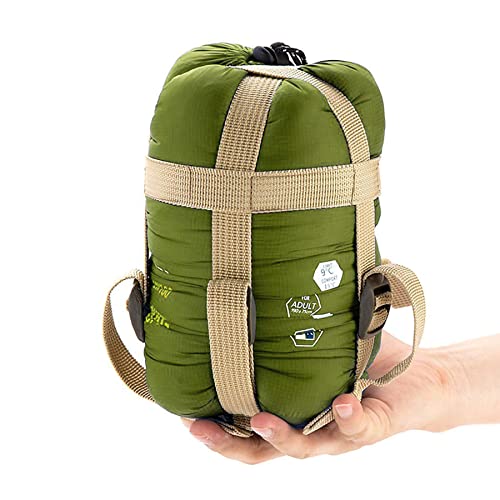
- ✓ Lightweight and compact
- ✓ Waterproof and durable
- ✓ Breathable lining
- ✕ Limited warmth range
- ✕ Not a heavy-duty bag
| Outer material | Nylon (Waterproof and Durable) |
| Lining material | 100% Polyester (Breathable and skin-friendly) |
| Temperature rating / Comfort range | Premium Polyester keeps the temperature from 55 to 60°F |
| Dimensions (L x W) | 83 inches long x 30 inches wide |
| Weight | 1.7 lbs |
| Packability / Packed size | Compresses to 11 inches in height |
The first night I used the ECOOPRO sleeping bag, a gentle rain drifted outside and I realized how much a simple, trustworthy shell matters. I tucked into the 83″ long envelope with a smooth zip that glides easily, and the cold edge of the night didn’t bite like I feared.
Pretty quickly, the Polyester lining breathed enough to keep me comfy without sweating.
What surprised me was the weight and packability. It rolls down to about 11″ high and fits into that compact sack without drama, even after I wrestled it a bit trying to squeeze out a bit more space.
At 1.7 pounds, it disappears into my pack, leaving room for the stove and snacks I actually reach for at camp.
The exterior nylon feels durable enough to brush against a few branches without worrying about snagging. It’s waterproof and weatherproof in a way that matters when you’re camping in mist or a damp dawn.
The warmth rating around 55–60℉ is enough for shoulder-season trips, and the lining’s breathability helps you avoid that clammy, overworked feel.
You’ll notice the versatility too. It works as a light sleeping bag, a cozy comforter, or even a simple, quick-sleep setup in a tent or car camp.
The design includes a roomy 30″ width that accommodates a natural sleeping position, and the zipper runs smooth enough that you don’t wake a sleeping partner in the middle of the night.
In real-world use, the tradeoffs are clear. It’s not a heavy-duty winter bag, but for warm-weather trips, ultralight backpacking, and rapid setups, it nails the basics.
If you’re chasing a budget, compact option that doesn’t pretend to be a down bag, this one earns its keep.
Pros – Lightweight and compact – Waterproof and durable – Breathable lining
Cons – Limited warmth range – Not a heavy-duty bag
What Features Should You Consider When Choosing a Lightweight Backpacking Sleeping Bag?
When choosing the best lightweight backpacking sleeping bag, several features are essential to ensure comfort and functionality.
- Weight: The overall weight of the sleeping bag is crucial, especially for backpackers who prioritize minimizing their load. Look for bags that weigh under 3 pounds, as this allows for easier carrying over long distances.
- Insulation Type: Sleeping bags typically come with either down or synthetic insulation. Down insulation is lighter and more compressible, providing excellent warmth-to-weight ratio, while synthetic insulation offers better performance in wet conditions and is usually more affordable.
- Temperature Rating: The temperature rating indicates the lowest temperature at which the bag will keep you warm. It’s important to choose a bag with a rating that suits the climates you will encounter, ensuring that you remain comfortable and warm during your trips.
- Packability: A sleeping bag should compress down to a small size for easy packing in a backpack. Look for models that include stuff sacks or that have a design that allows for efficient packing without taking up excessive space.
- Shape and Fit: Sleeping bags come in various shapes such as rectangular, mummy, and semi-rectangular. Mummy bags are more thermally efficient and better for backpacking due to their snug fit, while rectangular bags offer more room but may be heavier.
- Durability and Fabric Quality: The outer fabric should be durable enough to withstand wear and tear from outdoor conditions. Look for water-resistant and ripstop materials that provide protection against moisture and abrasions, ensuring longevity.
- Features and Accessories: Additional features such as draft collars, hoods, and pockets can enhance comfort and functionality. Consider bags with these features as they help retain heat and provide convenient storage for small items.
How Do Weight and Packability Influence Your Sleeping Bag Choice?
Packability is essential since a sleeping bag that takes up less space in your pack allows for more room for other equipment. A highly packable sleeping bag can be compressed into a small stuff sack, making it convenient to store and transport.
Insulation type is a significant consideration, as down insulation tends to offer better warmth-to-weight ratios and compressibility compared to synthetic materials, though it can be more expensive. Conversely, synthetic insulation provides excellent moisture resistance and is often more affordable, but it may be bulkier and heavier.
The temperature rating of a sleeping bag affects its design and materials, influencing its weight and packability. Lightweight sleeping bags designed for warmer conditions may use less insulation and thus be lighter and more compact, while those rated for colder temperatures may require additional material that can add weight.
The shape and design of the sleeping bag, such as mummy versus rectangular, can also influence weight and packability. Mummy bags tend to be more streamlined and efficient, resulting in less weight and better thermal efficiency, whereas rectangular bags often provide more comfort and space but at the cost of additional weight and bulk.
Which Insulation Type Provides the Best Performance for Lightweight Sleeping Bags?
The main insulation types that provide the best performance for lightweight sleeping bags are:
- Down Insulation: Renowned for its exceptional warmth-to-weight ratio, down insulation is made from the soft undercoating of ducks or geese. It compresses well, making it easy to pack and carry, and provides outstanding insulation even in cold conditions; however, it can lose its insulating properties when wet unless treated with a water-resistant coating.
- Synthetic Insulation: Synthetic insulation, such as polyester fibers, is designed to mimic the insulating properties of down while maintaining performance when wet. It is generally more affordable and easier to care for than down, making it a practical choice for those who may encounter damp conditions; however, it tends to be bulkier and heavier than down insulation at similar warmth levels.
- Hybrid Insulation: Hybrid insulation combines both down and synthetic materials to capitalize on the strengths of each type. This approach allows for excellent warmth retention and moisture resistance, making it versatile for various weather conditions; however, the complexity of its construction may lead to a higher price point compared to standard down or synthetic options.
- Primaloft: Primaloft is a specific brand of synthetic insulation known for its high performance, even in wet conditions. It offers a soft, down-like feel and is highly compressible, making it suitable for lightweight sleeping bags; while it performs well, it can sometimes be more expensive than traditional synthetic options.
How Important Are Temperature Ratings for Your Backpacking Conditions?
Temperature ratings are crucial when selecting a lightweight backpacking sleeping bag, as they directly influence comfort and safety during outdoor excursions.
- Comfort Rating: This rating indicates the lowest temperature at which a sleeper can expect to feel comfortable and warm. It is essential to choose a sleeping bag with a comfort rating that aligns with the expected temperatures of your backpacking trip to ensure a restful night’s sleep.
- Lower Limit Rating: This rating defines the minimum temperature at which an average sleeper can survive, though not necessarily comfortably. If you plan on camping in colder conditions, a sleeping bag with a lower limit rating is critical to avoid exposure to hypothermia.
- Extreme Rating: This rating indicates the lowest temperature at which a sleeping bag is tested to keep a user alive for a limited time. While not ideal for regular use, it serves as a safety benchmark for those who may encounter unexpected cold weather during their trips.
- Seasonal Ratings: Sleeping bags are often categorized by season ratings, such as summer, three-season, or winter. Understanding these classifications helps in selecting a bag that is suitable for the specific season and conditions you will face, ensuring optimal performance.
- Insulation Type: The insulation can significantly affect the temperature rating, with down insulation typically offering better warmth-to-weight ratios than synthetic options. Knowing the type of insulation helps in comparing different bags and understanding their performance in varying conditions.
What Design Features Enhance Comfort and Usability in Lightweight Sleeping Bags?
Zipper Design: The zippers on a sleeping bag play an essential role in usability. A quality zipper with an anti-snag design allows for smooth operation, making it easy to get in and out of the bag, which is particularly beneficial during nighttime bathroom visits or when the weather changes.
Draft Collar and Draft Tube: These features are designed to block cold air from entering the sleeping bag, which is crucial for maintaining warmth. The draft collar wraps around the neck, while the draft tube runs along the zipper, both working to create a snug seal that minimizes heat loss.
Adjustable Features: Features such as cinch cords and adjustable hoods allow users to tailor the sleeping bag to their individual comfort needs. By tightening these areas, users can trap heat more effectively, which is especially useful in colder temperatures or windy conditions.
What Are the Top Lightest and Most Highly Rated Backpacking Sleeping Bags?
The best lightweight backpacking sleeping bags combine comfort, warmth, and packability, making them ideal for outdoor adventures.
- Sea to Summit Spark SP I: Weighing in at just 1 pound, this sleeping bag features a 850+ fill power down insulation that offers impressive warmth-to-weight ratio. Its tapered design minimizes bulk and its ultralight shell fabric is both water-resistant and breathable, making it perfect for three-season use.
- REI Co-op Magma 15: This bag is a favorite among backpackers due to its combination of lightweight construction and high-quality 650-fill down insulation. It has a temperature rating of 15°F, making it suitable for colder climates, and its draft collar and adjustable hood enhance warmth retention while still being compact for packing.
- Big Agnes Anvil Horn 30: Weighing around 2 pounds, it incorporates a combination of down and synthetic insulation to ensure warmth even in damp conditions. The bag also features a unique design that allows for more movement and comfort, along with integrated sleeping pad sleeves to keep you snug while you sleep.
- Therm-a-Rest Questar 20: This sleeping bag is known for its comfort and versatility, with a weight of about 1.5 pounds and 650-fill Nikwax Hydrophobic Down insulation that resists moisture. Its ergonomic design includes a draft collar and a unique foot box for added warmth, making it a great option for cool-weather trips.
- Montbell Spiral Down Hugger 800: With a weight of just over 1 pound, this sleeping bag utilizes high-quality 800-fill down for excellent warmth and compressibility. The unique spiral stretch system allows for greater movement and comfort, while its lightweight design makes it an ideal choice for minimalist backpackers.
How Do the Leading Lightweight Sleeping Bags Compare in Terms of Performance?
| Feature | Sleeping Bag A | Sleeping Bag B | Sleeping Bag C |
|---|---|---|---|
| Weight | 1.5 lbs – Lightweight and easy to carry | 2 lbs – Slightly heavier but offers extra insulation | 1.8 lbs – Balance between weight and warmth |
| Temperature Rating | 30°F – Suitable for spring and summer | 20°F – Best for colder conditions | 25°F – Versatile for three-season use |
| Packability | Compresses to a small size – Great for backpacking | Moderate pack size – May take up more space | Easily packs into a stuff sack – Convenient for travel |
| Material | Nylon shell with down insulation – Lightweight and warm | Polyester shell with synthetic fill – Durable and water-resistant | Ripstop nylon with down – Combines durability with insulation |
| Price | $200 – Affordable for high performance | $250 – Higher price for better insulation | $220 – Mid-range option with good features |
| Weight Capacity | Recommended for users up to 6’0″ | Recommended for users up to 6’2″ | Recommended for users up to 6’1″ |
| Durability/Warranty | Lifetime warranty – Long-lasting materials | 2-year warranty – Good for regular use | Lifetime warranty – Excellent durability |
| Additional Features | Water-resistant coating and adjustable hood | Temperature control system and draft collar | Water-resistant, compressible design |
What Are the Advantages of Using a Lightweight Backpacking Sleeping Bag?
The advantages of using a lightweight backpacking sleeping bag include portability, insulation efficiency, and comfort, making them ideal for outdoor enthusiasts.
- Portability: A lightweight backpacking sleeping bag is designed to be compact and easy to carry, allowing hikers to pack more efficiently. Its reduced weight means that it won’t add significant bulk to your backpack, making long treks less strenuous.
- Insulation Efficiency: Despite their light weight, these sleeping bags are engineered to provide excellent thermal insulation, keeping you warm during chilly nights. The materials used often include advanced synthetic or down insulation, which offer high warmth-to-weight ratios, ensuring you stay comfortable without unnecessary weight.
- Versatility: Lightweight sleeping bags often come in various temperature ratings and styles, catering to different climates and personal preferences. This versatility means that you can choose a bag that meets your specific needs, whether you’re backpacking in summer or winter conditions.
- Quick Drying: Many lightweight backpacking sleeping bags are made with water-resistant or quick-drying materials, which is essential for unpredictable weather on the trail. This feature ensures that if your bag gets damp, it will dry faster, maintaining its insulating properties and overall comfort.
- Packability: These sleeping bags typically come with compression sacks or are designed to be easily packed down into a small size, making them convenient for storage and transport. This feature allows you to maximize the space in your backpack for other essential gear while keeping your sleeping system optimal.
How Do Lightweight Sleeping Bags Affect Your Overall Backpacking Experience?
- Portability: A lightweight sleeping bag is designed to be compact and easy to carry, making it ideal for long hikes where every ounce matters.
- Insulation: These sleeping bags often utilize advanced materials that provide excellent warmth-to-weight ratios, ensuring you stay warm without the bulk.
- Breathability: Many lightweight options are made with breathable fabrics that help regulate temperature, preventing overheating during warmer nights.
- Durability: Despite their lightness, many of the best lightweight backpacking sleeping bags are made from durable materials that can withstand the rigors of outdoor use.
- Versatility: Lightweight sleeping bags can be used in various camping situations, from summer backpacking trips to cold-weather adventures, often featuring features like zippers and drawstrings for adaptability.
What Common Mistakes Should You Avoid When Selecting a Lightweight Sleeping Bag?
Not considering length and fit can lead to excessive heat loss, as a bag that is too large will allow cold air to enter, while one that is too small may restrict movement and warmth. Look for a sleeping bag that offers a good fit for your body size and sleeping position for the best thermal efficiency.
Finally, failing to test a sleeping bag before purchase can result in discomfort; trying out a bag allows you to assess its fit and warmth. If possible, lay in the bag in a store or rent one for a trial run before committing to a purchase, ensuring it meets your comfort needs on the trail.
How Can You Ensure You Make an Informed Purchase Decision for Your Sleeping Bag?
To ensure an informed purchase decision for the best lightweight backpacking sleeping bag, consider the following factors:
- Temperature Rating: This indicates the lowest temperature at which the sleeping bag will keep you warm. When choosing a bag, assess the climate conditions you expect to encounter during your trips, as a bag with a lower temperature rating will provide better insulation for colder nights.
- Weight and Packability: For backpacking, the weight of the sleeping bag is crucial, as it contributes to the overall load you carry. Look for bags that offer a good balance between insulation and weight, and prioritize those that pack down small for easy transport in your backpack.
- Insulation Type: Sleeping bags typically use either down or synthetic insulation. Down insulation is lighter and more compressible but can be less effective when wet, while synthetic insulation performs better in damp conditions and dries faster, making it a good choice if you expect moisture on your adventures.
- Shape and Fit: Sleeping bags come in different shapes, such as mummy, rectangular, or semi-rectangular, which affect warmth and comfort. Mummy bags are designed to hug the body for better heat retention, while rectangular bags offer more space but can be less efficient in retaining warmth.
- Features and Design: Consider additional features like draft collars, hoods, zippers, and pockets, which can enhance comfort and usability. Some bags also include water-resistant shells or liners that provide extra protection against moisture, which can be beneficial in unpredictable weather.
- Price and Brand Reputation: While budget is an important factor, investing in a reputable brand that specializes in outdoor gear often yields better quality and durability. Research customer reviews and expert recommendations to find a bag that meets your needs and offers good value for money.
How Should You Care for and Maintain Your Lightweight Backpacking Sleeping Bag?
To ensure your lightweight backpacking sleeping bag remains in optimal condition, consider the following care and maintenance practices:
- Regular Cleaning: It’s crucial to clean your sleeping bag periodically, especially after extensive use. Use a gentle detergent and follow the manufacturer’s instructions for washing, typically in a front-loading machine or by hand, to avoid damaging the fabric and insulation.
- Proper Drying: After washing, drying your sleeping bag correctly is essential to maintaining its loft and insulation properties. Use a large front-loading dryer on a low heat setting, adding dryer balls or clean tennis balls to help fluff the bag as it dries.
- Storage Techniques: Store your sleeping bag in a loose cotton or mesh storage sack rather than a stuff sack. This prevents compression of the insulation fibers, allowing them to maintain their shape and effectiveness over time.
- Avoiding Moisture: Keep your sleeping bag dry during use and storage, as moisture can lead to mold and mildew. Use a moisture-wicking stuff sack during hikes, and ensure your sleeping bag is completely dry before putting it away.
- Insulation Care: For down sleeping bags, consider using a down-specific cleaner and avoid washing too frequently to preserve the natural oils in the down feathers. Synthetic bags can generally withstand more frequent washing but still benefit from gentle handling.
What Are the Best Practices for Cleaning and Storing Your Sleeping Bag?
To ensure the longevity and performance of your lightweight backpacking sleeping bag, follow these best practices for cleaning and storing it:
- Regular Cleaning: It’s important to clean your sleeping bag regularly, especially after extended use. Use a gentle detergent specifically designed for down or synthetic materials, and follow the manufacturer’s instructions regarding washing temperature and methods to avoid damage.
- Drying Properly: After washing, drying your sleeping bag correctly is crucial to maintain its loft and insulation properties. Use a low heat setting in a dryer and include some clean tennis balls or dryer balls to help fluff the bag as it dries, ensuring that it doesn’t clump together.
- Storage Practices: Avoid storing your sleeping bag compressed in its stuff sack for long periods, as this can damage the insulation. Instead, use a larger storage sack or hang it in a cool, dry place to allow it to retain its shape and loft.
- Avoiding Moisture: Always ensure your sleeping bag is completely dry before storing it to prevent mold and mildew growth. Additionally, store it in a breathable environment where it can avoid excess humidity, which can lead to deterioration of the materials over time.
- Periodic Inspection: Regularly check your sleeping bag for any signs of wear and tear, such as holes or broken zippers. Addressing these issues promptly can prevent further damage and extend the life of your bag, ensuring it remains a reliable gear for your backpacking trips.