
Unlike other models that struggle with quick adjustments, this one excites me with a truly flat-folding design you can swap between tall hikes and quick city strolls. After hands-on trials, I noticed the Osprey Poco SLT’s frame folds snugly for travel and its six-inch torso adjusters lock in comfortably for different wearers, which means fewer readjustments on the trail. The airflow through the ventilated backpanel kept my back cooler during sunny climbs, and the removable sunshade option saved me on bright days.
Between the roomy pockets and the light, responsive feel, it handled longer sessions without nagging fatigue. If you want a carrier that travels well, fits varied body types, and still carries kids securely, this is the one I’d pick for most families.
Top Recommendation: Osprey Poco SLT Lightweight Child Carrier Backpack (Green)
Why We Recommend It: The Poco SLT stands out for its minimal weight (4.72 lb) and folding frame, which makes it easier to transport and store. It offers six inches of torso adjustment for multiple wearers, a ventilated AirScape backpanel for breathable comfort, and optional UPF 50 sunshade, addressing both daily use and sunny hikes. Compared with the ClevrPlus, Poco SLT provides better adjustability and ventilation, reducing fatigue on longer trips while maintaining strong safety and storage capabilities.
Best hiking backpack carrier: Our Top 2 Picks
- ClevrPlus Cross Country Baby Carrier: Grey Backpack – Best Value for Budget-Friendly Hiking with Baby
- Osprey Poco SLT Lightweight Child Carrier Backpack (Green) – Best Premium Hiking Child Carrier Backpack
ClevrPlus Cross Country Baby Carrier: Grey Backpack
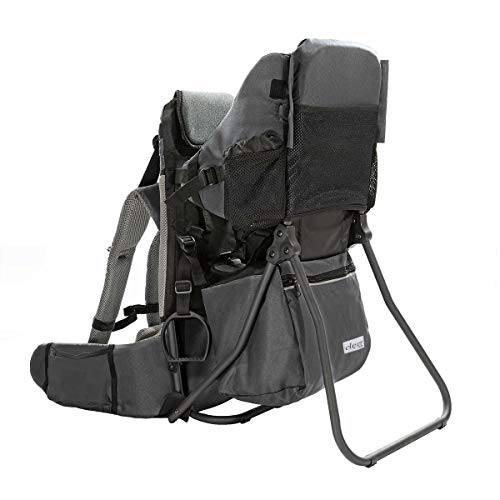
- ✓ Light and sturdy
- ✓ Easy one-piece frame
- ✓ Ample storage
- ✕ Sun canopy a bit small
- ✕ Heavier for ultra-long days
| Weight (Carrier) | 5.5 pounds |
| Weight Capacity | Up to 33 pounds (child 9-48 months) |
| Seat Adjustability | Adjustable seat to accommodate growing child |
| Safety Features | 5-point seat belts with foot stirrups and secure harness |
| Storage Capacity | Spacious compartments including baby changing pad, bottles, diapers, sweaters, phone, and keys |
| Weather Protection | Sun canopy and rain cover |
You’ve probably seen this one on every “great for on-the-trail parenting” list, but the moment I picked up the ClevrPlus Cross Country Baby Carrier in Grey, I felt the anticipation buzz. The one-piece frame design immediately stands out—no fiddling with tricky joints, just a solid structure you can trust.
I tucked a light jacket and the changing pad into the roomy pockets and was honestly surprised by how compact it feels on your back.
Slung over my shoulders, the padded straps and lumbar support reminded me why comfort matters on long hikes. The 5.5-pound frame is light enough to forget while you’re trekking, yet sturdy enough that you don’t worry about wobble when the trail drops a grade.
The sun canopy slips on easily, and the rain cover stows away neatly for sudden weather shifts.
The kiddo sits up high, with the 5-point harness keeping everything snug without pinching. I folded the stirrups after a quick test and noticed how they keep little feet from sliding.
The seat adjusts to different heights, which is handy as your kid grows from 9 to 48 months. I appreciated the washable drool pad—simple to wipe down after smoothies and snacks.
Storage is genuinely useful: bottles, phone, keys, and a spare sweater all find homes without turning the carrier into a messy tote. The back airflow felt decent on a warm afternoon, and the canopy gave just enough shade for a relaxed nap.
In real-world use, this carrier shines on moderate hikes with side trails and quick rests. It’s a practical, adaptable choice for families who want to move fast without sacrificing safety or comfort.
Osprey Poco SLT Lightweight Child Carrier Backpack (Green)

- ✓ Lightweight and minimal
- ✓ Great torso adjustability
- ✓ Breathable backpanel
- ✕ Higher price
- ✕ Sunshade sold separately
| Frame | Foldable lightweight stainless steel frame |
| Weight | 4.72 lb (2.14 kg) |
| Torso Adjustment Range | 6 inches (15 cm) of torso adjustment |
| Backpanel/Carrier Comfort | Ventilated AirScape backpanel with deep-ridged foam and mesh |
| Storage/Travel Feature | Folds flat for compact transport and storage; freestanding support when set down |
| Sunshade Compatibility | Optional UPF 50 sunshade stored in built-in zippered compartment (sunshade sold separately) |
You might think a _lightweight_ carrier means you’re sacrificing support. Spoiler: the Poco SLT proves that wrong, right from the first fold.
I set it up on a windy trail and noticed the frame snaps neatly into place, locking with a reassuring click.
The greens and zippers feel sturdy in hand, and the fabric breathes well enough to prevent that swampy back feel after a gentle climb. I appreciated the six inches of torso adjustment; it’s easy to dial in for different wearers without fiddling with straps every five minutes.
On the trail, the AirScape backpanel delivers a noticeable breeze, which matters when you’re carrying an active toddler. The backpanel design keeps air flowing between your shoulders and the child, so you don’t feel like you’ve crawled out of a sauna.
The seat and leg openings are comfortable enough for a few miles, even with a curious little one wiggling for snacks.
Storage is thoughtful without turning the carrier into a chunky unit. It folds flat for travel, then pops back into a freestanding pose when you need a moment of parking on a rocky overlook.
The sunshade is a neat afterthought; it tucks away in a dedicated zippered pocket and slides out when the sun hits just right.
If you’re balancing care duties with travel, the Poco SLT feels like a trustworthy companion. It’s not a bulky beast; it’s a streamlined option that still carries confidently through mixed terrain and city streets alike.
You’ll probably reach for it when you need a reliable, easy-to-use carrier that doesn’t shout for attention—just works.
What Are the Essential Features of the Best Hiking Backpack Carrier?
The essential features of the best hiking backpack carrier include:
- Comfortable Suspension System: A well-designed suspension system helps distribute weight evenly across your shoulders and hips, which is crucial for long hikes. Look for adjustable straps and a padded hip belt to ensure a snug fit that reduces fatigue.
- Durability and Material Quality: The best hiking backpack carriers are made from high-quality, weather-resistant materials that can withstand rugged terrains and varying weather conditions. Nylon and polyester are popular choices due to their strength and lightweight properties.
- Storage Capacity and Organization: A good hiking backpack should have ample space and compartments to organize gear efficiently. Features like multiple pockets, hydration reservoir sleeves, and external attachment points for trekking poles or sleeping bags enhance usability.
- Weight: The overall weight of the backpack is a critical aspect, especially for long hikes. A lightweight design can significantly enhance comfort and reduce strain, allowing you to carry necessary items without feeling burdened.
- Ventilation: Breathable materials and mesh back panels help improve airflow, keeping your back cool and dry during strenuous activities. Proper ventilation is essential to prevent overheating and discomfort on warm days.
- Load Lifters and Compression Straps: Load lifters help stabilize the weight of the pack, while compression straps allow you to adjust the pack’s size to fit the load securely. These features improve balance and make it easier to carry heavier loads over long distances.
- Hydration Compatibility: Many of the best hiking backpack carriers come with specific compartments for hydration reservoirs or water bottles. This feature ensures that you stay hydrated without needing to stop frequently to access your water supply.
- Accessibility: Easy access to your gear is essential during hikes. Look for backpacks that offer top-loading and side-loading options, as well as front pockets, to quickly reach items you may need on the go.
How Do Size and Capacity Affect Choosing a Hiking Backpack Carrier?
Capacity: The capacity of a backpack is typically measured in liters; a larger capacity allows for more gear, while a smaller one is suitable for minimalists or short hikes. Choosing the right capacity is essential to ensure you have adequate space for essentials like food, water, and clothing without overloading the pack.
Weight Distribution: A well-designed backpack carrier distributes weight evenly across your hips and shoulders, which can significantly reduce fatigue and enhance stability. Proper weight distribution is key to maintaining balance, especially on uneven terrain.
Adjustability: Features such as adjustable straps, hip belts, and load lifters enable a more customized fit, accommodating various body types and enhancing comfort. This adjustability can also help you achieve optimal weight distribution, further improving your hiking experience.
Purpose-Specific Designs: Certain backpacks are designed for specific activities like day hikes, multi-day treks, or climbing, which influences their size and capacity. Understanding your hiking needs will help you select a backpack that has the right features and dimensions for your adventures.
What Comfort Features Should You Look for in a Hiking Backpack Carrier?
When searching for the best hiking backpack carrier, comfort features play a crucial role in ensuring an enjoyable outdoor experience.
- Padded Shoulder Straps: Look for backpacks equipped with wide, padded shoulder straps that distribute weight evenly across your shoulders. This feature helps prevent discomfort during long hikes by reducing pressure points.
- Adjustable Suspension System: A good suspension system allows you to customize the fit of the backpack to your body. This adjustability is essential for maintaining stability and balance, especially on uneven terrains.
- Hip Belt: A padded hip belt transfers the weight of the pack to your hips, relieving stress on your shoulders. This is particularly useful for carrying heavier loads, as it allows for better weight distribution and increased comfort.
- Ventilated Back Panel: A ventilated back panel promotes airflow between your back and the backpack, reducing sweat accumulation. This feature is especially beneficial in warm weather, as it enhances comfort during extended hikes.
- Chest Strap: A chest strap helps to stabilize the backpack and keep it secure on your back. This is important for maintaining balance and reducing movement while walking, which can prevent fatigue and discomfort.
- Load Lifters: Load lifters are straps located above the shoulder straps that help to pull the load closer to your body. This feature aids in adjusting the center of gravity, improving comfort and stability, especially on steep ascents.
- Compression Straps: Compression straps help to stabilize the load within the backpack, minimizing shifting during movement. This not only enhances comfort but also helps maintain an organized packing system.
- Detachable Daypack: Some hiking backpacks come with a detachable daypack for shorter excursions. This feature adds versatility and allows you to lighten your load when necessary, keeping you comfortable on varied hikes.
Which Materials Ensure Durability in a Hiking Backpack Carrier?
When selecting a hiking backpack carrier, certain materials are known to enhance durability and performance.
- Ripstop Nylon: This lightweight fabric is woven with a special reinforcing technique that makes it resistant to tearing and ripping. Its durability ensures that the backpack can withstand rough terrains and heavy loads without succumbing to wear and tear.
- Ballistic Nylon: Often used in military-grade gear, ballistic nylon is thicker and more durable than standard nylon fabrics. It offers excellent resistance to abrasion and punctures, making it ideal for rugged outdoor conditions where a backpack might encounter sharp objects.
- Polyester: While typically lighter than nylon, high-denier polyester offers good strength and resistance to fading from UV exposure. It is often treated with a waterproof coating, providing added protection against the elements, which is critical for maintaining the integrity of the pack.
- Leather Reinforcements: Some hiking backpacks incorporate leather in high-stress areas, such as the bottom or straps. Leather provides a classic aesthetic while also enhancing durability, as it can withstand heavy use and is resistant to various environmental factors.
- TPU (Thermoplastic Polyurethane): This material is often used for waterproofing and is known for its excellent abrasion resistance. TPU coatings or laminates on fabric can make a backpack both durable and water-resistant, ensuring that your gear stays dry even in wet conditions.
- Cordura Fabric: Known for its strength and durability, Cordura is a brand of fabric that is resistant to tears, scuffs, and abrasions. It is often used in high-performance backpacks designed for extended outdoor use, ensuring longevity and reliability under strenuous conditions.
Who Are the Leading Brands of Hiking Backpack Carriers?
The leading brands of hiking backpack carriers are well-known for their durability, comfort, and functionality.
- Osprey: Osprey is renowned for its high-quality backpacks that prioritize comfort and fit. Their designs often include features such as adjustable harnesses, ample storage options, and hydration compatibility, making them ideal for long hikes.
- Deuter: Deuter has a long history in the backpack industry and is celebrated for its ergonomic designs that cater to both casual hikers and serious trekkers. Many of their packs come with innovative ventilation systems and are made from durable materials, ensuring a comfortable experience on the trail.
- Gregory: Gregory backpacks are designed with a focus on user comfort, featuring well-padded shoulder straps and hip belts. They also offer a variety of sizes and styles to accommodate different needs, ensuring you can find the perfect fit for your hiking adventures.
- The North Face: The North Face is a popular brand that combines style with functionality in its hiking backpacks. Their packs are often equipped with multiple compartments and weather-resistant materials, making them suitable for various environments.
- REI Co-op: REI Co-op provides a range of hiking backpack carriers that balance performance with affordability. Their products are designed for outdoor enthusiasts and often incorporate sustainable materials, reflecting their commitment to environmental responsibility.
What Unique Features Do Each of These Brands Offer?
The best hiking backpack carriers each offer unique features tailored to different needs and preferences.
- Deuter Kid Comfort Pro: This carrier is known for its ergonomic design, featuring an adjustable back system that ensures comfort for both the child and the parent.
- Osprey Poco AG: With its Anti-Gravity suspension system, this carrier provides excellent ventilation and support, making it ideal for long hikes.
- Thule Sapling Elite: This model boasts a removable backpack, allowing for easy storage and transport of essentials, making it versatile for various outings.
- Kelty Journey PerfectFIT: The PerfectFIT adjustment system ensures a customized fit for the wearer, enhancing comfort during extended use.
- BabyBjörn One Outdoors: This carrier is designed for outdoor activities, featuring water-resistant fabric and a lightweight structure for easy maneuverability.
The Deuter Kid Comfort Pro is particularly appreciated for its comfort and safety features, including a padded headrest and sunshade, making it an excellent choice for adventurous families. Its adjustable back system allows it to adapt as the child grows, ensuring longevity and usability over time.
The Osprey Poco AG stands out for its innovative Anti-Gravity suspension, which distributes weight evenly across the back, reducing fatigue during longer hikes. It also includes a large storage compartment and a sunshade, providing practicality and comfort for both parent and child.
The Thule Sapling Elite features a unique removable backpack that can be used independently when the carrier is not in use, adding to its versatility. Additionally, its adjustable child seat and harness system ensure safety and comfort for the child, making it ideal for families on the go.
Kelty Journey PerfectFIT is designed for maximum comfort with its adjustable torso length, allowing different users to wear it without compromising on fit. The carrier also includes ample storage pockets for essentials, making it functional for day hikes or longer adventures.
BabyBjörn One Outdoors is crafted from durable, water-resistant materials, making it suitable for various weather conditions. Its lightweight design ensures ease of use and portability, which is perfect for parents who enjoy spontaneous outings and need a reliable carrier on the go.
How Do Prices Vary for Quality Hiking Backpack Carriers?
Prices for quality hiking backpack carriers can vary widely based on several factors including brand, materials, features, and intended use.
- Entry-Level Carriers: These typically range from $50 to $150 and are designed for casual hikers or those new to hiking.
- Mid-Range Carriers: Priced between $150 and $300, these backpacks offer better materials, more features, and improved comfort for regular hikers.
- High-End Carriers: These premium options can cost $300 and up, featuring advanced materials, ergonomic designs, and specialized uses for serious outdoor enthusiasts.
- Specialty Carriers: Prices for these can vary significantly, often starting at $200 and going well above $500, catering to specific activities like mountaineering or multi-day backpacking.
Entry-level carriers are often made from basic materials and may lack advanced features, making them suitable for short hikes or occasional use. They typically have simpler designs and fewer compartments, appealing to those looking for a budget-friendly option.
Mid-range carriers usually incorporate more durable materials and offer additional comfort features like padded straps and adjustable frames. These are ideal for hikers who embark on longer trails more frequently and require a balance of quality and affordability.
High-end carriers provide the best materials and ergonomic designs, catering to experienced hikers and backpackers. They often include features such as hydration reservoirs, multiple access points, and enhanced weight distribution systems, making them suitable for demanding treks.
Specialty carriers are tailored for specific activities and may include features like reinforced areas for climbing gear or additional storage for longer trips. Their prices reflect the specialized design and materials used, ensuring they meet the rigorous demands of serious outdoor sports.
What Should You Consider to Get the Best Value for Your Budget?
When looking for the best value in a hiking backpack carrier, consider the following factors:
- Weight: The overall weight of the carrier can significantly affect your comfort during hikes. A lightweight design helps ease the burden on your back, making it easier to carry for extended periods.
- Comfort and Fit: Proper padding and adjustable straps are essential for ensuring the carrier fits your body well. Look for features such as a padded hip belt and adjustable harness to provide support and distribute weight evenly.
- Storage Capacity: Assess how much gear you typically carry on hikes to determine the right storage capacity for your needs. A carrier with multiple compartments and pockets will help keep your items organized and easily accessible.
- Durability: The materials used in the construction of the backpack should withstand rugged outdoor conditions. Look for high-quality fabrics and reinforced stitching that can handle the wear and tear of hiking trips.
- Weather Resistance: A carrier with water-resistant features is important for protecting your gear from rain or splashes. Some backpacks come with built-in rain covers, which can be a valuable addition for unpredictable weather.
- Safety Features: Consider carriers that include safety features such as reflective materials for visibility in low-light conditions. Additionally, look for secure harness systems that keep your child safe while in the carrier.
- Price vs. Features: Balance your budget with the features offered by different backpack carriers. Sometimes spending a little more can provide you with a significantly better product, while budget options may lack essential qualities.
- Brand Reputation: Research brands known for quality hiking gear and read reviews from other users. A reliable brand often ensures better customer service and product support should you face any issues.
What Common Issues Arise When Using Hiking Backpack Carriers?
Common issues that arise when using hiking backpack carriers include:
- Weight Distribution: Improper weight distribution can lead to discomfort and fatigue during hikes.
- Size and Fit: A carrier that doesn’t fit well can cause instability and create pressure points on the hiker’s body.
- Ventilation: Poor ventilation can lead to excessive sweating and discomfort, especially on long hikes.
- Storage Capacity: Insufficient storage can limit the amount of gear and supplies you can carry, affecting your hiking experience.
- Durability: Low-quality materials may lead to wear and tear, compromising the carrier’s functionality and safety.
Improper weight distribution can be problematic as it often leads to uneven pressure on the shoulders and back, making it difficult to maintain balance and increasing the risk of injury. It’s crucial to ensure that the load is evenly distributed to enhance comfort and stability.
A carrier that doesn’t fit well can create pressure points, which may result in pain and fatigue during hikes. It’s important to choose a carrier that is adjustable and fits the body properly to avoid these issues.
Poor ventilation is a significant concern as it can cause excessive sweating, leading to discomfort and potential skin issues. A well-ventilated carrier helps to regulate temperature and keeps the hiker comfortable throughout the journey.
Insufficient storage can be a major drawback, as it restricts the amount of essential gear and supplies you can bring along. A good hiking backpack carrier should have adequate compartments and pockets to organize and secure all necessary items for a successful hike.
Low-quality materials can compromise the durability of a backpack carrier, leading to premature wear and failure of the carrier. Investing in a high-quality carrier made from robust materials ensures that it can withstand the rigors of hiking and provide safety and support when needed.
How Can You Avoid These Common Problems?
To avoid common problems when choosing the best hiking backpack carrier, consider the following tips:
- Proper Fit: Ensure the backpack fits your body size and shape correctly to prevent discomfort and injury.
- Weight Distribution: Select a carrier that allows for even weight distribution to reduce strain on your back and shoulders.
- Storage Space: Look for adequate storage options to organize your gear effectively and avoid overpacking.
- Ventilation: Choose a carrier with good ventilation features to keep you cool and dry during hikes.
- Durability: Invest in a high-quality, durable material that can withstand rough terrain and weather conditions.
Proper fit is crucial because a backpack that is too large or too small can lead to discomfort and chafing. It’s important to adjust the straps and load lifters to align the pack with your center of gravity.
Weight distribution is vital for maintaining balance and minimizing fatigue. A well-designed carrier should have a frame or support system that helps to spread the load across your back and hips.
Storage space is essential to keep your gear organized and accessible. Look for compartments, pockets, and attachment points that allow you to pack efficiently without straining to retrieve items.
Ventilation features, such as mesh back panels, can significantly enhance comfort by promoting airflow and reducing sweating. This is particularly important during long hikes in warm weather.
Durability is critical because hiking backpacks are exposed to various elements like rain, mud, and rough terrain. A carrier made from high-quality, water-resistant materials will last longer and perform better in challenging conditions.
What Benefits Can You Expect from Using a Hiking Backpack Carrier?
Versatility is another key benefit, as these carriers can be used for hiking, camping, or everyday activities, making them a practical investment for outdoor enthusiasts.
For families, child-friendly options are especially appealing, as they provide a secure, comfortable way to take little ones along for the adventure without compromising safety or convenience.
Finally, accessibility is a significant advantage, with many carriers designed to allow quick access to snacks, water bottles, or other essentials, making it easier to stay energized and hydrated on the go.
How Do Hiking Backpack Carriers Enhance Your Outdoor Experience?
The best hiking backpack carriers significantly enhance your outdoor experience by providing comfort, convenience, and functionality while exploring nature.
- Comfort: A well-designed hiking backpack carrier distributes weight evenly across your body, reducing strain on your back and shoulders. This ergonomic design allows for extended periods of wear without discomfort, making hiking more enjoyable and accessible for all skill levels.
- Storage Capacity: These carriers come with ample storage space for all your essential gear, including food, water, first aid kits, and extra clothing. Many models feature multiple compartments and pockets, allowing for easy organization and quick access to items on the trail.
- Safety Features: Many top-rated hiking backpack carriers incorporate safety features such as reflective materials, emergency whistles, and hydration reservoirs. These enhancements ensure that you’re prepared for any situation, increasing your confidence while navigating through the wilderness.
- Versatility: The best hiking backpack carriers are designed for various outdoor activities, not just hiking. They can be used for camping, biking, and even everyday travel, making them a versatile investment for outdoor enthusiasts. Some models also adapt to carry children, pets, or gear, catering to a broader range of adventures.
- Durability: High-quality materials and construction methods used in the best hiking backpack carriers ensure they withstand the rigors of outdoor environments. Waterproof fabrics, reinforced seams, and sturdy zippers contribute to a longer lifespan, giving you peace of mind while trekking in challenging conditions.