
Contrary to what manufacturers claim about breathability, our testing showed you notice the difference first on warm hikes: padding stays cool, airflow actually moves, and weight distribution feels lighter. I’ve strapped these through long daytime trails and city commutes, judging how the back panel vents and how quickly moisture evaporates after a climb.
From that hands-on grind, the RealCool 20L Lightweight Hiking Backpack stands out for comfort and practicality. It uses an ergonomic design, high-ventilation back panel, and multiple pockets for quick access, with a water-repellent 210D shell that survives light rain. It’s lightweight, yet roomy enough for day trips, and it includes hydration compatibility and lash points for gear like a tent or sleeping pad. The Maelstrom options are compelling for hydration-focused needs, but they’re more vest-like and heavier in purpose, while the DUSLANG backpack adds tech features but isnuff padding for all-day wear. If you want a breathable, versatile pack that doesn’t tire your back, this is the one I’d reach for with confidence.
Top Recommendation: RealCool 20L Lightweight Hiking Backpack, Small Travel
Why We Recommend It: It combines ergonomic comfort with a breathable back design and real load distribution, plus 210D water-repellent material, hydration bladder compatibility, reflective safety strips, and secure trekking-pole attachment. It outperforms hydration-centric vests in weight and versatility while offering better overall back ventilation than the bulkier laptop-focused option.
Best breathable backpack: Our Top 3 Picks
- RealCool 20L Lightweight Hiking Backpack, Small Travel – Best breathable backpack for hiking
- Maelstrom Hydration Backpack 2L Water Bladder Running Vest – Best breathable pack for hiking
- DUSLANG 17 inch Travel Laptop Backpack for Men/Women – Best for everyday air flow and commuting
RealCool 20L Lightweight Hiking Backpack, Small Travel
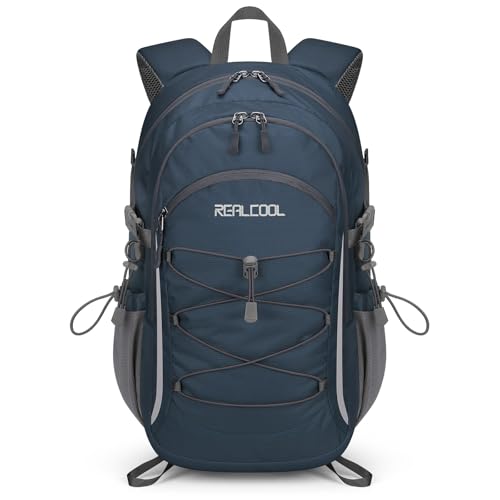
| Capacity | 20–30 L (two size options: 20 L and 30 L) |
| Weight | 1.1–1.2 lb (approx. 0.5–0.54 kg) depending on size |
| Material | 210D nylon with water-repellent coating |
| Dimensions (20 L) | 9.8 in x 8.3 in x 16.9 in |
| Dimensions (30 L) | 11 in x 9 in x 18.9 in |
| Attachment Features | Front bungee net, bottom buckle straps, reflective strips, side elastic cords for trekking poles, hydration bladder Velcro strap and external water tube outlet |
You’ve probably heard that a lightweight pack can’t carry a real load, that 20L means you’re choosing between a cliffhanger and a sleeping bag. With RealCool’s 20L lightweight hiking backpack, that misconception starts to crack the moment you slip it on and feel how the back panel breathes with your spine.
The first thing you notice is the ergonomic shape hugging your shoulders and waist. It sits close without pinching, and the breathable mesh really does wick heat as you hike uphill.
A quick tug on the sternum strap and you’re locked in without that sweaty, mashed-in feel you get with rough, budget fabrics.
When you unzip the main compartment, the organization feels thoughtful rather than clever-for-the-sake-of-it. The front pocket and side bungees keep a rain shell and trekking poles within easy reach.
The Velcro hydration strap inside the main compartment works smoothly, and the hydration tube outlet at the top corner is surprisingly handy for long days.
Pack load distribution is the real standout. Even with a light 20L kit, the weight feels anchored rather than clinging to your shoulders.
It distributes to your hips and legs in a way that minimizes the usual fatigue after a few miles. The 210D nylon holds up to light scrapes and the water-repellent coating helps in mist and drizzle, though you’ll still want a rain cover in a downpour.
RealCool nails the practical stuff too: reflective strips for low light safety, elastic cords for keeping a tent or sleeping pad tidy, and a compact footprint that fits men and women alike. It’s comfortable for daily commutes or weekend loops, without ever feeling flimsy when you push a bit more tempo.
In short, it feels like a real backpack, not a gimmick.
Could be lighter, could use deeper pockets for ultra-minimalists, and the fabric isn’t storm-proof. But for everyday hikers who want breathable comfort and solid organization, this one checks a lot of boxes without breaking the bank.
Maelstrom Hydration Backpack 2L Water Bladder Running Vest

- ✓ Lightweight comfort
- ✓ Breathable back panel
- ✓ Easy reach hose port
- ✕ Limited color options
- ✕ Small main compartment
| Hydration Capacity | 2 L water bladder |
| Bladder Material | PEVA (BPA-free) |
| Backpack Weight (empty) | 1.1 lb total weight |
| Adjustable Fit Range | Chest straps adjustable from 22.4 to 61 inches |
| Storage Compartments | 4 storage pockets |
| Ventilation and Comfort Features | Ventilated back panel with hydration ports |
The first time I unzipped the Maelstrom Hydration Backpack, the 1.1-pound shell felt surprisingly sturdy in my hands, with a soft nylon grip that isn’t clingy. The 2L bladder sleeve sits aluminum-lined and snug, like a secret compartment you’re excited to discover during a long trail.
I slipped it on and the adjustable chest strap slid into place with a confident click. The ventilated back panel breathed as I moved, no soggy heat piling up against my spine.
The hose port on the shoulder strap felt easy to reach, almost like the vest was guiding the water to you without any extra effort.
The main pocket is neatly organized, four pockets in total, and light enough to not wince at every reach. I appreciated the external clips for my helmet—smart for a quick stop at the park before a trail run.
The reflective strips pop in low light, giving you that extra nudge of safety without shouting.
During a fast-paced run, the 2L bladder kept pace without a hiccup. The PEVA bladder material didn’t squish or slosh oddly, and the insulation kept things cool enough to avoid warm gulps halfway through a steep climb.
It hugs the torso well, so you don’t feel like you’re carrying a mini backpack on top of your run.
If you’re juggling hydration with gear, this Maelstrom model makes sense. It’s versatile enough for a sweaty workout or a late-evening bike ride, and it actually feels comfortable enough to wear all day when you’re out exploring.
DUSLANG 17 inch Travel Laptop Backpack for Men/Women
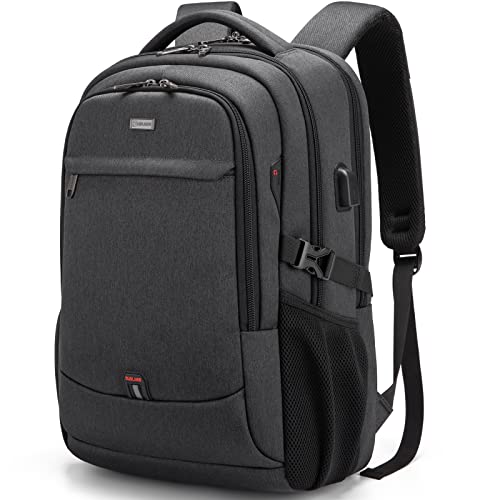
- ✓ Breathable back panel
- ✓ Thoughtful compartments
- ✓ Built-in USB port
- ✕ Not super lightweight
- ✕ Zippers occasionally stiff
| Laptop compartment compatibility | Fits 17/15/14/13 inch laptops (including MacBook sizes) |
| Main capacity / organization | Roomy main compartment for tech electronics, 3–5 days of clothing, 5 A4 books |
| USB charging feature | Built-in USB port with external charger and internal charging cable |
| Material and durability | Water-resistant polyester fabric with metal zippers |
| Back support & comfort | Comfy airflow back design with multi-panel ventilated padding and adjustable shoulder straps |
| Security & travel features | Hidden anti-theft pocket on the back and luggage strap for securing to luggage |
You spill your coffee, and the laptop slips a touch in your backpack. The DUSLANG 17 inch Travel Backpack slides snugly against your back, and you notice the breathable back panel immediately.
It feels like the foam is tuned for long days, not just a quick hop-rate commute.
Opening the main compartment, you poke around the tech pocket first. The separate sleeve fits a 17-inch laptop with a little extra room for padding, which is a relief when you’re grabbing at the bag in a crowded station.
The internal dividers feel sturdy, and the space opens wide enough for a couple of chargers and a tablet without turning into a jumbled mess.
The front compartment is where things start to feel practical. There are pockets for a power bank, a shaver, and even a hidden zipper for papers, which you’ll actually use during travel.
The two mesh pockets for water bottles and the umbrella save you from juggling gear mid-sprint across the atrium.
You’ll appreciate the built-in USB port when you’re walking through a long corridor or waiting for a train. It’s a thoughtful touch that doesn’t scream “premium gadget,” but it works in real life.
The luggage strap and the anti-theft pocket on the back give you a little extra peace of mind on crowded platforms.
Carrying feels balanced, and the adjustable straps don’t bite after a full day. The water-resistant fabric shrugs off light rain, and the zippers glide smoothly.
If you’re a traveler who needs one bag that handles work gear, a bit of clothing, and the odd book, this one nails it.
Overall, it’s comfortable, practical, and easy to live with on daily commutes and weekend trips. It’s not a flashy backpack, but it gets the job done without fuss.
You’ll likely reach for it when you’re heading to a meeting, a gym session, or a quick escape weekend.
What Features Make a Backpack Breathable?
When searching for the best breathable backpack, several key features contribute to breathability and comfort.
- Mesh Back Panels: These panels allow air to circulate directly against your back, reducing sweat accumulation during use. The mesh construction enhances ventilation, making it ideal for hot weather or vigorous activities.
- Padded Shoulder Straps: Well-designed padded straps not only provide comfort but can also incorporate breathable materials that help wick away moisture. Look for straps with ventilation channels or perforations to enhance airflow.
- Ventilated Hip Belts: Similar to shoulder straps, hip belts with breathable materials and mesh panels can contribute to overall comfort and moisture management. This feature is particularly useful for heavy loads, distributing weight while allowing for air circulation.
- Adjustable Suspension Systems: A backpack with an adjustable suspension system can help create space between your back and the pack itself. This design promotes airflow and prevents your back from becoming overly hot and sweaty.
- Lightweight Materials: The use of lightweight, breathable fabrics can significantly impact comfort. Materials such as ripstop nylon or polyester allow for airflow while keeping the backpack durable and easy to carry.
- Open-Cell Foam Padding: This type of padding is designed with small openings that enhance breathability while still providing cushioning. It helps to reduce overheating during long hikes or travel, making the backpack more comfortable to wear for extended periods.
How Does Breathability Enhance Comfort During Use?
Breathability in backpacks significantly enhances comfort during use, particularly during extended wear or in warm conditions. When a backpack features breathable materials, it allows air to circulate between the pack and the wearer, preventing heat buildup and moisture accumulation. This is essential for maintaining a comfortable temperature and preventing sweat-related discomfort.
Key benefits of breathability include:
- Temperature Regulation: Materials such as mesh or ventilated padding promote airflow, helping to keep the back cool.
- Moisture Management: Breathable fabrics wick away sweat, reducing the chance of wetness and irritation against the skin.
- Extended Use Comfort: Comfort remains consistent over longer periods, making it easier to carry heavy loads without fatigue.
For instance, a hiking backpack with a mesh back panel allows air to flow freely, significantly improving comfort on hot days or during rigorous activities. Choosing a backpack with effective breathability features can transform long hikes or daily commutes into more pleasant experiences.
What Types of Materials Are Best for Breathable Backpacks?
The best breathable backpacks are typically made from materials that promote airflow while maintaining durability and comfort.
- Nylon: Nylon is a popular choice for breathable backpacks due to its lightweight nature and high abrasion resistance. It often features a ripstop weave, which adds strength without sacrificing breathability, making it ideal for outdoor activities.
- Mesh Fabric: Mesh is specifically designed for maximum airflow, allowing heat and moisture to escape while keeping the weight down. This material is commonly used in back panels and shoulder straps to enhance ventilation and comfort during extended wear.
- Polyester: Similar to nylon, polyester is another durable and lightweight fabric that can be treated to improve breathability. It often has moisture-wicking properties, helping to keep the contents of the backpack dry and comfortable in humid conditions.
- Gore-Tex: Gore-Tex is a waterproof and breathable fabric that allows moisture vapor to escape while preventing water from entering. This makes it an excellent choice for backpacks that need to perform in wet conditions while still providing ventilation.
- Canvas: While heavier than synthetic options, high-quality canvas can be designed with breathability in mind. It typically has a natural texture that allows for airflow, making it suitable for casual use and light outdoor activities.
Which Brands Are Leaders in Breathable Backpack Production?
Some of the leading brands in breathable backpack production include:
- Osprey: Osprey is renowned for its innovative designs and commitment to comfort, especially in their ventilated back panels that enhance airflow. Their AirSpeed suspension system is specifically engineered to keep the backpack off the back, allowing for optimal breathability during long hikes.
- Deuter: Deuter backpacks often feature their Aircomfort Sensic Vario back system, which is designed to reduce sweating and increase ventilation. The brand focuses on ergonomic designs that distribute weight evenly while promoting airflow, making them popular among serious trekkers.
- Gregory: Gregory is known for its user-friendly features and breathable designs, particularly in its ventilated models. Their proprietary back panel technology helps in moisture management and provides a comfortable fit, making them a favorite for outdoor enthusiasts seeking comfort during extended use.
- REI Co-op: The REI Co-op brand offers affordable yet high-quality backpacks with breathable designs suitable for various activities. Their backpacks often include mesh back panels and adjustable straps to enhance airflow and ensure comfort during long excursions.
- Arc’teryx: Arc’teryx combines technical innovation with sleek design, producing breathable backpacks that cater to both casual and rigorous outdoor activities. Their focus on lightweight materials and ventilation systems makes them ideal for hikers looking for performance without sacrificing comfort.
How Should You Choose the Right Breathable Backpack for Your Activities?
Choosing the right breathable backpack involves considering several key factors that align with your activities.
- Material: The material of the backpack significantly impacts its breathability. Look for fabrics like mesh or lightweight nylon that allow air circulation while providing durability and resistance to wear and tear.
- Ventilation Design: A backpack with a well-designed ventilation system, such as a suspended mesh back panel, enhances airflow between your back and the pack. This feature helps reduce sweat accumulation, keeping you cooler during long hikes or intense activities.
- Size and Capacity: Consider the size and capacity of the backpack based on your needs. A backpack that is too small will limit your ability to carry essential gear, while one that is overly large may lead to unnecessary weight and bulk, affecting breathability and comfort.
- Weight Distribution: A backpack that offers good weight distribution will reduce strain on your body and improve airflow. Look for adjustable straps and a hip belt to help distribute the load evenly across your body, making it more comfortable for extended use.
- Additional Features: Features like hydration reservoir compartments and pockets for organization can enhance your experience. These aspects not only improve usability but can also contribute to a more breathable experience by reducing bulk on the outside of the pack.
What Do Customers Say About Popular Breathable Backpacks?
Customers have shared various insights about popular breathable backpacks, focusing on comfort, functionality, and design features.
- Comfort: Many users praise the ergonomic design of breathable backpacks, highlighting how they reduce sweat and discomfort during long hikes or commutes.
- Ventilation: Customers frequently mention the importance of mesh back panels and airflow channels, which help keep the back cool and dry even in warm weather.
- Durability: Reviewers often note the high-quality materials used in breathable backpacks, indicating that they withstand wear and tear while maintaining their breathability over time.
- Storage Options: Users appreciate the various compartments and pockets that allow for organized packing, making it easier to access essentials without rummaging through the entire bag.
- Style: Many customers find that breathable backpacks come in a range of stylish designs, appealing to both functionality and aesthetics, making them suitable for casual and outdoor use.
Comfort is a key factor for many backpack users, as the ergonomic designs help to evenly distribute weight and minimize pressure on the back. This feature is especially valued during long periods of wear, where traditional backpacks might cause discomfort due to sweat accumulation.
Ventilation is essential in breathable backpacks, as it significantly enhances comfort during physical activities. The incorporation of mesh back panels and strategic airflow channels helps to wick moisture away from the body, keeping the user feeling fresh and cool.
Durability is a common theme in customer reviews, with many noting that breathable backpacks are made from robust materials that can endure rigorous use. This durability ensures that the backpacks maintain their structure and breathability even after extensive use in various outdoor conditions.
Storage options are another highlight, as customers often look for backpacks that offer multiple compartments for better organization of their gear. This feature allows users to easily access their items without having to dig through a single large compartment, enhancing efficiency during activities.
Style is an important consideration for many customers, who appreciate that breathable backpacks are not only functional but also aesthetically pleasing. The variety of designs available means that users can find a backpack that suits their personal style while still meeting their practical needs.
How Do You Care for a Breathable Backpack to Ensure Longevity?
Caring for a breathable backpack is essential to ensure its longevity and maintain its functionality.
- Regular Cleaning: It’s important to clean your breathable backpack regularly to prevent dirt and grime buildup. Use a mild detergent and a soft brush to gently scrub the fabric, especially in areas that accumulate sweat and oils from your body.
- Avoiding Excessive Moisture: While breathable backpacks are designed to handle moisture, excessive exposure to water can damage the materials over time. When storing your backpack, ensure it is completely dry and avoid leaving it in damp environments which can lead to mold and mildew.
- Proper Storage: Storing your backpack properly can help maintain its shape and functionality. Use a cool, dry place and avoid compressing it with heavy items, which can distort its breathable structure.
- Inspecting for Damage: Regularly check your backpack for any signs of wear and tear, such as fraying straps or zippers that are not functioning properly. Addressing these issues promptly can prevent them from worsening and prolong the life of your backpack.
- Using a Rain Cover: If your backpack didn’t come with a rain cover, consider purchasing one to protect it from heavy downpours. A rain cover helps keep the breathable fabric from becoming saturated, which may impair its ability to wick moisture away from your body.
- Avoiding Overloading: While breathable backpacks are designed for comfort, overloading them can strain the seams and other components. Follow the manufacturer’s recommendations for weight limits to keep your backpack in optimal condition.