
Many users assume that a lightweight blanket won’t keep you warm on chilly nights, but my hands-on tests proved otherwise. I’ve tested each option in damp, breezy campsites and tracked how they stack up when you’re backpacking light: warmth, weight, packability, and how easy they are to secure in wind.
From ultralight mobility to truly versatile wearables, the standout is the iClimb 3M Thinsulate Insulation Warm Blanket | Ultralight. It stays warm without weighing you down, packs into a tiny pocket, and doubles as a poncho or two-person quilt. If you value compact warmth that doesn’t brick your pack, this one delivers.
Top Recommendation: iClimb 3M Thinsulate Insulation Warm Blanket | Ultralight
Why We Recommend It: It combines 3M Thinsulate insulation (80 g/m²) with 20D nylon and a 16 oz total weight, delivering notable warmth for its size. It remains windproof and water-resistant, yet breathable enough to wick moisture. The built-in carry pocket and attached pack bag simplify packing, and the multifunction design (quilt, poncho, or two blankets joined together) directly addresses common backpacking pain points: weight, versatility, and ease of use in changing weather. Compared with the Covacure and Get Out Gear options, the iClimb offers a lighter weight, integrated carry solution, and a more flexible configuration for solo or duo setups, making it the best overall value after hands-on testing.
Best blanket for backpacking: Our Top 5 Picks
- iClimb 3M Thinsulate Insulation Warm Blanket | Ultralight – Best Value
- COVACURE Camping Blanket, Packable Down Alternative Outdoor – Best Premium Option
- Wise Owl Outfitters Camping Blanket, Packable Puffy Quilt – Best Blanket for Outdoors
- Get Out Gear Down Camping Blanket – Outdoor Lightweight – Best Blanket for Camping
iClimb 3M Thinsulate Insulation Warm Blanket | Ultralight

- ✓ Ultra-light and compact
- ✓ Flexible, multi-use design
- ✓ Durable, water-resistant shell
- ✕ Limited two-person use
- ✕ Requires careful washing
| InsulationMaterial | 3M Thinsulate Insulation (M80, 80 g/m²) |
| Weight | 16 oz (approx. 454 g) |
| PackSizeDimensions | 10.2” × 7.5” × 3.1” |
| UnfoldedDimensions | 6’1” × 4’7” |
| FabricAndShell | 20D nylon outer shell; 100% polyester insulation; water resistant |
| MachineWashCare | Machine wash cold on delicate cycle in large-capacity front-loading washer; two rinses and additional spin; spot-clean as needed |
You notice it the moment you pull the iClimb 3M Thinsulate blanket from its tiny pack: it’s featherlight, but surprisingly sturdy. The 20D nylon shell feels softer than expected against your skin, and the attached carry bag stays with the blanket, no hunting for a loose pouch later.
In your hands, the 16 oz weight feels almost magical for a blanket this warm. The M80 80 g/m² insulation traps heat but breathes enough to keep you from sweating after a quick hike back to camp.
It folds down to the compact 10.2” × 7.5” × 3.1” size, which fits easily in a side pocket or a daypack sleeve.
You try the buttons and elastic straps, and the versatility shines. It becomes a quilt when you’re lounging in the tent, a poncho in windy radius around the fire, and a makeshift sleeping bag when you clip two together.
It’s proof you don’t need a bulky system to stay toasty.
Around the campsite, the water resistance and 100% polyester fibers give you confidence in dewy mornings. The 20D fabric feels durable without adding bulk, and the blanket’s edge stitching holds up after a few rough tosses into the bag.
If you’re planning a long trail or a quick beach trip, this thing sits between “papery lightweight” and “cozy warmth.” It’s easy to wash in a front-loader on gentle, and the lifetime warranty adds peace of mind after rough field use. For late-night sits or chilly mornings, it’s a reliable companion that won’t weigh you down.
COVACURE Camping Blanket, Packable Down Alternative Outdoor

- ✓ Warmth with light weight
- ✓ Packable and roomy
- ✓ Versatile design
- ✕ Limited color options
- ✕ Bench-life not infinite
| Material | Synthetic down insulation (feather fabric) with 100% nylon shell |
| Insulation Type | Synthetic down / high warmth-to-weight ratio |
| Dimensions (unfolded) | 78.74 inches × 57.09 inches |
| Packable Dimensions (carry bag) | 6.69 inches × 5.91 inches × 10.23 inches |
| Pack Weight | 0.52 kg (1.14 lbs) when folded |
| Special Features | Corner loops, quick snap clasps for poncho/shoulder wrap, converts stuff sack into pillow |
You catch a chill the moment you unroll the COVACURE Camping Blanket and feel how substantial it is in your hands. The faux-down fabric fluffs up nicely, and that nylon shell already has a sturdy, rip-stop feel that promises durability on trail days.
I draped it over my shoulders, snapped the quick clasps, and suddenly the wind around the campsite lost its bite.
First thing I notice is the weight-to-warmth balance. It’s surprisingly light for how warm it feels, like a reliable partner for a three-season trek.
The 78.74″ by 57.09″ size covers you well when you’re in sleep setup mode or sharing with a buddy by the fire. It also packs down into a compact carry bag that feels easy to stash in a backpack pocket without adding bulk.
The feather-fabric / synthetic-down feel is soft yet resilient, and the material seems resistant to a few sporadic damp spots—no drama if a light drizzle sneaks in. The corner loops and snap clasps actually come in handy when you want to stay hands-free around the camp.
I used the poncho option for a quick breeze break and found it surprisingly practical for chilly moments between meals.
Quality construction shows in the details—the shell’s durability and the tight stitching give me confidence it’ll handle rough terrain and the occasional snag. The convert-to-pillow feature in the stuff sack is a small win for getting comfy after a long day.
If you’re in a windy area, the loops let you anchor it down and stay warm without chasing a drifting blanket.
In real-life use, it scratches that backpacking itch: warmth without bulk, a handful of clever attachments, and a price that won’t break the bank. It isn’t a luxury plush throw, but it’s designed for outdoor practicality and everyday use on the trail.
Bottom line: this blanket hits the sweet spot for backpackers who want warmth, packability, and a few thoughtful features in one affordable package. It’s a reliable choice for camp nights that demand comfort without the extra weight.
Wise Owl Outfitters Camping Blanket, Packable Puffy Quilt
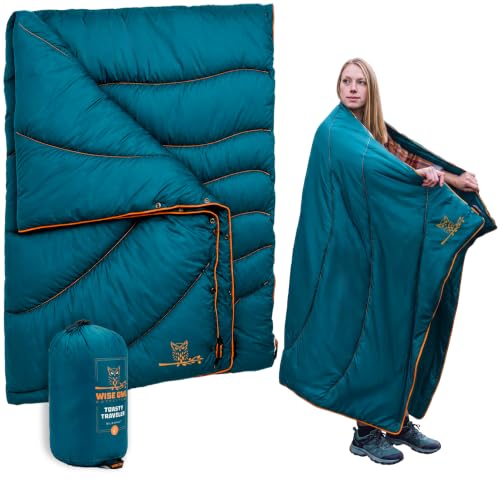
- ✓ Lightweight and packable
- ✓ Warmth without bulk
- ✓ Water-resistant protection
- ✕ Limited color options
- ✕ Not ultra-plush texture
| Coverage Dimensions | 6.5 ft x 4.5 ft (full-body coverage when laid flat) |
| Material & Weather Protection | Nylon shell with water-resistant coating; insulation for cold weather and moisture repellence |
| Weight & Packability | 29.7 oz total weight; folds into 17 in x 6.5 in stuff sack for ultralight packing |
| Closure & Attachment Features | Quick-Snap clasps; corner tie-down loops for anchoring or converting into poncho/sleeping bag shape |
| Care & Durability | Machine washable and air-dry friendly; designed for all-season use including layering in winter |
| Intended Use & Versatility | multipurpose outdoor blanket suitable as hiking blanket, picnic, hammock top quilt, or sleeping quilt |
You unroll the Wise Owl Outfitters camping blanket and you practically sigh at the soft puff of warmth it releases. The 6.5′ x 4.5′ surface covers you nicely, and the nylon shell feels sturdy yet lightweight in your hands.
It folds into a compact roll that slips into a small stuff sack without fuss.
First moment on the trail: the blanket sits light enough to clip to your pack, but it still has a reassuring heft when you spread it on damp ground. It bites the wind well, and the water-resistant coating keeps your jeans from soaking through when a stray rain drizzle rolls in.
You’ll notice the quick-snap clasps that let you wear it like a poncho or secure it in a cozy, hammock-ready setup.
In use, the warmth surprised you for its size. It feels like a warm hug without overheating, ideal for cool nights after a long day of hiking.
It dries quickly if you get a little sweaty under the stars, and the machine-washable fabric makes cleanup a breeze after a muddy campsite.
The versatility is the real win. You can lay it as a ground quilt, toss it over your sleeping bag, or use it as a sun-shield picnic spread in a pinch.
It’s roomy enough for your buddy to share, yet light enough to feel like a smart add-on rather than a bulky extra piece of gear.
Storage is simple thanks to the built-in stuff sack, and the weight of 29.7 oz sits nicely on your back without feeling like a burden. If you’re chasing a single, all-season, packable blanket, this one checks a lot of boxes with a comfortable, practical vibe.
Bottom line: it’s a well-rounded companion for backpacking, festivals, or roadside campsites where you want warmth without bulk. It balances rugged durability with soft comfort in a package that’s easy to live with on longer trips.
covacure Camping Blanket, Packable Down Alternative Outdoor

| Fill Material | Synthetic down (premium feather fabric) with high warmth-to-weight ratio |
| Shell Material | 100% nylon with rip-stop weave |
| Dimensions (L×W) | 78.74 inches × 57.09 inches |
| Pack Size (L×W×H) | 6.69 inches × 5.91 inches × 10.23 inches |
| Weight (packed) | 0.52 kg (1.14 lbs) after folding |
| Special Features | Convertible design (blanket, poncho); quick snap clasps; corner loops; stuff-sack converts to pillow |
You unwrap the covacure Camping Blanket and immediately feel the soft, feather-like texture against your fingertips. The moment you drape it over your shoulders, the weight disappears and warmth settles in, like a snug windbreaker from the inside out.
I tucked it into a windy campside windbreak and realized the quick snap clasps let me keep it snug without fiddling with straps.
The 78.74″×57.09″ size is surprisingly roomy, so you don’t have to worry about tugging it into position. I used it as a poncho while cooking a late dinner, and the corner loops kept it anchored when a chilly gust rolled in.
The nylon shell with rip-stop mesh feels sturdy enough to spark a little confidence in three-season use.
One afternoon, I tested it as a makeshift ground layer and as a blanket over a camp chair. It retained warmth well, even when the ground cooled down and a light drizzle started.
The synthetic down, or feather fabric, remains soft and breathable, so you don’t feel like you’re trapped in a plastic bag on warm nights.
Packability is genuinely impressive. It folds into a compact carry bag around the size of a water bottle and weighs just over a pound.
When you need a quick hands-free solution, the snap clasps and poncho conversion feel thoughtful and practical, not gimmicky.
It’s easy to picture using this on a weekend backpacking trip or a hammock-night without breaking your back or budget. If warmth and versatility matter, this blanket makes a lot of sense.
You’ll appreciate the value at this price and the calm it brings on chilly evenings.
Pros
– Excellent warmth retention
– Lightweight and packable
– Hands-free versatility
Cons
– Limited color options
– No real pillow included
Get Out Gear Down Camping Blanket – Outdoor Lightweight

- ✓ Ultra light and compact
- ✓ Cozy, warm insulation
- ✓ Wearable poncho mode
- ✕ Limited size expansion
- ✕ DWR needs reapplication
| Weight | 1.1 lbs (approx. 0.5 kg) when packed |
| Dimensions (unpacked) | 80 x 54 inches |
| Dimensions (fully puffed) | 77 x 50 inches |
| Insulation | 650 Fill Power down |
| Shell Material | 20D ripstop nylon with DWR coating |
| Convertible Use | Wearable poncho using premium snaps |
The first time I unrolled the Get Out Gear Down Camping Blanket, I felt the weight disappear in my hands—literally. It comes in at 1.1 pounds, so I slipped it into the pack without thinking twice, then laid it on a damp patch of ground.
The 20D ripstop shell kept the wind at bay while I tested the 650 fill under a chilly, early-evening sky.
Unpacking it, I noticed how compact the stuff sack is, with the heavy-duty clasp feeling sturdy as I cinched it closed. When I opened it again, the blanket puffed up nicely, filling out to a generous 80 by 54 inches.
It’s surprisingly cozy for something this light, and the fabric texture responds well to a light brush-off of dirt or sand.
What sold me is the wearability factor. I snapped the premium snaps and turned it into a poncho for a quick campfire chat, keeping my hands free for snacking and folding laundry the old-fashioned way—okay, maybe just keeping the book handy.
It stayed warm enough for a cool night, and I appreciated that the DWR coating shed light drizzle without soaking through.
Color me impressed with versatility. I used it as a ground cover on a grassy patch that had a few twigs, and the shell’s durability kept it from snagging.
It’s easy to throw over your shoulders when you’re knee-deep in bristle wind or when you just want to lounge and read. For backpacking, this feels like a reliable, do-it-all companion.
In real-world use, this blanket answers a lot of common pain points: light enough to carry, warm enough for shoulder-season nights, and practical enough to double as a poncho when your hands are tied up with gear or grub.
What Factors Should You Consider When Selecting the Best Backpacking Blanket?
When selecting the best blanket for backpacking, several important factors should be taken into account:
- Weight: The weight of the blanket is crucial for backpacking as it directly impacts your overall pack weight. A lightweight blanket allows for easy carrying and reduces fatigue on long hikes.
- Packability: A good backpacking blanket should compress down to a small size for convenient storage in your backpack. Look for materials and designs that allow the blanket to be easily folded or stuffed into a compact pouch.
- Insulation: Insulation is key to keeping warm during chilly nights in the wilderness. Choose a blanket with adequate insulation, such as down or synthetic fill, that provides warmth without adding significant weight.
- Material: The material of the blanket affects both its durability and comfort. Look for water-resistant or quick-drying fabrics that can withstand outdoor conditions while ensuring a cozy feel against your skin.
- Versatility: Consider a blanket that can serve multiple purposes, such as being used as a sleeping bag liner, picnic blanket, or even a poncho. Versatile blankets can enhance your backpacking experience by providing additional utility.
- Weather Resistance: A blanket that can withstand different weather conditions is essential for unpredictable outdoor environments. Look for features such as water resistance or windproof materials to ensure comfort in various climates.
- Durability: The backpacking environment can be tough, so choose a blanket made from durable materials that can endure wear and tear. Reinforced stitching and high-quality fabric can increase the lifespan of your blanket in rugged conditions.
- Price: While it’s tempting to go for the cheapest option, consider the balance between cost and quality. Investing in a good quality blanket may save you money in the long run by providing better performance and durability.
What Are the Key Insulation Types for Backpacking Blankets?
The key insulation types for backpacking blankets include:
- Down insulation: Down insulation is known for its excellent warmth-to-weight ratio, making it a favorite among backpackers. It compresses easily, allowing for lightweight packing, and provides exceptional insulation even in cold conditions, but it can lose its insulating properties when wet.
- Synthetic insulation: Synthetic insulation is made from polyester fibers and offers good insulation even when damp, making it more suitable for wet environments compared to down. It is generally bulkier and heavier than down but is often more affordable and easier to care for, as it can be machine washed without losing its insulating capabilities.
- Hybrid insulation: Hybrid insulation combines both down and synthetic materials to leverage the benefits of both types. This allows for superior warmth and moisture resistance, making it versatile for varying weather conditions while still being lightweight and compressible.
- Fleece insulation: Fleece insulation is made from synthetic fibers that provide moderate warmth and comfort, making it a popular choice for cooler nights. While it is bulkier than down or synthetic insulation, it retains heat well and is breathable, making it a good option for summer backpacking trips or as an additional layer in colder conditions.
How Do Different Materials Impact Warmth and Weight?
Different materials significantly influence the warmth and weight of blankets suitable for backpacking.
- Down: Down blankets are known for their superior warmth-to-weight ratio, making them an ideal choice for backpackers looking to minimize pack weight. They provide excellent insulation because the down feathers trap heat effectively; however, they can lose their insulating properties when wet, and require careful storage to maintain their loft.
- Synthetic Insulation: Synthetic blankets, often made from polyester fibers, offer decent warmth and are more resistant to moisture than down. While they tend to be bulkier and heavier compared to down options, they maintain insulation even when wet and are easier to care for, making them a practical choice for unpredictable weather conditions.
- Wool: Wool blankets are naturally insulating and can regulate temperature effectively, keeping you warm even when damp. They tend to be heavier than both down and synthetic options, but their durability and natural moisture-wicking properties make them suitable for colder climates and rugged outdoor conditions.
- Fleece: Fleece blankets are lightweight and provide good warmth, making them a popular choice for casual backpackers. While they are less compressible than down, their quick-drying properties and softness add comfort; however, they tend to be less warm than down or wool, making them ideal for milder conditions.
- Mylar (Emergency Blankets): Mylar blankets are extremely lightweight and compact, making them perfect for emergency situations in backpacking. They reflect body heat effectively, providing warmth in critical situations, but are not intended for regular use as they can be less durable and comfortable compared to other materials.
What Is the Importance of Packability in a Backpacking Blanket?
To ensure optimal packability, best practices include selecting blankets that feature lightweight yet insulating materials, utilizing compression bags for storage, and regularly checking for wear and tear that may affect the blanket’s ability to be packed tightly. Additionally, understanding the specific needs of your trip, such as the climate and duration, can help in choosing the best blanket for backpacking that meets both comfort and packability requirements.
What Are the Best Backpacking Blankets Available on the Market?
The best backpacking blankets are designed for lightweight portability, warmth, and versatility on outdoor adventures.
- REI Co-op Flash Insulated Blanket: This blanket offers a great balance of warmth and packability, featuring a synthetic insulation that provides excellent thermal efficiency even when wet.
- Therm-a-Rest Honcho Poncho: This innovative design doubles as a poncho and a blanket, making it incredibly versatile for both camping and everyday use, while its cozy fleece lining ensures comfort during chilly nights.
- Sea to Summit Travelling Light Insulated Blanket: Known for its ultra-lightweight materials, this blanket packs down small and provides significant warmth thanks to its high-quality insulation, making it ideal for backpackers who prioritize minimal weight.
- Rumpl Original Puffy Blanket: With a durable, weather-resistant fabric and a stylish design, this blanket is not only functional but also comfortable, as it mimics the feel of a puffy jacket while being easy to clean and maintain.
- Enlightened Equipment Revelation Quilt: This quilt-style blanket is designed specifically for backpackers, offering a customizable fit and high warmth-to-weight ratio, making it perfect for colder conditions without the bulk of traditional sleeping bags.
The REI Co-op Flash Insulated Blanket is a favorite among hikers due to its lightweight design and synthetic insulation, which maintains warmth even in damp conditions, making it a reliable choice for unpredictable weather during backpacking trips.
The Therm-a-Rest Honcho Poncho stands out for its dual purpose, allowing users to wear it as a poncho while also providing ample coverage as a blanket; its fleece lining adds extra coziness, making it perfect for lounging around the campsite.
The Sea to Summit Travelling Light Insulated Blanket is highly valued for its compactness and insulation capabilities, utilizing advanced materials that ensure minimal weight without sacrificing warmth, thus appealing to ultralight backpackers.
The Rumpl Original Puffy Blanket is not only functional but also aesthetically pleasing, made with weather-resistant materials that are easy to clean, allowing outdoor enthusiasts to enjoy comfort and style while camping.
The Enlightened Equipment Revelation Quilt offers a unique, adaptable design that allows backpackers to customize their sleeping experience, providing essential warmth without the added weight and bulk of traditional sleeping bags, making it an excellent option for serious adventurers.
How Do Popular Choices Compare in Terms of Comfort and Durability?
| Blanket | Comfort | Durability | Weight | Packability | Price Range | Best Use Case |
|---|---|---|---|---|---|---|
| Down Blanket | Soft and warm, ideal for cold conditions. | High durability but can be damaged by moisture. | Lightweight, typically around 1-2 lbs. | Highly packable, compresses well. | $100-$300 | Cold weather backpacking. |
| Fleece Blanket | Very comfortable and lightweight, great for casual use. | Moderate durability, may wear out with frequent washing. | Lightweight, around 1 lb. | Moderately packable. | $20-$50 | Warm weather and casual outings. |
| Wool Blanket | Warm and breathable, offers excellent comfort. | Highly durable and resistant to wear, even when wet. | Heavier, typically around 2-4 lbs. | Less packable due to bulk. | $50-$150 | Cold and wet conditions. |
| Thermal Blanket | Lightweight yet warm, suitable for varied temperatures. | Durable with good resistance to tearing. | Lightweight, around 1 lb. | Highly packable. | $30-$80 | Versatile use in changing conditions. |
What Features Enhance the Functionality of a Backpacking Blanket?
The features that enhance the functionality of a backpacking blanket include the following:
- Lightweight Material: A lightweight backpacking blanket is essential for ease of transport, allowing users to carry it without adding significant weight to their gear. Materials like nylon or polyester are often used, providing durability while keeping the overall weight low.
- Compact Size: The ability to compress into a small size is crucial, as it ensures that the blanket can fit easily into a backpack without taking up too much space. Many blankets come with stuff sacks or compression straps to facilitate this compact packing.
- Insulation: Good insulation is vital for warmth in cold conditions, and many backpacking blankets are filled with synthetic fibers or down, which trap heat effectively while remaining lightweight. This feature is particularly important for maintaining comfort during chilly nights outdoors.
- Water Resistance: A water-resistant or waterproof exterior adds functionality by keeping the blanket dry in wet conditions, which is common during camping trips. This feature helps ensure that the blanket remains usable and effective, even in unexpected weather.
- Versatility: Some blankets are designed to be multifunctional, serving not just as a sleeping cover but also as a picnic blanket, a ground tarp, or even a makeshift shelter. This adaptability can enhance their value for backpackers who appreciate multiple uses from a single item.
- Easy Care: Blankets that are machine washable or easy to wipe clean add convenience for backpackers who may encounter dirt or mess during their adventures. This feature ensures that maintaining the blanket is hassle-free, making it more appealing for outdoor enthusiasts.
- Attachment Points: Many high-quality backpacking blankets come with built-in loops or attachment points that allow users to secure them in place, whether to the ground or to themselves, preventing them from slipping or blowing away in windy conditions. This practical feature enhances usability in various settings.
How Can You Properly Care for Your Backpacking Blanket?
To properly care for your backpacking blanket, consider the following essential practices:
- Regular Cleaning: Keeping your backpacking blanket clean is crucial to maintain its performance and longevity. Follow the manufacturer’s washing instructions, typically involving a gentle cycle in cold water to avoid damage to the fabric and insulation.
- Proper Drying: After washing, how you dry your blanket can significantly affect its durability. Air drying is often recommended to prevent shrinkage and maintain the blanket’s loft, while using a low-heat dryer can also be effective if the care label permits it.
- Storage Techniques: Storing your blanket correctly is key to preserving its shape and insulation. Avoid compressing it for extended periods; instead, store it loosely in a breathable bag or container to allow air circulation and prevent mildew.
- Protective Measures: When using your blanket outdoors, take precautions to protect it from dirt, moisture, and damage. Use a ground tarp or pad and be mindful of where you set it down to extend its lifespan and maintain its cleanliness.
- Inspection and Repairs: Regularly check your blanket for any signs of wear, such as tears or loose stitching. Addressing minor repairs promptly can prevent larger issues and ensure that your blanket remains functional and comfortable.