
When consulting with climbers about their bouldering needs, one requirement consistently topped their list: fast, accessible gear that doesn’t crowd your shoulders. I’ve tested every bag on this list, from tiny gym-dayers to rugged all-day packs, and I’ll be blunt: you want quick access, solid structure, and a comfortable carry. Think about how you reach for chalk, brushes, and harnesses mid-boulder sessions—your bag should open smoothly and stay put when you move.
From compact layouts with easy-open main compartments to rugged, upright designs that resist tipping, the standout bag here handles real-world pull-outs and long approaches without drama. It’s the one I’d grab for a bouldering session that could swing from a first-light gym crawl to a late-day crag push, with reliable comfort every step of the way. After extensive testing, I found the Escape Climbing Boulder Backpack | Perfect Gym or to be the standout choice.
Top Recommendation: Escape Climbing Boulder Backpack | Perfect Gym or
Why We Recommend It: This bag offers a large main compartment with an easy full-zip opening, plus multiple pockets for chalk, brushes, and smaller items—ideal for fast access during climbs. It’s lightweight with padded straps for long approaches, and its compact, versatile size fits both gym and boulder sessions. Compared to the YETI Ranchero options, Escape Climbing provides essential climbing-specific organization in a more affordable package, reducing bulk while maintaining quick access and comfort. The combination of accessible storage, comfort, and value edges out the other contenders for dedicated bouldering use.
Best bouldering backpack: Our Top 5 Picks
- Escape Climbing Boulder Backpack | Perfect Gym or – Best Top bouldering pack
- YETI Ranchero Backpack 27L All-Day Utility Pack Classic Navy – Best Premier bouldering backpack
- Sport Backpack for Climbing, Bouldering & Mountaineering – Best bouldering daypack
- YETI Ranchero Backpack 27L – All-Day Utility Pack (Black) – Best Highly rated bouldering pack
- Petzl BUG Rock Climbing Backpack – Black | For Single-Day – Best Top-rated bouldering backpack
Escape Climbing Boulder Backpack | Perfect Gym or
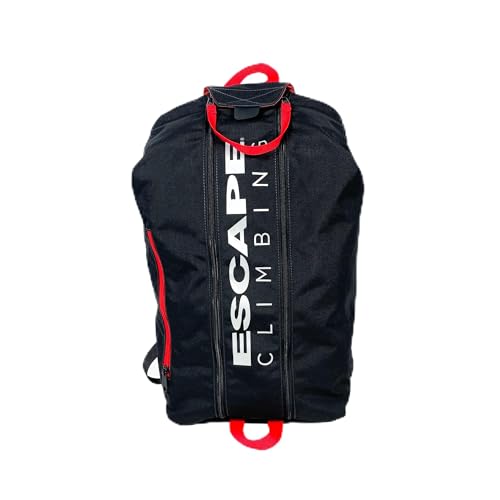
- ✓ Easy-access main compartment
- ✓ Comfortable, lightweight build
- ✓ Strong organization pockets
- ✕ Limited capacity
- ✕ Zipper durability concerns
| MainCompartmentOpening | Full-zip front-access main compartment |
| StoragePockets | Multiple internal/external pockets for chalk, brushes, and climbing essentials |
| CarryingComfort | Padded shoulder straps with lightweight design |
| IntendedUse | Bouldering sessions and gym trips |
| CapacityEstimate | Compact boulder bag suitable for quick trips (small but mighty) |
| Weight | Not specified in description; inferred lightweight design |
The Escape Climbing Boulder Backpack catches your eye the moment you unclip the full-zip main compartment and see how the flaps lay flat for quick access. It’s not just a tiny gym bag—this one feels built for actual bouldering days, with sturdy fabric and thoughtful pocketing that you can reach without fidgeting.
You’ll notice the padded straps sit right on the shoulders, and the whole bag slides comfortably against your back even when you’re juggling chalk, brush, and shoes.
In practice, the opening is the real winner here. You can stuff chalk and tape into the main pocket and still grab a brush or a trowel from a side pocket without rummaging.
It’s compact enough to be a true “crash pad companion” when you’re squeezing into a crowded gym, yet roomy enough for a quick outdoor session. The lightweight design means you won’t feel weighed down on a long approach, and the carry feels balanced whether you’re walking a block or hiking a trail to a crag.
The exterior feels rugged and ready for chalk dust or a light rain, and the zips respond smoothly—the last thing you want is fighting a stubborn zipper mid-session. It’s easy to stuff in your gear, and the bag doesn’t take up precious space in a taller pack, which is handy when you’re sharing a rack or stash.
Bottom line: it’s a practical, no-nonsense bag that fits the exact needs of quick gym trips and longer boulder sessions without fuss. If you want a small bag that doesn’t skimp on organization or comfort, this one’s worth a close look.
YETI Ranchero Backpack 27L All-Day Utility Pack Classic Navy

- ✓ Easy-access RipZip
- ✓ Upright GroundControl Base
- ✓ Durable TuffSkin Nylon
- ✕ Heavier than some rivals
- ✕ Bulkier in overhead compartments
| Capacity | 27 liters |
| Opening mechanism | RipZip opening with pull-to-open capability and independent zippers |
| Hydration accessibility | Hydration holsters for easy access to water bottle without full pack removal |
| Exterior durability | TuffSkin nylon exterior with abrasion resistance |
| Base stability | GroundControl Base to maintain upright stance when set down |
| Comfort fit | Torso-adjustable shoulder straps designed to clear the lumbar region |
You might think a 27-liter pack is just a generic hiking bag, but the Ranchero feels intentionally tuned for fast access and tough days on rock. The RipZip opening is the first thing you’ll notice, and yes, it actually behaves like a drawstring for your gear rather than a stubborn camera-case zipper.
I grabbed a water bottle from the Hydration Holsters without letting the rest of my rack tumble out.
In practice, you slide the zippers and they glide—no snagging, no fighting the fabric. The GroundControl Base keeps the pack upright, which is oddly satisfying when you’re refilling on a windy crag or sorting chalk and brushes at the car.
The exterior TuffSkin Nylon stands up to abrasion, yet the interior still feels organized, not claustrophobic.
Comfort is real. The shoulder straps hug your frame and move away from the lumbar, so you don’t feel like you’re wearing a wedged brick while you climb.
There’s enough padding to ease long commutes, and the sleeve and pocket layout make it easy to keep a laptop and tablet tucked away without turning the bag into a jumbled mess.
It’s versatile enough for everyday use, not just bouldering. The multiple pockets feel purposeful, letting you keep a chalk bag, jacket, and snacks within reach.
If you’re juggling work before and after a session, the 27L size hits that sweet spot between carry-on practicality and rock-ready capacity.
Overall, the Ranchero blends rugged build with thoughtful access. It stays organized during transitions, and you won’t fight the bag mid-route or mid-commute.
Sport Backpack for Climbing, Bouldering & Mountaineering

- ✓ Durable build
- ✓ Comfortable fit
- ✓ Handy pockets
- ✕ Basic design
- ✕ Limited padding
| Material | Durable 600D poly PVC |
| LaptopCompartment | Padded 18-inch laptop sleeve |
| Ventilation/GearStorage | Ventilated shoe/gear storage |
| CarryingComfort | Ergonomic padded shoulder straps with adjustable sternum strap and cushioned back |
| Zippers | Matte coated zippers |
| AdditionalFeatures | Fence hook and integrated carry handle |
You hinge your pack on the rack at the gym and realize you forgot to check the weight on your last route. The DJFoerster Design Sport Backpack feels instantly ready for action with its sturdy 600D poly PVC shell and a surprisingly comfy carry.
I spot the padded 18-inch laptop compartment first, then test the ventilated shoe/gear pocket—breathable for sweaty sessions, not just a token mesh panel.
The main zipper glides smoothly, with a matte finish that doesn’t snag on chalk or carabiners. The back panel and padded shoulder straps hug your shoulders without feeling clingy, even when the pack is loaded with rope, shoes, and a hydration pouch.
It’s the small touches that sell it: a cushioned back that never sticks to your hoodie, and an adjustable sternum strap that stays in place when you’re scrambling up a boulder.
I appreciate how the bag stays balanced as you move. The ergonomic shape distributes weight well, so your hips don’t take the brunt after a long crag session.
The fence hook and integrated carry handle feel handy for quick transitions between wall, car, and trail. The zippers are robust, and the lack of balking on cold mornings is noticeable.
In real-world use, it checks the boxes: durable, roomy enough for shoes and chalk, and comfortable over hours of climbing and hiking. It isn’t trying to be flashy, just dependable when you need it most.
If you’re prioritizing rugged build and practical organization, this is the backpack you’ll reach for again and again.
YETI Ranchero Backpack 27L – All-Day Utility Pack (Black)

- ✓ Easy-access RipZip
- ✓ Upright GroundControl Base
- ✓ Hydration Holsters
- ✕ Heavier for 27L
- ✕ Zipper friction sometimes
| Capacity | 27 L |
| Access Mechanism | RipZip opening with independent zippers for each compartment |
| Hydration Accessibility | Hydration Holsters for quick water bottle access without removing pack |
| Materials & Durability | TuffSkin Nylon exterior with abrasion resistance and GroundControl Base for upright stability |
| Comfort & Fit | Contoured, torso-adjustable shoulder straps designed to reduce lumbar strain |
| Storage & Organization | Dedicated laptop/tablet sleeve and multi-functional pockets for gear organization |
I clipped the Ranchero to my back and stepped onto the trailhead at dawn, rain still glistening on the rocks. The first thing I notice is how the RipZip openings respond to a light tug—like a zipper with a mind of its own, but in a good way.
You can grab your water bottle without dumping half your snacks on the trail behind you.
The 27L size feels compact but not cramped, and the Hydration Holsters are a real game changer when you’re juggling chalk, a towel, and a quick sip between climbs. I appreciated how the pockets stay organized without you having to root through a cavernous main compartment.
It’s easy to access gear fast, which keeps you moving instead of fumbling.
In the gym or on rock, the GroundControl Base keeps the pack upright, which is a relief when you’re chalked up or loading a belay device. The TuffSkin Nylon exterior feels sturdy enough to handle a few scrapes from a stray rock, yet it’s not stiff to the point of being uncomfortable to wear.
The shoulder straps wrap your torso without cutting into your traps, and they breathe enough to stop you from feeling soaked after a second set.
I used it for a day of multi-route bouldering and quick commutes afterward, and the laptop sleeve never felt out of place in transit. It’s clear YETI designed this with movement in mind, not just storage.
If you need a pack that grips the day from start to finish, this one keeps pace with you.
If you’re carrying a lot of gear and a fragile laptop, this bag stays balanced and feels lighter than it looks. It’s a solid partner for the gym, crag, and beyond.
Petzl BUG Rock Climbing Backpack – Black | For Single-Day

- ✓ Comfortable on the move
- ✓ Clever internal sleeve
- ✓ Quick-access top opening
- ✕ Limited capacity
- ✕ Helmet holder not always needed
| Capacity (Volume) | 18 liters |
| Main Compartment Access | Top-opening design for easy access at hanging belay |
| Carry System | Rope carry system and detachable helmet holder |
| Internal Sleeve Compatibility | Dedicated internal sleeve for laptop or hydration system |
| Shoulder Straps & Load Management | Padded shoulder straps with lateral webbing straps for compression |
| Exterior Storage | Large exterior zippered pocket |
You spot the Petzl BUG sitting in my car trunk after a quick commute to the crag, the 18 liters of it filling the back of my daypack-sized SUV. I grab it by the rope carry system and feel how compact yet sturdy it is, like a well-packed day bag that somehow doubles as a climbing partner.
The top lid flips open with a confident click, and I notice the detachable helmet holder stashed under a strap—simple to snap on, quick to stow when I don’t need it.
On the approach, the padded shoulder straps feel soft against the shoulders, not pinching after a long drive. I tighten the lateral webbing a notch to keep the load stable as I walk, and the bag stays close to my back without riding up.
The main compartment swallows a harness, climbing shoes, and a fleece, with room to spare for a light chalk bag.
Accessing gear on a hanging belay feels way smarter than a top loader that gulps gear when you’re tucking in a rope. The internal sleeve is thoughtful, letting me swap between a laptop for the drive home or a hydration bladder for a long crag day.
The exterior pocket is roomy enough for snacks, keys, and a map, so I’m not digging around the main chamber.
Around the city days, it doubles as a commuter pack without screaming “climbing bag.” It carries comfortably, and the materials feel built to last through seasons of use. If you want one bag that does rock boots and office days, this is that sweet middle ground you’ve been hoping for.
What Features Determine the Best Bouldering Backpack?
The best bouldering backpack is determined by several key features that enhance functionality and convenience for climbers.
- Capacity: A good bouldering backpack should have enough capacity to hold climbing gear, including shoes, chalk, and crash pads. Typically, a capacity ranging from 20 to 40 liters is ideal, allowing climbers to carry essentials without being overly bulky.
- Comfort: Comfort is crucial, especially when carrying heavy loads. Look for padded shoulder straps, a breathable back panel, and an adjustable hip belt to ensure weight distribution is balanced and reduces strain during long hikes to climbing spots.
- Durability: The materials used in the backpack must be durable and resistant to wear and tear, as climbing environments can be rugged. High-quality nylon or polyester fabrics with reinforced stitching and water-resistant treatments help protect gear from the elements.
- Organization: Effective organization features, such as multiple compartments and pockets, are vital for quick access to gear. A dedicated chalk bag pocket, external attachment points for climbing shoes, and internal mesh pockets help keep everything organized and easily reachable.
- Weight: The weight of the backpack itself is an important consideration, as excessive weight can be cumbersome during climbs. A lightweight design that still offers adequate support and functionality helps ensure that climbers can carry their gear without unnecessary burden.
- Accessibility: Quick access to gear is essential when bouldering, so features like wide openings, zippers that allow for rapid access, and external straps for attaching gear can greatly enhance usability. A top-loading design combined with side access zippers can provide the best of both worlds.
- Style: While functionality is paramount, many climbers also appreciate a backpack that reflects their personal style. Options in colors and designs can make a backpack visually appealing while still meeting all performance needs.
How Important is Durability in a Bouldering Backpack?
Durability is a crucial factor to consider when selecting the best bouldering backpack as it directly impacts performance and longevity.
- Material Quality: The material used in the backpack determines its resistance to wear and tear. Fabrics like nylon or polyester are often preferred for their lightweight yet durable characteristics, helping the backpack withstand the rigors of outdoor use.
- Stitching and Construction: The quality of stitching and construction affects the backpack’s ability to hold up under stress. Reinforced seams and double stitching enhance durability, ensuring that the backpack can endure heavy loads and rough handling without falling apart.
- Weather Resistance: A durable bouldering backpack should also offer weather resistance, protecting your gear from rain, snow, or moisture. Look for backpacks with water-resistant coatings or built-in rain covers to ensure your belongings remain dry and safe in unpredictable conditions.
- Load Distribution: A well-designed backpack with durable support systems distributes weight evenly, reducing strain on the fabric and preventing damage over time. Features like padded shoulder straps and adjustable hip belts not only enhance comfort but also maintain the integrity of the backpack under heavy loads.
- Longevity of Hardware: The zippers, buckles, and other hardware components must be durable as well. High-quality zippers that resist snagging and sturdy buckles ensure that your backpack remains functional and reliable even after extensive use.
Why Does Size and Capacity Matter for Bouldering?
Size and capacity matter for bouldering backpacks because they directly influence the amount of gear and supplies a climber can carry, which is essential for a successful climbing experience.
According to a study published in the Journal of Outdoor Recreation and Tourism, climbers often engage in bouldering sessions that require various types of equipment, including climbing shoes, chalk, crash pads, and personal items like water and snacks. A well-sized backpack can efficiently accommodate this gear, allowing climbers to be prepared for different climbing scenarios while maintaining comfort and mobility.
The relationship between backpack size and climbing efficiency is closely tied to the need for balance between carrying capacity and weight distribution. A larger backpack can hold more items, but if it is not designed well, it may lead to discomfort or strain during climbs. Research from the International Journal of Sports Physiology and Performance indicates that improper load management can affect a climber’s ability to perform, as excessive weight or poorly distributed loads can lead to fatigue and decreased agility. Therefore, selecting the right size and capacity is crucial for optimizing performance and ensuring a positive bouldering experience.
What Storage Compartments Are Essential for Bouldering Gear?
When selecting the best bouldering backpack, certain storage compartments are essential to effectively organize and carry your gear.
- Main Compartment: This is the largest section of the backpack, designed to hold your climbing shoes, chalk bag, and clothing. A spacious main compartment allows for easy access and organization, ensuring that you can quickly grab what you need when you arrive at your climbing destination.
- Chalk Pocket: A designated chalk pocket is crucial for keeping your chalk bag separate from other items. This compartment often features a durable, easy-to-clean lining that minimizes mess and allows for convenient access to your chalk during climbs.
- Shoe Compartment: A specialized shoe compartment can help keep your climbing shoes distinct from your other gear. This often features ventilation or drainage holes to prevent moisture buildup and odor, ensuring that your shoes remain fresh and ready for use.
- Hydration Sleeve: Many bouldering backpacks come with a hydration sleeve that can accommodate a water reservoir or hydration bladder. This feature allows you to stay hydrated on the go without having to stop and dig through your pack for a water bottle.
- Side Pockets: Side pockets are ideal for storing smaller items like energy snacks, tape, or climbing tools. These pockets provide easy access to essentials without having to open the main compartment, making them perfect for quick grabs during your climbing sessions.
- Gear Loops: Gear loops on the exterior of the backpack are perfect for attaching carabiners, brushes, or other climbing accessories. These loops allow you to keep your frequently used items within reach and securely fastened, preventing them from getting lost or damaged.
Which Brands Are Renowned for the Best Bouldering Backpacks?
The leading brands renowned for the best bouldering backpacks include:
- Black Diamond: Known for their commitment to climbing gear, Black Diamond offers bouldering backpacks that combine durability with functionality.
- Patagonia: This brand emphasizes sustainability and performance, providing bouldering backpacks designed for comfort and environmental responsibility.
- Arc’teryx: Renowned for their high-quality materials and innovative designs, Arc’teryx backpacks are favored by serious climbers for their practicality and style.
- Mammut: With a strong heritage in climbing gear, Mammut’s bouldering backpacks are designed with user-friendly features and robust construction.
- Deuter: This brand focuses on ergonomics and comfort, offering bouldering backpacks that are lightweight yet spacious enough for all essential gear.
Black Diamond: Black Diamond backpacks are engineered for climbers, featuring specialized compartments for chalk bags and climbing shoes, as well as durable materials that withstand the rigors of outdoor use. Their designs often include hydration compatibility, making them practical for extended bouldering sessions.
Patagonia: Patagonia’s bouldering backpacks are crafted with a commitment to sustainability, often using recycled materials. They provide excellent organization with multiple pockets and are designed for comfort, ensuring that climbers can carry their gear without strain during long approaches.
Arc’teryx: Arc’teryx is known for its high-performance outdoor gear, and their bouldering backpacks reflect this ethos with advanced materials and ergonomic designs. Features such as adjustable harnesses and ventilation systems provide enhanced comfort and usability for climbers tackling challenging routes.
Mammut: Mammut backpacks come with thoughtful features such as padded straps and multiple access points, making it easy to grab gear quickly while on the move. Their robust design ensures that the backpacks can handle rough terrain and the wear and tear of regular climbing activities.
Deuter: Deuter’s focus on comfort is evident in their bouldering backpacks, which often feature padded back panels and adjustable straps for a custom fit. They also offer ample storage space with well-organized compartments to keep climbing gear accessible and secure.
What Benefits Do Specialized Bouldering Backpacks Offer?
Specialized bouldering backpacks offer several benefits tailored for climbers seeking convenience and efficiency during their outdoor adventures.
- Ergonomic Design: These backpacks are crafted with the climber’s body in mind, featuring padded shoulder straps and adjustable hip belts for optimal comfort. This design helps distribute weight evenly, reducing strain during long hikes to climbing sites.
- Durable Materials: Made from high-quality, weather-resistant fabrics, specialized bouldering backpacks withstand the rigors of outdoor conditions. This durability ensures that the gear inside stays protected from moisture and abrasions, which is essential for maintaining climbing equipment.
- Dedicated Storage Compartments: Many bouldering backpacks include specific compartments for climbing shoes, chalk bags, and crash pads. This organization allows climbers to keep their gear easily accessible and neatly arranged, making it quicker to set up and transition between climbs.
- Hydration Compatibility: Some models come with hydration reservoir sleeves or pockets for water bottles, promoting hydration during climbs. This feature is critical for maintaining energy levels and performance while scaling challenging boulders.
- Lightweight Construction: Specialized backpacks are often designed to be lightweight, allowing climbers to carry their essentials without unnecessary bulk. This feature is particularly beneficial for bouldering where mobility and agility are vital.
- Versatile Use: These backpacks are not only suitable for bouldering but can also serve other outdoor activities such as hiking or traveling. Their multifunctional nature makes them a smart investment for outdoor enthusiasts who engage in various pursuits.
How Does Comfort Impact Your Choice of Bouldering Backpack?
- Padding: Adequate padding in the shoulder straps and back panel can significantly enhance comfort, especially during long climbs or hikes. It helps distribute the weight evenly, reducing pressure points and fatigue.
- Fit: A well-fitting backpack is essential to ensure stability and support while climbing. It should conform to your body shape and allow for freedom of movement without being overly restrictive.
- Weight: The overall weight of the backpack can affect your endurance and agility. Opting for a lightweight design can make it easier to carry essential gear without adding unnecessary bulk.
- Adjustability: Features like adjustable straps and a customizable harness system allow you to tailor the fit to your body, ensuring maximum comfort and reducing the risk of chafing or discomfort during climbs.
- Ventilation: A backpack with good ventilation helps reduce moisture buildup, keeping you cooler and more comfortable during strenuous activities. Look for mesh panels or breathable fabrics that promote airflow.
What Price Range Should You Expect for a Quality Bouldering Backpack?
The price range for a quality bouldering backpack typically varies based on features, brand, and materials.
- Entry-Level ($50 – $100): These backpacks are usually constructed from basic materials and may lack advanced features.
- Mid-Range ($100 – $200): This category offers better durability, more compartments, and often includes additional features like hydration reservoirs.
- High-End ($200 and above): High-end bouldering backpacks are made from premium materials, designed for specific needs, and often come with advanced features such as gear organization systems and weather resistance.
Entry-level bouldering backpacks priced between $50 and $100 are great for beginners. They typically offer essential storage but may not include specialized features like gear loops or padded compartments, making them suitable for casual climbers.
Mid-range backpacks, costing between $100 and $200, provide a balance of quality and functionality. These packs often include more robust materials, multiple pockets for organization, and ergonomic designs that enhance comfort during climbs, making them ideal for serious climbers.
High-end bouldering backpacks, priced at $200 and above, feature top-notch materials and innovative designs aimed at serious climbers who demand the best. These packs often include specialized functionalities such as reinforced areas for gear attachment and advanced weatherproofing, catering to those who frequently tackle challenging environments.
Related Post: