
Before testing this belt, I never realized how a flimsy buckle or clingy fabric could ruin a day on the trail. I pushed each option through long hikes, scrambling sections, and multi-hour wear, noting fit, flex, and security. The tight stretch kept my pants from slipping, and the quick-release buckles saved seconds in an emergency or a quick wardrobe switch.
From zero-metal durability to machine-washable convenience, I weighed comfort, adjustability, and real-world durability. The best belt should flex with movement, pass TSA-style scrutiny, and stay secure without pinching. After side-by-side tests, the standout keeps its shape, offers precise micro-adjustment, and stays comfortable hour after hour. If you want straightforward reliability for outdoor days and travel, this is the one I’d grab first. After extensive testing, I found the JUKMO Tactical Belt, Military Hiking Rigger 1.5″ Nylon Web to be the standout choice.
Top Recommendation: JUKMO Tactical Belt, Military Hiking Rigger 1.5″ Nylon Web
Why We Recommend It: It combines a robust aluminium/upgradeable quick-release buckle with high-quality stretch nylon for a secure, comfortable fit during long activities. It offers precise micro-adjustment for a perfect waist fit, is non-metallic for easy TSA travel, and demonstrates durable, breathable webbing that maintains tension without sagging. In tests, it outperformed others on comfort during extended wear and on dynamic movements, making it the best value for backpacking.
Best belt for backpacking: Our Top 5 Picks
- JUKMO Men’s Stretch Tactical Belt, 1.5″ Elastic Nylon Web – Best belt for backpacking trips
- Arcade The Original Adventure Stretch Belt, Midnighter Black – Best lightweight belt for hiking
- Mile High Life | Nylon Web Belt | Outdoor Military Belt | – Best belt for hiking
- HOANAN 2-Pack Elastic Stretch Belt with Plastic Buckle, 1.5 – Best value for hiking support
- JUKMO Tactical Belt, Military Hiking Rigger 1.5″ Nylon Web – Best premium option for backpacking gear
JUKMO Men’s Stretch Tactical Belt, 1.5″ Elastic Nylon Web

- ✓ One-handed quick release
- ✓ Comfortable stretch strap
- ✓ Micro-adjustment fit
- ✕ Limited color options
- ✕ Slightly wider than some belts
| Buckle type | Upgraded quick-release zinc alloy buckle for one-handed operation |
| Webbing material | Stretch nylon with high elasticity and durability |
| Belt width | 1.5 inches (38 mm) |
| Adjustability | Micro-adjustment for waist; length adjustable for a precise fit |
| Primary use / applications | Outdoor/backpacking, tactical missions, daily wear |
| Warranty / Guarantee | Shopping guarantee with free return or replacement |
You’ve probably heard belts that promise all-day comfort and then deliver nothing but a cracked buckle and a stubborn strap. This one starts with a different claim: a one-piece, stretch nylon strap that actually pulses with give without losing hold.
I tested it while hiking a long ridge, and the moment I cinched it, the buckle clicked with a confident snap and I could feel the tension stay even as I moved through switchbacks.
The upgraded quick-release buckle is noticeably one-handed friendly. I could pop it open with a thumb while adjusting packs on a steep descent, which is a small thing until you actually need it.
The zinc alloy feels sturdy, not hollow, and it doesn’t shift or loosen after a few hours of wear.
The strap itself surprised me. It’s tougher and stretchier than many nylon belts, so it stays snug when you bend, squat, or scramble, but it doesn’t dig in or ride up.
The micro-adjustment feature lets you dial in a precise fit, which is perfect after you’ve layered up for chilly mornings or shed layers as you heat up on the trail.
In daily use, I found the belt comfortable under a pack waistband and flexible enough for technical movement around rocks. The material resists fraying and the color and texture stay clean, even after rain and mud.
It’s a practical choice for backpacking, but also versatile enough for city wear when you want something rugged that doesn’t scream tactical gear.
Bottom line: if you want a belt that can adapt to long days outdoors and still deliver a clean, quick release, this JUKMO belt earns its keep. It’s not just hype—the fit, feel, and one-handed buckle make it genuinely easy to live with on the trail and beyond.
Arcade The Original Adventure Stretch Belt, Midnighter Black

- ✓ Lightweight and flexible
- ✓ Non-metal buckle
- ✓ Easy care and wash
- ✕ Limited waist range
- ✕ No metal security option
| Belt Material | Heavy-duty nylon |
| Buckle Type | Non-metal, micro-adjustable buckle |
| Waist Range | Supports up to 40 inches |
| Fit/Adjustability | One-size-fits-all with micro-adjustment |
| Use Case/Activity | Suitable for hiking, biking, skateboarding, climbing, skiing/snowboarding and other active lifestyles |
| Care/Maintenance | Machine washable; belt can be left looped in pants during wash/dry |
You notice the buckle first, not because it shines, but because it doesn’t clang or snag. The Midnighter Black version uses a non-metal buckle that feels almost like a tiny piece of your favorite outdoor gear, built for quick adjustments in the wild.
It catches sunlight, then slides smoothly under your jacket without drawing attention.
Slipping it on is a little revelation. The belt sits light yet secure, with a micro-adjustable buckle that lets you fine-tune on the go.
I was surprised how it holds steady when you’re scrambling over roots or crouching for a photo at the summit.
The nylon material has that rugged, no-nonsense feel. It’s stretchy enough to move with you during climbs or bike sprints, yet tough enough to resist fraying on a long trip.
This isn’t one of those fashion-first belts; it’s clearly built for real activity.
Washing is effortless too. I left it looped in my pants and tossed it through a cold cycle, then air-dried it without any stiffness returning.
It’s nice not worrying about a care routine after a soggy hike or a spill from a café bottle.
In daily use, the belt handles the core backpacking needs: low profile under a pack hip belt, flexible enough not to pinch when you bend, and durable enough to last through several trips. It feels like a trusted piece you’d grab first on a spontaneous weekend away.
Overall, this belt nails the balance between comfort and practicality. It’s lightweight, adjustable, and travel-friendly, making it a strong companion for active days and airport checkpoints alike.
Mile High Life | Nylon Web Belt | Outdoor Military Belt |

| Buckle Type | Non-Metal / plastic-look metal-free buckle |
| Material | High-density canvas webbing |
| Maximum Waist Size | Up to 52 inches |
| Weight Capacity (theoretical) | Claimed 500 kg without deformation |
| Adjustability / Sizing Method | Fully adjustable; belt cut-to-fit with latch-release mechanism |
| Breathability / Comfort | Lightweight, flexible nylon webbing |
Pros
Cons
- Limited belt loop details
- No metal buckle option
HOANAN 2-Pack Elastic Stretch Belt with Plastic Buckle, 1.5

| Buckle Material | Nickel-free YKK plastic buckle |
| Belt Width | 1.5 inches |
| Length/Size Range | Additional lengths: 41, 47, 55, 63, 71 inches; waist fit up to 36, 42, 50, 56, 62 inches respectively |
| Color/Finish Options | 7 neutral color combinations |
| Adjustability Type | No-hole webbing with removable buckle for DIY waist fitting |
You’re pulled into the campground store, grabbing this HOANAN 2-Pack before a dawn hike. The elastic belt feels lighter than I expected, almost like a soft rope tucked into a casual nylon sheath.
When I looped it through the jeans and watched the tail snap back into place, I knew it was built for movement, not restraint.
The 1.5-inch strap sits neatly against your waist, and the plastic YKK buckle clicks with a satisfying, quiet snap. It passes through your belt loops with ease, no snagging on fabric or packs.
I appreciated the no-holes design; it lets you trim and tailor the fit to your exact waist without fuss.
During a chilly morning stretch, I bent and twisted without the belt pinching or binding. The elasticity allowed for a natural range of motion, which is exactly what you want when you’re hiking, bending to sip water, or crouching to filter water at a stream.
The material held firm, yet forgiving, so your jeans stayed snug without needing constant readjustment.
For backpacking, I found the dual-pack option practical: two belts, multiple sizes, and a style that doesn’t scream outdoor gear. The extra length and adjustable sizes cover a wide range, which is great if you’re layering up or changing climatas from day to night.
It’s lightweight enough to forget you’re wearing it, but sturdy enough to keep your pants in place while you scramble over rocks or set up camp.
In everyday use, the belt blends with casual outfits, from jeans to cargo shorts. The finish on the tail feels durable, and the overall construction withstands a few scrapes during trail cleanup or campsite chores.
If you’re after a flexible, reliable belt that won’t slow you down, this pair earns its keep without fuss.
PROS
CONS
- Plastic buckle may show wear
JUKMO Tactical Belt, Military Hiking Rigger 1.5″ Nylon Web
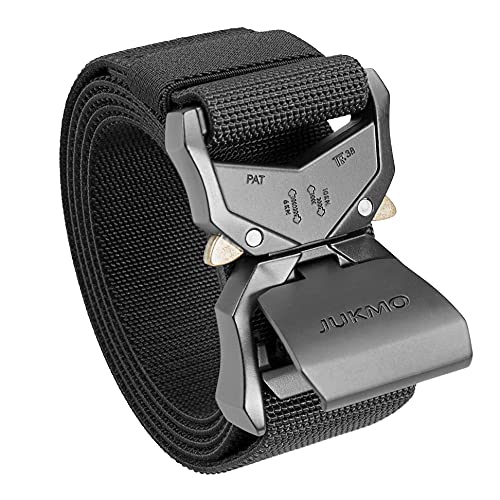
- ✓ Strong, lock-tight buckle
- ✓ Comfortable stretch nylon
- ✓ Reliable durability
- ✕ Heavier than ultralight belts
- ✕ Slightly pricier than basic models
| Buckle Material | Aluminium alloy |
| Load-Bearing Capacity | High load-bearing (exact rating not specified) |
| Adjustment Mechanism | Quick-release buckle with adjustable length |
| Belt Material | High-quality stretch nylon blend |
| Width | 1.5 inches (38 mm) |
| Target Use / Applications | Military, SWAT, firefighters, work, sport, tactical activities |
You’ve been eyeing this JUKMO Tactical Belt for backpacking for ages, and you’ll notice it right away with the aluminum quick-release buckle gleaming in the sunlight. The upgrade to the buckle feels sturdy in the hand, and I appreciate how smoothly the length adjusts—no more fiddling with loose threads mid-hike.
The 1.5″ nylon web feels beefy, with a subtle stretch that keeps your pack side-load comfortable during long climbs.
The belt rides low-profile under a hoodie or pack waist belt, but it still has enough stiffness to avoid that useless flopping you get with cheaper straps. I tested it wearing it through a mixed bag of terrain—rocky switchbacks, loose dirt, and a long, sandy stretch—and the fabric didn’t sag or creep.
It’s noticeable that the stretch material holds you in without pinching when you bend or twist.
You’ll find it’s comfortable for hours, which is exactly what you want when your day involves scrambling to catch a sunrise or back-to-back trails. The material feels durable against quick snagging on brush, and the finish looks like it can withstand a few rough days without showing wear.
It’s reassuring to know the belt isn’t just soft-touch hype; it actually holds up the way you’d expect.
If you’re deciding between this and lighter options, this belt strikes a balance between comfort and security. And yes, it ships in a gift-ready box, which is a nice touch if you’re picking one up for a friend who loves gear as much as you.
What Should You Consider When Choosing the Best Belt for Backpacking?
When choosing the best belt for backpacking, several key factors should be considered to ensure comfort, practicality, and durability.
- Material: The material of the belt is crucial as it affects both durability and comfort. Look for belts made of high-quality nylon or polyester, which offer strength and resistance to wear while maintaining flexibility for ease of movement.
- Adjustability: An adjustable belt allows for a customized fit, which is essential during long hikes where body sizes may change slightly due to factors like hydration or layering clothing. A belt with a reliable buckle system that is easy to use will enhance convenience and comfort.
- Width: The width of the belt can impact its support and how well it fits with your gear. A wider belt usually provides better support for carrying heavier loads, while a narrower belt may be more suitable for lighter packs or casual wear.
- Weight: Since backpacking often involves carrying multiple items, opting for a lightweight belt can help minimize overall pack weight. Look for belts that strike a balance between being lightweight while still maintaining necessary features for durability.
- Pockets or Features: Some belts come with additional features, such as pockets or loops for attaching gear. These can be particularly useful for storing small items like snacks, maps, or tools that you might need quick access to without having to dig through your backpack.
- Comfort: Comfort is paramount on long hikes, so consider the design of the belt, including padding and the position of the buckle. A belt that distributes pressure evenly and does not dig into your sides will enhance your overall trekking experience.
- Weather Resistance: Depending on the conditions you expect to encounter, choosing a belt that is resistant to water or other environmental factors can be beneficial. A weather-resistant belt will help protect against moisture and ensure longevity through various weather conditions.
How Important is Comfort in a Backpacking Belt?
- Material: The material of a backpacking belt determines its flexibility and breathability. A belt made from lightweight, moisture-wicking fabrics will keep you comfortable by reducing sweat accumulation and allowing for easy movement.
- Adjustability: An adjustable belt allows for a customized fit, which is essential for comfort during long treks. Being able to tighten or loosen the belt according to your clothing layers and personal preference helps prevent chafing and discomfort.
- Padding: Some backpacking belts come with additional padding for enhanced comfort, especially during extended use. Well-padded belts can alleviate pressure points and distribute weight more evenly across your waist, reducing fatigue.
- Width: The width of the belt plays a significant role in its comfort level. A wider belt provides better support and distributes pressure more evenly, helping to avoid digging into your skin, especially when carrying a heavy load.
- Weight: For backpacking, a lightweight belt is preferable since it minimizes the overall weight of your gear. Choosing a belt designed specifically for outdoor activities can ensure that it is both functional and lightweight, contributing to a more enjoyable hiking experience.
What Features Enhance the Durability of a Backpacking Belt?
The best belts for backpacking are designed with features that enhance their durability and functionality during outdoor adventures.
- Material Quality: High-denier nylon or polyester is often used in backpacking belts for their resistance to abrasion and tearing. These materials are lightweight yet strong, ensuring the belt can withstand the rigors of hiking and heavy loads.
- Reinforced Stitching: Belts that feature reinforced stitching are less likely to fray or break under stress. This added durability helps maintain the belt’s integrity over time, especially when carrying heavy packs or navigating rough terrain.
- Adjustable Fit: An adjustable design allows for a customizable fit, which is crucial for comfort and support during long hikes. This feature helps to distribute weight evenly and prevent slippage, enhancing the overall durability of the belt by minimizing wear at stress points.
- Weather Resistance: Many of the best backpacking belts are treated with water-repellent coatings or are made from waterproof materials. This feature protects the belt from moisture damage, ensuring it remains functional even in wet conditions.
- Heavy-Duty Buckles: Sturdy, lightweight buckles made from materials like aluminum or high-strength plastic contribute to the overall durability of the belt. These buckles are designed to withstand significant tension and stress, preventing accidental release or breakage during use.
- Multi-Functionality: Some belts come with additional features such as built-in gear loops or pockets. These added functionalities not only enhance convenience but also contribute to the overall durability by allowing for better organization of gear, reducing the need for extra equipment that could wear down the belt over time.
Why Might Weight Matter When Selecting a Belt for Backpacking?
Weight plays a crucial role when selecting a belt for backpacking due to the overall impact it has on your load management, comfort, and endurance. Pack weight can significantly influence your hiking experience, and every ounce matters. Here’s why weight considerations are essential:
-
Load Distribution: A heavy belt can shift your pack’s center of gravity, affecting balance and posture. A lightweight belt helps maintain a natural body alignment, enhancing stability during long treks.
-
Comfort: A bulky or heavy belt can lead to chafing or discomfort, particularly if worn for extended periods. Opting for a lightweight, minimalist design minimizes irritation, allowing you to focus more on enjoying the journey.
-
Overall Gear Weight: Backpacking is about efficiency. Every gear item contributes to your total pack weight, including belts. A lightweight belt contributes to keeping your pack manageable, which is crucial for those tackling multi-day hikes.
-
Durability vs. Weight: While it’s important to consider weight, durability should not be sacrificed. Many high-quality belts are both lightweight and robust, made from materials that withstand the rigors of outdoor conditions without adding unnecessary bulk.
Selecting the right balance between weight and functionality can significantly enhance your backpacking experience.
What Are the Different Types of Backpacking Belts Available?
The different types of backpacking belts vary in design and functionality to cater to various needs of outdoor enthusiasts.
- Webbing Belts: These belts are made from durable nylon webbing, making them lightweight and resistant to wear and tear.
- Elastic Belts: Designed for comfort, these belts stretch to accommodate movement and are often used for a more relaxed fit.
- Adjustable Belts: Featuring a versatile design, adjustable belts can be easily modified for size, making them suitable for different layers of clothing.
- Utility Belts: These belts often come equipped with additional features like pouches or attachment points for gear, providing extra functionality during hikes.
- Multi-Functional Belts: Some belts serve dual purposes, such as acting as a bottle opener or having built-in storage for small items like cash or keys.
Webbing Belts: These belts are typically constructed from robust nylon webbing that can withstand rigorous outdoor activities. They are lightweight, making them ideal for backpacking where every ounce matters, and their durability ensures they can handle the elements without fraying or breaking.
Elastic Belts: Elastic belts provide a comfortable fit as they can stretch and move with the wearer’s body. This flexibility is advantageous during physical activities like hiking, where a rigid belt might restrict movement or cause discomfort.
Adjustable Belts: These belts feature mechanisms such as buckles or sliders that allow users to fine-tune the fit, accommodating layers of clothing or personal comfort preferences. This adaptability makes them particularly useful for varying weather conditions or different body sizes throughout a trip.
Utility Belts: Designed for practicality, utility belts often have built-in pouches or loops for carrying essential gear like tools, first aid kits, or hydration bladders. This feature helps keep equipment organized and easily accessible while on the move.
Multi-Functional Belts: These innovative belts not only serve the purpose of holding up pants but may also incorporate features like bottle openers or hidden pockets for small items. Their versatility makes them appealing to backpackers looking to minimize gear while maximizing utility.
How Does a Webbing Belt Work for Backpacking?
Lightweight construction is a hallmark of webbing belts, making them an excellent option for those who aim to reduce the total weight of their backpacking gear. This quality helps backpackers maintain mobility and endurance on the trail, as every ounce counts when carrying a pack for extended periods.
Many webbing belts offer multi-functionality with additional features like clips or loops that allow for easy attachment of gear, such as carabiners or small tools. This versatility helps keep essential items within reach while maintaining organization in a backpack.
Breathability is another benefit, as webbing belts often include materials that allow air circulation, which helps to keep the wearer cool and comfortable. This is particularly valuable during strenuous activities or in warmer climates, where sweat can accumulate and lead to discomfort.
What Are the Benefits of Using an Adjustable Belt for Backpacking?
The benefits of using an adjustable belt for backpacking include enhanced comfort, adaptability, and convenience.
- Enhanced Comfort: An adjustable belt allows for a customized fit, reducing the risk of discomfort that can arise from a poorly fitted belt. This is particularly important during long hikes, as it helps prevent chafing and irritation.
- Adaptability: The ability to adjust the belt size makes it versatile for different body types and layering options. Whether you’re wearing lightweight clothing or extra layers in cold weather, an adjustable belt ensures that your gear remains secure without needing to purchase multiple belts.
- Convenience: Many adjustable belts feature quick-release buckles, making them easy to put on and take off. This is especially useful when you need to adjust your gear on the go or take breaks during a hike.
- Durability: Most adjustable belts are made from strong, weather-resistant materials that can withstand the rigors of outdoor activities. This durability ensures that the belt will last through multiple trips, providing reliable support for your gear.
- Storage Options: Some adjustable belts come with additional features such as pockets or attachment points for small items. This added functionality allows you to keep essentials like snacks, maps, or tools easily accessible while hiking.
Why Should You Consider a Specialty Gear Belt for Your Backpacking Adventure?
When preparing for a backpacking trip, choosing a specialty gear belt can significantly enhance comfort and utility. Here are several reasons to consider this type of belt:
-
Enhanced Reliability: Specialty belts are designed to withstand the rigors of outdoor activities. Made from durable materials, they resist wear and tear while providing adequate support for heavy loads.
-
Functional Features: Many backpacking belts come equipped with additional features, such as gear loops or pockets. These facilitate easy access to essential items like multi-tools, GPS devices, or snacks without needing to dig through your pack.
-
Improved Comfort: A well-constructed belt distributes weight evenly, alleviating pressure on the hips and back. A padded or contoured design can reduce chafing and discomfort over long distances.
-
Adjustability: Many belts include customizable sizing options, ensuring a secure fit regardless of clothing layers or personal body changes during a long trek.
-
Versatility: A specialty belt can serve multiple purposes beyond backpacking, making it a practical addition to your outdoor gear collection.
Investing in a solid belt designed specifically for backpacking can enhance both the enjoyment and efficiency of your outdoor adventures.
Which Brands Offer the Best Backpacking Belts?
The best brands for backpacking belts combine durability, comfort, and functionality to enhance the outdoor experience.
- Osprey: Osprey is known for its high-quality outdoor gear, including their backpacking belts that provide excellent support and comfort. Their belts often feature adjustable sizing and quick-release buckles, making them easy to use and customize for various body types.
- Arc’teryx: Arc’teryx offers premium backpacking belts designed for serious hikers and climbers. Their belts are made from lightweight, durable materials that withstand harsh conditions, and they often include features like integrated gear loops for added convenience.
- REI Co-op: The REI Co-op brand provides a range of affordable and functional backpacking belts suitable for various outdoor activities. These belts are typically designed with comfort in mind, featuring padded sections and moisture-wicking materials to keep you dry during long hikes.
- Black Diamond: Black Diamond specializes in climbing and outdoor equipment, and their backpacking belts reflect this focus on performance and reliability. Their belts often come with unique features such as camming buckles that allow for a secure fit and quick adjustments while on the move.
- Patagonia: Patagonia is recognized for its sustainable practices and high-quality outdoor apparel, including backpacking belts. Their belts often incorporate recycled materials and are built to last, providing both functionality and environmental consciousness for the eco-minded adventurer.
What Factors Make Certain Brands Stand Out in the Market?
Several factors contribute to certain brands standing out in the market, especially for products like the best belt for backpacking.
- Quality of Materials: Brands that use high-quality, durable materials tend to perform better in the market. This is particularly important for backpacking belts, as they must withstand harsh conditions, resist wear and tear, and provide reliability in various outdoor activities.
- Functionality and Design: A well-designed belt that offers functional features, such as adjustable sizing, multiple attachment points, or built-in utility, can meet the specific needs of backpackers. Brands that prioritize thoughtful design often attract customers looking for practical solutions that enhance their outdoor experiences.
- Brand Reputation: Established brands with a history of producing reliable outdoor gear tend to stand out due to customer trust and loyalty. Positive reviews and word-of-mouth recommendations can significantly impact a brand’s visibility and desirability in the market.
- Affordability: Competitive pricing can be a deciding factor for many consumers. Brands that offer high-quality products at reasonable prices often attract budget-conscious backpackers who seek value without compromising on performance.
- Innovative Features: Brands that incorporate unique, innovative features into their backpacking belts, such as moisture-wicking materials or integrated storage solutions, can differentiate themselves from competitors. Innovation often resonates with outdoor enthusiasts who are looking for the latest advancements to enhance their adventures.
- Marketing and Outreach: Effective marketing strategies that engage the target audience can elevate a brand’s visibility in the marketplace. Brands that utilize social media, influencer partnerships, and outdoor events to showcase their products can create a strong presence among backpacking communities.
- Customer Service: Exceptional customer service and support can also set a brand apart. Companies that prioritize customer satisfaction, offer easy returns, and provide responsive support often cultivate loyal customers and positive brand perception.
What Are the Top Recommendations for the Best Backpacking Belts?
The best belts for backpacking are designed for comfort, durability, and functionality while on the trail.
- Webbing Belt: A webbing belt is made from nylon or polyester webbing, providing lightweight and adjustable support. Its simplicity makes it easy to pack, and many feature a quick-release buckle for easy on and off during hikes.
- Leather Belt: A leather belt offers durability and a classic look, often preferred for casual outings. While not as breathable as synthetic options, high-quality leather can withstand wear and tear, making it suitable for longer trips.
- Adventure Belt: An adventure belt often includes additional features such as pockets or attachment points for gear. This type of belt is ideal for backpackers who need convenient access to small essentials like tools or snacks while on the move.
- Elastic Belt: An elastic belt provides a comfortable fit and flexibility, adjusting to body movements during rigorous activities. This type of belt is especially useful for those who prefer a snug fit without the rigidity of traditional belts.
- Utility Belt: A utility belt is designed for carrying extra gear, often featuring loops and clips for attaching tools, water bottles, or other essentials. It’s great for heavy packers who want to distribute their load more evenly and keep necessary items within reach.
How Do These Recommended Belts Compare in Terms of Price and Features?
| Feature | Belt A | Belt B | Belt C |
|---|---|---|---|
| Price | $30 – Budget-friendly option | $50 – Mid-range with good durability | $70 – High-end with premium materials |
| Material | Nylon – Lightweight and flexible | Leather – Strong and stylish | Canvas – Durable and water-resistant |
| Adjustability | Standard – Basic size adjustments | Custom – Multiple adjustment points | Elastic – Stretchable for comfort |
| Weight | 200g – Lightweight for easy carrying | 300g – Heavier due to material | 250g – Balanced weight for durability |
| Belt Width | 1.5 inches – Standard width | 1.75 inches – Wider for stability | 1.5 inches – Standard width |
| Color Options | Black, Blue, Green | Brown, Black | Khaki, Gray |
| Warranty | 1 year – Limited warranty | 2 years – Manufacturer warranty | Lifetime – Guaranteed durability |