
When consulting with seasoned hikers about their breakfast needs, one requirement kept popping up: real flavors that don’t lag on energy. I’ve tested every option over mixed terrain, from stove-free mornings to chilly alpine starts, and the difference comes down to protein, prep time, and taste. The best breakfast for backpacking should fuel quick climbs and steady days without weighing you down.
Among the contenders, the standout delivers solid 34g protein per serving, straightforward prep, and a comforting, homey flavor that actually tastes like breakfast in the backcountry. It’s the combination of high-protein meat, fast rehydration, and USA-made quality that keeps you moving when the trail gets tough. If you want a reliable, no-fuss morning start, this one nails it. After extensive testing, I found the Peak Refuel Biscuits and Sausage Gravy Freeze-Dried to be the standout choice.
Top Recommendation: Peak Refuel Biscuits and Sausage Gravy Freeze-Dried
Why We Recommend It: The Peak Refuel option offers 34g of protein per pouch, 1,100 calories per serving, and a quick 10-minute prep with 8 oz boiling water. It uses real pork sausage and biscuits with gravy for a restaurant-quality, comforting breakfast on the trail. Compared to Mountain House’s Gluten Free Breakfast Skillet, Peak Refuel provides higher protein density and energy per serving, with the convenience of preparing directly in the pouch. Backpacker’s Pantry Granola is lighter but lower in protein (16g) and less substantial for long days. Nomad Nutrition Cali Breakfast Bowl is plant-based with different texture and longer prep time. Peak Refuel’s combination of protein, flavor, and ease makes it the strongest overall value for sustained mornings on tough days.
Best breakfast for backpacking: Our Top 4 Picks
- Peak Refuel Biscuits and Sausage Gravy Freeze-Dried – Best Value
- Mountain House Freeze-Dried Breakfast Entree | Backpacking – Best Premium Option
- Backpacker’s Pantry Granola Blueberries, Almonds & Milk | – Best breakfast for backpacking meals
- Nomad Nutrition Cali Breakfast Bowl | Instant Freeze Dried – Best backpacking breakfast ideas
Peak Refuel Biscuits and Sausage Gravy Freeze-Dried
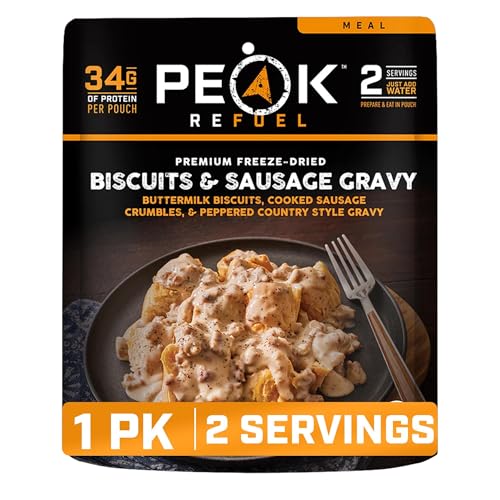
- ✓ Tastes genuinely good
- ✓ High protein, filling
- ✓ Easy prep, minimal mess
- ✕ Slightly pricey
- ✕ Need boiling water
| Net Weight | 6.77 oz per pouch |
| Serving/Prep | 10 minutes with 10.5 oz boiling water; prepares in pouch |
| Main Ingredients/Protein | 35 g+ protein per pouch (specifically 34 grams stated) from real meat; non-GMO ingredients |
| Packaging/Format | Freeze-dried biscuit and sausage gravy meal; ready-to-eat in pouch |
| Origin/Manufacturing | Made in USA; freeze-dried and packaged in the USA |
| Certification/Quality | USDA-inspected meat |
You tilt the pouch and hear that familiar crunch of freeze-dried biscuits crackling, then notice how the gravy powder clumps just enough to cling to the edges. You add boiling water and, within 10 minutes, the biscuits soften and the scent hits you—savory sausage with a touch of pepper that doesn’t taste like a compromise.
It’s one of those “surprisingly real” breakfasts that makes you forget you’re in the backcountry.
The texture is the real win here. The biscuits break apart into small warm chunks rather than a single dense square, which makes scooping gravy easier and more forgiving on a chilly morning.
I break the biscuits up first as suggested, then stir, and suddenly you’ve got a hearty, protein-forward meal that feels more like a real homemade breakfast than a typical trail option.
Flavor-wise, the sausage gravy delivers a robust, comforting note without being overly salty. You get a clean finish after each bite, and the gravy coats the biscuits well enough to feel like a full dish rather than dehydrated mush.
The 34 grams of protein per pouch are noticeable—your after-breakfast energy lasts through the first leg without that mid-morning slump.
The packaging is practical for solo trips: a sturdy pouch, the option to prepare and eat directly from it, and a USA-made assurance that adds a little extra peace of mind. It’s easy to pack, lightweight, and doesn’t demand fancy gear—just boiling water and a few minutes.
If you’re chasing a reliable, tasty, high-protein breakfast on the trail, this one checks a lot of boxes. It’s not just good for a quick meal; it’s genuinely satisfying enough to become a regular staple on longer backpacking trips.
Mountain House Freeze-Dried Breakfast Entree | Backpacking

- ✓ Quick to prepare
- ✓ Real ingredients
- ✓ Generous servings
- ✕ Not ultra light
- ✕ Texture can vary
| Serving Size / Servings | 4 servings per pouch |
| Dietary Type | Gluten-free |
| Preparation Method | Just add water; no cooking required; ready in minutes |
| Storage & Shelf Life | Long-lasting storage with 30-Year Taste Guarantee; store in a cool, dry place |
| Pouch Recycling / Packaging | Recycle pouches via TerraCycle |
| Made In | USA |
You pop the pouch open and the steam hits you like a warm kitchen on a chilly morning. That first whiff of savory skillet goodness instantly steadies your nerves and makes the trail feel a little less lonely.
Pour in hot water, seal it up, and you’re rewarded with a hearty, almost homey breakfast in minutes. The texture isn’t mushy, and the bits of potato and egg look inviting rather than industrially rehydrated.
Folding the pouch flat as it thickens keeps the heat contained, which is clutch when you’re bouncing between a camp stove and a chilly dawn breeze. It feels substantial enough to chase away that post-hike hunger without weighing you down.
The gluten-free claim isn’t just marketing fluff here. You taste real ingredients, not a grainy aftertaste or overpowering artificial flavors.
It’s comforting in a way that makes you want to reach for seconds—without feeling like you’re overdoing it before the hike back.
Storage and shelf life matter on long trips, and this one delivers. The 30-year taste guarantee isn’t just a number—it’s a reminder you’re carrying something reliable that’s stood up to the test of time and weathered trips.
On the trail, I appreciate the simple packaging and the ease of cleanup. No fancy gear required, just add water and go.
It’s a dependable option when you need a quick, warm start without cabin fever calories.
With four servings per pouch, it’s friendly for solo mornings or sharing with a hiking buddy who forgot their breakfast. It’s not a gourmet feast, but it satisfies and keeps you moving when you’d rather sleep in.
In short, the Mountain House Gluten Free Breakfast Skillet nails the “comfort food on the trail” promise with real ingredients, simple prep, and reliable taste.
Backpacker’s Pantry Granola Blueberries, Almonds & Milk |

| Serving Size / Portions | 1 cup granola blend per serving (approximate, per package) |
| Main Ingredients | Oats, real butter, almonds, blueberries, coconut, milk |
| Protein Content | 16 grams per serving |
| Dietary / Shelf Life Features | Shelf-stable; ready-to-eat; no prep required; emergency/long-term storage suitability |
| Packaging / Form Factor | Lightweight, portable pouch suitable for backpacking |
| Category / Use Case | Breakfast for camping/backpacking; freeze-dried/dehydrated meal option family |
The first bite tastes like a real kitchen in the woods — a hint of melted butter, a kiss of blueberries, and crunch from almonds that somehow stays crisp even after a chilly dawn. I unpacked the pouch on a windy campsite morning, tore open the seal, and was surprised by how the aroma filled the kid-in-a-campsite mood I hadn’t realized I needed.
You’ll notice the granola isn’t just oats tossed in sugar; it’s a thoughtful mix of oats, real butter, blueberries, coconut, and milk that stays surprisingly cohesive. No hot water, no mess, just grab-and-go satisfaction that doesn’t taste artificial or too “flighty.”
Texture-wise, it sits between a hearty breakfast and a premium trail mix, with enough sweetness to wake you up without wrecking your stomach before a hike. The 16 grams of protein give you a steady, crunchy energy punch for the trail, lake day, or a lazy morning at the tent site.
In real-world use, I found it pairs beautifully with a mug of hot coffee or a cold can of sparkling water. The packaging is lightweight and shelf-stable, which makes it easy to stash for emergencies or a quick morning bite on a longer trek.
It reminds you that “home” can be more than a home-cooked meal when you’re miles from civilization.
Bottom line: it’s a reliable, tasty breakfast that respects the backpacker’s need for energy, convenience, and flavor. It won’t replace a full kitchen, but it’s exactly the kind of thing you’ll reach for again and again on backcountry mornings.
PROS
CONS
- Not very light on sugar
- Texture can be clumpy
Nomad Nutrition Cali Breakfast Bowl | Instant Freeze Dried

| Serving Size / Package | Instant freeze-dried breakfast bowl serving suitable for backpacking |
| Main Ingredients | Yams, kale, quinoa, tofu, chickpeas (plant-based, gluten-free, non-GMO) |
| Preparation Method | Just add boiling water to rehydrate; ready in minutes |
| Dietary Attributes | Vegetarian/plant-based; dairy-free; palm oil-free; no artificial additives or preservatives |
| Intended Use / Category | Designed for hikers, campers, and backpackers seeking quick, energy-dense breakfast on outdoor trips |
| Brand / Product Name | Nomad Nutrition Cali Breakfast Bowl |
You peeked inside the Nomad Nutrition Cali Breakfast Bowl and found a surprising amount of heft for something that UX-wise looks like a simple pouch. The first bite of rehydrated yams and kale hit with real, plant-forward flavor rather than the usual bland instant fare.
I didn’t expect the quinoa and chickpeas to hold their texture so well after a quick boil.
The pouch is compact, light, and you can tell the ingredients are thoughtfully layered—yams at the bottom, greens and quinoa soaring through the middle, with tofu and chickpeas adding a satisfying bite. It’s one of those packs that feels substantial enough to actually replace a hot breakfast.
You’ll notice a clean, savory aroma rather than a chemical aftertaste.
Preparation is blisteringly simple: boil water, pour, wait a few minutes, and stir. In real-world backpacking conditions, that means minimal fuel and quick appetite satisfaction when you’re staring down a cold morning.
The texture holds up well, not mushy, not dry—just a hearty bowl you could actually savor on a chilly trailhead.
What sticks with you is the balance of nutrients. Plant-based protein from tofu and chickpeas pairs nicely with quinoa for lasting energy.
No preservatives or palm oil means you’re packing clean fuel, which matters when you’re pushing a long ascent or a multi-day trek.
Overall, it feels like a real breakfast you’d cook at home, only easier. It’s designed for adventurers who want real ingredients without slow cooking.
If your mornings on the trail demand something warm, flavorful, and genuinely filling, this bowl checks those boxes.
You’ll appreciate the portability, the quick prep, and the honest ingredient list. It’s not a gimmick—it’s a solid, reliable option for backpacking breakfasts.
In short: a surprisingly satisfying, plant-forward breakfast that won’t derail your morning routine or camp stove schedule.
For most hikers and campers, this bowl delivers well on flavor, texture, and nutrition in a single, easy-to-use package.
Price-wise, it sits at a manageable level for the convenience you get on the trail.
Give it a try if you crave real food on the go with no-fuss prep.
Enjoyable from first bite to last, it’s a standout in the “best breakfast for backpacking” category.
Note: the single-serving pouch is convenient to stash in a daypack so you’re ready for your next miles.
All told, it’s a dependable, tasty choice for early starts and long days ahead.
What Makes a Breakfast Ideal for Backpacking?
The best breakfast for backpacking should be lightweight, nutritious, and easy to prepare.
- Oatmeal: Oatmeal is a classic choice for backpackers due to its high fiber content and ability to provide sustained energy. It is lightweight and can be prepared quickly by just adding hot water, making it convenient for early morning meals on the trail.
- Granola Bars: Granola bars are portable and packed with carbohydrates, making them an excellent source of energy for hiking. They come in various flavors and can be consumed on-the-go, perfect for those who might not have time for a sit-down breakfast.
- Dehydrated Eggs: Dehydrated eggs are a protein-rich option that can be easily rehydrated with water. They offer a familiar taste and texture, making them a satisfying choice for a hearty breakfast that can keep you full during rigorous outdoor activities.
- Nut Butter Packets: Nut butter packets are compact and packed with healthy fats and protein, providing a quick energy boost. They can be eaten alone or spread on crackers or fruits, offering versatility in breakfast options while backpacking.
- Instant Pancake Mix: Instant pancake mix is a fun and filling breakfast option that can be easily prepared with water. It allows for a warm, comforting meal that can be customized with added fruits or nuts, providing both nutrition and satisfaction.
- Chia Seed Pudding: Chia seeds are high in omega-3 fatty acids and fiber, making them a nutritious choice for breakfast. When mixed with water or milk, they create a filling pudding that can be enhanced with fruits or sweeteners for a delicious start to the day.
How Important Are Nutritional Needs When Choosing a Breakfast?
Nutritional needs are crucial when choosing the best breakfast for backpacking to ensure adequate energy and nutrients for an active day.
- High Carbohydrate Content: Breakfast should be rich in carbohydrates to provide quick energy for hiking. Carbs are the body’s primary fuel source, especially during strenuous activities, making them essential for maintaining stamina on the trail.
- Protein for Muscle Repair: Including protein in breakfast aids in muscle repair and recovery after long hikes. It helps to sustain energy levels and keeps you feeling full longer, reducing the temptation to snack on less nutritious options.
- Healthy Fats: Incorporating healthy fats into your breakfast can provide long-lasting energy and support overall health. They help to keep you satiated and can be beneficial for maintaining energy levels over extended periods of physical activity.
- Vitamins and Minerals: A well-rounded breakfast should also include essential vitamins and minerals for overall health and immune support. Nutrient-rich foods can help prevent fatigue and boost endurance, which is vital during multi-day backpacking trips.
- Hydration: Breakfast should contribute to your hydration needs, especially if you’re starting your day with physical activity. Foods with high water content or accompanying drinks like herbal teas or electrolyte mixes can help maintain hydration levels.
- Portability: The best breakfast for backpacking should be lightweight and easy to pack. Opting for compact, non-perishable options ensures you can carry your breakfast without adding significant weight to your pack.
What are Some Easy and Quick Breakfast Options for Backpacking?
When backpacking, it’s essential to have breakfast options that are easy to prepare and nutritious to fuel your day.
- Instant Oatmeal: A lightweight, quick option that only requires hot water. It can be flavored with various toppings like nuts, dried fruit, or honey, providing energy and fiber to start your day.
- Granola Bars: These are convenient, portable snacks that pack a lot of calories and nutrients. They come in many flavors and can be eaten on-the-go without any preparation, making them ideal for busy mornings.
- Dehydrated Eggs: These can be rehydrated with hot water for a protein-rich meal that is easy to prepare. They are a great source of essential nutrients and can be mixed with vegetables or cheese for added flavor.
- Nut Butter Packets: Easy to carry and packed with healthy fats and protein, nut butter packets can be eaten alone or spread on bread or fruit. They provide sustained energy and are very versatile in meal combinations.
- Freeze-Dried Meals: While typically used for lunch or dinner, many freeze-dried options are available for breakfast. They often include ingredients like scrambled eggs and bacon, and only require hot water for preparation.
- Trail Mix: A combination of nuts, seeds, and dried fruits, trail mix is energy-dense and easy to snack on. It’s a no-fuss option that requires no preparation and can be consumed while hiking or at camp.
- Breakfast Burritos (Pre-made): These can be prepared at home and then frozen for convenience. Simply heat them in a camp stove or over a fire for a hearty, satisfying breakfast that feels like a home-cooked meal.
How Can You Prepare and Pack a Breakfast Smoothie for the Trail?
When packing a breakfast smoothie for the trail, it’s essential to focus on convenience, nutrition, and the ability to keep ingredients fresh.
- Base Ingredients: Choose a liquid base such as almond milk, coconut water, or yogurt that provides hydration and a creamy texture.
- Fruits: Use a combination of fresh or frozen fruits like bananas, berries, or mangoes, which are high in vitamins and provide natural sugars for energy.
- Vegetables: Add spinach or kale for extra nutrients without impacting the flavor significantly, enhancing the smoothie’s health benefits.
- Protein Source: Incorporate protein powder or nut butter to ensure you have sufficient energy and satiety for your outdoor activities.
- Healthy Fats: Include ingredients like chia seeds or flaxseeds, which not only add healthy fats but also help with digestion and provide sustained energy.
- Containers: Use a sturdy, leak-proof container or a reusable silicone pouch that is easy to pack and can be resealed after use.
- Preparation Tips: Pre-portion your ingredients in bags or containers that can be easily combined at the campsite, ensuring minimal preparation time and mess.
Base ingredients like almond milk or yogurt create a smooth texture while providing hydration, making them ideal for a refreshing breakfast on the go. Fruits such as bananas and berries are not only delicious but also pack essential vitamins and quick energy, perfect for fueling your adventures.
Incorporating vegetables like spinach or kale boosts the nutritional profile without significantly altering the taste, allowing you to enjoy a healthy breakfast. A protein source, whether from protein powder or nut butter, is crucial for keeping you full and energized throughout your hike.
Healthy fats from chia seeds or flaxseeds help with digestion and provide long-lasting energy, making them excellent additions to your smoothie. Selecting the right container is vital; a sturdy, leak-proof option ensures that your smoothie stays intact during transit, while reusable silicone pouches are eco-friendly and convenient.
Lastly, prepping your ingredients ahead of time simplifies the process at the campsite, allowing you to enjoy a nutritious breakfast with minimal effort and mess, setting a positive tone for your day of backpacking.
What Are the Key Benefits of Oatmeal as a Backpacking Breakfast?
The key benefits of oatmeal make it one of the best breakfasts for backpacking due to its nutritional value, convenience, and versatility.
- Nutritional Value: Oatmeal is rich in complex carbohydrates, fiber, and essential vitamins and minerals, providing a sustained energy release that is ideal for physical activities like hiking.
- Lightweight and Compact: Oatmeal is lightweight and takes up minimal space in a backpack, making it an ideal choice for backpackers who need to minimize weight while maximizing nutrition.
- Easy Preparation: Oatmeal can be easily prepared with just hot water, requiring minimal cooking equipment, which is perfect for backpackers looking for quick and simple meal options.
- Customizable: Oatmeal can be customized with various toppings such as fruits, nuts, or honey, allowing backpackers to tailor their breakfast to their taste preferences and nutritional needs.
- Long Shelf Life: Oatmeal has a long shelf life and can be stored for extended periods without refrigeration, making it a practical choice for multi-day trips.
Oatmeal is rich in complex carbohydrates, fiber, and essential vitamins and minerals, providing a sustained energy release that is ideal for physical activities like hiking. This combination helps to keep backpackers feeling full and energized throughout their morning adventures.
The lightweight and compact nature of oatmeal means that it can be easily packed without adding significant weight to a backpack. This is crucial for backpackers who are often trying to optimize their gear for long treks.
Preparation is straightforward; oatmeal can be cooked with just hot water, making it a hassle-free option for those on the go. This simplicity is especially beneficial for early morning starts when time may be limited.
Oatmeal’s versatility allows backpackers to add a variety of toppings, such as dried fruits, nuts, or sweeteners, to enhance flavor and nutrition. This customization can make each breakfast feel unique and satisfying, preventing monotony on longer trips.
Finally, oatmeal’s long shelf life means it can be taken on extended backpacking trips without the worry of spoiling, providing a reliable and nutritious breakfast option throughout the journey.
How Can Homemade Energy Bars Enhance Your Backpacking Breakfast?
Homemade energy bars can significantly enhance your backpacking breakfast by providing nutrition, convenience, and energy.
- Nutritional Control: Making your own energy bars allows you to customize the ingredients to suit your dietary needs and preferences. You can include whole grains, nuts, seeds, and dried fruits, ensuring a well-rounded meal that provides protein, healthy fats, and carbohydrates.
- Portability: Homemade energy bars are compact and lightweight, making them easy to pack and carry on your backpacking trips. They can be individually wrapped or stored in a small container, allowing for quick access during your morning routine on the trail.
- Energy Boost: These bars are designed to be high in calories and packed with energy, which is essential for sustaining your activity levels while backpacking. The combination of complex carbohydrates and protein helps to provide a steady release of energy, keeping you fueled throughout your hike.
- Cost-Effective: Preparing energy bars at home can be far more economical than buying pre-packaged options. By sourcing bulk ingredients, you can save money while ensuring that you have a healthy, filling breakfast option ready for your adventures.
- Flavor Variety: With homemade energy bars, you can experiment with different flavors and textures, making your breakfast more enjoyable. From chocolate chip and peanut butter to fruit and nut combinations, you can create bars that cater to your taste preferences and keep breakfast exciting on the trail.
What Snacks Pair Perfectly with a Backpacking Breakfast?
The best snacks to complement a backpacking breakfast are nutritious and easy to carry.
- Granola Bars: These bars are a convenient source of energy, packed with oats, nuts, and dried fruits. They provide a good balance of carbohydrates and protein, making them an excellent choice for a quick morning boost on the trail.
- Trail Mix: A combination of nuts, seeds, dried fruits, and sometimes chocolate or granola, trail mix is highly customizable. It offers a mix of healthy fats, proteins, and carbohydrates, which are essential for sustaining energy levels during a day of hiking.
- Nut Butter Packets: Portable nut butter packets are a great source of protein and healthy fats. They can be eaten alone or spread on whole-grain crackers or fruit, providing a satisfying and filling addition to your breakfast.
- Fruit (Dried or Fresh): Dried fruits like apricots, apples, or bananas are lightweight and provide quick energy, while fresh fruits like apples or oranges can be refreshing and hydrating. Both options are rich in vitamins and can help round out your breakfast nutritionally.
- Instant Oatmeal Packets: These packets are easy to prepare and can be made simply with hot water. Instant oatmeal is a warm, comforting option that can be enhanced with added nuts, fruits, or honey for extra flavor and nutrients.
How Can You Prepare a Breakfast Ahead of Time for Backpacking?
Preparing a breakfast ahead of time for backpacking involves selecting easy-to-carry, nutritious options that can be quickly prepared in the outdoors.
- Oatmeal Packs: Individual servings of instant oatmeal can be pre-packaged in zip-lock bags. Just add hot water to enjoy a warm, filling breakfast that provides carbohydrates and fiber to fuel your hike.
- Granola Bars: These are convenient and energy-dense snacks that require no preparation. Look for bars that are high in protein and fiber to keep you satiated on the trail.
- Dehydrated Eggs: Dehydrated or freeze-dried eggs are lightweight and easy to prepare. Just rehydrate them with water, and you can enjoy a protein-rich breakfast that supports your energy levels throughout the day.
- Nut Butter Packets: Portable nut butter packets can be paired with whole-grain crackers or fruit for a quick breakfast. They provide healthy fats and protein, making them a great option for sustained energy during backpacking trips.
- Chia Seed Pudding: Prepare chia seed pudding by mixing chia seeds with your choice of milk and letting it sit overnight. Store it in a travel-friendly container, and you can have a nutrient-packed meal ready to eat when you’re on the go.
- Breakfast Burritos: You can make breakfast burritos ahead of time by filling tortillas with scrambled eggs, cheese, and veggies, then wrapping them tightly and freezing. Just heat them up in the morning or on your camp stove for a hearty meal.
- Fruit and Nut Mix: A custom blend of dried fruits and nuts offers a quick, no-cook breakfast option. This mix provides a good balance of carbohydrates and healthy fats to keep you energized during your hike.
- Instant Coffee or Tea: Don’t forget a warm beverage to start your day! Instant coffee or tea bags are lightweight and can be easily prepared with hot water for a quick caffeine boost.