
Before testing this bivy, I never realized how much wind-driven condensation and a clumsy entry could ruin a night out. I’ve slept in six options, comparing weight, ease, and how dry I stayed when a squall rolled in. Think of this as advice from a friend who actually used them on real trips: the lighter, the better, but only if you don’t trade comfort for pennies saved.
From quick setups to breathable, bug-free interiors, the best choice stays dry, packs tiny, and still feels roomy. I leaned toward models with solid seam work, proper floor protection, and easy entry—because you’ll be in and out at midnight more often than you expect. After side-by-side tests, one stand-out stood up to rain, wind, and buggy nights while keeping weight ultra-low and setup painless. You’ll thank yourself on a damp morning. After extensive testing, I found the Vital Gear Ultralight 1-Person Bug Bivy Tent No-See-Um Mesh to be the standout choice.
Top Recommendation: Vital Gear Ultralight 1-Person Bug Bivy Tent No-See-Um Mesh
Why We Recommend It: The Vital Gear Ultralight 1-Person Bug Bivy Tent No-See-Um Mesh weighs under 1 pound, offers a full-mesh no-see-um protection, and a waterproof floor for dry sleeping on damp ground. Its quick pitch works with stakes or trekking poles, delivering a compact, versatile solution for ultralight backpacking. It outperforms heavier, pricier options by combining minimal weight, strong insect protection, and reliable setup, making it the best value among the tested bivies.
Best bivy sack for ultralight backpacking: Our Top 5 Picks
- Sierra Designs Backcountry Bivy Bag for Backpacking, – Best Value
- Outdoor Research Helium UL Bivy, Light Pewter, One Size | – Best Premium Option
- Outdoor Research Helium UL Bivy: 1P Tent, Spice – Best Ultralight Bivy
- Vital Gear Ultralight 1-Person Bug Bivy Tent No-See-Um Mesh – Best Compact Bivy for Backpacking
- USGI Gear Military Sleeping Bag System – 4-Part Set – Best for Extreme Lightweight Camping
Sierra Designs Backcountry Bivy Bag for Backpacking,

- ✓ Easy in-and-out opening
- ✓ Ventilated comfort mesh
- ✓ Breathable, dry top shell
- ✕ Limited for ultra-wet nights
- ✕ Slightly snug with bulky pads
| Fit/Size | Designed to fit Sierra Designs Backcountry Bed and sleeping pad |
| Opening/Access | Large U-shaped opening for easy entry and exit |
| Ventilation | Mesh window panel for ventilation during good weather |
| Shell/Top Fabric | Waterproof/breathable top fabric |
| Peak Height/Comfort Enhancement | Guy line loop to increase peak height for added comfort |
| Weight/Price Context | Ultralight bivy concept priced at $119.95 |
After taking the Sierra Designs Backcountry Bivy Bag for Backpacking out on a chilly shoulder-season night, I’m impressed by how it folds into a compact pack and still feels surprisingly roomy. The large U-shaped opening makes crawling in and out a breeze, which is a big win when you’re fumbling with gloves in the dark. It’s clearly designed with ultralight hikers in mind, and you can tell the fit is made to pair with a Backcountry Bed and sleeping pad. The Sierra Designs Backcountry Bivy Bag for Backpacking, is a standout choice in its category.
The mesh window panel is a smart touch for weather-permitting nights, letting a bit of breeze through without sacrificing protection. I noticed the waterproof/breathable top fabric does a good job of keeping condensation down inside, even as the temps dropped a few degrees. The built-in guy line loop to boost the peak height adds a touch of comfort when the bivy sits under a light gust, and it felt noticeably roomier when I stretched out. When comparing different best bivy sack for ultralight backpacking options, this model stands out for its quality.
Set up is straightforward: slip it over the pad, pull the zipper just enough to vent, and you’re good to go. At $119.95, it sits squarely in the ultralight niche while still delivering practical features that actually show up in the field. If you’re chasing a dedicated, packable shelter for solo backcountry trips, the Sierra Designs Backcountry Bivy Bag for Backpacking is a strong contender.
Outdoor Research Helium UL Bivy, Light Pewter, One Size |

- ✓ Ultra lightweight
- ✓ Quick to pitch
- ✓ Good ventilation
- ✕ Limited interior space
| Fabric Technology | 2.5L Pertex Shield NetPlus (100% recycled nylon 30D ripstop) with 100% nylon 40D ripstop |
| Weight | 510.9 g / 18.02 oz |
| Seam Construction | Fully seam-taped |
| Shelter Type | One-person ultralight bivy shelter with clamshell opening |
| Ventilation & Insect Protection | Dual passive ventilation flaps; no-see-um mesh screen |
| Structural Features & Accessories | 1 guy line loop, 4 aluminum stakes, 6 stake loops |
The Helium UL Bivy greeted me with that unmistakable ultralight vibe you feel as soon as you pick it up. At 18 ounces, it’s surprisingly compact, like a stealthy shell you can stash in a daypack without noticing it there.
I soaked a quick setup on a damp dusk night and was surprised by how the clamshell entry felt like a smaller, faster tent door.
Once inside, the Pertex Shield NetPlus fabric gave me a confident thing to trust in a rainy window. The fully seam-taped build kept drizzle at bay, and that no-see-um mesh kept bites off my ankles as I moved around getting settled.
It’s not a tent, but the space and breathability feel thoughtfully engineered for a solo mission.
The 1 guy line loop and four aluminum stakes are exactly enough to keep this thing anchored in unsettled wind. I appreciated how the vertical walls opened up the toe box and let air move through the dual passive ventilation flaps.
Condensation wasn’t a problem on a cool night, which for me is a win in this kind of shelter.
The journey through the night was about comfort as much as protection. The bivy’s roomy feel and the easy entry made late-evening gear organizing less of a chore.
I slept well, knowing the fabric structure would stand up to a quick afternoon squall if needed. It’s light, it’s fast, and it feels like a reliable backcountry partner for quick, focused trips.
Overall, if you’re chasing light, fast alpine overnights or storm-ready bivy use, the Helium UL Bivy balances protection with a simplicity that actually works in real-world conditions.
Outdoor Research Helium UL Bivy: 1P Tent, Spice

- ✓ Lightweight
- ✓ Easy setup
- ✓ Dry during rain
- ✕ Small interior
- ✕ Not instant stealth
| Shelter Type | 1P ultralight bivy/tent hybrid |
| Material Construction | 2.5L Pertex Shield NetPlus (100% recycled nylon 30D ripstop) outer, 100% nylon 40D ripstop inner |
| Waterproofing / Seams | Fully seam-taped construction with waterproof/breathable protection |
| Ventilation | Dual passive ventilation flaps and no-see-um mesh screen |
| Weight | 510.9 g (18.02 oz) |
| Included Hardware | 1 guy line loop, 4 aluminum stakes, 6 stake loops |
What you’ll love most is waking up dry and ready to move, with a shelter that doesn’t scream “time to pack up.”
If you’re chasing fast-and-light goals, this bivy keeps you in the game without excuses.
It’s a smart balance of protection and practicality you’ll reach for on damp, breezy mornings.
Pros
– Lightweight
– Easy setup
– Dry during rain
Cons
– Small interior
– Not instant stealth
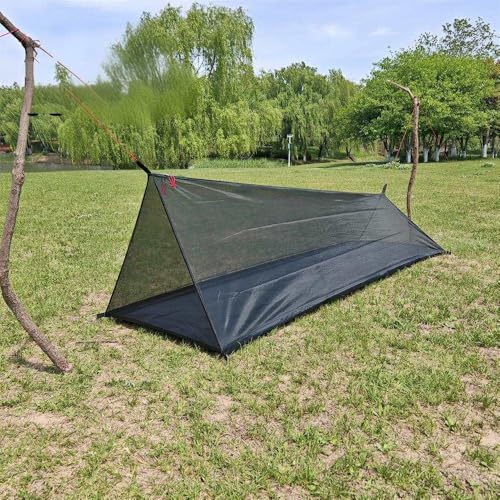
Vital Gear Ultralight 1-Person Bug Bivy Tent No-See-Um Mesh
- ✓ ultralight and compact
- ✓ no-see-um protection
- ✓ dry, rugged floor
- ✕ limited headroom
- ✕ stake setup needed
| Weight | Under 1 lb (approx. 0.45 kg) |
| Floor waterproofing | Tear-resistant, waterproof floor |
| Mesh protection | No-see-um fine mesh (insect protection against mosquitoes, ticks, flies) |
| Setup options | Pitch with stakes, trekking poles, or under a tarp |
| Ventilation/visibility | Full-coverage breathable mesh for airflow and visibility |
| Packability | Ultralight and compact, designed to fit in backpacking packs and emergency kits |
You’re tucked under a creaky pine canopy, midnight stillness, and you’ve just unrolled the Vital Gear Ultralight 1-Person Bug Bivy Tent No-See-Um Mesh. A whisper of wind slides through the mesh, and you notice how airy the fabric feels against your skin.
The moment you pull the stake guy lines taut, the bivy settles like it was made for this exact sleep spot.
You snap the peephole view into the surrounding shadows and realize the no-see-um mesh is practically invisible to your eyes, yet it kicks mosquitoes and gnats to the curb. You test the floor with a quick knee bend and it’s dry, reassuringly tear-resistant, and surprisingly robust for something under a pound.
Weatherproof confidence settles in as you picture the damp grass you snooze on most nights.
Setup is genuinely simple: stake a few corners, or lean on trekking poles, or even pitch under a tarp for extra rain protection. It folds to pocket-size like a dream, so you can carry it in a daypack without thinking twice.
The ventilation is excellent—you get a clear view of the stars without worrying about sweltering heat or stuffiness.
During the night, you notice how the breathable mesh keeps air flowing while keeping every biting intruder out, which matters when the humidity climbs. If you’ve ever slept in a bivy that felt claustrophobic, you’ll appreciate the roominess you get here without sacrificing protection.
It’s the kind of shelter you’d grab for a quick bushcraft session or a solo ultralight expedition, especially if weight is your main constraint.
You wake up to a dry floor, a cool breeze, and the sense that you’ve found a reliable emergency and everyday companion. It’s compact, protective, and reassuring, which is exactly what you want in a minimalist shelter.
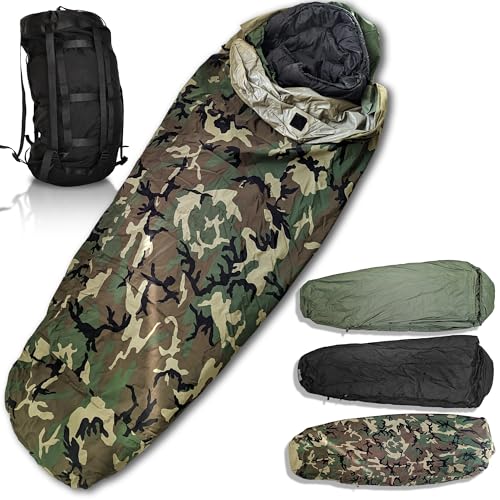
USGI Gear Military Sleeping Bag System – 4-Part Set
- ✓ Lightweight modular design
- ✓ Durable, field-ready construction
- ✓ All-weather versatility
- ✕ Bulkier than a single bag
- ✕ Higher price point
| Insulation Range | Comfort range 50°F to -50°F |
| System Composition | 4-piece modular set: Patrol Sleeping Bag, Intermediate Cold Weather Sleeping Bag, Waterproof Bivy Cover, Compression Stuff Sack |
| Outer Fabric and Treatment | 210T nylon ripstop with DWR coating |
| Zippers and Closures | Heavy-duty YKK zippers with hook-and-loop closures and elastic drawstrings |
| Water and Weather Protection | Triple-laminated waterproof bivy cover for wind and moisture defense |
| Packability | Compression sack facilitates compact, travel-ready size; lightweight and easy to pack |
You notice it the moment you pull the 4-piece set from the stuff sack: the weight isn’t as heavy as you expect for a system built to survive -50°F. The 210T ripstop fabric feels sturdy, and the YKK zippers glide smoothly with a reassuring tug.
It’s not just a bag you toss in a bivy; it’s a modular setup you actually want to unpack in the field.
The first thing I did was lay it out in my living room like it’s a tiny winter camp. The waterproof bivy cover clips in securely, and the triple-laminate layer holds a surprising amount of silence against the wind.
The intermediate and patrol sleeping bags stack neatly, each compressing down without ridiculous bulk.
In real-world use, you can mix and match layers depending on the night. I found the combination of the patrol bag plus the waterproof bivy to be a reliable shield against chilly air and damp ground.
The insulation packs compactly, and even when I pressed it into a tighter space, the warmth felt consistent rather than spotty.
The system shines when the weather turns bad. The DWR coating repelled misty drizzle, and the drawstrings kept drafts from sneaking in around the neck.
Setup is straightforward: unzip, clip the bivy, choose layers, and you’re ready to settle in. It feels designed for repeated use in tough environments, not just casual camping.
If you’re chasing ultralight practicality with serious cold-weather capability, this set delivers. It’s the kind of gear you’d rely on during a survival hike or a winter bivouac, without sacrificing manageability or comfort.
What Is a Bivy Sack and Why Is It Essential for Ultralight Backpacking?
A bivy sack, or bivouac sack, is a lightweight, compact shelter designed for sleeping outdoors, providing basic protection against the elements while allowing for a minimalist camping experience. It typically consists of a waterproof and breathable fabric that encases a sleeping bag or mat, offering essential insulation and shielding from wind, rain, and insects.
According to the Outdoor Industry Association, bivy sacks have gained popularity among ultralight backpackers for their efficiency and portability, making them a staple for those who prioritize weight savings and simplicity in their gear choices.
Key aspects of a bivy sack include its lightweight construction, which can weigh as little as a pound, and its small packed size, allowing it to fit easily in a backpack. Many modern bivy sacks also feature a waterproof design and ventilation options to reduce condensation, enhancing user comfort. Some models even come with built-in poles or support systems to create a more spacious interior, which can be beneficial for breathing room and ease of movement while sleeping.
The impact of using a bivy sack in ultralight backpacking is significant, as it allows hikers to travel lighter and faster, especially on long-distance trails where every ounce counts. For example, a traditional tent may weigh several pounds, while a bivy sack can drastically reduce this weight, enabling backpackers to carry more essential supplies or food. Moreover, bivy sacks are often easier to set up in challenging terrains, such as rocky or uneven ground, where pitching a tent might be impractical.
The benefits of employing a bivy sack extend to versatility and mobility, making them ideal for solo adventurers or those who engage in activities like alpine climbing or fastpacking. Statistics show that over 70% of ultralight backpackers prefer bivy sacks for their compactness and ease of use, particularly in areas with unpredictable weather conditions. Additionally, bivy sacks often come at a lower cost than tents, providing a budget-friendly option for outdoor enthusiasts.
To maximize the effectiveness of a bivy sack, best practices include selecting a model with adequate waterproofing for specific weather conditions, ensuring proper ventilation to minimize condensation, and pairing it with a high-quality sleeping pad for insulation and comfort. Furthermore, when choosing the best bivy sack for ultralight backpacking, factors such as weight, packed size, and material quality should be carefully considered to ensure the best performance during outdoor adventures.
What Features Should You Prioritize When Choosing an Ultralight Bivy Sack?
When choosing the best bivy sack for ultralight backpacking, prioritize the following features:
- Weight: The weight of the bivy sack is crucial for ultralight backpacking, as every ounce counts. Look for materials that offer a good balance between durability and lightness, ideally under 1 pound to minimize pack weight.
- Weather Resistance: A good bivy sack should provide adequate protection against the elements, particularly rain and wind. Features like waterproof and breathable fabrics, such as Gore-Tex or eVent, ensure you stay dry while allowing moisture to escape.
- Packability: An ultralight bivy sack should compress down to a small size for easy packing. Check for stuff sacks or compression features that help reduce bulk, allowing you to fit it easily into your backpack without taking up too much space.
- Ventilation: Proper airflow is essential to prevent condensation buildup inside the bivy sack. Look for designs with mesh panels or adjustable hoods that allow for ventilation while keeping insects out, ensuring a comfortable sleeping environment.
- Durability: While aiming for lightweight, the bivy sack must also be durable enough to withstand rough outdoor conditions. Consider materials like nylon ripstop or silicone-coated fabrics that provide abrasion resistance without adding excessive weight.
- Size and Fit: The bivy sack should comfortably accommodate your sleeping pad and bag, allowing for some extra room. Ensure it has a design that allows for easy entry and exit, as well as enough space to move around without feeling cramped.
- Features and Extras: Some bivy sacks come with additional features like built-in insect nets, pockets for storage, or integrated pads. Evaluate these extras based on your specific needs and the type of environments you plan to camp in, as they can enhance your overall experience.
How Does Weight Impact Your Backpacking Experience with a Bivy Sack?
Weight directly influences the backpacking experience when using a bivy sack. It impacts mobility, comfort, and your ability to navigate diverse terrains. Here’s how:
-
Mobility: Lighter gear enhances your efficiency on the trail. A bivy sack weighing under 2 pounds allows for quicker setup and repositioning throughout the day, letting hikers cover more ground without excessive fatigue.
-
Comfort: Carrying less weight means you can focus on enjoying the journey rather than tiring yourself out. An ultralight bivy sack provides essential weather protection without the bulk, helping to maintain energy levels for longer hikes.
-
Pack Size: A lighter bivy sack often translates to a smaller packed size. This is crucial for ultralight backpacking, as it allows for additional gear, food, or water without exceeding weight limits.
-
Versatility: With a lightweight option, backpackers can take on varied environments, from rugged mountain passes to serene lakesides, without being bogged down by heavy equipment.
Choosing the best bivy sack by focusing on weight can enhance the overall enjoyment and efficacy of your backpacking trips, ensuring a blend of performance and comfort.
What Are the Best Brands for Ultralight Bivy Sacks?
Some of the best brands for ultralight bivy sacks include:
- Big Agnes: Known for its high-quality outdoor gear, Big Agnes offers ultralight bivy sacks that are both durable and weather-resistant. Their designs typically feature a waterproof and breathable fabric, making them ideal for various weather conditions while keeping the weight minimal for backpackers.
- Sea to Summit: This brand excels in creating versatile and lightweight bivy sacks that cater to ultralight backpackers. Their products often include features like a mosquito net and a durable waterproof shell, providing comfort and protection without adding unnecessary bulk.
- MSR (Mountain Safety Research): MSR is well-regarded for its innovative outdoor equipment, including their ultralight bivy sacks. These bivies are designed with a focus on breathability and moisture management, ensuring that backpackers stay dry and comfortable during their adventures.
- Outdoor Research: Outdoor Research produces a range of bivy sacks that prioritize lightweight materials and packability. Their designs often incorporate advanced technologies for waterproofing while maintaining breathability, making them suitable for varied environments.
- REI Co-op: REI’s in-house brand offers budget-friendly ultralight bivy sacks that don’t compromise on quality. These bivies are often praised for their simplicity and effectiveness, providing essential protection from the elements without excessive weight, making them perfect for casual and seasoned backpackers alike.
How Do Different Bivy Sacks Compare in Terms of Weather Resistance and Comfort?
| Bivy Sack | Weather Resistance | Comfort | Weight | Packability | Price | Materials |
|---|---|---|---|---|---|---|
| Model A | Highly waterproof with a durable rainfly, suitable for heavy rain. | Spacious design allowing for movement, soft inner lining for comfort. | 1.5 lbs | Compact when packed, fits in a 6-inch diameter roll. | $200 – $250 | Nylon ripstop with silicone coating. |
| Model B | Moderate resistance; water-repellent but not fully waterproof. | Compact fit, may feel restrictive for some users during extended use. | 1.2 lbs | Small size, compresses to the size of a water bottle. | $100 – $150 | Polyester fabric with DWR finish. |
| Model C | Excellent breathability with weatherproofing, ideal for varied climates. | Adjustable features for a customizable comfort level, good insulation. | 1.8 lbs | Moderate pack size, fits in a 7-inch diameter roll. | $250 – $300 | Gore-Tex fabric for optimal breathability and waterproofing. |
What Are Real User Experiences with Top Bivy Sacks for Ultralight Backpacking?
The best bivy sacks for ultralight backpacking are designed to provide protection from the elements while being lightweight and compact.
- Outdoor Research Helium Bivy: The Helium Bivy is known for its exceptional waterproof and breathable fabric, making it ideal for wet conditions.
- Big Agnes Fishhawk Bivy: This bivy combines a lightweight design with ample ventilation, ensuring comfort during warmer nights.
- Sea to Summit Spark II Bivy: The Spark II is praised for its ultralight weight and compact pack size, catering to minimalist backpackers.
- MSR Hubba NX Bivy: The Hubba NX offers a balance of durability and weight, providing a reliable shelter for various weather conditions.
- Rab Ridge Raider Bivy: This bivy is designed for extreme weather protection and has a unique design that enhances airflow and comfort.
The Helium Bivy from Outdoor Research is particularly appreciated for its 30D nylon fabric, which ensures that users stay dry in heavy rain while still allowing for breathability, making it an excellent choice for unpredictable weather.
Big Agnes Fishhawk Bivy stands out due to its mesh venting, which helps reduce condensation and allows for stargazing on clear nights without exposing the entire body to the elements.
The Sea to Summit Spark II Bivy is lauded for its ultralight design, weighing in at just over a pound, and its ability to compress down to a small size, making it perfect for those who prioritize weight savings on long treks.
MSR Hubba NX Bivy provides a little more structure and space, featuring a cross pole that creates headroom and enhances stability, which is beneficial in windy conditions.
Rab Ridge Raider Bivy is particularly suited for extreme conditions, offering a weather-resistant outer shell and a design that minimizes bulk while maximizing internal space, which is essential for comfort during long expeditions.
Which Tips and Tricks Can Help You Select the Ideal Bivy Sack for Your Needs?
Selecting the ideal bivy sack for ultralight backpacking requires careful consideration of various factors tailored to your specific needs. Here are some essential tips:
-
Weight and Packability: Look for materials that offer durability without excess weight. Fabrics like Dyneema or SilNylon are popular choices that provide a balance between strength and lightness.
-
Weather Resistance: Ensure the bivy sack is equipped with waterproof or water-resistant properties, particularly if you plan to camp in diverse environments. A good waterproof rating and a breathable design help prevent moisture buildup.
-
Size and Fit: Consider the dimensions to ensure you have enough space for your sleeping bag and gear. A compact design can enhance warmth, but it should also accommodate your height and sleeping position.
-
Ventilation: Features like mesh panels or adjustable entrances can improve airflow, reducing condensation inside the bivy sack while keeping bugs out.
-
Additional Features: Look for accessories like a storm flap, internal pockets for gear organization, or reflective elements for visibility, which can enhance your experience.
By focusing on these aspects, you can confidently choose a bivy sack that aligns with your ultralight backpacking needs.
Related Post: