
The first thing that struck me about this Ruckercise Ridge 21L Rucksack wasn’t its rugged look, but how comfortably the straps sit under load. After weeks of testing, I can tell you exactly where it shines: stable weight distribution, a sturdy 1000 Denier CORDURA build, and two dedicated ruck pockets that keep plates from shifting—perfect for gradual progress.
Compared with the GORUCK options, Ridge Ridge’s lighter 21L capacity pairs well with 15–20 lb plate work, while still leaving room for essentials. It’s hydration-ready, MOLLE-enabled, and the carry feels compact yet secure, making it ideal for beginners who don’t want a bulky setup or overkill gear. If you want a durable, beginner-friendly pack that scales with your workouts, this is a solid start.
Top Recommendation: Ruckercise Rucking Backpack – Ridge 21L Rucksack
Why We Recommend It: The Ridge 21L balances durability and simplicity: 1000 Denier CORDURA construction handles sweat and abrasion, two dedicated ruck weight pockets keep plates stable, and a MOLLE system adds future customization. Hydration compatibility and a compact 21L footprint suit beginners who need growth without overwhelm, outperforming many 20L rivals with tougher fabric and targeted weight pockets.
Best beginner rucking backpack: Our Top 5 Picks
- WOLF TACTICAL Men’s Weighted Backpack for Rucking Training – Best Value
- GORUCK Rucker 4.0 Backpack | 20L, MOLLE, 1000D CORDURA – Best for Beginner Rucking Essentials
- GORUCK Rucker 4.0, Rucking Backpack, Black White – Best Introductory Rucking Backpack
- Ruckercise Rucking Backpack – Ridge 21L Rucksack, – Best Premium Option
- GORUCK Basic Rucker® 17L, Tactical Backpack, MOLLE – Best Basic Rucking Backpack
WOLF TACTICAL Men’s Weighted Backpack for Rucking Training

- ✓ Close-to-body stability
- ✓ Durable yet affordable
- ✓ Easy plate compatibility
- ✕ Limited internal organization
- ✕ No water bladder sleeve
| Load Capacity | Up to 40 lbs (fits standard 10×12 cast iron plates and WOLF TACTICAL weight vest plates) |
| Material Construction | 600D Oxford polyester |
| MOLLE / Attachment System | Laser-cut MOLLE webbing for modular pouches and accessories |
| Padding & Fit | Thick breathable shoulder padding with adjustable shoulder and chest straps |
| Storage Features | Low-profile front flap pocket and additional inner/ external compartments for essentials |
| Intended Use | Rucking, running, and strength training with secure load distribution |
The moment I strap this WOLF TACTICAL backpack on, the first thing that stands out is how the load sits close to my spine with minimal sway. That low-profile feel makes a simple walk feel like a gym session without the bulk.
The 600D fabric isn’t flashy, but it’s durable enough for sweaty sessions and muddy paths. It zips up cleanly, and the chest strap clips in with a solid snap that doesn’t jab into your collarbone.
Inside, the main cavity fits standard 10×12 plates, and I appreciated how the padding stays comfortable even as the weight climbs. If you’re adding plates steadily, the system feels forgiving rather than clunky, which is exactly what you want for longer rucks.
The MOLLE webbing is handy for tossing in small pouches or a light water bottle. I found the low-profile front pocket useful for a phone and keys, so you don’t have to rummage through the main compartment mid-pace.
The shoulder straps breathe well, and the chest strap helps keep the pack locked in place on uneven ground. It doesn’t feel like a costume rig, more like a steady piece of gear you actually trust when you’re pushing through that second mile.
Real-world use shows this is a versatile beginner option: it pairs perfectly with easy-to-manage load progression and fits a range of body types without feeling tacky or oversized. If you’re starting out, this is the kind of setup you’ll reach for again and again.
GORUCK Rucker 4.0 Backpack | 20L, MOLLE, 1000D CORDURA

- ✓ High back plate stability
- ✓ Comfortable, wide straps
- ✓ Solid frame support
- ✕ Limited internal pockets
| Capacity | 20 L |
| Ruck Plate Compatibility | Supports Ruck Plates up to 75 lb total weight |
| Material | 210D Cordura fabric with closed-cell foam |
| Back Panel and Support | Built-in frame sheet for structural integrity; lumbar support padding |
| Strap System | Padded, wide straps with multi-layer high-density foam for comfort |
| Weight Management and Stability | Elevated ruck plate pockets to keep weights high and stable; prevents bounce |
You’re halfway through a chilly morning ruck along the river trail, and the moment you cinch the Rucker 4.0 to your shoulders, the difference settles in. The straps hug your frames evenly, and that elevated pocket for plates sits snug, not jiggling as you step over roots.
The 20L build feels compact but not cramped, which is a win for longer sessions. The back panel moves with you rather than rubbing, thanks to the smooth 210D Cordura and the closed-cell foam that somehow stays dry against sweat.
First thing you notice is the weight distribution. The plates sit high and stable, and you don’t have to constantly readjust after each stride.
It’s not a bulky rig—just enough room for essentials and a rain shell in the outer pocket.
On the straps, the padding is noticeable without being mushy, and the wide design reduces neck pressure when you push into a heavier mile. The frame sheet underneath gives you a solid stance, so you can focus on form rather than balance.
With a few miles under the belt, you start to appreciate the little touches that make it purposeful for rucking. The reinforced construction doesn’t squeak or flex oddly, even when you carry close to the recommended weights.
It feels like a tool you’ll reach for again and again, not just a bag you wear for workouts.
If you’re new to rucking, you’ll appreciate how the Rucker keeps things simple yet sturdy. It’s easy to load, easy to wear, and easy to grow into as you add plates and miles.
Pros:
Cons:
- Limited internal pockets
GORUCK Rucker 4.0, Rucking Backpack, Black White

- ✓ Stable high-weight position
- ✓ Comfortable wide straps
- ✓ Durable back panel
- ✕ Higher price point
- ✕ Limited internal organization
| Capacity | 20 liters |
| Max_Ruck_Plate_Weight | 75 lb (34 kg) maximum recommended weight |
| Back_Panel_Material | 210D CORDURA fabric with closed-cell foam |
| Frame_Sheet | Built-in frame sheet for structural integrity |
| Shoulder_Straps | Wide, reinforced straps with dual-density foam layers for cushioning |
| Ruck_Plate_Pockets | Elevated, secure pockets designed to keep plates high and stable |
You haul the Rucker 4.0 onto your shoulders and the first thing you notice is how the straps stay put, even when you loop a 20-pound plate in the elevated pocket. No slide, no pinch—just a stable, center-backed feel that makes those first miles feel controllable rather than punishing.
The back panel glides a little with each step, thanks to the smooth 210D CORDURA material and the raised padding along the bottom. It doesn’t rub or chafe, which is a surprising win when you’re staring down a longer workout.
The built-in frame sheet whispers, “we’ve got you,” letting you push heavier without that familiar flex-and-creak anxiety.
Rucking with this pack feels like you’ve upgraded your posture on purpose. The weight sits higher on your back, evenly distributed, which helps you brace your core without hunched shoulders.
You’ll also appreciate the reinforced, wide straps—no more neck numbness after a quick jog or hill climb. And those multiple handles?
They actually come in handy when you need to grab and go during a workout circuit or carry the bag differently for balance.
Storage is practical for a 20L-leaning setup: enough room for essentials and a few training extras without turning the bag into a bulky brick. The moisture-repelling closed-cell foam gives you confidence during sweaty sessions or light rain.
If you’re starting out, the Rucker’s weight handling feels forgiving but not flimsy, inviting you to grow your loads as your miles stack up.
All told, it nails comfort, stability, and durability in a way that makes beginning rucks feel natural rather than intimidating.
Ruckercise Rucking Backpack – Ridge 21L Rucksack,
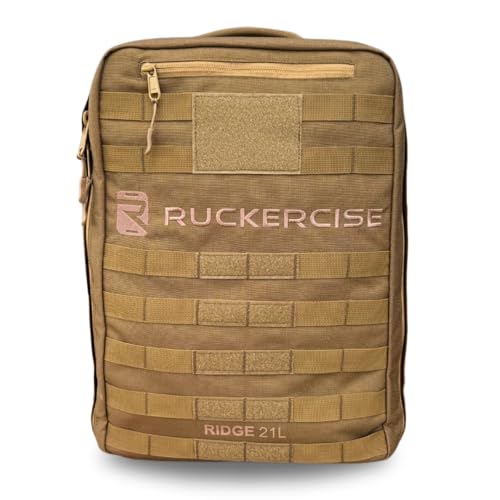
- ✓ Comfortable weight distribution
- ✓ Durable Cordura build
- ✓ Hydration compatible
- ✕ Limited main compartment access
- ✕ Weight pockets add bulk
| Material | 1000 Denier CORDURA Nylon |
| Capacity | 21 liters |
| Dimensions | 18 x 13.5 x 4.5 inches |
| Ruck Weight Pockets | Two pockets: Pocket 1 15.5 x 10.5 inches; Pocket 2 11 x 8.5 inches |
| MOLLE System | MOLLE-compatible modular attachment points for additional compartments |
| Hydration Compatibility | Interior reservoir ring and hydration tube port |
You jam a 15.5 x 10.5 inch pocket full of plates into the Ridge’s first weight pocket, and the pack instantly settles against your hips like it was built for you. The moment you sling it on, the reinforced shoulder straps bite comfortably without digging in, even when you’re wearing a base layer and a puffy on top.
It feels sturdy, almost reassuring in a way that makes you want to test it harder.
The 21L size isn’t flashy, but it’s surprisingly practical. It sits close to your center of gravity, so your balance stays solid while you walk with a heavy step.
The interior hydration port is thoughtfully placed, and you can thread a tube without fighting the fabric. It’s the kind of detail you notice after you’ve already sweated through a couple of miles.
I switched between long weights in Pocket 1 and shorter weights in Pocket 2, and the layout never felt awkward. The MOLLE system invites you to add a little extra gear without turning the pack into a blob on your back.
The 1000 Denier Cordura exterior is grippy enough to handle a light rain and a few grit-and-dirt sessions without showing wear.
Even when you’re pushing pace on a crowded track, the Ridge stays quiet and steady. The extra-grippy straps stay put, and the load feels evenly distributed.
You don’t get fancy features for show; you get solid, real-world function that makes rucking feel more like a workout and less like a puzzle.
If you’re starting out, it’s easy to underestimate how much weight your back will notice. This pack makes the first few sessions feel approachable, not brutal.
That balance matters when you’re forming a habit.
GORUCK Basic Rucker® 17L, Tactical Backpack, MOLLE

- ✓ Lightweight but sturdy
- ✓ Comfortable for long wear
- ✓ MOLLE versatility
- ✕ Limited main compartment depth
- ✕ No external quick-grab pocket
| Capacity | 17 L |
| Material | 420D/840D Robic fabric with reinforced CORDURA back panel |
| MOLLE system | Built-in MOLLE webbing for customization |
| Main compartment access | ¾ zip opening |
| Ruck plate compatibility | Interior plate pocket supports 10 lb, 20 lb, or 30 lb ruck plates (up to 30 lb) |
| Weight/size framing | 12″ W x 18″ H x 6″ D frame; compact, lightweight design |
The first thing I notice is the weight in my hands—solid, but not bulky—just 17 liters of ready-to-go. The 420D/840D Robic fabric feels sturdy, with a subtle weave that hints at durability without shouting “military chic.” There’s a satisfying stiffness to the back panel, and the CORDURA reinforcement gives me confidence I won’t wear it out in a few months.
Opening the ¾ zip, the main compartment lies invitingly accessible. It’s easy to grab a light shell or a compact plate insert, and the interior is cleanly laid out for quick organization.
The MOLLE webbing on the outside catches my eye, inviting a few pouches for everyday essentials or training gear. I appreciate the two side pockets that hold bottles or snacks without bulging.
The shoulder straps are unexpectedly comfy, with a generous pad thickness and a shape that sits well on my shoulders even when the bag is loaded. The 20mm lumbar support feels noticeable as I adjust the fit mid-walk, spreading weight more evenly than I expected from a compact pack.
The hydration port is handy, and the internal D-ring is a small, thoughtful touch for quick bladder access.
In real use, it behaves like a reliable daily carry that’s built for movement. It’s light enough for commuting, but sturdy enough for a short ruck or training session.
The 12″ x 18″ x 6″ frame keeps things tidy on a crowded train or in a gym locker.
If you’re testing ruck basics or starting out, this is a practical, no-fuss option with room to grow as your needs evolve.
What Should You Look For in a Beginner Rucking Backpack?
When selecting the best beginner rucking backpack, there are several key features to consider that will enhance your experience and comfort.
- Capacity: Look for a backpack with adequate capacity to hold your rucking gear without being overly bulky. A beginner rucking backpack typically ranges from 20 to 40 liters, providing enough space for essentials like water, snacks, and weights while maintaining a manageable size for ease of movement.
- Comfortable Straps: Padded, adjustable shoulder straps are crucial for comfort during long rucks. A good backpack should also have a sternum strap and possibly a hip belt to distribute weight evenly and reduce strain on your shoulders and back.
- Durability: The material of the backpack should be robust and water-resistant to withstand different weather conditions and terrains. Look for high-denier nylon or polyester fabrics that offer resistance to abrasions and tears, ensuring the backpack lasts through many rucks.
- Weight Distribution: A well-designed rucking backpack should enable you to pack weights low and close to your back for better balance and stability. This design helps prevent fatigue and discomfort, allowing you to maintain a proper posture while rucking.
- Accessibility: Features like side pockets, front pockets, or a top-loading design can enhance convenience. Quick access to water bottles, snacks, or gear can be a game-changer, especially on longer rucks when you may need to grab items without stopping to dig through the main compartment.
- Versatility: A beginner rucking backpack should also be versatile enough for other activities, such as hiking or day trips. Look for removable compartments or modular attachments that allow you to customize the pack’s setup based on your specific needs.
- Reflective Elements: Safety features like reflective strips or patches are beneficial for visibility during early morning or late evening rucks. This can be essential for urban environments where you may encounter traffic or low-light conditions.
What Are the Key Features That Make a Rucking Backpack Ideal for Beginners?
The key features that make a rucking backpack ideal for beginners include:
- Comfortable Fit: A beginner rucking backpack should offer adjustable straps and a padded back panel to ensure a comfortable fit. This helps distribute weight evenly and reduces strain during long rucks, making it easier for newcomers to build endurance.
- Durable Material: The backpack should be made from high-quality, water-resistant materials to withstand various weather conditions and rough handling. This durability ensures that the backpack can endure tough rucking sessions and provide lasting value for beginners.
- Ample Storage Space: An ideal beginner rucking backpack should have multiple compartments for organization, allowing users to carry essential items like water bottles, snacks, and gear without feeling cluttered. This feature promotes efficiency and accessibility, making it easier for beginners to plan their rucking trips.
- Weight Capacity: A suitable rucking backpack should support a reasonable weight capacity, typically between 20 to 40 pounds. This range is ideal for beginners, allowing them to gradually increase their load as they build strength and confidence in their rucking abilities.
- Reflective Elements: For safety during low-light conditions, the backpack should include reflective strips or patches. These features enhance visibility, which is crucial for beginners who may not be accustomed to rucking in various environments or times of day.
- Affordability: A good beginner rucking backpack should be budget-friendly without sacrificing quality. This accessibility encourages newcomers to try rucking without a significant financial commitment, making it more appealing to a wider audience.
How Does Durability Impact the Selection of a Rucking Backpack?
Durability is a crucial factor when selecting the best beginner rucking backpack, as it directly affects the longevity and reliability of the bag during rigorous activities.
- Material Quality: The durability of a rucking backpack largely depends on the materials used in its construction, such as high-denier nylon or polyester. These materials are not only resistant to wear and tear but also provide water resistance, ensuring the contents remain dry under various conditions.
- Stitching and Construction: The quality of stitching and the overall construction techniques play a significant role in the backpack’s durability. Reinforced seams and bar-tack stitching, which are common in high-quality backpacks, help to prevent the fabric from ripping during heavy use.
- Weight Capacity: A durable rucking backpack should be designed to handle substantial weight without compromising its integrity. This means that the backpack must have sturdy straps, a robust frame, and adequate support to distribute the load evenly, reducing the risk of damage during rucking sessions.
- Weather Resistance: A durable backpack should also be equipped to withstand various weather conditions. Features like water-repellent coatings or rain covers can enhance the backpack’s ability to protect its contents from moisture and UV damage, extending its lifespan.
- Warranty and Brand Reputation: The warranty offered by the manufacturer often reflects the durability of the product. Reputable brands typically provide better warranties, indicating confidence in their backpacks’ longevity and reliability, making them a safer choice for beginners.
What Size Rucking Backpack Is Most Suitable for Beginners?
When selecting a rucking backpack as a beginner, size plays a crucial role in ensuring comfort and functionality. Generally, a rucking backpack with a capacity between 20 and 30 liters is ideal for novices. This range offers enough space for essentials without being overly cumbersome.
Key size considerations include:
-
Day Rucksacks (20-30 liters): Perfect for short workouts or casual walks, allowing you to carry water, snacks, and a light jacket. This size is manageable and doesn’t overwhelm the user.
-
Hydration Compatibility: Look for rucksacks that can accommodate a hydration bladder, which enhances convenience during longer rucks.
-
Compartments and Pockets: Choose designs that include multiple compartments for organization. This feature allows beginners to easily access essential gear.
-
Fit and Adjustability: Ensure the backpack has adjustable straps and a good fit. A well-fitted backpack distributes weight evenly, reducing discomfort.
Considering these factors, a 20-30 liter rucking backpack serves as an excellent starting point for beginners, enabling a comfortable and enjoyable experience while building stamina and strength.
Which Brands Are Recommended for Beginner Rucking Backpacks?
Some of the best brands recommended for beginner rucking backpacks include:
- 5.11 Tactical: Known for durable and functional designs, 5.11 Tactical backpacks often come with multiple compartments and MOLLE webbing for customization.
- REI Co-op: REI Co-op offers a range of affordable and well-constructed backpacks that are beginner-friendly, often featuring comfortable straps and ample storage for essentials.
- Condor: Condor backpacks are popular among rucking enthusiasts for their rugged construction and versatility, making them suitable for various outdoor activities.
- Amazon Basics: For those on a tight budget, Amazon Basics provides simple yet effective backpacks that meet the basic needs of rucking without breaking the bank.
- Osprey: Osprey is renowned for its ergonomic designs and comfort, offering beginner ruckers a great balance of support and storage capacity.
5.11 Tactical: This brand is well-respected in tactical and outdoor gear, offering backpacks that are designed for both durability and functionality. Many of their models feature water-resistant materials and a variety of pockets, which makes them ideal for beginners who need to organize their gear efficiently.
REI Co-op: Known for high-quality outdoor gear, REI Co-op provides a selection of backpacks that are not only budget-friendly but also user-friendly. Their backpacks typically include adjustable straps and ventilation features, which are perfect for beginners who may not be accustomed to carrying heavy loads.
Condor: Condor backpacks are designed with military specifications in mind, providing a rugged and versatile option for those looking to start rucking. They often come with adjustable features and plenty of attachment points, making them suitable for carrying additional gear and supplies.
Amazon Basics: If you’re looking for an entry-level option, Amazon Basics offers backpacks that are functional and straightforward. While they may lack some advanced features, they provide a good starting point for beginners who want to try rucking without a large investment.
Osprey: Osprey’s reputation for comfort and ergonomic design makes their backpacks an excellent choice for beginners. With features like padded hip belts and adjustable harnesses, they help to distribute weight evenly, which can be especially beneficial for those just starting out in rucking.
How Does Rucking Benefit Beginners Physically and Mentally?
Community and social interaction are encouraged through group rucking events, where beginners can connect with like-minded individuals, fostering a supportive environment that can enhance motivation and enjoyment of the activity.
Improved posture and core stability are achieved through the practice of rucking, as the need to balance and support the weight encourages better alignment and core engagement, which can help prevent injuries in the long run.
How Should Beginners Determine the Right Weight for Their Rucking Backpack?
Beginners should consider several factors to determine the right weight for their rucking backpack.
- Body Weight: A common guideline is to start with a weight that is 10% to 20% of your body weight. This ensures that the load is manageable and allows for proper form during your rucking sessions.
- Fitness Level: Assessing your current fitness level is crucial; if you are new to exercise or have not been active, it’s advisable to start with lighter weights and gradually increase as your strength and endurance improve.
- Distance and Terrain: The weight of your backpack should also consider the distance you plan to ruck and the type of terrain you’ll be covering. For longer distances or challenging terrains, a lighter load can help maintain stamina and reduce the risk of injury.
- Purpose of Rucking: Define your goals for rucking, whether it’s for general fitness, weight loss, or training for a specific event. Your objectives can influence how much weight you should carry; for instance, if preparing for a race, you might want to ruck with a weight closer to the higher end of the scale.
- Type of Gear and Supplies: Consider what you need to carry in your backpack, such as water, snacks, or personal items. Start with essential gear and add weights progressively, ensuring you are comfortable with the load before increasing it further.