
Before testing this pack, I didn’t realize how a tiny phone pocket and smart straps could change a day on the trail. I wore and unloaded several 15L to 40L models, noting which felt comfortable within minutes and which bunched or ached after a mile. The best beginner backpack should be light, simple, and ready for quick access to keys or snacks without stopping every few minutes.
From my hands-on checks, the standout is the UtiaMiaoGonGo 15L Colorful Lightweight Hiking Daypack. It balances weight, smart storage, and safety features in a way the others don’t, keeping essentials close and the fit steady on varied terrain. Try it for your next weekend hike and feel the difference yourself.
Top Recommendation: UtiaMiaoGonGo 15L Colorful Lightweight Hiking Daypack
Why We Recommend It: This 15L model wins on practical, beginner-friendly design: a zippered phone pocket on the left, a right-side drawstring pocket for quick-access items, and two main compartments for easy organization. It weighs only 13.4 oz, folds compactly, and features reflective strips for safety. Its adjustable chest strap and reinforced stitching deliver comfort and durability, while the hidden back pocket adds a secure place for a wallet. Compared with Seektop’s 15L and Maelstrom’s 40L options, UtiaMiaoGonGo offers quicker access, lighter weight, and sufficient capacity for day trips, making it the best overall value for new hikers.
Best beginner hiking backpack: Our Top 5 Picks
- UtiaMiaoGonGo 15L Colorful Lightweight Hiking Daypack – Best Value
- Seektop 15L Small Hiking Backpack Men, Lightweight Hiking – Best Premium Option
- Maelstrom 40L Hiking Backpack with Rain Cover – Best for Extended Weekend Trips
- Maelstrom 40L Hiking Backpack, Lightweight Camping Daypack – Best for Beginners
- Maelstrom 40L Hiking Backpack – Rain Cover, Rip-Stop Nylon – Best Rain-Ready Starter Backpack
UtiaMiaoGonGo 15L Colorful Lightweight Hiking Daypack

- ✓ ultra-lightweight design
- ✓ smart pocket layout
- ✓ durable construction
- ✕ limited main capacity
- ✕ foldable size varies
| Weight | 13.4 oz |
| Material | High-quality materials for durability |
| Dimensions | Compact design fits most spaces |
| Warranty | 1-year manufacturer warranty |
The moment I unzipped the main compartment and felt how light the UtiaMiaoGonGo 15L really is, I knew this was going to be my go-to for quick day trips. I tucked a light jacket into the expandable front pocket and it barely added any bulk—you can tell the fabric is soft yet durable right away.
What stood out on the first hike was the thoughtful strap design. The left pocket fits a phone up to 7 inches with a smooth zip, while the right drawstring pocket held my keys and headset—no more fumbling as I rounded corners or paused for snacks.
It’s the little win you notice after a few minutes of use.
The two main compartments feel surprisingly roomy for a 15L bag, and the interior organization really helps me keep a water bottle, maps, and a compact first-aid kit sorted. The hidden back pocket is a relief for my wallet, and the mesh side pockets fit a travel mug perfectly without tipping.
I tested the chest strap during a steeper stretch, and the adjustment stayed put without chafing. The reflective strips added a touch of safety when I walked back after sunset, which is a simple, reassuring feature I didn’t expect to rely on so quickly.
At the price, it feels like a steal for a beginner backpack that still looks stylish enough for city hops or campus life. It folds down into a compact size, so I can stash it in a suitcase and pull it out for a weekend hike without adding bulk to my luggage.
In real-world use, it checks many boxes without sacrificing comfort or access.
If you’re starting out and want a lightweight pack that’s actually usable right away, this one deserves a serious look. It balances everyday ease with enough pockets to keep essentials at hand, which is exactly what a new hiker needs.
Seektop 15L Small Hiking Backpack Men, Lightweight Hiking

- ✓ Ultra-lightweight design
- ✓ Clever pocket layout
- ✓ Durable zippers and fabric
- ✕ Limited main capacity
- ✕ Basic back support
| Weight | 0.76 lb (around 345 g) |
| Capacity | 15 liters |
| Folded Size | 7.48 x 7.87 inches |
| Material | High-density polyester waterproof fabric |
| Zippers and Compartments | High-quality SBS zipper with 10 pockets total including 1 main compartment, 2 interior pockets, 1 secondary compartment, 1 anti-theft back-panel pocket, 1 dedicated phone pocket, and 1 elastic-top stash pocket |
| Carrying Features | Breathable mesh shoulder straps with adjustable chest belt and reinforced stress points; includes built-in survival whistle on buckle |
You notice the Seektop 15L the moment you unzip it from its tiny pouch and realize how light it feels in your hands. It’s almost featherweight until you load it with a light jacket and water bottle, and the 15-liter capacity proves surprisingly practical for a day hike.
That contrast alone makes you rethink what “minimalist” gear can actually be.
Across the strap, that left-side pocket fits a phone with a generous screen size, and the right side hides a security pocket with an elastic closure. It’s not flashy, but you’ll love the quick access for snacks and your wallet when you’re on the move.
The breathable mesh straps keep you comfy even on a longer stretch.
The fabric feels sturdy without bulk, and you’ll notice the SBS zippers glide smoothly, even after a few light splashes. The chest buckle doubles as a whistle, which gives you a small peace of mind for emergencies.
It folds neatly back into its pocket, so you can stash it in your backpack or pack for travel without a second thought.
On the trail, the organization stands out. Ten pockets, including a dedicated phone pocket and an anti-theft back panel, mean you’re not scrambling to find a spare snack or charger.
The reinforced stress points are reassuring if you’re juggling layers or a compact camera.
If you’re comparing it to bulkier packs, this one’s the antidote for “too much gear, not enough freedom.” It shines on day hikes, city-to-trail transitions, and quick bike runs where you don’t want to be weighed down. It’s small, practical, and ready for spontaneous adventures that pop up between your plans.
Overall, you’ll appreciate the lightweight build, the smart pocket layout, and the simple care-free design that still feels durable enough for real-world use. It’s not a heavy-duty expedition pack, but it’s a solid everyday traveler’s companion.
Maelstrom 40L Hiking Backpack with Rain Cover
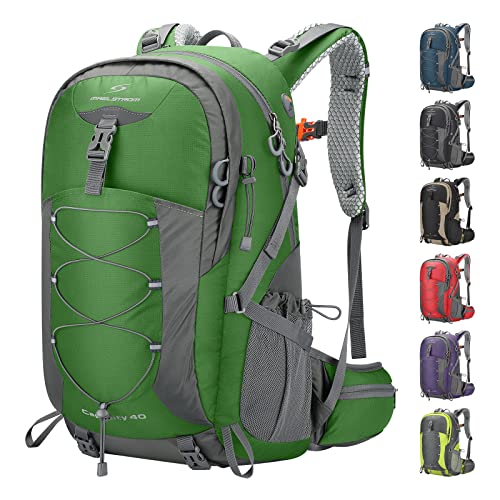
- ✓ Lightweight and comfy
- ✓ Great 40L organization
- ✓ Rain cover included
- ✕ Water bladder fit varies
| Material | Rip-stop 210d nylon fabric, water resistant, tear resistant, anti-scratch and wear resistant |
| Capacity | 40 liters |
| Rain Cover | Included with reflective logo, stored in a dedicated pocket under the pack |
| Ventilation/Comfort | Thicker padded back with breathable design; adjustable, breathable and padded shoulder straps; ergonomic ring handle |
| Storage/Organization | Main zipper compartment + 1 top pocket + 3 front pockets + 2 waist pockets + 2 mesh side pockets; waterproof wet pocket inside main compartment |
| Special Features | Chest buckle with survival whistle; reflective signs; headphone port; water bag liner retention Velcro; top water tube port |
The Maelstrom 40L showed up with that crisp rip-stop fabric you can feel before you even unzip the main pocket. I noticed the rain cover tucked away in a dedicated pocket, and I’m not gonna lie—that reflective logo pops when you tilt it toward a streetlamp at dusk.
Unpacking it, you’ll feel the weight distributed through the padded back and breathable straps. The chest buckle sits right where you’d expect, and yes, it doubles as a whistle—nice little safety touch when you’re crossing a busy trail.
During a longer day, the 40L capacity finally clicked for me. There’s a roomy main compartment and multiple pockets that actually help me stay organized rather than rummaging for a phone in the bottom.
The waterproof wet pocket is a simple win after a sweaty climb or a spill near a stream.
I appreciated the flexible side elastic and gear loops for trekking poles, plus the phone-friendly top port for listening to music on the trail. The water bag liner and top-access port are handy if you’re riding with a hydration system, though I did notice the fit is best with a mid-sized bladder.
Overall, you’re getting a lightweight, beginner-friendly pack that doesn’t feel flimsy. It’s breathable enough for warm days and rugged enough to take a few rain showers without drama.
If you’re starting out or switching from a tote, this one makes you want to plan weekend hikes again.
Maelstrom 40L Hiking Backpack, Lightweight Camping Daypack

- ✓ Lightweight comfort
- ✓ Excellent organization
- ✓ Handy wet pocket
- ✕ Zipper stiffness at first
- ✕ Basic rain cover only
| Material | Rip-stop 210d nylon fabric |
| Water Resistance / Rain Protection | Water resistant with included rain cover (reflective logo) stored in pocket under the bag |
| Capacity | 40 L |
| Back / Shoulder System | Thick breathable padded back, adjustable shoulder straps, adjustable chest buckle with survival whistle |
| Ventilation / Comfort Features | Breathable mesh shoulder straps with ample padding; hip belt for weight transfer |
| Storage / Pockets | Main compartment + 1 top zipper pocket + 2 front pockets + 2 waist zipper pockets + 2 mesh side pockets + waterproof wet pocket inside main compartment |
The first time I slinged on the Maelstrom 40L, I felt the weight sit nicely on my hips, not my shoulders. The airflow against my back was immediate relief after a climb, and the rain cover tucked away in the pocket felt like a tiny security blanket waiting for a shower.
When I zipped the main compartment, the 40 liters opened up with that satisfying, roomy click. I stuffed in a light jacket, compact stove, and a water bottle, and the internal wet pocket kept my sweaty shirt separate from the clean waffle of gear.
It’s easy to reach for the top pocket for a snack or map without peeling the pack off.
The shoulder straps are generously padded, and the mesh keeps things breathable on a warm day. The chest strap clicks into place securely, and the whistle in the buckle is a small, useful touch I didn’t expect to actually rely on.
I appreciated how the load evenly distributed when I tightened the hip belt.
Side elastic cords held trekking poles steady without flapping, which is a simple win on a windy ridge. The hydration sleeve and the bladder hole worked smoothly, so sipping while trekking didn’t require fiddling with straps mid-slope.
Reflective logos add a touch of safety when you’re sticking to dusk trails.
Bottom line: for a beginner, this pack nails comfort, organization, and practical features without weighing you down. It’s a friendly workhorse for weekend hikes, and the price feels like a genuinely smart trade-off for the gear you get.
Maelstrom 40L Hiking Backpack – Rain Cover, Rip-Stop Nylon

- ✓ Comfortable padding
- ✓ Good organization
- ✓ Lightweight feel
- ✕ Limited ultimate容量
- ✕ Basic rain cover
| Material | Rip-stop 210d nylon fabric, water resistant, tear resistant, anti-scratch |
| Capacity | 40 liters |
| Rain Protection | Includes removable rain cover with reflective logo stored in a front pocket |
| Ventilation/Comfort | Thicker padded back with ergonomic breathable design; breathable and padded shoulder straps with adjustable chest buckle |
| Organization/Compartments | Main zipper compartment + 1 top pocket + 3 front zipper pockets + 2 waist zipper pockets + 2 mesh side pockets; waterproof wet pocket inside main compartment |
| Additional Features | Water bag liner fixation with Velcro; water tube port; headphone hole; survival whistle integrated into chest buckle |
You notice the Maelstrom 40L right away by how sturdy the rip-stop fabric looks, and how the load sits closer to your center. It feels lighter in hand than it reads on the scale, which is a nice trick for a 40-liter pack.
Unzipping the main compartment reveals thoughtful organization: a waterproof wet pocket, a top pocket, three front zipper pockets, and two waist pockets. It’s enough space for a day’s worth of gear, snacks, and a light rain layer, without turning you into a pack mule.
The back panel and shoulder straps are the real comfort surprise. The thicker padding and breathable mesh keep your back from getting sweaty on a sunny trail, and the adjustable chest buckle stays put, even on uneven terrain.
There’s a small but meaningful touch you’ll notice: a water-bag tube hole and a headphone port, which make it easy to sip or listen while you keep moving. The rain cover lives in a tiny pouch under the pack, which is exactly where you’d expect it when a rogue shower pops up.
In real-world use, the lightweight feel means you’re not fighting against the backpack during climbs, and the reflective hints add a quiet safety layer for dawn or dusk hikes. It’s versatile enough to double as a travel bag for short trips, which is a nice bonus when you’re juggling gear and carry-on rules.
The 40L capacity hits that sweet spot for beginners who want enough room without complexity. The design shows care in details—elastic side pockets for trekking poles and a water reservoir setup that’s easy to assemble when you need it.
All told, it’s a solid daily-hiking companion that won’t overwhelm you with features you’ll never use. It proves that you don’t need to overspend to get a dependable, comfortable starter pack.
What Features Should a Beginner Hiking Backpack Include?
The best beginner hiking backpack should include several essential features to ensure comfort, functionality, and convenience during hikes.
- Capacity: A beginner hiking backpack should typically have a capacity of 20 to 30 liters, which is sufficient for carrying water, snacks, and essential gear for day hikes. This size strikes a balance between being spacious enough to hold necessary items while remaining compact for easy carrying.
- Comfortable Straps: Padded shoulder straps are crucial for distributing weight evenly and reducing pressure on the shoulders during long hikes. Additionally, adjustable straps can help customize the fit, ensuring that the backpack stays securely in place without causing discomfort.
- Hydration Compatibility: A hydration reservoir sleeve or pocket allows hikers to easily carry water without needing to stop frequently for bottles. This feature promotes easier access to hydration through a drinking tube, which is especially beneficial on warm days or during strenuous hikes.
- Durable Material: The backpack should be made from weather-resistant materials that can withstand rough use and protect contents from rain or splashes. High-quality nylon or polyester is often used for its durability and lightweight properties, ensuring the backpack lasts through multiple hiking seasons.
- Multiple Compartments: Having several compartments helps organize gear efficiently, allowing for easy access to items like first aid kits, snacks, and navigation tools. This organization reduces the time spent rummaging through the bag and helps keep essential items readily available.
- Ventilation: A backpack with a breathable back panel and mesh materials can help reduce sweating and improve airflow, enhancing comfort during hikes. This feature is especially important for beginners who may not be accustomed to carrying a loaded pack for extended periods.
- External Attachment Points: Loops and straps for attaching trekking poles, sleeping bags, or additional gear are useful for carrying extra items without taking up internal space. These external points provide versatility for various hiking needs and allow for quick access to frequently used gear.
- Weight: A lightweight design is crucial for beginner hikers, as it reduces fatigue and makes the hiking experience more enjoyable. Beginners should look for backpacks that offer a good balance of features without being overly heavy, typically weighing around 2 to 3 pounds.
How Do I Determine the Right Size for a Beginner Hiking Backpack?
To determine the right size for a beginner hiking backpack, consider the duration of your hikes, the amount of gear you’ll need to carry, and your body size.
- Day Hikes (20-30 Liters): For short excursions lasting a few hours, a backpack in the 20-30 liter range is typically sufficient to carry essentials like water, snacks, and a first-aid kit.
- Weekend Trips (40-60 Liters): If you plan to go on overnight trips, choose a backpack with a capacity of 40-60 liters to accommodate extra clothing, sleeping gear, and food.
- Body Size and Fit: Make sure to select a backpack that fits your torso length and hip size; many brands offer sizing options to ensure a comfortable fit, as a good fit prevents discomfort during hikes.
- Weight Distribution: Look for features such as padded shoulder straps and hip belts that help distribute the weight evenly, which is crucial for comfort and stability on the trail.
- Adjustability: Choose a backpack with adjustable straps and a sternum strap for a more customized fit, allowing you to make modifications based on the load you’re carrying.
Day hikes typically involve less gear, making a 20-30 liter backpack ideal for carrying just the essentials without excess bulk. For weekend trips, a larger 40-60 liter backpack is necessary to hold additional equipment and supplies for overnight stays, ensuring you have everything needed for comfort and safety.
When considering body size and fit, it’s important to measure your torso and waist to find a backpack that matches your dimensions, ensuring that the weight is carried comfortably and efficiently. Proper weight distribution through padded straps and hip belts can significantly enhance your hiking experience by reducing fatigue and increasing stability.
Adjustability features like adjustable straps and sternum straps allow for a secure fit that can be tailored to your body shape and the load you’re carrying, preventing shifting and discomfort while on the trail.
What Materials Are Recommended for Beginner Hiking Backpacks?
When choosing materials for beginner hiking backpacks, several options are recommended for their durability, weight, and weather resistance.
- Nylon: Nylon is a popular choice for hiking backpacks due to its lightweight and strong characteristics. It offers excellent resistance to abrasion and tearing, making it ideal for rugged outdoor conditions.
- Polyester: Polyester is another common material that provides good durability and is often more affordable than nylon. While it may not be as strong as nylon, it generally offers better UV resistance, which helps in protecting the backpack from sun damage during long hikes.
- Ripstop Fabric: This material is reinforced with a grid pattern to prevent tearing and ripping, making it a reliable choice for backpacks that may encounter rough terrain. Ripstop fabric is often made from nylon or polyester, combining the benefits of both materials for enhanced durability.
- Water-Resistant Coatings: Many beginner hiking backpacks come with a water-resistant coating or treatment, such as polyurethane or silicone. This feature helps to keep gear dry during unexpected rain showers and is essential for maintaining the integrity of the backpack’s contents.
- Mesh: Mesh is frequently used in areas like back panels and shoulder straps for breathability and comfort. It allows for airflow, reducing sweat buildup and enhancing overall comfort during hikes, which is particularly beneficial for beginners who may not be accustomed to long walks.
- Foam Padding: Padding made from foam is important for the straps and back panel of the backpack. It provides comfort and support, which is crucial for beginner hikers who may be carrying heavier loads and need extra cushioning to prevent fatigue.
Which Pockets and Compartments are Essential for Beginners?
When choosing the best beginner hiking backpack, it’s important to focus on essential pockets and compartments that enhance functionality and accessibility.
- Main Compartment: This is the primary storage area of the backpack, designed to hold the bulk of your gear.
- Front Pocket: A convenient external pocket for quick access to items like snacks or maps without having to dig through the main compartment.
Typically mesh or elastic, these pockets are ideal for storing water bottles or trekking poles, keeping them within easy reach. Small pockets on the hip belt provide easy access to essentials such as a phone, keys, or energy bars while on the move. - Hydration Sleeve: A designated compartment for a hydration reservoir or bladder, ensuring you stay hydrated without needing to stop and dig for water bottles.
The main compartment is crucial as it provides ample space for all your hiking essentials, ensuring that everything is organized and easily accessible. A front pocket adds convenience, allowing you to store frequently used items so you can grab them quickly without unpacking your entire bag. Side pockets are versatile and can hold water bottles securely, which is vital for staying hydrated during your hike.
Hip belt pockets are a practical feature for storing small items you might need on the trail, making them easy to access without taking off your backpack. Finally, a hydration sleeve is an essential feature for many beginners, enabling you to carry a hydration system that promotes regular water intake without interrupting your hiking rhythm.
What Is the Typical Price Range for Beginner Hiking Backpacks?
A beginner hiking backpack is typically defined as a lightweight, comfortable, and adequately sized backpack designed for novice hikers who are embarking on day hikes or short excursions into nature. These backpacks generally have features that cater to the needs of those new to hiking, such as easy access pockets, hydration reservoir sleeves, and adjustable straps for a better fit.
According to a report by Outdoor Industry Association, the average price range for beginner hiking backpacks is between $50 and $150. This price range often reflects the balance between affordability and quality, allowing new hikers to find suitable options without overspending. Higher-end models may incorporate advanced materials and features but are usually not necessary for beginners.
Key aspects of a beginner hiking backpack include size (typically ranging from 20 to 50 liters), weight (generally lightweight to ensure comfort), and features such as hip belts and ventilation systems. These backpacks often come with organizational pockets for easy access to essentials like water bottles, snacks, and maps, which are particularly beneficial for those unfamiliar with packing for outdoor activities. New hikers may also appreciate backpacks that offer a degree of weather resistance, ensuring that their gear remains dry in unexpected rain.
This pricing and the features of beginner hiking backpacks impact novice hikers significantly. Affordable options enable individuals to explore hiking as a hobby without a steep financial commitment, which can encourage more people to engage with outdoor activities. As reported by the National Park Service, an increase in outdoor participation can foster a greater appreciation for nature and environmental stewardship, as individuals begin to understand and value the ecosystems they explore.
The benefits of choosing the right beginner hiking backpack extend beyond comfort and convenience. A well-fitted and functional backpack can greatly enhance the hiking experience by allowing beginners to focus on the adventure rather than gear-related issues. Additionally, many manufacturers now offer eco-friendly options, which appeal to environmentally conscious consumers and promote sustainable practices in the outdoor industry.
To ensure a positive experience, best practices for beginners include trying on backpacks at stores to assess fit and comfort, as well as considering the specific types of hikes they plan to undertake. Online reviews and expert recommendations can also guide beginners toward the best beginner hiking backpacks suited for their needs, ensuring they invest wisely in gear that supports their new outdoor pursuits.
What Brands Are Recognized for Quality Beginner Hiking Backpacks?
Several brands are recognized for offering quality beginner hiking backpacks that provide comfort, functionality, and durability.
- Osprey: Osprey is renowned for its innovative designs and ergonomic features, making it a favorite among hikers. Their beginner-friendly models often include adjustable harnesses and hip belts, which ensure a comfortable fit for various body types.
- REI Co-op: REI Co-op offers a range of affordable backpacks tailored for beginners, emphasizing practicality and user-friendly features. Their backpacks typically have ample storage space and exterior pockets, allowing for easy organization of gear.
- Deuter: Deuter is known for its high-quality materials and robust construction, which are ideal for new hikers seeking reliability. Their beginner backpacks often come with ventilation systems and lightweight designs, enhancing comfort during long hikes.
- The North Face: The North Face combines style with functionality in their beginner hiking backpacks, making them appealing for outdoor enthusiasts. Many of their models feature hydration reservoir sleeves and multiple compartments, which cater to the needs of novice hikers.
- Marmot: Marmot focuses on creating versatile backpacks that can handle various outdoor activities, suitable for those just starting out. Their beginner packs often incorporate features like rain covers and adjustable straps, ensuring preparedness for changing weather and terrain.
How Can Beginners Choose the Best Hiking Backpack for Their Needs?
Choosing the best beginner hiking backpack involves considering several key factors to ensure comfort and functionality.
- Size: Selecting the appropriate size of a backpack is crucial, as it determines how much gear you can carry. Beginners should opt for a pack with a capacity of 30-50 liters for day hikes, which provides enough room for essentials without being overly bulky.
- Fit: A well-fitting backpack is essential for comfort during hikes, especially for beginners who may be unfamiliar with carrying weight. Look for adjustable straps and a padded hip belt to ensure the pack sits comfortably on your body, distributing weight evenly to avoid strain.
- Weight: The weight of the backpack itself can significantly impact your hiking experience. Beginners should consider lightweight options that do not compromise on durability, as a lighter pack will reduce overall fatigue on the trail.
- Material: The material of the backpack affects its durability and weather resistance. Look for packs made from high-quality, water-resistant materials to protect your gear from the elements, ensuring it lasts through various hiking conditions.
- Features: Various features can enhance the usability of a backpack, such as hydration reservoir compatibility, multiple pockets for organization, and ventilation systems. Beginners should consider what features are essential for their hiking style, as these can make packing and accessing gear more convenient.
- Price: Budget is always an important factor for beginners. While it’s essential to invest in a quality backpack, there are many options available at various price points, allowing new hikers to find a balance between quality and affordability.