
The constant annoyance of a cramped bag and soggy gear is finally addressed by a backpack that actually handles real-life trips. I’ve tested five options side by side, from waterproof tackle haulers to ultralight daypacks, and paid attention to comfort, organization, and durability.
For everyday carry and weekend adventures, you want a bag that stays comfortable, protects your stuff, and keeps essentials accessible. After hands-on comparisons, the best beginner backpack balances size, weight, and smart pockets without breaking the bank. The results matter when you’re rushing to a trailhead or hopping between classes with gear in tow. After extensive testing, I found the PLUSINNO Fishing Backpack with Tackle Box Kit (Waterproof) to be the standout choice.
Top Recommendation: PLUSINNO Fishing Backpack with Tackle Box Kit (Waterproof)
Why We Recommend It: This model stands out by combining a large, organized main compartment (16.5” x 11.8” x 5.5”) with built-in tackle trays and dedicated tool slots, plus a rod holder and waterproof material. It simplifies outdoor days with flexible carry options (single-shoulder or dual-shoulder), padded back support, and quick-access pockets, addressing common pain points like gear protection, tool access, and all-day comfort. In tests, it kept gear dry in wet conditions and stayed comfortable during long hikes, outperforming lightweight daypacks and bulkier school backpacks on storage versatility and build quality.
Best beginner backpack: Our Top 5 Picks
- PLUSINNO Fishing Backpack with Tackle Box Kit (Waterproof) – Best for Everyday Use
- Seektop 15L Small Hiking Backpack Men, Lightweight Hiking – Best Beginner Backpacking Pack
- SHRRADOO Anti-Theft Laptop Backpack 17″ Carry-On with Lock – Best for School
- UtiaMiaoGonGo 15L Lightweight Packable Daypack Backpack – Best for Everyday Use
- Kadilong School Backpack for Teens with USB Port, Black – Best for School
PLUSINNO Fishing Backpack with Tackle Box Kit (Waterproof)

- ✓ Waterproof and dry gear
- ✓ Built-in tackle trays
- ✓ Comfortable all-day fit
- ✕ Heavier when fully packed
- ✕ Front pockets can be tight
| Main Internal Dimensions | 16.5 x 11.8 x 5.5 inches |
| Material & Waterproofing | High-density waterproof fabric |
| Carrying Modes | Single-shoulder sling and dual-shoulder backpack |
| Rod Holding + Pockets | Side neoprene rod pocket; built-in tackle box with trays; dedicated pliers holder and fish gripper slot |
| Included Accessories | Built-in tackle box stocked with baits, hooks, and lures |
| Intended Use / Capacity | Large-capacity gear backpack suitable for fishing, hiking, camping and other outdoor activities |
You’re tired of lugging a loose, leaky kit to the lake, shoving tackle into a bag that leaks at the first splash. The PLUSINNO Backpack changes that narrative in a single afternoon out on the dock.
You’ll notice the waterproof fabric right away, and the way it stays dry when a stray wave hits the shore.
Opening the main compartment feels intentional, not chaotic. The interior is roomy enough for multiple tackle boxes, plus a spot for rods when you split the pack between hiking and fishing.
It’s nice to have a dedicated rod sleeve that doesn’t squeeze your reels or bent tips.
The included tackle trays are a surprising convenience. You can swap rigs on the fly without raiding a separate box.
It’s the kind of feature you didn’t know you needed until you’ve spent a morning swapping lures in rain.
Comfort is where it shines. The padded back panel and adjustable straps sit comfortably for long sessions, and you can switch from a two-strap backpack to a single-strap sling when you’re navigating tight banks or a crowded boat dock.
It feels balanced, not bulky, even when fully loaded.
Practical touches like the built-in pliers holder and fish gripper slot save you from fishing-fever scramble. You’ll reach for your tools in seconds, not minutes, which makes the whole experience feel smoother and more enjoyable.
If you’re chasing a versatile bag for fishing plus occasional hikes, this one checks a lot of boxes. It’s sturdy, organized, and designed to keep gear dry while you focus on the bite.
In daily use, you’ll appreciate the side neoprene pocket for rods and the overall roomy design. It handles rain, dust, and light bumps with confidence, which is exactly what you want in a beginner-friendly backpack.
Seektop 15L Small Hiking Backpack Men, Lightweight Hiking

- ✓ Lightweight and foldable
- ✓ Thoughtful pocket design
- ✓ Comfortable straps
- ✕ Limited weatherproofing
- ✕ Basic carry capacity
| Capacity | 15 liters |
| Weight | 0.76 lbs (approx. 0.34 kg) |
| Folded Size | 7.48 x 7.87 inches |
| Material and Zippers | High-density polyester waterproof fabric with SBS zipper |
| Carrying Comfort Features | Breathable mesh shoulder straps with adjustable chest belt |
| Storage Organization | 10 pockets including main compartment, secondary compartment, anti-theft back pocket, dedicated phone pocket |
You fold open the pouch and find this Seektop 15L backpack already feeling like a tiny miracle in your hands. The moment you sling it on, you notice the breathable mesh straps that don’t bite into your shoulders, even after a light jog to beat the bus.
At 0.76 pounds, it barely registers as extra weight, yet the 15-liter capacity swallows your daily essentials with room to spare. The left strap’s phone pocket fits your 6.8-inch screen snugly, while the right strap’s anti-theft pocket keeps snacks and cash within easy reach.
Build quality stands out in real use. The high-density polyester feels sturdy against snaggy brush, and the SBS zippers glide smoothly even when the bag is stuffed.
The chest strap adjusts quickly and holds firmly, with a small whistle tucked into the buckle for emergencies.
When you pack for a day hike, the 10-pocket layout actually makes a difference. The main compartment swallows a compact rain shell and a compact camera, while the secondary pocket keeps cords and a mini first-aid kit tidy.
The back panel and pockets stay organized without rubbing your spine the wrong way.
In practice, this pack shines as a grab-and-go option for city-to-trail transitions. It folds back into its built-in pouch and tucks away in a suitcase, ready for those sudden micro-adventures.
It’s simple, practical, and surprisingly comfortable for its price point.
If you’re a new hiker or someone who wants a minimal setup without sacrificing utility, this one earns a spot in your lineup. It’s not gourmet gear, but it’s dependable where it counts—in everyday, mobile outdoor use.
SHRRADOO Anti-Theft Laptop Backpack 17″ Carry-On with Lock
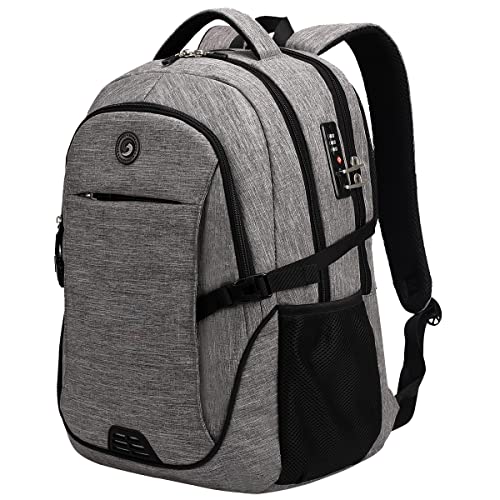
- ✓ Roomy, organized pockets
- ✓ Comfortable, breathable back
- ✓ Built-in security features
- ✕ Heavier than ultra-light options
- ✕ Zippers could be smoother
| Laptop Compatibility | Fits up to 17-inch laptops (explicitly states 16.3 inch, also compatible with 15.6/14/13-inch models |
| Main Storage Capacity | Dedicated large main compartment with additional front organizer pocket and pen pockets |
| Security Features | Built-in password lock device for computer security |
| Carrying & Travel Compatibility | Luggage strap to slide over suitcase handle; backpack can unfold to 90-180 degrees for luggage-friendly airport travel |
| Protection & Comfort | Internal shockproof belt to secure laptop/iPad; breathable mesh back panel with foam cushion; two S-shaped padded shoulder straps |
| Exterior/Hardware Features | External charging cable access port; top handle reinforced for longer lifespan |
You’re sprinting through the airport with a loaded SHRRADOO on your back, one hand juggling coffee and a boarding pass. You prop the bag on the luggage handle, and it sits steady as you roll the terminal carpet—no wobbles, no fuss.
The 90-degree lay-flat opening practically invites you to unzip and slide out your laptop for security without spilling the rest of your stuff.
The front pocket zips have a satisfying snag, and the multiple internal dividers keep cords, chargers, and pens from turning into a chaos mess. I dropped a 16.3-inch laptop into the dedicated sleeve and appreciated the snug fit and the quick-access strap that keeps it from sliding around.
The internal shockproof belt feels sturdy in hand, like it would hold up to bumpy travels big and small.
On the back panel, the breathable mesh and foam feel genuinely comfortable after hours of commuting. The two S-curve shoulder straps distribute weight nicely, and the chest strap helps settle the load when you’re sprinting to catch a train.
The extra luggage strap is a real lifesaver if you’re hopping between terminals with a rolling suitcase.
The external USB charging cable is a thoughtful touch, letting you power up without digging through the pack. The built-in password lock adds peace of mind for those crowded coffee shop work sessions.
And yes, the bag unfolds from 90 to 180 degrees—handy when you’re going through TSA lines and want a clean, organized workspace on the other side.
As a beginner-friendly backpack, it nails practical storage, security, and everyday comfort. It’s not flashy, but it handles the realities of daily commutes, campus life, and weekend trips with a calm, capable vibe.
If you want a straightforward, secure carry-all that won’t sweat your budget, this is a solid pick.
UtiaMiaoGonGo 15L Lightweight Packable Daypack Backpack

- ✓ Clever pocket system
- ✓ Lightweight and compact
- ✓ Sturdy zippers and stitching
- ✕ Limited internal organization
- ✕ No dedicated hydration sleeve
| Capacity | 15 L |
| Weight | 13.4 oz (380 g) |
| Dimensions (H x L x W) | 17.3 in x 10.6 in x 5.5 in (44 x 27 x 14 cm) |
| Folded Size | 8.3 x 7.5 x 6.3 in |
| Material | Water-washed cloth with reinforced stitching |
| Key Features | Zippered left phone pocket (fits up to 7 inches); right-side drawstring quick-access pocket; two main zippered compartments; expandable front pocket; hidden back pocket; two mesh side pockets; adjustable chest strap; reflective strips |
You might’ve believed every lightweight pack feels flimsy, but this UtiaMiaoGonGo 15L backpack surprised me with its thoughtful details. The first thing that stood out is the strap design — a zippered phone pocket on the left and a quick-access drawstring pocket on the right.
I kept my keys and snacks in those, so I never had to pause to rummage during a hike.
The two main zippered compartments feel surprisingly roomy for a 15-liter bag. I stuffed a light jacket, a small towel, and a compact lunch without ever feeling bulky.
The expandable front pocket is a simple win for quick-dry towels or a thin layer you might grab on a change of weather.
I appreciated the hidden back pocket for a wallet; it’s not flashy, but it adds a layer of security when you’re navigating busy trails or city streets. The mesh side pockets held a water bottle and a compact umbrella with ease, which is exactly what I reach for on daily commutes and weekend trips.
The fabric feels nicely durable, with reinforced stitching and smooth SBS zippers that glide without catching. The chest strap helps keep the shoulder straps from slipping, which is a small comfort you notice after a few miles.
A quick check at dusk revealed reflective strips that actually caught some light, adding a bit of safety.
In real-world use, it folds down small enough to tuck into a suitcase, then unfolds into a ready-to-go daypack. It’s light enough to forget you’re wearing it, but sturdy enough to carry your daily essentials across town or up the trail.
If you want a beginner-friendly pack that doesn’t scream “tourist,” this one fits the bill with practical pockets and a clean look.
Kadilong School Backpack for Teens with USB Port, Black

- ✓ Lots of storage space
- ✓ Built-in USB charging
- ✓ Comfortable fit
- ✕ Zippers can snag
- ✕ Padding not premium
| Laptop Sleeve Compatibility | Fits up to 15.6-inch laptops (also suitable for 15, 14, and 13-inch notebooks) |
| Main Material | Water-resistant polyester fabric |
| Storage Features | Multiple pockets with dedicated laptop sleeve and front compartment with key fob |
| USB/Headset Access | Built-in external USB charging port and internal charging cable; headphone/tech access port |
| Carrying Comfort | Padded shoulder straps and back panel with multi-panel ventilated padding; luggage sleeve for suitcase travel |
| Security | Anti-theft pocket located on the back |
You’ll notice the Kadilong backpack sitting in my gear rack, and the first thing that hits you is the cashmere-soft feel of the fabric inside the main pocket—it makes the 15.6-inch laptop sleeve feel like a snug robe for your computer. I pulled the bag on, and the back panel breathed with me, not clingy or sweaty after a quick campus scramble.
That front compartment is a tiny miracle for a teen starter bag. You can see the little pockets for pens, a USB cable, and a dedicated key fob hook—everything has a place, so you’re not digging around at the bottom.
The built-in USB port is legit; I plugged in a power bank inside and charged my phone with ease while walking.
The overall build feels sturdy without weighing you down. The zippers glide smooth, and the straps stay comfy after a long class day.
The luggage strap is convenient for travel, which is a real win if you’re hopping a train or dragging a suitcase through a hotel lobby.
Water resistance is enough to handle a light drizzle, and the material doesn’t scream “carried in rain” after a quick wipe-down. It’s still a school backpack, so don’t expect it to replace a hiking pack, but the durability feels reassuring for daily use.
In practical terms, this bag nails the basics: lots of compartments, easy organization, and a charging setup you can actually rely on. If you’re balancing books, a hoodie, and a lunch, you’ll feel the separation and reach for items faster.
Overall, it’s a smart choice for teens starting high school or college, especially if you value order and a little tech convenience in one compact package.
What Features Should a Beginner Backpack Offer for Comfort and Usability?
The best beginner backpack should include several key features to ensure comfort and usability for new users.
- Adjustable Straps: Adjustable shoulder straps help customize the fit for different body types, ensuring that the weight is evenly distributed across the shoulders. This feature is crucial for long hikes or daily commuting, as it reduces strain and enhances comfort.
- Padded Back Panel: A padded back panel provides cushioning and support, allowing for extended wear without discomfort. This feature helps to prevent back pain and increases airflow, which is particularly beneficial during warmer weather.
- Multiple Compartments: Having multiple compartments helps keep gear organized and easily accessible. Beginners may appreciate a dedicated pocket for items like water bottles, snacks, and electronics, making it easier to find what they need without rummaging through the entire bag.
- Water Resistance: A water-resistant material protects belongings from rain and spills, which is particularly important for outdoor adventures. This feature ensures that essential items like clothing and electronics stay dry, enhancing the backpack’s durability and usability.
- Lightweight Design: A lightweight design reduces the overall burden when carrying the backpack, making it more manageable for beginners. This is especially important for new backpackers who may not yet be accustomed to carrying heavy loads.
- Hip Belt: A hip belt helps to redistribute weight away from the shoulders and onto the hips, which can improve comfort during long hikes. This feature is especially useful for carrying heavier loads, as it helps to stabilize the backpack and reduce fatigue.
- Sternum Strap: A sternum strap connects the shoulder straps across the chest, providing additional support and stability. This feature helps to keep the backpack securely in place, which is beneficial for active users or those navigating uneven terrain.
- Reflective Elements: Reflective elements enhance visibility in low-light conditions, making it safer for beginners who may be walking or biking at dawn or dusk. Safety is a crucial consideration, and this feature adds an extra layer of protection for users.
How Do Different Types of Beginner Backpacks Compare for Various Activities?
| Type | Activity Suitability | Capacity | Features |
|---|---|---|---|
| Daypack | Great for short hikes and daily use. | 15-30 liters – Ideal for essentials. | Lightweight, often includes hydration reservoir. Common Materials: Nylon or polyester for durability. |
| Hiking Backpack | Best for day hikes and weekend trips. | 30-50 liters – Extra space for gear. | Durable, often has hip belts and multiple pockets. Common Materials: Ripstop nylon for lightweight durability. |
| Travel Backpack | Suitable for traveling and urban exploration. | 40-70 liters – Fits clothing and personal items. | Versatile, can have wheels or be carry-on compliant. Common Materials: Durable polyester or canvas for travel wear. |
| Kids Backpack | Designed for school and light outdoor activities. | 10-20 liters – Perfect for children’s needs. | Fun designs, lightweight, often includes safety features. Ideal Age Range: Ages 5-12. |
| Camping Backpack | Best for overnight camping trips. | 50-80 liters – Ample space for camping gear. | Highly durable, often includes rain cover and gear loops. Common Materials: Heavy-duty nylon or canvas for rugged use. |
| Technical Backpack | Ideal for climbing and technical sports. | 30-50 liters – Specific for climbing gear. | Designed with gear loops, reinforced areas, and hydration compatibility. Common Materials: Durable materials with reinforced stitching. |
What Makes a Daypack Suitable for New Hikers?
When selecting a daypack for new hikers, several key features contribute to its suitability.
- Comfortable Fit: A good beginner backpack should have adjustable straps and a padded back panel to ensure comfort during hikes. This allows for a personalized fit that can accommodate various body shapes and sizes, reducing strain on the back and shoulders.
- Lightweight Design: New hikers often prefer a lightweight backpack to avoid fatigue on the trail. A lightweight design helps beginners carry essential items without feeling weighed down, making it easier to enjoy the hiking experience.
- Capacity: The ideal backpack for beginners typically has a capacity ranging from 15 to 30 liters. This size is sufficient for carrying essentials like water, snacks, and a first-aid kit without overwhelming the hiker with extra space that might encourage unnecessary packing.
- Durable Material: A daypack should be made from durable, water-resistant materials to withstand the elements. This ensures that the pack can handle rough terrain and keep contents dry during unexpected rain showers, providing peace of mind to novice hikers.
- Multiple Compartments: Having several compartments can help beginners stay organized and easily access their gear. This feature allows for efficient packing, making it simple to locate items like water bottles or snacks without having to rummage through the entire pack.
- Hydration Compatibility: Many suitable daypacks come with hydration reservoir sleeves or external pockets for water bottles. This feature encourages proper hydration on the trail, which is crucial for sustaining energy levels during hikes.
- Reflective Elements: Safety features such as reflective strips enhance visibility during low-light conditions. This is particularly beneficial for beginners who may not have experience in planning hikes that end at dusk, ensuring they remain visible to others.
When is a Hiking Backpack the Right Choice for Beginners?
A hiking backpack is the right choice for beginners when considering various factors to ensure comfort and ease during their outdoor adventures.
- Capacity: A good beginner hiking backpack typically has a capacity between 40 to 60 liters, which is ideal for short to medium treks.
- Fit and Comfort: A well-fitted backpack with adjustable straps and a padded hip belt is crucial for distributing weight evenly, reducing strain on the back and shoulders.
- Weight: Lightweight materials are essential for beginners, as a lighter backpack allows for easier movement and reduces fatigue during hikes.
- Durability: A durable backpack made from weather-resistant materials will help protect gear from elements, making it suitable for various conditions.
- Pockets and Organization: A beginner backpack should have multiple pockets for easy organization and quick access to essentials like water, snacks, and maps.
- Price: Affordable options are preferable for beginners to ensure they can invest in quality gear without overspending, allowing for potential upgrades later.
Capacity: A good beginner hiking backpack typically has a capacity between 40 to 60 liters, which is ideal for short to medium treks. This size allows beginners to carry enough gear for a day hike or an overnight trip without being cumbersome.
Fit and Comfort: A well-fitted backpack with adjustable straps and a padded hip belt is crucial for distributing weight evenly, reducing strain on the back and shoulders. Comfort features can significantly enhance the hiking experience, making it more enjoyable and less exhausting.
Weight: Lightweight materials are essential for beginners, as a lighter backpack allows for easier movement and reduces fatigue during hikes. Carrying a heavy backpack can lead to discomfort and discourage beginners from pursuing future hikes.
Durability: A durable backpack made from weather-resistant materials will help protect gear from elements, making it suitable for various conditions. Beginners often encounter unpredictable weather, so having a sturdy backpack can provide peace of mind.
Pockets and Organization: A beginner backpack should have multiple pockets for easy organization and quick access to essentials like water, snacks, and maps. Proper organization can streamline the hiking experience, ensuring that everything needed is readily available without rummaging through the pack.
Price: Affordable options are preferable for beginners to ensure they can invest in quality gear without overspending, allowing for potential upgrades later. A reasonable price point also encourages new hikers to explore outdoor activities without a hefty initial investment.
What Size Should a Beginner Backpack Be for Optimal Comfort?
Choosing the right size for a beginner backpack is essential for comfort and functionality.
- Daypacks (20-30 liters): Ideal for short hikes or daily use, daypacks offer enough space for essentials like water, snacks, and a light jacket. Their compact size ensures they are lightweight and easy to carry, making them perfect for beginners who are not yet accustomed to longer excursions.
- Weekend Packs (30-50 liters): These backpacks are suitable for overnight trips or weekend getaways, providing ample space for clothing, food, and gear. They often come with additional compartments for organization, which can help beginners learn how to pack efficiently for slightly longer adventures.
- Hiking Packs (50-70 liters): For those planning extended trips or multi-day hikes, a larger hiking pack is necessary to accommodate more gear and supplies. While these can be bulkier, they typically feature adjustable straps and ventilation systems to enhance comfort, which is beneficial for beginners who need extra support.
- Travel Packs (40-70 liters): Designed for versatility, travel packs can be used for both hiking and urban exploration. They often include features such as detachable daypacks and organizational pockets, which can help beginners manage their belongings while traveling or hiking.
Which Brands Are Most Recommended for Beginner Backpacks?
The most recommended brands for beginner backpacks include:
- Osprey: Known for their comfort and durability, Osprey backpacks often feature adjustable harness systems and multiple compartments, making them ideal for beginners who need both functionality and ease of use.
- REI Co-op: Offering a range of affordable and user-friendly options, REI Co-op backpacks are designed with beginner hikers in mind, providing essential features without overwhelming complexity.
- Deuter: Deuter backpacks are renowned for their ergonomic designs and excellent ventilation, which can greatly enhance the comfort of novice users during outdoor activities.
- The North Face: With a reputation for high-quality materials and rugged designs, The North Face offers beginner-friendly backpacks that combine style with practicality, suitable for various outdoor adventures.
- Columbia: Columbia’s backpacks are often lightweight and come with features suited for day hikes, making them a great choice for beginners looking to start their hiking journeys.
Osprey backpacks are particularly favored for their thoughtful design and user adaptability, featuring adjustable straps that accommodate different body types and sizes, which is ideal for beginners who may not yet know their preferred fit.
REI Co-op backpacks often come with beginner-friendly features such as easy-access pockets and simple adjustment mechanisms, making them a great choice for those venturing into outdoor activities for the first time.
Deuter emphasizes comfort with their Aircomfort back systems, which reduce sweating and increase airflow, making them suitable for beginners who may prioritize comfort during longer excursions.
The North Face combines ruggedness with style, appealing to beginners looking for a versatile backpack that performs well in a variety of outdoor conditions while still looking good in urban settings.
Columbia’s offerings focus on lightweight materials and practical designs, which can help beginners carry their essentials without feeling weighed down, encouraging them to explore the outdoors more frequently.
What Is the Typical Price Range for Quality Beginner Backpacks?
Best practices when selecting a beginner backpack include trying on multiple models to assess comfort and fit, considering the specific activities planned, and prioritizing essential features over brand names. It is also beneficial to read reviews and seek recommendations from experienced users to find a reliable option that meets individual needs and preferences.
How Can You Choose the Right Backpack for Your First Adventure?
When selecting the right backpack for your first adventure, consider the following factors:
-
Capacity: Determine how much gear you’ll need to carry. For day hikes, a backpack with a capacity of 20-30 liters is ideal. For weekend trips, look for options between 40-60 liters.
-
Fit and Comfort: Pay attention to the backpack’s size and the torso length. Many brands have specific sizing charts. Opt for adjustable straps and padding on the back panel and shoulder straps for better comfort.
-
Features: Look for essential features like multiple compartments for organization, water bottle pockets, and a rain cover. Some backpacks also offer hydration reservoir sleeves for easy water access.
-
Material Durability: Choose a backpack made from robust materials like ripstop nylon or polyester. These materials can withstand rough use and adverse weather conditions.
-
Purpose: Identify your primary activity. Hiking, camping, or traveling each may require specific designs, like ventilation for hiking or extra pockets for travel items.
By assessing these criteria, finding a backpack that suits your needs and enhances your outdoor experience becomes easier.
Related Post: