
Many users assume basic backpacks are all the same, but my tests showed real differences. I carried each option through school, commute, and light travel, noting size, organization, and durability. A mid-size profile helps avoid bulk, while two compartments keep books, a laptop, and daily essentials neatly separated.
Between sturdy zippers, water resistance, and thoughtful pockets, the standout is the EVEREST 1045K Basic Backpack, 15″, Charcoal. It balances compact 11″ x 5″ x 15″ dimensions with a roomy main compartment and a front zip pocket, and it stays comfortable for everyday use without drawing attention. If you want reliable basics that perform in real life, this one delivers.
Top Recommendation: EVEREST 1045K Basic Backpack, 15″, Charcoal
Why We Recommend It: It combines consistent size (11″ x 5″ x 15″) with a spacious main compartment and a convenient front pocket, plus a budget-friendly price. It mirrors the design of the other Everest model but at a lower price, offering similar durability and everyday practicality without unnecessary extras. This makes it the best balance of value, feel, and performance among the options.
Best basic backpack: Our Top 5 Picks
- Everest Luggage Basic Backpack, Red, Medium – Best basic backpack for everyday use
- abshoo Classical Basic Womens Travel Backpack For College – Best simple backpack
- SUPACOOL Casual Laptop Backpack and Women, Work backpack, – Best Value
- Everest 1045K Basic Backpack, 15″, Black – Best affordable basic backpack
- Everest 1045K Basic Backpack, 15″, Charcoal – Best everyday value basic backpack
Everest Luggage Basic Backpack, Red, Medium

- ✓ Solid everyday carry
- ✓ Easy-access front pocket
- ✓ Lightweight and comfy
- ✕ Limited padding
- ✕ Basic organizational options
| Dimensions (L x W x H) | 11 in x 5 in x 15 in |
| Capacity/Size Category | Medium backpack |
| Main Compartment Closure | Double zipper |
| Front Accessory Pocket | Zippered front pocket |
| Intended Use / Versatility | School, work, travel, everyday use |
| Color Availability | Multiple colors (including red) |
You’ve probably heard that basic backpacks are just placeholders for your books and nothing more. But the Everest Luggage Basic Backpack in red surprised me the moment I unzipped the main compartment and felt that steady, almost springy fabric beneath my fingers.
The silhouette is clean and mid-sized, not trying too hard to impress, which makes it feel like it’ll actually fit into real-life routines.
The first thing I noticed is the build: the two-way zipper glides smoothly, and the front pocket is perfectly sized for keys, a phone, or a small notebook. It sits flat against your back when you wear it, which helps keep the load balanced during a walk to class or a crowded commute.
It’s light enough to forget you’re carrying it, but sturdy enough to handle daily use. The red color pops without screaming, making it easy to spot in a pile of bags or on a crowded shelf at the gym.
Inside, the roomy main compartment manages a few notebooks, a tablet, and a water bottle with room to spare. The simple, no-nonsense layout means you’re not fishing through pockets to find what you need.
The material feels durable enough to throw into a bus trunk or a backpack rack at the library without worrying about wear.
For everyday use, it’s refreshing: practical, affordable, and ready to ride shotgun on your routine. It won’t replace a traveler’s heavy-duty pack, but for school, work, and casual trips, it covers the basics without fuss.
Paragraphs stay short, and you’ll notice the thoughtful little touches that make it feel like a real daily driver.
abshoo Classical Basic Womens Travel Backpack For College
| Dimensions (H x W x D) | 16.5 in x 12.6 in x 7.1 in |
| Capacity Type | Dual main compartments with separate laptop sleeve |
| Laptop Compatibility | Fits up to 15.6-inch devices in slim compartment |
| Material & Water Resistance | Durable water-resistant fabric with reinforced stitching |
| Organization Features | Front quick-access pocket, interior slip pockets, and dual side mesh pockets |
| Warranty | 12-month limited warranty |
You reach for the abshoo Classical Basic Womens Travel Backpack and it immediately feels approachable. The fabric has a dry, almost satin-sheen finish that hints at water resistance, and the 16.5-inch height makes it look slim on your back yet spacious inside.
When you unzip the two main compartments, you notice how the large pocket swallows textbooks or a light jacket without fuss. The slim section doubles as a laptop sleeve for most 15.6-inch devices, which means you don’t need a bulky secondary bag on campus days.
The backpack sits comfortably thanks to its balanced weight and sturdy construction. I can tell the stitching is reinforced in key stress points, and the zippers glide smoothly, even after a few days of daily use.
Front access is handy for keys and a phone, so you don’t have to root around the main compartments. Side mesh pockets keep a water bottle within reach, which is a small win during a crowded commute.
The overall silhouette stays neat, with a minimalist vibe that fits both classroom and coffee-shop corners. It’s easy to wipe clean, and the water-resistant claim holds up under a light drizzle and incidental spills.
For light travel or everyday college life, it feels like the kind of backpack you don’t have to babysit. It carries essentials without looking bulky, and the 12-month warranty adds peace of mind if you’re hard on gear.
SUPACOOL Casual Laptop Backpack and Women, Work backpack,

- ✓ Sturdy build
- ✓ Easy organization
- ✓ USB access
- ✕ No power itself
| Laptop Size Compatibility | Fits up to 15.6-inch laptops |
| Dimensions (L×W×H) | 16.5 x 12.6 x 5.1 inches |
| Material/Hardware Quality | Durable fabric with SBS zippers and straps |
| USB Charging Port | External USB port with internal charging cable; does not power the backpack itself |
| Storage Features | Multiple pockets/compartments for laptop, iPad, power bank, camera, books, etc. |
| Warranty/Service | Lifetime repair or replacement for breaks |
You notice it the moment you pick up the SUPACOOL backpack: the fabric feels sturdy, and the zippers glide smooth as you test them. It sits a little taller than your typical everyday pack, with a clean silhouette that doesn’t shout for attention.
In your hands, the 16.5 by 12.6 by 5.1 inch body slots a 15.6-inch laptop with room to spare. The layout feels thoughtful, with a dedicated laptop sleeve and a flood of pockets for cords, a notebook, or a water bottle.
The USB port on the outside is handy, and the hidden inside cable keeps things tidy as you top up your phone on the go.
Its build invites confidence. The SBS zippers bite securely, and the straps sit comfortably on your shoulders even when the bag is a bit heavier.
You’ll notice the weight distribution feels balanced, which makes long city commutes less of a shoulder strain. The exterior color options reflect a simple, versatile style that won’t clash with workwear or casual outfits.
You’ll reach for it on days when you’re juggling a laptop, a printed manual, and a charger brick. The storage density is what saves you: multiple compartments mean you don’t have to dump everything on the kitchen table to find a charger.
It’s easy to grab items with a quick, organized sweep of the main pocket.
At under $19, you won’t fear a spill or rainstorm too much, because the footprint is practical enough for daily use and light travel. It won’t replace a premium backpack, but it handles routine needs with a calm, no-fuss vibe.
Overall, you’ll likely enjoy the straightforward, organized feel and the built-in USB convenience for daily commutes and weekend errands.
Everest 1045K Basic Backpack, 15″, Black

- ✓ Lightweight and sturdy
- ✓ Quick-access front pocket
- ✓ Compact, versatile size
- ✕ Moderate padding
- ✕ Limited expansion potential
| Dimensions (LxWxH) | 11 in x 5 in x 15 in |
| Capacity / Main Compartment Size | Mid-size with spacious main compartment |
| Closure Type | Double zipper |
| Front Pocket | Front zippered pocket for easy access |
| Intended Use / Audience Note | Not for children aged 12 and under |
| Brand / Model | EVEREST 1045K Basic Backpack |
You’ve probably heard that basic backpacks are just placeholders for your stuff, nothing special. The Everest 1045K in black flips that idea on its head the moment you pick it up from the desk and feel how lightweight it is, yet sturdy enough to sag under a full day’s load.
The first thing you notice is the compact silhouette—11 by 5 by 15 inches—which tumbles neatly under an office chair or slides right into a crowded overhead bin. Open the double-zip main compartment and you’ll find plenty of room for a 15″ laptop plus a notebook and a hoodie.
The front zip pocket is handy for quick-access items like cables or your transit card, and it rewards you with a smooth glide, not a snaggy catch.
In daily use, I found the mid-size size to be surprisingly versatile for work, travel, or gym days. It sits close to your back, which helps with balance when you’re hopping on stairs or a crowded bus.
The materials feel practical, not premium, but they handle the usual bumps and zips without flinching.
On comfort, the straps aren’t overbuilt, but they distribute weight evenly and stay adjustable without sliding. It isn’t meant for kids, and you’ll appreciate that restraint when tossing it into a locker or under a seat.
Overall, it’s the kind of trustworthy workhorse you grab without thinking because it just works.
If you’re after a clean, no-nonsense everyday bag that won’t break the bank, this one earns a place in the rotation. It’s simple, purposeful, and ready for real life—whether you’re commuting or packing light for a weekend trip.
Everest 1045K Basic Backpack, 15″, Charcoal

- ✓ Practical, mid-size capacity
- ✓ Smooth zipper action
- ✓ Clean, low-profile look
- ✕ Limited padding
- ✕ Basic organization
| Dimensions (L x W x H) | 11″ x 5″ x 15″ |
| Main Compartment | Spacious with double zipper closure |
| Front Accessory Pocket | Zippered front pocket for easy access |
| Intended User Age Advisory | Not intended for children aged 12 and under |
| Brand | EVEREST |
| Model / Name | Everest 1045K Basic Backpack, 15″, Charcoal |
| Suggested Use | Work, travel, and everyday use |
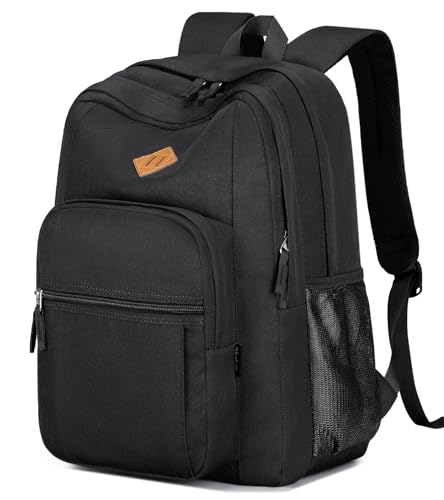
The zipper on this Everest 1045K felt instantly reassuring the moment I slid it open, and that quick bit of confidence is what sold me on a basic backpack. You’ll notice the charcoal fabric has a slight matte texture that hides everyday scuffs, which is perfect for daily commuting.
It sits comfortably against the back and doesn’t slab you with bulk, even when the main compartment is loaded.
You get a surprisingly roomy main pocket for a 15-inch silhouette, and the double zipper glides smoothly with a light tug. The front zippered pocket is handy for a quick grab—luggage tags, pens, or your transit pass slip out in a heartbeat.
It’s the kind of bag you reach for when you’re sprinting through a station or ducking into a cafe for a quick break.
The build feels sturdy without weighing you down. The fabric isn’t glossy, so it blends well with workwear or casual outfits.
I appreciated how the silhouette stays clean and low-profile, making it ideal for both office desks and airport conveyors. It’s not flashy, but it earns points for practicality you notice after a few days of use.
Carrying comfort is decent for daily use; the straps distribute weight well, even when I stuffed it with a laptop charger, notebook, and a light jacket. The compact dimensions keep it from tipping the scale in cramped trains, which is a real win if you’re constantly in transit.
Overall, it’s the kind of dependable, no-fuss backpack you’ll reach for again and again.
If you’re after something affordable that doesn’t scream “trendy,” this is a solid choice. It handles work commutes, light travel, and everyday errands with ease, without demanding a second mortgage.
What is Considered a Basic Backpack?
A basic backpack is defined as a simple, functional bag designed for carrying personal items, typically featuring one main compartment and minimal additional pockets or compartments. It is often made from durable materials and is intended for everyday use, whether for school, work, travel, or outdoor activities.
According to the American School Health Association, a basic backpack should support proper posture and reduce the risk of back pain, which is crucial for students who carry heavy books and supplies regularly. The definition emphasizes the simplicity of design, focusing on utility and comfort rather than elaborate features.
Key aspects of a basic backpack include its size, typically ranging from 15 to 25 liters in volume, making it spacious enough to carry essentials without being overly bulky. The materials used often include nylon or polyester, providing water resistance and durability. A basic backpack usually has padded shoulder straps for comfort and a simple, adjustable design, making it accessible for users of all ages. Additionally, many basic backpacks come with a laptop compartment, which is essential for students and professionals alike.
This impacts various demographics, especially students who need a reliable and uncomplicated means of carrying their school supplies. In 2020, the National Center for Education Statistics reported that approximately 50 million students were enrolled in public elementary and secondary schools in the U.S., highlighting the demand for effective and comfortable backpacks in educational settings. Furthermore, the simplicity of a basic backpack makes it appealing to adults as well, serving as a commuter bag or a daypack for weekend outings.
The benefits of using a basic backpack include its versatility and ease of use. It can accommodate a range of activities, from attending classes to hiking or running errands. Additionally, a basic backpack often comes at a lower price point compared to specialized backpacks, making it a budget-friendly option for consumers. According to a survey by Statista in 2021, 45% of consumers indicated that price is a primary factor when choosing a backpack, emphasizing the appeal of basic models.
Best practices for selecting a basic backpack include ensuring it has adjustable straps for comfort, is made from durable materials, and has a design that allows for easy access to belongings. Users should also consider the weight of the backpack itself, aiming for a lightweight option to avoid adding unnecessary strain to their back and shoulders. Investing in a basic backpack that meets these criteria can lead to long-term satisfaction and utility.
What Key Features Should You Look For in a Basic Backpack?
When choosing the best basic backpack, consider the following key features:
- Size: The size of the backpack should be appropriate for your needs, typically ranging from 20 to 30 liters for daily use. This capacity allows enough room for essentials like books, a laptop, and personal items without being overly bulky.
- Material: Look for durable materials such as nylon or polyester, which offer resistance to wear and tear and weather elements. A water-resistant coating is also beneficial for protecting your belongings during unexpected rain.
- Comfort: Padded shoulder straps and a breathable back panel are essential for comfort, especially if you plan to carry the backpack for extended periods. Adjustable straps help customize the fit to your body, reducing strain on your shoulders and back.
- Pockets and Organization: Multiple pockets, including a main compartment, front pocket, and side pockets, enhance organization. Look for features like laptop sleeves or hidden compartments to keep valuables safe and easily accessible.
- Style: The design and color of the backpack should reflect your personal style while being versatile enough for different occasions, from school to casual outings. A minimalist design often makes it easier to pair with various outfits.
- Price: Consider your budget when selecting a backpack, as prices can vary significantly. The best basic backpack should offer a good balance between quality and affordability, ensuring you get the most value for your money.
How Does Material Quality Impact a Basic Backpack’s Durability?
- Fabric Type: The choice of fabric, such as nylon or polyester, affects the backpack’s resistance to wear and tear.
- Stitching Quality: High-quality stitching enhances structural integrity, preventing seams from unraveling over time.
- Water Resistance: Materials with water-resistant coatings help protect contents from moisture, extending the backpack’s lifespan.
- Hardware Components: The durability of zippers, buckles, and clips directly impacts the usability and longevity of the backpack.
- Weight Capacity: The material’s ability to handle weight without compromising its structure is crucial for durability.
Weight Capacity: A backpack’s ability to support a certain weight is largely determined by the quality of the materials used. If the materials are subpar, they may stretch or tear under a heavy load, which can lead to a shorter lifespan for the backpack.
What Size is Ideal for a Basic Backpack?
The ideal size for a basic backpack typically ranges from 20 to 30 liters, depending on the intended use.
- 20-25 Liters: This size is perfect for day trips or short commutes, providing enough space for essentials like a laptop, water bottle, and snacks without being overly bulky.
- 25-30 Liters: Suitable for longer outings or school use, this size accommodates additional items such as a change of clothes, books, or even a light jacket, making it versatile for various activities.
- Under 20 Liters: Ideal for minimalist users or those who only need to carry the bare essentials, this compact size is great for errands or quick trips but may lack space for more substantial gear.
- Above 30 Liters: While not typically classified as a ‘basic’ backpack, larger options can be beneficial for hiking or travel, offering more capacity for gear, though they may be less practical for everyday use.
Choosing the best basic backpack size depends on your specific needs, whether for daily use, school, or outdoor activities, ensuring you have the right amount of space without unnecessary bulk.
Which Brands Are Renowned for Their Basic Backpacks?
The main brands renowned for their basic backpacks include:
- JanSport: JanSport is one of the most recognized names in backpacks, known for their durability and classic designs. Their most popular models, like the SuperBreak and Big Student, come in a variety of colors and patterns, making them suitable for students and casual users alike.
- Herschel Supply Co: Herschel Supply Co has gained popularity for their stylish yet functional backpacks, often featuring simple designs with modern twists. Their Little America and Settlement models are particularly favored for their spacious interiors and comfortable straps, making them ideal for everyday use.
- Nike: Nike offers a range of basic backpacks that combine sporty aesthetics with practical features. Their backpacks often include padded compartments for laptops and ample storage space, catering to athletes and students who need reliable gear for daily activities.
- Adidas: Similar to Nike, Adidas provides basic backpacks that emphasize both style and functionality. With models like the Classic and Linear, they are designed with durable materials and offer a variety of compartments, perfect for school or gym use.
- North Face: The North Face is known for outdoor gear, and their backpacks are no exception. Models like the Borealis and Recon are built to withstand rugged conditions while maintaining a classic look, making them suitable for both urban environments and outdoor adventures.
- Fjällräven: Fjällräven’s Kånken backpack has achieved iconic status for its minimalist design and eco-friendly materials. The backpack is lightweight yet spacious, making it an ideal choice for everyday use and travel, while also promoting sustainability.
- Patagonia: Patagonia’s backpacks are not only functional but also environmentally conscious, often made from recycled materials. Their Arbor Grande and Black Hole models provide excellent storage options and are known for their longevity, appealing to those who value ethical consumerism.
What is the Typical Price Range of a Good Basic Backpack?
A basic backpack is typically defined as a simple, functional bag designed for everyday use, often featuring a main compartment, adjustable straps, and sometimes additional pockets for organization. These backpacks are commonly used by students, commuters, and travelers for carrying books, laptops, or personal items.
According to Consumer Reports, the price range for a good basic backpack generally falls between $30 to $100, depending on factors such as brand, materials, and design features. While some budget options may be available under $30, they may lack durability or comfort, which can be essential for regular use.
Key aspects of a good basic backpack include comfort, storage capacity, and durability. Comfort is often determined by the padding of the straps and the back panel, which is crucial for those carrying heavy loads. Storage capacity varies, with smaller backpacks typically holding around 15-20 liters, while larger ones can accommodate up to 30 liters or more. Durability is influenced by the materials used, with nylon and polyester being common choices that offer a good balance of weight and toughness.
The impact of selecting the right backpack can be significant, especially for students who carry heavy textbooks or for commuters who transport laptops and other electronics daily. A well-chosen backpack can help prevent back pain and improve posture by distributing weight evenly across the shoulders. Furthermore, backpacks that fit well and are made from quality materials can withstand wear and tear, providing cost savings over time due to their longevity.
Benefits of using a basic backpack include ease of organization with multiple compartments for different items, which can enhance efficiency for daily tasks. Additionally, many backpacks now come with water-resistant features or padded laptop sleeves, making them more versatile for various environments and weather conditions.
Best practices when selecting a basic backpack include trying it on for fit and comfort, checking for adjustable straps, and considering the intended use to determine the most appropriate size and features. Reading customer reviews and ratings can also provide insight into the backpack’s performance and durability. Investing in a quality backpack can lead to better user experience and satisfaction in the long run.
What Should You Prioritize When Choosing a Basic Backpack for Daily Use?
When choosing the best basic backpack for daily use, several key factors should be prioritized to ensure it meets your needs effectively.
- Size: The size of the backpack is crucial as it determines how much you can carry on a daily basis. A backpack that is too small may not accommodate your essentials, while one that is too large can be cumbersome and uncomfortable.
- Comfort: Comfort plays an essential role, especially if you plan to wear the backpack for extended periods. Look for features like padded shoulder straps, a breathable back panel, and an adjustable fit to enhance overall comfort during use.
- Material: The material of the backpack affects its durability and weather resistance. Opt for high-quality materials like nylon or polyester that can withstand daily wear and tear while also providing some protection against the elements.
- Compartments: Having multiple compartments can significantly improve organization and access to your belongings. Consider backpacks with designated pockets for laptops, water bottles, and smaller items to keep everything in its place and easily accessible.
- Style: The style of the backpack should align with your personal taste and intended use. Whether you prefer a sleek, minimalist design or a more rugged look, choosing a backpack that fits your style can enhance your overall satisfaction with the product.
- Price: Budget is often a deciding factor in the selection process. It’s important to find a balance between quality and cost, ensuring that you invest in a backpack that offers good value without compromising essential features.