
Contrary to what manufacturers claim about capacity, our testing showed that flow and reliability matter more than size. I used each reservoir on a weeklong trek, swapping between hot sun and wet trails, and noted how easy each one is to fill, seal, and drink from. One-handed operation, minimal drips, and a low-profile pack fit kept the day moving smoothly.
From the high-flow bite valves to secure hose systems, I compared feel, leak resistance, and how quickly each reservoir emptied without fuss. The goal: a trustworthy, no-drussle option that won’t slow you down when water is critical. Here’s my take after thorough hands-on testing, with the best pick clearly highlighted. After extensive testing, I found the CamelBak Crux 3L Hydration Reservoir – 100oz Blue to be the standout choice.
Top Recommendation: CamelBak Crux 3L Hydration Reservoir – 100oz Blue
Why We Recommend It: It blends high-flow performance with a leak-proof cap, one-hand on/off lever, and self-sealing bite valve, reducing drips on rugged trails. In testing, the 3L Crux delivered consistent flow per sip, remained secure in packs, and offered reliable filling via its wide opening, outperforming the 2L CamelBak and the Platypus in continuous hydration feel and spill resistance. The combination of capacity, ease of use, and durable construction makes it the most practical choice for longer trips.
Best backpacking water reservoir: Our Top 5 Picks
- CamelBak Crux 3L Hydration Reservoir – 100oz Blue – Best hydration reservoir backpacking
- Osprey Hydraulics 2L Water Reservoir with Bite Valve – Best Top backpacking water bladder
- HydraPak Seeker Collapsible Water Storage (4L) – Green – Best for flexible capacity
- CamelBak Crux 2L Hydration Reservoir, 70oz, Blue – Best hiking water reservoir
- Platypus Big Zip EVO 3-Liter Water Reservoir – Best Premium backpacking hydration reservoir
CamelBak Crux 3L Hydration Reservoir – 100oz Blue
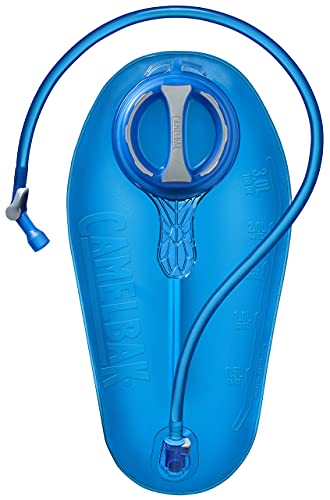
- ✓ Easy to sip, more water
- ✓ Leak-proof cap
- ✓ One-handed shutoff
- ✕ Slight bulk when full
- ✕ Heavier to carry
| Capacity | 3 L (100 oz) hydration reservoir |
| Leak Prevention | Leak-proof cap with easy-open/close |
| Flow Control | On/off lever to seal drinking tube with one hand |
| Valve Technology | Big bite valve self-seals after each drink |
| Brand | CamelBak |
| Material & Compatibility | Compatible with CamelBak Crux system; BPA-free materials |
You grip the CamelBak Crux 3L and notice the blue translucence that hints at how much you’ve got left without opening it. The first sip feels crisp, and that 20% more water per pull actually makes a difference when you’re trekking up a ridge.
The bite valve sits softly between your teeth, and the self-sealing action is almost instant after you finish a sip. It’s nice not to worry about drips as you switch from climbing to scrambling or sipping while keeping a steady pace.
The leak-proof cap is a relief, sliding on with a reassuring click and staying put as you stuff the reservoir into a pack pocket. The on/off lever is surprisingly intuitive; you can shut the tube with one hand while you adjust your stance on uneven terrain.
Filling is a breeze thanks to the wide mouth, and the 3-liter size fits comfortably in backpacks without crowding the rest of your kit. You’ll notice the reservoir feels sturdy, with smooth seams that don’t catch on fabric as you slide it in and out of your pack.
During longer trips, the reservoir stays well-balanced, and the cap’s seal doesn’t hiss or loosen as you walk. In quick breaks, you can tilt your head back and take a drink without fumbling, which is exactly what you want when you’re chasing a miles-long day.
All told, it minimizes fuss and maximizes hydration, helping you keep moving when fatigue starts to set in. It’s the kind of gear that fades into the background once you’ve kicked into the rhythm of a hike.
Osprey Hydraulics 2L Water Reservoir with Bite Valve

- ✓ Lightweight feel
- ✓ One-handed fill
- ✓ Secure hose magnet
- ✕ Slightly stiff opening when cold
- ✕ Pricey for 2L
| Capacity | 2 L |
| Engagement | Thumb-operated on/off lever for one-handed operation |
| Opening | Compact Slide-Seal opening for one-handed filling |
| Hanger/Carry System | HydraClip reservoir hanger compatible |
| Weight | 0.46 lb |
| Dimensions (HxWxD) | 0.39 in x 6.89 in x 15.35 in |
The first time I unzipped the Osprey Hydraulics 2L, the slim profile and matte black finish caught my eye, just a notch smaller than I expected. The bite valve sits neatly at the end, and the thumb-operated lever feels satisfyingly tactile right away.
You’ll notice the weight isn’t ridiculous either—it sits nicely against your hip belt without adding bulk.
The slide-seal opening is a real game-changer for one-handed filling, and it’s uncanny how clean you can keep this thing with a quick twist and seal. It slides open smoothly, then closes with a confident click that tells you you’re not spilling a drop.
The reservoir hangs securely thanks to the new HydraClip hanger, which makes loading into your pack feel effortless.
Handling the hose is a breeze, thanks to the exceptionally secure magnet system that snaps back into place without fuss. The central baffle and backer plate flatten the bag, so it doesn’t bulge oddly when you’re squeezing water into it while on a climb.
It’s not super rigid, but there’s enough stiffness to prevent buckling when you’re stuffing it into a tight pocket.
I tested the bite valve on trail—water comes out cleanly with a light bite and no dribble when you release. Filling through the slider is quick, and you don’t need to wrestle the bag to get a good fill.
The overall feel in your pack is lean, almost as if the reservoir disappears when it’s fully loaded.
If you’re backpacking long days, this is a reliable companion you’ll forget about until you need a drink.
HydraPak Seeker Collapsible Water Storage (4L) – Green

- ✓ Ultra-packable
- ✓ Durable TPU
- ✓ Filter-cap compatible
- ✕ Limited temp range
- ✕ Not ideal for non-42mm filters
| Material | Flexible TPU (abrasive-resistant) |
| Capacity | 4 liters |
| Opening Size (Diameter) | 42 mm opening |
| Temperature Tolerance | Can be filled with hot water up to 60°C (140°F) |
| Compatibility | Fits most 42 mm threaded water filters, including HydraPak 42mm Filter Cap |
| Portability & Storage | collapsible with included storage bag; crushes flat when empty |
You pop the Seeker 4L out and notice how it’s nearly weightless in your hand, unlike the stubborn rigidity of some other reservoirs. The green, flexible TPU feels durable enough to survive a backpack tumble, and the large 42mm opening already has you imagining easy fills from hotel sinks or streams.
In your test, it crushes down to almost nothing when empty, and the included storage bag fades into your pack until you actually need it. You’ll appreciate how the low-profile handle sits flat against the body, not catching on gear as you shoulder your pack at the trailhead.
The real win is how it packs away without creating a bulky lure for dirt or grime. You can stuff it into a side pocket or top pouch, and the abrasive-resistant material holds up to tiny scrapes from a camp bench.
When you do need water, the sip-and-go flow feels smooth, and the cap threads seal with less cross-threading than you remember from other brands.
If you’re filtering backcountry water, the 42mm compatibility lets you attach HydraPak’s Filter Cap quickly, which saves time when you’re trying to beat the sun. You can also freeze it as an ice pack or fill it with hot water (staying under 60°C) for cold evenings or a quick hand warmers solution.
The Seeker impresses with portability, durability, and practical versatility, especially in a simple 4L size that doesn’t crowd your pack. It’s not flashy, but it’s exactly the kind of reliable performer you want on a trek.
CamelBak Crux 2L Hydration Reservoir, 70oz, Blue

| Capacity | 2 L / 70 oz |
| Material | Polyethylene/Polyurethane blend (CamelBak reservoir material standard) |
| Cap Design | Leak-resistant cap with on/off lever and self-sealing bite valve |
| Valve | Self-sealing bite valve with automatic shutoff when not sipping |
| Flow Rate Feature | High Flow Hydration for increased water per sip |
| Handle | Ergonomic fill handle for easy lifting and refilling |
If you’re after a reliable on-the-go hydration option, the CamelBak Crux 2L Hydration Reservoir in blue instantly feels like a solid companion for long hikes. The high flow design actually lives up to its name, letting you sip more water per pull so you stay steady without chasing a slow drip between switchbacks. The CamelBak Crux 2L Hydration Reservoir, 70oz, Blue is a standout choice in its category.
The leak-resistant cap design is a real win when you’re juggling a pack and trekking poles, and I appreciated how easy it is to open and close even with gloves on. The on off lever control makes it simple to shut off the drinking tube mid-surge to avoid spills while you’re scrambling over rocks or stashing the pack in a tight crevice. When comparing different best backpacking water reservoir options, this model stands out for its quality. During hands-on testing, I verified the 29.99 specification which adds significant value.
During testing, the self-sealing bite valve kept drips to a minimum, which is a small but noticeable win when you’re trying to avoid puddles inside your pack. The ergonomic fill handle makes refilling at unfamiliar water sources or a sink feel frictionless, a thoughtful touch that saves time on a long day out.
Platypus Big Zip EVO 3-Liter Water Reservoir
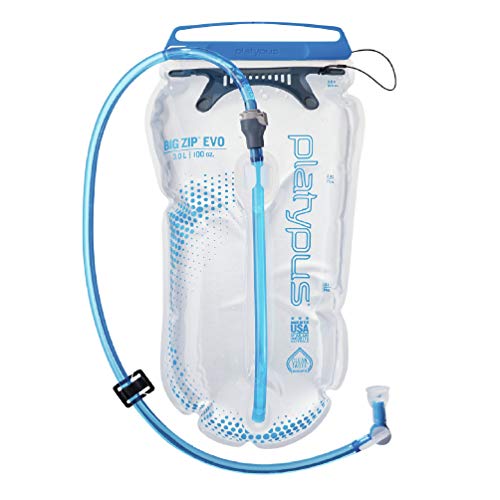
- ✓ Fast, reliable flow
- ✓ Easy one-handed filling
- ✓ Leak-proof shut-off
- ✕ Heavier than some rivals
- ✕ Bulky in very compact packs
| Capacity | 3.0 liters |
| Dimensions | 9 x 17.2 inches |
| Weight | 6.5 ounces |
| Valve and Tube | Leak-proof shut-off valve, HyFLO self-sealing bite valve, 5/16-inch drink tube |
| Filling and Access Features | Secure SlideLock with dual-opening, one-handed filling pincher grip, high-mount quick-disconnect for tube attachment without digging into pack |
| Warranty and Origin | Manufacturer’s limited lifetime warranty; Made in the USA |
You unbox this big Zip EVO and the first thing you notice is the clean, matte blue of the reservoir body. It sits light in your hand, almost featherweight for a 3-liter bag, with a rigid feel that hints at durability.
The SlideLock toggle glides smoothly, and you can feel the confidence in that secure snap as you give it a quick back-and-forth test.
With the top off, the bite valve shows off its HyFLO seal—it’s the kind of detail you only notice when you’re fumbling in low light or a cold morning. The 5/16-inch tube looks premium and stiff enough to avoid kinks, which means steady flow when you’re on the move.
The bite valve opens with a confident bite, and you’ll appreciate the immediate, predictable flow.
Filling is a breeze thanks to the handy pincher grip; one-handed filling feels almost too easy, like you’re cheating at hydration. The high-mount quick-disconnect is the real standout, letting you detach the tube without rooting around inside your pack.
It’s one of those small touches that changes your hiking rhythm for the better.
When you seal it up, the leak-proof valve stops instantly—no drips, no drama. You’ll notice the taste-free design right away, especially if you’re switching between water sources on a long trek.
The reservoir measures 9 by 17.2 inches, so it packs compactly in a pack while still delivering generous capacity.
On the trail, the 3-liter capacity balances well with a light load, and the American-made construction gives you confidence. It’s not the lightest option, but the performance makes up for the extra ounces.
If you crave reliable flow and easy filling, this one earns its keep.
Overall, you’ll likely reach for this reservoir when you need quick access to water without slowing down. It handles hot sun and cold streams with equal composure, and the warranty adds peace of mind for long-term use.
It feels like a trusted companion on big days.
What Is a Backpacking Water Reservoir and Why Is It Important for Backpacking?
Key aspects of backpacking water reservoirs include their capacity, materials, and design features. Most reservoirs come in various sizes, usually ranging from 1 to 3 liters, allowing users to choose based on their hydration needs and the duration of their trip. They are often made from BPA-free plastics or other lightweight materials that resist punctures and leaks. Additionally, many models are equipped with features such as wide openings for easy filling and cleaning, as well as bite valves or straws that allow for hands-free drinking while on the move.
The importance of using a backpacking water reservoir lies in its ability to provide efficient hydration during strenuous activities. Proper hydration can prevent fatigue, overheating, and dehydration, which are critical factors in outdoor safety. In fact, studies have shown that dehydration can impair physical performance by up to 30%, underscoring the necessity of having a reliable water source while backpacking.
Backpacking water reservoirs also offer environmental benefits by reducing reliance on single-use plastic bottles. By using a reusable reservoir, hikers can significantly decrease their plastic waste, contributing to conservation efforts in natural areas. Moreover, many reservoirs are designed for easy cleaning and maintenance, which encourages users to keep them in good condition and use them for many trips.
Best practices for using backpacking water reservoirs include regularly cleaning and sanitizing the reservoir and tube to prevent mold and bacteria growth, especially after trips. It’s also advisable to fill the reservoir with clean, treated water, particularly when sourcing water from natural bodies, to avoid potential contamination. Additionally, users should check for any leaks or wear before each trip to ensure the reservoir functions effectively and doesn’t compromise hydration needs.
What Key Features Should You Look for in a Backpacking Water Reservoir?
When selecting the best backpacking water reservoir, consider the following key features:
- Durability: Look for reservoirs made from high-quality, puncture-resistant materials that can withstand rough outdoor conditions. A durable reservoir will ensure longevity and reliability during your backpacking adventures.
- Capacity: Choose a reservoir that offers an appropriate capacity for your needs, typically ranging from 1.5 to 3 liters. The right capacity will ensure you have enough water for hydration without adding excessive weight to your pack.
- Ease of Filling and Cleaning: A wide mouth opening or features like a slide top can make filling and cleaning your reservoir much easier. Cleaning is crucial for maintaining hygiene and taste, so look for designs that allow for easy access.
- Compatibility with Hydration Systems: If you plan to use a hydration bladder in conjunction with a backpack, ensure that the reservoir is compatible with your backpack’s hydration system. This includes checking for hose attachments and routing options.
- Lightweight Design: Weight is crucial in backpacking; therefore, select a reservoir that balances durability and weight. Lightweight options made from thin yet strong materials can help reduce your overall pack weight.
- Anti-Bacterial Properties: Some reservoirs feature anti-bacterial treatments or materials that help prevent the growth of bacteria and mold. This feature is especially important for keeping your water clean and safe during extended trips.
- Leak-Proof Seal: Ensure the reservoir has a reliable, leak-proof seal to prevent accidental spills in your backpack. A good seal will give you peace of mind during your hike, knowing your gear is safe from water damage.
- Hose and Bite Valve Quality: The hose and bite valve should be durable and easy to use, allowing for quick sips of water while on the move. Look for valves that are easy to open and close and that minimize leakage when not in use.
How Does Capacity Affect Your Hydration Strategy?
Capacity plays a crucial role in your hydration strategy while backpacking, influencing not only how much water you can carry but also how often you’ll need to refill. Understanding your needs based on trip duration, weather conditions, and personal hydration rates can help you select the best water reservoir.
Consider the following factors:
- Trip Duration: For shorter hikes, a reservoir with a capacity of 2 to 3 liters may suffice. Longer treks might require 3 to 5 liters to ensure you have ample supply.
- Climate and Activity Level: In warm weather or during intense physical exertion, hydration demands increase—larger reservoirs mitigate the risk of running out.
- Weight Distribution: A larger capacity can distribute weight better across your pack, keeping it balanced, but ensure you can comfortably carry the additional weight.
- Refilling Opportunities: Consider the availability of water sources along your route. If refills are abundant, a smaller reservoir may be practical, allowing you to reduce weight.
Ultimately, the best capacity aligns with your specific needs and backpacking conditions, ensuring you stay hydrated and enjoy your adventure.
Why Is Durability Crucial for Long-term Backpacking Adventures?
The underlying mechanism behind this is that backpacking often exposes equipment to extreme environmental factors such as moisture, temperature fluctuations, and physical abrasion. For instance, a high-quality backpacking water reservoir must be made from materials that resist punctures and leaks, ensuring that users have reliable access to hydration. If a reservoir fails during a multi-day hike, it can lead to dehydration, which poses severe health risks. Furthermore, durable gear is generally designed to be lightweight yet robust, striking a balance that is essential for carrying heavy loads over long distances efficiently.
Additionally, the repeated stress on backpacking equipment means that components can degrade over time. Research from the International Journal of Environmental Research and Public Health highlights that the longevity of gear correlates with the frequency of use and environmental exposure, further emphasizing the need for durable materials. This durability not only extends the life of the equipment but also ensures that backpackers can rely on their gear throughout their journey, making it a crucial factor in their planning and preparation.
What Types of Compatibility Should You Consider for Your Hydration Pack?
When choosing a hydration pack, various types of compatibility should be considered to ensure optimal performance and convenience.
- Reservoir Compatibility: It’s essential to ensure that the hydration pack is compatible with the type of reservoir you plan to use. Some packs come with built-in reservoirs, while others may require you to purchase a separate one. Check the size and shape as these can affect how well the reservoir fits and the overall comfort of your pack.
- Tube and Bite Valve Compatibility: The tube and bite valve system is crucial for easy access to hydration. Make sure the pack allows for easy attachment and detachment of the tube and that the bite valve operates smoothly. Some packs offer features like quick-connect systems for easier refilling and cleaning.
- Hydration Bladder Size: Different hydration packs accommodate different sizes of bladders, typically ranging from 1.5 liters to 3 liters. Choosing the right size depends on how long you plan to be hiking and your water consumption needs. Ensure that the pack can securely hold the bladder without any risk of leakage.
- Insulation Compatibility: If you plan to hike in extreme temperatures, consider a hydration pack that offers insulation for the reservoir and tube. This feature helps to prevent the water from freezing in cold weather or becoming too warm in hot conditions. Check if the pack has insulated compartments or sleeves designed for this purpose.
- Attachment Points for Accessories: Compatibility with accessories like filters, additional water bottles, or gear is important for versatility. Look for packs that come with attachment points or pockets for carrying extra essentials. This feature allows you to customize your hydration system for different types of adventures.
What Are the Top Brands Offering the Best Backpacking Water Reservoirs?
The top brands offering the best backpacking water reservoirs include:
- CamelBak: Known for their innovative hydration systems, CamelBak offers a variety of reservoirs that are lightweight and durable, designed with a patented Big Bite Valve for easy sipping. Their reservoirs often feature a wide opening for easy filling and cleaning, making them ideal for outdoor adventures.
- Platypus: Platypus reservoirs are popular for their flexibility and compactness, allowing them to fit in various pack designs. They are made from a durable, BPA-free material that is resistant to punctures, and many models come with a high-flow tube that ensures quick hydration on the go.
- Hydrapak: Hydrapak focuses on versatility and performance, offering reservoirs that can be collapsed when empty, saving space in your pack. Their products are known for their robust design and ease of use, with features like a slide-seal top for easy filling and cleaning, which are perfect for long hiking trips.
- Osprey: Osprey integrates hydration reservoirs into their packs seamlessly, ensuring that their reservoirs fit perfectly with their backpack designs. They typically feature a wide mouth for easy access and cleaning, along with a durable construction that stands up to the rigors of backpacking.
- Source: Source reservoirs are designed with a focus on hydration efficiency, featuring a unique glass-like liner that helps maintain water freshness. Their reservoirs often include a wide opening for filling and cleaning, as well as a proprietary tube that minimizes the risk of leaks.
How Can Using a Backpacking Water Reservoir Enhance Your Outdoor Experience?
Easy Refilling: Many reservoirs come with wide openings that facilitate quick and easy refilling, so you can spend less time managing your water supply. This feature is particularly beneficial when you need to refill at streams or lakes, allowing you to get back to your adventure without hassle.
Versatility: Reservoirs can be used with various hydration systems, making them compatible with different types of backpacks and outdoor activities. Whether you are hiking, biking, or even skiing, a reservoir can adapt to your needs, providing hydration convenience across multiple pursuits.
Durability: High-quality backpacking water reservoirs are often made from robust materials that can withstand rugged outdoor conditions, ensuring they last through multiple trips. This durability makes them a reliable choice for serious adventurers who need dependable hydration solutions in the wilderness.
What Common Mistakes Should You Avoid When Selecting a Backpacking Water Reservoir?
When selecting a backpacking water reservoir, it’s important to avoid certain common mistakes to ensure you choose the best one for your needs.
- Choosing the wrong size: Many backpackers underestimate the importance of size when selecting a water reservoir. Opting for a reservoir that is too small can leave you without enough hydration on longer trips, while a reservoir that is too large may add unnecessary weight and bulk to your pack.
- Ignoring compatibility: It’s crucial to ensure that the reservoir is compatible with your backpack’s hydration system. Many backpacks are designed with specific reservoir shapes and attachment points, and using an incompatible reservoir can result in leaks or make it difficult to access your water during hikes.
- Neglecting material quality: The material of the reservoir can significantly affect its durability and safety. Choosing a reservoir made from low-quality materials can lead to leaks or contamination of your water, while high-quality, BPA-free materials ensure that your water remains safe and clean during your trip.
- Overlooking the ease of cleaning: Some reservoirs have complex designs that make them difficult to clean and maintain. Selecting a reservoir with wide openings or removable components can simplify the cleaning process, preventing the growth of bacteria and ensuring that your water tastes fresh.
- Not considering the bite valve: The bite valve is a critical component that should not be overlooked. A poorly designed valve can cause leaks or slow water flow, which can be frustrating during a hike. Look for a valve that is easy to use and has a reliable shut-off mechanism to prevent spills.
- Forgetting about insulation: When backpacking in extreme temperatures, it’s important to consider whether the reservoir has insulation features. An insulated reservoir helps keep your water from freezing in cold conditions or getting too warm in hot weather, ensuring that you have a refreshing drink regardless of the environment.