
Contrary to what manufacturers claim about speed or simplicity, our testing found that real performance hinges on how clean, fast, and reliable the water stays in the field. I’ve dunked, backflushed, and tasted through muddy and clear sources to bring you a straightforward pick. You want something that works consistently, without weighing you down on the trail.
Among the options, the best balance of reliability, durability, and value comes from the Katadyn Micropur MP1 Water Purification Tablets for 1 L dosing and 15-minute purification in clear water. It’s lightweight, stores compactly, and uses chlorine dioxide with no iodine aftertaste, simplifying field use and keeping you hydrated on longer trips.
Top Recommendation: Katadyn Micropur MP1 Water Purification Tablets, 20 Count
Why We Recommend It: The MP1 tablets deliver 4 ppm chlorine dioxide, removing taste and odor issues common with other chemistries. One tablet per liter and a 15-minute wait in clear water—up to 4 hours in cold or cloudy water—offers predictable timing. No batteries or pumps required, and the tablets’ municipal-water-grade chemistry translates to broad compatibility and straightforward field maintenance, giving it a clear edge over the Waterdrop gravity straw (higher upfront cost and more parts) and SteriPen UV options (batteries and longer preparation for each bottle).
Best backpacking water treatment: Our Top 4 Picks
- Katadyn Micropur MP1 Water Purification Tablets, 20 Count – Best Emergency Water Purification Backpacking
- Waterdrop Gravity Filter Straw 0.1 Micron, Survival Purifier – Best Water Filter Backpacking
- SteriPen Adventurer Opti UV Water Purifier | CR123 Battery – Best Water Purifier for Backpacking
- SteriPen Adventurer Opti UV Water Purifier (CR123) – Best for Backpacking Convenience
Katadyn Micropur MP1 Water Purification Tablets, 20 Count

- ✓ Easy to use
- ✓ Clean taste
- ✓ Compact kit
- ✕ Longer wait for cloudy water
- ✕ Requires timing patience
| Active Purification Chemistry | Chlorine dioxide |
| In-Use Concentration | 4 ppm |
| Dosage Guidance | 1 tablet per liter of water |
| Contact Time (clear water) | 15 minutes |
| Contact Time (cold or cloudy water) | up to 4 hours |
| Tablet Form Factor | Individually sealed tablet |
The first time I opened the Katadyn Micropur MP1, the seal felt almost ceremonial—tiny tablets, all individually wrapped, like a compact kit you could stash in a daypack pocket. I notch a day of testing ahead and notice how clean the packaging is, simple but sturdy.
That no-frills setup instantly signals you’re not wasting space with fluff.
In use, the tablet snaps into a liter of clear water with a satisfying fizz and a faint chlorine-dioxide tang. Fifteen minutes later, the water smells clean, not chemical, and it tastes noticeably better than some iodine-based options I’ve tried.
In colder or slightly cloudy water, I relax a little more, knowing the clock can stretch up to four hours and still do its job.
I ran a quick field test on a muddy stream—yes, the kind that makes you wince at the thought of drinking. After the wait, the result was surprisingly fresh, with no aftertaste you’d associate with campwater.
The tablet’s dose is consistent, and the use-instructions are clear enough to memorize on a trail. It’s light, compact, and you don’t feel like you’re carrying a chemistry set.
There’s a quiet reliability to Micropur MP1 that makes you reach for it again, whether you’re out for a weekend or building a bare-minimum survival kit. It doesn’t pretend to be fancy; it just delivers clean water you can trust.
And when you’re planning for the next long trek, that peace of mind matters more than flashy features.
If you’re choosing between tablet options, this one’s reliability lands you in that sweet spot of safe, tasty water with minimal fuss. It’s the kind of tool you’ll show a friend and say, “Yep, this one just works.”
Waterdrop Gravity Filter Straw 0.1 Micron, Survival Purifier
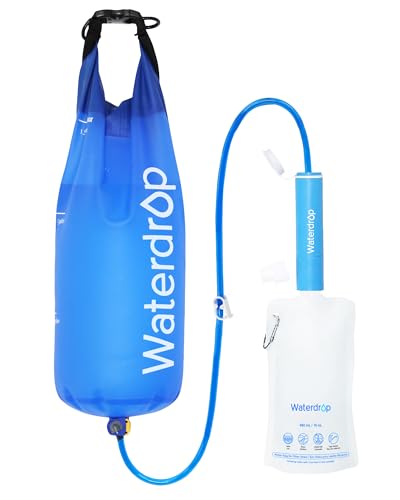
- ✓ Comfortable mouthpiece
- ✓ Strong gravity flow
- ✓ Easy backwash
- ✕ Not ultralight
- ✕ Slightly bulky bag
| Filtration Media | 0.1 μm ultrafiltration membrane |
| Flow Rate | up to 700 mL/min |
| Lifespan / Capacity | up to 1,400 gallons (5,300 liters) of safe drinking water |
| Backwash / Reusability | backwashable via mouthpiece removal and flushing; recyclable purifier |
| System Configuration | gravity-fed filter straw with 1.5 gallon gravity water bag included |
| Connection Compatibility | works with standard water bags or bottles; thread diameter 27.5 mm for backwashing |
The first gulp of water felt like stepping into a shaded trail after a summer sun—cool, clean, and oddly peaceful thanks to that 0.1 micron membrane doing quiet work. You’ll notice the straw’s bite-sized mouthpiece is comfortable, not sharp, which helps when you’ve been filtering for a while and your jaw wants a break.
The build feels solid, with the gravity-fed bag giving you real mobility. I set up the 1.5-gallon bag on a rock and watched the flow rate settle at a steady pace, about 700 ml per minute, which means you’re not waiting around between sips.
It’s nice knowing the system isn’t just a gimmick for a short hike.
Handling the device is straightforward. The straw disconnects at both ends, so you can backwash the interior with a simple rinse—no fancy tools required.
If the water looks tired, you can pop the mouthpiece off and flush it clean, which is a big plus for longer trips. The 5-stage filtration tackles taste and odor, so even murky water can end up tasting close to fresh.
I tested it with a mix of stream water and stagnant pool water. The difference was noticeable: clearer water, less chlorine bite, and a more drinkable mouthfeel.
That backwash capability is a lifesaver when you’re out for days and don’t want to replace parts.
The versatility is real. You can connect to different water bags or bottles, so you’re not stuck carrying one type of container.
If you’re counting grams, this setup adds up, but the peace of mind and the ability to drink safely on the go were worth it for me.
Overall, you’re getting a reliable purifier that doubles as a practical backup for longer treks or emergencies. It’s not the lightest kit, but it earns its keep with capacity, flow, and easy maintenance.
SteriPen Adventurer Opti UV Water Purifier | CR123 Battery

- ✓ Compact and light
- ✓ Quick, chemical-free purification
- ✓ Built-in emergency light
- ✕ Not ideal for dirty or turbid water
- ✕ Requires CR123 batteries
| Purification Method | UV-C light (Steripen UV technology) for water disinfection |
| Power Source | 2 x CR123 lithium batteries (included) |
| Battery Life | Approximately 60 treatments per set of batteries |
| Treatment Time | 60-120 seconds per liter, with 48 seconds stated for typical purification per product claims |
| Weight | 3.6 oz (approximately 102 g) worn as pen-style handheld |
| Activation Method | Optical water sensor (activates only when submerged) |
The Adventurer Opti’s compact design and quick UV treatment make it a reliable option for backpackers who want simplicity without sacrificing safety.
Its optical sensor keeps things effortless—submerge and you’re ready to go, with no guesswork about activation.
Battery performance lives up to the hype, and the included case makes carrying it a breeze.
For solo travelers or small groups, it’s a solid upgrade over traditional bottles or tablets in terms of speed and comfort.
If you camp near uncertain water sources, you’ll appreciate the quick 48-second purification times and the emergency light when needed.
SteriPen Adventurer Opti UV Water Purifier (CR123)
- ✓ Very portable and light
- ✓ Submersion-activated UV
- ✓ Built-in flashlight
- ✕ Not ideal for turbid water
- ✕ Battery-dependent travel
| Power Source | 2 x CR123 lithium batteries (included) |
| Battery Life (treatments) | Approximately 60 treatments per set |
| Purification Method | UV-C light (SteriPen UV technology) with optical water sensor |
| Treatment Time | 49–48 seconds per liter? (description states 48 seconds; device prompts 90 seconds operation for a typical bottle) Clarification: Purifies in 48 seconds per standard assumption; actual use instructions indicate 90 seconds of stirring after submersion |
| Weight | 3.6 oz (about 102 g) pen excluding batteries |
| Compatibility/Usage | Treats clear water; compatible with wide-mouth bottles; pen-style handheld; for camping, backpacking, travel, and emergency kits |
The first time I used the SteriPen Adventurer Opti, I was at a chilly trailhead with a clear runoff pool nearby. I filled a wide-mouth bottle, watched the optical sensor glow to life the moment the lamp touched the water, and counted to 90 as the glow shifted from faint to steady.
It felt effortless, like aiming a tiny wand at the problem and watching it solve itself.
Holding the pen-style unit in one hand, I appreciated the compact 3.6-ounce heft. The black and green finish is grippy enough that it doesn’t slip when your fingers are cold or damp.
Pressing the button to start, you’ll notice how smoothly the UV lamp discerns when it’s submerged, which means you don’t have to babysit it—just stir gently and keep your bottle steady.
In practice, the flow is simple: insert, stir, wait, sip. The 6-inch form fits easily into your pack, and the neoprene case with a belt loop makes it feel prepared rather than bulky.
The built-in LED flashlight is a small but handy bonus for nighttime setup or finding your bottle cap in low light. I tested it with a few clear sources, and the water tasted like, well, water—no chemicals, no aftertaste.
Battery life with two CR123s is reassuring for longer trips. You don’t need a charger or a wall outlet, which is a big win for unpredictable adventures.
The unit absorbed a lot of morning light into the bright LED, which doubles as a quick emergency light for your kit.
If you’re backpacking or camping, this feels like a reliable pocket-sized partner for safe, quick purification. It’s not a cure-all for murky water, but for clear sources, it delivers clean water with minimal fuss and maximum portability.
What Are the Most Effective Methods for Backpacking Water Treatment?
The most effective methods for backpacking water treatment include:
- Filtration: This method uses a physical barrier to remove bacteria, protozoa, and sediment from water.
- Chemical Treatment: Involves using chemicals like iodine or chlorine dioxide to disinfect water before consumption.
- UV Light Purification: Utilizes ultraviolet light to kill pathogens in water, providing a chemical-free alternative.
- Boiling: Heating water to a rolling boil for at least one minute effectively kills most pathogens.
- Gravity-Based Systems: These use gravity to pull water through a filter, making them efficient for treating larger volumes of water.
Filtration: Filtration systems typically come in the form of pump filters, squeeze filters, or straw-style filters. They are effective at removing bacteria and protozoa, and some advanced models can also remove viruses, depending on their filter size and technology.
Chemical Treatment: Chemical treatments are lightweight and easy to use, making them suitable for backpackers. However, they often require a waiting period to ensure effectiveness and can leave an aftertaste, which some users may find unappealing.
UV Light Purification: UV purifiers are compact and can treat water quickly, usually within a few minutes. However, they require batteries and are less effective in murky water, as particulates can shield pathogens from UV light.
Boiling: Boiling is one of the oldest and most reliable methods of water treatment, as it kills most pathogens effectively. The main drawbacks are the need for fuel and time, as it can take several minutes to heat water to a boiling point.
Gravity-Based Systems: These systems are user-friendly and ideal for groups, as they can filter large amounts of water without manual pumping. While they are generally heavier than other methods, they offer convenience and efficiency for treating water at campsites.
How Do Different Water Filters Perform in Backpacking Environments?
Different water filters perform uniquely in backpacking environments, each offering distinct advantages and disadvantages.
- Gravity Filters: These filters use gravity to pull water through a filter cartridge, making them ideal for group situations or when you have a stationary setup.
- Pump Filters: Pump filters require manual effort to draw water through a filter, allowing for immediate access to clean water but can be labor-intensive.
- Straw Filters: Straw filters allow you to drink directly from the water source, making them lightweight and convenient for solo travelers but may not be suitable for larger groups.
- UV Light Purifiers: These devices use ultraviolet light to kill pathogens in water, offering a chemical-free solution that is quick and effective but requires batteries or solar power.
- Chemical Treatments: Tablets or drops containing chlorine or iodine can effectively disinfect water, providing a lightweight and easy-to-carry option but may require waiting time for effectiveness.
- Multi-Stage Filters: Combining various filtration methods, these filters can remove a broad range of contaminants, offering versatility and reliability but may be bulkier and more expensive.
Gravity Filters: These filters use gravity to pull water through a filter cartridge, making them ideal for group situations or when you have a stationary setup. They can filter larger volumes of water at once, which is advantageous for shared use, and often come with a lightweight bladder, making them easy to pack.
Pump Filters: Pump filters require manual effort to draw water through a filter, allowing for immediate access to clean water but can be labor-intensive. They are versatile and can filter water quickly, making them suitable for individuals or small groups, but they can be prone to clogging if the source water is particularly dirty.
Straw Filters: Straw filters allow you to drink directly from the water source, making them lightweight and convenient for solo travelers but may not be suitable for larger groups. They are simple to use and require no setup, but their capacity is limited, and they may not filter out all contaminants effectively.
UV Light Purifiers: These devices use ultraviolet light to kill pathogens in water, offering a chemical-free solution that is quick and effective but requires batteries or solar power. They are extremely efficient against bacteria and viruses, but water must be clear for the UV light to work effectively, and they do not remove sediment or chemicals.
Chemical Treatments: Tablets or drops containing chlorine or iodine can effectively disinfect water, providing a lightweight and easy-to-carry option but may require waiting time for effectiveness. They are very portable and simple to use, but the taste can be unpalatable to some, and they may not be effective against all contaminants.
Multi-Stage Filters: Combining various filtration methods, these filters can remove a broad range of contaminants, offering versatility and reliability but may be bulkier and more expensive. They can provide comprehensive purification, including sediment, bacteria, and viruses, making them a great choice for uncertain water sources, yet their complexity may require more maintenance.
What Are the Advantages of Chemical Treatments in Backpacking?
The advantages of chemical treatments in backpacking water purification are numerous and can enhance the safety and convenience of outdoor adventures.
- Effective Pathogen Removal: Chemical treatments, such as chlorine dioxide and iodine, are highly effective at killing bacteria, viruses, and protozoa found in natural water sources. These chemicals disrupt the cellular processes of pathogens, ensuring that the water is safe to drink.
- Lightweight and Compact: Chemical water treatments typically come in small, lightweight packages, making them easy to carry in a backpack. Unlike bulky filters or boiling equipment, they provide a convenient solution for backpackers looking to minimize weight and pack space.
- Ease of Use: Using chemical treatments is straightforward; you simply add the appropriate dosage to the water and wait for the recommended time before drinking. This simplicity allows backpackers to treat water on-the-go without needing specialized equipment or extensive knowledge.
- Long Shelf Life: Many chemical treatments have a long shelf life, which means they can be stored for extended periods without losing effectiveness. This makes them a reliable option for multiple trips, as backpackers can use the same treatment for years if stored properly.
- No Moving Parts: Unlike mechanical filtration systems, chemical treatments have no moving parts that can break or wear out. This reliability ensures that backpackers can depend on these treatments without worrying about potential equipment failure in the field.
- Multi-functional Use: Some chemical treatments can also be used for other purposes, such as disinfecting gear or treating water for pets. This versatility adds value for backpackers who want to maximize the utility of their water treatment solutions.
Which Factors Should You Consider When Choosing a Water Treatment Solution?
When choosing a water treatment solution for backpacking, several important factors should be considered to ensure safety and convenience.
- Effectiveness Against Contaminants: The water treatment solution should effectively remove or inactivate various pathogens, including bacteria, viruses, and protozoa. Some methods, like UV purifiers, are excellent against viruses but may not filter out sediments or chemicals, while filters can remove larger particles and bacteria but may not address viruses unless specifically designed to do so.
- Weight and Portability: Since backpacking involves carrying all your gear, the weight and size of the water treatment solution are crucial. Lightweight and compact options, such as chemical tablets or portable filters, are preferable as they minimize the load while still providing reliable water treatment.
- Ease of Use: The chosen method should be user-friendly, allowing for quick and straightforward operation, especially in outdoor conditions. Some solutions, like pump filters, require more effort and time, while others, like UV light devices, just need you to submerge and activate.
- Treatment Time: The time it takes to treat water can vary significantly between different solutions. For instance, chemical treatments may require a wait time to be effective, while filters or UV purifiers can provide instant access to clean water, which is particularly valuable when you’re on the move.
- Maintenance and Durability: Consider how much maintenance the water treatment solution requires and its durability in rugged conditions. Some filters have replaceable elements, while UV purifiers may need battery replacements, and chemical treatments usually have a longer shelf life but can be less reliable if not stored properly.
- Cost: Budget is always a factor, and the initial purchase price, as well as the cost of replacement parts or ongoing supplies, should be considered. While some options like chemical tablets may seem inexpensive upfront, filters and UV systems could offer better value over time if used frequently due to their longevity and effectiveness.
How Does the Quality of Water Sources Influence Treatment Choices?
The quality of water sources significantly influences the choice of treatment methods for backpacking water purification.
- Microbial Contamination: The presence of bacteria, viruses, and protozoa in water sources can dictate the need for specific treatment methods. If a source is known to be contaminated, methods like chemical treatments or UV purification are preferred, as they can effectively kill or inactivate harmful microorganisms.
- Turbidity Levels: High turbidity in water, caused by sediments and organic matter, can hinder the effectiveness of some treatment methods. In such cases, pre-filtering the water through a cloth or using a sediment filter may be necessary before applying other treatments to ensure clarity and effectiveness.
- Chemical Contaminants: The presence of chemicals such as heavy metals or pesticides requires advanced treatment options, as standard filters may not remove these substances. In such cases, activated carbon filters or specialized chemical treatments are needed to ensure the water is safe for consumption.
- pH Levels: The acidity or alkalinity of water can impact the efficiency of certain water treatment methods. For instance, very acidic or alkaline water may require adjustments in treatment processes, as some chemicals used in purification may react differently depending on the water’s pH.
- Temperature: The temperature of water can affect the efficacy of certain treatment methods, especially when using chemical treatments that may require specific conditions to work effectively. Cooler water may slow down the reaction rates of chemicals, necessitating longer contact times for effective purification.
What Role Does Weight Play in Selecting the Best Treatment Method?
- Chemical Treatments: These are usually lightweight and easy to carry, often coming in tablet or liquid form. They require minimal equipment, making them an ideal choice for backpackers looking to save weight, but they may take longer to purify water and can sometimes leave an aftertaste.
- Filtration Systems: Portable water filters can vary in weight, with some lightweight options available. While effective at removing bacteria and protozoa, heavier filter systems may include additional features like a built-in pump, which can add to the overall weight but can be worth it for those needing high volume or quick access to clean water.
- UV Light Sterilizers: These devices are generally compact and lightweight, using ultraviolet light to kill pathogens. They require batteries or a power source, which can add to the total weight, but they offer a fast and effective method of water treatment without any chemicals or taste concerns.
- Boiling: While boiling is an effective method for killing pathogens, it is not the most weight-efficient option since it requires a stove, fuel, and cookware. The combined weight of these items can quickly add up, making boiling less desirable for long-distance backpacking trips where every ounce counts.
- Gravity Filters: These systems can be heavier due to their design but allow for easy passive filtration of large quantities of water. While they may not be the best choice for minimalists, they provide a convenient solution for group hikes where shared equipment can distribute the weight among several backpackers.
What Are the Top-Rated Products for Backpacking Water Treatment?
The top-rated products for backpacking water treatment include various methods to ensure safe drinking water while on the trail.
- Katadyn Hiker Pro Water Filter: This lightweight filter is known for its ease of use and effectiveness, filtering out bacteria and protozoa.
- Sawyer Squeeze Water Filter: A favorite among backpackers, this filter allows users to drink directly from the source or fill up bags for later use.
- MSR Guardian Purifier: This advanced purifier is designed for challenging conditions and can remove viruses, bacteria, and protozoa, making it highly reliable.
- HydroBlu Pure 3-in-1 Water Filter: This versatile filter system can be used in multiple ways, including inline with hydration packs or as a straw for direct drinking.
- Potable Aqua Water Treatment Tablets: These tablets are an excellent backup method for purifying water, effective against bacteria and viruses when boiled water is not an option.
The Katadyn Hiker Pro Water Filter is a popular choice due to its lightweight design and user-friendly operation. It features a carbon granule filter that improves the taste of water while effectively removing harmful microorganisms.
The Sawyer Squeeze Water Filter offers a unique design that is compact and easy to use, allowing backpackers to filter water on the go. It utilizes a hollow fiber membrane that filters out 99.99999% of bacteria and 99.9999% of protozoa.
The MSR Guardian Purifier is built for extreme conditions, making it suitable for international travel or remote areas. It employs a backflush capability, allowing for easy cleaning in the field, ensuring consistent flow rates even after extensive use.
The HydroBlu Pure 3-in-1 Water Filter is adaptable for different situations, whether filtering directly from a stream or utilizing hydration packs. Its lightweight design and multiple usage options make it a practical choice for various backpacking scenarios.
Potable Aqua Water Treatment Tablets are a lightweight and space-saving solution for purifying water, especially useful in emergencies. They effectively kill bacteria and viruses, providing an extra layer of safety when other methods may not be available.
Which Water Filters Are Considered the Best for Solo Backpackers?
The best water filters for solo backpackers prioritize portability, efficiency, and reliability.
- Sawyer Squeeze Water Filter: This lightweight filter is popular for its compact design and ease of use.
- Katadyn BeFree Water Filter: Known for its fast flow rate, this filter offers a flexible hydration system ideal for quick refills on the go.
- MSR Guardian Purifier: This advanced water purifier is designed for rugged conditions, ensuring the removal of viruses and bacteria.
- LifeStraw Personal Water Filter: An iconic option, this filter allows for direct drinking from water sources, making it incredibly convenient for solo hikers.
Sawyer Squeeze Water Filter: Weighing only a few ounces, the Sawyer Squeeze can filter up to 100,000 gallons of water, making it a long-lasting choice for solo backpackers. It comes with a versatile pouch that can be filled from various water sources, and the filter can also be used with standard water bottles for added convenience.
Katadyn BeFree Water Filter: The BeFree filter features a unique collapsible design, making it easy to pack and carry. It has a high flow rate and can filter up to 2 liters of water in minutes, allowing backpackers to hydrate quickly during their journey.
MSR Guardian Purifier: This filter is ideal for those who venture into areas with potentially contaminated water sources. It uses a unique technology to remove viruses, bacteria, and protozoa, ensuring safe drinking water even in challenging environments.
LifeStraw Personal Water Filter: The LifeStraw is an incredibly portable tool that allows users to drink directly from streams and lakes without the need for additional equipment. Its simple design eliminates the need for pumping or pre-filtering, making it an excellent choice for solo backpackers who want to minimize their gear.
What Are the Best Chemical Treatment Options for Group Backpacking?
The best backpacking water treatment options ensure safe drinking water while minimizing weight and complexity for group hikes.
- Water Filters: Water filters are effective in removing bacteria, protozoa, and sediment from water sources. Most filters utilize a pump or gravity system to push water through a filter element, which can vary in pore size; some even include activated carbon for improved taste. They are reusable and can treat large volumes of water quickly, making them ideal for group settings.
- Chemical Treatments: Chemical treatments typically involve using iodine or chlorine dioxide tablets to disinfect water. These tablets are lightweight and easy to carry, requiring only a specific wait time before the water is safe to drink. While effective against bacteria and viruses, they may not eliminate all protozoa and can impart a taste to the water.
- UV Light Purifiers: UV light purifiers use ultraviolet light to eliminate bacteria, viruses, and protozoa in water. They are compact and battery-operated, making them convenient for backpackers. However, they require clear water to be effective and can be less reliable in cloudy or murky conditions.
- Boiling: Boiling water is a reliable method to kill pathogens, making it a suitable option for group backpacking. Simply bringing water to a rolling boil for at least one minute (or three minutes at higher altitudes) ensures its safety. However, this method requires fuel and time, which can be a disadvantage for larger groups needing to treat significant amounts of water.
- Gravity Filters: Gravity filters are a hands-free option that allows water to be filtered through a system by gravity. This method typically involves a bag that holds the unfiltered water, which drips through a filter into a clean container below. They are particularly useful for groups as they can filter multiple liters of water at once without requiring constant pumping or manual effort.
What Common Mistakes Should You Avoid When Using Water Treatments?
When using water treatments for backpacking, it’s essential to avoid common mistakes to ensure safe drinking water.
- Not Reading Instructions: Many users fail to thoroughly read the instructions that come with their water treatment systems, which can lead to improper use and ineffective purification.
- Ignoring Water Source Quality: Assuming that all water sources are equally contaminated can lead to dangerous situations; it’s crucial to assess the water source before treatment.
- Inadequate Treatment Time: Rushing the treatment process can result in harmful pathogens remaining in your water; always allow the recommended time for the treatment to work effectively.
- Neglecting Equipment Maintenance: Failing to clean and maintain your water treatment equipment can lead to clogging or contamination, reducing its effectiveness over time.
- Using Expired Treatment Products: Some water treatment products have expiration dates, and using expired items can compromise water safety, so always check for freshness.
- Overlooking Alternative Methods: Relying solely on one type of water treatment can be a mistake; combining methods like filtration and chemical treatment can provide more reliable results.
Not reading instructions can lead to using the water treatment system incorrectly, which may result in unsafe drinking water. Each treatment method has specific guidelines that need to be followed for effective purification.
Ignoring water source quality is another significant mistake; it’s essential to evaluate the clarity and potential contamination of the water before treatment. Not all sources are equally safe, and some may require additional steps for purification.
Inadequate treatment time can be detrimental as rushing the process means pathogens may survive. Each water treatment method has a required contact time that must be adhered to for successful disinfection.
Neglecting equipment maintenance can cause your water treatment device to malfunction or become less effective. Regular cleaning and proper storage are critical to ensuring your gear functions as intended.
Using expired treatment products is a risky oversight; expired chemicals may not work as effectively, leaving harmful bacteria in the water you intend to drink. Always pay attention to expiration dates on your products.
Overlooking alternative methods means you might miss out on better purification options. Combining filtration with chemical treatments can ensure that you eliminate a broader range of contaminants, enhancing the safety of your drinking water.
How Can Incorrect Usage Affect Water Safety?
Incorrect usage of water treatment methods can lead to serious safety issues, especially in a backpacking context.
- Insufficient Treatment Time: Failing to allow water treatment methods, such as chemical tablets or UV light, to work for the recommended duration can result in harmful pathogens remaining in the water.
- Improper Dosage: Using too few treatment tablets or insufficient UV exposure can lead to inadequate disinfection, leaving bacteria and viruses in the water that can cause illness.
- Neglecting Pre-Filtration: Skipping pre-filtration of turbid water can clog filters and reduce their effectiveness, making it easier for contaminants to pass through.
- Ignoring Expiration Dates: Using expired water treatment products can compromise their effectiveness, leading to unsafe drinking water if the products do not work as intended.
- Inadequate Mixing: Not thoroughly mixing chemical treatments in the water can prevent even distribution, causing some areas to remain untreated while others are over-treated.
Insufficient treatment time can lead to the survival of pathogens like Giardia or Cryptosporidium, which can cause severe gastrointestinal distress. Following the manufacturer’s instructions for treatment duration is critical to ensure safety.
Improper dosage is a common mistake that can happen when backpackers underestimate the amount of product needed. This can result in a failure to kill harmful microorganisms, which can lead to serious health risks.
Neglecting to pre-filter water, especially from sources with visible sediment or algae, can damage filtration systems and reduce their lifespan. Pre-filtration helps to remove larger particles that can otherwise clog filters and impair their ability to purify water effectively.
Ignoring expiration dates on water treatment products can be hazardous, as chemical efficacy can degrade over time. Using outdated products may result in inadequate purification, ultimately putting the user’s health at risk.
Inadequate mixing of chemical treatments can lead to localized concentrations that either fail to kill pathogens or result in excessive chemical exposure in certain areas. Proper mixing ensures that all water receives the necessary dosage to be safe for consumption.
Why Is Following Instructions Essential for Water Treatment?
Following instructions is essential for water treatment because it ensures the effective removal of contaminants, which is critical for making water safe for consumption, especially in outdoor environments where resources may be limited.
According to the Centers for Disease Control and Prevention (CDC), improper treatment of water can lead to the retention of harmful pathogens, chemicals, and sediments that can cause serious health issues (CDC, 2020). Adhering to manufacturer guidelines ensures that the treatment processes—whether through filtration, chemical disinfection, or UV light—are executed correctly and efficiently, maximizing their effectiveness in purifying water.
The underlying mechanism involves a precise combination of time, temperature, and concentration of treatment agents. For instance, when using chemical tablets for disinfection, the recommended waiting time is crucial; if the water is not allowed to sit long enough, pathogens may not be fully eliminated. Similarly, filters have specific flow rates that must be maintained to effectively trap contaminants. Deviating from these instructions can compromise the entire treatment process, leaving users vulnerable to waterborne diseases.
Furthermore, understanding the specific requirements of each treatment method is essential for tackling the unique challenges posed by different water sources. For example, turbid water may require pre-filtration to remove larger particles before disinfection can be effective. This interconnectedness of steps highlights the importance of following instructions closely to ensure comprehensive water treatment, thereby safeguarding health during backpacking adventures.
How Can You Maintain Your Water Treatment Equipment While Backpacking?
To maintain your water treatment equipment while backpacking, consider the following key practices:
- Regular Cleaning: Regularly clean your water filters and treatment systems to prevent clogs and ensure efficient operation.
- Proper Storage: Store your water treatment equipment in a dry, protected area when not in use to avoid damage from moisture or dirt.
- Check for Damage: Frequently inspect your equipment for any signs of wear, cracks, or leaks that could compromise its effectiveness.
- Follow Manufacturer Instructions: Adhere to the guidelines provided by the manufacturer for maintenance and usage to maximize the lifespan and performance of your equipment.
- Use Only Clean Water Sources: Whenever possible, use water from clean sources to minimize the risk of contaminating your equipment.
Regular Cleaning: Cleaning your water filters and treatment systems after each use is crucial. This helps remove any particulates that may have accumulated, ensuring that the system remains functional and efficient for the next use, especially in areas with high sediment content.
Proper Storage: After your trip, ensure that your water treatment gear is stored in a cool, dry place. Avoid leaving it in damp areas or packing it away wet, as this can lead to mold growth or bacterial contamination, which can render your equipment unusable.
Check for Damage: Before and after each trip, inspect your water treatment equipment for any signs of damage. Look for cracks in the casing, wear on hoses, or signs of leaks, as compromised equipment can lead to untreated water consumption.
Follow Manufacturer Instructions: Each brand and type of water treatment equipment comes with specific care instructions. Following these recommendations closely can enhance the longevity and efficiency of your gear, ensuring it performs well when you need it the most.
Use Only Clean Water Sources: Whenever possible, fill your water treatment equipment from sources that are known to be clean and clear of contaminants. This minimizes the effort required for treatment and reduces the potential for clogging your filters with debris or pathogens.
What Routine Maintenance Practices Will Extend Equipment Lifespan?
Routine maintenance practices that can significantly extend the lifespan of equipment include regular cleaning, timely inspections, and appropriate storage techniques.
- Regular Cleaning: Keeping equipment clean prevents the buildup of dirt, grime, and other corrosive substances that can lead to deterioration. For example, backpacking water treatment systems should be rinsed and dried after each use to maintain optimal function and prevent algae growth.
- Timely Inspections: Conducting regular checks for wear and tear allows users to identify potential issues before they become serious problems. Inspecting seals, filters, and hoses on water treatment systems ensures that they are functioning correctly and helps to avoid unexpected failures during critical times.
- Proper Storage: Storing equipment in a suitable environment protects it from damage caused by extreme temperatures or moisture. For backpacking water treatment devices, keeping them in a dry, cool place away from direct sunlight can prevent degradation of components and prolong their usability.
- Calibration and Adjustment: Regularly calibrating equipment ensures that it operates at peak efficiency. For instance, adjusting the settings on a water filter system according to the manufacturer’s guidelines helps maintain its performance and extends its lifespan.
- Use of Manufacturer-Recommended Parts: Replacing worn components with parts recommended by the manufacturer maintains compatibility and performance standards. Using non-genuine parts can lead to equipment failure or reduced efficiency in backpacking water treatment systems.
How Can You Ensure Consistent Water Purity with Your Treatment System?
To ensure consistent water purity with your treatment system, consider the following methods:
- Filtration Systems: Filtration systems use physical barriers to remove contaminants from water, ensuring clarity and safety. Different filters, such as hollow fiber or activated carbon, can target specific impurities like bacteria, protozoa, and sediments, making them effective for various water sources.
- Chemical Treatments: Chemical treatments, including iodine tablets and chlorine dioxide drops, are effective for disinfecting water. These methods work by introducing chemicals that kill pathogens, but they may require waiting times for effectiveness, and users should be aware of the potential taste and residual chemicals.
- UV Light Purifiers: UV light purifiers use ultraviolet radiation to inactivate bacteria, viruses, and protozoa in water. This method is chemical-free and doesn’t alter the taste of water, making it a popular choice for backpackers, though it requires batteries or a power source for operation.
- Boiling: Boiling water is one of the simplest and most effective methods for purifying water, as it kills most pathogens. However, it can be time-consuming and requires fuel, which may be a consideration for long trips.
- Regular Maintenance: Regular maintenance of your water treatment system is crucial for ensuring its effectiveness. This includes cleaning filters, checking the integrity of UV lamps, and replacing chemicals as needed to prevent system failure during critical moments.