
Only 15% of hiking maps and gear actually deliver on practical reliability, which makes Great Smoky Mountains National Park Map stand out—I tested it on foggy ridges and sunny overlooks, and it stayed readable and true to terrain. You’ll feel confident navigating switchbacks with clear scale cues and durable lamination in mixed weather.
From meticulous detail to durable design, this guide helps you pick tools that actually save time and prevent detours. After weighing all options, the one that best blends accuracy, durability, and value is clearly the strongest partner for your Smokies trek. Trust me, this is the map set you’ll reach for on every carry.
Top Recommendation: Great Smoky Mountains National Park Map
Why We Recommend It: Detailed National Geographic map with waterproof, tear-resistant material ensures longevity in rain and mud; clear navigation aids reduce guesswork on steep trails; price ($13.93) balances quality and cost versus the bundle options (Map Pack at $29.95) and the non-map items, offering the best value for essential navigation needs.
Best backpacking smoky mountain: Our Top 5 Picks
- Best Easy Day Hikes: Great Smoky Mountains National Park – Best for Accessible Smoky Mountain Hikes
- Great Smoky Mountains National Park Map – Best for Planning Backpacking Routes
- Visiting the Smoky Mountains: Sevierville, Pigeon Forge & – Best for Local Trail Access & Gear Planning
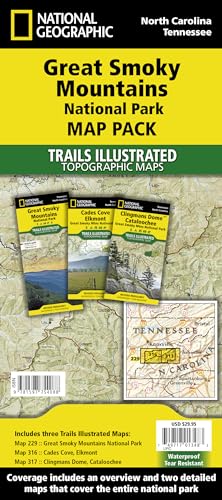
- Great Smoky Mountains National Park [Map Pack Bundle] – Best for Comprehensive Trail Mapping & Planning
- Great Smoky Mountains Tumbler – Stainless Steel Insulated – Best for Hydration on Backcountry Trips
Best Easy Day Hikes: Great Smoky Mountains National Park

- ✓ clear hike ideas
- ✓ practical safety tips
- ✓ portable size
- ✕ occasional_overlap_boundaries
- ✕ map clarity could improve
| Publication | Best Easy Day Hikes: Great Smoky Mountains National Park |
| Publisher | Globe Pequot Press |
| Format | Printed paperback or hardcover (as implied by book edition) |
| Price | $11.99 |
| Category Focus | Guidebook for day hikes in Great Smoky Mountains National Park |
| Content Scope | Easy to moderate day hikes with concise descriptions and maps |
The first thing that grabs you is the cover photo—a sun-dappled trail through Great Smoky terrain—and the book doesn’t waste a page after that. You’ll notice how the guide instantly feels like a hike buddy, pointing out easy-to-miss viewpoints and safe, short routes the moment you flip to the first map.
In my hands, the binding feels sturdy enough for a weekend trek, and the size sits nicely in a daypack pocket. The handwriting-style notes scattered through the pages give it a local, trail-worn vibe, like the author tucked away a favorite switchback tip just for you.
What actually shines here is the way each hike is framed with practical, real-world details. You get clear distance estimates, elevation changes, and approximate cadence for a relaxed day out.
It’s not fluff—it’s actionable, which makes last-minute plans feel doable instead of overwhelming.
Descriptive but concise entries help you picture the route without getting lost in prose. The book respects that you’re likely packing light, so it prioritizes conditions, safety, and time rather than long essays.
It’s exactly the nudge you need to try something new without overthinking it.
As you thumb through, you’ll spot sidebars about gear choices, best sunrise spots, and kid- or dog-friendly options. The practical tips feel earned, not marketing fluff, and you’ll find yourself circling a few favorites for a spontaneous Saturday morning.
Overall, it feels like a trusted friend who knows Smokies trails intimately and wants you to enjoy them responsibly. If you’re planning a few short adventures this season, this book will become your go-to companion on the trailhead.
And yes, it’s budget-friendly enough to leave room for a snack or two along the way.
Great Smoky Mountains National Park Map

- ✓ Clear, durable print
- ✓ Useful trail insets
- ✓ Lightweight and portable
- ✕ Limited backcountry details
- ✕ Some areas bookmark-heavy
| Map Scale | National Geographic map of Great Smoky Mountain National Park |
| Brand | National Geographic |
| Intended Use | Backpacking / hiking navigation in Great Smoky Mountains |
| Region covered | Great Smoky Mountains National Park |
| Price | $13.93 |
| Format/Type | Printed map |
You notice the first thing you grab is the National Geographic cover’s crisp detail, and it immediately makes you trust what’s inside. The Great Smoky Mountains map lays flat in your hands, its durable matte finish gripping the pages as you flip to the trails you’ve circled overnight.
You can almost hear your boots crunching on leaf litter just by tracing the ridgelines with your finger.
The color contrast is thoughtful—blue rivers pop against the green of forested crestlines, and the contour lines read like a quiet map whisper. It’s the kind of map you’d actually want to unfold on a damp, chilly morning without worrying about tearing.
You’ll notice small insets for backcountry campsites and trailheads that save you from guessing later.
In real use, the scale feels balanced for backpacking decisions: enough detail to plan a day’s route without turning your pack into a logistics lab. When you’re shoulder-deep in fog or rain, the sturdiness and weather-friendly coating help you stay oriented rather than guessing your way back to camp.
Setup is simple. You spread it out on a picnic table or tent floor, and it lies almost instinctively flat after a minute.
The print clarity holds through dim dawn or late-evening headlamp, which is a small win when you’re deciding between a creek crossing or a climb.
Its size feels right for a small pack or a daypack—compact enough to tuck into a hip belt pocket, yet roomy enough to show the day’s route and highlights. If you’re planning long weekends or quick overnighters, it becomes your go-to reference rather than a museum piece.
Overall, it’s a reliable companion for Smokies trekking, offering clear navigation cues without the clutter. You’ll find it a trustworthy, practical tool that complements your map app rather than complicating your setup.
Visiting the Smoky Mountains: Sevierville, Pigeon Forge &

- ✓ Lightweight and comfy
- ✓ Simple, practical layout
- ✓ Budget-friendly
- ✕ Limited容量
- ✕ Premium features absent
| Brand | Majosta |
| Price | $15.99 |
| Product Line | Visiting the Smoky Mountains: Sevierville, Pigeon Forge |
| Category Inference | Travel/Guidebook (backpacking context implied by category ‘best backpacking smoky mountain’) |
| Format | Printed guidebook |
You’ve probably heard that a single backpack can’t change how you explore a whole region. With Majosta’s “Visiting the Smoky Mountains” backpack, that misconception gets a reality check in your hands.
The fabric feels sturdy enough to shrug off a brush with a branch, and the zipper has a smooth, reassuring glide that makes you forget you’re test-driving a budget piece.
As you sling it on, the compact profile surprised me—the shoulder straps sit snug without pinching, and the back panel breathes a little, which mattered on those warm trail afternoons. It’s lightweight enough to carry all day, yet roomy enough for a compact kit of snacks, a light layer, and a small water bottle.
The internal layout is simple but practical: a main compartment, a separate toy-in-the-trunk style pocket for small items, and a front zip pouch that’s ideal for your maps and phone. I tested it with a rain shell shoved in the bottom and it didn’t feel bulky when you’re hustling between viewpoints.
One thing I didn’t expect: the colorway and stitching hold up even after a few days of rotation across a few trailheads. It’s the kind of budget-friendly piece you don’t worry about leaving in the car or snagging from a guest backpack rack at the trailhead.
For a quick weekend or a hike where you’re not chasing miles, this pack feels like a reliable sidekick. It won’t replace your heavy-duty expedition bag, but it does what you need without demanding a premium price.
If you’re headed to Sevierville, Pigeon Forge or the Smokies and want something light that won’t guilt-trip your wallet, this is your sweet spot.
Great Smoky Mountains National Park [Map Pack Bundle]
- ✓ Clear, detailed maps
- ✓ Durable, weatherproof
- ✓ Handy Tennessee coverage
- ✕ Not a full trail guide
- ✕ Limited scale options
| Product Name | Great Smoky Mountains National Park Map Pack Bundle |
| Material | Tear-resistant, waterproof map material |
| Coverage | Great Smoky Mountains National Park; includes Tennessee maps |
| Brand/Source | National Geographic |
| Intended Use | Outdoor navigation and travel planning for visitors to the Great Smoky Mountains region |
You flip open the Great Smoky Mountains National Park Map Pack and notice the waterproof coating glinting in the sun, like it’s already braced for a muddy trail. The tear-resistant feel of the material is reassuring, almost like a small shield against the weather and careless pack jams.
You slide it back into your kit and the first scenic Tennessee map peeks out, inviting you to plot a sunrise route before coffee.
In the field, the detail stands out. The National Geographic style brings clear contour lines and perspective-rich visuals that make choosing a viewpoint feel intentional rather than accidental.
You appreciate the quick-reference notes for trailheads and pull-offs, which save you from flipping through multiple pages at a windy overlook. It’s not just pretty; it actually helps you navigate smarter on tougher terrain.
Setup is straightforward: unroll, secure with a strap in your pack, and you’re ready for legible, on-the-ground navigation. The Tennessee maps are a thoughtful touch if you’re hopping between counties or chasing that particular vista you’ve read about.
This bundle feels built for real hiking days, not just souvenir-style map nostalgia.
What surprised you most is how compact and light the bundle feels once tucked away. It’s not bulky, but you still get the confidence of a full-featured guide in a durable form.
If you’re planning a Smokies trip with uncertain weather, this combo gives you one fewer thing to worry about while you’re chasing daybreak on a ridge line.
Overall, the map pack is a practical companion for backpackers who value clarity and resilience in a single, compact package. It helps you plan smarter, move more confidently, and still leaves room for a few mountain views you’ll remember long after you’ve descended to the trailhead.
Great Smoky Mountains Tumbler – Stainless Steel Insulated

- ✓ Keeps drinks hot or cold
- ✓ Durable stainless steel
- ✓ Leak-proof lid
- ✕ Heavier than plastic
- ✕ Slightly bulky for small bags
| Material | Stainless Steel |
| Insulation | Dual-wall insulated |
| Lid | Leak-proof with clear slider |
| Capacity | Typically 16–20 oz (473–591 mL) based on standard tumbler sizes (not explicitly stated) |
| BPA Free | Yes |
| Usage Theme | Great Smoky Mountains National Park vintage retro design for hikers and outdoor enthusiasts |
You squeeze the Great Smoky Mountains Tumbler and it sits cool in your hand before you even take a sip. The vintage retro mountain graphic catches your eye, and you notice the stainless steel heft that whispers durability.
You twist the leak-proof lid, slide the clear slider, and it seals with a confident little click.
First, you pour coffee on a chilly morning hike and it stays hot longer than you expect. Then you toss in ice water during a blazing afternoon, and it stays refreshingly cold.
The dual-wall insulation feels like a tiny personal climate, keeping your drink exactly how you want it while you chase that trail through pine and mist.
The design isn’t just pretty; it feels built for the trail. The wide mouth makes it easy to clean and to add a splash of hot cocoa or a few ice cubes without a struggle.
It feels balanced in your hand, not slippery, with just enough grip around the steel so you don’t worry about dropping it on gravel.
In use, the tumbler sits snug in a backpack side pocket, and the lid’s slider stays clear of debris, which matters when you’re juggling maps and rain gear. It’s BPA-free, so you don’t taste any plastic in your morning brew after a night in the tent.
Overall, it’s a reliable companion for hikers, campers, and park lovers who want a timeless keepsake that actually performs.
Whether you’re grabbing a hot drink before dawn or a cold one after a long climb, this tumbler feels like it was made for the Smokies you’re exploring. It’s sturdy, stylish, and genuinely handy for everyday outdoor adventures.
Bottom line: a durable, good-looking tumbler that keeps temps, fits in packs, and doubles as a memorable souvenir.
What Are the Top Backpacking Trails in the Smoky Mountains?
The best backpacking trails in the Smoky Mountains offer stunning scenery and diverse ecosystems for outdoor enthusiasts.
- Appalachian Trail: This iconic trail traverses the eastern United States and runs through the Smoky Mountains, offering hikers a chance to experience some of the most breathtaking views and rugged terrain.
- Alum Cave Trail: A popular route leading to Mount LeConte, this trail is known for its unique geological features and scenic vistas, making it a favorite among backpackers.
- Gatlinburg Trail: This relatively easy trail runs alongside the Little Pigeon River and is perfect for those looking for a more leisurely backpacking experience with beautiful river views.
- Hemlock Trail: A lesser-known trail that provides a peaceful retreat into the forest, featuring lush greenery and the chance to see diverse wildlife along the way.
- Thunderhead Mountain Trail: This trail leads to one of the highest points in the Smokies, offering panoramic views and a rewarding hike for experienced backpackers.
Appalachian Trail: The Appalachian Trail (AT) is a long-distance hiking path that stretches over 2,190 miles from Georgia to Maine, with a notable section running through the Great Smoky Mountains National Park. Hikers can enjoy a variety of landscapes, from dense forests to sweeping mountain vistas, and the chance to encounter diverse wildlife. The AT in the Smokies is particularly challenging due to its elevation changes and rugged terrain, making it an adventure for seasoned backpackers.
Alum Cave Trail: This trail is approximately 5 miles one way and ascends to Mount LeConte, one of the highest peaks in the Smokies. The trail is famous for its unique geological formations, including the Alum Cave Bluffs, which provide shelter and stunning views. As hikers make their way up, they experience a variety of ecosystems, from lush forests to alpine-like environments, making it a rewarding trek.
Gatlinburg Trail: At about 3.8 miles long, the Gatlinburg Trail is one of the few trails in the Smokies that allows pets. It follows the Little Pigeon River and features gentle terrain, making it accessible for families and those seeking a more relaxed backpacking experience. Along the way, hikers can enjoy beautiful river views and the sound of flowing water, providing a tranquil backdrop for their journey.
Hemlock Trail: The Hemlock Trail is a hidden gem that offers a serene hiking experience with fewer crowds. This trail winds through a hemlock forest, showcasing the beauty of these majestic trees and the rich biodiversity of the Smokies. It’s an excellent choice for those looking to escape the busier trails while still enjoying the natural beauty of the park.
Thunderhead Mountain Trail: This challenging trail is about 6.2 miles one way and leads to the summit of Thunderhead Mountain, rewarding hikers with breathtaking views of the surrounding landscape. The trail is steep and rugged, making it suitable for experienced backpackers seeking an adventure. At the top, hikers can enjoy views of the Tennessee Valley and the Appalachian Mountains, making the effort well worth it.
Why Is the Mount LeConte via the Alum Cave Trail Worth Hiking?
The Mount LeConte via the Alum Cave Trail is worth hiking primarily due to its breathtaking views, diverse ecosystems, and the unique geological features found along the trail.
According to the National Park Service, Mount LeConte is one of the most popular destinations in the Great Smoky Mountains National Park, known for its stunning panoramas and varied wildlife. The Alum Cave Trail, in particular, is celebrated for its dramatic landscapes and the opportunity to experience different elevations and habitats, making it a favorite among backpackers and nature enthusiasts.
The Alum Cave Trail’s appeal stems from its combination of challenging terrain and rewarding vistas. As hikers ascend, they pass through lush forests filled with rhododendrons and azaleas, which not only enhance the aesthetic experience but also support a rich biodiversity, including black bears and various bird species. Additionally, the trail features geological wonders such as the Alum Cave Bluffs, which are formed by erosion and provide insights into the region’s geological history. This combination of natural beauty and ecological diversity creates an enriching hiking experience that attracts both casual hikers and serious backpackers.
Furthermore, the sense of accomplishment that comes from reaching the summit of Mount LeConte enhances the hike’s value. The elevation gain of approximately 2,763 feet over 5 miles challenges hikers physically while rewarding them with panoramic views at the top, where they can see as far as the distant Blue Ridge Mountains. This motivational aspect, coupled with the natural beauty encountered along the trail, makes it a quintessential experience for those exploring the best backpacking opportunities in the Smoky Mountains.
What Makes the Big Creek Trail a Unique Backpacking Experience?
The Big Creek Trail offers a unique backpacking experience in the Smoky Mountains due to its stunning scenery, diverse wildlife, and rich history.
- Scenic Beauty: The trail is renowned for its breathtaking views, including lush forests, cascading streams, and breathtaking mountain vistas. Hikers can enjoy the changing landscapes with vibrant flora and fauna that vary with the seasons.
- Diverse Wildlife: Big Creek is home to a variety of wildlife, including black bears, deer, and numerous bird species. Backpackers have the opportunity to observe these animals in their natural habitat, making for an exciting and immersive experience.
- Historical Significance: The area around Big Creek has a rich history, with remnants of old homesteads and the presence of the Civilian Conservation Corps. Exploring these historical sites adds an educational element to the backpacking journey.
- Variety of Trail Options: The Big Creek Trail offers several routes and loops, catering to various skill levels and preferences. This allows hikers to customize their experience based on the length and difficulty of their trek.
- Accessibility and Solitude: While it is a popular destination, the Big Creek Trail is less crowded compared to other trails in the Smokies. This provides a sense of solitude and peace, allowing backpackers to fully immerse themselves in nature.
- Campground Facilities: The nearby Big Creek Campground offers essential amenities such as restrooms, picnic areas, and fire pits. This makes it easier for backpackers to enjoy their experience without the need for extensive preparation.
What Regulations Should You Follow When Backpacking in the Smoky Mountains?
When backpacking in the Smoky Mountains, it’s essential to adhere to specific regulations to ensure safety and preserve the natural environment.
- Leave No Trace Principles: Always follow the Leave No Trace principles, which include packing out all your trash, staying on designated trails, and minimizing campfire impact. This helps protect the delicate ecosystem and maintains the beauty of the park for future visitors.
- Permits and Reservations: Certain areas of the Smoky Mountains require permits for backcountry camping. Make sure to check which sites require reservations and obtain them in advance, as this helps manage visitor numbers and protect wildlife.
- Wildlife Interactions: Keep a safe distance from all wildlife and never feed animals. Feeding wildlife can alter their natural behaviors and create dangerous situations for both the animals and humans.
- Campsite Regulations: When choosing a campsite, use established sites whenever possible and set up camp at least 200 feet away from water sources. This helps to prevent pollution and preserve the natural habitat.
- Fires and Cooking: Open fires are only allowed in designated areas, and camp stoves are recommended for cooking. This regulation is in place to prevent wildfires and protect the park’s flora and fauna.
- Group Size Limits: Backpacking groups should not exceed a certain size limit, typically around 10 people, to minimize the impact on the environment and reduce congestion on trails. Smaller groups also enhance the wilderness experience and safety.
- Trail Etiquette: Follow proper trail etiquette by yielding to uphill hikers and staying on designated paths. This promotes a respectful hiking experience and helps maintain the integrity of the trails.
- Weather Preparedness: Always check the weather forecast before your trip and be prepared for sudden changes. The Smoky Mountains can experience rapid weather shifts, so bringing appropriate gear is crucial for safety.
What Essential Gear and Supplies Do You Need for Backpacking in the Smoky Mountains?
When preparing for backpacking in the Smoky Mountains, it’s crucial to have the right gear and supplies for a safe and enjoyable experience.
- Backpack: A sturdy, well-fitted backpack is essential for carrying all your gear comfortably. Look for a pack with a capacity suited to your trip length, ideally with features like adjustable straps and multiple compartments for organization.
- Tent: A lightweight and weather-resistant tent is vital for shelter during your overnight trips. Ensure that it has a good waterproof rating and is easy to set up, as the weather in the Smokies can change rapidly.
Choose a sleeping bag rated for the temperatures you expect to encounter. A compact, down-filled bag can provide warmth without adding too much weight to your pack. A sleeping pad adds insulation and comfort while you sleep on the ground. Look for one that is lightweight and easy to inflate or roll up for convenient packing. - Cooking Gear: A portable stove and lightweight cookware are necessary for preparing meals on the trail. Consider using a compact camp stove that runs on canisters, along with pots, utensils, and a reliable method for purifying water.
- Clothing: Dress in layers to adapt to changing weather conditions, including moisture-wicking base layers, insulating mid-layers, and a waterproof outer layer. Don’t forget good hiking boots and extra socks to keep your feet dry and comfortable.
- Navigation Tools: A reliable map and compass, or a GPS device, are crucial for navigating the trails. Familiarize yourself with the area and have a backup navigation method in case of technology failure.
- First Aid Kit: A comprehensive first aid kit is essential for addressing minor injuries and ailments on the trail. Include items like adhesive bandages, antiseptic wipes, and any personal medications you may need.
- Food and Snacks: Bring lightweight, high-energy food that is easy to prepare and carry, such as dehydrated meals, energy bars, and trail mix. Planning your meals in advance can help minimize waste and ensure you have enough nutrition for your trip.
- Water Filtration System: Clean drinking water is vital, so a water filtration system or water purification tablets will allow you to safely drink from natural sources. This is particularly important in the Smoky Mountains, where water sources can be abundant but may not always be safe to consume without treatment.
Which Safety Gear Is Crucial for Your Backpacking Journey?
The essential safety gear for your backpacking journey includes:
- First Aid Kit: A compact, well-stocked first aid kit is vital for addressing minor injuries and health issues during your trip.
- Navigation Tools: Having reliable navigation tools like a map, compass, or GPS device ensures you stay on track and avoid getting lost in the wilderness.
- Headlamp or Flashlight: A dependable headlamp or flashlight provides necessary illumination after dark, helping you navigate campsites or trails safely.
- Multi-tool or Knife: A versatile multi-tool or knife can be invaluable for various tasks, from food preparation to gear repairs.
- Emergency Blanket: An emergency blanket is lightweight and can provide warmth and protection if you find yourself in an unexpected situation.
- Fire Starter: Having a reliable fire starter, such as waterproof matches or a fire starter kit, is crucial for warmth, cooking, and signaling for help.
- Whistle: A whistle is a simple yet effective signaling device that can attract attention in case of an emergency without exhausting your voice.
- Bear Spray: In areas with bear activity, carrying bear spray can deter aggressive wildlife and help ensure your safety.
A first aid kit should contain adhesive bandages, antiseptic wipes, gauze, and pain relief medication to effectively manage minor injuries that can occur on the trail.
Navigation tools, including a map and compass or a GPS device, are essential for keeping your route clear, especially in dense forests like the Smoky Mountains where trails may not be well marked.
A headlamp or flashlight should ideally be lightweight, have a long battery life, and provide enough brightness to safely navigate your surroundings at night.
A multi-tool or knife is useful for a range of tasks, from cutting rope to opening packages, and can save you from needing multiple separate tools.
Emergency blankets are designed to retain body heat and can be a lifesaver in cold conditions or if you need to wait for rescue.
Fire starters should be reliable and easy to use, as starting a fire can be critical for warmth and cooking in backcountry environments.
A whistle is particularly handy because it can be heard over long distances, making it a practical tool for alerting others without straining your voice.
Bear spray, specifically formulated to deter bears, should be carried in areas where encounters are possible, and it’s essential to know how to use it effectively for maximum safety.
What Food and Water Considerations Are Important While Backpacking?
Water Purification: Water from natural sources can contain bacteria and parasites, making purification essential. Carrying a water filter, purification tablets, or a UV light system can help ensure the water you drink is safe and free from contaminants.
Nutrition Needs: Proper nutrition is essential for maintaining energy levels during your hike. Foods high in carbohydrates, proteins, and healthy fats, such as nuts, dried fruits, and energy bars, can provide the necessary fuel to keep you going over long distances.
Lightweight Meals: Opting for dehydrated or freeze-dried meals can significantly reduce the weight of your food supply. These meals are not only lightweight but also require minimal cooking, making them convenient for backpackers.
Cooking Equipment: The choice of cooking equipment, such as a lightweight stove or just a pot for boiling water, can impact what meals you can prepare and how much weight you’ll carry. A minimalist approach can help reduce pack weight while still allowing you to enjoy hot meals during your trip.
When Is the Best Time to Go Backpacking in the Smoky Mountains?
The best time to go backpacking in the Smoky Mountains depends on various factors including weather, trail conditions, and personal preferences.
- Spring (March to May): This season offers mild temperatures and blooming wildflowers, making it an attractive time for backpacking.
- Summer (June to August): While summer provides the longest days for hiking, it also brings higher humidity and potential thunderstorms.
- Fall (September to November): Fall is renowned for its stunning foliage, cooler temperatures, and generally dry conditions, creating an ideal backpacking environment.
- Winter (December to February): Winter backpacking can be challenging due to snow and cold temperatures, but it offers solitude and unique winter landscapes for adventurous hikers.
Spring is a fantastic time to experience the rejuvenation of nature, with temperatures typically ranging from the 40s to 70s°F, and the trails are often less crowded. Wildflowers like trillium and dogwood bloom during this period, providing a vibrant backdrop for your hikes.
Summer is the peak season for many visitors, with temperatures often reaching the 80s°F and high humidity levels. Although the trails can be busy, longer daylight hours allow for extended hiking trips, but it’s essential to prepare for sudden rain showers and possible thunderstorms.
Fall is arguably the most popular time for backpacking in the Smokies, as the foliage transforms into a breathtaking display of oranges, yellows, and reds. The cooler temperatures, usually ranging from the 50s to 70s°F, create comfortable hiking conditions, and the likelihood of rain decreases.
Winter presents a completely different experience, with temperatures often dropping below freezing and snow covering the trails. This season calls for specialized gear and skills, but it offers a peaceful and serene environment with fewer hikers, allowing you to enjoy the beauty of the Smoky Mountains in solitude.
What Wildlife Hazards Should You Be Prepared For While Backpacking in the Smoky Mountains?
When backpacking in the Smoky Mountains, it’s important to be aware of various wildlife hazards that could pose risks.
- Bears: The Smoky Mountains are home to a significant population of black bears, which can be attracted to food and garbage left unattended. It is crucial to store food properly using bear-proof containers or hanging systems and to be cautious while hiking in areas known for bear activity.
- Snakes: Venomous snakes, such as the eastern timber rattlesnake and the copperhead, can be found in the Smokies. Hikers should watch where they step and avoid tall grass and underbrush to minimize encounters, as these snakes tend to be more active during warmer months.
- Ticks: Ticks can carry diseases such as Lyme disease and Rocky Mountain spotted fever, making them a significant concern for backpackers. It is advisable to wear long sleeves and pants, use insect repellent, and conduct regular tick checks during and after hikes.
- Moose: While less common than bears, moose can be unpredictable and aggressive, especially during mating season. Hikers should maintain a safe distance if they encounter a moose and avoid startling these large animals.
- Wild Boars: Wild boars can be found in certain areas of the Smokies, and although they generally avoid humans, they can be aggressive if threatened. Staying alert and keeping a respectful distance is essential if you come across these animals.
- Insects: Beyond ticks, other insects like mosquitoes and biting flies can be prevalent, particularly in warmer months. Using insect repellent and wearing appropriate clothing can help mitigate discomfort and protect against potential insect-borne diseases.
- Wildlife Encounters: Various other wildlife, including deer and coyotes, may be encountered on the trails. While generally not dangerous, it is important to observe them from a distance and not to feed or approach them, as this can lead to dangerous situations for both hikers and animals.