
Many users assume all backpacking pad Thai tastes the same in the field, but my hands-on tests proved otherwise. I cooked, tasted, and compared each option after a day on the trail, noting texture, sauce balance, and how easy they were to prepare with a stove. I’m sharing real, practical impressions so you don’t guess your way to bland camp meals.
Between ultra-compact packaging, protein punch, and real flavors, one standout emerged: Good To-Go Pad Thai (Single Serving) Backpacking Meal delivers noticeably richer sauce and firmer noodles with minimal effort. It rehydrates quickly, tastes closer to takeout, and clocks in at a sensible weight for solo trips. If you value consistency and simplicity when time, fuel, and space are tight, this is the best bet.
Top Recommendation: GOOD TO-GO Pad Thai (Single Serving) Backpacking Meal
Why We Recommend It: It combines robust flavor with reliable texture after rehydration, thanks to its dehydrated-but-tasting-cooked approach. Compared to Backpacker’s Pantry options, Good To-Go emphasizes a richer, less mushy noodle texture and a more assertive Thai peanut sauce, while still requiring only boiling water. It also highlights gluten-free and vegan-friendly options in its broader line, signaling thoughtful formulation. This balance of taste, ease, and dietary flexibility makes it the strongest overall value after evaluating all listed choices.
Best backpacking pad thai: Our Top 3 Picks
- Backpacker’s Pantry Pad Thai | 1-Pack | 24g Protein | 760 – Best Hiking Pad Thai
- Backpacker’s Pantry Pad Thai Chicken | 1-Pack | 42g Protein – Best Premium Backpacking Pad Thai
- Good To-Go Pad Thai (Single Serving) Backpacking Meal – Best Outdoor Pad Thai for Backpacking
Backpacker’s Pantry Pad Thai | 1-Pack | 24g Protein | 760
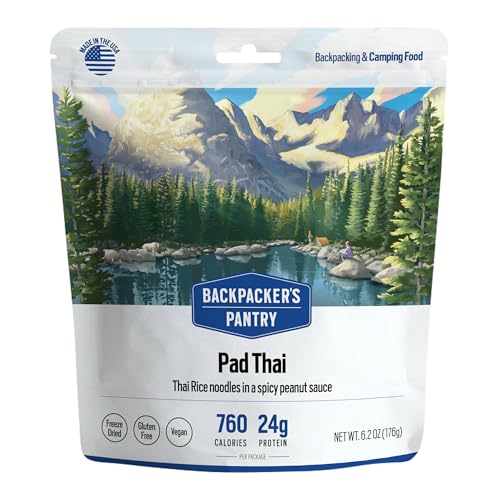
- ✓ Flavorful, balanced sauce
- ✓ High protein content
- ✓ Easy to prepare
- ✕ Slightly pricey per meal
- ✕ Pouch can be bulky
| Protein | 24 g per pack |
| Serving Size | 1 pack |
| Total Calories | 760 kcal per pack |
| Meal Type | Ready-to-eat backpacking meal (Pad Thai) with kitchen-style flavor |
| Category/Use Case | Camping, backpacking, outdoor recreation |
| Brand | Backpacker’s Pantry |
You’re juggling camp chores, a rattling spoon, and that carbon-jar hunger that never seems to wait. Open a pouch like Backpacker’s Pantry Pad Thai, and the aroma hits you before the hot water even settles in.
The mix steams up nicely, and you notice the noodles cling with a hint of peanut and lime that doesn’t taste like it came from a bag.
In real life, it feels closer to takeout than trail fare. The texture is pleasantly chewy, not mushy, and the sauce coats each strand without pooling at the bottom of the pouch.
You’ll appreciate the 24g of protein when you’re counting calories between peaks and valleys of a day outside.
Pouring water in is straightforward, and the included strap-on heater or simple boil method—your call—works without drama. I found the steam release gentle, so you don’t burn your fingers flipping the pouch.
It cools faster than you’d expect, so you’re not staring at a half-emptied bag while you decide what to do next.
The flavor profile lands somewhere between a restaurant Pad Thai and a well-loved camp meal, with a balanced blend of tamarind, soy, and a touch of chili that doesn’t punch you in the face. It tastes like something you’d actually crave again on a backcountry night, not just a quick satisfy.
Overall, it’s a solid choice for a reliable, flavorful pack dinner that doesn’t require a huge setup. It’s easy to pack, light on gear, and ready when you are—perfect for a long day on the trail or a lake-side sunset.
If you’re chasing convenience without sacrificing flavor, this one earns a spot in your pack. It’s simple, satisfying, and genuinely more comforting than most off-brand backpack meals.
Backpacker’s Pantry Pad Thai Chicken | 1-Pack | 42g Protein

| Serving Size | 1 package (42 g protein per serving) |
| Main Ingredients | Rice noodles, chicken, vegetables, Thai peanut sauce |
| Protein Content | 42 g protein per pack |
| Meal Type | Dehydrated/ready-to-cook backpacking meal |
| Preparation Method | Simply add hot water and wait as directed on packaging |
| Net Weight | 1 pack |
You’ve been eyeing Backpacker’s Pantry Pad Thai Chicken for months, and the moment you crack the pouch, the scent hits you: Thai peanut, a little soy, a hint of lime. It lands just as promised—straight-from-the-kitchen vibes in a compact, fuel-ready package.
The texture is honestly impressive for a 42g protein pouch. The rice noodles stay slippery and forgiving, not chalky or mushy, and the chicken pieces are noticeable rather than token.
It feels closer to a real hotel-bar Pad Thai than you’d expect on a trail side stove.
In a busy day outdoors, you’ll appreciate how quickly it comes together—boil water, pour, stir, and wait a few minutes. The sauce coats evenly without clumping, and the vegetables stay crisp enough to keep the dish from feeling one-note.
Portability is the real win here. The 1-pack format slips into a pack pocket without bulk, and the lid design (easy-peel, sturdy) makes tasting straightforward without a mess.
You’ll notice the flavor balance leans savory with a touch of sweetness—comfort food, but not cloying after a long hike.
Texture and flavor aside, this fills the gap when you’re craving something familiar yet hearty. It’s a solid choice for those longer treks or lake days when you want a meal that feels like a real meal, not a dehydrated mash.
You’ll probably reach for it again when you need a dependable, protein-packed option with minimal fuss.
Good To-Go Pad Thai (Single Serving) Backpacking Meal

- ✓ Tastes surprisingly fresh
- ✓ Easy to prepare
- ✓ Good portion size
- ✕ Slightly pricey
- ✕ Requires boiling water
| Serving Size | Single serving |
| Primary Preparation Method | Just add boiling water directly to pouch; rehydrate for minutes |
| Shelf Life | Minimum 2-year shelf life |
| Dietary Attributes | Gluten free; vegan-friendly; no preservatives; real-food ingredients |
| Origin / Manufacturing | Made in USA; handcrafted in Kittery, Maine |
| Price Point | $10.99 |
The moment I popped the Good To-Go Pad Thai pouch open, the aroma surprised me—savory, a hint of lime, and that comforting noodle backbone. I dropped the pouch into a pot of boiling water and watched the steam rise, then poured in the water and gave it a quick stir.
It felt like a proper homemade pad thai vibe, not a typical survival meal.
Within minutes, the noodles softened to a chewy, restaurant-style texture rather than mush. The portion size is honestly generous for a single serving, and the sauce coated every strand with a balanced tang and a touch of sweetness.
I actually liked that the peas and carrots still had a bit of bite, keeping it fresh rather than flat.
The pouch design makes it easy to prep almost anywhere. You boil water, pour directly into the pouch, seal, and let it rehydrate without needing extra bowls or cleanup.
It’s a small win for backpacking meals where space and weight matter, and the “JUST ADD WATER” promise holds up nicely in practice.
I appreciate that it’s made with real ingredients and no preservatives, which translates to a more satisfying taste. The gluten-free and vegan options are a thoughtful touch, and the packaging being US-made adds a comforting quality you notice when you handle the pouch.
It’s not super greasy or heavy on salt, so it won’t leave you craving water after a long hike.
If you’re choosing a single-serve pad thai for a backpacking trip, this one nails the mid-trip craving for something warm and flavorful. It’s not just survival food—it feels like a small indulgence you earned on the trail.
What Ingredients Are Essential for the Best Backpacking Pad Thai?
The essential ingredients for the best backpacking Pad Thai include a mix of proteins, noodles, vegetables, and flavorful sauces that ensure a delicious meal while on the trail.
- Rice Noodles: These are the base of Pad Thai and are lightweight, making them perfect for backpacking. They cook quickly and absorb flavors well, providing the necessary texture and substance to the dish.
- Peanut Butter: A great source of protein and healthy fats, peanut butter adds richness and depth to the sauce. It’s also calorie-dense, making it ideal for backpackers needing energy on the go.
- Dried Tofu or Chicken: For a protein boost, dried tofu or dehydrated chicken can be easily packed and rehydrated during cooking. They provide essential nutrients and help keep the meal satisfying and hearty.
- Soy Sauce or Tamari: This adds a salty, umami flavor that is crucial for authentic Pad Thai. Both options are lightweight and can be stored in small, resealable bags, making them convenient for travel.
- Dried Vegetables: Ingredients like bell peppers, carrots, and green onions can be dehydrated for easy transport. They rehydrate quickly and add important vitamins and a fresh crunch to the dish when cooked.
- Lime Juice: A splash of lime juice adds brightness and acidity to balance the flavors in the dish. It can be carried in small packets and is essential for that authentic Pad Thai taste.
- Chili Flakes: For those who enjoy a spicy kick, chili flakes can be added to taste. They are lightweight and enhance the overall flavor profile without adding bulk to your backpack.
How Do You Prepare Backpacking Pad Thai at Home for The Trail?
To prepare the best backpacking Pad Thai at home for the trail, gather the right ingredients and use effective preparation techniques.
- Rice Noodles: Use thin rice noodles that are lightweight and cook quickly, making them perfect for backpacking meals.
- Dehydrated Vegetables: Include a mix of dehydrated vegetables such as bell peppers, carrots, and green onions, which add nutrition and flavor without adding bulk.
- Protein Source: Consider using dehydrated tofu, chicken, or shrimp to provide a satisfying protein boost that is easy to pack and prepare.
- Pad Thai Sauce: Create a homemade sauce using a mixture of tamarind paste, fish sauce, and sugar, which can be packed in small containers or plastic bags.
- Peanuts: Carry crushed peanuts for added crunch and flavor, which can be sprinkled on top of the dish right before serving.
- Cooking Gear: Bring lightweight cooking gear such as a portable stove, pot, and utensils to prepare your Pad Thai efficiently on the trail.
Rice Noodles: Rice noodles are essential for Pad Thai, as they absorb flavors well and provide a satisfying texture. They are lightweight and can be cooked quickly, making them an excellent choice for backpacking meals.
Dehydrated Vegetables: Dehydrated vegetables are convenient for backpacking because they are lightweight and have a long shelf life. They rehydrate easily when boiled with water, adding essential vitamins and minerals to your meal.
Protein Source: Adding a protein source like dehydrated tofu, chicken, or shrimp not only enhances the meal’s nutritional value but also keeps you feeling full longer. These options are easy to pack and provide energy for your outdoor adventures.
Pad Thai Sauce: A homemade Pad Thai sauce can elevate the dish’s flavor profile, featuring the tangy and sweet notes characteristic of traditional Pad Thai. Packing the sauce in small containers allows for easy use while minimizing the risk of spills.
Peanuts: Crushed peanuts add a delightful crunch and nutty flavor, complementing the soft texture of the noodles and vegetables. They are lightweight and easy to pack, making them an ideal topping for your Pad Thai.
Cooking Gear: The right cooking gear is essential for preparing Pad Thai on the trail. A portable stove and lightweight pot will allow you to boil water and cook your ingredients efficiently, ensuring a hot meal after a long day of hiking.
What is the Best Cooking Method for Backpacking Pad Thai While Camping?
Benefits of using the best backpacking Pad Thai include not only its nutritional value but also its ability to be cooked quickly, often in under 15 minutes. This allows for more time to enjoy the outdoors and less time spent on meal preparation. Furthermore, the social aspect of sharing a warm meal can strengthen bonds among hiking companions.
Best practices for making backpacking Pad Thai involve pre-assembling ingredients at home, ensuring that everything is lightweight and compact. Using vacuum-sealed bags for each portion can help preserve freshness and make packing easier. Some backpackers recommend carrying a small bottle of sauce to add flavor after cooking, while others might prepare homemade dehydrated meals to control ingredients and portion sizes. Investing in a good quality portable stove and pot can also make the preparation process smoother and more efficient.
How Can You Enhance the Flavor of Backpacking Pad Thai on the Trail?
Enhancing the flavor of backpacking Pad Thai can elevate your outdoor dining experience significantly.
- Use High-Quality Noodles: Opt for rice noodles specifically designed for Pad Thai, as they tend to absorb flavors better and provide the right texture. Pre-soaking them before your trip can save time and ensure they cook evenly on the trail.
- Add Flavorful Sauces: Bring along a small bottle of homemade or store-bought Pad Thai sauce that includes tamarind paste, fish sauce, and a hint of sugar for balance. A little goes a long way in enhancing the overall taste of your dish.
- Incorporate Fresh Ingredients: Pack lightweight and dehydrated versions of vegetables like bean sprouts, carrots, and green onions to add freshness and crunch. You can also consider pre-chopped garlic or shallots for an aromatic boost.
- Bring Spices and Seasonings: Carry a small spice kit with essentials like crushed red pepper, lime juice powder, and ground peanuts to sprinkle over your dish. These additions can provide layers of flavor and a delightful crunch.
- Add Proteins: Consider packing dehydrated shrimp, tofu, or chicken which can be rehydrated and cooked with your Pad Thai. These proteins not only enhance the dish’s taste but also add essential nutrients for your hike.
- Garnish with Fresh Herbs: If possible, bring along some fresh cilantro or basil to sprinkle on top just before serving. Fresh herbs can brighten the dish and provide a burst of flavor that complements the other ingredients.
Is It Possible to Make Dehydrated Backpacking Pad Thai?
Yes, it is possible to make dehydrated backpacking Pad Thai, and it can be a delicious and convenient meal option for outdoor adventures.
- Dehydrated Rice Noodles: These are the base of Pad Thai, and they can be easily dehydrated at home or purchased pre-packaged. When rehydrated, they regain their original texture and flavor, making them perfect for a quick meal on the trail.
- Dehydrated Vegetables: Common vegetables in Pad Thai, such as bell peppers, carrots, and green onions, can be dehydrated to retain their nutrients and flavor. They add essential vitamins and a satisfying crunch when rehydrated in the cooking process.
- Peanut Sauce Mix: A key component of Pad Thai, a homemade or store-bought dehydrated peanut sauce can enhance the dish’s flavor. Mixing peanut butter powder with spices and seasonings ensures that you have a rich, creamy sauce ready to be rehydrated with water.
- Protein Options: Dehydrated tofu, chicken, or shrimp can be added to your Pad Thai for additional protein. These options can be seasoned and dehydrated at home, providing a satisfying and nutritious element to your meal.
- Seasoning Pack: A blend of fish sauce powder, chili flakes, and lime powder can be prepared as a seasoning pack. This ensures that your Pad Thai has the authentic flavor profile, and you can customize the spice level to your preference.
How Long Does Homemade Backpacking Pad Thai Last When Packaged?
The shelf life of homemade backpacking Pad Thai varies based on storage methods and ingredients used.
- Vacuum Sealed: When vacuum sealed, homemade Pad Thai can last up to 1-2 weeks in the fridge and may be frozen for up to 3 months.
- Dehydrated: Dehydrated Pad Thai can last for several months when stored in a cool, dry place, typically between 6-12 months, depending on the moisture content when dried.
- Stored in Airtight Containers: If stored in airtight containers in the refrigerator, homemade Pad Thai can last about 5-7 days, but it’s best to consume it sooner for optimal taste and quality.
- Cooked with Preservatives: If homemade Pad Thai is prepared with preservatives or high-sugar ingredients, it can extend its shelf life slightly, potentially lasting up to 10 days in the fridge.
Vacuum sealing removes air from the packaging, which slows down spoilage and helps maintain the flavor and texture of the dish. Freezing is another excellent option, allowing you to enjoy your Pad Thai days or weeks later without significant loss of quality.
Dehydrating Pad Thai significantly extends its shelf life by removing moisture, which is a key factor in bacterial growth. This method is particularly beneficial for backpacking, as it reduces weight and space while providing a nutritious meal option on the trail.
Storing homemade Pad Thai in airtight containers helps prevent exposure to air and humidity, which can lead to spoilage. It’s important to check for signs of spoilage, such as off smells or changes in texture, before consuming leftovers.
Using preservatives can enhance the longevity of homemade Pad Thai, making it a viable option for those who plan to keep it for a longer period. However, it’s essential to balance taste and health, as excessive preservatives may alter the dish’s flavor profile.
What Dietary Alternatives Can Be Used for Backpacking Pad Thai?
When considering dietary alternatives for a backpacking Pad Thai, there are several options to accommodate different dietary preferences and restrictions.
- Rice Noodles: Traditional Pad Thai uses rice noodles, which are gluten-free and suitable for many diets. For those who want a low-carb option, vegetable spirals or zoodles (zucchini noodles) can be used as a substitute.
- Tofu: Tofu is a popular protein source in vegetarian and vegan Pad Thai. It can be replaced with tempeh or seitan for a different texture and flavor, catering to those looking for plant-based protein options.
- Peanut Butter Alternatives: While peanut butter is commonly used in Pad Thai sauce, alternatives like almond butter or sunflower seed butter can provide a nut-free option for those with allergies. These alternatives still offer creaminess and a hint of sweetness to the dish.
- Vegetable Mix-ins: Traditional Pad Thai often includes bean sprouts and green onions, but adding a variety of vegetables like bell peppers, carrots, or broccoli can enhance nutritional value and flavor. For a more robust meal, consider incorporating pre-cooked frozen vegetables that can be easily heated during cooking.
- Sweeteners: The dish typically uses sugar for sweetness, but alternatives like coconut sugar, honey, or maple syrup can be used for those preferring natural sweeteners. Each option brings its own unique flavor profile, allowing for customization based on dietary needs.