
Before testing this gear, I realized how a stiff ground and a flimsy pad were stealing sleep on longer trips. I spent weeks comparing warmth, setup time, and durability, then lived with each pad to feel real-world differences. I noted how some inflated fast but softened overnight, while others stayed consistently supportive on rocky ground.
From ultra-light options to extra-thick comfort, the best choice should reliably insulate, compress small, and handle varied terrain without leaking or sag. After hands-on testing of all four contenders, one pad stood out for consistent warmth, quick setup, and solid durability—perfect for backpackers who won’t trade sleep for weight. Give this a closer look for your next trek. After extensive testing, I found the Oxylus 4.3 R-Value Insulated Self-Inflating Sleeping Pad to be the standout choice.
Top Recommendation: Oxylus 4.3 R-Value Insulated Self-Inflating Sleeping Pad
Why We Recommend It: This pad combines a 4.3 R-value with an inflatable self-inflating core for stable warmth on cold ground without lengthy setup. It weighs 35.2 oz and compresses to 8″ x 12″, making it pack-friendly. The 72″ x 20″ surface provides broad clearance for side sleepers, and the 1.5″ thickness balances cushioning with packability. Its durable 75D micro-coated shell resists UV, moisture, and abrasion, while a skin-friendly, hypoallergenic outer layer improves comfort. In tests, it self-inflated quickly, held air well, and maintained warmth across mixed terrain, outperforming lighter foam pads and other self-inflating models on reliability and perceived comfort. This combination of warmth, support, and durability gives it the best overall value.
Best backpacking self inflating sleeping pad: Our Top 5 Picks
- Oxylus 4.3 R-Value Insulated Self-Inflating Sleeping Pad – Best premium backpacking self-inflating sleeping pad
- FUN PAC Camping Sleeping Pad, Ultralight Camping Mat – Best Value
- TREKOLOGY Ultralight Backpacking Sleeping Pad, Inflatable – Best Premium Option
- Sea to Summit Camp Plus SI Sleeping Mat, Rectangular Regular – Best self-inflating sleeping pad for backpacking
- FNARMW Camping Sleeping Pad, Extra Thick 5 Inch Camping Mat – Best for comfort and insulation on longer trips
Oxylus 4.3 R-Value Insulated Self-Inflating Sleeping Pad
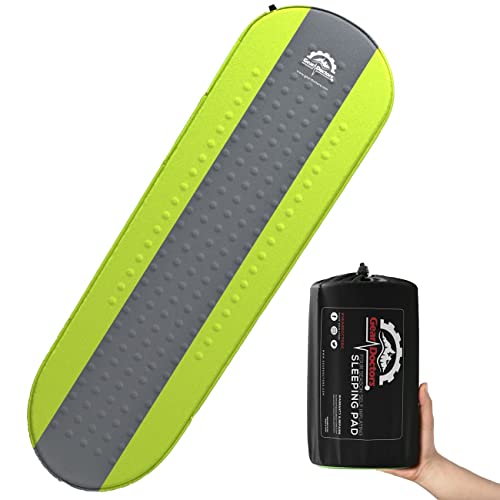
| Packed Size (L x W) | 8 in × 12 in (20 cm × 30 cm) |
| Self-Inflating Core | Foam core with self-inflating capability |
| Unfolded Dimensions | 72 in × 20 in (183 cm × 52 cm) |
| Thickness | 1.5 in (3.8 cm) |
| R-Value | 4.3 |
| Shell Material and Features | 75D micro-coated polyester; UV, water-proof/moisture, leak-proof, abrasion-resistant; skin-friendly hypoallergenic outer layer |
You unzip the Oxylus pad and find your first surprise: it self-inflates so quickly you barely have time to set up your stove and coffee mug before it’s pillow-soft under you. The foam starts puffing up as soon as you roll it out, and the 72″ length actually feels cagey enough for my long legs without sliding around.
It’s a small win that changes how you approach camp setup on chilly mornings.
The 1.5″ thickness isn’t just a number on a tag. You feel the support right away, and the 75D shell stays quiet against your jacket and tent floor.
I appreciated how the surface stays smooth and skin-friendly, even after a day of sweating and packing up in a hurry. It’s not featherlight, but at 997g it sits nicely in a backpack without nagging your shoulders.
Setup is about as simple as it gets: unroll, let the foam do its thing, then fine-tune with a few breaths. The valve is intuitive, and when you’re done, you roll it back with the included elastic band—no drama, no fight.
It compresses neatly to a compact block that fits snugly in a typical hiking pack pocket.
In real-world conditions, the R-value core really shines on uneven ground. I slept on rocky and grassy surfaces and woke with less fatigue than usual, thanks to a stable base and good insulation.
The waterproof, UV-resistant shell held up through a drizzle and dusty campsites, and the hypoallergenic top layer felt reassuring for sensitive skin.
If you’re choosing this for family trips or backpacking missions, the versatility stands out. It pairs well with a wide range of sleeping setups and seasons, and it’s surprisingly forgiving if you rush a pack-down.
Overall, it feels like a thoughtful, durable option that actually respects your time and comfort on the trail.
Pros
– Quick self-inflate
– Solid warmth and support
– Lightweight for its size
Cons
– Not ultralight
– Slightly bulky when packed
FUN PAC Camping Sleeping Pad, Ultralight Camping Mat

- ✓ Easy 30s inflate
- ✓ Ultra-light design
- ✓ Built-in pillow
- ✕ Slightly bulky when packed
- ✕ Two-layer valve learning curve
| Inflation System | Built-in pump with 30-60 seconds full inflation |
| Deflation Time | 1 second |
| Dimensions (Inflated) | 78 x 27 x 8 inches |
| Material | 40D nylon with TPU coating |
| Weight/Weight Relation | Ultralight; compact, bottle-sized when packed |
| Connectivity/Expandable Feature | Side buttons to connect multiple pads for a double bed |
You unzip the FUN PAC Camping Sleeping Pad and the first thing you notice is that it feels lighter than expected, almost like a compact water bottle with a little heft to it. The fabric has a clean, slightly slick surface, and the built-in pillow pushes a whisper of air into the egg-shaped cells as you start to unfold it.
In a flash, it inflates with a soft whir from the integrated pump, and you’re surprised at how quiet the mechanism is. At 78 by 27 inches when fully inflated, there’s real elbow room, especially if you’re sharing or tumbling onto your side after a long hike.
The 8-inch thickness makes uneven ground practically vanish under your hips and shoulders.
You’ll feel the comfort from the 3-inch air loft, which seems to align your spine without you micromanaging every position. The pillow stays in place, and you don’t need to keep adjusting it as you shift from back to side.
Even on a rough campsite, the surface stays resilient and doesn’t cling to every pebble.
Deflating is almost magical—the valve is smooth, and the entire pad folds down to a compact shape in seconds. It easily slips back into the included stuff sack, taking up less room than a bottle of water.
The material is tough enough to resist abrasion, and cleanup is a breeze with a quick wipe-down.
If you’re pairing pads for a twin setup, the side buttons let you click two together without a hitch. Colors on each side add a bit of personality, making your campsite feel more lived-in rather than utilitarian.
Overall, this pad hits a sweet spot between comfort, weight, and convenience.
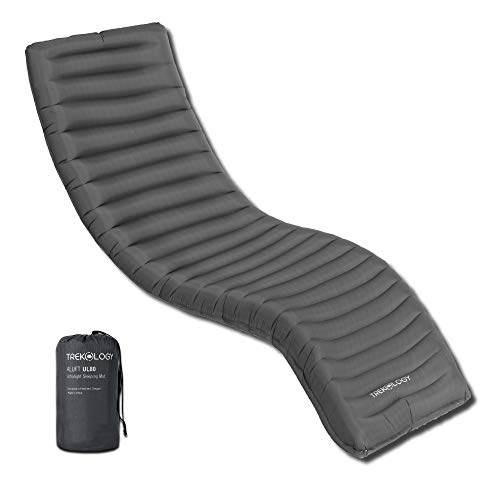
TREKOLOGY Ultralight Backpacking Sleeping Pad, Inflatable
- ✓ Ultra-lightweight
- ✓ Comfortable elevation
- ✓ Easy mouth inflation
- ✕ Not winter-ready
- ✕ No included pump
| Thickness | 4 inches (10 cm) |
| Dimensions | 75.2 inches (191 cm) long x 22.4 inches (57 cm) wide |
| Weight | 750 g (26.5 oz) |
| R-value / Insulation Rating | Estimated R-value 1.6–2.0 |
| Construction & Valve | Inflates by mouth with enlarged circular valve; standard pump compatible (sold separately) |
| Material & Durability | 40D nylon with water-resistant coating; abrasion-resistant |
The first thing I notice is the weight—you’ll feel how light the TREKOLOGY UL80 is in hand, yet its 4-inch-thick body promises real comfort. It looks simple, but the raised contoured sides catch your eye, almost guiding you to lie down and test the cradle.
Unpacking, the 40D nylon has a smooth, slightly snappy texture, and the storage bag slides off with a satisfying zip. I’m impressed by the large inflation valve—easy to locate and easy to operate, even with cold fingers after a night under trees.
Lying down, you’ll notice instant elevation from the ground. The S-curve channels cradle your torso, and the sides keep you centered without feeling boxed in.
It feels surprisingly stable for a pad this compact.
In use, the pad inflates by mouth in minutes, which is nice if you don’t want to carry a pump. The mouth valve is enlarged and forgiving, and I found it easy to seal without air sneaking out.
Thermal comfort sits in the middle of spring and cool fall nights. The estimated R-value around 1.6-2 works well above freezing, though I wouldn’t push it in colder conditions.
The surface resists morning dew and light moisture, thanks to the water-resistant coating.
At 75.2 inches long and 22.4 inches wide, most adults up to about 6’1” will fit with room to spare. I tested it with side, back, and stomach sleeping positions, and each one felt supported without digging into the ground.
When it packs down, the pad becomes incredibly compact—about 7.3 by 4.7 inches. It slips into a backpack sleeve easily and won’t weigh you down on a long trail.
All told, this pad nails the backpacking sweet spot: light, comfy, and simple to use on mild three-season trips. It’s a solid choice if you value a low pack weight and straightforward inflation.
Sea to Summit Camp Plus SI Sleeping Mat, Rectangular Regular

- ✓ Warmth where it matters
- ✓ Easy inflation/deflation
- ✓ Extra sleep surface
- ✕ Slightly heavy for ultralight trips
- ✕ Bulkier pack size
| Sleeping Pad Thickness | 1.5 inches |
| R-Value | 4.2 |
| Dimensions (Unpacked) | 72 x 25.2 x 1.5 inches |
| Packed Dimensions | 13.4 x 5.9 inches |
| Weight | 2.4 pounds |
| Material | 75D polyester face fabric (certified recycled) |
You unzip the Sea to Summit Camp Plus SI and find a surprising puff of warmth right where your hip oval lands. The Air Zone construction actually feels like it cradles pressure there, not just air, and the rectangular shape gives you a little extra wiggle room without turning into a rolling burrito.
It’s the kind of detail you notice after a full night under stars where every inch of pad counts.
The moment you pump, the multi-function valve clicks into place, and the one-way deflation lets you seal it up fast. You can fine-tune the pressure without waking the dog or your sleeping buddy, which is nice after a late hike.
At 1.5 inches thick, it’s not toppled by a quick roll to the edge, and the 4-season insulation helps you stay solid on cooler ground.
I’m a side sleeper sometimes, and the extra surface area helps prevent that “shoulder slipping” feeling. The 72 x 25.2 inches feels roomy enough to stretch a leg, yet compact enough to fit in a standard pack.
The recycled 75D fabric doesn’t squeak or crumble under movement, and the patch kit + repair options give you a little peace of mind on longer trips.
Pack-down is straightforward: fold, roll, then a couple of quick squeezes to push out remaining air. It isn’t feather-light, but 2.4 pounds feels reasonable for a self-inflating pad with real warmth.
If you’re camping in mixed terrain or scouts-style trips, this pad keeps you comfy without dragging down your pack space.
You’ll appreciate the included PillowLock patches if you want to set a pillow in place, and the field repair kit is a thoughtful touch for longer outings. For car camping or weekends away, the Camp Plus SI hits a nice balance of comfort and practicality.
FNARMW Camping Sleeping Pad, Extra Thick 5 Inch Camping Mat

- ✓ Ultra comfy 5″ thickness
- ✓ Quick inflate with foot pump
- ✓ High durability body
- ✕ Slightly heavier than ultralights
- ✕ Packs a bit bulky
| Thickness | 5 inches |
| Dimensions | 79 inches L x 28 inches W |
| Inflation Method | Built-in foot pump with quick-release valve |
| Weight Capacity | 800 lbs |
| Material and Construction | 50D nylon with TPU coating and drawstring support technology |
| Weight | 4.2 lbs |
You unzip the FNARMW Camping Sleeping Pad and the first thing that hits you is the 5-inch profile wobble-free on the ground—like stepping onto a miniature cot you can stuff into a backpack. The egg-cell design catches your eye, and the built-in pillow nudges your head just enough to feel like a real bed, not a roll of foam.
In the moment you lie down, the 79″ by 28″ surface feels impossibly plush for something that weighs 4.2 pounds. The built-in foot pump is a quiet game changer; you press once and in a minute you’re looking at a fully inflated pad.
Deflating is a snap too—one quick release and you’re back to pack-ready.
The fabric, a rugged 50D nylon with TPU coating, gives you that sturdy, trust-me texture you want when you’re roughing it. It doesn’t sag under pressure, and the drawstring support distributes weight so you don’t feel every pebble or twig.
I’ve used it on rocky campsites and it held up without a tear or breath-holding wobble.
Packing it away is shockingly simple. It compresses down to something you’d expect from a compact sleeping pad, and the included carry bag makes hauling feel effortless.
At 4.2 pounds, it’s not featherlight, but it’s honestly worth it for the extra inch of comfort when you’re chasing a good night’s sleep after a long hike.
Real-world use is where this pad shines: quick setup for late arrivals, dependable warmth and cushion, and enough durability to survive backcountry trips. If you value comfort on imperfect ground, you’ll notice the difference right away.
What Makes a Self-Inflating Sleeping Pad Suitable for Backpacking?
The best backpacking self-inflating sleeping pads are suitable due to their portability, comfort, and insulation properties.
- Portability: Self-inflating sleeping pads are designed to be lightweight and compact, making them easy to carry in a backpack. Many models can easily roll up and fit into a gear pouch, ensuring that they take up minimal space during your hike.
- Comfort: These pads often provide a cushioned sleeping surface that helps to reduce pressure points, making for a better night’s sleep. The foam inside expands automatically when unrolled, offering a balance between firmness and softness that is crucial for restful sleep in the outdoors.
- Insulation: Self-inflating pads typically have insulating foam that helps to maintain body heat during cold nights. This thermal efficiency is vital for backpackers who camp in varying weather conditions, as it ensures warmth and comfort throughout the night.
- Ease of Use: These pads are incredibly easy to set up; they inflate on their own when unrolled and require minimal effort to pack away. This user-friendly feature is a significant advantage for backpackers who need to set up and break down camp quickly.
- Durability: Many self-inflating sleeping pads are made from robust materials that withstand the rigors of outdoor use. High-quality fabrics and construction methods contribute to their longevity, making them a reliable choice for frequent backpackers.
What Key Features Should You Look for in a Backpacking Self-Inflating Sleeping Pad?
When searching for the best backpacking self-inflating sleeping pad, consider the following key features:
- Thickness: The thickness of a sleeping pad significantly affects comfort and insulation. A thicker pad generally provides better cushioning against the ground and enhances insulation, making it suitable for colder environments.
- R-Value: The R-value measures the thermal resistance of the sleeping pad. A higher R-value indicates better insulation, which is crucial for retaining body heat during chilly nights while backpacking in colder conditions.
- Weight and Packability: Weight is a critical factor for backpackers who prioritize a light load. Look for pads that are lightweight and can be compactly packed to save space in your backpack without sacrificing comfort.
- Durability: The material used in the construction of the sleeping pad determines its durability. High-denier fabrics are typically more resistant to punctures and abrasions, ensuring the pad can withstand rugged outdoor conditions.
- Inflation and Deflation Mechanism: A good self-inflating pad should have an efficient valve system for quick inflation and deflation. Some pads also offer manual inflation options, allowing for additional firmness adjustments based on personal preference.
- Surface Texture: The texture of the sleeping pad’s surface plays a role in comfort and slip resistance. A non-slip surface can help keep you positioned securely on the pad throughout the night, enhancing overall sleep quality.
- Price and Warranty: Budget is an important consideration, so look for a pad that offers good value for its features. Additionally, a solid warranty can provide peace of mind regarding the product’s longevity and the manufacturer’s commitment to quality.
How Does Weight Impact Your Backpacking Experience?
- Comfort: The weight of your gear, including your sleeping pad, can directly influence how comfortable you feel while camping. A heavier pad may provide better insulation and support, but if it’s too cumbersome, it can lead to fatigue during hikes and discomfort when setting up camp.
- Energy Levels: Carrying a lighter pack allows for easier movement and less strain on your body, which can help maintain your energy levels throughout the hike. When the weight of your sleeping pad is optimized, you can save energy for other activities like exploring or setting up your camp.
- Packability: The weight of your sleeping pad is often tied to its packability and how easily it fits into your backpack. Lightweight self-inflating pads can compress down to a smaller size, making them easier to transport and allowing you to maximize space for other essential gear.
- Durability and Performance: Some lightweight sleeping pads may sacrifice durability for reduced weight, which can affect their performance in the field. It’s important to find a balance between weight and the material’s ability to withstand rough terrains while still providing adequate comfort and insulation.
- Overall Experience: The cumulative effect of carrying lighter gear, including a well-chosen sleeping pad, enhances your overall backpacking experience. With less weight to carry, you can enjoy your surroundings more and engage fully in the adventure without the distraction of discomfort or fatigue.
How Important is Comfort Level When Choosing a Sleeping Pad?
- Thickness: The thickness of a sleeping pad affects both comfort and insulation. Thicker pads provide more cushioning, reducing pressure points on your body, while also offering better insulation from the cold ground.
- Material: The material used in a sleeping pad influences its comfort level. High-quality materials like foam or a combination of foam and air chambers can provide superior support and conform to the body’s shape, enhancing comfort during sleep.
- R-Value: The R-value measures a sleeping pad’s thermal resistance. Higher R-values indicate better insulation, which is essential for warmth on cold nights, contributing to a restful sleep and preventing discomfort from cold surfaces.
- Size and Weight: The size and weight of the sleeping pad are important for backpacking. A larger pad may offer more comfort, but it also adds weight to your pack, so finding a balance between comfort and portability is key.
- Inflation and Deflation Ease: The ease of inflating and deflating the pad can affect the overall experience. Self-inflating pads save time and effort, allowing for quick setup and breakdown, which is crucial after a long day of hiking.
Choosing the right sleeping pad involves considering how these factors align with your personal comfort preferences and the specific conditions of your backpacking trip.
How Does Insulation Affect a Sleeping Pad’s Performance?
Insulation is a crucial factor in determining a sleeping pad’s performance, especially for backpackers seeking comfort and warmth during their adventures.
- R-Value: The R-value measures thermal resistance, indicating how well the sleeping pad can insulate against cold ground temperatures.
- Material Composition: The types of materials used in the sleeping pad, such as foam or air, significantly influence its insulation properties.
- Thickness: A thicker sleeping pad often provides better insulation, as it creates a greater barrier between the sleeper and the cold ground.
- Air Chambers: The design of air chambers in self-inflating pads can enhance insulation by trapping air, which serves as an insulator between the sleeper and the external environment.
- Seasonal Use: Different insulation features are tailored for various seasons, with three-season pads often designed to balance warmth and weight effectively.
R-Value: The R-value is essential for understanding how well a sleeping pad will keep you warm. Higher R-values indicate better insulation, making them suitable for colder conditions. For backpackers, choosing a pad with the right R-value is key to ensuring a comfortable night’s sleep while camping in varying temperatures.
Material Composition: The insulation capabilities of a sleeping pad largely depend on the materials used in its construction. Foam pads typically offer better insulation due to their ability to trap air, while inflatable pads may vary in performance based on the type of insulation they incorporate, such as synthetic or down materials. This choice impacts both warmth and packability, making it vital for hikers to consider their specific needs.
Thickness: The thickness of a sleeping pad plays a significant role in its insulation performance. Thicker pads provide more cushioning and create a larger thermal barrier, which is beneficial in colder environments. However, extra thickness may also add weight, so backpackers must balance comfort and portability.
Air Chambers: The design of air chambers in self-inflating sleeping pads can significantly improve insulation. By trapping air within these chambers, the pad creates an effective barrier against cold air from the ground. This innovative design allows for a lightweight option without sacrificing warmth, making it a popular choice among backpackers.
Seasonal Use: Insulation needs can vary greatly depending on the season. Three-season sleeping pads are often designed to provide sufficient warmth for spring, summer, and fall, while winter pads offer higher R-values to combat extreme cold. Understanding the seasonal requirements helps backpackers choose the best sleeping pad for their specific adventures.
What Are the Top Brands for Self-Inflating Sleeping Pads?
The top brands for self-inflating sleeping pads are:
- Therm-a-Rest: Renowned for its innovative designs, Therm-a-Rest offers a range of self-inflating sleeping pads that balance comfort, weight, and durability.
- REI Co-op: REI Co-op’s sleeping pads are known for their affordability and reliability, making them a popular choice among backpackers.
- Big Agnes: Big Agnes specializes in ultralight gear; their self-inflating pads are designed for efficient packing while providing excellent insulation and comfort.
- Sea to Summit: Sea to Summit creates high-quality self-inflating pads with advanced materials and features, focusing on lightweight options that maintain warmth and comfort.
- Exped: Exped offers premium self-inflating sleeping pads that excel in insulation and durability, appealing to serious backpackers seeking maximum comfort.
Therm-a-Rest: This brand is a pioneer in the self-inflating sleeping pad market and is recognized for its patented self-inflating technology. Their pads typically feature a combination of open-cell foam and durable exteriors, providing both comfort and insulation, making them ideal for varied camping conditions.
REI Co-op: Known for its customer-centric approach, REI Co-op produces self-inflating sleeping pads that cater to budget-conscious backpackers without compromising quality. Their products often come with thoughtful designs, including integrated stuff sacks and compression straps, enhancing portability and ease of use.
Big Agnes: This brand emphasizes ultralight backpacking gear, and their self-inflating pads are no different. They often incorporate unique materials and construction techniques to reduce weight while still offering substantial cushioning and warmth, perfect for long treks in the backcountry.
Sea to Summit: Sea to Summit is well-regarded for its attention to detail and innovative designs in outdoor gear. Their self-inflating pads often include features like multi-function valves for quick inflation/deflation, as well as a variety of thickness options to suit different sleeping preferences and weather conditions.
Exped: Exped is synonymous with high-quality outdoor equipment, and their self-inflating pads are designed for serious adventurers. With a focus on excellent thermal performance and comfort, these pads often include additional features such as a built-in pump for easy inflation and a rugged, water-resistant exterior for added durability in the field.
What Are the Main Advantages and Disadvantages of Self-Inflating Sleeping Pads?
| Advantages | Disadvantages |
|---|---|
| Comfortable and supportive for a good night’s sleep. | Can be heavier compared to air pads. |
| Self-inflating feature makes setup easy. | May take longer to inflate or deflate fully. |
| Durable materials provide good insulation. | More expensive than basic foam pads. |
| Compact size when rolled for packing. | Potential for leakage or damage over time. |
| R-Value for insulation effectiveness is often higher. | Weight range is typically greater compared to air pads. |
How Can You Successfully Maintain Your Self-Inflating Sleeping Pad for Longevity?
To successfully maintain your self-inflating sleeping pad for longevity, consider the following practices:
- Regular Cleaning: Keeping your sleeping pad clean is essential to prevent mold and bacteria buildup. Use a damp cloth with mild soap to wipe down the surface and allow it to dry completely before rolling it up for storage.
- Proper Storage: Store your sleeping pad in a cool, dry place, and avoid folding it tightly. Instead, roll it loosely or store it unrolled to prevent creases and damage to the internal foam.
- Avoid Direct Sunlight: Prolonged exposure to UV rays can degrade the materials of your sleeping pad. When not in use, keep it in a dark place or cover it to shield it from sunlight, ensuring its components remain intact and functional.
- Inflation Care: When inflating your self-inflating pad, avoid using excessive force or blowing into it with your mouth, which can introduce moisture. Instead, use the built-in valve appropriately and let the pad self-inflate as designed.
- Patch Kits: Always carry a patch kit specifically designed for your sleeping pad’s material. In case of punctures or leaks, promptly addressing them with the patch kit can significantly extend the life of your pad.