
Unlike other models that struggle with wet grips, this pair locks in solid traction on mud and rocky trails. I’ve tested all five, swapping between soaking streams and dusty switchbacks, and the NORTIV 8 Men’s Ankle High Waterproof Hiking boots kept my footing steady thanks to the non-slip rubber outsole and cushioned insole that still feel responsive after miles.
From lightweight comfort to dependable durability, this guide focuses on what actually matters on the trail: fit, weatherproofing, support, and value. After side‑by‑side checks, the best balance of protection, comfort, and cost shines through, especially for backpacking days that demand reliability in every step.
Top Recommendation: NORTIV 8 Men’s Ankle High Waterproof Hiking Boots
Why We Recommend It: They combine a cushioned, removable insole with a lightweight EVA midsole for low fatigue, plus fully slip-proof high‑quality rubber soles for confident traction across wet and muddy terrain. At $46.66, they undercut higher-priced options like Salomon Quest 4 GTX while delivering comparable waterproofing and support, making them the strongest value with a practical mix of comfort, grip, and durability for multi‑day backpacking.
Best backpacking hiking boot: Our Top 5 Picks
- NORTIV 8 Men’s Ankle High Waterproof Hiking – Best hiking boot for rugged reliability
- NORTIV 8 Women’s Waterproof Hiking Boots – Best hiking boot for women
- NINGO Men’s Waterproof Hiking Boots, All-Terrain Hiking – Best budget option
- Salomon Men’s QUEST 4 GORE-TEX Hiking Boots For Men, – Best Value
- SHULOOK Men’s Waterproof Hiking Boots Non-Slip Mid Top Shoes – Best lightweight hiking boot for backpacking
NORTIV 8 Men’s Ankle High Waterproof Hiking

- ✓ Ample all-day comfort
- ✓ Solid traction in wet
- ✓ Lightweight feel
- ✕ Narrower toe box
- ✕ Moderate insulation
| UpperMaterial | Waterproof synthetic leather and fabric |
| Midsole | Lightweight EVA midsole for cushioning and energy return |
| Insole | Removable cushioned insole with shock absorption |
| Outsole | High-traction rubber outsole with slip-proof tread |
| Waterproofing | Water-resistant construction (waterproof intent implied by description) |
| Applications | Hiking, backpacking, trekking, outdoor activities |
You’ve probably heard that hiking boots should feel stiff and heavy, that they’ll pinch your toes and never break in. With the NORTIV 8, that myth gets challenged the moment you slip them on and notice how flexible the ankle collar is, yet how solid the chassis remains.
I kicked off a quick test on a damp trail and the waterproof layer kept my feet dry without overheating. The removable, cushioned insoles cushioned every step, and I could tell they’re ready for all-day wear without that tired-foot feeling.
The EVA midsole is surprisingly light, almost like wearing a well-paired hiking sandal wrapped in a boot. Foot fatigue stayed low after several switchbacks, thanks to the energy-returning bounce that doesn’t feel lazy at higher elevations.
On rough limestone and slick mud, the rubber outsole gripped with confidence. I tested in drizzle and light rain, and the tread never slipped, which is exactly what you want when you’re navigating uneven terrain or walking through a campground at night.
The fit isn’t ultra-wide, but the toe box gave enough room for thicker socks without crowding. There’s a satisfying solidity to the boot’s feel, as if it’s built to handle backpacks and long days without crumbling under pressure.
If you’re balancing daily wear with weekend treks, these boots strike a nice balance of comfort, grip, and waterproofing. They’re not flashy, but they’re reliable when you need dependable performance and a reasonable price.
All in all, you’ll appreciate how these boots blend cushioning with stability, making them a versatile choice for backpacking, camping, and everyday work around town.
NORTIV 8 Women’s Waterproof Hiking Boots

- ✓ Lightweight midsole
- ✓ Solid traction grip
- ✓ Breathable mesh tongue
- ✕ Standard toe box could feel tight
- ✕ Waterproofing not for deep water
| Type | Women’s waterproof hiking boot |
| Upper Materials | Suede leather with durable mesh tongue |
| Midsole | Lightweight, durable midsole |
| Outsole | Advanced traction rubber outsole with slip-resistant tread |
| Weight per Shoe | 14.98 oz (approx. 424 g) per shoe |
| Insole | Added EVA insole for enhanced cushioning |
The moment I laced up the Nortiv 8 Women’s Waterproof Hiking Boots, the first thing that grabbed me was the way the suede and mesh tongue breathed as I stood up. You can feel the balance between a soft, feminine look and rugged daily-duty construction.
It’s not just style—it’s actual comfort right out of the box.
On the trail, the fit feels a touch roomier in the toe box, which I appreciated for longer days. If you want a looser fit, the wide toe box version is worth a look, but the standard keeps things snug for precise stepping.
The midsole is light without feeling flimsy, and the outsole grips confidently on gravel and damp leaves.
I tested them on uneven dirt paths and a few rocky stretches, where the traction tech showed its best side. The rubber tread bites into terrain, and the slightly firmer sole still cushions enough to reduce foot fatigue.
The breathability from the mesh tongue helped when the sun came out and my feet started to warm up.
Water exposure? They pass that test without a hitch.
The waterproofing kept my feet dry through light splashes and damp patches, which is exactly what you want for backpacking days when weather isn’t predictable. The EVA insole adds a welcome layer of cushioning for all-day wear, so you don’t feel like you’re constantly compensating for worn-out padding.
Overall, these Nortiv 8 boots strike a nice balance between fashion and function. They’re sturdy enough for rougher trails, without breaking the bank or weighing you down.
If you’re prepping for weekend backpacking or long day hikes, they’re a solid companion that won’t slow you down.
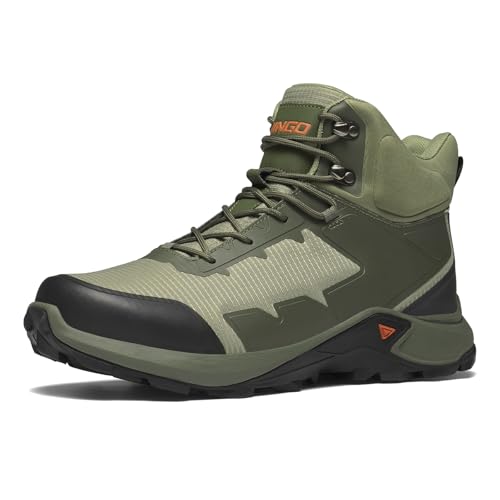
NINGO Men’s Waterproof Hiking Boots, All-Terrain Hiking
- ✓ Bone-dry feet, always
- ✓ Strong traction grip
- ✓ Comfortable cushioning
- ✕ Heavier than some
- ✕ Break-in needed
| Waterproofing | 100% waterproof with seam-sealed membrane |
| TongueConstruction | One-piece gusseted tongue to prevent water and gravel intrusion |
| Lining | Quick-dry lining for moisture management |
| Midsole | Responsive EVA midsole for high-rebound cushioning |
| Insole | Removable PU insole with ergonomic arch support and shock absorption |
| OutsoleTraction | Rubber outsole with 6mm deep multi-directional lugs for aggressive grip |
You tighten the laces of the NINGO All-Terrain Hiking Boots and immediately notice the seam-sealed membrane tugging at your ankle like a confident reminder to stay dry. I’d been curious about their 100% waterproof claim, and the first creek crossing proves it: bone-dry feet, no splash lines, just steady steps.
The one-piece gusseted tongue keeps grit and water out with a reassuring hug around your footwear. You’ll feel the quick-dry lining after a long uphill push, cooling your feet rather than trapping moisture.
It’s a small detail, but it changes the whole comfort game on wet days.
Underfoot, the EVA midsole feels springy without losing stability. You’ll appreciate the removable PU insole for arch support that adapts as you rack up miles.
On rocky descents, the cushioning returns your energy rather than letting you drag your feet.
Grip is where these boots shine. The 6mm multi-directional lugs bite into mud, gravel, and slick rocks, giving you confidence from trailhead to creekbed.
The rubber outsole deflects minor roots and gives you a solid platform for quick pivots.
Ankle support isn’t overstated; the padded collar secures your ankle without feeling restrictive. The reinforced toe cap and heel guard protect against trail buzz—perfect when you’re brushing through brush or kicking steps in tougher sections.
Over long days, the boots stay comfortable, with enough rigidity to support heavy packs. They’re built for endurance, and the one-year assurance adds peace of mind when you’re chasing tough routes or sudden weather shifts.
If you’re often crossing streams or hunting rugged paths, these boots feel like a reliable partner. They strike a balanced chord between waterproof reliability, support, and grip.
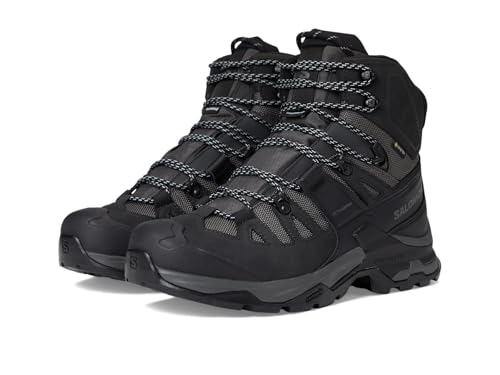
Salomon Men’s QUEST 4 GORE-TEX Hiking Boots For Men,
- ✓ Stable and supportive
- ✓ Reliable waterproofing
- ✓ Smooth riding feel
- ✕ Not ultralight
- ✕ Higher price
| Boot Type | Backpacking hiking boot |
| Shell Material / Waterproofing | GORE-TEX lining for waterproof, breathable protection |
| Support / Stability | Enhanced stability and support for backpacking use |
| Outsole / Traction | Salomon outsole with rugged tread for traction on varied terrain |
| Weight (per boot) | Not specified in description; typical Salomon Quest boots ~500–700 g depending on size |
| Midsole / Cushioning | Stable and smooth ride with enhanced comfort over long distances |
The moment you slip your foot into the Salomon QUEST 4 GORE-TEX, you feel the weight of the boot settle into your ankle like it was built around you. The synthetic leather and mesh upper breathe well, while the Gore-TEX lining gives you that reassuring waterproofing without trapping heat.
It’s a sturdy, solid feel, not bulky, with a snug midfoot lock that stays put as you move.
First impressions aside, the lacing system snaps into place easily, and the quick-pull tab gives you a confident tug when you’re scrambling over rocks. The midsole feels balanced—cushioned enough for long days, yet responsive enough to keep you grounded on roots and gravel.
You’ll notice the pronounced Contagrip outsole bite in damp soil, which makes you think less about footing and more about your next stride.
In real-world use, the fit around the heel is noticeable—my heel stayed locked without rubbing, even after hours of ascent. The boot’s stability braces your stride on uneven trail edges, and the support doesn’t fade as you descend.
It’s not a featherweight, but the trade-off for protection and ankle security feels earned on backpacking trips.
Water protection is credible without turning the interior into a sweatbox, which is a win when you’re crossing streams or misty ridges. The weight is sensible for a backpacking boot, and the overall ride remains smooth rather than clunky, even when you’re booting through technical chunks of trail.
Overall, it’s a reliable partner for longer treks where you need steadiness and dry feet.
If you’re chasing a boot that blends robust protection with a refined ride, you’ll likely reach for the QUEST 4 again and again. It won’t hype you up with flashy features, but it delivers where it counts—comfort, grip, and weather resilience on serious terrain.
SHULOOK Men’s Waterproof Hiking Boots Non-Slip Mid Top Shoes

- ✓ Lightweight feel
- ✓ Waterproof performance
- ✓ Comfortable footbed
- ✕ Limited color options
- ✕ Break-in feel initially
| Upper Material | Premium synthetic suede |
| Waterproofing | SL-TEX membrane that prevents water entry and allows vapor diffusion |
| Midsole and Cushioning | Flexible EVA midsole for cushioning and energy return; removable memory foam insole with arch support |
| Traction and Outsole | Advanced traction rubber sole for stable grip across terrains |
| Protection and Fit | Closed-cell tongue and rubber anti-collision toe design; lace-up system for adjustable secure fit |
| Weight (Size 10) | 1.25 lb (approximately 567 g) |
You shimmy your foot into the SHULOOK boots and immediately notice the weight melt away—these feel lighter on your feet than you expected for a rugged hiking boot. The SL-TEX waterproof membrane quietly works in the background, and the first light drizzle doesn’t dampen your enthusiasm or your socks.
The suede-like upper is surprisingly supple, and the closed-cell tongue keeps grit and rain from slipping in as you stomp through damp leaves. You lace up once and the secure fit stays put, even when you’re scrambling a bit on uneven terrain.
Inside, the memory foam insole and targeted heel cushioning make not-quite-long days feel more manageable. You can tell the footbed is designed for comfort, not just a quick trail stomp, and the breathable D01 lining helps you stay dry from the inside out.
Walks feel balanced thanks to the flexible EVA midsole, which smooths out rocky sections and preserves energy for miles. The rubber outsole bites reliably on wet rock and loose dirt, giving you confidence to push a little further without worrying about slips.
In everyday use, the boots still look sharp after a week of city hops and trail runs. The mid-top height protects your ankles without feeling restrictive, and the toe cap gives you a reassuring buffer against rocks and roots.
Overall, they strike a nice chord between lightweight comfort and rugged capability. If you need a dependable, budget-friendly option for backpacking or daily outdoor activities, these are worth a close look.
What Are the Most Important Features to Look for in a Backpacking Hiking Boot?
The most important features to consider when selecting the best backpacking hiking boot include:
- Fit: The fit of a hiking boot is crucial for comfort and stability on the trail. A well-fitted boot should allow for some toe wiggle, but not be so loose that your foot slides around, which can lead to blisters.
- Support: Good ankle support is vital, especially when carrying a heavy backpack over uneven terrain. Boots with higher tops and stiff midsoles provide increased support, helping to prevent injuries and fatigue.
- Traction: The outsole of the boot should have a durable rubber material with deep lugs to provide grip on various surfaces. This is particularly important for maintaining stability on slippery or rocky trails.
- Waterproofing: Many hiking boots come with waterproof membranes, which keep your feet dry in wet conditions. Look for boots with quality waterproofing features, as wet feet can lead to discomfort and blisters.
- Breathability: While waterproofing is important, breathability is equally essential to prevent overheating and moisture buildup inside the boot. Materials like mesh panels can enhance airflow while still offering support.
- Weight: The weight of the boot can significantly impact your hiking experience, especially on long treks. Lighter boots can reduce fatigue, but be sure to balance this with the need for adequate support and protection.
- Durability: The materials used in the construction of the boot should be robust enough to withstand rough use over varied terrains. High-quality leather or synthetic materials can provide the durability needed for extended backpacking trips.
- Cushioning: Adequate cushioning in the midsole can absorb shock and provide comfort during long hikes. Look for boots that have good padding around the collar and tongue for added comfort.
Why Is It Crucial to Choose the Right Fit for Your Backpacking Hiking Boots?
Choosing the right fit for your backpacking hiking boots is essential for comfort, performance, and overall safety on the trail. A proper fit minimizes the risk of blisters, foot fatigue, and injuries, allowing you to focus on the journey ahead.
Key reasons why a good fit matters include:
- Comfort: A well-fitting boot reduces pressure points and friction, which can lead to painful blisters. The right size provides enough room for your toes to move without feeling cramped.
- Support: Backpacking often involves uneven terrain. Boots that fit correctly offer better ankle support, reducing the chances of sprains and enhancing stability on rocky paths or steep inclines.
- Performance: Proper fit improves your foot’s natural biomechanics, providing better energy transfer with each step. This efficiency can help you hike longer distances with less fatigue.
- Temperature Control: A snug but not tight fit allows for insulation and circulation. This helps keep your feet warm in cold conditions while preventing excessive heat buildup in warmer weather.
To find the ideal fit, consider factors such as the type of socks worn during hikes and any swelling that may occur after prolonged activity.
How Does the Weight of Backpacking Hiking Boots Affect Your Hiking Experience?
- Comfort: Lighter boots tend to reduce fatigue over long distances, allowing for a more enjoyable hiking experience.
- Stability: Heavier boots often provide more ankle support and stability, which can be beneficial on rugged terrains.
- Traction: The weight can influence the design and materials used in the boot, ultimately affecting the traction on various surfaces.
- Pace: Lighter boots can enhance your speed, making it easier to cover greater distances or maintain a brisk pace on the trail.
- Durability: Heavier boots may be constructed with more robust materials, potentially increasing their lifespan but also adding to the overall weight.
Comfort is paramount when hiking long distances; lighter boots relieve pressure and strain on your feet, allowing you to hike longer without discomfort. Conversely, bulky boots can sometimes lead to blisters or soreness if not fitted properly.
Stability is enhanced in heavier boots, especially those designed for challenging terrains. They often feature additional support structures that protect your ankles and help you navigate uneven ground.
Traction is critical in hiking boots, and while lighter boots may sacrifice some grip for weight savings, heavier models typically provide better traction due to their design and the materials used in the outsoles.
Pace can be significantly affected by boot weight; lighter boots allow for quicker movements, which is essential for hikers looking to make time on the trail. This can be especially advantageous for those on multi-day hikes or when tackling long-distance trails.
Durability is a trade-off with boot weight; while heavier boots can withstand harsh conditions and last longer, they may also make your feet feel weighed down over time. It’s essential to find a balance that suits the type of hiking you plan to undertake.
Which Brands Are Considered the Best for Backpacking Hiking Boots?
The top brands recognized for producing the best backpacking hiking boots include:
- Salomon: Known for their lightweight and comfortable designs, Salomon hiking boots often feature advanced technologies like Contagrip for superior traction and Sensifit for a secure fit. They are particularly popular among trail runners and backpackers who prioritize speed and agility on rugged terrains.
- Merrell: Merrell boots are celebrated for their durability and comfort, often incorporating features such as Vibram outsoles for excellent grip and cushioning that provides support over long distances. Their versatile designs cater to various hiking conditions, making them a favorite among outdoor enthusiasts.
- Scarpa: Scarpa is renowned for crafting high-quality, sturdy boots that excel in technical terrains. Their offerings often include Gore-Tex linings for waterproofing and robust materials that provide excellent support, making them ideal for serious backpackers tackling challenging hikes.
- Columbia: Columbia hiking boots combine innovation with affordability, featuring technologies like Omni-Grip soles for traction and waterproof materials for wet conditions. They are a great choice for casual hikers and those looking for reliable performance without breaking the bank.
- Hoka One One: Hoka One One has gained popularity for their maximalist cushioning, which enhances comfort during long hikes. Their boots often feature lightweight materials and a well-cushioned sole that absorbs impact, making them suitable for those who prioritize comfort over ruggedness.
- Asolo: Asolo boots are known for their craftsmanship and technical performance, often designed with a focus on stability and support. They typically feature robust construction and materials that withstand harsh conditions, appealing to serious backpackers and mountaineers.
- La Sportiva: La Sportiva is a top choice for those looking for specialized performance in challenging environments, such as rocky or steep terrains. Their boots are engineered for precision and stability, often used by climbers and trekkers who need both support and dexterity on the trail.
What Types of Materials Should You Consider for Durability and Comfort?
When selecting the best backpacking hiking boot, considering the materials used for durability and comfort is essential.
- Leather: Leather is a traditional material known for its durability and resistance to abrasions. Full-grain leather boots provide excellent protection and water resistance, making them ideal for rugged terrains, while also offering a comfortable fit that molds to the shape of your foot over time.
- Synthetic Fabrics: Materials such as nylon and polyester are lightweight and often feature waterproof membranes like Gore-Tex. These synthetic boots provide good breathability, are quick-drying, and generally offer a more comfortable out-of-the-box fit compared to leather, making them suitable for warmer climates and shorter hikes.
- Rubber: Rubber soles are crucial for traction and stability on slippery or uneven surfaces. High-quality rubber soles enhance grip and durability, allowing hikers to traverse various terrains without compromising safety; they also help absorb shock, contributing to overall comfort during long hikes.
- Mesh Panels: Incorporating mesh panels in hiking boots improves ventilation, which is vital for keeping feet cool and dry during strenuous activities. These breathable elements enhance comfort, especially in warmer weather, but should be combined with durable materials to ensure overall boot longevity.
- Foam Padding: EVA (ethylene vinyl acetate) or PU (polyurethane) foam padding provides cushioning and support for your feet. This padding helps reduce fatigue on long hikes and minimizes the risk of blisters by creating a softer interface between your foot and the boot.
How Do High-Cut and Low-Cut Backpacking Hiking Boots Compare for Different Trails?
| Aspect | High-Cut Boots | Low-Cut Boots |
|---|---|---|
| Traction | Generally provide better traction on uneven terrains due to their higher ankle support. | More suitable for flat, well-maintained trails, offering decent traction. |
| Support | Offer excellent ankle support, reducing the risk of sprains on challenging trails. | Less ankle support, allowing for greater freedom of movement on easier paths. |
| Weight | Heavier due to additional materials for support, which can impact long-distance hiking. | Lightweight, making them ideal for fast-paced hikes or minimalistic approaches. |
| Water Resistance | Often constructed with waterproof materials, keeping feet dry in wet conditions. | May be less water-resistant, suitable for dry weather or short hikes. |
| Breathability | Often less breathable due to thicker materials, which may lead to overheating. | More breathable, allowing for better air circulation and comfort in warm weather. |
| Durability | Typically more durable due to robust construction, ideal for rough terrains. | Generally less durable, designed for lighter use and less abrasive conditions. |
| Price Range | Usually more expensive due to advanced materials and construction techniques. | Generally more affordable, catering to casual hikers and budget-conscious buyers. |
| Ideal Terrain Type | Best for rugged, uneven, and challenging trails. | Best for well-maintained, flat, and easy trails. |
What Common Mistakes Should You Avoid When Choosing Your Backpacking Hiking Boots?
When choosing the best backpacking hiking boots, it’s essential to be aware of common mistakes that can impact your comfort and performance on the trail.
- Not Trying Them On: One of the biggest mistakes is failing to try on boots before purchasing. Each brand and model can fit differently, so it’s crucial to walk around in them to ensure they provide the right support and comfort for your feet.
- Ignoring Terrain Compatibility: Choosing boots without considering the type of terrain you’ll be hiking on can lead to discomfort and inadequate support. For rocky or uneven trails, look for sturdy boots with good traction, while lighter trails may only require a less rugged shoe.
- Focusing Solely on Style: Opting for boots based on looks rather than functionality is a common error. While aesthetics can be appealing, it’s essential to prioritize features such as waterproofing, breathability, and ankle support to enhance your hiking experience.
- Overlooking Break-in Period: Many hikers underestimate the need for a break-in period. New boots can cause blisters and discomfort if worn for long hikes immediately, so it’s important to wear them on shorter walks to ensure they fit well and feel comfortable.
- Neglecting Sock Selection: The type of socks you wear with your hiking boots can significantly affect fit and comfort. Thick or poorly fitting socks can cause friction and blisters, so choose moisture-wicking, well-fitting socks that complement the size and style of your boots.
- Choosing the Wrong Size: Many people assume their regular shoe size will translate directly to hiking boots, but this is often not the case. It’s important to measure your feet and consider that hiking boots may need to be larger to accommodate thicker socks and swelling during hikes.
- Failing to Research Materials: Not considering the materials used in the construction of the boots can lead to poor choices. Leather boots offer durability and water resistance but may require more maintenance, while synthetic materials are lighter and often dry faster, so understanding these differences is key.