
Before testing this backpacking starter set, I didn’t realize how much a single snag or too-tight knot could derail a trip. I kept it practical: weight, space, and simple skills that actually show up on the trail. After hands-on checks, here’s the core truth you’ll feel when you choose well: light gear that’s easy to use keeps you moving, not stalled by tweaks or tugs.
From compact knot cards for quick fixes to beginner-friendly guides that teach what you’ll actually use, the best option blends clarity, portability, and real-world value. Trust a friend who’s tried the gear in rain, glare, and rough paths: you want reliable basics that don’t steal your pack space or your mood. Let’s cut through the fluff and pick what genuinely helps you hike farther, happier, and safer. After extensive testing, I found the ReferenceReady 22 Knots: Camping Knot Cards with Carabiner to be the standout choice.
Top Recommendation: ReferenceReady 22 Knots: Camping Knot Cards with Carabiner
Why We Recommend It: This set combines 22 essential camping knots with ultra-portable, pocket-sized cards plus a mini carabiner for immediate access. Clear, color-coded diagrams offer step-by-step guidance, reducing guesswork on knots like Bowline variants, Timber Hitch, and Trucker’s Hitch—crucial for securing gear and repairs on day trips or thru-hikes. Weighs next to nothing, fits a pack, and stays ready with a carabiner clip. In tests, it outperforms bulky guides by speed and practicality, making knot-tying confident and repeatable in the field.
Best backpacking for beginner: Our Top 5 Picks
- ReferenceReady 22 Knots: Camping Knot Cards with Carabiner – Best Beginner Backpacking Accessory
- How to Suffer Outside: Hiking and Backpacking Guide – Best For Newbie Learning
- Telescopic Fishing Rod & Reel Combo – – Best Value
- How to Survive Your First Trip in the Wild: Backpacking for – Best for First-Timers
- Sleeping Pad for Camping, Built-in Pump Pillow | – Best Premium Option
ReferenceReady 22 Knots: Camping Knot Cards with Carabiner
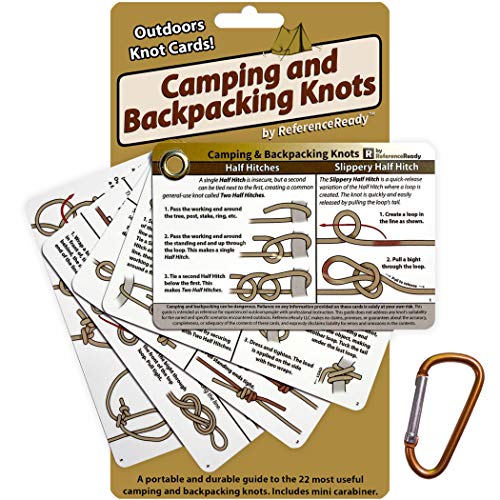
| Knot Count | 22 essential camping/backpacking knots |
| Inclusion | Mini carabiner included for attachment to pack or gear |
| Format & Aids | Pocket-sized knot cards with color-coded, step-by-step illustrations and plain-language explanations |
| Weight/Portability Emphasis | Ultra-portable, slim card design suitable for pockets, belts, or first aid kits |
| Target Use Case | Designed for campers, hikers, Scouts, and survival enthusiasts seeking practical, lightweight knot knowledge |
| Suggested Retail Price | $8.69 |
You spot the ReferenceReady 22 Knots and the first thing that grabs you is that tiny carabiner wink on the card deck. It’s not just a gimmick—the clip lets you tether the whole knot guide to your pack like a mini, ready-to-go coach.
I used it on a windy ridge hike, and the cards stayed within arm’s reach without flopping around in my pocket.
The diagrams are vibrant and color-coded, which instantly takes the guesswork out of stringing a knot in real weather. You can practically hear a friendly coach saying, “Yep, that’s the one,” as you follow the step-by-step visuals.
After a few reps, I could conjure the clove hitch or the taut-line with confidence, even when gloves slowed my fingers.
What I appreciate most is how the 22 knots were chosen for actual camping and backpacking needs. It’s not a treasure chest of every knot known to sailors; it’s the ones you’ll reach for when you’re setting up camp, securing gear, or improvising a quick repair.
The plain-English tips and real-world usage notes are a welcome nudge from “do this” to “this will actually work.”
Portability is real here. The cards are slim and pocket-friendly, and the carabiner keeps them from disappearing into a zippered abyss.
If you’re a light-packner who hates rummaging through a knot book, this feels like a tiny, trusted trail companion you’d actually take on every trip.
Setup is simple: clip, review the diagram, try the knot once, clip it back, and you’re ready for the next climb. It’s a solid gift for beginners who want practical skills they can rely on in the field, not just in a classroom.
And yeah, it’s a steady reminder that sometimes the simplest tools make the biggest difference on the trail.
Pros
Cons
- Limited to 22 knots
- Mini carabiner quality varies
How to Suffer Outside: Hiking and Backpacking Guide

- ✓ Clear, friendly voice
- ✓ Practical starter tips
- ✓ Real-world checklists
- ✕ Some sections feel short
- ✕ Basic gear coverage
| Format | Paperback/Guidebook |
| Price_USD | $11.99 |
| Publisher | Mountaineers Books |
| Recommended_Use | Beginner backpacking and hiking guidance |
| Content_Type | Outdoor travel guide with routes, tips, and techniques |
| Edition | Not specified |
You’re flipping open How to Suffer Outside and catch a breath at the same time, because the first page drops you right into a practical mindset: this isn’t just about hiking lore, it’s about doing. The standout moment for me is how the author breaks down fear, gear, and pace into doable steps you can actually use on day one.
You’ll notice the tone is approachable, like a friend who lovingly nags you to bring one extra layer, and then reminds you why you’ll be glad you did. The sections read as a conversation, not a lecture, which makes the learning feel steady rather than overwhelming.
Physical details matter here, and the book isn’t shy about them. It lays out simple checklists, but with real-world tweaks—think where to stash a rain shell in a shoulder-season pack and how to test footing on slick rocks without turning back.
The handwriting-style diagrams and clear margins help you skim for exactly what you need before a trip.
In practice, the guidance translates to calmer mornings on the trail. It covers pacing, rest breaks, and how to read the terrain without overthinking every footstep.
You’ll find concrete, repeatable habits that reduce fatigue and boost confidence, especially if you’re starting from scratch.
The pacing advice is especially useful when you’re deciding between a longer route or a shorter test hike. I found the practical tips on hydration and snack timing surprisingly empowering, turning uncertainty into a plan.
By the end, you’ll feel ready to plan a simple overnight with fewer questions and more momentum.
Bottom line: this guide makes the basics feel doable, not daunting. It won’t pretend you’ll conquer the wilderness in a weekend, but it will give you a reliable map to get out there and enjoy it.
Telescopic Fishing Rod & Reel Combo –

- ✓ ultra-compact design
- ✓ ready-to-fish out of the box
- ✓ lightweight and sturdy
- ✕ limited casting distance
- ✕ basic reel performance
| Folding Design | All-in-one folding rod-and-reel integrated unit, collapses to compact size for pocket or backpack portability |
| Telescopic Length Adjustment | Extendable rod with adjustable length to fit various fishing conditions |
| Pre-installed Reel | Pre-spooled reel installed for immediate use out of the box |
| Material Construction | High-strength alloy and engineering plastic for impact and wear resistance |
| Intended Use / Scenarios | Suitable for travel, backpacking, hiking, casual fishing, and family trips |
| Target Audience / Experience Level | Beginner-friendly with ready-to-use setup |
You’re hiking a sun-dappled trail when you realize you forgot your heavy rod case at home. In your pocket you pull out this KLIDNFU telescopic rod and reel combo, and the moment you click it open, you feel the contrast between weight and possibility.
The rod locks into a respectable length with a reassuring click, and the pre-spooled reel spins smoothly as you give the line a quick test cast off a rocky bank.
The entire setup folds down to something you could slide into a daypack side pocket, not a bulky haul at all. It’s surprisingly compact, and I appreciate how the integrated design means fewer moving parts to fiddle with in rain or wind.
The reel is already attached, so you don’t have to chase loose parts after a hike or travel.
I used it in a few shallow streams and a small lake, adjusting the telescopic segments to dodge overhanging brush. The high-strength alloy feels sturdy enough for casual trips, and the balance is decent for beginners learning to feel the line.
It’s light enough to carry all day, yet sturdy enough to handle small to mid-sized fish in calm conditions.
Setup is as simple as it gets here: unfold, extend to your preferred length, and you’re ready to fish. The all-in-one design means fewer parts to lose on a windy day, which is a huge plus when you’re out with kids or friends.
If you’re exploring backpacking or family trips with limited space, this little kit makes sense. It won’t rival premium setups, but it hits a sweet spot for beginner-friendly gear that travels well and works right away.
How to Survive Your First Trip in the Wild: Backpacking for

- ✓ Clear, actionable steps
- ✓ Friendly, calm tone
- ✓ Practical checklists
- ✕ Limited advanced tips
- ✕ Basic gear focus
| Category | Backpacking for Beginners |
| Brand | Callisto |
| Price | $8.54 |
| Suggested Use | Beginner backpacking guide/product overview |
Something about the zippered hood pocket caught my eye the moment I pulled this backpacking guide off the shelf—a tiny detail that felt oddly reassuring for a beginner. Inside, the pages smell like new canvas and pine resin, and I found myself imagining using the tips on a real trail rather than just in a store aisle.
You’ll notice the book’s compact vibe mirrors a light pack: sturdy cardstock with a matte finish that doesn’t glare in sunlight. It’s approachable, with clear step-by-step layouts that feel like a friend scribbled notes in the margins for you to follow.
In practice, the guidance on choosing gear feels practical without overwhelm. The author breaks down basics—what to pack, how to layer, how to manage small emergencies—without burying you in jargon.
What surprised me is how the tone stays calm during tense moments, like when weather shifts or you misplace a map. The advice lands as actionable, not preachy, helping you stay focused on safety and progress rather than perfection.
The book’s layout makes sense on a coffee-table-to-bedside-table rotation: quick routes through chapters, with checklists you can actually use on a trip. I found myself flipping back to a page on hot-weather layering when the forecast flipped, and the pointers felt intuitive.
Overall, it feels like a starter guide you’d actually lend to a friend—friendly, practical, and not cute-puppy-carrier fluffy. If you’re easing into backpacking, this is the kind of companion you’ll want within arm’s reach by tent or stove, ready to spark confidence before daybreak.
Sleeping Pad for Camping, Built-in Pump Pillow |

- ✓ Quick 50-second inflation
- ✓ Built-in neck support pillow
- ✓ Lightweight and compact
- ✕ Limited color options
- ✕ Small footprint for very tall people
| Weight | 1.8 lb (0.82 kg) |
| Packed Size | Compact foldable pouch (dimensions not specified) |
| Material & Coating | 40D nylon with TPU coating |
| Inflation Method & Time | Built-in foot pump; inflate in ~50 seconds |
| Pillow Integration | Integrated built-in pillow for neck/back support |
| Connectivity for Dual Setup | Side snap fasteners to link two mats into a double bed |
You peel the pad from its box and notice the faint scent of fresh nylon and a surprisingly sturdy weight. The first thing that catches your eye is the built-in foot pump—not just a gimmick, it actually feels sturdy as you press and it inflates the mat without brute force.
Within a minute, you hear the air crisp up and the wavy cell design begins to hug uneven ground like a tailor-made surface. The integrated pillow supports your neck in a way that makes you curious how you ever slept without it on previous trips.
When you roll onto it, the 1.8-pound mat sits compact in your backpack, yet it feels surprisingly plush beneath you. The 40D nylon with TPU coating gives you confidence about the terrain under your tent, even if there are stones or twigs beneath.
Inflation is consistently quick—the 50-second pump routine becomes your quick pre-sleep ritual. Deflation is just as fast, so packing up feels almost effortless after a long day of hiking.
The dual-mat connection feature is a thoughtful touch for evenings with a partner or in a family camp. Linking two mats together creates a smooth, gap-free surface that still rolls up neatly into its tiny pack.
In real-world use, the mat’s waterproof and puncture-resistant build translates to peace of mind on damp ground or near pine needles. It’s wide enough to stretch out comfortably while remaining compact enough to fit into tight camp spots.
If you’re a beginner backpacker, this pad takes the fear out of setting up camp with a sleeping setup. It’s easy to inflate, fast to pack, and surprisingly durable for its light weight.
Overall, it feels like the kind of gear you’ll reach for on frequent trips because it just works—comfort, convenience, and a dash of clever design all in one package.
What Is Backpacking and Why Is It Great for Beginners?
The benefits of backpacking extend beyond personal enjoyment; it also encourages environmental stewardship. Many backpackers become advocates for conservation efforts, recognizing the need to protect natural spaces for future generations. This has led to an increase in organized clean-up efforts and a greater awareness of sustainable practices among outdoor enthusiasts.
Solutions for beginners looking to embark on their first backpacking adventure include joining local hiking clubs or guided tours, which can provide valuable resources and support. Additionally, investing in quality gear and practicing outdoor skills in familiar settings before venturing into more challenging terrains can significantly enhance the experience. Learning from experienced backpackers through online forums or workshops can also help beginners feel more confident and prepared for their journeys.
What Essential Gear Do Beginners Need for Backpacking?
The essential gear for beginners in backpacking includes items that ensure safety, comfort, and ease of use while exploring the great outdoors.
- Backpack: A good backpack is crucial for carrying all your gear comfortably. Look for one with a capacity of 40-60 liters, adjustable straps, and good ventilation to distribute weight evenly and reduce strain on your back.
- Tent: A lightweight and easy-to-set-up tent provides shelter from the elements. Choose a tent that is appropriate for the season and offers enough space for you and your gear, ensuring it is weather-resistant and durable.
- A sleeping bag rated for the temperatures you expect to encounter is essential for a good night’s sleep. Opt for a lightweight, compressible bag that retains warmth and is made from either synthetic materials or down for insulation.
- Sleeping pad: A sleeping pad adds cushioning and insulation between you and the ground. It helps improve comfort and warmth during the night, with options ranging from inflatable pads to foam pads, each offering different levels of portability and durability.
- Cooking gear: Basic cooking gear, including a portable stove, cookware, and utensils, is necessary for preparing meals on the trail. Choose lightweight, compact options that are easy to clean and set up, and don’t forget fuel for your stove.
- Water filtration system: Staying hydrated is crucial, so a reliable water filtration system or purification tablets will ensure you have access to safe drinking water. Look for lightweight filters that can easily attach to water bottles or hydration reservoirs.
- First aid kit: A comprehensive first aid kit is vital for addressing potential injuries or illnesses while on the trail. It should include bandages, antiseptics, pain relievers, and any personal medications you may need.
- Navigation tools: Having a map, compass, or GPS device is essential for staying on track during your hike. Familiarize yourself with how to use these tools effectively to ensure you can navigate your route safely.
- Clothing: Dress in moisture-wicking, quick-drying layers appropriate for the weather conditions. Essential clothing includes a moisture-wicking base layer, insulating layer, and waterproof outer layer, along with a hat and gloves if necessary.
- Headlamp or flashlight: A reliable light source is critical for navigating in low-light conditions. Choose a lightweight headlamp or flashlight with sufficient brightness and long battery life, and consider carrying extra batteries as well.
How Do Beginners Choose the Best Backpacking Trails?
Beginners can choose the best backpacking trails by considering several key factors that ensure a safe and enjoyable experience.
- Trail Difficulty: It’s crucial for beginners to select trails that match their fitness level and hiking experience. A trail marked as easy or beginner-friendly typically has less elevation gain, well-maintained paths, and clear signage, making it ideal for those who are just starting out.
- Trail Length: Beginners should look for shorter trails, generally ranging from 3 to 5 miles, which can usually be completed in a few hours. This allows new backpackers to build confidence and learn the basics of hiking without the fatigue associated with longer treks.
- Scenic Value: Choosing trails known for their beautiful vistas, waterfalls, or other natural features can enhance the overall experience. Scenic trails often motivate beginners to keep exploring and can make the physical exertion feel more rewarding.
- Accessibility: Trails that are easily accessible from urban areas or popular parks are ideal for beginners. These locations typically have established paths and facilities, such as parking and restrooms, which can help new hikers feel more comfortable.
- Weather Conditions: Beginners should check the weather forecast before heading out and choose trails with favorable weather conditions. Ideal weather can significantly improve the hiking experience and reduce risks associated with harsh conditions.
- Trail Reviews and Recommendations: Reading reviews from fellow hikers can provide valuable insights into the trail’s condition and suitability for beginners. Online platforms and hiking communities can offer firsthand accounts and tips that can guide newcomers in making informed decisions.
- Wildlife and Safety: Beginners should consider trails where wildlife encounters are less likely or manageable. Learning about the local fauna and safety precautions can help beginners feel more secure and prepared for their backpacking adventure.
What Are the Top Beginner-Friendly Trails to Explore?
The best beginner-friendly trails for backpacking offer manageable distances and stunning views, making them perfect for those new to the activity.
- Appalachian Trail (Section Hikes): The Appalachian Trail offers numerous section hikes that are ideal for beginners, with segments such as those in Virginia or North Carolina being particularly accessible.
- Joshua Tree National Park: Joshua Tree features various trails that are suitable for beginners, such as the Hidden Valley Trail, which provides a relatively easy hike amidst stunning rock formations.
- Banff National Park (Tunnel Mountain Trail): The Tunnel Mountain Trail in Banff is a short yet rewarding hike, providing incredible views of the surrounding mountains and the town of Banff.
- Grand Canyon National Park (Rim Trail): The Rim Trail offers a mostly flat and easy hike along the South Rim, allowing beginners to experience the grandeur of the Grand Canyon without the challenges of the inner trails.
- Mount Rainier National Park (Skyline Trail): The Skyline Trail is a great option for beginners, featuring moderate elevation gain while showcasing breathtaking alpine scenery and wildflowers during the summer months.
- Great Smoky Mountains National Park (Alum Cave Trail): This trail is a moderate hike that leads to stunning views and a unique geological feature, making it perfect for beginners looking for a memorable experience.
The Appalachian Trail offers a variety of section hikes that are beginner-friendly, with segments that are not overly strenuous and provide beautiful scenery. This iconic trail allows newcomers to experience a taste of long-distance hiking without committing to the entire route.
Joshua Tree National Park features several easy trails, with the Hidden Valley Trail being a standout for beginners. It is a short loop that meanders through a unique desert landscape filled with striking rock formations and diverse flora.
The Tunnel Mountain Trail in Banff National Park is a perfect choice for beginners, as it is a relatively easy hike that results in spectacular panoramic views of the Canadian Rockies and the charming town of Banff.
For those interested in the Grand Canyon, the Rim Trail is an ideal starting point. It is mostly flat and provides breathtaking views of one of the world’s most famous natural wonders, allowing beginners to appreciate its beauty without the steep descents found on other trails.
Mount Rainier National Park’s Skyline Trail is accessible for beginners and showcases vibrant wildflowers and stunning mountain vistas. The trail’s moderate elevation gain makes it a manageable hike, while the scenery rewards hikers with unforgettable views.
The Alum Cave Trail in Great Smoky Mountains National Park is another excellent option for beginners. It offers a moderate challenge and leads to breathtaking vistas, all while allowing hikers to encounter unique geological features along the way.
What Skills Are Necessary for Safe and Enjoyable Backpacking?
The necessary skills for safe and enjoyable backpacking include:
- Navigational Skills: Being proficient in reading maps and using a compass is essential for finding your way in the wilderness. Understanding how to use GPS devices can also enhance your navigation abilities, ensuring that you stay on track and avoid getting lost.
- Camping Skills: Knowing how to set up a tent, build a fire, and cook meals outdoors is crucial for a successful backpacking experience. These skills not only enhance your comfort but also ensure safety in emergency situations, such as inclement weather or wildlife encounters.
- First Aid Knowledge: Basic first aid skills are vital for managing injuries and health issues that may arise on the trail. Familiarity with how to treat common outdoor injuries, such as cuts, scrapes, and insect bites, can make a significant difference in your well-being during a trip.
- Physical Fitness: Backpacking requires a reasonable level of physical fitness, including stamina and strength, to carry a heavy pack over various terrains. Regular exercise and training can prepare your body for the physical demands of long hikes and steep climbs.
- Leave No Trace Principles: Understanding and practicing Leave No Trace principles is essential for minimizing your environmental impact. This includes knowing how to properly dispose of waste, respect wildlife, and minimize campfire impact to preserve the beauty of nature for future adventurers.
- Weather Awareness: Being able to interpret weather forecasts and understand changing conditions is critical for safety. This skill allows you to prepare for unexpected storms or heatwaves, helping you to pack the appropriate gear and plan your itinerary accordingly.
- Gear Selection and Maintenance: Knowing how to choose the right gear for your needs and how to maintain it is vital for comfort and safety. This includes understanding the features of backpacks, tents, cooking equipment, and clothing, as well as how to repair minor issues that may arise during your trip.
What Important Safety Tips Should Every Beginner Know?
For beginners in backpacking, safety is paramount to ensure a safe and enjoyable experience.
- Plan Your Route: Always plan your route in advance, taking into consideration the difficulty level and your fitness. Knowing your path helps prevent getting lost and allows you to inform someone of your expected return time.
- Check Weather Conditions: Before heading out, check the weather forecast for your planned area. Understanding the weather can help you prepare adequately and avoid dangerous conditions such as storms or extreme temperatures.
- Pack Essential Gear: Always pack essential survival gear, including a first aid kit, map, compass, and sufficient food and water. These items can be lifesavers in case of emergencies or unexpected situations during your hike.
- Stay Hydrated: Hydration is crucial during backpacking, so always carry enough water or a reliable method for purifying water from natural sources. Dehydration can lead to fatigue and impaired decision-making, which is dangerous in the wilderness.
- Inform Someone: Always let someone know your plans, including your route and expected return time. This way, if something goes wrong, they can alert authorities to help locate you.
- Know Basic Navigation: Familiarize yourself with basic navigation skills using a map and compass, as technology may fail in remote areas. Being able to navigate without GPS can significantly enhance your safety and confidence on the trail.
- Practice Leave No Trace Principles: Adhering to Leave No Trace principles ensures that you’re minimizing your impact on the environment. This includes packing out all trash, staying on designated trails, and respecting wildlife, which helps preserve natural areas for future hikers.
- Be Aware of Wildlife: Educate yourself about the wildlife in the area you will be backpacking in. Knowing how to store food properly and how to react in the presence of animals can reduce risks and enhance your experience.
- Travel with a Buddy: Whenever possible, hike with a partner or group, especially as a beginner. Having companions can offer support, motivation, and assistance in case of emergencies.
How Can Beginners Plan Their Backpacking Trips Effectively?
Beginners can effectively plan their backpacking trips by focusing on several key aspects.
- Research Locations: Identify beginner-friendly trails and parks that match your skill level and interests.
- Gear Selection: Invest in essential gear that is lightweight, durable, and suited for your chosen environment.
- Itinerary Planning: Create a detailed itinerary that includes your route, stops, and estimated times for each segment of the trip.
- Safety Measures: Familiarize yourself with safety protocols, including navigation skills and emergency procedures.
- Practice Packing: Learn how to pack efficiently by testing your gear and adjusting your pack weight for comfort.
Research Locations: Start by searching for trails that are known to be beginner-friendly, such as those with well-marked paths and manageable elevation changes. Utilize online resources, guidebooks, or local outdoor shops to find recommendations and reviews of various locations that cater to novice backpackers.
Gear Selection: Choose essential gear like a tent, sleeping bag, and cooking equipment that are lightweight and easy to use. Brands often offer beginner-friendly options that balance cost and quality, ensuring you have the necessary tools without overspending.
Itinerary Planning: Draft an itinerary that outlines your planned route, daily distances, and key points of interest along the way. This will help in managing your time effectively and ensuring you stay on track during your trip.
Safety Measures: Equip yourself with basic navigation skills, such as reading maps and using a compass, to avoid getting lost. Additionally, be aware of the local wildlife and weather conditions, and have a plan for emergencies, including a first aid kit and communication methods.
Practice Packing: Before your trip, practice packing your backpack to find the best way to distribute weight and ensure comfort while walking. This is an essential step to avoid discomfort or injuries during your actual backpacking adventure.
Related Post: