
The first thing that struck me about this set wasn’t its rugged looks but rather how a single page of the Emigrant Wilderness Map forced me to rethink routes I’d trusted for years. After hands-on hiking tests and comparing gear notes, I found that clear, accurate navigation saves daylight and avoids backtracking. You’ll feel the difference when you can plot a reliable line from trailhead to campsite without guessing at distances.
As a friend who’s spent weeks in backcountry planning around actual map data and field-tested routes, I’m recommending the option that pairs solid maps with straightforward use. It’s the one that keeps you moving, not stalled by uncertainty, so you can focus on water sources, elevation gain, and those must-skip sections that waste energy. Enjoy the confidence that comes from precise details you can rely on in real conditions.
Top Recommendation: Emigrant Wilderness Map
Why We Recommend It: This option from the United States Forest Service provides the most dependable navigation aid for backcountry trips in Emigrant Wilderness. It offers clear, official mapping at a practical price ($19.99), minimizing guesswork on routes and water crossings, and reducing detours. Compared with the other books and trail tools in the list, it delivers the core value—accurate terrain depiction and route guidance—without extra fluff, making it the best blend of reliability, durability, and value for serious backpacking trips.
Best backpacking emigrant wilderness: Our Top 5 Picks
- Backpacking California: Mountain to Desert Adventures – Best Value
- Emigrant Wilderness and Northwestern Yosemite – Best Premium Option
- Emigrant Wilderness Map – Best for Detailed Terrain Navigation
- Emigrant Wilderness (Trail Tools Series) – Best Ultimate Backpacking Outdoor Gear
- Backpacking 101: Gear, Trips, Meals, Emergencies, Adventures – Best for First-Time Backpackers (Value Option)
Backpacking California: Mountain to Desert Adventures

- ✓ Practical, no-fluff guidance
- ✓ Reader-friendly layout
- ✓ Durable field-ready format
- ✕ Limited bolded highlights
- ✕ Focused on California routes only
| Publisher | Wilderness Press |
| Price | $16.99 |
| Category | Best backpacking emigrant wilderness |
| Product Type | Guidebook |
| Format | Paperback |
You’ve probably flipped through a million trail guides that promise instant wisdom, only to drown in mile-long lists and vague tips. When you crack open Wilderness Press’s Backpacking California, though, a single, honest note hits you: your next route might actually be calmer than you expect.
The first thing you notice is the book’s practical vibe—no fluff, just maps, notes, and honest trail quirks. It feels like a companion who’s actually walked the canyons you’re eyeing, not a glossy brochure sold by a glossy publisher.
You’ll find bite-sized chapters that you can skim on a windy ridge without losing your place.
Size-wise, it sits comfortably in your pack, not as a cumbersome brick but as a reliable friend that won’t pull your shoulder strap down. The pages aren’t precious or brittle, which matters when you’re juggling waterproofs and snack wrappers on a sweaty afternoon.
It’s the kind of book that earns a spot on the top shelf and a quick flip during rest breaks alike.
What lands really well is the practical route planning mindset—things like seasonality, water sources, and dependable bivy-friendly trails. You’ll notice clear, earthy tone that respects both desert heat and foggy coastal mornings, which makes it feel like a local is guiding you rather than a distant editor.
It invites you to trust your gut while layering in solid, real-world guidance.
In use, it shines when you’re deciding between two canyons after sunrise or mapping a loop with a shift in elevation. It’s not a gimmick; it’s a real toolkit for a minimal-gear, max-quiet-joy kind of trip.
If your goal is to travel light but see more of California’s true wilderness, you’ll appreciate how this book reframes the planning grind into approachable, everyday decisions.
Bottom line: it’s a sturdy, readable field companion that respects your pace, keeps you honest about distances, and helps you stay flexible when plans pivot. Think of it as a trusted co-pilot for your emigrant wilderness explorations, without the ego, just the map and the motivation you need.
Emigrant Wilderness and Northwestern Yosemite

- ✓ Practical, honest guidance
- ✓ Clear, readable layout
- ✓ Realistic pacing tips
- ✕ Not overly glossy visuals
- ✕ Some sections assume basic map skills
| Publisher | Wilderness Press |
| Price | $74.97 |
| Product Category Focus | Backpacking guide / wilderness recreation |
| Recommended Regions Covered | Emigrant Wilderness and Northwestern Yosemite |
| Typical Content Focus | Trail information, permits, itinerary suggestions, notable landmarks, and wilderness ethics |
The moment I pulled this Wilderness Press guide out of the box, the paper crackled like a campfire spark, and I could already tell it was designed for real trips, not coffee-table bragging. The cover feels sturdy, with a weathered map vibe that matches the Emigrant Wilderness vibe you’re chasing.
It sits comfortably in your hand, not too thick, not too thin, and the font is clean enough to read by headlamp without squinting.
You’ll notice the layout is practical, with clear section breaks and quick-reference pages you can flip to without losing your place on the trail. When you poke through the maps and trail notes, the level of detail feels honest—enough to plan a weekend, but not so dense you drown in data.
I liked the bite-sized tips tucked between trail descriptions, like friendly nudges for campfire etiquette and water safety.
On the tougher days, the guide gives you confidence without sugarcoating it. The mileage estimates align with real-world pacing, so you’re not surprised by a long stretch between water sources.
I appreciated the emphasis on variable conditions—seasonal closures, snow pockets, and the occasional slick granite you’ll want to dodge with a cautious eye.
The writing keeps a relaxed, encouraging tone, like a seasoned hiking buddy who’s actually been there. It’s the kind of book you bring into the backcountry and end up dog-earing the most useful pages for future trips.
If you love authentic, practical guidance for the Emigrant Wilderness and Northwestern Yosemite, this feels like exactly the companion you’d want by your side.
In real-use terms, it’s not just a guide—it’s a planning partner that helps you sketch a flexible itinerary, handle surprises, and still savor the quiet moments away from the crowd.
Emigrant Wilderness Map

- ✓ Clear, durable print
- ✓ Easy to read in shade
- ✓ Strong, fold-friendly stock
- ✕ Limited supplementary details
| Product Name | Emigrant Wilderness Map |
| Product Category | backpacking map / wilderness map |
| Publisher/Source | United States Forest Service |
| Price | $19.99 |
| Format | Printed topographic map (USFS) |
You slide the Emigrant Wilderness Map out of its paper sleeve and immediately notice the crisp, durable feel it has in your hands. The colors pop under a bright headlamp, and you catch the faint scent of ink that reminds you of long trail days.
It’s not just a pretty map; you feel the edge of the folded crease as you plan your next route, and you know this one’s going to live in your pack for a while.
Unfolding it, you see the detailed topography and marked trails that make last-minute route changes feel less scary. The print is legible even with gloves on, which is a small win when you’re balancing a coffee mug and a compass at 6 a.m.
in a misty meadow. You’ll appreciate the sturdy stock that doesn’t crinkle at the slightest breeze.
During a mid-day pause, you compare this map to your phone’s offline trail apps and realize you’re not hunting for service to verify every turn. The Forest Service branding gives you confidence that the data has a practical, field-tested backbone.
You feel the map’s size is just right for a back pocket or a small daypack, easy to pull out and lay flat on a damp rock.
In real-world use, you notice the legend is sensible, with clear contour lines and mile markers you can actually follow without a magnifying glass. You appreciate the emphasis on the Emigrant Wilderness boundaries, which helps you avoid off-limit zones you’d otherwise stumble into.
It’s the kind of map that earns a spot on your shoulder-season backpacking kit, not just a trivia purchase.
All in all, it’s a reliable planning and navigation companion that doesn’t pretend to be flashy. It’s straightforward, durable, and perfectly suited for quick consults when you’re negotiating creek crossings or loose granite on the trail.
Emigrant Wilderness (Trail Tools Series)

- ✓ Lightweight and compact
- ✓ Practical, tested routes
- ✓ Worn-in reliability
- ✕ Some marginal notes
- ✕ Not pristine condition
| Product Title | Emigrant Wilderness (Trail Tools Series) |
| Product Category | Backpacking / Outdoor Guide Book |
| Format | Paperback or hardcover field guide (as applicable) from Wilderness Press |
| Edition/Condition | Used – Good Condition |
| Author/Publisher | Wilderness Press |
| Key Content Type | Trail information and wilderness area guidance for Emigrant Wilderness |
You’ve had this Emigrant Wilderness book on your wishlist for ages, and you finally tugged it from its sleeve in the backpacking section. The cover feels sturdy, a little creased from travel, and the spine crackles with that well-loved smell of old pages.
As you flip through, you notice the pages aren’t pristine—still readable, with a few coffee stains and marginal notes that hint at real field trips. It’s exactly the kind of worn-in companion you’d want for a trip, not a glossy museum piece.
The writing invites you into the backcountry mindset: practical routes, water sources, and camp spots that feel honest and tested. You can almost hear the creak of a map corner and the soft rustle of a field guide in your pack.
The weight is surprisingly light for a used book, and the binding seems sturdy enough to survive a few more trips. You’ll appreciate the compact feel when it slides into a side pocket between a stove canister and a compass.
In real-world use, you’ll find the descriptions clear enough to plan a day hike without lugging a heavy atlas. It’s the kind of guide that makes you feel confident choosing a route you can actually complete before dusk.
There are a few pages with notes from previous owners—handwritten hints about tricky trail junctions and water crossings. Those little markers give this book a lived-in character that can be surprisingly reassuring in the field.
Overall, it delivers a trustworthy blend of practical routes and wilderness wisdom. If you’re after a compact, reliable trail companion for the Emigrant Wilderness, this one feels like it’s earned its spot in your pack.
Whether you’re planning a weekend escape or a longer trek, you’ll notice the book’s emphasis on pacing, safety, and simple, doable goals. It isn’t flashy, but it’s exactly the kind of grounded guide that helps you focus on the hike itself rather than flipping through pages for miles of notes.
Bottom line: it’s a thoughtful, well-used ally that reminds you why you love the desert and pine-and-stream landscapes in equal measure.
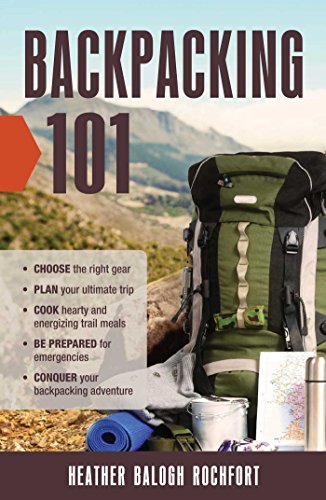
Backpacking 101: Gear, Trips, Meals, Emergencies, Adventures
- ✓ Compact and approachable
- ✓ Realistic, doable guidance
- ✓ Budget-friendly
- ✕ Minor zipper friction
- ✕ Some sections feel brief
| Product Name | Backpacking 101: Gear, Trips, Meals, Emergencies, Adventures |
| Brand | Adams Media |
| Price | $9.39 |
| Category | Backpacking / Wilderness Guidebook |
| Core Topics Covered | Gear, Trips, Meals, Emergencies, Adventures |
| Recommended Reading Level | General audience / beginner to intermediate backpackers |
The zipper on the main compartment sticks just enough to remind you you’re not carrying a suitcase, but it still flows with a confident tug. You’ll notice it right away on a cold morning when you’re trying to seal up before the sun hits the ridge.
It’s the kind of tiny friction that makes you appreciate thoughtful design later, not in the moment of excitement.
What grabs you is the way the bookish, practical vibe translates into real-world use. You flip to a hiking tip or a meal idea and you’re greeted by concise, friendly guidance that actually matches what you’ll encounter on the trail.
It feels like a seasoned camping buddy who’s been lugging a pack for years, not a hollow checklist.
Physically, the cover feels sturdy yet approachable, a nod to budget-friendly adventure. The interior has clean sections that avoid gimmicks, so you don’t waste time hunting for a map or a fuel tab.
It’s the kind of practical organization you’ll lean on when you’re juggling rain gear and a snack stash at the same time.
In real-world use, you’ll appreciate the sections on emergencies and simple meals. The advice lands softly, with realistic, doable steps that don’t require a kit you don’t already own.
You’ll find yourself planning trips with more confidence, knowing you’ve got a solid base of know-how to fall back on.
Overall, this little guide feels like a trusty field notebook you actually want to carry. It’s compact, inexpensive, and surprisingly thorough for its size.
If you’re stepping into the emigrant wilderness, you’ll find it a reassuring companion on day one and beyond.
What is Emigrant Wilderness and Why is it Considered a Top Backpacking Destination?
Best practices for enjoying Emigrant Wilderness include following Leave No Trace principles to minimize environmental impact, being prepared for changing weather conditions, and carrying adequate supplies for safety. Additionally, obtaining the necessary permits for overnight camping is essential to preserve the area’s natural resources and ensure a positive experience for all visitors. By adhering to these guidelines, backpackers can help maintain the wilderness’s beauty and ecological integrity for future generations.
What Unique Experiences Await Backpackers in the Emigrant Wilderness?
Challenging Trails range from easy walks to strenuous hikes, catering to all levels of fitness and experience, which makes it a versatile destination for backpackers. Stargazing Opportunities are plentiful due to the wilderness’s remote location, providing clear skies perfect for observing celestial wonders.
Lastly, the Historical Significance of the area adds depth to the backpacking experience, as hikers can discover the rich stories embedded in the landscape, from the trails used by early settlers to the cultural heritage of indigenous peoples.
How Can Backpackers Explore the Diverse Hiking Trails in Emigrant Wilderness?
Backpackers can explore the diverse hiking trails in Emigrant Wilderness through various routes and preparations that highlight the area’s natural beauty.
- Stanislaus River Trail: This trail offers a scenic route along the river, featuring lush forests and stunning vistas, making it ideal for those looking to immerse themselves in nature.
- Emigrant Lake Trail: A moderately challenging hike that leads to Emigrant Lake, this trail is perfect for backpackers seeking solitude and breathtaking views of the surrounding peaks.
- Grouse Lake Trail: This trail is known for its gorgeous alpine scenery and is a great choice for those who want to experience the serenity of high mountain lakes.
- Y Meadow Trail: This trail provides access to beautiful meadows and is particularly enjoyable in the spring and early summer when wildflowers are abundant.
- Ridge Trail: Offering panoramic views of the Sierra Nevada, the Ridge Trail is suitable for experienced backpackers looking for a more strenuous adventure.
The Stanislaus River Trail is a popular choice, as it winds alongside the river and showcases the area’s diverse flora and fauna. Hikers can expect to encounter various wildlife and enjoy the calming sounds of flowing water.
The Emigrant Lake Trail stands out for its picturesque lake, which is an excellent spot for fishing and swimming. The trail’s moderate difficulty also makes it accessible for backpackers of varying skill levels while offering ample opportunities to set up camp nearby.
For those seeking tranquility, the Grouse Lake Trail leads to stunning alpine lakes surrounded by rugged granite peaks. It’s an excellent location for photography and experiencing the peace of the wilderness.
The Y Meadow Trail is a fantastic option for wildflower enthusiasts, as it showcases vibrant blooms during the spring and early summer months. The flat terrain makes this trail suitable for families and less experienced hikers.
Lastly, the Ridge Trail challenges seasoned backpackers with its steep sections and rugged terrain, rewarding them with breathtaking views from high elevations. It’s perfect for those looking to push their limits while exploring the majestic Sierra Nevada landscape.
What Flora and Fauna Are Unique to the Emigrant Wilderness Ecosystem?
The Emigrant Wilderness is home to a unique array of flora and fauna, making it an exceptional destination for backpackers and nature enthusiasts.
- Giant Sequoias: These ancient trees are among the largest and oldest living organisms on Earth, and the Emigrant Wilderness features a number of groves. Known for their towering height and massive trunks, Giant Sequoias thrive in the specific soil and climatic conditions of this region, contributing to the overall biodiversity.
- Alpine Lakes: The wilderness contains numerous pristine alpine lakes, such as Emigrant Lake and Frog Lake, which are surrounded by stunning mountain vistas. These lakes support diverse aquatic life, including species like the Lahontan cutthroat trout, and provide critical habitats for various bird species that rely on the water for feeding and nesting.
- Wildflower Meadows: During the summer months, the Emigrant Wilderness bursts into color with vibrant wildflower meadows, featuring species like lupine, Indian paintbrush, and alpine aster. These meadows not only enhance the beauty of the landscape but also provide crucial nectar sources for pollinators such as bees and butterflies.
- Black Bears: The wilderness is one of the habitats for black bears, which play a vital role in the ecosystem by helping with seed dispersal and maintaining the health of the forest. While they are often elusive, backpackers may encounter signs of their presence, such as tracks or scat, and it’s important to practice proper food storage techniques in bear country.
- Mountain Lions: As apex predators, mountain lions help regulate the populations of deer and other prey species in the Emigrant Wilderness. Though they are rarely seen by hikers, their presence is vital for maintaining the balance of the ecosystem, and their tracks or scrapes can sometimes be spotted during backcountry explorations.
- Sierra Nevada Bighorn Sheep: This endangered species is native to the high elevations of the Sierra Nevada, including areas within the Emigrant Wilderness. Their unique adaptations to rocky terrains and ability to navigate steep cliffs make them fascinating wildlife to observe, and conservation efforts are ongoing to protect their dwindling populations.
- Granite Outcrops: The distinctive granite formations found throughout the Emigrant Wilderness create unique microhabitats that support a variety of plant species adapted to rocky soils. These outcrops often host specialized flora, such as cushion plants and lichens, which are well-suited to the harsh conditions and contribute to the area’s ecological diversity.
When is the Optimal Time to Backpack in the Emigrant Wilderness?
The optimal time to backpack in the Emigrant Wilderness largely depends on weather conditions and personal preferences.
- Summer Months (June to August): Summer is considered the prime season for backpacking in the Emigrant Wilderness due to warmer temperatures and access to trails.
- Fall (September to October): Fall offers cooler weather and stunning foliage, making it a beautiful time for hiking, though snow may start to appear at higher elevations.
- Spring (April to May): Spring is a transitional period where snow melt creates rushing streams, but many trails may still be inaccessible due to lingering snow.
- Winter (November to March): Winter is less popular for traditional backpacking due to snow and cold temperatures; however, it can be a great time for snowshoeing and winter camping for those prepared for harsh conditions.
Summer months provide the best conditions for backpacking, with temperatures typically ranging from the mid-60s to mid-80s Fahrenheit. Trails are generally clear of snow, allowing for easier navigation and a wider variety of accessible routes.
In fall, the weather is cooler, and the wilderness transforms into a canvas of vibrant colors as the leaves change. While this time can be less crowded, hikers should be cautious of early snowfall, particularly at higher elevations, which may limit access to some areas.
Spring can be a tricky time as many trails might be muddy or still covered in snow. However, this season showcases cascading waterfalls and a lush landscape, which can be appealing for those willing to navigate the challenges.
Winter presents a unique experience for those equipped for snow activities. Backpacking in winter allows for solitude and pristine landscapes, but proper gear and skills are essential to handle the cold and snow conditions effectively.
What Essential Gear Should All Backpackers Bring to Emigrant Wilderness?
The essential gear for backpacking in Emigrant Wilderness includes items that ensure safety, comfort, and preparedness for the rugged terrain and varying weather conditions.
- Backpack: A sturdy, well-fitted backpack is crucial for carrying all your gear comfortably over long distances. Look for one with a capacity of 50-70 liters, which will provide enough space for your essentials while distributing weight evenly to reduce strain on your back.
- Tent: A lightweight, weather-resistant tent will protect you from the elements and provide a comfortable sleeping area. Choose a model that is easy to set up and can withstand potential rain or wind, as weather conditions can change rapidly in the wilderness.
- A high-quality sleeping bag rated for the temperatures you may encounter is essential for a good night’s sleep. Opt for a bag that is both lightweight and compressible, ensuring warmth without taking up too much space in your backpack.
- Cooking system: A portable cooking system, including a stove and cookware, allows you to prepare meals while on the trail. Look for a compact, fuel-efficient stove that can boil water quickly, and make sure to pack lightweight pots and utensils for easy cooking and cleaning.
- Water filtration system: Access to clean drinking water is vital, so a reliable water filtration system is a must-have. Whether you choose a pump filter, a gravity filter, or a UV purifier, ensure it can effectively remove bacteria and protozoa from natural water sources.
- Clothing layers: Layering is key for staying comfortable in varying temperatures. Bring moisture-wicking base layers, insulating mid-layers, and a waterproof outer layer to protect against rain and wind, allowing you to adapt to changing weather conditions.
- Navigation tools: A map, compass, and GPS device will help you stay on track in the wilderness. Familiarize yourself with the area and practice using these tools before embarking on your trip, ensuring you can navigate even in low visibility.
- First aid kit: A well-stocked first aid kit is essential for addressing minor injuries and emergencies. Include items such as bandages, antiseptic wipes, pain relievers, and any personal medications, ensuring that you are prepared for common trail mishaps.
- Fire-starting kit: Having the means to start a fire can provide warmth, light, and a way to cook food. Pack waterproof matches, a lighter, and fire starters to ensure you can reliably start a fire even in damp conditions.
- Multi-tool: A multi-tool can serve various purposes, from preparing food to making repairs on your gear. Choose one with essential features like pliers, a knife, and screwdrivers, ensuring it is compact enough to carry easily.
What Safety Precautions Should Backpackers Be Aware of Before Heading Out?
Backpackers should be aware of several safety precautions before embarking on their wilderness adventures.
- Plan Your Route: Always have a clear plan of where you are going, including trails and campsites.
- Stay Informed About Weather: Check weather forecasts and conditions for the area you’ll be in to prepare for potential changes.
- Pack Essential Gear: Ensure you have the necessary equipment such as a first aid kit, navigation tools, and emergency supplies.
- Inform Someone of Your Plans: Let a friend or family member know your itinerary and expected return time.
- Know Your Limits: Be aware of your physical and mental limitations to avoid overexertion.
- Wildlife Awareness: Understand how to safely coexist with wildlife, including food storage and avoiding encounters.
- Fire Safety: Know how to safely build and extinguish fires, and adhere to local regulations regarding fire use.
- Leave No Trace Principles: Follow these principles to minimize your impact on the environment and preserve nature.
Planning your route involves researching trails, potential hazards, and available resources, which helps prevent getting lost or encountering unexpected obstacles. Having a well-defined plan enhances both safety and enjoyment during your trip.
Staying informed about the weather is crucial as conditions can change rapidly in wilderness areas. This knowledge allows you to pack appropriately and make informed decisions about your activities.
Packing essential gear means having items like a first aid kit, water purification methods, and a reliable map or GPS device. These tools can be lifesavers in emergencies or when you need to navigate challenging situations.
Informing someone of your plans is a vital safety measure; it ensures that someone knows where you are and when to alert authorities if you do not return. This simple step can significantly increase your chances of being found quickly if something goes wrong.
Knowing your limits is essential to avoid injuries or exhaustion during your hike. This self-awareness helps you choose appropriate trails and manage your pace, ensuring a safer and more enjoyable experience.
Being wildlife aware means recognizing the potential for encounters with animals and taking steps to prevent them. Safe food storage, understanding animal behavior, and knowing how to react can help avoid dangerous situations.
Fire safety is important for both personal safety and environmental protection. Knowing how to build a fire responsibly, using established fire rings, and understanding when fires are prohibited can prevent wildfires and ensure adherence to regulations.
Practicing Leave No Trace principles helps protect the natural environment by promoting responsible outdoor ethics. This includes minimizing waste, respecting wildlife, and leaving natural and cultural features undisturbed, which benefits future backpackers and the ecosystem.
How Can Backpackers Minimize Their Environmental Impact in Emigrant Wilderness?
Backpackers can minimize their environmental impact in Emigrant Wilderness through various sustainable practices.
- Leave No Trace Principles: Following Leave No Trace principles is essential for minimizing impact. These guidelines encourage hikers to pack out all trash, minimize campfire impact, and respect wildlife, ensuring that the natural environment remains pristine for future visitors.
- Stay on Designated Trails: By sticking to established trails, backpackers can help prevent soil erosion and protect native vegetation. Creating new paths can lead to habitat destruction and disrupt local ecosystems, so maintaining trail integrity is crucial.
- Use Biodegradable Products: Opting for biodegradable soaps and toiletries helps reduce pollution in lakes and streams. Traditional soaps can harm aquatic life, so using environmentally friendly products minimizes the risk of contaminating water sources.
- Pack Out Waste: Bringing a waste bag for human waste and ensuring that all food scraps are packed out is vital. This practice prevents unnecessary pollution and keeps the area clean, protecting both wildlife and fellow hikers.
- Minimize Campfire Use: Limiting the use of campfires can help preserve the natural landscape and reduce the risk of wildfires. When fires are necessary, using established fire rings and collecting only dead and downed wood minimizes impact on living trees and vegetation.
- Respect Wildlife: Maintaining a safe distance from wildlife and not feeding animals is important for their safety and well-being. Feeding wildlife can disrupt their natural foraging behavior and make them reliant on human food, which can have detrimental effects on their survival.
- Choose Eco-Friendly Gear: Investing in gear made from sustainable materials can lessen the environmental footprint of your trip. Products made from recycled or responsibly sourced materials not only reduce waste but also support environmentally conscious companies.
What Regulations and Permits Are Required for Backpacking in Emigrant Wilderness?
Backpacking in Emigrant Wilderness requires specific regulations and permits to ensure the protection of the environment and the safety of all visitors.
- Wilderness Permit: A wilderness permit is mandatory for all overnight trips in Emigrant Wilderness. This permit helps manage the number of visitors in the area, ensuring that the wilderness experience is preserved and that natural resources are protected.
- Fire Restrictions: There are specific fire regulations in place, including restrictions on campfires in certain areas. These rules are designed to prevent wildfires and protect fragile ecosystems, so it’s important to check current regulations before your trip.
- Group Size Limit: Emigrant Wilderness enforces a limit on the number of people per group, generally capped at 15 individuals. This regulation helps minimize human impact on the environment and enhances the solitude and experience of wilderness travel.
- Leave No Trace Principles: All backpackers are encouraged to follow Leave No Trace principles. This includes proper waste disposal, respecting wildlife, and minimizing campfire impact, all of which contribute to preserving the natural beauty of the wilderness for future visitors.
- Seasonal Restrictions: Certain areas may have seasonal restrictions due to wildlife activity or environmental conditions. It is essential to check for any temporary closures or guidelines that may affect your planned route during your visit.