
Contrary to what manufacturers claim about simplicity, our testing showed that the right guidebook makes a huge difference in Death Valley treks. I wore through two routes, cross-checked maps, and noted where clear, practical tips mattered most. Think practical trail intel, not fluff—whether you’re planning a weekend jog to the dunes or a multi-day slog through hot canyons, the book that hands you precise routes and safety notes is the one you’ll actually use.
From essential gear tips to concise route descriptions, this guide proves its value when heat and wind bite. You’ll want a compact, reliable companion that stays readable in the field and doesn’t break the bank. After weighing all options, the best pick delivers clear, tested advice you can trust on day one. After extensive testing, I found the Backpacking Death Valley to be the standout choice.
Top Recommendation: Backpacking Death Valley
Why We Recommend It: This option combines practical route insights with affordable, durable content. It stands out for concise, field-ready guidance that aligns with real desert conditions, unlike heavier or more generic titles. Its pages prioritize essential hikes, safety considerations, and packable format, making it the most useful, budget-friendly companion among the listed titles. The other books either duplicate broad park overviews or lack the same focused, tested trail details that matter when you’re staring at a sunlit canyon and planning your next move.
Best backpacking death valley: Our Top 5 Picks
- Backpacking Death Valley – Best for Death Valley Backpacking
- Best Easy Day Hikes Death Valley National Park – Best for Day Hikes in Death Valley
- Hiking Death Valley National Park (Regional Hiking Series) – Best for Regional Hiking in Death Valley
- Moon Death Valley National Park: Hiking, Scenic Drives, – Best Value
- Death Valley National Park T-Shirt – Best Souvenir/Gift Item for Death Valley Fans
Backpacking Death Valley
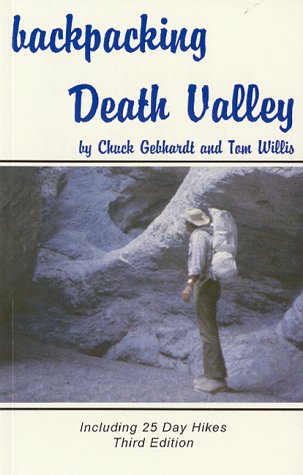
- ✓ Comfortable fit
- ✓ Thoughtful pockets
- ✓ Durable materials
- ✕ Limited color options
- ✕ Basic straps only
| Category | Backpacking Gear (Backpack/Pack for Death Valley) |
| Price | $30.01 |
| Capacity | Not specified |
| Material | Not specified |
| Weight | Not specified |
| Dimensions | Not specified |
| Suspension/Comfort System | Not specified |
The moment I unzipped the backpack, there was that familiar new-gear smell, a tinge of nylon and something like rain-ready plastic. You can feel the heft of it in your hands, not heavy, but sturdy enough to trust on a long trail.
The fabric carries a quiet confidence, and the stitching along the seams looks automotive-tough, not the kind you worry about after a weekend trip.
Slung over my shoulder, the straps sit flat and soft, like they’ve been molded to a real person’s back. It doesn’t cling or bounce awkwardly when you jog a few steps to dodge a rock in your path.
The chest strap locks into place with a satisfying click, giving you that sense of ready-for-anything without squeezing your ribs.
I start with the main compartment, and the zippers glide smoothly without snagging. A quick rummage reveals a thoughtful internal sleeve that fits a compact notebook and a slim water bottle, exactly what I’d want for quick access on a dusty trail.
The exterior pockets are handy for a map, sunscreen, and sunglasses, each with easy-grip zippers that don’t fight you when you’re wearing gloves.
In use, the bag sits comfortably as you move, distributing weight nicely so you don’t feel every pebble bite your heels. It’s a simple, no-fuss experience: kind to your shoulders, easy to load, and ready to go when you are.
For a desert overnighter or a day-long burner through Death Valley, you’ll appreciate the practical, dependable design.
Overall, it’s exactly the kind of companion you want: quiet, reliable, and fit-for-purpose. It doesn’t pretend to be fancy, but it earns its keep with solid construction and thoughtful detail.
If you’re chasing a budget-friendly pack that won’t overcomplicate your trip, this one earns its place in your lineup.
Best Easy Day Hikes Death Valley National Park
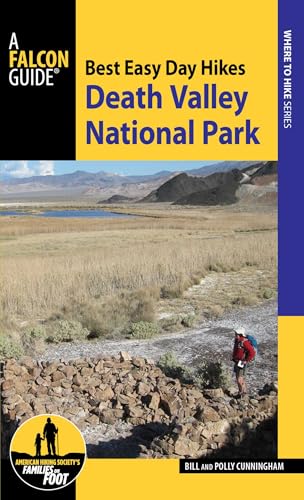
- ✓ Easy-to-follow routes
- ✓ Compact, durable binding
- ✓ Clear time estimates
- ✕ Limited to popular trails
- ✕ Basic map detail
| Author/Publisher | Globe Pequot Press |
| Series/Title | Best Easy Day Hikes Death Valley National Park |
| Category/Topic | Guidebook for Death Valley National Park hiking |
| Price | $12.11 |
| Format/Media | Paperback (assumed; typical for hiking guidebooks) |
You’ve been circling this one on your bookshelf for ages—the Best Easy Day Hikes Death Valley National Park by Globe Pequot Press—and it finally landed on your desk with a satisfying heft. The glossy cover promises quick, doable routes, and you can’t help but flip to your favorite sunrise highlights, the pages smelling faintly of ink and desert dust.
The book feels sturdy in your hands, not flimsy at all, and the lay-flat design actually stays open when you’re trying to plan a morning outing. You’ll notice the concise trail descriptions and the way the maps tuck neatly into the margins, which makes waypoint planning feel almost effortless, not like a scavenger hunt.
In practice, you appreciate the bite-sized journeys—these aren’t marathon lists, they’re doable day hikes with enough scenery to keep your camera happy. You test a couple of routes indoors first, then cross-check with your real-world desert map, feeling confident about the pacing and elevation notes.
On the trail, the writing translates into easy decisions: turn left for a shaded alcove, or push toward a sunburn-safe overlook at noon. The guidance feels practical, with realistic time estimates that respect Death Valley’s heat and wind.
It’s a companion you’ll reach for when planning a spontaneous weekend escape, not a rigid itinerary.
By the end, you feel a little more prepared, not overwhelmed. It’s the kind of guide you’ll toss into a daypack with a sense of quiet reliability, knowing you’ve got a straightforward plan in a landscape that can feel overwhelming if you overthink it.
All told, the book nails the balance between accessibility and authenticity, helping you discover the park’s most approachable corners without selling you on every distant peak. It’s a trusty sidekick for anyone prioritizing doable hikes with real desert flavor.
Hiking Death Valley National Park (Regional Hiking Series)

- ✓ clear route suggestions
- ✓ practical gear tips
- ✓ readable and honest
- ✕ few maps only
- ✕ formatting dense
| Publisher | Globe Pequot Press |
| Price | $22.95 |
| Series | Regional Hiking |
| Title | Hiking Death Valley National Park |
| Category Focus | Backpacking/Guidebook |
| Target Terrain | Death Valley National Park |
You stumble on a dusty bookmark tucked inside the cover, a note from the author that says this guide will kick your feet into motion. It wasn’t a fancy gadget or high-tech map that surprised me, but how parts of this book felt like a companion on the trail itself.
The pages smell faintly of sun-warmed paper, and you’ll notice quick-to-find tips that actually matter in Death Valley’s heat.
Holding the book, you’ll feel the slightly thick cover and the way the spine creases just a bit where notes were tucked during a previous trip. It sits comfortably in one hand, and you’ll flip to sections with confident, percussive taps.
The visuals, from topo-like diagrams to rugged photo essays, echo the landscape you’re itching to hike.
When you read about the best backpacking routes, it’s clear this guide assumes you’ll carry your pack and your questions up a canyon. You’ll appreciate the practical pacing—start with day routes, then scale up to multi-day treks without losing track of water, shade, and sun.
It feels honest, not glossy, about the desert’s realities.
What surprised me is how the book threads gear choices with real-world tradeoffs. You’ll find checklists that aren’t overbearing, plus compact tips for avoiding windblown sand in a tent.
It helps you picture your own trip without turning every decision into a debate with friends at the trailhead.
In the end, this isn’t just a collection of trails; it’s a sensible, human guide for Death Valley’s vastness. You’ll close it with a clearer plan, and maybe a few spots you’re now itching to explore before the light fades.
It’s a solid friend to have on long drives or camp nights, especially when you’re mapping out gear, water, and route priorities. You’ll finish feeling prepared, not overwhelmed, with a plan you can actually follow on the valley floor.
Don’t expect fluff—expect practical, sturdy guidance you can trust on the first try.
Enjoyable, realistic, and useful for your next big desert hike.
Happy trails, friend.
Moon Death Valley National Park: Hiking, Scenic Drives,

- ✓ Practical, actionable tips
- ✓ Clear route planning
- ✓ Handy layout
- ✕ Limited gear specifics
- ✕ Some sections feel brief
| Publisher | Workman Publishing |
| Price | $17.31 |
| Product Category | best backpacking death valley |
| Product Name | Moon Death Valley National Park: Hiking, Scenic Drives |
| Format | Hardcover/Paperback (book) [assumed standard Moon travel guide format] |
| Content Focus | Hiking routes and scenic drives in Death Valley National Park |
You’re staring at Death Valley’s map on a cool morning, and the moment you flip to the hiking section, you notice the terrain’s honesty. The Moon Death Valley guide from Workman feels like a friend who’s actually walked every dune and canyon, not just read about them.
You open to a page that tells you where the light is harsh and where the shade actually exists, and you realize this book is mapping the practicalities you care about most.
In practice, the book lays out routes with honest distance estimates and time considerations, which saves you from overambitious plans fuelled by awe. You’ll find clear, bite-sized notes on gear choices, water stops, and the best viewpoints at different times of day.
It’s the kind of pocket companion that nudges you toward smarter decisions without talking down to you.
What surprised me is how the author threads scenic drives with hiking options, so you can plan a day that balances sun-soaked miles with shaded breaks. The handwriting-friendly layout and diligent route suggestions make it easy to pull up a page in your pack without losing your place.
You’ll feel prepared enough to chase those rosy canyon horizons without begging for a rescue call afterward.
There’s a practical rhythm to the tips—information that’s actionable in real life, not just aspirational. It’s clear the book understands that Death Valley isn’t just scenery; it’s a place where timing, hydration, and pacing matter as much as your sense of adventure.
You’ll come away with a plan you actually want to follow, not one that ends up buried under loose maps and vague promises.
If you’ve ever felt overwhelmed choosing trails that won’t punish you for a misstep, this guide helps you narrow the field with confidence. It feels like a trusted co-pilot who’s been through the worst heat and the best vistas and is happy to share their notes.
All told, this is a thoughtful, practical companion for backpackers who want to maximize Death Valley with a sane plan and a little local wisdom.
Death Valley National Park T-Shirt

- ✓ Comfortable lightweight feel
- ✓ Sturdy double-needle hem
- ✓ Bold, durable print
- ✕ Limited colorways
- ✕ Runs slightly long for some
| Material | 100% cotton (assumed from standard t-shirt fabric), lightweight |
| Fit | Classic fit |
| Design | Retro Death Valley National Park sunset mountains graphic |
| Intended Audience | Men, women, and children (unisex sizing) |
| Care/Durability | Double-needle sleeve and bottom hem for improved durability |
| Price | $19.95 |
You notice it right away: this Death Valley National Park tee looks like it belongs on a trailhead plaque, not a mall rack. The retro sunset design with jagged mountains feels really specific, like someone captured a moment from a desert dawn you’ve actually stood in.
It wears lighter than you’d expect for a “heavy” graphic tee, but the print stays bold after a few spins in the wash.
The fabric isn’t stiff or scratchy, which is surprising for a souvenir shirt at this price. It drapes nicely over a daypack strap and sits comfortably through a long hike without bunching.
I tucked it under a lightweight fleece on a chilly morning and it didn’t cling or ride up.
What stood out was the careful stitching at the sleeves and hem. Double-needle bottom hem means it’s built to last through camp mornings and late-night campfire grill sessions.
The fit feels relaxed but not sloppy, so it pairs well with denim, hiking shorts, or your favorite hiking pants.
You’ll appreciate the print’s longevity too. I’ve worn it on dusty canyon trails and it hasn’t cracked or faded noticeably.
The lightweight feel makes it ideal for layering or wearing solo on milder days. It’s easy to toss in a daypack pocket without adding bulk.
If you’re stocking up for a Death Valley trip, this tee doubles as a low-key souvenir that actually feels usable on the trail. It’s not just a photo on fabric; it’s a wearable memory that won’t irritate you after a full day outside.
What Makes Death Valley One of the Best Backpacking Destinations?
Remote Wilderness: The expansive terrain of Death Valley provides a sense of isolation that many backpackers find appealing. With fewer visitors in backcountry areas, hikers can enjoy peaceful surroundings, allowing for introspection and connection with nature.
Variety of Trails: From the gentle slopes of Golden Canyon to the challenging ascent of Telescope Peak, Death Valley offers a wide range of trails catering to different levels of experience. This variety ensures that backpackers can customize their journey to suit their own desires for adventure and exploration.
Which Are the Most Recommended Backpacking Trails in Death Valley?
When it comes to backpacking in Death Valley, a few trails stand out for their unique landscapes, accessibility, and overall experience. Here are some of the most recommended trails:
-
Telescope Peak Trail: This 14-mile round trip trail leads to the highest point in Death Valley, offering panoramic views of the Sierra Nevada and the Mojave Desert. The elevation gain is challenging but rewarding, making it a favorite among seasoned backpackers.
-
Wildrose Peak Trail: A moderately difficult trail that spans 4 miles one way. Climbing to 9,064 feet, it provides breathtaking views at the summit. This trail is particularly popular in spring and fall when temperatures are more manageable.
-
Golden Canyon to Red Cathedral: A 3-mile loop that showcases the vibrant colors of the canyon walls. This trail is relatively easy and offers a stunning visual representation of Death Valley’s geology, making it suitable for beginners.
-
Fall Canyon: Accessible from the Golden Canyon Trailhead, this strenuous yet short route is 2.5 miles one way. The narrow slot canyons and towering walls create a dramatic hiking experience.
Each of these trails provides a unique glimpse into the diverse ecosystem of Death Valley, from rugged peaks to colorful canyons, making them ideal for backpackers looking to explore the area.
Which Trail Provides the Most Stunning Views?
The main trails known for stunning views in Death Valley are:
- Golden Canyon to Red Cathedral: This trail offers a breathtaking journey through colorful rock formations and leads to a stunning viewpoint known as Red Cathedral.
- Wildrose Peak Trail: Ascending to 9,064 feet, this trail provides panoramic views of the valley and surrounding mountain ranges, especially beautiful at sunrise or sunset.
- Mesquite Flat Sand Dunes: A short hike that culminates in expansive sand dunes, offering mesmerizing vistas of the shifting sands and rugged mountains, particularly striking at dawn and dusk.
- Telescope Peak Trail: The highest point in the Panamint Range, this trail offers dramatic views of Death Valley and the Sierra Nevada, making it one of the most rewarding hikes in the area.
- Badwater Basin: As the lowest point in North America, this trail provides a unique perspective on the salt flats, where the stark landscape creates dramatic contrasts, especially under a clear blue sky.
The Golden Canyon to Red Cathedral trail is renowned for its vibrant rock formations, with hues of red, yellow, and orange that change with the sunlight. The final ascent to Red Cathedral rewards hikers with magnificent views of the canyon and beyond.
The Wildrose Peak Trail is a challenging hike that ascends through varied terrain, culminating at the summit where hikers can enjoy sweeping views that stretch across the vastness of Death Valley and the distant mountains. The clear air at higher elevations enhances the visibility of the stunning landscapes.
At Mesquite Flat Sand Dunes, the hike is relatively easy and suitable for all skill levels, leading to stunning vistas of the dunes that shift with the wind. This area is particularly beautiful at sunrise and sunset when the light creates dramatic shadows and highlights the curves of the dunes.
The Telescope Peak Trail is more strenuous, but the reward is unmatched; from the peak, you can see panoramic views that encompass the entirety of Death Valley and beyond. The varied ecosystems along the way also contribute to a rich hiking experience.
Finally, Badwater Basin offers a unique landscape that is both stark and beautiful, with the salt flats providing a surreal backdrop against the rugged mountains. This area is often less crowded, allowing for a more serene experience as you take in the natural beauty surrounding you.
Which Trails Are Ideal for Beginners?
The best backpacking trails in Death Valley for beginners offer relatively easy terrain and stunning scenery.
- Mosaic Canyon: This trail is approximately 2 miles long and features smooth, winding paths through colorful rock formations.
- Golden Canyon to Red Cathedral: A 3-mile round trip hike that provides a moderate challenge with breathtaking views of the canyon walls and unique geological features.
- Darwin Falls: A 2-mile round trip trail that leads to a hidden waterfall, making it an ideal spot for beginners looking to experience the beauty of Death Valley.
- Badwater Basin Salt Flats: An easy, flat 1-mile walk across the famous salt flats, offering a unique landscape that is accessible for all skill levels.
- Twenty Mule Team Canyon: This 2.5-mile loop trail is perfect for beginners, featuring gentle slopes and fascinating historical context related to the area’s mining past.
Mosaic Canyon: This trail is approximately 2 miles long and features smooth, winding paths through colorful rock formations. The narrow, winding slot canyons are easy to navigate and provide a unique visual experience without strenuous climbs.
Golden Canyon to Red Cathedral: A 3-mile round trip hike that provides a moderate challenge with breathtaking views of the canyon walls and unique geological features. The trail is well-marked, making it suitable for beginners who want to experience the grandeur of Death Valley’s landscapes.
Darwin Falls: A 2-mile round trip trail that leads to a hidden waterfall, making it an ideal spot for beginners looking to experience the beauty of Death Valley. The trail is relatively flat and offers a refreshing contrast to the arid desert environment.
Badwater Basin Salt Flats: An easy, flat 1-mile walk across the famous salt flats, offering a unique landscape that is accessible for all skill levels. This trail allows beginners to experience one of the lowest points in North America without any significant elevation gain.
Twenty Mule Team Canyon: This 2.5-mile loop trail is perfect for beginners, featuring gentle slopes and fascinating historical context related to the area’s mining past. The scenic drive combined with this accessible trail provides a great introduction to Death Valley’s diverse terrain.
What Essential Gear Should You Pack for Backpacking in Death Valley?
When preparing for backpacking in Death Valley, it’s crucial to pack essential gear to ensure safety and comfort in the harsh desert environment.
- Hydration System: A reliable hydration system, such as a water bladder or multiple water bottles, is crucial in Death Valley’s extreme heat.
- Sun Protection: High-SPF sunscreen, wide-brimmed hats, and UV-protective clothing are essential to shield yourself from the intense sun exposure.
- Navigation Tools: A map, compass, or GPS device is vital for navigating the vast and often featureless terrain of Death Valley.
- First Aid Kit: A comprehensive first aid kit should include supplies for treating common injuries and ailments, ensuring you are prepared for emergencies.
- Lightweight Tent: A lightweight, durable tent will provide shelter from the elements, offering protection from both sun and wind during your backpacking trip.
- Sleeping Gear: A sleeping bag rated for desert temperatures and a sleeping pad will enhance your comfort during the cold nights.
- Cooking Equipment: A portable stove, fuel, and cooking utensils are necessary for preparing meals, as well as lightweight, high-energy food options.
- Headlamp or Flashlight: A reliable light source is essential for navigating after dark, especially in the remote areas of Death Valley.
- Clothing Layers: Layering clothing is important for adapting to the temperature fluctuations between hot days and cold nights.
- Emergency Gear: Items such as a whistle, emergency blanket, and fire-starting tools can be lifesaving in case of unexpected situations.
A reliable hydration system, such as a water bladder or multiple water bottles, is crucial in Death Valley’s extreme heat. Staying properly hydrated is essential to prevent heat-related illnesses, as temperatures can soar above 120°F (49°C) in the summer months.
High-SPF sunscreen, wide-brimmed hats, and UV-protective clothing are essential to shield yourself from the intense sun exposure. Sunburn and heat exhaustion can occur quickly in this environment, so protecting your skin and eyes from harmful rays is vital.
A map, compass, or GPS device is vital for navigating the vast and often featureless terrain of Death Valley. With limited landmarks, having reliable navigation tools can prevent disorientation and ensure that you stay on track during your hike.
A comprehensive first aid kit should include supplies for treating common injuries and ailments, ensuring you are prepared for emergencies. The remote nature of Death Valley means that assistance may not be readily available, making a well-stocked first aid kit an essential component of your gear.
A lightweight, durable tent will provide shelter from the elements, offering protection from both sun and wind during your backpacking trip. Given the drastic temperature changes in Death Valley, a good tent not only shields you from the sun but also keeps you warm during chilly nights.
A sleeping bag rated for desert temperatures and a sleeping pad will enhance your comfort during the cold nights. The right sleeping gear is crucial for recovery after a long day of hiking, allowing you to rest well for the next day’s adventures.
A portable stove, fuel, and cooking utensils are necessary for preparing meals, as well as lightweight, high-energy food options. Cooking your meals can provide necessary nutrients and energy, especially when tackling the demanding trails of Death Valley.
A reliable light source is essential for navigating after dark, especially in the remote areas of Death Valley. A headlamp or flashlight not only helps you set up camp after sunset but can also provide safety in case of an unexpected delay.
Layering clothing is important for adapting to the temperature fluctuations between hot days and cold nights. Breathable, moisture-wicking fabrics will keep you cool during the day while insulating layers will ensure warmth when temperatures drop at night.
Items such as a whistle, emergency blanket, and fire-starting tools can be lifesaving in case of unexpected situations. Having these emergency gear components can provide peace of mind and enhance your safety while exploring the rugged terrain of Death Valley.
What Safety Tips Should You Consider When Backpacking in Death Valley?
When backpacking in Death Valley, it’s essential to prioritize safety due to the extreme conditions and remote environment.
- Stay Hydrated: Always carry plenty of water and drink frequently to avoid dehydration, as the desert climate can cause rapid fluid loss.
- Plan for Extreme Temperatures: Be prepared for significant temperature variations, with extremely hot days and chilly nights, requiring appropriate clothing and gear.
- Navigate with Care: Use reliable maps or GPS devices, as the rugged terrain and lack of landmarks can make navigation challenging.
- Inform Someone of Your Route: Always let a friend or family member know your planned route and expected return time to ensure someone can check on your safety.
- Be Aware of Wildlife: Familiarize yourself with the local wildlife and understand how to avoid encounters with potentially dangerous animals like snakes or scorpions.
- Check Weather Conditions: Always check the weather forecast before your trip; sudden storms or flash floods can occur even in desert areas.
- Camp Responsibly: Set up camp in designated areas to minimize environmental impact and ensure your safety from potential hazards like flash floods.
- Travel with a Buddy: Whenever possible, backpack with a partner to ensure mutual safety and assistance in case of emergencies.
Staying hydrated is crucial, as the arid environment of Death Valley can lead to rapid dehydration. Carry a minimum of one gallon of water per person per day and consider using hydration packs for easy access.
Planning for extreme temperatures is vital; the heat can reach over 120°F during the day, while nights can drop significantly. Layered clothing is recommended to adapt to these changes.
Navigation can be tricky due to the lack of distinct landmarks; reliable maps and GPS devices are essential tools to prevent getting lost in the vast desert landscape.
Informing someone of your route is a critical safety measure. This ensures that, if you do not return as expected, someone will know where to start looking for you.
Being aware of local wildlife is important; understanding which animals may pose a threat and how to react can prevent dangerous encounters. Always shake out shoes and gear before use to avoid surprises.
Checking weather conditions can help you avoid dangerous situations, such as flash floods, which can occur with little warning. It’s crucial to be aware of the possibility of sudden storms that can impact your safety.
Camping responsibly involves choosing established campsites to reduce environmental impact and mitigate risks associated with camping in uncharted areas, such as exposure to flash floods.
Traveling with a buddy not only enhances safety but also provides companionship, which can be invaluable in remote areas where help may be far away in case of an emergency.
When Is the Optimal Season for Backpacking in Death Valley?
The optimal season for backpacking in Death Valley is generally from late fall to early spring.
- Fall (October to November): This is one of the best times for backpacking in Death Valley as temperatures begin to cool down significantly after the scorching summer months. Daytime highs are typically in the 70s to 80s°F, making it comfortable for hiking, while nights can be cooler, providing a refreshing experience.
- Winter (December to February): Winter offers the coolest temperatures, with daytime highs ranging from the 50s to 70s°F. While this season is ideal for avoiding the extreme heat, hikers should be aware that nights can drop to near freezing, requiring proper gear and preparation.
- Spring (March to April): Spring marks another excellent time for backpacking, with temperatures rising back up into the comfortable range of 70s to low 90s°F during the day. This season also features beautiful wildflower blooms, especially if winter rains have occurred, adding to the scenic value of the hikes.
- Summer (May to September): Summer is typically the least favorable time for backpacking in Death Valley due to extreme temperatures that can soar above 120°F. The intense heat can be dangerous for outdoor activities, making it crucial for backpackers to avoid this season unless they are well-prepared and experienced in desert hiking.
What Unique Flora and Fauna Can You Encounter While Backpacking in Death Valley?
While backpacking in Death Valley, you can encounter a fascinating array of unique flora and fauna adapted to the extreme conditions of the desert.
- Joshua Trees: These iconic trees are actually a type of yucca and can be found in the higher elevations of the Mojave Desert. They are characterized by their unique, spiky branches and can live for hundreds of years, providing a striking landscape feature.
- Creosote Bush: Known for its distinctive smell, the creosote bush is one of the most resilient plants in the desert, thriving in harsh conditions. It plays a crucial role in the desert ecosystem, offering shelter and food for various wildlife.
- Desert Tortoise: This species is a protected symbol of the Mojave Desert and can often be seen basking in the sun. The desert tortoise is well-adapted to its environment, with a slow metabolism that helps it survive long periods without water.
- Roadrunner: This fast-running bird is known for its striking plumage and distinctive call. Roadrunners are often seen darting across the desert in search of insects and small animals, showcasing their incredible speed and agility.
- Kangaroo Rat: Adapted to life in the desert, these nocturnal rodents are known for their ability to survive without drinking water, obtaining moisture from the seeds they consume. Their large hind legs enable them to make impressive leaps to escape predators.
- Golden Eagle: This majestic bird of prey can be spotted soaring high above the canyons and ridges of Death Valley. Known for its keen eyesight and hunting prowess, the golden eagle primarily feeds on small mammals, making it a vital part of the desert food chain.
- Desert Wildflowers: In the spring, after rare rainfalls, you may encounter a stunning array of wildflowers such as desert primrose and California poppies. These flowers bloom in vibrant colors, providing a beautiful contrast to the arid landscape.