
Many users assume you need full-on hiking sandals, but my testing proved otherwise: a lightweight flip flop can handle camp trails, river crossings, and hostel floors without weighing you down. I’ve worn and compared several ultralight options, paying attention to grip, sole durability, and comfort after miles of uneven ground. The Hiker Trash Flip Flops – Ultralight Backpacking Unisex White stood out for how quickly they shed water, how the tread bites on slick rock, and how soft the straps stay after long days.
From hot midday heat to chilly evenings, these flip flops stayed comfy, dried fast, and kept enough sole protection for occasional rocky paths. If you’re prioritizing weight, quick-dry materials, and reliable traction in a single pair, this is the pick I’d grab again for a minimalist pack.
Top Recommendation: Hiker Trash Flip Flops – Ultralight Backpacking Unisex White
Why We Recommend It: The Hiker Trash Flip Flops deliver ultralight comfort with fast-drying materials and a tread designed for mixed terrain, reducing slip on wet rocks. They balance low weight (critical for a backpacking flip flop) with enough sole rigidity to protect feet on uneven trails. Compared to similar options, the quick-dry construction minimizes soggy cling after river crossings, and the minimalist strap design reduces chafing over long days. This combination—weight, traction, and dryness—addresses the primary pain points for backpacking footwear in a single, accessible package.
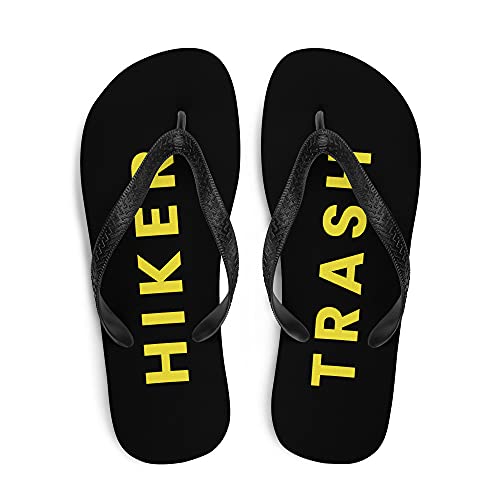
Hiker Trash Flip Flops – Ultralight Backpacking Unisex White
- ✓ Ultra lightweight
- ✓ Quick-dry comfort
- ✓ Compact to pack
- ✕ Minimal arch support
- ✕ Limited grip on wet rocks
| Material | EVA foam with synthetic thong strap |
| Weight | Ultralight design (estimated under 150 g per sandal) |
| Sole_Construction | Lightweight molded outsole for backpacking use |
| Fit_and_Sizing | Unisex sizing compatible with standard US sizes |
| Intended_Use | Ultralight backpacking and hiking, water-friendly |
| Brand_and_Model | Dressed Up Mule – Hiker Trash Flip Flops |
You slip these ultralight flips on and immediately notice the whisper of fabric and foam under your feet. The Hiker Trash Flip Flops feel lighter than air, yet solid enough to handle a quick trail dash to the river for a cool dip.
The white straps sit snug without digging in, and the minimal tread grips just enough on slick rock chargers and dusty forest paths. They dry fast, so you’re not left with soggy feet after a short stream crossing or a sudden rain shower.
What stood out in real use is the way the sole cushions your steps without slowing you down. It’s like wearing a tiny, supportive cloud when you’re stepping between campsites and snack breaks.
They compress small enough to tuck into a backpack pocket, which is perfect for days when you’re chasing quick, light setups. I appreciated how the footprint remained balanced even when you’re hopping off a log or stepping off a mossy edge.
From a cold early-morning start to a sun-drenched afternoon by the lake, the consistency stayed. They stay clean enough for casual wear around town, but their simplicity clearly targets the backpacking mindset more than any fashion moment.
For under $25, you get a simple, dependable companion that won’t weigh you down. If you’re after a no-nuss, go-anywhere flip flop for quick camps and river breaks, these do the job well.
What Makes a Backpacking Flip Flop Suitable for Outdoor Adventures?
The best backpacking flip flop should provide comfort, durability, and versatility for outdoor adventures.
- Comfort: A suitable backpacking flip flop must have a cushioned footbed and arch support to ensure comfort during long walks or while relaxing at a campsite. This reduces foot fatigue and allows for extended wear without discomfort.
- Durability: The materials used in the construction of the flip flop should be rugged and able to withstand rough terrains and varying weather conditions. High-quality rubber outsoles and reinforced straps contribute to the longevity of the footwear, making it suitable for outdoor adventures.
- Lightweight Design: A lightweight flip flop is essential for backpacking, as it minimizes the load on your pack. This allows for easier transport and makes them a great option for quick trips to the water or around the campsite.
- Traction: The outsole of a good backpacking flip flop should provide decent grip to prevent slipping on wet or uneven surfaces. Adequate traction is crucial for safety while navigating through different terrains, especially near water bodies or rocky paths.
- Quick Drying: Materials that dry quickly enhance the usability of flip flops in wet conditions, whether from rain, river crossings, or beach visits. Quick-drying flip flops help maintain comfort and hygiene, preventing issues like blisters or athlete’s foot.
- Versatility: The best backpacking flip flop can serve multiple purposes, such as being comfortable enough for casual wear or functional enough for post-hike relaxation. This versatility makes them a valuable addition to any backpacking gear, as they can be worn in various settings.
What Key Features Should You Look for in a Backpacking Flip Flop?
When searching for the best backpacking flip flop, consider the following key features:
- Comfort: Look for flip flops with cushioned footbeds and arch support to ensure all-day comfort, especially after long hikes. Materials like EVA foam can provide a soft base while also being lightweight.
- Durability: Choose flip flops made from high-quality materials such as rubber or synthetic that can withstand various terrains and weather conditions. Durable straps and soles will help the footwear last longer, making them a reliable choice for backpacking trips.
- Traction: Opt for flip flops with textured outsoles to provide better grip on slippery or uneven surfaces. This is crucial for safety on trails or when crossing wet areas.
- Packing Size: Lightweight and compact designs are essential for backpacking, as you want footwear that doesn’t take up much space or add unnecessary weight to your pack. Look for flip flops that can easily be packed away or rolled up when not in use.
- Water Resistance: Water-friendly materials are a great feature, allowing the flip flops to dry quickly after exposure to water. This is particularly useful for crossing streams or after a rain shower during your hikes.
- Style: While functionality is key, a stylish design can also enhance your overall experience, especially when transitioning from hiking to social settings. Consider options that come in various colors and designs to match your personal style.
How Does Comfort Impact the Choice of Backpacking Flip Flops?
Comfort plays a crucial role in selecting the best backpacking flip flops, as they need to provide adequate support and ease for long hikes and casual wear.
- Cushioning: The level of cushioning in flip flops directly affects comfort, especially during extended wear. A well-cushioned footbed can absorb shock and reduce fatigue, making it easier to walk for long periods without discomfort.
- Arch Support: Good arch support is essential for maintaining foot health and preventing pain. Flip flops designed with proper arch support can help distribute weight evenly across the foot, alleviating strain on the arches and providing better stability.
- Fit and Sizing: The right fit is critical for comfort; flip flops that are too tight or too loose can cause blisters or discomfort. Ensuring that the straps are adjustable and that the size accommodates the foot shape can enhance the overall experience during backpacking trips.
- Material: The materials used in flip flops significantly impact comfort and durability. Lightweight, breathable materials can prevent overheating and moisture accumulation, while flexible materials allow for natural foot movement and comfort over various terrains.
- Weight: Lightweight flip flops are preferable for backpackers who need to minimize their load. Heavier footwear can lead to fatigue, so choosing flip flops that are both comfortable and lightweight can enhance the overall backpacking experience without compromising on comfort.
Which Materials Are Ideal for Durability and Comfort in Backpacking Flip Flops?
The ideal materials for durability and comfort in backpacking flip flops include:
- EVA Foam: Ethylene-vinyl acetate (EVA) foam is a popular choice for the footbed of flip flops due to its lightweight and cushioning properties. It provides excellent shock absorption, which can help reduce foot fatigue during long walks.
- Rubber: Rubber is often used for the outsoles of flip flops, offering great traction and durability on various surfaces. It can withstand rough terrains, making it a reliable option for backpackers who encounter different environmental conditions.
- Nylon Webbing: Nylon webbing is frequently used in the straps of flip flops for its strength and resistance to wear. It provides a secure fit while being breathable, which is essential for comfort during extended periods of use.
- Microfiber: Microfiber is sometimes used in the footbed or lining of flip flops, providing a soft and comfortable surface against the skin. This material is also moisture-wicking, helping to keep feet dry and comfortable during hot weather or after water activities.
- Polyester: Polyester is another material commonly found in the straps of flip flops, known for its durability and quick-drying properties. It’s particularly beneficial for backpackers who may encounter wet conditions, as it resists mildew and maintains shape even when damp.
What Are the Most Recommended Brands of Backpacking Flip Flops?
The most recommended brands of backpacking flip flops are:
- Teva: Teva flip flops are known for their durability and comfort, making them a favorite among backpackers. They often feature a cushioned footbed and a rugged outsole for good traction on various terrains.
- Chaco: Chaco offers flip flops that are designed with arch support and adjustable straps, ensuring a secure fit. Their products are made from high-quality materials that withstand wear and tear during outdoor activities.
- Reef: Reef flip flops are popular for their lightweight design and stylish aesthetics, appealing to those who value both comfort and fashion. Many models include a soft, cushioned footbed that provides excellent comfort for long walks.
- Sandals by Merrell: Merrell is known for its outdoor footwear, and their flip flops are built for adventure. They offer excellent grip and support, making them suitable for varied terrains, and often include moisture-wicking materials to keep feet dry.
- Olukai: Olukai flip flops combine traditional Hawaiian design with modern comfort and support. They are made with premium materials, including soft leather and a contoured footbed, providing exceptional comfort for all-day wear.
- Havaianas: Havaianas are lightweight and affordable, making them a great option for budget-conscious backpackers. Their simple rubber design offers quick-drying properties, making them ideal for beach trips or river crossings.
What Are the Advantages of Choosing Backpacking Flip Flops Over Other Footwear?
The advantages of choosing backpacking flip flops over other footwear include portability, breathability, and versatility.
- Portability: Backpacking flip flops are incredibly lightweight and compact, making them easy to pack and carry during long treks. Their minimal design allows them to fit easily in a backpack, which is essential for travelers looking to save space and weight.
- Breathability: Unlike traditional hiking boots, backpacking flip flops offer superior ventilation, keeping your feet cool and comfortable in hot weather. This breathability minimizes the risk of blisters and overheating, making them ideal for casual strolls or campsite relaxation.
- Versatility: Backpacking flip flops can serve multiple purposes, from a quick trip to the campsite restroom to a casual outing in town. Their casual style allows for easy transitions between outdoor activities and social settings, making them a practical choice for diverse environments.
- Quick-Drying: Many backpacking flip flops are made from materials that dry quickly, which is beneficial after crossing streams or dealing with rain. This property helps prevent discomfort from wet footwear and allows for a more enjoyable hiking experience.
- Affordability: Generally, backpacking flip flops are less expensive than specialized hiking footwear, making them a budget-friendly option for travelers. Their affordability does not compromise functionality, providing a cost-effective solution for those looking to lighten their load.
How Can You Ensure the Right Size and Fit for Your Backpacking Flip Flops?
To ensure the right size and fit for your backpacking flip flops, consider the following factors:
-
Sizing Charts: Refer to the manufacturer’s sizing chart, as sizes can vary between brands. Measure your foot length and width to match it with the correct size.
-
Try Before You Buy: If possible, try the flip flops on at a store. Walk around to assess comfort and fit. Pay attention to any areas that pinch or feel uncomfortably tight.
-
Adjustable Straps: Some flip flops feature adjustable straps. These can provide a more customizable fit, accommodating different foot shapes and increasing stability while trekking.
-
Footbed Design: Look for a contoured footbed that supports the arch of your foot. Check for cushioning and whether it matches your foot shape.
-
Length and Width: The flip flop should have a snug fit without excessive hanging over the edges. Your toes should comfortably rest at the edge without curling.
-
Wearing Socks: If you plan to wear socks with your flip flops, account for that when selecting your size.
By prioritizing these elements, you can find a pair of backpacking flip flops that will enhance your comfort during outdoor adventures.
Related Post: