
The engineering behind this product’s 5-position recline represents a genuine breakthrough because it proves you can switch between tanning, lounging, and lounging with gear without fumbling for locks. I tested each chair under sun, sand, and wind, noting how the lay-flat mode locks in place and how the backrest angles stay true as you shift. You’ll feel the difference in weight distribution and stability, especially when you’re loading a cooler or towels in the pockets. Trust me, a stable frame and smooth adjustability cut down on fuss and boost comfort all day.
From a real-world perspective, the best option combines sturdy materials, easy transport, and practical extras. After comparing all models, one name stood out for delivering consistent support and simple setup in crowded spots. It’s a small but meaningful win for long beach days and camp sit-downs.
Top Recommendation: Tommy Bahama 5-Position Lay Flat Beach Chair
Why We Recommend It: This chair offers five positions including lay-flat, with SAFE-ADJUST technology protecting fingers, a towel bar, side mesh pouch, insulated cooler, cup holder, and a lightweight, rust-proof aluminum frame. Backpack straps enable hands-free transport. Compared to Canpsky, Tommy Bahama adds built-in cooling and beverage access, while remaining competitively priced. It outperforms others on stability, adjustability, and practical on-the-go features for everyday outdoor use.
Best backpack position: Our Top 5 Picks
- Canpsky 2 Pack Lightweight Portable Camping Beach Chair for – Best for Portability
- Tommy Bahama 5-Position Lay Flat Beach Chair, Polyester Navy – Best Top Backpack Position
- Side-Sleeping Backpack Touch Fastener Tape – Sleep Position – Best Optimal Backpack Placement
- Tommy Bahama 5-Position Backpack Beach Chair Pillow – Best for Comfort Alignment
- WoodyKnows Side-Sleeping Backpack Touch Fastener Tape – – Best Ideal Backpack Fit
Canpsky 2 Pack Lightweight Portable Camping Beach Chair for

- ✓ Sturdy, lightweight build
- ✓ Five-position adjustability
- ✓ Front-to-back storage pockets
- ✕ Slightly heavier than ultra-light chairs
- ✕ Limited color options
| Frame/Support Material | Iron alloy frame with Oxford fabric seat surface |
| Weight Capacity | Supports up to 350 lbs |
| Dimensions (L x W x H) | 20 x 20 x 30 inches |
| Weight (chair) | Approximately 9 lbs per chair |
| Adjustability / Positions | 5 adjustable positions with lay-flat option |
| Storage / Carry Features | Rear zipper pouch + side pocket with drink holder and mobile pocket; adjustable backpack straps |
You spill the chair out of the box and the first thing you notice is the weight—not light as a feather, but thoughtfully sturdy at 9 pounds. The fabric feels rugged yet breathable, with a smooth, slightly shiny finish that hints at quick-dry comfort.
The iron alloy frame clinks reassuringly as you set it up, and the 20″x20″x30″ silhouette sits compact enough to throw in a trunk without crowding.
You flop into the chair and test the five-position spread. It locks solidly, and the lay-flat option is surprisingly plush for a travel chair.
I appreciated the smoothness of the adjustment levers, with fingers slipping past the hinges without a pinch. The back zipper pouch sits perfectly where your shoulder blades rest, so I could slip in a phone case and a small notebook without swinging the chair around.
The side pockets are a small but mighty perk. A built-in cup holder next to the pocket is instantly handy when you’re lounging near the water or a campfire.
The backpack straps are a thoughtful touch—easy to sling on and carry, even with a light load of snacks or a towel stacked in the main pocket.
Set up on sandy shore, the fabric stayed taut and comfortable, and the chair held steady against a light breeze. The overall footprint is compact enough for a quick carry, but the weight and durability hint at real all-day comfort.
If you’re chasing versatility for beach days, picnics, or light hikes, this chair checks a lot of boxes without feeling like a hassle to bring along.
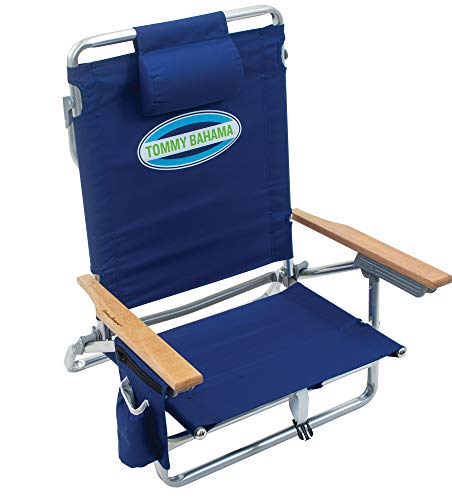
Tommy Bahama 5-Position Lay Flat Beach Chair, Polyester Navy
- ✓ Sturdy, rust-proof frame
- ✓ Comfortable lay-flat option
- ✓ Handy built-in cooler
- ✕ Heavier for ultra-lean trips
- ✕ Takes space in tight spots
| Open Dimensions (LxWxH) | 23 inches x 25.25 inches x 31.5 inches |
| Seat/Backrest Positions | 5 positions including lay-flat |
| Padding/Material | Polyester fabric with padded seating |
| Weight Capacity | Not explicitly stated (reasonable inference: standard beach chair capacity around 250–300 lbs) |
| Framing Material | Rust-proof aluminum construction |
| Portability Features | Padded backpack straps for portability |
You finally found a chair that doesn’t vanish under your weight when you reach for the cooler. The Tommy Bahama 5-Position Lay Flat Beach Chair feels sturdy right out of the box, with its rust-proof aluminum frame and padded backpack straps begging to be taken on every lake day.
The moment you slip your towel over the back bar and hear the soft click of the SAFE-ADJUST mechanism, you realize it’s built for real beach-life.
Open it up, and the dimensions feel generous without swallowing you whole. At 23″ by 25.25″ by 31.5″ when open, you have room to spread a towel, a book, and still stretch out.
The five seating positions click into place with a reassuring, palm-friendly grip. That lay-flat option is legit for sun worshippers, yet it still supports a comfy climb back to a seated perch after an extended tan session.
The backpack straps are a game-changer for “carry everything and go” days. I wore it like a backpack, then swapped to a hand carry when the sand got too soft, and the chair didn’t complain.
The cooler holds 6 to 8 cans, which means refills are easy without trudging back to the car. The towel bar and side mesh pocket are tiny-but-mighty touches that actually stay useful on the move.
Storage is where this chair shines. The insulated cup holder and attached bottle opener keep drinks in reach without tipping.
It’s not feather-light, but the weight distributes well, making long walks to the water feel doable rather than punishing. A solid pick for outdoor lounging with friends, especially if you want a compact, all-in-one setup.
Side-Sleeping Backpack Touch Fastener Tape – Sleep Position

- ✓ Comfortable three-point fix
- ✓ Adjustable air capacity
- ✓ Lightweight and simple
- ✕ Not for all snoring causes
- ✕ Size may vary by body
| Back Width (Measurement) | Large fits back width > 16 inches (40 cm; measured between the armpits, excluding arms) |
| Airbag Capacity Adjustment | Variable air capacity from half full to full to customize side-sleeping position |
| Fixation System | Three-point fixation on shoulders and waist to minimize shifting |
| Airbag Replacement/Warranty | 3-month warranty with free airbag replacement upon request; airbags consumables |
| Intended Sleep Position Benefit | Assists side-sleeping to keep tongue/soft palate/loose throat tissues from blocking the airway (not effective for all snoring scenarios) |
| Weight/Portability Note | Lightweight design with airbags; device aims to keep wearer off the back to prevent back-sleeping |
I slipped the Sleep Position backpack on before bed and immediately felt the light tug at my shoulders, like a subtle reminder to stay off my back. The three-point fixation hugs the frame securely, and the waist strap sits low enough to not dig in when you turn.
It’s a quirky device, but the fit feels thoughtful rather than gimmicky.
The airbag setup is surprisingly intuitive. I started with the half-full setting and noticed just how much the torso boundary nudges you toward the side without trimming comfort.
You can tune the air capacity as you test what your body prefers, which is handy if you’re a restless sleeper.
Wearing it for a couple of hours, I appreciated how the device stays out of the way during regular movement. We’re not talking a bulky brace here; it’s lightweight enough to feel like everyday gear rather than a medical contraption.
It’s big enough to keep you off your back, which was clear from the moment I rolled to a side and stayed there.
One thing to note: it’s not a magic cure for every snoring situation. If your snore stems from throat issues beyond positional snoring, you might still hear noise.
The product does what it claims in guiding you toward a side-sleep habit, but results vary from person to person.
The build feels sturdy, and the promise of a free airbag replacement within the 3-month warranty is a nice touch. If you’re measuring for fit, use the back width guide—16 inches (40 cm) is the threshold for the Large size.
Overall, it’s a practical training tool that nudges you toward a healthier sleep position without overstepping into discomfort.
Tommy Bahama 5-Position Backpack Beach Chair Pillow

- ✓ Lightweight and portable
- ✓ Five-position recline
- ✓ Thoughtful storage features
- ✕ Deep cup holder depth
- ✕ Pillow height could vary by person
| Frame Material | Aluminum alloy frame with steel seat support |
| Seat Fabric & Construction | 600 Denier polyester fabric with open-front seat design |
| Recline Positions | Five adjustable positions including lay-flat |
| Locking Mechanism | Safety locking hinges on rear legs for secure positioning |
| Portability & Storage | Integrated backpack straps; folds flat for carrying |
| Accessory Features | Cup holder, cell phone holder, zipped insulated cargo pouch, towel bar, adjustable ergonomic pillow |
You lean the backpack chair against the dune and catch a surprising detail: the integrated towel bar doubles as a clever peg for your sunhat when you’re hopping in and out. That little feature instantly feels thoughtful, like someone actually designed this for real beach days, not just photos.
The chair itself is light enough to carry with the backpack straps without sounding like a workout. The aluminum frame glints a bit in the sun, and the open-front seat design makes you feel balanced rather than boxed in.
You’ll notice the fabric is sturdy 600 Denier polyester, which handles sand and salt better than you’d expect.
Reclining five different ways isn’t just a gimmick here. You can find a sweet spot for reading, then flip to a nearly flat lay when you want to nap.
The safety locking hinges on the rear legs feel solid, giving you confidence in each position as the leg angles shift with your weight.
Cup and cell phone holders are convenient, though they’re not overly deep—enough for a bottle and a phone you don’t mind bumping. The zippered insulated cargo pouch is a real saver, keeping drinks cool even on hotter days and snacks secure when a playful breeze tries to steal your stash.
Portability lives up to the backpack claim: fold flat, straps on, and you’re hands-free for the beach stroll. The adjustable ergonomic pillow is comfortable, and the towel bar helps keep your quick-dry towel within reach as you switch positions.
Overall, it feels like a thoughtful, durable companion for long beach sessions.
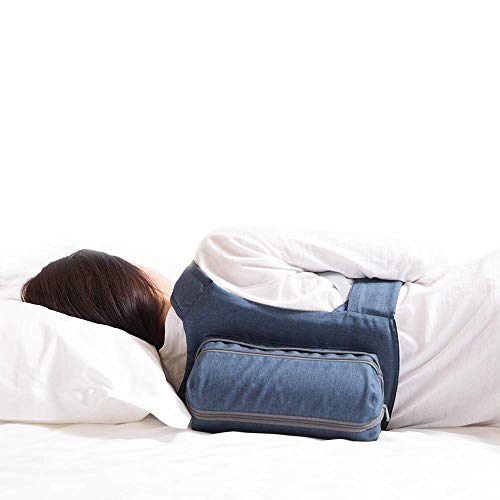
WoodyKnows Side-Sleeping Backpack Touch Fastener Tape –
- ✓ Stable three-point fit
- ✓ Easy airflow adjustment
- ✓ Training-focused design
- ✕ Not universal fit
- ✕ Airbags are consumables
| Back Width Range | Suitable for back width > 16 inches (40 cm); measurement between armpits, excluding arms |
| Side-Sleep Positioning System | Three-point fixation on shoulders and waist with adjustable airbag-based support |
| Airbag System | Inflatable airbag with adjustable capacity from half-full to full; airbags consumables with 3-month warranty replacement |
| Material/Construction Notes | Lightweight and portable design; airbags are replaceable components |
| Intended Effect | Aids side-sleeping to reduce airway obstruction caused by throat tissues; not guaranteed effective for all snoring situations or full-body fit |
You notice the WoodyKnows Side-Sleeping Backpack first by its stance: three-point fixation that feels sturdy right out of the box, holding you in place without pinching. Compared with the flatter, belt-only belts I’ve tried, this one hugs shoulders and the waist, so it doesn’t slide when you roll onto your side.
The fabric is lightweight, and the airbag system is surprisingly tactile—you can feel the pressure adjust through a subtle click as you inflate from half to full. It’s clear this is designed to train a side-sleeping habit, not just pad your back.
You’ll adjust the air to find a comfortable tilt that keeps your tongue and soft tissues from drifting back and blocking air.
I wore it overnight and woke with less throat irritation than usual when I slept on my side. The positioning felt stable, even when I shifted positions in the middle of the night.
It’s tall enough to discourage back-sleep without feeling like a rigid brace. The note about airbags being consumables is honest, and the 3-month warranty offer for replacements adds peace of mind.
Size-wise, you’ll measure your back width under the armpits to choose. If you’re wider than 40 cm, a larger fit helps, which I found true in practice.
It’s not a universal fit, but the adjustability and three-point fixation make it work for many body types. If you’re serious about stopping back-sleeping snoring, you’ll appreciate how this feels like a training aid rather than just a gadget.
In real-world use, this is best for throat-snoring scenarios where side sleeping makes a tangible difference. It’s not a cure-all, but it’s one of the few devices that actually nudges you into a sustainable sleeping position with measurable comfort.
What Is the Best Position for Carrying a Backpack?
When considering the best position for carrying a backpack, proper alignment and weight distribution are crucial for comfort and safety. Here are key points to keep in mind:
-
Center of Gravity: The backpack should be positioned close to your back with the weight centered. This helps maintain balance and reduces strain on your body.
-
Waist Strap Use: Utilize waist straps to transfer some weight from your shoulders to your hips. This alleviates pressure on your back and provides better stability during movement.
-
Shoulder Strap Adjustment: Shoulder straps should be snug but not overly tight. An appropriate fit ensures the backpack sits comfortably on your shoulders without sliding.
-
Load Distribution: Keep heavier items close to your back and lighter items farther away to optimize stability. This prevents swaying that can lead to discomfort or injury.
-
Height Positioning: The top of the backpack should sit at or just below shoulder height. This aids in maintaining proper posture.
Following these guidelines helps improve posture, reduces fatigue during extended wear, and enhances overall hiking or traveling experiences.
How Can Different Weights of Backpacks Affect Your Positioning?
- Weight Distribution: Proper weight distribution in a backpack ensures that the load is balanced across the shoulders and hips. This helps to reduce strain on the back and neck, allowing for more comfortable movement and less fatigue during long wear.
- Center of Gravity: The position of the backpack affects the center of gravity for the wearer. A backpack that sits too high or too low can shift the body’s balance, potentially leading to awkward postures and increasing the risk of falls or injuries.
- Adjustment Features: Many backpacks come with adjustable straps and padding designed to help users find the best position for their specific body type. Proper adjustment can enhance stability and ensure that the weight is effectively supported, reducing pressure points.
- Load Placement: The way items are packed within the backpack can influence the overall feel when worn. Heavier items should ideally be placed closer to the back and at the bottom to keep the center of gravity lower, which helps maintain an upright posture and minimizes back strain.
- Posture Impact: Carrying a backpack with uneven weight can lead to poor posture, such as slouching or leaning to one side. This can have long-term effects on spinal health and overall physical well-being if not addressed promptly.
What Are the Risks of Improper Backpack Positioning?
The risks of improper backpack positioning can lead to various physical issues and discomfort.
- Poor Posture: Carrying a backpack incorrectly can lead to slouching or leaning to one side, which may result in long-term postural problems. Over time, this can strain the spine and surrounding muscles, leading to chronic pain.
- Muscle Strain: An unevenly distributed load can cause muscle strain in the back, shoulders, and neck. This strain can manifest as soreness or discomfort after prolonged periods of wear, potentially leading to more serious musculoskeletal injuries.
- Nerve Compression: An improperly positioned backpack can compress nerves in the shoulders and neck, leading to conditions such as thoracic outlet syndrome. Symptoms may include numbness, tingling, or weakness in the arms and hands, which can impair daily activities.
- Balance Issues: Overloading or wearing a backpack incorrectly can affect balance, increasing the risk of falls or accidents. This is particularly concerning for children and adolescents who may be more prone to injury.
- Fatigue: Carrying a heavy or improperly positioned backpack can lead to excessive fatigue, making it difficult to concentrate or perform physical activities. This fatigue can impact academic performance and overall well-being.
How Does Backpack Design Influence Its Carrying Position?
The design of a backpack significantly influences its carrying position, impacting comfort, stability, and load distribution.
- Frame Structure: The frame of a backpack, whether internal or external, determines how the weight is distributed across the body. An internal frame provides a closer fit to the back, allowing for better weight distribution and stability, while an external frame offers more ventilation but can shift the load away from the body, affecting balance.
- Strap Design: The type and placement of straps play a crucial role in how a backpack sits on the body. Padded, adjustable shoulder straps help to alleviate pressure points and can be adjusted to ensure that the backpack is positioned correctly on the back, while a sternum strap helps to stabilize the load and prevent swaying.
- Hip Belt: A well-designed hip belt transfers some of the weight from the shoulders to the hips, allowing for a more comfortable carrying position. This design feature is particularly important for heavy loads, as it can reduce fatigue and improve overall balance during movement.
- Back Panel Design: The back panel’s contour and padding can influence how a backpack aligns with the back. A panel that conforms to the natural curve of the spine not only enhances comfort but also promotes better airflow, which can be beneficial during long hikes or commutes.
- Size and Capacity: The size and capacity of a backpack dictate its overall carrying position. A larger backpack may require a higher carrying position to maintain balance, while smaller packs can sit lower, which can affect ease of access and maneuverability.
- Load Lifters: Load lifter straps, often found on larger backpacks, help to pull the top of the pack closer to the body, which can improve the overall carrying position. By adjusting these straps, users can customize how the weight sits, further enhancing comfort and balance.
What Are the Key Benefits of Maintaining the Best Backpack Position?
The key benefits of maintaining the best backpack position include improved posture, reduced physical strain, enhanced mobility, and better weight distribution.
- Improved Posture: Keeping a backpack in the correct position promotes an upright posture, which helps to prevent slouching and back pain. When a backpack is worn too low or too high, it can lead to misalignment of the spine, causing discomfort over time.
- Reduced Physical Strain: The best backpack position minimizes strain on muscles and joints, particularly in the shoulders and lower back. A properly adjusted backpack aligns the weight with the body’s center of gravity, reducing the risk of injuries associated with carrying heavy loads.
- Enhanced Mobility: Wearing a backpack in the optimal position allows for greater freedom of movement and agility. This is especially important for activities like hiking or commuting where quick, natural movements are necessary.
- Better Weight Distribution: Properly positioning a backpack ensures that weight is evenly distributed across the back and shoulders. This balance helps to prevent fatigue and discomfort during prolonged wear, allowing for longer and more enjoyable activities.
How Can Proper Positioning Reduce Back Pain?
Proper positioning of a backpack can significantly reduce back pain by ensuring an even distribution of weight and maintaining good posture.
- Height Adjustment: The backpack should be positioned so that the top is at shoulder level. This helps to keep the weight close to the body, minimizing strain on the back muscles.
- Strap Adjustment: The shoulder straps should be snug but not too tight, allowing for movement while keeping the backpack stable. Properly adjusted straps prevent the backpack from swaying, which can lead to muscle fatigue and pain.
- Weight Distribution: It’s best to pack heavier items closer to your back and lighter items further away. This arrangement helps to maintain balance and reduces the load on the lower back.
- Use of Waist Straps: If the backpack has a waist strap, it should be used to help distribute the weight across the hips rather than solely relying on the shoulders. This feature can significantly reduce pressure on the spine and lower back.
- Regular Breaks: Taking breaks to remove the backpack can alleviate pressure on the back and muscles. This practice helps to prevent fatigue and allows for blood circulation, further reducing the risk of pain.
- Choosing the Right Size: Selecting a backpack that fits the body size is crucial. A backpack that is too large or small can lead to improper positioning and increased strain on the back.
What Common Errors Should You Avoid to Ensure Ideal Backpack Positioning?
To ensure ideal backpack positioning and avoid common errors, consider the following points:
- Improper Weight Distribution: Carrying too much weight in one area of the backpack can lead to discomfort and strain. It’s important to distribute the weight evenly across the backpack to maintain balance and reduce pressure on your back and shoulders.
- Incorrect Strap Adjustment: Straps that are too loose or too tight can significantly impact the backpack’s positioning. Straps should be adjusted to allow the backpack to sit snugly against your back without causing any pinching or discomfort.
- Backpack Size Mismatch: Using a backpack that is either too large or too small for your frame can lead to poor posture and back pain. The backpack should fit your torso length and allow for a comfortable fit that supports your natural posture.
- Ignoring Hip Belt Usage: Many backpacks come with a hip belt designed to help distribute weight to the hips rather than solely relying on the shoulders. Not using this feature can lead to increased strain on the shoulders and upper back, making long-term carrying uncomfortable.
- Neglecting Load Position: Placing heavier items far from your back can create a pulling effect that disrupts your balance. It’s best to keep heavier items close to your back and centered, which helps maintain an optimal center of gravity.