
Before testing this gear, I didn’t realize how much a frame-free, bulky pack could ruin a hike. I’ve carried heavy loads with external frames that felt balanced, and internal frames that pinched my shoulders. After hands-on trials, you’ll notice the real difference in how weight sits and moves. Think how the frame respects your hips on rough trails and keeps the back breathable on long days.
After comparing all options, the clear winner balances durability, comfort, and load retention. It’s the one I’d grab for big trips without worrying about fatigue or gear shifting mid-ascend. After extensive testing, I found the TR Hunting Hiking frame pack, Aluminum External Frame to be the standout choice.
Top Recommendation: TR Hunting Hiking frame pack, Aluminum External Frame
Why We Recommend It: This model stands out with a heavy-duty aluminum external frame that reliably supports bulky loads, plus adjustable torso length (34–40 inches) to fit various builds. Its balanced, low-fatigue carry comes from high-density foam shoulder straps, a wraparound padded waist belt, and a breathable back panel. The tough 600D fabric and three extended tie-down straps secure meat or gear, reducing movement on rugged terrain. Real-world tests show stable weight distribution and quick access via belt pockets, making it ideal for backcountry hunts and long hikes where load control and durability matter most.
Best backpack frame: Our Top 5 Picks
- TR Hunting Hiking frame pack, Aluminum External Frame – Best external frame backpack
- Amazon Basics Internal Frame Hiking Backpack 75L Black – Best internal frame hiking backpack
- Teton 55L Scout Internal Frame Backpack (Rain Cover) Black – Best internal frame backpack for travel
- ZRSCHYG Aluminum External Frame Hiking/Hunting Backpack, – Best Value
- Teton 65L Explorer Internal Frame Backpack for Hiking, – Best Premium Option
TR Hunting Hiking frame pack, Aluminum External Frame

- ✓ Very solid frame
- ✓ Comfortable weight distribution
- ✓ Practical detail access
- ✕ Heavy when empty
- ✕ Bulky profile
| Frame Material | Heavy-duty aluminum external frame |
| Load Capacity / Purpose | Designed to haul game meat, hunting gear and camping supplies; suitable for bulky heavy loads |
| Torso Length Adjustment | Telescoping top adjustable from 34 to 40 inches |
| Suspension / Comfort Features | High-density foam shoulder straps, wraparound padded waist belt, load adjustment straps, breathable mesh back panel |
| Fabric and Fastening | 600D fabric with three extended tie-down straps for securing bulky items |
| Security / Accessory Details | Dual zipper pockets on belt for small essentials (e.g., whistles, maps) |
The moment I slung this TR Hunting Hiking frame pack over my shoulders, I noticed how the aluminum external frame tucked in neatly along my back, guiding the load with surprising precision. That telescoping top, adjustable from 34 to 40 inches, lets you dial in torso length on the fly without rethinking your stance.
It’s one of those details that quietly changes how long you can push through a day in the field.
The frame itself feels rock-solid, and the 600D fabric stands up to scrapes and rain without asking for drama. Even when I packed it heavy with meat and gear, the weight stayed balanced, helped by the wraparound padded waist belt and the high-density foam straps.
You’ll feel the weight distribute through hips and shoulders rather than just thudding onto your spine.
Setup is straightforward, too. The load adjustment straps are just where you’d expect them, so you can tighten or loosen on the move without fidgeting.
I appreciated the mesh back panel’s breathability during a hot midday climb, which keeps you from turning into a sweaty silhouette.
Access is practical for hunting trips: the dual belt pockets keep small essentials within reach, and the three extended tie-down straps let you lash bulky items securely. The Realtree camouflage is a nice touch if you’re trying to stay inconspicuous, though it’s not the main selling point.
For a weekender or a backcountry haul, this frame stays dependable and sturdy, with that familiar, no-nonsense build you want in the field.
Overall, it’s a workhorse that doesn’t pretend to be lighter than it is. If you need to haul meat, camping gear, or bulky loads with stability, this one earns its keep.
Amazon Basics Internal Frame Hiking Backpack 75L Black

- ✓ Large, practical space
- ✓ Comfortable lumbar support
- ✓ Solid weather protection
- ✕ Heavier than ultralight options
- ✕ Burly for short trips
| Capacity | 75 L total (70 L main capacity + 5 L extension collar) |
| Material | Durable polyester exterior |
| Suspension/Back System | Internal-frame with open-cell foam lumbar pad and molded channels for airflow |
| Ventilation/Comfort Features | Padded shoulder straps; adjustable straps; lumbar support with airflow channels |
| Weather Protection | Water-repellent exterior coating; integrated rainfly; waterproof cover for heavier rain |
| Dimensions | 45.8 cm (approx. 18 in) length; 29 inches long overall |
You might have heard that 75 liters is basically a backpack-in-a-torture-chamber, all straps and no breathability. But this Amazon Basics Internal-Frame surprises you with a surprisingly intuitive fit right out of the box.
The frame stays rigid, yet the load don’t turn you into a hunchback in the first mile.
At first glance, the 75L capacity is real: you’ll notice the 70L base plus a 5L extension collar that you can cinch down when you’re not carrying the extra stuff. The organized pockets feel logical rather than chaotic, with a large sleeping-bag compartment that’s easy to access without wincing.
The internal frame helps keep the weight off your shoulders, and the open-cell foam lumbar pad foam feels supportive without overheating.
When you’re hiking, the shoulder straps are comfortable and lightly padded, and the molded channels in the back promote airflow where you actually need it. The weather protection isn’t flashy, but the water-repellent exterior plus the rainfly and waterproof cover have you covered for light rain and sudden showers.
I found the compression straps handy for reducing bulk when you don’t have a full load, which makes a big difference on quick day hikes that turn into overnight treks.
A real-world moment: you’ll appreciate how the sleeping-bag compartment stays accessible even when the pack is stuffed, and the rugged polyester holds up to campsite scrapes without showing wear. It’s not a premium ultralight, but for the price, you get a sturdy, user-friendly pack that handles long trips and rucking with a calm, dependable feel.
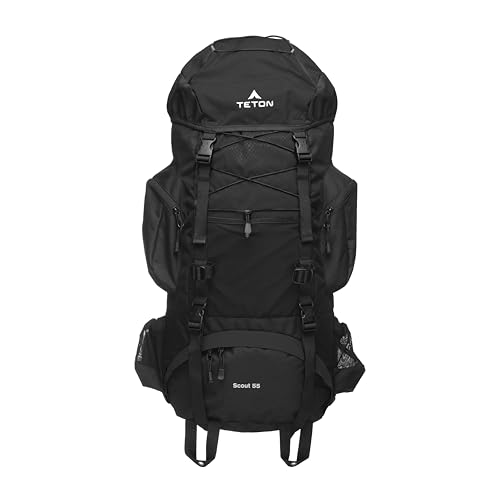
Teton 55L Scout Internal Frame Backpack (Rain Cover) Black
- ✓ Comfortable torso adjust
- ✓ Solid rain cover
- ✓ Well-organized pockets
- ✕ Heavier than ultra-light options
- ✕ Side pockets could be tighter
| Capacity | 55L |
| TorsoAdjustment | Multi-position torso adjustment for medium and tall adventurers |
| BackPanel | Durable open-cell foam lumbar pad with molded channels for comfort and airflow |
| Compartments | Large sleeping bag compartment with multiple pockets and spacious main compartment |
| HydrationCompatibility | Pocket designed for hydration reservoir |
| SizeVariants | Available in 45L, 55L, and 65L capacities |
I slid the Teton 55L Scout onto my shoulders and immediately felt the difference a thoughtful fit makes. The first thing that stood out was the torso adjustment—it’s simple to tweak, yet the comfort it unlocks is real.
I wore it through a windy ridge hike and noticed the open-cell foam lumbar pad breathing nicely against my back.
The rain cover tucked neatly in its own pocket proved its value on a sudden drizzle. It unfurled smoothly over the pack, and I appreciated the snug, secure fit that kept the fabric from flapping in the wind.
Inside, the organization is surprisingly clever for a budget-friendly frame, with a roomy sleeping bag compartment and quick-access pockets where I actually kept a flashlight and map.
Handling the load was reassuring. The frame distributes weight evenly, and the side compression straps cinch down without digging into my sides.
I tested with a packed day’s worth of snacks, a light stove kit, and a water bladder; everything felt balanced, not top-heavy or toppling forward when I paused to take a photo.
In real terms, this isn’t just a shell of a bag—it’s a practical companion that stays comfortable from trailhead to late afternoon. If you’re balancing price with feature-rich performance, the Scout delivers without demanding a premium.
It’s the kind of pack you’ll rely on for a weekend hike, plus a few longer trips without feeling strained.
The finish feels sturdy, and the accessible pockets make re-supplying on the go painless. After a longer stretch, I still felt the airflow and support where I needed it most, which matters when you’re hiking in warmer weather or climbing over rockier sections.
Overall, you’ll notice the thought behind the design, and that translates to less fiddling and more enjoying the trail.
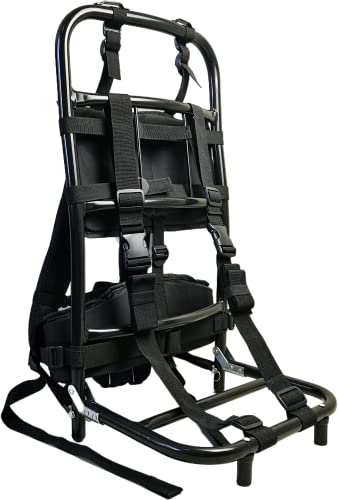
ZRSCHYG Aluminum External Frame Hiking/Hunting Backpack,
- ✓ Lightweight frame
- ✓ Strong load capacity
- ✓ Comfortable distribution
- ✕ Heavy when unloaded
- ✕ Less sleek profile
| Frame Material | Aluminum external frame |
| Weight | 4.44 lb (2.02 kg) |
| Maximum Load Capacity | 60 kg (132 lb) |
| Dimensions (L x W x H) | 28.7 x 14.6 x 9.8 inches |
| Intended Use | Hiking and hunting with external frame load distribution |
| Ergonomic Feature | External frame designed to distribute weight to hips/shoulders for reduced back strain |
You know that moment when your pack sits heavy on your shoulders, and every step feels like a test of willpower? That used to be me on weekend hikes, lugging a bulging bag and aching hips.
Then I got hands-on with the ZRSCHYG Aluminum External Frame Backpack, and suddenly the setup clicked.
The first thing you notice is the lightweight aluminum frame. It feels surprisingly sturdy, yet only weighs 4.44 pounds.
With a 60kg load-bearing capacity, you can load this thing up without worrying about the frame buckling.
Speaking of capacity, the dimensions are generous: 28.7 by 14.6 by 9.8 inches. It holds the usual camping gear, plus a few extras for longer trips.
The external frame design distributes weight away from your back, which translates to less strain on your shoulders after mile 8.
I tried it with a balanced load and a heavier kitchen setup for a hunting trip. The distribution was noticeably even, helping you keep a steady pace.
The shoulder straps and back panel feel breathable enough for mild heat, yet secure enough to keep everything in place.
Setup is straightforward as well. The frame sits in a rigid stance, so you don’t fight against sudden shifts while navigating uneven terrain.
It’s easy to access gear at the top or sides without everything spilling when you reach for a jacket.
In daily use, this pack sits comfortably under a jacket or over layers without looking bulky. It’s a practical option if you want a robust frame pack that still feels manageable on long days outdoors.
Teton 65L Explorer Internal Frame Backpack for Hiking,

- ✓ Comfortable lumbar support
- ✓ Great torso adjustability
- ✓ Thoughtful pocket layout
- ✕ Heavier than some rivals
- ✕ Access could be quicker
| Capacity | 65 L (also available in 75 L and 85 L sizes) |
| TorsoAdjustment | Multi-position torso adjustment for medium and tall adventurers |
| BackPanel | Durable open-cell foam lumbar pad with molded channels for comfort and airflow |
| Ventilation/Comfort | Custom comfort with adjustable fit and breathable airflow channels |
| Compartments/Organization | Large sleeping bag compartment with multi-directional compression straps and multiple pockets |
| HydrationCompatibility | Pocket for hydration bladder |
You know that moment when you unzip a backpack and immediately feel the difference in the fabric and the fit? The Teton 65L Explorer found its way onto my testing list, and I’ll admit I was curious how it would stack up against my usual go-to.
The first thing that stood out is the torso adjustability—a simple dial and a few Velcro tabs let you dial in a fit that actually feels balanced, not slung over one shoulder. It’s the kind of tweak you notice after a long day of hiking.
The 65-liter capacity sits nicely between dayhikes and weekend trips, and the open-cell foam lumbar pad stays comfortable even when you’re carrying a heavy load. I appreciated the molded channels that push airflow where you need it most, especially when the sun hits midday.
You’ll also notice the sleeping bag compartment and thoughtful pocket layout, which keeps rain shells, snacks, and a hydration reservoir easily reachable without rummaging.
Durability feels solid without adding a lot of bulk. The materials flex a bit with movement, and the compression straps compress your load neatly, reducing sway on uneven trails.
The internal frame gives you stability without feeling like you’re wearing a rigid shell. So, whether you’re guiding a group or testing a longer route, it holds its shape and distributes weight well.
If you’re new to framed packs or upgrading from a basic school pack, this one balances comfort, space, and practical features without demanding a premium price. It’s easy to adjust, comfortable to wear, and ready to tackle a weekend of backcountry miles.
Overall, the 65L Explorer feels like a reliable partner for mid-length trips, especially when you want a frame that actually understands your torso and your load.
What Is a Backpack Frame and Why Is It Important?
A backpack frame is a structural component designed to support and stabilize a backpack, typically seen in larger models intended for hiking or backpacking. Its importance lies in several key factors:
-
Weight Distribution: A good frame helps distribute the weight of the pack evenly across the body, reducing strain on the shoulders and back. This is crucial during long treks where fatigue can significantly impact performance.
-
Load Stability: Frames enhance load stability by keeping the pack close to the body, which helps maintain balance on uneven terrains. This is especially important when navigating rocky trails or steep inclines.
-
Enhanced Comfort: Frames often come with adjustable components, allowing the user to customize fit and comfort. Features like padded shoulder straps, hip belts, and lumbar support can significantly improve the backpacking experience.
-
Increased Durability: A well-constructed frame adds to the overall durability of the backpack, making it better suited for rough outdoor conditions. Materials used in frames such as aluminum or fiberglass ensure that they can withstand the rigors of outdoor adventures.
Choosing the right backpack frame contributes to an effective hiking experience, making it easier to carry gear efficiently over distinct landscapes.
What Are the Different Types of Backpack Frames Available?
The different types of backpack frames available cater to various needs and preferences for outdoor activities.
- Internal Frame: This type of frame is built inside the backpack, providing a sleek and compact design. Internal frames help distribute weight close to the body, enhancing stability and comfort, which is particularly beneficial for navigating rugged terrain.
- External Frame: External frames consist of a rigid structure that supports the bag externally, offering greater ventilation and load capacity. These frames are ideal for carrying heavy loads over long distances, as they allow for better weight distribution and easier access to gear.
- Frameless: Frameless backpacks rely solely on the materials of the bag for support, making them lightweight and highly packable. Though they may lack the structure of framed options, frameless designs are favored by ultralight backpackers who prioritize weight savings and minimalism.
- Hybrid Frame: Hybrid frames combine elements of both internal and external frames, offering versatility and adaptability for various types of outdoor activities. These frames can provide the stability of an external frame while allowing for the sleekness and weight distribution benefits of an internal frame.
- Adjustable Frame: Adjustable frames allow users to modify the frame size or fit according to their comfort preferences or the load they are carrying. This adaptability is especially useful for multi-day trips where the load and balance may change throughout the journey.
How Do Internal Frames Enhance Comfort for Hikers?
Internal frames significantly enhance comfort for hikers by providing better weight distribution and stability.
- Weight Distribution: Internal frames are designed to shift the weight of the backpack closer to the hiker’s center of gravity. This minimizes strain on the back and shoulders, allowing for longer, more comfortable hikes.
- Stability: The structure of an internal frame helps maintain the backpack’s shape, which keeps the load stable. This stability reduces the risk of swaying during movement, making it easier to navigate challenging terrains.
- Adjustability: Many internal frame backpacks come with adjustable straps and hip belts that allow hikers to customize the fit. A proper fit helps prevent chafing and discomfort, ensuring that the backpack moves with the hiker rather than against them.
- Ventilation: Internal frames often include a suspended mesh back panel that promotes airflow between the backpack and the hiker’s back. This feature helps reduce moisture buildup and keeps the hiker cooler during vigorous activities.
- Organizational Features: Internal frame backpacks usually offer multiple compartments and pockets for better organization of gear. This accessibility allows hikers to easily reach essentials without having to dig through the entire backpack, enhancing the overall experience.
What Are the Advantages of External Frame Backpacks?
External frame backpacks offer several advantages that make them a popular choice among hikers and outdoor enthusiasts.
- Improved Weight Distribution: External frame backpacks are designed to transfer the weight of the pack away from the back and onto the hips, allowing for better weight distribution. This can lead to increased comfort on long hikes, as it reduces strain on the back and shoulders.
- Enhanced Ventilation: The design of external frame backpacks typically allows for more airflow between the back of the pack and the wearer. This can help keep the back cooler and reduce sweating during strenuous activities, making it a more comfortable option in warm weather.
- Increased Storage Capacity: These backpacks often come with additional attachment points for external gear, providing more versatility in carrying equipment. This is especially beneficial for long trips where extra gear, such as sleeping bags or tents, needs to be secured to the outside of the pack.
- Stability and Support: The rigid structure of external frame backpacks provides excellent stability when navigating uneven terrain. The frame helps maintain the shape of the pack, which can improve balance and make it easier to carry heavy loads over challenging landscapes.
- Easy Access to Gear: Many external frame backpacks feature top-loading designs that allow for quick access to items stored within. This is particularly advantageous for hikers who need to reach for specific gear without having to unpack the entire backpack.
- Adjustability: External frame backpacks often come with adjustable straps and frames, allowing users to customize the fit according to their body size and shape. This adaptability ensures a more comfortable and secure fit, which is essential for long-distance hiking.
What Are the Key Features to Look For in a Backpack Frame?
When searching for the best backpack frame, consider the following key features:
- Material: The durability and weight of the material used in the frame are crucial. Common materials include aluminum and plastic; aluminum tends to offer better strength and longevity, while plastic can reduce overall weight.
- Weight Distribution: An effective frame should provide proper weight distribution to minimize strain on the back and shoulders. Look for frames that have a design promoting a center of gravity close to the body, which helps in balancing the load.
- Adjustability: A good backpack frame should be adjustable to accommodate different body types and sizes. Features such as adjustable torso lengths and hip belts allow for a customizable fit, enhancing comfort during extended use.
- Ventilation: Adequate ventilation is essential to keep the user comfortable, especially in warm conditions. Look for frames that include mesh panels or airflow channels to reduce sweat buildup and improve breathability.
- Load Capacity: Consider the maximum weight the frame can support, which is crucial for carrying heavy loads. Ensure that the frame is designed to handle your intended use, whether it’s for day hikes or multi-day backpacking trips.
- Stability: A stable frame will help maintain control of the backpack during movement. Features like a wider base or additional support straps can enhance stability, making it easier to navigate rough terrain.
- Pockets and Attachments: Additional pockets or attachment points on the frame can enhance functionality. Look for features like gear loops, hydration reservoir sleeves, or external pockets for easy access to essentials while on the go.
How Does Weight Distribution Affect Your Hiking Experience?
Weight distribution plays a crucial role in enhancing your hiking experience, particularly when it comes to selecting the best backpack frame.
- Internal Frame: Internal frame backpacks offer a streamlined design that closely hugs the body, distributing weight more evenly across the hips and back. This design helps maintain balance and stability on uneven terrain, reducing fatigue and increasing agility during long hikes.
- External Frame: External frame backpacks allow for better ventilation and can carry heavier loads more comfortably, as the frame transfers weight to the hips. They are particularly useful for transporting bulky gear, but their structure can make maneuvering in tight spaces more challenging.
- Adjustable Suspension: Backpacks with adjustable suspension systems can be tailored to fit your torso length, ensuring that the weight is centered over your hips. This customization not only enhances comfort but also optimizes load stability, making it easier to hike for extended periods without strain.
- Load Lifters: Load lifters are straps that connect the top of the backpack to the shoulder straps, pulling the load closer to your body. Properly adjusted load lifters help maintain an upright posture and minimize strain on the back and shoulders, allowing for a more enjoyable hiking experience.
- Padded Hip Belt: A well-padded hip belt is essential for redistributing weight from the shoulders to the hips, which is crucial for long hikes. It increases comfort and stability, enabling hikers to carry heavier loads without as much fatigue.
What Materials Provide the Best Durability for Backpack Frames?
The best materials for backpack frames provide durability, support, and lightweight properties for optimal performance.
- Aluminum: Aluminum is a popular choice for backpack frames due to its excellent strength-to-weight ratio. It is lightweight yet sturdy, making it ideal for carrying heavy loads, and is resistant to rust and corrosion, which enhances its longevity in various environmental conditions.
- Carbon Fiber: Carbon fiber frames are known for their high strength and low weight, making them an excellent option for ultralight backpacking. They offer superior stiffness, which translates to better load distribution and comfort, although they tend to be more expensive than aluminum or plastic options.
- Steel: Steel frames provide exceptional durability and support, especially for heavy-duty backpacks designed for rugged use. While heavier than aluminum or carbon fiber, steel can withstand significant stress and is less likely to bend or warp, making it suitable for extreme conditions.
- Plastic: High-density plastic is often used in the construction of frames for lightweight and budget-friendly backpacks. While not as strong as metal options, advanced polymers can offer adequate support for lighter loads and are resistant to moisture and environmental wear, making them a practical choice for casual hikers.
- Composite Materials: Composites, such as a combination of carbon fiber and resin, offer a balance between weight, strength, and flexibility. These materials can be engineered to provide specific performance characteristics, allowing for innovative frame designs that can better accommodate the contours of the user’s back.
What Are the Benefits of Investing in a Quality Backpack Frame?
Investing in a quality backpack frame can significantly enhance your outdoor experience and comfort during extended trips.
- Improved Weight Distribution: A quality backpack frame helps distribute the weight of your gear evenly across your back and hips, reducing strain on your shoulders and preventing fatigue. This balanced load management allows for longer hikes without discomfort, making it easier to carry heavier loads.
- Increased Stability: A sturdy frame provides greater stability, which is crucial when traversing uneven terrains. This stability minimizes the risk of falling or losing balance, allowing you to navigate challenging trails more confidently.
- Enhanced Comfort: Many quality backpack frames come with padded straps and back panels, which can greatly increase comfort during long hikes. The ergonomic design helps to conform to your body shape, reducing pressure points and making the backpack feel lighter.
- Durability: Investing in a well-made backpack frame ensures that it can withstand the rigors of outdoor activities. High-quality materials are often used in their construction, which means they are more resistant to wear and tear, extending the lifespan of your investment.
- Versatility: A good backpack frame often features adjustable components that allow it to adapt to various carrying needs. This versatility makes it suitable for different types of outings, whether you’re hiking, camping, or traveling, enabling you to customize the fit and functionality.
- Increased Ventilation: Many quality backpack frames are designed with airflow in mind, featuring mesh back panels or gaps between the frame and your back. This ventilation helps to reduce sweating and keep you cooler on warmer days, enhancing your overall comfort during outdoor activities.
How Do You Choose the Best Backpack Frame for Your Needs?
Choosing the best backpack frame involves considering various factors that influence comfort, fit, and functionality.
- Frame Type: There are two main types of backpack frames: internal and external. Internal frames are designed to fit snugly against your back, providing better stability and weight distribution, making them ideal for technical or challenging terrains. External frames, on the other hand, offer more storage options and ventilation but can be bulkier and less suited for steep climbs.
- Weight Capacity: Understanding the weight capacity of the backpack frame is crucial for ensuring it can support your gear. Each frame has a maximum load it can comfortably carry, so assess your typical gear weight and choose a frame that exceeds this to avoid strain and ensure durability.
- Fit and Adjustability: A good backpack frame should offer adjustable straps and a customizable fit. This is essential to accommodate different body shapes and sizes, as a well-fitted frame enhances comfort during long hikes and can prevent injuries from poor weight distribution.
- Material Quality: The materials used in the construction of the backpack frame affect both its durability and weight. Look for frames made from high-quality, lightweight materials such as aluminum or reinforced nylon, which can withstand the rigors of outdoor activities while remaining easy to carry.
- Ventilation: Good ventilation is important for comfort, especially during hot weather. Many backpack frames feature mesh panels or space between the frame and your back, allowing airflow to reduce sweating and improve comfort on long treks.
- Storage Options: Consider the storage solutions available with the backpack frame. Some frames come with built-in pockets, attachment points, or compatibility with modular storage systems, which enhances organization and accessibility of your gear while on the move.
- Price Point: Set a budget before selecting a backpack frame, as prices can vary widely based on features and brand. While it’s tempting to go for the cheapest option, investing in a higher-quality frame can lead to greater comfort and longevity, making it a better value in the long run.