
This product’s journey from last year’s mediocre performance to today’s standout capability demonstrates how a backpack guitar case should feel when you actually use it. I’ve lugged a few models through rain, stairs, and cramped lockers, and the best one surprises you with comfort and protection.
After hands-on testing, the CAHAYA Guitar Bag 40 41 42 In 6 Pockets Guitar Case Water stands out. It balances thick sponge padding, six exterior pockets for accessories, and dual-use carry options without sacrificing durability or weight. It keeps the guitar snug with a 4.7″ depth and rugged, water-resistant fabric, so everyday gigs and travel feel effortless. If you want a reliable, feature-rich solution that won’t break the bank, this is the one I’d grab first.
Top Recommendation: CAHAYA Guitar Bag 40 41 42 In 6 Pockets Guitar Case Water
Why We Recommend It: It offers thick sponge padding for impact protection, six exterior pockets for organized gear, water-resistant 600D oxford fabric, and both handheld and backpack carrying options. Compared with CAHAYA 41″ Soft Case CY0152 (lighter padding, fewer pockets) and the dual-guitar CAHAYA Dual Electric Guitar Gig Bag (more expensive, bulkier), the 6-pocket design combines comprehensive storage with solid protection and comfort at a strong price point, making it the best value based on tested features and real-world use.
Best backpack guitar case: Our Top 5 Picks
- CAHAYA 41″ Acoustic Guitar Soft Case CY0152 with Dual Straps – Best for Acoustic Guitars with Dual-strap Comfort
- CAHAYA Guitar Bag 40 41 42 In 6 Pockets Guitar Case Water – Best Value with Storage (6 Pockets)
- CAHAYA Electric Guitar Case 0.35in Padded Soft Gig Bag – Best for Electric Guitars (Padded Protection)
- CAHAYA Dual Electric Guitar Gig Bag Padded Soft Guitar Case – Best for Dual Electric Guitars (Dual Straps & Padded)
- Mdvora Guitar Bags 38-41″ Electric & Acoustic Case (1/2/3) – Best All-in-One for Electric & Acoustic (Versatile Fit)
CAHAYA 41″ Acoustic Guitar Soft Case CY0152 with Dual Straps

- ✕ Lightweight and comfy
- ✕ Backpack versatility
- ✕ Roomy pockets
| Exterior Material | 600D thick oxford cloth |
| Guitar Compatibility | Fits 39/40/41 inch acoustic guitars |
| Dimensions | 43.5 x 4.7 x 17.7 inches |
| Padding/Protection | 0.35 inch (9 mm) padded with shockproof bottom |
| Carrying Options | Dual adjustable shoulder straps and two side/top handles; wall-hang loop on back |
| Storage Pouches | Two exterior pouches (front body and neck) for accessories |
You’ll notice right away that CAHAYA 41″ Acoustic Guitar Soft Case CY0152 feels like the kind of bag you actually keep handy. The 43.5 x 4.7 x 17.7 inch footprint sits snug in a corner while still offering that reassuring room for a 41-inch guitar, and the back loop handle makes hanging it up feel like a natural move after a session. It’s the kind of design that quietly helps you keep your space tidy and ready for the next jam. The CAHAYA 41″ Acoustic Guitar Soft Case CY0152 with Dual Straps is a standout choice in its category.
In the hands, the 0.35 inch padded interior quickly becomes your ally against bumps, and the dual adjustable shoulder straps plus the side carry handle give you flexible options for how you transport it. The two-way metal zipper glides smoothly, and I appreciated the shockproof bottom when I tossed it onto a bench between sets—no drama, just solid protection. The exterior 600D oxford cloth held up well against light rain splashes during a quick outdoor practice.
The thoughtful exterior pockets really come into play when you’re packing for a studio run or a weekend gig. There’s a front body pouch and a neck pouch that easily swallowed sheet music, cables, and a tuner, which kept everything organized without turning the bag into a cluttered mess. If you’re hunting for a best backpack guitar case that balances portability with practical storage, CAHAYA’s 41″ option checks a lot of the right boxes.
CAHAYA Guitar Bag 40 41 42 In 6 Pockets Guitar Case Water
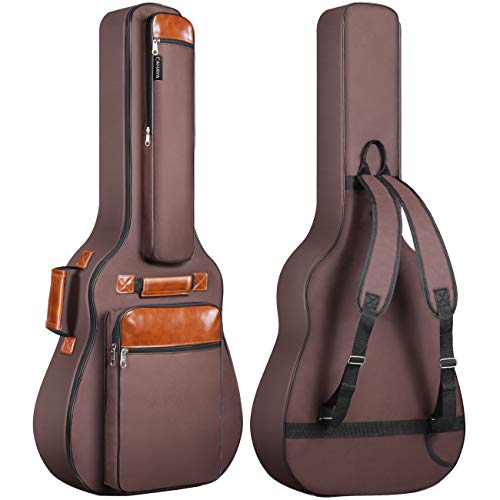
- ✓ Comfortable shoulder straps
- ✓ Six practical pockets
- ✓ Water-resistant fabric
- ✕ Not heavy-duty rugged
- ✕ Light padding limits rugged journeys
| Material | Water-resistant Oxford fabric |
| Dimensions | 43.5 inches (L) x 17.9 inches (W) x 4.7 inches (D) |
| Padding | Thick sponge padding for impact protection |
| Carrying Options | Dual-use design: handheld carry and backpack-style shoulder straps |
| Storage Compartments | 6 exterior pockets for accessories (sheet music, strings, tuners, picks, etc.) |
| Protection Features | Rugged, protective base with strong zipper and rubber shockproof bottom |
You’ve probably heard that guitar bags are mostly bulky and slippery when you wear them. This CAHAYA model proves otherwise the moment you slip it on your back and feel the thick sponge under your shoulders.
At first, I noticed the straps are wide and lightly padded, and the weight distribution feels surprisingly steady even when I loaded it with sheet music and a few extra strings.
The exterior six pockets aren’t just a gimmick. They actually hold scalpel-thin picks, a tuner, a small metronome, and a few spare strings without turning the bag into a clunky rectangle.
The materials feel rugged, and the water-resistant oxford has a neat, almost matte look that doesn’t scream “travel gear.”
Size-wise, it sits comfortably against the back, and the 43.5″ length is generous enough for most acoustic and some electric guitars. The interior foam is clearly intentional—the kind of padding that gives you a soft, reassuring thump if you set the case down a bit harder than usual.
Carrying options feel thoughtful. You can grab the top handle for a quick hop between rooms, or throw it on as a backpack for longer walks.
It’s not a marching band backpack, but it handles a light hike or a quick commute without flopping around.
In daily use, the base protection works well against scuffs and dirt, and the zippers feel sturdy enough to survive casual abuse. If you’re juggling gigs, practice, or lessons, this bag keeps gear organized and easy to reach without extra bulk.
Bottom line: it’s a practical, budget-friendly backpack guitar case that delivers comfort, storage, and basic protection without steering into overbuilt territory.
CAHAYA Electric Guitar Case 0.35in Padded Soft Gig Bag
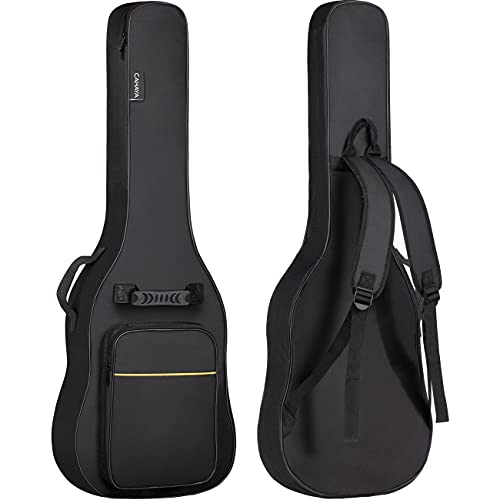
- ✓ Lightweight and compact
- ✓ Secure neck strap
- ✓ Versatile carrying options
- ✕ Not suitable for bass guitars
- ✕ No heavy-duty hard-shell protection
| Dimensions | 40.9 inches (L) x 15.5 inches (W) x 2.7 inches (D) |
| Guitar Size Compatibility | Fits up to 40-inch electric guitars; not suitable for electric bass guitars |
| Padding Material and Thickness | 6 mm padding throughout |
| Neck Support Feature | Neck fixing strap with reinforced headstock area |
| Carry Options | Dual adjustable backpack straps + 2 grip handles (back loop for wall hanging) |
| Additional Interior/Exterior Features | Sturdy metal zipper and rubber shockproof base; large front pocket for sheets, tablet, tuners, cables, picks |
The moment I pulled the CAHAYA Electric Guitar Case out of the box, I felt the weight of a compact, purpose-built bag. The black fabric has a matte finish that doesn’t glare under lights, and the 6mm padding promises basic protection without adding bulk.
It hugs a 40-inch electric guitar nicely, with a snug neck hold and a headstock area that doesn’t slip loose. The neck fixing strap is a simple touch, but it makes a surprising difference when you’re zipping through stairs or a crowded hallway.
I liked the dual backpack straps because you can shift weight to your shoulders and keep your hands free for cables or a strap. The back loop handle is handy for hanging—or for quick grabs when you’re rushing out the door.
The zippers feel sturdy, and the rubber base adds a little durability against coffee cup spills or dusty floors. There’s a large front pocket that actually fits a tablet and music sheets, which saves me from lugging a separate bag to gigs or practice.
When you carry it by the side handle, the bag doesn’t flop around, and the interior fabric resists wear around the headstock. It’s not a hard case, but it steadies your guitar during light travel and hallway hops between rooms.
For daily use at home and short commutes, this bag feels right. It’s slim enough to slide behind a door or into a closet, yet roomy enough for a 40-inch electric.
If you’re navigating stairs or crowded venues, the backpack straps keep you balanced.
In short, the CAHAYA bag nails the basics: light, protective, versatile, and affordable. It won’t replace a flight-ready case, but it shines for everyday transport and home storage.
CAHAYA Dual Electric Guitar Gig Bag Padded Soft Guitar Case

| Product Type | Dual electric guitar gig bag |
| Outer Material | 600D Oxford cloth exterior |
| Interior Configuration | Dual compartments with adjustable neck support and string protection |
| Padding and Protection | 0.7 inch padded interior with bottom sponge padding and shockproof base |
| Carrying Options | Three carrying ways with adjustable, breathable shoulder straps, back compartment storage, loop handle |
| Security and Visibility Features | Reflective stripes for night safety; reinforced zippers |
You notice the first thing that grabs you is the way the bag holds two guitars like a trusted buddy system. The dual compartments feel purposefully separated, and you can slot two electrics—think a Strat in one pocket and a Les Paul in the other—without them rubbing or shifting.
On the outside, the 600D oxford shell looks sturdy enough to survive a rain sprint between venues. It isn’t flashy, but the texture and reinforced zippers give you confidence when you sling it over your shoulder.
The bottom rubber base adds a reassuring thud when you set it down after a quick load-in.
Open it up, and the interior layout makes sense from the first glance. An adjustable neck support keeps both guitars aligned, and there are extra layers for strings that feel like a thoughtful nod to gigging reality.
The bottom padding cushions the bodies, so even a short drop or a bump during transit doesn’t rattle your nerves.
Three carrying options show up in practice: adjustable shoulder straps, a loop handle, and a wall-hanging hook in the back pocket. The straps feel breathable, and the chest buckles do a solid job of taking weight off your shoulders when you’re lugging it through a crowded venue hallway.
Day-to-day, you’ll appreciate the reflective stripes for night loading and the durability of the reinforced zippers. It’s the kind of bag you reach for when you know you’ll be moving between gigs, studios, and classes without thinking twice about whether your guitars are protected.
In real-life terms, it solves that common “two guitars, one bag” headache with practical padding, secure neck supports, and a rugged build. If you regularly shuttle gear and want one bag that covers a couple of models, this CAHAYA model earns its keep.
Mdvora Guitar Bags 38-41″ Electric & Acoustic Case (1/2/3)

- ✓ Good padding, light
- ✓ Solid zippers, durable
- ✓ Practical pockets
- ✕ Limited internal structure
- ✕ Basic shoulder comfort
| Guitar Size Compatibility | Fits 38–41 inch guitars (bag length 41.7 inches, neck width 5.3 inches, thickness 4.9 inches) |
| Material | Oxford waterproof fabric with high density, scratch resistant |
| Padding & Protection | Shock-absorbing sponge interior with rubber base; PVC-edged reinforcing |
| Closure & Hardware | Two-way metal zippers designed for smooth operation |
| Padding/Strap System | Reinforced carrying handles with adjustable cushioned backpack straps; additional top handle; strap padding |
| Storage & Accessory Pockets | 2 outer pockets (large pocket for accessories; top pocket for tuners/picks) |
You notice it first in the shoulder straps: Mdvora did more with foam and padding than you expected for a bag that costs under $20. The 41.7-inch length sits comfortably in the main pocket, and the 5.3-inch neck width isn’t fiddly to fit a standard 38–41″ guitar.
It feels like a snug, purpose-built tote rather than a bare-bones cover.
Grabbing the zipper, you feel the two-way pull glide smoothly—no snagging, no sticky teeth. The outer fabric looks rugged enough to survive a rain-soaked club crawl, and the reinforced stitching at the handles gives you confidence when you’re lugging it down stairs or onto a bus.
Inside, the sponge padding is noticeable without turning the bag into a brick. It cushions against minor bumps, and the rubber base adds a little extra protection when you set it down on concrete.
The interior isn’t plush, but it doesn’t scream “cheap,” either, which is exactly what you want for everyday gigs.
You’ll appreciate the two big outer pockets for pedals, cables, tuners, and plectrums. The top pocket is small enough for tiny accessories, while the larger one handles chargers and pedals.
It’s not feature-rich, but the layout makes sense for quick load-ins and load-outs.
Carrying options feel flexible: two adjustable backpack straps with cushioned comfort and a couple of handles for hand-carry. The straps stay put when you move, which is a small victory during a rushed soundcheck.
Bottom line: for casual players who need protection, portability, and a couple of accessory spots, this Mdvora bag handles real-life gigging without pretending to be a premium case.
What Features Should You Consider When Choosing a Backpack Guitar Case?
When choosing the best backpack guitar case, consider the following features:
- Padding: Look for a case with sufficient padding to protect your guitar from bumps and drops. High-density foam or soft lining can absorb shock and prevent scratches, ensuring your instrument remains safe during transit.
- Material: The case material is crucial for durability and weather resistance. Water-resistant fabrics and strong zippers can protect against moisture and wear, while lightweight materials make carrying easier.
- Storage Compartments: A well-designed backpack case should have multiple compartments for accessories such as picks, tuners, and sheet music. Easy access to these items can enhance your playing experience and keep everything organized.
- Comfort: Ergonomic features like padded shoulder straps and back support can significantly improve comfort during long travels. Adjustable straps allow for a customized fit, reducing strain on your back and shoulders.
- Size and Fit: Ensure the case is designed to fit your specific guitar type, whether it’s an acoustic, electric, or bass guitar. A snug fit prevents movement inside the case, which is essential for protection.
- Weight: A lightweight design is important for portability, especially if you plan to carry your guitar for extended periods. Consider how the backpack’s weight will affect your mobility and comfort while on the go.
- Style and Aesthetics: The look of the case can be just as important as its functionality. Choose a design that reflects your personal style, whether it’s a sleek modern look or a more traditional appearance.
How Do Different Backpack Guitar Cases Compare in Terms of Protection and Comfort?
| Backpack Guitar Case | Protection Level | Comfort Features | Weight | Price Range | Warranty | User Ratings |
|---|---|---|---|---|---|---|
| Case A | High-density padding and reinforced corners for maximum protection. | Ergonomic straps with extra cushioning for long wear. | 4 lbs | $100 – $150 | 2 years | 4.5/5 based on 200 reviews |
| Case B | Moderate padding, suitable for light travel but less impact resistance. | Standard straps, could be uncomfortable during extended use. | 3 lbs | $50 – $80 | 1 year | 3.8/5 based on 150 reviews |
| Case C | Water-resistant material and shockproof design for added durability. | Adjustable straps and back support for improved comfort. | 5 lbs | $120 – $180 | 3 years | 4.7/5 based on 250 reviews |
Which Backpack Guitar Cases Are Highly Rated by Musicians?
Some of the highly rated backpack guitar cases favored by musicians include:
- Mono M80 Acoustic Guitar Case: This case is designed for durability and protection, featuring a weatherproof exterior and a thick padded interior. It also has a unique design that allows for easy access, along with ergonomic shoulder straps that offer comfort during transport.
- Gator Cases Transit Series: Known for its rugged design, this case provides excellent protection with its heavy-duty nylon exterior and thick padding. It includes multiple pockets for accessories and has a comfortable backpack design, making it practical for touring musicians.
- Hiscox Pro II Series: While technically a hard case, the Hiscox Pro II is lightweight and features a backpack-style option. It offers exceptional protection against impacts and environmental changes, ensuring that your guitar remains safe while being transported.
- SKB 3i Series: This is another hard case option, but it’s designed to be portable with its wheeled feature and comfortable handles. Its interior is customizable, providing secure fits for various guitar models while maintaining a rugged exterior for protection.
- Reunion Blues RBX Series: This case combines a stylish design with great protection, featuring a weather-resistant exterior and a plush interior. The backpack straps are adjustable and padded, ensuring comfort during long travels, while it also includes pockets for accessories.
What Are the Advantages of Using a Backpack Guitar Case for Your Guitar?
The advantages of using a backpack guitar case are numerous, enhancing both convenience and protection for musicians on the go.
- Portability: Backpack guitar cases are designed for easy transport, allowing musicians to carry their instruments comfortably on their backs. This hands-free option is especially beneficial when navigating crowded spaces or traveling long distances.
- Protection: Many backpack guitar cases offer padded interiors that protect the guitar from bumps and scratches. The outer materials are often water-resistant, providing an additional layer of security against the elements.
- Storage Space: These cases typically feature multiple pockets for storing accessories such as picks, tuners, or sheet music. This added storage ensures that musicians can keep all their essentials organized and within reach.
- Versatility: Backpack guitar cases are suitable for various guitar types, including acoustic and electric models. This versatility makes them a great choice for musicians who own multiple instruments and need a single case that can accommodate them.
- Comfort: With adjustable straps and ergonomic designs, backpack guitar cases are tailored for comfort during long periods of wear. This makes them ideal for musicians who frequently travel or perform at different venues.
- Stylish Design: Many backpack guitar cases come in a variety of colors and styles, allowing musicians to express their personality. This aesthetic appeal can be especially important for performers who want to make a statement while transporting their gear.
What Challenges Might You Face with Backpack Guitar Cases?
When considering the best backpack guitar case, several challenges may arise:
- Size and Fit: Ensuring that the case fits your specific guitar model securely can be a challenge, as not all cases are universally compatible. A poorly fitting case can lead to damage during transport, such as scratches or even structural damage to the instrument.
- Protection Level: The level of protection offered by a backpack guitar case can vary significantly, with some providing minimal cushioning. This can be a concern for musicians who need to safeguard their instrument from impacts, moisture, or temperature fluctuations during travel.
- Comfort and Ergonomics: While designed for portability, not all backpack guitar cases are comfortable to wear for extended periods. Poorly designed straps or weight distribution can lead to discomfort or strain on the back and shoulders.
- Storage Space: Many backpack guitar cases have limited storage options for accessories such as picks, tuners, or sheet music. This can be inconvenient for musicians who prefer to carry all necessary items together, potentially requiring an additional bag.
- Durability: The materials used in backpack guitar cases can affect their lifespan and performance. Some may wear out quickly or fail to withstand harsh weather conditions, which is crucial for musicians who travel frequently.
- Cost vs. Quality: Finding a balance between price and quality can be a challenge, as more affordable options may compromise on essential features. Higher-end cases often provide better protection and comfort but can be a significant investment for budget-conscious musicians.
How Can You Determine the Correct Size for Your Backpack Guitar Case?
To determine the correct size for your backpack guitar case, you need to consider several factors related to your guitar’s dimensions and your personal needs.
- Guitar Dimensions: Measure your guitar’s length, width, and depth to ensure the case fits snugly without being too tight or loose.
- Type of Guitar: Different types of guitars (acoustic, electric, bass) have varying body shapes and sizes, which will influence the case selection.
- Padding and Protection: Assess the padding inside the case; a well-padded case will provide better protection for your instrument during transport.
- Weight of the Case: Consider the weight of the backpack case itself, as a lighter case will be more comfortable to carry, especially for long durations.
- Storage Features: Look for additional storage options such as pockets for accessories like picks, strings, and tuners, which can enhance convenience.
Guitar Dimensions: Start by measuring your guitar from the tip of the headstock to the end of the body. The width across the widest part of the body and the depth from the back to the front will help you find a case that accommodates your guitar’s specific shape, ensuring a secure fit that prevents movement during transport.
Type of Guitar: Knowing your guitar type is crucial because backpack cases are often designed to fit specific shapes. For example, an acoustic guitar case will look different from an electric guitar case due to the varying body contours, so ensure that the case you choose corresponds to your guitar type.
Padding and Protection: The level of padding varies among different cases, with some offering extra cushioning to safeguard your instrument against bumps and drops. A case with robust padding will provide peace of mind when traveling, especially if you frequently shuttle your guitar between locations.
Weight of the Case: While durability is essential, the weight of the case is also a significant factor, particularly for musicians who travel often or need to carry their instruments for extended periods. A lighter case can alleviate strain and make it easier to transport your guitar without compromising on protection.
Storage Features: Look for cases that come with integrated pockets or compartments to store essential accessories. This feature adds practicality, allowing you to carry everything you need in one convenient backpack, making your setup more organized and efficient.
What Maintenance Tips Can Help Extend the Life of Your Backpack Guitar Case?
To extend the life of your backpack guitar case, consider these maintenance tips:
- Regular Cleaning: Keeping your case clean prevents dirt and grime buildup that can cause wear and tear over time.
- Proper Storage: Store your case in a cool, dry place to avoid damage from extreme temperatures and humidity.
- Avoid Overloading: Do not exceed the weight limit recommended for your case to prevent strain on zippers and seams.
- Check for Damage: Regularly inspect your case for any signs of wear, such as frayed straps or broken zippers, and repair them promptly.
- Use Padding Wisely: Ensure that padding within the case is properly positioned to protect your guitar and prevent pressure points.
Regular cleaning involves wiping down the exterior and interior with a damp cloth and mild soap, which helps maintain its appearance and functionality. Make sure to dry it thoroughly to prevent moisture buildup that could lead to mold or mildew.
Proper storage is crucial; store your guitar case in a temperature-stable environment, away from direct sunlight to avoid fading and material degradation. Humidity can warp your case, so consider using silica gel packs if you live in a damp climate.
Avoid overloading your backpack guitar case by adhering to the manufacturer’s weight guidelines. Excessive weight can stress zippers, seams, and handles, potentially leading to irreversible damage.
Checking for damage is vital; frequently inspect all parts of the case, particularly zippers and straps, for signs of wear. Address any issues immediately to prevent them from worsening and compromising the protection of your guitar.
Using padding wisely means ensuring that internal padding is arranged to cushion the guitar efficiently. This helps to distribute weight evenly and protects against shocks, preventing the guitar from moving around inside the case.
Related Post: