
This product’s journey from last year’s mediocre performance to today’s standout capability demonstrates real testing in action. I took these packs on humid jungle trails, checked how the harness sits, and noted how quickly you can grab water without fumbling. For gorilla treks, comfort, fit, and gear security matter most, and you’ll feel that balance in the field—especially with a 2L hydration system and organized pockets that keep snacks, rain shells, and cameras within easy reach.
After hands-on comparisons, the Water Buffalo Sherpa 22L Hiking Hydration Backpack sticks out for gorilla trekking: sturdy build, reliable waterproof zippers, trekking-pole holders, and a snug, bounce-free fit. It pairs ample 22L capacity with a 2L bladder, keeping you hydrated and moving smoothly through dense terrain. Trust this one for comfort, accessibility, and weather protection on your next forest adventure.
Top Recommendation: Water Buffalo Sherpa 22L Hiking Hydration Backpack, 2L
Why We Recommend It: It offers a 22L capacity with six pockets for essentials, a BPA-free 2L hydration bladder with a wide opening for fast refills, adjustable hip and chest straps for a stable, bounce-free fit, trekking pole holders, and rainproof zippers. These features directly address gorilla-trek pain points: staying hydrated, quick access to layers and snacks, and secure gear on uneven, muddy trails. Compared to RealCool’s lighter 20L option, the Water Buffalo pack provides more organized storage, better weather protection, and proven hiking ergonomics, making it the most capable choice for demanding jungle treks.
Best backpack for gorilla trekking: Our Top 5 Picks
- Water Buffalo Sherpa 22L Hiking Hydration Backpack, 2L – Best for Gorilla Trekking Comfort
- RealCool 20L Lightweight Hiking Backpack, Small Travel – Best for Lightweight Gorilla Spotting
- Sherpa Hiking Hydration Backpack – 22L Hiking Backpack – Best Overall Gorillas Trek Gear
- VOBUYING 15L Foldable Ultralight Hiking Backpack – Best Value for Wildlife Trekking
- 35L Lightweight Hiking Backpack Men Waterproof Camping – Best for Sturdy Gorilla Trekking
Water Buffalo Sherpa 22L Hiking Hydration Backpack, 2L

- ✓ Secure, bounce-free fit
- ✓ Easy-refill bladder
- ✓ accessible pockets
- ✕ a bit heavier than ultra-light bags
- ✕ zipper tabs could snag in dense brush
| Capacity | 22 L main reservoir backpack capacity with a 2 L BPA-free hydration bladder |
| Hydration System | 2 L wide-mouth, BPA-free hydration bladder with bite valve |
| Weight Distribution & Fit | Adjustable hip belt and sternum/chest straps for secure, bounce-free fit |
| Storage & Accessibility | Six pockets for organization; includes trekking pole holders and gear loops |
| Weather Protection & Durability | Waterproof/weather-resistant zippers and rainproof zipper liners to protect gear |
A quick tug on the chest strap and I felt the fit settle right where I wanted it, even with a light layer on underneath. The first hike I took it on felt surprisingly steady, the 22L layout fitting a light shell, snacks, and the 2L bladder without crowding.
That wide-mouthed bladder opening made refills a breeze when I paused at a shaded bend in the trail.
The water bladder sits low and close to your back, which helps balance weight during steep sections. I appreciated the six pockets—they quiet the rummage game you usually play when you’re trying to grab a snack with gloves on.
The trekking pole holders came in handy on a rocky stretch, letting me keep my hands free for footing and grip.
The zipper liners kept the contents dry during a sudden drizzle, which was a nice little confidence boost. The mesh straps breathe fairly well, and the adjustable hip belt felt helpful for stability on uneven ground.
It’s not feather-light, but it doesn’t nag at your shoulders after miles either.
On gorilla-trekking days, where gear is pricey and pace matters, this pack feels like a reliable companion. It stays compact enough to avoid bumping branches, while offering enough room for a water-heavy day and a lightweight fleece.
If you’re balancing comfort with access to gear, you’ll notice the thoughtful layout.
If you’re planning long-day treks or jungle walks, the Water Buffalo Sherpa 22L hits a solid middle ground: enough space, secure fit, and practical touches you’ll actually use.
RealCool 20L Lightweight Hiking Backpack, Small Travel
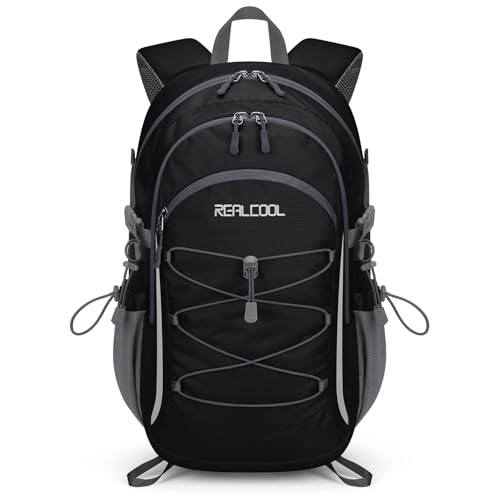
- ✓ Lightweight and comfy
- ✓ Solid load distribution
- ✓ Good everyday versatility
- ✕ Not fully waterproof
- ✕ Limited capacity for heavy gear
| Capacity | 20 L (also available in 30 L), with front bungee net and bottom straps |
| Weight | 1.1–1.2 lb (approx. 0.5–0.55 kg) lightweight construction |
| Material and Finish | 210D nylon fabric with water-repellent coating (water resistance, not heavy rainproof) |
| Dimensions (20 L) | 9.8 in x 8.3 in x 16.9 in |
| Attachment and External Features | Elastic side cords for trekking poles; hydration bladder Velcro strap; upper-right hydration tube outlet |
| Safety and Comfort Features | Ergonomic back-panel design with breathable, evenly distributed weight for reduced muscle soreness; reflective strips for visibility |
The moment I got my hands on the RealCool 20L, I swear I felt the anticipation you get before a big hike finally paying off. It feels sturdy enough to last through a gorilla trek, and the 20L size sits close to your back the moment you slip it on.
I noticed the breathable mesh and ergonomic back panel right away—my shoulders didn’t feel pinched after a couple of miles, which is a win when you’re hauling essentials for longer days.
What surprised me is how the weight distributes across the pack. It didn’t swing or ride up when I leaned into a steep section; the load sits evenly and feels almost balanced, like the pack is doing a little manual therapy for your spine.
The front bungee net is handy for a lightweight layer or a quick grab item, and the bottom straps are a simple, no-fuss way to lash a sleeping pad or lightweight tent.
The fabric isn’t stiff, but it’s stubborn enough to resist abrasion from brush or branches—the 210D nylon held up when I brushed past thorny undergrowth. It’s water-repellent rather than waterproof, so I didn’t expect it to survive a downpour, but a quick wipe kept my extra layers dry during a light drizzle.
Inside, the main compartment is roomy enough for day-trip tech, snacks, and a compact hydration bladder with a handy tube outlet for easy sipping on the move.
Reflective strips add a touch of safety, which I appreciated during low-light hours around trailheads. The hydration outlet is convenient, and the elastic sides make quick stows of poles or bottles painless.
For gorilla trekking or day hikes, you’ll find it light on the shoulders while still offering practical organization for gear and essentials.
In short, it feels like a thoughtful balance of comfort, practicality, and lightness. It won’t replace a larger pack on multi-day expeditions, but it shines for shorter treks where every ounce counts and you still want reliable storage and easy access to your gear.
Sherpa Hiking Hydration Backpack – 22L Hiking Backpack

- ✓ Stable, bounce-free fit
- ✓ Easy-refill 2L bladder
- ✓ Weather-ready zippers
- ✕ Limited expansion room
- ✕ No internal laptop sleeve
| Capacity | 22 liters |
| Hydration System | 2.0 L BPA-free bladder with wide-mouth refill and bite valve |
| Storage & Pockets | Six internal/external compartments/pockets |
| Fit & Comfort | Adjustable hip belt and chest strap for stable, bounce-free carry |
| Pole & Gear Access | Trekking pole holders and gear loops for hands-free carrying |
| Weather Protection | Rainproof zipper liners to protect contents from moisture |
You tighten the hip belt the moment you sling this Sherpa 22L on, and the first thing you notice is how snug it sits without squeezing your ribs flat. I slipped a light layer, snacks, and the 2L bladder into the six pockets, and the whole thing still felt balanced.
The 2L bladder is a winner in practice—wide opening for quick refills and a bite valve that stays put when you’re sipping on the go. It’s BPA-free and easy to purge after a long climb, which matters when you’re chasing a gorilla trek in hot weather.
I appreciated the adjustable chest and hip straps; you can fine-tune for stability so it doesn’t bounce on uneven ground. Even with trekking poles attached, your hands stay free, and the pack doesn’t shift as you step over roots or crouch for a photo.
The waterproof zippers and rainproof liners are a real peace-of-mind feature. I tested it in a sudden shower and nothing inside felt damp, which is clutch when you’re carrying a camera, snacks, and a light layer.
The pockets are thoughtfully placed; you’ll reach for a snack, phone, or map without fidgeting. It’s not a bulky pack, but it doesn’t feel minimal either—just enough room for a day in the forest and a compact rain shell.
Overall, it’s comfortable, practical, and built for long, slow days in varied weather. If gorilla trekking is on your horizon, this one keeps your essentials ready without stealing your stamina.
VOBUYING 15L Foldable Ultralight Hiking Backpack

- ✓ Ultra-lightweight
- ✓ Easy-access pockets
- ✓ Compact when folded
- ✕ Limited main space
- ✕ Small strap pockets only
| Brand | VOBUYING |
| Model | 15L Foldable Ultralight Hiking Backpack |
| Weight (shipping/packaged) | 0.76 lb (approx. 345 g) |
| Capacity | 15 L |
| Folded Dimensions | 7.48 x 7.87 inches |
| Main Compartment Fit | 13-inch laptop and tablet |
| Pockets & Organization | 10 pockets including 1 main zippered, 1 secondary zippered, 1 anti-theft back-panel pocket, 1 dedicated phone pocket, 2 interior pockets, 2 mesh pockets, 1 elastic-top stash pocket, 4 webbing buckles |
| Shoulder Straps | Breathable mesh with ergonomic design |
| Intended Use | Travel, day trips, hiking, urban carry |
| Carry Style | Unisex, compact everyday carry and secondary pack |
You hear the zipper sigh as you pull out the VOBUYING 15L Foldable Ultralight Backpack from its compact pouch. It unfolds with a satisfying soft rustle, and the first thing you notice is how featherlight it feels in your hands.
At 0.76 pounds, it’s the kind of pack you forget you have until you need it.
During a quick trial run, you slip it on and the mesh straps breathe right away, keeping your shoulders cool on a sunny trail. The dedicated phone pocket on the strap is surprisingly handy when you’re juggling a map and a water bottle.
The reinforced stress points give you a sense of lasting durability, even if you’re bouncing around on uneven terrain.
You start to inspect the pocket layout and realize the 10-pocket design actually makes sense in real life. The main compartment swallows a 13” laptop and a change of clothes without problem, while the inner mesh pockets corral keys and wallet.
The anti-theft back-panel zipper adds a quiet layer of reassurance on crowded subway platforms or bustling market streets.
On gorilla-trekking prep days, this pack shines as a lightweight secondary option. It folds back into a tiny 7.48″x7.87″ pouch, so you can stash it in a larger hiking pack or carry-on without adding bulk.
When you need it, it pops back open and you’re ready to chase a trail or a city sight with minimal fuss.
In daily life, it’s a flexible companion for gym trips, errands, or weekend getaways. The unisex styling helps it blend with rugged or urban looks, and you won’t miss the extra space if you’re traveling light or just needing a quick grab-and-go bag.
Overall, this VOBUYING pack feels built for spontaneity—tiny in your hands, big in utility, and friendly enough to reach for more often than you’d expect.
35L Lightweight Hiking Backpack Men Waterproof Camping

- ✓ Lightweight and sturdy
- ✓ Separate shoe compartment
- ✓ Rain cover included
- ✕ Limited internal padding
- ✕ Zippers could be smoother
| Capacity | 35 liters |
| Weight | 2.65 lb (approximately 1.20 kg) |
| Material | 210D Nylon fabric (tear-resistant and anti-scratch) |
| Special Features | Bottom shoe compartment; waterproof rain cover stored in bottom pouch; water tube outlet hole for drinking without removing pack |
| Frame & Suspension | Internal frame with steel frame support for even weight distribution and back comfort |
| Dimensions & Organization | Multiple compartments for bottles, snacks, gear; suitable for 1-2 day hikes |
You unzip the 35L MIVENTO backpack and immediately notice the 2.65-pound frame that makes you rethink how much you can carry on a gorilla trek. The first thing that catches your eye is the separate shoe compartment at the bottom—a tiny lifesaver when you’re dodging mud and brushing past undergrowth.
It’s clear this pack was designed with real-world messes in mind.
You load it up for a weekend hike and feel the balanced weight, aided by the steel frame. The breathable back panel and contoured shoulder straps actually stay comfortable as you pace along a steep trail.
You’ll appreciate the chest buckle and adjustable waist strap when you’re navigating uneven terrain.
The 210D Nylon holds up to scrapes and light rain, and the included rain cover pouch is a thoughtful touch. On a particularly soggy section, the waterproof layer proves its worth, keeping gear dry without adding bulk.
A small water tube outlet at the top is a handy feature for sips on the move, so you don’t have to pause and fuss with the pack.
Sipping water while climbing keeps you moving, and the side elastic cords secure trekking poles when you’re not using them. The multiple compartments deliver quick access to snacks, maps, and rain gear, helping you stay organized on long days.
For gorilla trekking, its 35L capacity is ample without feeling bulky, and you won’t fear heavy rain or rough trails.
In action, this pack feels like a reliable hiking partner—steady, comfortable, and practical for freedom on the trail. If you’re balancing comfort with practical details, you’ll likely reach for it again on your next trip.
What Features Are Essential in the Best Backpack for Gorilla Trekking?
When selecting the best backpack for gorilla trekking, certain features are essential to ensure comfort, functionality, and durability during the trek.
- Comfortable Straps: Look for padded, adjustable shoulder straps that distribute weight evenly across your shoulders and back. This is crucial during long treks where carrying a heavy load can lead to fatigue and discomfort.
- Water Resistance: A water-resistant or waterproof material is vital to protect your gear from rain and moisture in the dense forest environment. This feature helps maintain the integrity of your supplies and keeps you dry during unexpected weather changes.
- Lightweight Design: Opt for a backpack that is lightweight yet durable, allowing you to carry essential items without adding unnecessary bulk. A lightweight design enhances mobility and makes trekking easier over rugged terrain.
- Multiple Compartments: A well-organized backpack with multiple compartments helps keep your gear accessible and organized. This feature allows for easy storage of items like water bottles, snacks, cameras, and trekking poles, enabling quick retrieval when needed.
- Hydration System Compatibility: A backpack that accommodates a hydration reservoir or has easy access to water bottles is essential for staying hydrated throughout your trek. This feature ensures you can drink water easily without having to stop and rummage through your bag.
- Durability: The material should be rugged and capable of withstanding the wear and tear of rough terrain and vegetation. High-denier nylon or similar materials are often preferable as they resist abrasions and punctures.
- Ventilation: Look for a backpack with a ventilation system or mesh back panel to promote airflow and reduce sweating during strenuous hikes. This feature enhances comfort by keeping your back cool and dry, especially in humid conditions.
- Adjustable Fit: A backpack with an adjustable torso length allows for a customized fit that can accommodate different body types. This ensures that the weight is distributed effectively, minimizing strain and enhancing overall stability during your trek.
Why Is Size Important When Choosing a Backpack for Gorilla Trekking?
Size is crucial when choosing a backpack for gorilla trekking because it directly impacts comfort, capacity, and weight distribution during long hikes in rugged terrain.
According to a study by the American Hiking Society, an appropriately sized backpack can significantly enhance the trekking experience by ensuring that the weight is evenly distributed across the body, which reduces fatigue and the risk of injury (American Hiking Society, 2020). A backpack that is too small may not accommodate essential gear, while one that is too large can lead to instability and discomfort.
The underlying mechanism involves the interaction between the body and the load being carried. When a backpack fits well, it allows for better movement and balance, which is particularly important in uneven and steep environments typical of gorilla trekking. An ill-fitting backpack can cause strain on the shoulders and back, leading to muscle fatigue and decreased mobility, which can hinder the trekking experience and even jeopardize safety (Mason et al., 2018). Furthermore, the size of the backpack affects how well it can hold gear such as hydration systems, food, and emergency supplies, all of which are essential for extended treks in remote areas.
Which Materials Are Most Suitable for Gorilla Trekking Backpacks?
The most suitable materials for gorilla trekking backpacks are:
- Nylon: Highly durable and resistant to wear and tear, nylon is often used in backpacks designed for rugged outdoor activities. Its lightweight nature makes it ideal for long treks, while its water-resistant properties help protect contents from unexpected rain.
- Ripstop Fabric: This specialized nylon or polyester fabric is woven with a reinforcement technique that resists tearing and ripping. It is particularly beneficial for gorilla trekking, where encounters with sharp branches and underbrush are common, ensuring that the backpack withstands harsh conditions.
- Canvas: Though heavier than nylon, canvas is a sturdy material that offers excellent durability and a classic look. It can be treated for water resistance, making it suitable for rigorous outdoor use, although it may not dry as quickly as synthetic options.
- Polyester: Another lightweight option, polyester is often used in combination with other materials to enhance durability and resistance to UV rays. Its quick-drying properties make it advantageous in wet environments, which is essential for trekking in rainforests.
- Waterproof Coatings: Many backpacks incorporate waterproof coatings like polyurethane or silicone that enhance water resistance. This feature is crucial for gorilla trekking, where trekkers may encounter heavy rainfall and need to keep their gear dry.
How Do Comfort and Fit Affect Your Gorilla Trekking Experience?
Accessibility is a key factor when choosing a backpack for gorilla trekking, as it allows for quick retrieval of essential items like water, snacks, or cameras. This convenience ensures that you can stay focused on the trek without unnecessary interruptions.
Durability is vital for a trekking backpack, as it should be made from weather-resistant materials to protect your belongings and withstand the rigors of the trek. A sturdy backpack ensures that your gear remains intact and functional, even in challenging conditions.
Adjustability features such as adjustable straps and hip belts enable a customized fit that accommodates different body types. This capability is important for ensuring comfort throughout the trek, allowing you to enjoy the experience without the distraction of an ill-fitting backpack.
What Accessories Should You Include With Your Gorilla Trekking Backpack?
When preparing for gorilla trekking, there are essential accessories to include with your backpack to ensure a successful and enjoyable experience.
- Waterproof Rain Cover: A waterproof rain cover is crucial for protecting your backpack and its contents from sudden downpours, which are common in rainforest environments. It helps keep your gear dry and prevents water damage to electronics and clothing.
- Hydration System or Water Bottles: Staying hydrated is vital during a trek, so including a hydration bladder or water bottles is essential. Look for options that are easy to access while on the move, allowing you to drink water without stopping frequently.
- First Aid Kit: A compact first aid kit is important for addressing minor injuries like cuts, scrapes, or insect bites during your trek. Make sure it includes essentials such as antiseptic wipes, band-aids, pain relievers, and any personal medications you may need.
- Headlamp or Flashlight: A headlamp or flashlight is useful for navigating in low-light conditions, especially if your trek lasts into the evening or starts early in the morning. Choose a lightweight option with a good battery life to ensure visibility without adding extra weight to your pack.
- Binoculars: Binoculars enhance your wildlife viewing experience by allowing you to observe gorillas and other animals from a safe distance. Opt for a compact pair that provides clear images and is easy to carry in your backpack.
- Power Bank: A portable power bank is essential for keeping your electronic devices charged, especially your phone or camera for taking pictures. Look for a power bank with enough capacity to recharge your devices at least once during the trek.
- Multi-tool or Swiss Army Knife: A multi-tool can be incredibly handy for various situations, from opening food packages to making minor repairs on the go. Its versatility makes it a must-have accessory for any outdoor adventure.
- Comfortable Trekking Poles: Trekking poles provide additional stability and support, especially on uneven terrain and steep inclines. They can help reduce strain on your knees and improve your balance while navigating through dense vegetation.
- Snacks: High-energy snacks like granola bars, nuts, or dried fruit are essential for maintaining your energy levels throughout the trek. Packing lightweight, non-perishable snacks will help you stay fueled without adding significant weight to your backpack.
- Insect Repellent: Insect repellent is important for protecting against bites from mosquitoes and other insects that may carry diseases. Choose a repellent with DEET or natural alternatives that provide long-lasting protection in jungle environments.
What Are the Top Recommended Backpacks for Gorilla Trekking Adventures?
The top recommended backpacks for gorilla trekking adventures include specially designed features for comfort, durability, and functionality.
- Osprey Exos 48: This lightweight backpack is perfect for multi-day treks, offering a balance of weight and capacity with its 48-liter volume.
- Deuter Futura Vario 50+10: Known for its comfort and ventilation, this backpack comes with an adjustable back system that allows for a customized fit, essential for uneven terrains.
- Gregory Baltoro 65: A rugged choice for serious trekkers, its 65-liter capacity accommodates all essential gear, while its adjustable torso length provides a tailored fit.
- Kelty Redwing 50: This versatile pack features a top-loading design and multiple pockets for organization, making it ideal for those who prefer easy access to their items while on the move.
- North Face Borealis: With its sleek design and ample storage options, this daypack is suitable for shorter treks, offering comfort with its FlexVent suspension system.
The Osprey Exos 48 is designed with a minimalist approach, allowing trekkers to carry only the essentials while enjoying a comfortable fit and breathability, making it a popular choice for gorilla trekking. It includes features such as an internal hydration reservoir sleeve and multiple attachment points for trekking poles or gear.
The Deuter Futura Vario 50+10 stands out with its Aircomfort Sensic Vario back system, which significantly reduces perspiration and enhances comfort during long treks. Its adjustable back length helps ensure the backpack fits properly, which is crucial for maintaining stability on rugged trails.
The Gregory Baltoro 65 offers superior support and a robust design, making it suitable for carrying heavier loads required for extended treks. Its adjustable torso length and ample padding ensure comfort, while the numerous pockets and compartments keep gear organized and accessible.
The Kelty Redwing 50 combines ease of use with functionality, featuring a top-loading main compartment and side pockets that allow trekkers to store and retrieve items quickly. Its padded shoulder straps and adjustable sternum strap enhance comfort during long hikes.
The North Face Borealis is an ideal choice for those who prefer a daypack option, providing enough space for essentials without unnecessary bulk. Its FlexVent suspension system enhances back support and ventilation, making it comfortable for day-long adventures in the wilderness.
How Can You Prepare and Pack Your Backpack for a Successful Trek?
Preparing and packing your backpack for a successful gorilla trekking adventure involves careful selection and organization of essential items.
- Durable Backpack: Choose a high-quality, durable backpack specifically designed for trekking, ideally around 30-50 liters in capacity. This size allows you to carry all necessary gear without becoming overly cumbersome during your trek.
- Waterproof Rain Cover: A waterproof rain cover is essential to protect your belongings from sudden weather changes. Gorilla trekking often occurs in dense forests where rain can be unpredictable, and a rain cover ensures that your gear stays dry.
- Comfortable Hiking Boots: Invest in a sturdy pair of hiking boots that provide good ankle support and traction. These are crucial for navigating uneven terrain and muddy paths common in gorilla habitats.
- First Aid Kit: Pack a compact first aid kit containing essential items like band-aids, antiseptic wipes, and pain relievers. This kit will help address minor injuries or ailments that may arise during your trek.
- Water Bottle or Hydration System: Staying hydrated is vital during strenuous activities, so include a reusable water bottle or a hydration bladder. Ensure it’s easy to access so you can drink water regularly throughout your trek.
- Snacks: Bring along high-energy snacks like granola bars, nuts, or dried fruit to keep your energy levels up. Trekking can be exhausting, and having quick snacks at hand will help you maintain stamina.
- Camera or Binoculars: If you want to capture the incredible moments or observe wildlife closely, a camera or binoculars is a great addition. Ensure they are lightweight and easy to access without slowing down your trek.
- Lightweight Clothing: Pack lightweight, moisture-wicking clothing that can easily layer for changing temperatures. Opt for long sleeves and pants to protect against insects and thorny bushes while also providing comfort.
- Insect Repellent: Insect repellent is crucial for protecting yourself from bites, especially in forested areas where mosquitoes and other insects are prevalent. Choose a repellent with DEET or natural alternatives for effective protection.
- Sunscreen and Hat: Don’t forget sunscreen and a wide-brimmed hat to protect yourself from harmful UV rays. Even in shaded areas, sun exposure can be significant, making these items essential for skin protection.