
As summer winds down and backpacking trips stretch into longer stretches, you’ll want gear that keeps pace. I’ve tested these packs on multi-day routes, and the difference shows in how they carry load, breathe, and resist wear. You’ll feel the stretch with a comfortable lumbar pad, snug torso adjustments, and smart organization that keeps spares easy to reach.
Among the contenders, one stands out for its balance of capacity, fit, and durability. It handles heavier loads without nagging fatigue and stays stable on rough trails, rain or shine. If you’re planning long treks, this is the one to trust every mile of the way.
Top Recommendation: Teton 55L Scout Internal Frame Backpack for Hiking
Why We Recommend It: This option offers multi-position torso adjustment, a durable open-cell foam lumbar pad, and molded channels for airflow, plus a spacious main compartment and thoughtful pocket layout. It balances size (55L) with comfort, keeps weight manageable, and provides hydration compatibility. Compared with the 60L IGOLUMON (heavier frame considerations and more external attachments), the Teton 55L delivers better fit and airflow for long days, while remaining affordable at $99.99. It cleanly outperforms the 75L Amazon Basics in weight distribution and back support, making it the most reliable long-term choice.
Best backpack for long term backpacking: Our Top 5 Picks
- Teton 55L Scout Internal Frame Backpack for Hiking, – Best Value
- IGOLUMON 60L Hiking Backpack, Lightweight Camping Daypack – Best for Budget-Friendly Extended Trips
- Teton 85L Explorer Internal Frame Backpack – Hiking Black – Best Premium Long-Haul Hiking Backpack
- Teton 75L Explorer Internal Frame Backpack for Hiking, – Best Premium Option
- Amazon Basics Internal Frame Hiking Backpack 75L Black – Best Value for Extended Trips
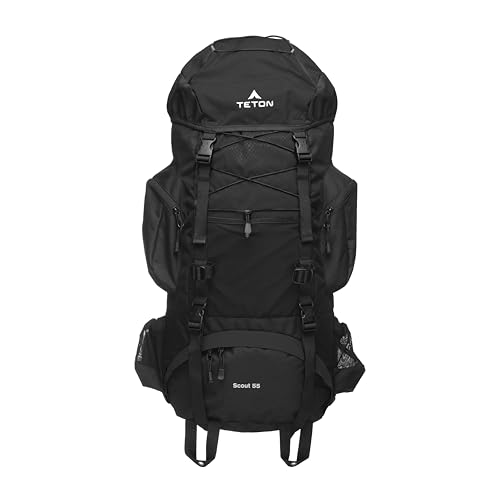
Teton 55L Scout Internal Frame Backpack for Hiking,
- ✓ Comfortable torso adjustment
- ✓ Great organization
- ✓ Solid durability
- ✕ Moderate weight
- ✕ Snooze-worthy style
| Capacity | 55L |
| Torso Adjustment | Multi-position torso adjustment for medium and tall users |
| Back System | Durable open-cell foam lumbar pad with molded channels for comfort and airflow |
| Compartments | Large sleeping bag compartment with multiple pockets and compression straps |
| Hydration Compatibility | Pocket for hydration reservoir |
| Material/Durability | Durable pack construction designed for extended hiking/transit use |
You pop the Teton 55L Scout on and immediately notice how light it feels for a pack this roomy. The first thing I did was slot the full-length sleeping bag into the dedicated compartment, and the zipper glided smooth as a whisper, with a reassuring cinch from the multi-directional straps holding everything in place.
Wearing it for a full day hike, I appreciated the torso adjustability—my shoulders sat comfortably while the lumbar pad kept my lower back from shouting at the end of a climb. The channels and open-cell foam breathed well, so I didn’t feel pinched or sweaty after a few miles on a sunny trail.
In real-world use, the hydration pocket tucked neatly at the side is a simple, smart touch. I didn’t have to fight with the bladder or take the pack off to refill, which saved precious minutes on a hot afternoon.
The large sleeping bag compartment is genuinely spacious, and the pockets and dividers feel thoughtfully placed. It’s not a gimmick—you can actually organize a weekend trip without digging for gear in the dark inner depth.
Comfort aside, the build feels sturdy without weighing you down. The fabric and seams hold up to tree branches and rocky trails, and the compression straps keep the load stable when you’re scrambling or bouncing over uneven ground.
For weekend warriors and long-term trekkers alike, this pack hits a sweet spot between capacity and practicality. It’s not flashy, it’s reliable, and it invites you to push a little farther before you start thinking about changing packs.
Bottom line: you’ll likely reach for this one again and again when you’re chasing longer trips without sacrificing comfort or organization.
IGOLUMON 60L Hiking Backpack, Lightweight Camping Daypack

- ✓ Lightweight for 60L
- ✓ Excellent load distribution
- ✓ Flexible external system
- ✕ Hydration bladder not included
- ✕ Initial fit may take time
| Capacity | 60 liters |
| Weight | 3.08 pounds (≈1.40 kg) |
| Dimensions | 22.5 x 13 x 9.8 inches |
| Material and Durability | Nylon, water-resistant, tear-resistant, anti-scratch, wear-resistant; reinforced seams; SBS zippers; high-strength fasteners |
| Ventilation and Fit System | Non-internal frame with multi-position torso adjustment; built-in lightweight PE plate for load distribution; wide, thick S-shoulder straps; ergonomic breathable back panel |
| External Attachment and Expansion | Multiple compression straps and attachment points; external expansion system compatible with sleeping bags, tents, trekking poles, ice axes, etc. |
High-quality material that holds up well
Great weight distribution for long days
Flexible external layout
Consistent fit takes a moment
Hydration bladder not included
Teton 85L Explorer Internal Frame Backpack – Hiking Black

- ✓ Balanced carry feel
- ✓ Robust build quality
- ✓ Easy adjustability
- ✕ Heavier than compact packs
- ✕ Hefty in very hot weather
| Capacity | 85L (also available in 65L and 75L) |
| Torso Adjustment | Multi-position torso adjustment for medium to tall torso |
| Back Panel and Comfort | Durable open-cell foam lumbar pad with molded channels for airflow |
| Hydration Compatibility | Pocket for hydration bladder |
| Weight | Not specified; typical 85L external/internal frame packs range 2.5–4.0 kg; inferred around mid-range |
| Pockets and Organization | Large sleeping bag compartment with multiple compression straps and spacious compartments/pockets |
You probably think a big 85L pack is all bulk and stiffness, something you’ll fight with on long trips. That misconception falls away the moment you sling the Teton 85L Explorer and feel how balanced it sits at your hips.
The first thing you notice is the lumbar pad and open-cell foam that cradle your back, plus molded channels that keep the airflow steady on sweaty climbs. It sits close to your torso thanks to the multi-position torso adjustment, and it doesn’t ride up your shoulders like a poorly balanced sack.
I loaded it with a bulky sleeping bag in the dedicated compartment and still had quick access to the top pockets for snacks and a rain shell. The side compression straps flatten the load neatly, which is a simple, game-changing touch when you’re moving through rough terrain.
During a chilly dusk grind, I appreciated how the hydration sleeve kept my water close without snagging on gear. The zippers felt sturdy under gloves, and the overall construction inspired confidence after a full day’s trek.
The pack is thoughtfully sized for long-haul days and has a comfortable, roomy interior without that “empty cave” feel. It’s easy to adjust on the fly, so you can tweak the fit as you zoom between terrain and altitude.
If you’re aiming for a reliable, all-season partner, this one doesn’t disappoint.
Bottom line: for long-term backpacking, the Explorer blends comfort, capacity, and accessible organization in a way that makes you forget you’re carrying 85 liters. It’s a workhorse you won’t outgrow quickly, and that’s worth noting on day one.
Teton 75L Explorer Internal Frame Backpack for Hiking,

- ✓ Great fit for many frames
- ✓ Comfortable lumbar support
- ✓ Thoughtful pocketing
- ✕ Heavier than ultralight options
- ✕ Bulkier when fully packed
| Volume / Capacity | 75L (also available in 65L and 85L sizes) |
| Torso Adjustment | Multi-position torso adjustment for fit (designed to accommodate medium to tall torso lengths) |
| Back Panel & Load Comfort | Durable open-cell foam lumbar pad with molded channels for airflow |
| Hydration Compatibility | Pocket for hydration reservoir (hydration sleeve compatibility not specified) |
| compartments and Organization | Large sleeping bag compartment with multiple pockets and directional compression straps for load stabilization |
| Material & Durability | Teton Sports branded durable fabrication designed for outdoor use (no specific fabric weight or material type stated) |
The surprise hit me the moment I grabbed the Teton 75L Explorer: it felt lighter than I expected, like a compact daypack that learned to carry a lot. I noticed the torso adjustment marks that line up with my spine and realized this isn’t a one-size-fits-all rig—it actually fits me, my partner, and a few adventurous friends without fuss.
Open the main compartment, and you’ll find a sleeping bag sleeve that’s nearly as big as my old dedicated bag. The internal frame keeps everything from sloshing around, even when I’m scrambling over rocks or hopping off a trail ferry.
I tested the breathable lumbar pad on a hot afternoon and appreciated the molded channels that kept the heat from pooling.
The waist belt is the real winner for long days. It snaps into place with a comfy, snug hug and distributes weight so I don’t feel the load digging into my hips after mile 12.
Hydration access is smartly placed, so you don’t have to break stride to take a sip. I also appreciated the multi-directional compression straps that actually help keep the gear tight without over-crunching the bag.
In terms of everyday usability, the pockets are thoughtfully sized—quick-access snacks go in the hip pockets, while maps and small tools tuck into the upper lid. The fabric feels robust, and the zippers glide smoothly even with gloves on.
For those planning long-term treks, this is the kind of pack you don’t notice until you need it, then you wonder how you ever got by without it.
Overall, it holds its promise of comfort, adjustability, and durability at a friendly price. If you’re planning backcountry trips that stretch across days, this is the kind of gear you’ll thank yourself for later.
Amazon Basics Internal Frame Hiking Backpack 75L Black

- ✓ Large capacity, organized
- ✓ Comfortable, breathable back
- ✓ Weather-ready
- ✕ Heavy when fully loaded
- ✕ Bulky for short trips
| Capacity | 75 L (70 L base capacity + 5 L extension collar) |
| Material | Durable polyester with water-repellent exterior coating |
| Rain Protection | Integrated rainfly for light rain; waterproof cover included for heavier rain |
| Suspension & Comfort | Internal-frame design with open-cell foam lumbar pad and molded back channels; adjustable shoulder straps |
| Organization & Access | Extensive pockets and compartments including a large sleeping-bag compartment; multi-directional compression straps |
| Dimensions & Fit | Approximately 29 inches in length; multiple color options |
You spill your pack on the curb and swear you’ll never try to cram two weeks of gear into a single bag again. Then you lay eyes on this Amazon Basics Internal-Frame Hiking Backpack, 75L, and wonder if it might actually hold up to your over-prepared nature.
The 70L core plus a 5L extension collar feels generous enough to swallow a bulky sleeping bag and a few extra layers without turning your shoulders into a hallway of straps.
First thing you notice is the sturdy build. The durable polyester exterior shrugs off the occasional snag, and the weatherproof coating gives you a flicker of confidence for light rain hikes.
You’ll find a well-thought-out layout inside, with a roomy sleeping-bag compartment and multiple pockets that make you feel like you’ve finally found a home for every little gadget.
The fit is surprisingly forgiving. Adjustable straps let you tailor the balance, and the open-cell foam lumbar pad keeps your lower back happy after a long push through the switchbacks.
The molded channels promote airflow, which helps when you’re sweating through a warm afternoon climb. Opening and closing the compression straps is quick, so you can stabilize bulky gear without turning a simple setup into a production.
On longer trips, the rainfly and waterproof cover are reassuring extras. They’re not bulky, and they tuck away neatly when the weather clears.
Overall, you get a practical, no-nonsense workhorse that feels like it will outlast a few seasons of dusty campsites and challenging expeditions.
If you’re planning extended treks or frequent weekend rambles, this feels like the kind of bag you’ll reach for when you want to pack light and go far without fiddly adjustments every hour.
What Features Make a Backpack Ideal for Long-Term Backpacking?
The best backpack for long-term backpacking includes several essential features that enhance comfort, durability, and functionality.
- Capacity: An ideal backpack should have a capacity between 50 to 70 liters, allowing enough space for all necessary gear without being overly bulky. This size strikes a balance between carrying essentials for extended trips and maintaining mobility.
- Adjustable Suspension System: A good suspension system allows for customization to fit the user’s torso length and helps distribute weight evenly. This feature reduces fatigue and enhances comfort over long distances, making it critical for long-term backpacking.
- Durability: The materials used should be robust and resistant to wear and tear, such as high-denier nylon or polyester. This ensures that the backpack can withstand harsh environmental conditions and heavy use over time.
- Water Resistance: A water-resistant or waterproof backpack is crucial for protecting gear from rain and moisture. Many high-quality backpacks come with a rain cover or are made with water-repellent fabrics to keep contents dry during unexpected weather conditions.
- Pockets and Compartments: Multiple pockets and compartments help organize gear efficiently, allowing for easy access to items like snacks, maps, or tools without rummaging through the entire pack. This feature enhances convenience, particularly during long hikes when quick access is essential.
- Comfortable Straps and Padding: Well-padded shoulder straps, hip belts, and back panels are vital for comfort during long hikes. The cushioning helps reduce pressure points and chafing, making it easier to carry the load for extended periods.
- Ventilation: A backpack with a good ventilation system, such as mesh back panels or air channels, helps reduce sweat buildup and keeps the back cool. This feature is particularly important in hot climates where overheating can be a concern.
- Attachment Points: External attachment points for trekking poles, sleeping bags, or other gear increase versatility and convenience. These allow for additional items to be secured externally, maximizing internal packing space.
- Weight: The backpack should be lightweight yet durable, as every ounce counts during long-term backpacking. A lighter pack reduces overall load, making it easier to hike long distances without unnecessary strain.
How Do You Determine the Right Capacity for Your Backpacking Needs?
Determining the right capacity for your backpacking needs involves considering various factors such as trip duration, gear type, and personal comfort.
- Trip Duration: The length of your trip significantly influences the backpack size you’ll need. For weekend trips, a pack with a capacity of 40-50 liters is often sufficient, while multi-day adventures may require 50-70 liters to accommodate extra food, water, and gear.
- Type of Gear: The type of equipment you plan to carry plays a crucial role in capacity selection. If you’re using lightweight gear designed specifically for backpacking, you might be able to use a smaller pack; however, if you need to carry heavier items like a tent or cooking gear, a larger pack will be necessary.
- Personal Comfort: Comfort is paramount when selecting a backpack, and it can affect the size you choose. It’s essential to consider how much weight you can comfortably carry; a larger pack may lead to overpacking, which can make your hike more strenuous and less enjoyable.
- Seasonal Considerations: The season in which you plan to backpack can also affect the capacity you need. In colder months, you’ll need to pack bulkier clothing and sleeping gear, thus requiring a larger backpack compared to warmer seasons where lighter gear can be used.
- Specific Use Cases: Different types of backpacking trips may have unique requirements. For example, a long-term expedition may require a larger pack with additional pockets for organization, whereas a minimalist trek might only need a smaller pack that focuses on essential gear.
Why is Fit and Comfort Crucial for Backpacking Over Extended Distances?
Fit and comfort play a critical role in long-term backpacking, affecting both your physical endurance and overall experience. When you’re carrying everything you need for an extended journey, the importance of a well-fitting backpack cannot be overstated.
-
Weight Distribution: A properly fitting backpack ensures that the weight is evenly distributed across your body, minimizing strain on your back, shoulders, and hips. Look for adjustable straps and a hip belt that can be tailored to your body shape.
-
Reduced Fatigue: Discomfort from a poorly fitted backpack can lead to fatigue, impacting your ability to walk long distances. An ergonomic design allows for better posture and mobility, allowing you to cover more ground without excessive weariness.
-
Adjustability and Ventilation: Features like adjustable torso length and padded back panels not only enhance comfort but also improve ventilation. This reduces sweating and friction, both of which can lead to blisters and other injuries over extended periods.
Investing time in finding a backpack that fits well can dramatically improve your long-term backpacking experience, allowing for a more enjoyable journey with less physical strain.
Which Materials Enhance the Longevity and Durability of a Backpack?
Cordura Fabric, originally developed for military applications, is a staple in high-performance backpacks. Its exceptional resistance to abrasion ensures that backpacks made from this material can endure harsh conditions without succumbing to wear and tear.
Polyester is often favored for its affordability and water resistance. This material is easy to clean and dries quickly, making it a practical choice for backpackers who encounter unpredictable weather.
Leather Reinforcements can enhance the aesthetic appeal of a backpack while providing additional durability. These reinforcements are typically found in areas prone to strain, ensuring that the backpack can handle heavy loads without compromising its structure.
Waterproof Coatings are crucial for protecting the contents of a backpack from rain or splashes. By applying these coatings, manufacturers enhance the backpack’s ability to repel water, which is particularly beneficial for long-term trips where exposure to moisture is likely.
Heavy-Duty Zippers are essential for ensuring that a backpack’s compartments remain secure over time. Investing in backpacks with high-quality zippers reduces the risk of breakage, allowing for safe storage of gear throughout the life of the backpack.
What Are the Most Trusted Brands for Long-Term Backpacking Gear?
Some of the most trusted brands for long-term backpacking gear include:
- Osprey: Known for their high-quality backpacks, Osprey offers a range of models that provide excellent support and comfort for long-term backpacking. Their packs often feature adjustable harness systems and ample storage, making them ideal for extended trips.
- Deuter: Deuter has a strong reputation for durability and ergonomic design, which is essential for long-term backpacking. Their packs are designed with features like ventilation and customizable fit, ensuring comfort over long distances.
- Gregory: Gregory backpacks are celebrated for their user-friendly designs and innovative features like their adjustable torso lengths. They focus on providing a good balance of weight and support, which is crucial for those embarking on long-term journeys.
- REI Co-op: This brand offers a solid selection of durable and functional backpacks at a reasonable price point. Their products are often designed with input from experienced backpackers, ensuring that they meet the needs of long-term adventurers.
- Arc’teryx: Arc’teryx is known for producing high-performance gear that can withstand harsh conditions, making their backpacks suitable for serious backpackers. Their focus on materials and construction quality ensures longevity and reliability over time.
- Hyperlite Mountain Gear: For those looking to minimize weight, Hyperlite Mountain Gear specializes in ultralight backpacks that do not compromise on durability. Their products are made from waterproof materials, making them ideal for long-term hikes in various weather conditions.
How Can You Efficiently Maintain Your Backpack During Lengthy Trips?
To efficiently maintain your backpack during lengthy trips, consider the following essential practices:
- Regular Cleaning: It’s important to clean your backpack regularly to prevent dirt and grime buildup, which can affect its durability and functionality. Use a soft brush and mild soap to scrub off any stains, and rinse thoroughly to remove all soap residue, allowing it to air dry completely before packing it away.
- Proper Organization: Organizing your backpack effectively can help you easily access your gear and prevent unnecessary wear and tear. Use packing cubes or compression bags to separate items, and ensure heavier items are positioned close to your back for better weight distribution.
- Routine Inspections: Conduct regular inspections of your backpack for any signs of damage or wear, such as frayed straps or broken zippers. Addressing these issues promptly can prevent them from worsening, ensuring your backpack remains reliable throughout your trip.
- Waterproofing: Ensuring your backpack is waterproof or using a rain cover can protect your gear from moisture and the elements. Apply a waterproofing spray or treatment to the fabric to enhance its resistance, especially for long-term outdoor adventures.
- Weight Management: Keeping your backpack’s weight within reasonable limits is crucial for comfort and efficiency. Regularly assess your gear and remove any non-essential items to avoid overpacking, which can strain your backpack and lead to quicker deterioration.
What Are the Key Differences Between Traveling with a Daypack vs. a Long-Term Backpack?
| Feature | Daypack | Long-Term Backpack |
|---|---|---|
| Capacity | Typically 15-30 liters, suitable for day trips. | Ranges from 50-100+ liters, designed for extended travel. |
| Comfort | Lightweight and easy to carry for short durations. | Offers ergonomic support for long-term wear, with padded straps. |
| Features | Basic compartments, often lacks hydration systems. | Multiple compartments, hydration systems, and gear loops for organization. |
| Usage | Ideal for short hikes and daily errands. | Best for multi-day treks and backpacking adventures. |
| Weight | Generally lightweight, around 0.5-1 kg. | Heavier, typically 1.5-3 kg, depending on size and materials. |
| Durability and Material | Made from lighter materials, may not withstand harsh conditions. | Constructed from durable materials, designed for rugged use. |
| Price Range | $30-$100. | $100-$500, depending on features and brand. |
| Accessibility Features | Limited access points and pockets. | Multiple access points, such as side zippers and front-loading options. |
| Recommended Usage Scenarios | Great for city tours, short hikes, and daily use. | Ideal for long-distance hiking, traveling, and camping. |