
Before testing this backpack, I never realized how much poor organization between geology gear and daily items could slow you down in the field. I spent weeks hauling kits, notebooks, and boots, and the issues kept popping up: cramped compartments, uncomfortable straps, and gear banging around on rough trails. The best option I found bundles rugged durability with practical access, so you can focus on the rocks, not your pack.
After side-by-side comparisons, the top pick stood out for its balanced build, organized space, and comfort during long hikes. It feels like it’s designed by someone who actually carries a geologist’s load every weekend—reliable, breathable, and easy to customize for field days.
Top Recommendation: Professional Rock Picker Rockhounding Geology Sport Backpack
Why We Recommend It: The Professional Rock Picker Rockhounding Geology Sport Backpack uses durable 600D poly PVC, with a padded 18-inch laptop compartment and ventilated gear storage. It offers ergonomic padded shoulder straps, an adjustable sternum strap, and a cushioned back for all-day comfort. Premium details like matte coated zippers, a fence hook, and an integrated carry handle improve durability and quick access. Compared to others, it provides the same rugged construction as the rest but adds practical, field-ready features that reduce clutter and fatigue during long collecting sessions. This combination of build quality, comfort, and thoughtful organization makes it the best value for geologists.
Best backpack for geologist: Our Top 5 Picks
- Professional Rock Picker Rockhounding Geology Sport Backpack – Best Value
- Mineral Collecting Geology Rock Collector Backpack – Best Premium Option
- Rock Collecting Rockhounding Rock Collector Geology Sport – Best for Beginners
- Airlab Rucksack Backpack for Large Outdoor Large – Best backpack for hiking and camping
- ArcEnCiel 20L Tactical MOLLE Daypack Gear Bag (Brown) – Best for field geology
Professional Rock Picker Rockhounding Geology Sport Backpack

- ✓ Durable 600D build
- ✓ 18″ laptop sleeve
- ✓ Ventilated gear pocket
- ✕ Limited colorways
- ✕ No internal divides
| Material Construction | Durable 600D poly PVC |
| Laptop Compartment | Padded 18-inch laptop sleeve |
| Ventilated Storage | Ventilated shoe/gear storage |
| Carrying Comfort | Ergonomic design with padded shoulder straps, adjustable sternum strap, and cushioned back |
| Hardware & Features | Matte coated zippers, fence hook, integrated carry handle |
| Intended Use / Category | Geology/geocaching backpack for rockhounding and fieldwork |
You’re picking this Rock Picker backpack up, and the first thing that hits you is how compact it feels—yet there’s a surprising amount of thoughtful bulk packed into 600D poly PVC. It sits comfortably against your back, like it’s made to ride along all day without driving you nuts.
The moment you unzip the main compartment, you notice the sturdy matte zippers that glide smoothly, no snagging on fabric. The 18-inch laptop sleeve is a legit surprise in a field-ready pack, and it’s padded enough to keep your gear from rattling around on rough terrain.
I’m nerding out over the ventilated gear storage—your shoes or dirty tools breathe on one side, while the rest of your gear stays organized on the other. The fence hook tucked into the side pocket is such a small detail, but you’ll wonder how you ever packed without it.
Comfort isn’t an afterthought here. The shoulder straps feel cushioned and don’t dig in after a long hike.
The adjustable sternum strap keeps the load balanced, and the back panel breathes a little, which helps when you’re collecting samples on a warm afternoon.
The build feels rugged, and the matte coated zippers look premium for a pack at this price. If you’re chasing a backpack that can handle field shifts, this one stays reliable without weighing you down.
Verdict? It’s a practical, no-nonsense companion for rockhounding and geology fieldwork.
It blends sturdy construction with everyday usability, at a price that won’t cause sticker shock.
Mineral Collecting Geology Rock Collector Backpack
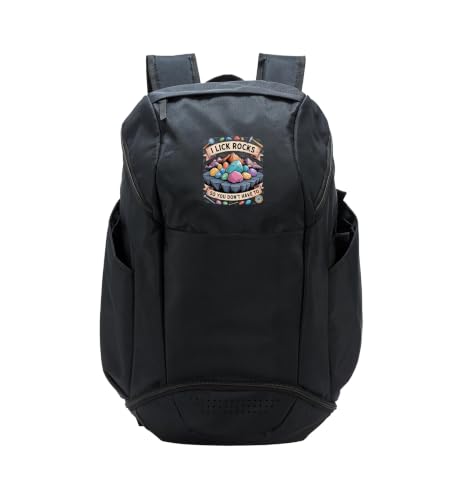
- ✓ Ergonomic, comfy fit
- ✓ Durable, weather-ready shell
- ✓ Thoughtful gear/storage
- ✕ Laptop compartment is large
- ✕ Bulkier when empty
| Material | 600D polyester PVC-coated fabric |
| LaptopCompartment | Padded 18 inch laptop sleeve |
| StorageFeatures | Ventilated shoe/gear storage compartment |
| CarryingSystem | Ergonomic design with padded shoulder straps and adjustable sternum strap |
| DurabilityFeatures | Matte coated zippers |
| CarryingHandleAndAccessibility | Integrated carry handle |
You’re gripping a muddy trail, and your backpack keeps sliding while you chase a shimmer under a rock overhang. The Mineral Collecting Geology Rock Collector Backpack tackles that hassle head-on with an ergonomic design and thoughtful details you’ll actually notice in the field.
Its 600D poly PVC shell feels sturdy enough to shrug off a scuff or two, and the padded laptop compartment sits securely, even when you’re crouched to inspect a seam of quartz.
Opening the zipper reveals matte-coated hardware that glides smoothly, a small win when you’re juggling gloves and a flashlight. The ventilated shoe/gear storage is a real lifesaver after long days of scrambling over shale, letting damp boots breathe without stinking up the rest of your kit.
It sits comfortably on your shoulders with padded straps and a breathable back, so you don’t feel like you’re carrying a brick after a couple of miles.
You’ll appreciate the integrated carry handle and fence hook for quick on-the-go adjustments, plus the adjustable sternum strap that keeps the weight centered as you lean into a rock surface. The 18-inch laptop compartment might be overkill for a field day, but it’s handy for keeping field notes, maps, or a tablet protected from occasional spray or dust.
In real-world use, the design helps you stay organized without rummaging through a single large cavity. The rock-hound graphic doesn’t just look cool—it signals you’re serious about mineral collecting, from quartz pockets to schist slabs.
It’s a practical companion for field trips, gem auctions, or a weekend dig, and it doesn’t scream “tourist” while you’re hiking back to camp.
Rock Collecting Rockhounding Rock Collector Geology Sport

- ✓ Rugged 600D build
- ✓ Comfortable fit
- ✓ Handy storage layout
- ✕ Slightly bulky
- ✕ Limited expansion
| Material | Durable 600D polyester with PVC coating |
| LaptopCompartment | Padded 18 inch laptop compartment |
| VentilatedGearStorage | Ventilated shoe/gear storage compartment |
| CarryingComfort | Ergonomic padded shoulder straps with adjustable sternum strap and cushioned back |
| AdditionalFeatures | Matte coated zippers, fence hook, integrated carry handle |
| IntendedUse | Backpack designed for rock collecting, geology fieldwork, and rockhounding |
You notice the Rock Collecting Rockhounding backpack hit your hands and immediately you notice the 600D poly PVC fabric is sturdy enough to feel like it’ll survive a gnarly trail. The padded laptop compartment is a smart, surprising touch for geologists who carry a tablet or notebook alongside rocks.
It’s the kind of detail you appreciate after a long day pacing quarry edges or museum basements.
As you swing it onto your shoulders, the ergonomic design becomes obvious. The padded straps hug without pinching, and the sternum strap stays put when you’re scrambling over loose gravel.
There’s enough space for rocks, field guides, and a spare hoodie, with ventilated gear storage for muddy sneakers afterward.
The zippers feel reliable, thanks to the matte coating, and the integrated carry handle is handy when you’re hefting it into a jeep or a storage locker. You’ll find yourself reaching for this one when you’re out geologizing, not just for rocks but for the little comforts that make fieldwork feel doable.
In practice, it’s a practical, no-fuss pack for rockhounds. It handles a compact rock haul, a laptop, and a small hand lens without feeling overstuffed.
If you’re chasing a dedicated geologist backpack, this one earns a spot by balancing rugged build with thoughtful organization.
If you’re a rock lover who wants a reliable daily companion, this pack answers the bell. It’s not frilly, just dependable, and that’s exactly what you need when you’re knee-deep in dust and specimens.
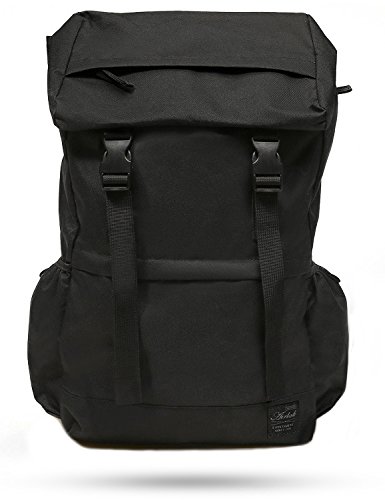
Airlab Rucksack Backpack for Large Outdoor Large
- ✓ Large capacity
- ✓ Comfortable straps
- ✓ Anti-theft sleeve
- ✕ Heavier than slim packs
- ✕ No dedicated tool dividers
| Capacity | Large main compartment with separate padded laptop sleeve up to 15.6 inches |
| Laptop Sleeve Size | Fits laptops up to 15.6 inches |
| Materials | Ripstop and water-resistant lightweight polyester fabric with smooth SBS zippers |
| Comfort Features | Breathable back and strap padding for heavy loads |
| Security Features | Zippered anti-theft sleeve on the back |
| Carrying Convenience | Luggage/suitcase strap to slide over rolling luggage |
You roll your backpack onto the dusty trailhead just as the sun hits the red rocks, and the Airlab Rucksack slides into place like it was made for this kind of day. The first thing you notice is the rugged ripstop fabric, a confident matte finish that doesn’t shout yet feels tough enough for scree crossings.
You unzip the main compartment and find a surprisingly generous interior that fits a 15.6″ laptop in a padded sleeve and enough clothes for 3–4 days without feeling like you’re packing a small apartment.
Stowage is thoughtfully organized, with a front zippered pocket for maps, a top pocket for sunnies or a compass, and side pockets snuggly holding a water bottle and a foldable umbrella. The back panel breathes well and the straps sit comfortably, even as you hoof up a steep grade with a heavy load.
It’s not featherweight, but the cushioning is reassuring when you’re navigating boulder fields.
If you’re carrying geology gear, you’ll appreciate the anti-theft sleeve and the built-in compression drawstring that keeps gear from rattling around during rough sections. The luggage strap at the back makes hopping onto a bus or sliding it over a rolling suitcase a breeze, which is exactly what you want after a long day out in the field.
In everyday life, it’s a sturdy, utility-forward companion that still looks sharp enough for urban testing or quick-casual meetings. For a geologist who needs capacity, organization, and dependable build, this bag checks many boxes without breaking the bank.
ArcEnCiel 20L Tactical MOLLE Daypack Gear Bag (Brown)

- ✓ Balanced load distribution
- ✓ Modular MOLLE system
- ✓ Decent room for gear
- ✕ No USB port
- ✕ No battery included
| Dimensions (L x W x H) | 10.2 in (width) x 16.9 in (height) x 5.3 in (depth) |
| Material & Coating | High-intensity nylon fabric with water-resistant coating; breathable, scratch-resistant, water-repellent inner mesh |
| Carrying System | Padded back and shoulder straps with MOLLE compatibility for attaching accessories |
| Main Storage Capacity | Large main bag capable of fitting a 13-inch laptop, A4 magazines, and three bottles |
| External Pockets & Organization | Front zippered patch pocket for up to 6.1-inch phone and cards; side mesh pocket for a 500 ml bottle; inner zip bag for wallet or phone |
| Usage & Features | Designed for EDC, hiking, travel, camping, college; does not include battery or USB interface |
Pros:
Cons:
- No USB port or power bank
- No battery included
What Essential Features Should a Geologist Look for in a Backpack?
The essential features a geologist should look for in a backpack include durability, comfort, organization, weather resistance, and accessibility.
- Durability: A geologist’s backpack should be made from robust materials that can withstand rugged environments and heavy loads. High-quality fabrics like nylon or polyester with reinforced stitching are ideal, as they can handle the wear and tear of outdoor activities.
- Comfort: Comfort is crucial for long field days, so a backpack should have padded shoulder straps and a breathable back panel. Adjustable straps and a hip belt help distribute weight evenly, reducing strain on the back and shoulders.
- Organization: A well-organized backpack will have multiple compartments and pockets to keep tools, samples, and personal items sorted. Look for features like mesh pockets for visibility and specialized tool holders to keep essential equipment easily accessible.
- Weather Resistance: Given the unpredictability of outdoor conditions, a backpack should be water-resistant or come with a rain cover. This feature protects valuable gear and samples from unexpected rain or moisture during fieldwork.
- Accessibility: Quick access to essential items is vital when working in the field. A backpack with side pockets or front-loading openings allows geologists to grab tools or samples quickly without having to dig through the entire pack.
How Do Various Backpack Brands Compare for Geology Needs?
| Brand | Features | Price | Capacity | Weight | Warranty |
|---|---|---|---|---|---|
| Brand A | Durable material, multiple compartments for tools | $80 – Mid-range pricing | 30L – Suitable for short field trips | 1.2 kg | 2 years |
| Brand B | Waterproof, padded back support | $120 – Higher-end option | 45L – Great for extended excursions | 1.5 kg | 3 years |
| Brand C | Lightweight, adjustable straps | $60 – Budget-friendly | 25L – Ideal for day hikes | 0.8 kg | 1 year |
| Brand D | Eco-friendly materials, easy access pockets | $100 – Moderate price | 35L – Versatile for various activities | 1.3 kg | 2 years |
| Brand E | High visibility colors, reinforced stitching | $90 – Affordable quality | 40L – Suitable for multi-day trips | 1.4 kg | 2 years |
What Size Backpack is Best Suited for Geological Fieldwork?
When selecting the best backpack for geologists, it’s important to consider size, functionality, and comfort to accommodate various fieldwork needs.
- Daypack (20-30 liters): Ideal for short excursions, a daypack provides enough space for essential gear like rock hammers, field notebooks, and water bottles. Its lightweight nature allows for easy mobility, making it suitable for day trips where minimal supplies are needed.
- Weekend Backpack (30-50 liters): This size is perfect for extended fieldwork over a weekend, offering ample room for additional clothing, food, and equipment. With multiple compartments, it allows for organized storage of tools and samples, ensuring that everything is easily accessible during geological surveys.
- Expedition Backpack (50-70 liters): For longer trips that require substantial gear, an expedition backpack is necessary. These packs are designed to carry heavy loads comfortably, featuring enhanced suspension systems and padded support, making them ideal for remote field locations where extra supplies and equipment are essential.
- Hydration Packs (15-20 liters): Though smaller in capacity, hydration packs are invaluable for staying hydrated during fieldwork. They typically include a built-in water reservoir and tube, allowing geologists to sip water on the go without having to stop and access a separate water bottle.
- Camera Backpack (20-40 liters): For geologists who also document their findings with photography, a camera backpack can be beneficial. These packs often come with padded compartments to safely store cameras and lenses, while still providing enough space for geological tools and samples.
Which Materials Provide the Best Durability and Weather Resistance for Geologists?
The best materials for durability and weather resistance in backpacks for geologists include:
- Cordura Nylon: Known for its exceptional abrasion resistance and durability, Cordura nylon is a synthetic fabric that can withstand rough handling and tough environments. Its high tensile strength makes it ideal for outdoor use, ensuring that the backpack can endure the rigors of geological fieldwork.
- Ripstop Polyester: This material features a special reinforcement technique that makes it resistant to tearing and ripping. Ripstop polyester is lightweight yet strong, making it an excellent choice for geologists who need a durable but manageable backpack for carrying tools and samples over long distances.
- Gore-Tex: As a waterproof and breathable fabric, Gore-Tex is perfect for geologists who work in wet conditions. It keeps the contents of the backpack dry while allowing moisture from sweat to escape, ensuring comfort during long field days.
- Ballistic Nylon: Originally developed for military use, ballistic nylon is exceptionally tough and resistant to wear and tear. It is ideal for geologists who often encounter sharp tools and rough terrain, providing an added layer of protection for both the backpack and its contents.
- Canvas: While heavier than synthetic options, canvas is a natural fabric that offers good durability and breathability. Treated canvas can also provide water resistance, making it suitable for geologists who prefer a more traditional material without sacrificing functionality.
- Hypalon: This synthetic rubber material is highly resistant to chemicals, UV light, and extreme temperatures. Hypalon is often used in high-end backpacks designed for rugged outdoor conditions, making it suitable for geologists who work in diverse environments.
What Additional Accessories or Compartments Do Geologists Need?
In addition to a suitable backpack, geologists often require various accessories and compartments to enhance their fieldwork efficiency and safety.
- Field Notebook: A waterproof field notebook is essential for geologists to document observations, sketches, and data in various weather conditions. These notebooks are specifically designed to withstand outdoor elements and typically feature a durable cover with weather-resistant paper.
- Sample Bags: Geologists need sturdy sample bags for collecting and storing rock, soil, or mineral samples securely. These bags should be lightweight, durable, and often transparent, allowing easy identification of contents without opening them.
- GPS Device: A reliable GPS device is crucial for geologists to navigate remote areas and accurately record sample locations. Modern GPS units are rugged, water-resistant, and equipped with features that assist in mapping and tracking routes in challenging terrains.
- First Aid Kit: A compact first aid kit is a vital accessory for geologists who often work in isolated locations. It should include bandages, antiseptics, and other medical supplies tailored for outdoor injuries, ensuring quick response to accidents or emergencies.
- Multi-tool: A multi-tool offers geologists various functionalities in a single device, including a knife, screwdriver, and pliers. This versatility is invaluable in the field for making quick repairs, opening containers, or performing other tasks without carrying multiple tools.
- Water Bottle or Hydration System: Staying hydrated is critical during fieldwork, so a durable water bottle or hydration system is necessary. These products should be lightweight, insulated to keep water cool, and easy to access while on the move.
- Headlamp or Flashlight: A reliable headlamp or flashlight is essential for illuminating dark areas or working in low-light conditions, such as caves or during early morning and late evening. Headlamps are particularly advantageous as they free up the hands for other tasks while providing adequate lighting.
- Protective Gear: Depending on the environment, protective gear like gloves, safety goggles, and hard hats may be necessary to ensure safety during fieldwork. This gear helps prevent injuries from sharp rocks, chemicals, or falling debris.
- Camera or Smartphone: A camera or smartphone is useful for capturing images of geological formations and documenting field activities. These devices often have advanced features that allow for high-resolution photography and quick sharing of findings with colleagues or for research purposes.
How Can Geologists Budget Effectively for Their Backpacks?
Geologists need to consider several factors to budget effectively for their backpacks, ensuring they choose the best options for their fieldwork.
- Durability: A backpack must withstand various environmental conditions, such as rain, mud, and rough terrain. Look for materials like nylon or polyester that offer water resistance and are tear-proof to ensure longevity during fieldwork.
- Comfort: Since geologists often carry heavy equipment, comfort is paramount. Features like padded shoulder straps, breathable back panels, and an adjustable hip belt can significantly enhance comfort during long hikes.
- Storage Capacity: The ideal backpack should have sufficient storage to accommodate tools, field notes, and personal items. Consider options with multiple pockets, compartments, and external attachment points for tools like rock hammers or sample bags to keep everything organized and accessible.
- Weight: A lightweight backpack is essential for geologists who need to move quickly over various terrains. Look for designs that optimize weight without compromising on durability or capacity, helping to reduce fatigue during extended fieldwork.
- Weather Resistance: Geologists often work in unpredictable weather, so a backpack with waterproof or water-resistant features is crucial. Look for backpacks that come with rain covers or those made with water-repellent materials to protect gear from moisture.
- Price Range: Set a budget that aligns with your needs and the frequency of use. While high-quality backpacks may come at a premium, consider them an investment in your gear that will last longer and perform better in the field.
What Are Expert Reviews and Recommendations on Geological Backpacks?
Expert reviews and recommendations on geological backpacks often focus on durability, functionality, and comfort for fieldwork.
- Osprey Stratos 34: This backpack is praised for its lightweight design and excellent ventilation, making it ideal for long hikes in various weather conditions. It features a large main compartment for carrying tools and samples, along with an adjustable harness for a comfortable fit.
- Deuter Futura Vario 50+10: Known for its ergonomic design, this backpack offers ample storage with multiple compartments, perfect for organizing geological equipment. Its Aircomfort Sensic Vario back system provides breathability, ensuring comfort during extended use.
- The North Face Recon: This versatile backpack is recommended for its durability and water-resistant material, making it suitable for unpredictable outdoor conditions. It includes several pockets for organization and a padded laptop sleeve, appealing to geologists who also need to carry electronic devices.
- Mystery Ranch Glacier: This model is favored for its rugged construction and load-carrying capabilities, making it suitable for carrying heavy geological gear. It features a unique three-zipper design for easy access to the main compartment and a supportive frame for stability on rough terrain.
- Gregory Baltoro 65: This backpack stands out for its excellent weight distribution and suspension system, which helps reduce fatigue during long excursions. It has a large capacity to accommodate extensive geological equipment and is equipped with multiple external attachment points for additional gear.