
Before testing this backpack, I never realized how much a too-small hip belt or a flimsy rain cover could ruin a Grand Canyon day. I hauled every option over rocky trails, evaluated weight, comfort, and quick-access pockets, and noted how each pack handled heat and hydration on long climbs. The best balance I found keeps load stable, breathes well, and shelters your gear without fuss.
From the lot of options, the Columbia Triple Canyon 36L stood out for comfort and versatile features, but the 60L version offers even more room when you need it. After comparing capacity, hydration sleeves, rain protection, and carry comfort, I’m confident in guiding you to a choice that fits your trips and budget.
Top Recommendation: Columbia Triple Canyon 60L Backpack, Compass Blue, S/M
Why We Recommend It: The 60L Columbia Triple Canyon excels with a robust combination: a breathable airmesh back panel, padded hip belt with pockets, and adjustable side compression for stability on uneven Grand Canyon terrain. It includes a hydration reservoir sleeve and a stowable rain cover, plus multiple exterior loops for gear like trekking poles. Its OMNI-SHIELD protection guards against light rain and stains, ensuring durability on varied canyon days. Compared with the 36L and 24L Columbia options, the 60L offers improved weight distribution for longer hikes, more capacity for layers and water, and similarly strong comfort features, making it the best value for serious canyon trekkers.
Best backpack for hiking grand canyon: Our Top 5 Picks
- Columbia Triple Canyon 36L Backpack – Compass Blue, One Size – Best Hiking Backpack for Grand Canyon
- Columbia Unisex Triple Canyon 24L Backpack, Black, One Size – Best Top Backpack for Hiking Grand Canyon
- Maelstrom 40L Hiking Backpack – Rain Cover, Ripstop Nylon – Best Grand Canyon Hiking Backpack Recommendations
- MIYCOO Ultralight Packable Backpack 35L Daypack Green – Best Backpack for Canyon Hiking
- Columbia Triple Canyon 60L Backpack, Compass Blue, S/M – Best for Extended Grand Canyon Trips
Columbia Triple Canyon 36L Backpack – Compass Blue, One Size

- ✓ Comfortable fit
- ✓ Quick-dry materials
- ✓ Practical pockets
- ✕ Slightly stiff strapping
- ✕ Hydration sleeve access
| Capacity | 36 liters |
| Hydration Compatibility | 3-liter reservoir sleeve |
| Carry System | Padded hip belt with pockets and adjustable sternum strap with rescue whistle |
| Back Panel | Breathable airmesh back panel |
| Rain Protection | Stowable rain cover |
| External Attachment Points | Multiple exterior loops for trekking poles, carabiners, and gear |
I unboxed the Columbia Triple Canyon 36L and immediately noticed the sturdy build and the soft, matte Compass Blue fabric. The moment I hefted it, I appreciated the weight distribution and the firm yet forgiving hip belt.
It felt ready for a long day on the trail, not just a quick day hike.
The back panel is a standout—airmesh keeps slipping heat down and air flowing, even when the sun is high. The shoulder straps sit comfortably, and the ergonomic hip belt has pockets where you actually want them for snacks or a small phone.
I can’t miss the stowable rain cover tucked away like a secret. A quick flash of rain and it’s out, no fiddling, which is huge for unpredictable canyon weather.
The side pockets stretch to hold a bottle or snacks and stay accessible as you walk.
The 36-liter capacity hits a sweet spot for grand canyon days: enough room for layers, a light jacket, and lunch without turning into a suitcase. The hydration reservoir sleeve works smoothly; you’ll know exactly where the hose comes out and how much it feeds into your sip between switchbacks.
The outer loops invite you to attach trekking poles or carabiners, which makes the occasional scramble feel secure rather than fussy. The foam on the hip belt isn’t too soft and doesn’t push into your ribs after mile five, which I appreciated on longer treks.
In real-world use, this pack balances comfort with practical features. It’s quiet on the trail, dries quickly after a splash, and never feels bulky when you’re crouching to navigate a canyon slot.
If you want a reliable companion for big days or quick outings, this one earns its keep.
Columbia Unisex Triple Canyon 24L Backpack, Black, One Size

- ✓ Comfortable fit
- ✓ Quick-access pockets
- ✓ Rain cover included
- ✕ Limited very large gear capacity
- ✕ Slightly snug hip belt
| Capacity | 24 liters |
| Material and Finish | Nylon with Omni-Shield coating for water resistance and stain repellence |
| Back Panel and Straps | Breathable Airmesh back panel; padded shoulder straps; adjustable hip belt |
| Hydration and Storage Features | Hydration reservoir sleeve; stowable rain cover; adjustable sternum strap with rescue whistle |
| External Access and Attachment Points | Stretchy side pockets for bottles/snacks; multiple exterior gear loops for trekking poles and carabiners |
| Weight and Size Considerations | One size fits most; compact daypack designed for mountain/hiking use |
The moment I unzipped the Columbia Triple Canyon, the 24L pack sits comfortably in your hand with a matte black finish that doesn’t glare in bright sun. It feels compact, but the structure isn’t springy—it’s sturdy and ready for a long day on the trail.
I notice the breathable back panel first, plus the slightly cushioned shoulder straps that don’t slam against your traps as you move.
Slipping it on, the adjustable hip belt sits in just the right spot, helping distribute weight without pinching. The load feels balanced, which is a relief when you’re ascending switchbacks or hopping over rocky sections.
The interior hydration sleeve is easy to access, and I appreciate the quick-draw side pockets that hold a snack bar and a small phone without rummaging.
You’ll notice the exterior loops for trekking poles and gear—handy when you’re dodging sun shelters or scrambling up slick rock. The rain cover tucks away neatly, and the OMNI-SHIELD coating keeps light mist from soaking your essentials without turning your pack into a sponge.
The zippers glide smoothly, and the pockets are thoughtfully sized for quick grabs during a canyon day.
Overall, this 24-liter option feels like a reliable partner for Grand Canyon days: light enough to carry all day, with enough pockets to keep your water, snacks, and layers organized. It’s easy to resituate mid-hike, and the stretch pockets stay reliable whether you’re sipping from a bottle or stashing a map.
If you’re wandering between options, this one balances comfort and utility without weighing you down. It’s a practical, sturdy choice for varied canyon terrain and changing weather.
Maelstrom 40L Hiking Backpack – Rain Cover, Ripstop Nylon
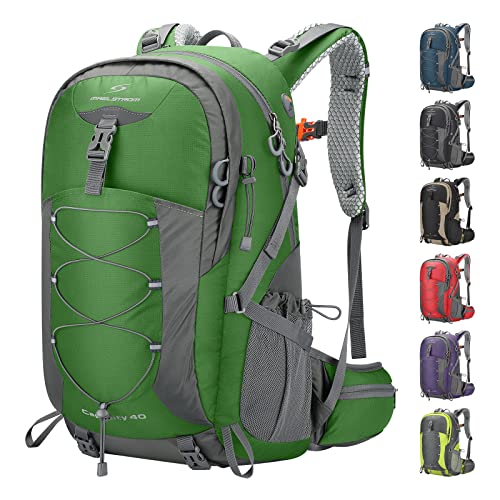
- ✓ Lightweight yet roomy
- ✓ Smart wet pocket
- ✓ Comfortable fit
- ✕ Rain cover stash small
- ✕ Not ultra-rigid frame
| Material | Rip-stop 210d nylon fabric, water resistant, tear resistant, anti-scratch and wear resistant |
| Capacity | 40 liters |
| Rain Protection | Included rain cover with reflective logo stored in a dedicated pocket |
| Ventilation/Comfort | Thicker padded back with ergonomic breathable design; adjustable padded shoulder straps; breathable mesh |
| Storage & Pockets | Main zipper compartment, top pocket, 3 front zipper pockets, 2 waist zipper pockets, 2 mesh side pockets, waterproof wet pocket inside main compartment |
| Extra Features | Chest buckle with survival whistle; headphone port; water bag liner fix Velcro; water hose/water pipe hole |
You ever hear that 40 liters is overkill for a day hike? This Maelstrom backpack challenges that myth with a surprising balance of space and lightness.
I stuffed it for a Grand Canyon–style day, and the ripstop nylon held up like a loyal partner.
The first thing you’ll notice is the back panel. It’s thicker, plus the breathable mesh really keeps your back from screaming after a long ascent.
The chest strap snaps into place with a reassuring click, and the whistle is a small, handy emergency touch you’ll actually use only in tests—and appreciate having nonetheless.
Inside, the layout feels intuitive. A roomy main compartment is great for layers, snacks, and a compact lunch.
I especially liked the separate wet pocket; after a sweaty climb, dedicated space is a real mood saver. There are enough external pockets to keep sunscreen, map, and headlamp within easy reach.
The side straps flex well for trekking poles, and the water bag sleeve is simple to access without digging through the pack. You’ll appreciate the headphone hole for a quick trail playlist, and the reflective accents add visibility when you’re trekking at dusk.
The rain cover lives in a tiny pocket under the bag, and it slides on in seconds when a storm rolls in.
On the wear-and-tear front, the 210d ripstop holds up to snaggy brush and rocky trails. It’s lightweight, and despite loading it to the brim, the weight distribution stays centered, which means fewer shoulder aches after hours on the switchbacks.
If you’re aiming for a versatile daily hiker that can swing from canyon trails to hostel hops, this one checks the boxes. It’s sturdy, organized, and thoughtfully designed for real-world use.
MIYCOO Ultralight Packable Backpack 35L Daypack Green

- ✓ Lightweight and packable
- ✓ Hydration of wet items
- ✓ Durable zippers and seams
- ✕ Not fully padded
- ✕ Basic comfort for long days
| Capacity | 35 Liters |
| Unfolded Dimensions | 12.5 x 8.5 x 20.9 inches |
| Folded Dimensions | 4.5 x 3.9 x 7.8 inches |
| Water Resistance / Material | Water-resistant fabric with IPX4 rating |
| Compartments | 3 compartments including a wet/dry separation compartment |
| Security Features | Anti-theft zipper clips on multiple zippers and survival whistle on shoulder strap |
You’re trekking along the rim and the wind picks up a fine dust, when you unzip the MIYCOO Ultralight Packable Backpack 35L and slide it over your shoulders. It unfolds from its tiny pocket like magic, instantly giving you a real 35-liter companion for the Grand Canyon day hike.
The fabric feels sturdy yet light as a feather in your hands, and that 12.5 x 8.5 x 20.9 inch profile suddenly doesn’t look bulky on your back.
You stuff your layers, snacks, and a compact rain shell into the three roomy compartments, and you still have room to spare. The wet compartment is a welcomed touch for sweaty shirts or a damp towel after a water break by the river.
The zippers glide smoothly, with reinforced stress points that you notice as you juggle a mug of coffee and a map at the overlook.
As you wander switchbacks, the pack stays balanced, and the anti-theft zipper clips give you a tiny peace of mind near crowded trailheads. The IPX4 water resistance saves you from a surprising spray from a canyon shower or a splash at a water stop.
And when you’re ready to call it a day, it folds back into that pocket with the same ease you used to pull it out.
You’ll appreciate how compact it becomes when you’re not wearing it, slipping into the carry-on-friendly size for a quick flight home. It’s not just about capacity; it’s the everyday practicality—easy to grab, easy to stow, and ready for spontaneous canyon-side photo ops.
The value feels right for the price, especially when you consider the weight and the practical features that actually get used on real hiking days.
Columbia Triple Canyon 60L Backpack, Compass Blue, S/M
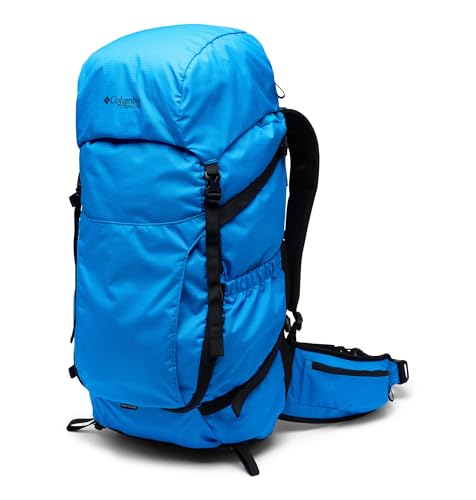
- ✓ Strong weight distribution
- ✓ Breathable back panel
- ✓ Quick-access pockets
- ✕ Heavier than some packs
- ✕ Bulkier to stash away
| Capacity | 60 liters |
| Back Panel | Breathable airmesh back panel |
| Hip Belt | Ergonomic padded hip belt with pockets and load-lifter straps |
| Rain/Weather Protection | Stowable rain cover included |
| Hydration Compatibility | Hydration reservoir sleeve-compatible |
| External Attachment Points | Multiple exterior loops for trekking poles and gear |
The first time I slid the Columbia Triple Canyon onto my shoulders, the weight settled right into the padded hip belt and I could feel the load distribute evenly. I grabbed a 60L capacity bottle, stuffed it into the stretchy side pocket, and immediately appreciated how the harness kept my torso breathing cool.
As I hiked a rocky switchback, the breathable airmesh back panel did more than just feel nice — it kept sweat from pooling under the pack. The sternum strap with a rescue whistle stayed quiet until I needed it, which was a small, reassuring detail I didn’t realize I’d value until hours in.
The rain cover tucked away neatly, waiting for a surprise shower, proved its worth when a light drizzle turned the trail to a slick sheen. The fabric repelled a few splashes without soaking through, and I didn’t have to wrestle with a stubborn cover mid-ride.
I appreciated the stowable rain cover and the hydration sleeve as separate, easy-to-use features rather than add-ons. The side compression straps let me cinch down loose gear on the fly, which helped keep balance steady on uneven ground.
The pack feels built for longer, technical days: the load lifter straps stay supportive without digging in, and the hip pockets give quick access to snacks or a map. If you’re navigating the Grand Canyon’s ridges, this is the kind of companion that doesn’t demand attention — it simply works.
Overall, you’ll likely notice how it carries weight comfortably, keeps essentials accessible, and shrugs off typical hiking day chaos. It’s durable, organized, and ready for serious trail days.
What Are the Essential Features of a Backpack for Hiking the Grand Canyon?
The essential features of a backpack for hiking the Grand Canyon include:
- Durability: A hiking backpack must be made from high-quality, tough materials that can withstand rough terrain and exposure to the elements.
- Comfortable Fit: It should have adjustable straps and a padded back panel to ensure a comfortable fit, which is crucial for long hikes.
- Water Resistance: Given the unpredictable weather and the need to protect your gear, a water-resistant or waterproof backpack is necessary.
- Capacity: The backpack should have adequate storage space to hold essential gear, food, and water for the duration of the hike.
- Ventilation: A design that promotes airflow between your back and the backpack helps to reduce sweat and discomfort during strenuous activities.
- Hydration System Compatibility: Having a bladder or hydration reservoir sleeve allows easy access to water while hiking, which is vital in the dry conditions of the Grand Canyon.
- Attachment Points: Look for external attachment points for trekking poles, sleeping bags, or other gear, which can help keep your hands free and organize your equipment effectively.
Durability is paramount when selecting a backpack for the Grand Canyon, as it involves rugged hiking conditions. Choosing a pack made from ripstop nylon or similar materials can help ensure that it can handle scrapes and impacts without tearing.
A comfortable fit is essential, especially for long hikes in the Grand Canyon’s varied terrain. Adjustable shoulder straps, a padded hip belt, and a contoured back panel can greatly enhance comfort, allowing for better weight distribution and reducing fatigue.
Water resistance is important because rain or sudden weather changes can occur. A backpack with a water-resistant coating or a built-in rain cover will help keep your gear dry and functional throughout the hike.
The capacity of the backpack should be tailored to the length of your hike, with larger packs suitable for multi-day trips that can carry sleeping gear and cooking supplies. A day pack, typically around 20-30 liters, may suffice for shorter hikes.
Ventilation is often overlooked, but a breathable back panel with mesh materials can minimize sweat accumulation, improving comfort over long distances. This feature is particularly valuable when hiking in warm weather.
Compatibility with hydration systems, such as a built-in bladder compartment, is crucial for staying hydrated on the trail. Easy access to water without stopping can make a significant difference in maintaining energy levels during a hike.
Attachment points are useful for carrying extra gear, such as trekking poles or layers of clothing, which can help keep your backpack organized. Look for loops and straps that can securely hold items without compromising the backpack’s balance or structure.
Why is Size and Capacity Important for Grand Canyon Hikes?
Size and capacity are crucial for Grand Canyon hikes because they directly influence a hiker’s ability to carry essential gear, food, water, and safety equipment over long distances in varying terrains.
According to the American Hiking Society, a well-fitted backpack that is appropriately sized can significantly enhance a hiker’s comfort and efficiency on the trail (American Hiking Society, 2021). This is particularly important in the Grand Canyon, where the extreme temperatures and rugged landscapes demand careful planning and adequate provisions.
The underlying mechanism involves the need for balance and weight distribution. A larger capacity backpack allows hikers to carry more supplies, which is vital for survival in remote areas. If a backpack is too small, hikers may be forced to leave out essential items, leading to dehydration, fatigue, or injury. Furthermore, a properly sized backpack distributes weight evenly across the body, minimizing strain on the back and shoulders, which is essential during the strenuous climbs and descents characteristic of the Grand Canyon trails.
Moreover, the Grand Canyon’s diverse environments—from the scorching sun at the rim to the cooler temperatures in the inner canyon—require hikers to pack layers and adequate hydration. Research indicates that hikers often underestimate the amount of water needed, leading to potential health risks such as heat exhaustion or dehydration (National Park Service, 2022). A larger capacity backpack ensures that hikers can carry sufficient water and supplies, enabling them to enjoy their adventure while maintaining safety and well-being.
How Does Weight Impact Comfort During Long Treks?
Weight plays a crucial role in determining comfort during long treks, especially when selecting the best backpack for hiking the Grand Canyon.
- Backpack Weight: The weight of the backpack itself can significantly affect overall comfort. A lighter backpack allows for easier mobility and reduces fatigue, enabling hikers to maintain stamina over long distances.
- Load Distribution: Proper load distribution within the backpack is essential for comfort. A well-designed backpack distributes weight evenly across the shoulders and hips, which minimizes strain and prevents discomfort during extended hikes.
- Carrying Capacity: The amount of gear you carry directly correlates with comfort levels. Choosing a backpack with the appropriate carrying capacity ensures that you have enough room for essentials without overloading, which can lead to increased discomfort and muscle fatigue.
- Material Quality: The materials used in the backpack can impact both comfort and weight. High-quality, lightweight materials that offer durability and breathability help maintain comfort while keeping the pack lightweight, which is crucial for long hikes.
- Fit and Adjustability: A properly fitted backpack enhances comfort significantly. Adjustable straps and various sizing options allow hikers to customize the fit to their body, ensuring that the weight is carried efficiently, reducing pressure points and enhancing overall trekking experience.
What Materials Should Your Backpack Be Made Of for Durability and Weather Resistance?
When selecting the best backpack for hiking in the Grand Canyon, consider the following materials for durability and weather resistance:
- Nylon: Nylon is a popular choice for hiking backpacks due to its lightweight yet strong nature. It is resistant to abrasions and tears, making it ideal for rugged terrains, and when treated with a water-repellent coating, it can effectively fend off rain and moisture.
- Polyester: Polyester is another durable fabric commonly used in backpack construction. It offers excellent UV resistance, which is crucial for long hikes in the sun, and its water-resistant properties help keep your gear dry during unexpected downpours.
- Ripstop Fabric: This specialized nylon or polyester fabric features a grid pattern that reinforces the material against tearing and ripping. It provides added strength without increasing weight, making it perfect for backpacks that may encounter rough conditions and sharp objects.
- Gore-Tex: Known for its exceptional waterproof and breathable qualities, Gore-Tex is ideal for those hiking in wet conditions. While it may increase the cost of the backpack, it ensures that your contents remain dry while allowing moisture from sweat to escape.
- Ballistic Nylon: This heavy-duty nylon is engineered to resist wear and tear, making it ideal for high-impact use. Often used in military gear, ballistic nylon backpacks can withstand harsh conditions and provide extra durability for extended hiking trips.
- Canvas: While heavier than synthetic options, canvas is a durable fabric that can provide good weather resistance when treated. It is known for its ruggedness and can be a great choice for those who prefer a classic look and feel in their hiking gear.
How Important is Hydration Compatibility in a Backpack for the Grand Canyon?
Hydration compatibility in a backpack is critical when hiking the Grand Canyon due to the extreme temperatures and the strenuous nature of the terrain. Dehydration can severely impact performance and safety, making it essential to have a reliable water source readily accessible.
Key considerations include:
-
Hydration Reservoir Compatibility: Many backpacks designed for hiking come with a compartment for a hydration reservoir (bladder). This allows you to drink hands-free via a tube, which can be particularly beneficial while navigating challenging trails.
-
Water Bottle Pockets: Look for backpacks with external pockets specifically designed for water bottles. This feature offers quick access to water while ensuring minimal disruption to your hiking pace.
-
Insulation: Some backpacks include insulated compartments that help keep water cool, which can be refreshing in the hot climate of the Grand Canyon.
-
Capacity: Depending on your hiking duration, the hydration capacity of your backpack is crucial. Consider packs that allow for at least a 2-3 liters of water, accommodating the need to stay hydrated on long treks.
In summary, a backpack that prioritizes hydration compatibility can significantly enhance your hiking experience in the Grand Canyon, ensuring you stay refreshed and safe throughout your journey.
What Are the Top Backpack Brands Recommended for Hiking in the Grand Canyon?
The best backpack brands for hiking in the Grand Canyon are known for their durability, comfort, and functionality.
- Osprey: Osprey backpacks are highly regarded for their ergonomic designs and advanced ventilation systems. They offer a range of sizes and styles tailored for both day hikes and multi-day treks, ensuring that hikers can carry their gear comfortably over long distances.
- Deuter: Deuter is known for producing robust backpacks that feature a unique Aircomfort back system for superior ventilation. Their packs often come with multiple compartments, allowing for organized storage of gear and easy access to essentials while navigating the diverse terrain of the Grand Canyon.
- Gregory: Gregory backpacks are celebrated for their innovative suspension systems that provide excellent weight distribution and comfort. They are designed with adjustable features, making them suitable for various body types and ideal for carrying heavy loads on challenging hikes.
- The North Face: The North Face offers a wide selection of backpacks that are durable and weather-resistant, perfect for the variable climate of the Grand Canyon. Their backpacks often include features such as hydration reservoirs and external attachment points, enhancing convenience for long hikes.
- REI Co-op: REI Co-op backpacks are well-known for their affordability without compromising quality and design. They provide a range of options that cater to both novice and experienced hikers, ensuring that everyone can find a reliable backpack suited for the Grand Canyon’s rugged environment.
Which Brands Have the Best Reputation for Quality Hiking Backpacks?
The brands known for their quality hiking backpacks suitable for the Grand Canyon include:
- Osprey: Renowned for their comfort and durability, Osprey backpacks often feature adjustable harness systems and excellent ventilation. Their packs are designed with a focus on load distribution, making them ideal for long hikes like those in the Grand Canyon.
- Deuter: Deuter backpacks are celebrated for their ergonomic designs and high-quality materials. They often incorporate innovative features like hydration systems and rain covers, ensuring that hikers remain comfortable and prepared for changing weather conditions.
- The North Face: Known for their rugged outdoor gear, The North Face offers backpacks that combine functionality with style. Their products often include multiple compartments for organization and are built to withstand tough environments, making them a popular choice for Grand Canyon hikes.
- Gregory: Gregory backpacks are praised for their fit and comfort, with many models featuring customizable adjustments. They are designed for long-distance hiking, offering ample storage and support for multi-day treks in the diverse terrain of the Grand Canyon.
- REI Co-op: REI Co-op backpacks provide great value and are built with the needs of outdoor enthusiasts in mind. They often include eco-friendly materials and a variety of features tailored to enhance the hiking experience, making them a solid choice for adventurers.
What Do Users Say About Popular Backpack Models Tailored for the Grand Canyon?
Users often share their experiences and preferences regarding the best backpacks for hiking in the Grand Canyon, focusing on comfort, durability, and functionality.
- Osprey Atmos AG: This backpack is favored for its Anti-Gravity suspension system, which makes it exceptionally comfortable for long hikes. Users appreciate the excellent weight distribution, allowing them to carry heavier loads without discomfort, ideal for the rugged terrain of the Grand Canyon.
- Deuter Futura Vario: Known for its adjustable back system, this backpack allows users to customize the fit to their body, which is crucial for extended hikes. Reviewers often highlight its ample storage space and the inclusion of features like hydration reservoirs, making it suitable for the hot, dry climate of the canyon.
- REI Co-op Flash: This model is praised for its lightweight design, making it an excellent choice for those looking to minimize weight on their hikes. Users like the simplicity and versatility of the pack, which has enough pockets for organization without being overly complicated.
- Gregory Baltoro: Hikers often recommend this backpack for its robust build and high capacity, which is necessary for carrying gear for multi-day treks. Users note the comfort of the suspension system and the well-designed hip belt, which helps with weight management on longer hikes.
- North Face Vault: This backpack is popular among day hikers for its affordability and practicality. Users appreciate its durability and the variety of compartments for easy organization, making it a reliable choice for shorter excursions in the Grand Canyon.
What Budget Should You Allocate for a Quality Hiking Backpack?
- Material Quality: The fabric and materials used in a backpack significantly impact its durability and weight. High-quality materials such as ripstop nylon or polyester offer excellent resistance to wear and tear while remaining lightweight, which is crucial for long hikes.
- Size and Capacity: The size of the backpack should correspond to the length of your hike and the amount of gear you plan to carry. A capacity of 50 to 70 liters is generally suitable for multi-day hikes, ensuring adequate space for essentials like water, food, and camping gear.
- Comfort Features: Look for padded shoulder straps, a breathable back panel, and an adjustable hip belt for better weight distribution. Comfort features reduce fatigue and enhance your hiking experience, especially on strenuous trails in the Grand Canyon.
- Hydration Compatibility: Many quality hiking backpacks come with hydration reservoir compartments or pockets for water bottles. This is essential for staying hydrated in the arid climate of the Grand Canyon, where quick access to water can be critical.
- Pockets and Organization: A good backpack should have multiple compartments and pockets for organization. Features such as side pockets for water bottles, zippered compartments for snacks, and designated areas for gear help keep everything accessible and secure during your hike.
- Weather Resistance: The ability of a backpack to resist moisture and protect contents from rain or splashes is vital in unpredictable weather. Look for backpacks with water-resistant coatings or included rain covers to safeguard your gear.
- Brand Reputation and Warranty: Investing in a reputable brand often ensures better quality and customer service. Many trusted brands offer warranties that cover manufacturing defects, giving you peace of mind regarding your purchase.
How Much Can You Expect to Pay for a Good Hiking Backpack?
The cost of a good hiking backpack can vary significantly based on features, brand, and capacity.
- Entry-Level Backpacks: Typically range from $50 to $150 and are suitable for beginners or short day hikes.
- Mid-Range Backpacks: Priced between $150 and $300, these backpacks often include better materials, more features, and greater comfort for longer hikes.
- High-End Backpacks: Generally cost $300 and above, offering advanced materials, ergonomic designs, and features tailored for serious hiking enthusiasts.
Entry-level backpacks are great for those who are just starting with hiking and don’t want to invest too heavily. They usually come with basic features like simple compartments and minimal adjustments, which can suffice for short trips and lighter loads.
Mid-range backpacks strike a balance between affordability and performance, often featuring better suspension systems, water resistance, and additional storage options. They are ideal for hikers who plan to go on longer adventures or carry more gear, providing added comfort and durability.
High-end backpacks are designed for serious hikers who demand the best in terms of performance and comfort. They often include advanced features such as hydration systems, adjustable suspension, and lighter materials, making them suitable for multi-day treks in rugged terrains like the Grand Canyon.
What Factors Can Influence the Price of Hiking Backpacks?
The price of hiking backpacks can be influenced by various factors including material, brand reputation, features, and capacity.
- Material: The type of material used in a hiking backpack significantly affects its price. High-quality, durable materials such as ripstop nylon or Gore-Tex are often more expensive but provide better weather resistance and longevity compared to cheaper fabrics.
- Brand Reputation: Established brands with a strong reputation for quality and performance typically charge higher prices due to their proven track record. Consumers often trust these brands for their reliability and innovation, which can justify the premium cost.
- Features: Backpacks that come equipped with advanced features like hydration reservoirs, adjustable suspension systems, and multiple compartments tend to be more expensive. These features enhance comfort and functionality, making them more appealing for serious hikers.
- Capacity: The size of the backpack, measured in liters, can also influence its price. Larger capacity backpacks designed for multi-day hikes usually cost more due to the additional materials and construction required to support heavier loads.
- Seasonality: Prices can fluctuate based on the time of year, particularly during peak hiking seasons or sales events. Retailers may offer discounts during off-seasons, while new models released in spring or fall might come at a higher price point.
What Should You Pack in Your Backpack for a Grand Canyon Hiking Trip?
When preparing for a hiking trip in the Grand Canyon, it’s essential to pack wisely to ensure safety, comfort, and enjoyment.
- Water Reservoir or Hydration Bladder: Staying hydrated is crucial, especially in the desert climate of the Grand Canyon. A hydration bladder allows for easy sipping on the go and typically holds more water than standard bottles, ensuring you can maintain hydration during your hike.
- High-Energy Snacks: Snacks like energy bars, nuts, and dried fruits provide quick energy boosts during the hike. They are lightweight, easy to pack, and help maintain your energy levels when tackling the canyon’s challenging trails.
- First Aid Kit: Accidents can happen, so packing a compact first aid kit is essential for treating minor injuries such as scrapes, blisters, or insect bites. Make sure it includes bandages, antiseptic wipes, and any personal medications you may need.
- Sun Protection: Given the intense sun exposure in the Grand Canyon, packing sunscreen, sunglasses, and a wide-brimmed hat is vital. These items protect your skin and eyes from harmful UV rays, helping to prevent sunburn and heat exhaustion.
- Layered Clothing: The temperature in the Grand Canyon can vary significantly from day to night. Packing moisture-wicking base layers, insulating mid-layers, and a waterproof outer layer allows you to adjust to changing weather conditions and stay comfortable throughout your hike.
- Navigation Tools: A map, compass, or GPS device is important for navigating the trails in the Grand Canyon. Familiarizing yourself with the terrain and having a reliable navigation tool can significantly enhance your safety and experience.
- Headlamp or Flashlight: If your hike extends into the evening or you’re exploring caves, a headlamp or flashlight is crucial for visibility. Choose a lightweight, durable model with a long battery life to ensure you can see your path clearly in low-light conditions.
- Multi-tool or Knife: A multi-tool or knife can be invaluable for various tasks, such as preparing food, making repairs, or even first aid. Its versatility makes it an essential item for any hiking trip.
- Emergency Whistle: An emergency whistle is a lightweight item that can be a lifesaver if you become lost or need to signal for help. It can be heard from a greater distance than your voice, increasing your chances of being found.
- Backpack with Supportive Fit: Choosing the best backpack for hiking in the Grand Canyon involves finding one that fits well and supports your back. A pack with a supportive frame, adjustable straps, and sufficient padding can make a significant difference in comfort on long hikes.
What Essential Items Are Necessary for a Day Hike in the Grand Canyon?
When planning a day hike in the Grand Canyon, it’s essential to pack certain items to ensure safety and comfort.
- Water: Staying hydrated is crucial in the dry conditions of the Grand Canyon, so carrying at least 2-3 liters of water is recommended.
- Snacks/Energy Foods: High-energy snacks like trail mix, energy bars, or fruit provide the necessary fuel to keep you energized during your hike.
- First Aid Kit: A basic first aid kit should include adhesive bandages, antiseptic wipes, and pain relief medication to address any minor injuries or ailments.
- Map and Compass: Even if you’re familiar with the trail, a physical map and compass are essential tools to navigate effectively and avoid getting lost.
- Sun Protection: Sunscreen, a wide-brimmed hat, and sunglasses will help protect your skin and eyes from the intense sun exposure typical in the canyon.
- Appropriate Clothing: Dress in moisture-wicking layers that can be adjusted for temperature changes, and sturdy hiking boots are vital for comfort and support.
- Backpack: A well-fitted backpack is essential to carry all your gear comfortably; look for one that distributes weight evenly and has compartments for easy access.
- Headlamp or Flashlight: A reliable light source is important for early morning or late evening hikes, ensuring you can navigate safely in low-light conditions.
- Emergency Whistle: Carrying a whistle can be a lifesaver in case you need help, as it can be heard over long distances better than shouting.
- Multi-tool or Knife: A multi-tool or knife can be useful for various tasks, from preparing food to making small repairs on your gear.
How Does the Duration of Your Hike Affect Your Packing List?
For full-day hikes, it’s important to pack more substantial provisions, including hydration systems or extra water bottles, energy-boosting snacks, and a first aid kit. A larger backpack that offers good support and compartments for organization will help distribute weight evenly, making the hike more comfortable.
When planning for multi-day hikes, one must consider not only food but also camping gear, cooking supplies, and possibly a sleeping bag, all of which require a spacious and sturdy backpack. A hiking backpack designed for extended trips typically comes with features such as adjustable straps for comfort and compartments for easy access to critical items.
Weather can be unpredictable, particularly in the Grand Canyon, where temperatures can vary widely. Regardless of how long your hike is, including a waterproof jacket and extra insulation can be vital for staying comfortable and safe if conditions change.
Finally, the difficulty of the trail plays a significant role in determining your gear. If you’re tackling more strenuous terrain, you may need added support such as trekking poles, which could influence your packing strategy and the type of backpack you choose to ensure you can carry everything effectively.
What Tips Should You Follow to Choose the Perfect Backpack for Your Grand Canyon Adventure?
Choosing the best backpack for hiking the Grand Canyon requires careful consideration of several factors.
- Capacity: Consider the length of your hike when selecting a backpack’s capacity, measured in liters. For day hikes, a 20-30 liter pack is usually sufficient, while longer trips might require 50 liters or more to accommodate additional gear and supplies.
- Comfort: Look for a backpack with padded shoulder straps, a supportive hip belt, and an adjustable torso length. Proper fit is crucial to ensure weight is evenly distributed, which can prevent fatigue and discomfort during long hikes.
- Durability: Choose a backpack made from high-quality, water-resistant materials to withstand the rugged terrain and unpredictable weather of the Grand Canyon. Reinforced stitching and strong zippers will also enhance the longevity of the pack.
- Organization: Opt for a backpack that includes multiple compartments and pockets for easy organization and access to your gear. Features like hydration reservoir sleeves and external attachment points for trekking poles or sleeping bags can enhance functionality.
- Weight: Consider the weight of the backpack itself, especially for longer hikes where every ounce counts. Lightweight materials can help you maintain energy levels without sacrificing durability.
- Ventilation: Look for a backpack with a mesh back panel or ventilation channels to promote airflow and reduce sweating on hot days. This feature will enhance comfort during strenuous hikes in the Grand Canyon’s warm climate.
- Weather Protection: Ensure your backpack comes with a rain cover or is made from water-resistant materials to protect your gear from sudden rain or moisture. Given the Grand Canyon’s unique weather patterns, this feature is essential for safeguarding your belongings.