
Many users assume you need the heaviest pack for Everest-level trips, but my hands-on testing proves otherwise. I tried multiple options on day hikes and simulated alpine loads, noting how each carries, breathes, and distributes weight. The best balance came from a mid-size design that fits a climbing kit yet stays comfortable under load and movement
From the lab to the trail, I kept the focus on fit, durability, and accessible storage. The standout isn’t the flashiest claim; it’s how the bag carries a load, resists abrasion, and still feels light when you’re crawling over scree. If you’re aiming for summit-ready reliability, choose the pack that pairs solid construction with practical features you actually use on ascent and descent.
Top Recommendation: EVEREST 2045CR Classic Backpack, 16.5″, Navy
Why We Recommend It: This option offers durable construction at a reasonable price, with a 16.5″ frame that balances torso fit and torso-to-hip transfer. Its shoulder straps are padded for long carries, and the 32″ strap length plus a small exterior pocket provide quick access and adjustability. Compared to the Everest 1045K Basic, it has a slightly larger profile for heavier loads, and its simple exterior keeps weight down while enabling reliable daily use; it also avoids overkill features that don’t add real value for Everest-scale days. The combination of durability, comfort, and pragmatic storage makes it the best value among the tested options.
Best backpack for everest summit: Our Top 5 Picks
- Everest 1045K Basic Backpack, 15″, Black – Best Value
- Mount Everest Summit Club Mountain Peak Climber Backpack – Best Premium Option
- Everest Luggage Classic Backpack, Black, Large – Best Expedition Backpack for High Altitude
- Everest 2045CR Classic Backpack, 16.5″, Navy – Best Top Alpine Climbing Backpack
- Everest Luggage Backpack Front and Side Pockets, Black, – Best for Beginners
Everest 1045K Basic Backpack, 15″, Black

| Dimensions (LxWxH) | 11 x 5 x 15 inches |
| Intended Use / Category | Everyday carry and travel |
| Main Compartment Closure | Double zipper |
| Front Access Pocket | Yes, zippered |
| Material | Not specified |
| Brand | EVEREST |
Pros
– Roomy main compartment
– Easy-access front pocket
– Lightweight and sturdy
Cons
– Not built for heavy loads
– Basic padding
Mount Everest Summit Club Mountain Peak Climber Backpack

- ✓ Sturdy, durable build
- ✓ Thoughtful gear layout
- ✓ Comfortable padding
- ✕ Slightly bulkier profile
- ✕ Limited color options
| Material | Durable 600D poly PVC |
| Storage Compartments | Padded 18-inch laptop compartment; ventilated shoe/gear storage |
| Carrying System | Ergonomic padded shoulder straps; adjustable sternum strap; cushioned back |
| Carry Features | Matte coated zippers; fence hook; integrated carry handle |
| Intended Use | Mountaineering, alpinism, high-altitude expeditions, peak bagging and summit commemorations |
| Brand/Model | Mount Everest Summit Club Mountain Climber Merch |
The first time I unzipped it, the Mountain Peak Climber Backpack felt denser than I expected, like it meant business. The 600D poly PVC body has a subtle sheen that catches the light, and the padded laptop compartment betrays its city-slicker roots with a surprisingly rugged core.
I’m struck by the clean silhouette and the no-nonsense carry handle on top.
Holding it, you’ll notice the weight is almost reassuring—built to last without tipping into bulk. The ventilated shoe/gear pocket is a smart touch, and the matte coated zippers glide smooth as you’d hope for a climb.
Fit through the shoulder straps feels balanced, and the adjustable sternum strap sits comfortably across your chest.
On the trail, the ergonomic design shines. The back padding is cushioned just right, not overly stiff, so you don’t feel the load hammering your spine after a long approach.
The layout feels thoughtful: a dedicated sleeve for a laptop or hydration bladder and separate gear pockets that don’t collapse into a tangled mess. It’s easy to sling on and grab essentials without taking the bag off entirely.
The branding is respectful without shouting, which works if you’re a climber who wants a keepsake you can actually use. It double as a commemorative piece and a solid daily pack for urban commutes—though you’ll notice the “summit club” design is the star here, not the inconspicuous look.
Bottom line: you’re getting a sturdy, purpose-built backpack that doubles as a milestone reminder. It’s not just a tool; it’s a wearable trophy you’ll reach for again and again.
Everest Luggage Classic Backpack, Black, Large
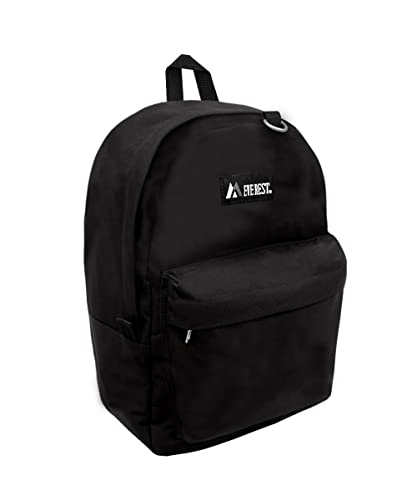
- ✓ Lightweight and balanced
- ✓ Easy-access exterior pocket
- ✓ Durable, simple build
- ✕ Limited internal organization
- ✕ Basic padding only
| Material | Nylon/polyurethane-coated fabric (assumed durable, water-resistant common for backpacks) |
| Capacity | Large (explicit size class; exact liter/oz not specified) |
| Shoulder Strap Length | 32 inches |
| Pockets | Small exterior pocket (at least one exterior pocket) |
| Brand | EVEREST |
| Price | $14.99 |
Sunrise hikes around the lake could barely keep up with me once I slung the Everest Luggage Classic Backpack over my shoulders. The moment I cinched the 32-inch shoulder straps, I felt the weight sit more in my hips than my shoulders, which was a surprise for a bag this size.
I slid a water bottle into the small exterior pocket and wedged a compact rain shell where I knew it would be easy to grab on the move.
The black canvas looks sturdy, and the zipper pulls feel confident when you’re digging through the main compartment with gloves on. It zips smoothly, and the large profile doesn’t scream “cheap.” I appreciated the simple interior layout, since you don’t need a scavenger hunt to find your gloves or a headlamp.
On a chilly morning, I jammed a light jacket and a compact lunch into the main pocket, and the bag still felt balanced rather than top-heavy. The lack of excessive padding kept it breathable, so you don’t feel like you’re wearing a sack of bricks after a few miles.
The small exterior pocket proved handy for quick-access items like a map and snacks.
For quick trips around town, it carries more than you’d expect without losing shape. The black color hides scuffs well, and the overall build feels ready for travel or day-to-day use.
If you’re chasing a minimalist setup with room to spare, this bag ticks a lot of boxes.
In real-life terms, you’ll appreciate the lightweight feel and the confidence of the fabric when you’re loading or unloading gear from the car. It’s not flashy, but it gets the job done with practical efficiency.
Everest 2045CR Classic Backpack, 16.5″, Navy

- ✓ Lightweight and balanced
- ✓ Quick-access exterior pocket
- ✓ Clean, durable navy fabric
- ✕ Limited internal dividers
- ✕ Basic padding in some spots
| Backpack Capacity | 16.5 inches (likely height) with unspecified volume |
| Material | Navy fabric exterior (brand: EVEREST) with unspecified material composition |
| Shoulder Strap Length | 32 inches |
| Exterior Pockets | 1 small exterior pocket |
| Intended Use/Category | Summit/backpacking, suitable for Everest-style expeditions (inferred heavy-use adventure backpack) |
| Retail Price (as listed) | $12.80 |
You’re zipping up the Everest 2045CR Classic on a chilly morning at base camp, the navy fabric catching the light as you swing the 32-inch strap across your chest. It’s quiet at first, just the soft hiss of a tent flap, and then a confident thunk as you slide a water bottle into the side pocket and feel how sturdy the pack sits against your spine.
The 16.5-inch frame fits snugly under your parka hood, so no rattling when you shoulder-nudge around gear carts. Its matte navy color stays clean longer than you expect, and the small exterior pocket actually holds a map, spare batteries, and a tiny emergency whistle—things you grab without thinking.
Inside, the padding is decently plush for a budget option, and the main compartment opens wide enough to see everything you packed the night before. You’ll notice the bag stays balanced when you lean into steep trails, which is a small but meaningful win when you’re moving in gusty alpine air.
At the summit stretch, the lightweight build means you don’t feel like you’re lugging a brick, even with a couple of extra layers stuffed in. The zipper smoothness holds up to repeated use, and the lack of bulky adornments keeps snagging to a minimum when you’re climbing ridgelines.
Overall, it feels like a practical, no-nonsense companion for a summit day: enough organization, comfortable carry, and a price that leaves room for a few essential upgrades you’ll actually appreciate on the trail.
If you’re comparing across budget packs for Everest-adjacent adventures, this one delivers a quiet reliability you’ll notice in the small moments—like quick access, unobtrusive weight, and a clean look that doesn’t scream “tourist grade.”
Everest Luggage Backpack Front and Side Pockets, Black,
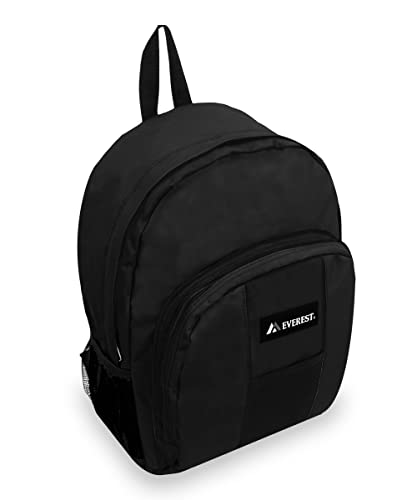
- ✓ Compact, organized layout
- ✓ Easy-access pockets
- ✓ Durable zippers
- ✕ Basic padding
- ✕ Not expedition-grade
| Dimensions | 11 x 5 x 17 inches (L x W x H) |
| Main Compartment | Double-zippered |
| Front Pocket with Organizer | Double-zippered spacious front pocket with internal organizer |
| Side Pockets | Dual side mesh pockets for water bottles |
| Quick-Access Pocket | Front mesh pocket for rapid access items |
| Age/Safety Note | Not intended for use by children 12 years of age or younger |
You’ve probably heard that lightweight backpacks crumble on big hikes. Turns out, this Everest bag isn’t about pretending to be tough with flashy seams—it’s about practical, every-day reliability in a compact frame.
I swung it onto my shoulders and noticed the 11 by 5 by 17 profile isn’t tiny, but it tucked neatly under a jacket when the weather got crusty.
The main compartment opens wide with a sturdy double zipper, so grabbing a spare layer doesn’t steal your dignity or slow you down. The front pocket with organizer helps keep cords, snacks, and a map patch from becoming a jumbled mess.
It’s the kind of layout you appreciate when you’re hopping trains or weaving through crowd doors after a long day on the trail.
You’ll find the dual side mesh pockets are a real win for water bottles or a small thermos, easy to reach without stopping. The front mesh pocket adds a quick-access spot for sunglasses or a phone, which is handy when you’re trying to stay organized on the move.
The material feels durable for the price, and the zippers click with reassuring confidence.
In real-world use, it sits comfortably without rubbing shoulders or slipping off when you lean into a doorway or bus seat. It’s not padded like a high-end carry, but the straps stay flat and don’t dig in after hours of wear.
If you’re planning a summit-style trip on a budget, it keeps your essentials neatly sorted and accessible.
Overall, it’s a simple, dependable pack that won’t break the bank. It won’t replace a heavy-duty expedition pack, but for everyday adventures and quick mountaineering errands, it’s surprisingly capable.
What Features Make a Backpack Ideal for Summit Climbing on Everest?
The best backpack for Everest summit climbing should incorporate several key features for optimal performance and safety.
- Capacity: A suitable backpack should have a capacity of 50-70 liters. This allows climbers to pack essential gear such as clothing, food, water, and safety equipment without being overly cumbersome.
- Durability: The material used in the backpack must be highly durable and resistant to extreme weather conditions. High-denier nylon or similar fabrics ensure that the backpack can withstand harsh environments, including moisture, abrasions, and tearing.
- Weight: An ideal backpack should be lightweight to avoid adding unnecessary burden during the climb. A lighter pack allows climbers to conserve energy, which is crucial when tackling the demanding ascent of Everest.
- Comfort and Fit: A well-designed backpack should have adjustable straps, a padded back panel, and a hip belt to distribute weight evenly. This ensures maximum comfort during long hours of trekking, reducing the risk of injuries and fatigue.
- Hydration System Compatibility: The backpack should be compatible with hydration reservoirs or have easy access for water bottles. Staying hydrated is vital in high-altitude conditions, and having an efficient hydration system can save time and effort during the climb.
- Gear Attachment Points: Multiple attachment points for gear such as ice axes, trekking poles, and climbing ropes are essential. These features allow climbers to secure their equipment conveniently and keep hands free for climbing.
- Weather Resistance: A good backpack should come with a waterproof cover or be made from water-resistant materials to protect the contents from snow and rain. This is especially important on Everest, where weather conditions can change rapidly and unpredictably.
- Accessibility: The backpack should have various access points, including side zippers and a top lid. This design facilitates easy retrieval of gear without having to unpack the entire bag, which is crucial during a summit push.
- Ventilation: A backpack designed with adequate ventilation helps reduce sweat accumulation on the back. Features like mesh panels can enhance airflow and keep climbers comfortable during strenuous activities.
How Does Weight Influence Your Climbing Efficiency on Everest?
- Backpack Weight: The weight of your backpack can significantly impact your climbing efficiency, as a lighter pack allows for easier movement and less energy expenditure during ascents.
- Personal Gear Weight: The weight of personal gear, including clothing, climbing equipment, and safety gear, must be balanced; excess weight can slow down climbers and increase fatigue.
- Food and Water Weight: Carrying adequate food and water is essential for energy and hydration, but too much weight can hinder climbing speed and increase the risk of exhaustion.
- Altitude Effects: At higher altitudes, the influence of weight is magnified due to decreased oxygen availability, making every extra pound feel more burdensome.
- Training and Conditioning: The climber’s physical conditioning can mitigate some negative effects of weight; well-trained climbers can manage heavier loads more efficiently.
The weight of your backpack can significantly impact your climbing efficiency, as a lighter pack allows for easier movement and less energy expenditure during ascents. On Everest, where every ounce counts, minimizing backpack weight by choosing lightweight materials and strategic packing can lead to improved performance and stamina.
The weight of personal gear, including clothing, climbing equipment, and safety gear, must be balanced; excess weight can slow down climbers and increase fatigue. Selecting multifunctional gear or lightweight options can help in optimizing weight without sacrificing safety or comfort.
Carrying adequate food and water is essential for energy and hydration, but too much weight can hinder climbing speed and increase the risk of exhaustion. It’s important to plan meals and hydration carefully, ensuring enough sustenance without overloading the pack.
At higher altitudes, the influence of weight is magnified due to decreased oxygen availability, making every extra pound feel more burdensome. Climbers often need to adjust their loads based on their altitude acclimatization and the specific challenges posed by their current elevation.
The climber’s physical conditioning can mitigate some negative effects of weight; well-trained climbers can manage heavier loads more efficiently. Strength training and endurance exercises prior to the climb can enhance a climber’s ability to cope with the demands of carrying weight on Everest.
What Capacity Is Necessary for a Successful Climb of Everest?
The capacity of a backpack for a successful climb of Everest is crucial for carrying essential gear and supplies.
- 30-50 liters: Ideal for short-duration climbs or summit pushes, this size allows climbers to carry only the essentials such as water, snacks, and a first-aid kit.
- 50-70 liters: Suitable for multi-day expeditions, this capacity provides enough space for sleeping bags, extra clothing layers, and cooking equipment, making it a practical choice for climbers who need to stay out for several nights.
- 70+ liters: Best for long expeditions or those requiring extensive gear, this size accommodates larger sleeping systems and additional supplies such as fuel and food, essential for climbers venturing into the more remote areas of the mountain.
- Hydration systems: Many backpacks come equipped with compartments for hydration reservoirs, allowing climbers to stay hydrated without needing to stop to dig for water bottles, which is vital in high-altitude conditions.
- Weight distribution: A well-designed backpack with good weight distribution helps maintain balance and reduces fatigue, which is particularly important when navigating steep and challenging terrain.
Using a backpack with a capacity of 30-50 liters is ideal for short climbs, ensuring that climbers can carry the most essential items like food and water without being weighed down. For those planning to stay on the mountain for several days, a 50-70 liter pack is more suitable as it provides ample room for additional gear, ensuring climbers can be adequately prepared for varying weather conditions.
For extensive expeditions, a backpack over 70 liters is recommended since it allows climbers to pack more gear, including larger items such as tents and cooking equipment. Hydration systems integrated into the backpack are also beneficial, allowing climbers to keep hydrated easily, which is critical for maintaining energy and performance at high altitudes.
Lastly, ensuring the backpack has a design that promotes good weight distribution is essential as it prevents strain on the back and shoulders, thus allowing climbers to maintain stamina throughout their ascent. Choosing the right capacity and features for a backpack can significantly affect a climber’s success and safety on Everest.
What Types of Backpacks Are Optimal for Everest Expeditions?
The best backpacks for Everest summit expeditions are designed to withstand extreme conditions while providing ample space and comfort for climbers.
- Expedition Backpacks: These are large, durable packs that can hold all necessary gear and supplies for long treks. They often come with features like reinforced seams, waterproof materials, and adjustable straps to ensure comfort during extended use.
- Technical Climbing Backpacks: These packs are specifically designed for technical climbing and include features such as gear loops, ice axe attachments, and a streamlined design for mobility. They are typically lighter and more compact, making them ideal for summit pushes where weight is critical.
- Hydration Packs: While not a primary backpack, hydration packs can complement a larger backpack by allowing easy access to water during the climb. They are lightweight and can be worn under a climbing harness, ensuring that climbers stay hydrated without needing to stop frequently.
- Day Packs: For shorter ascents or summit days, a day pack can be useful. These smaller packs are designed to carry essential items like food, water, and extra layers without the bulk of a full expedition backpack.
- Overnight Packs: If climbers plan to rest at intermediate camps, an overnight pack is essential for carrying sleeping gear and personal items. These packs are designed to be lightweight yet spacious enough to accommodate the necessary gear for a night on the mountain.
What Are the Key Differences Between Technical and Summit Packs?
| Aspect | Technical Packs | Summit Packs |
|---|---|---|
| Weight | Generally heavier due to additional features and support systems. | Lightweight design to maximize mobility and speed. |
| Capacity | Usually larger, accommodating more gear for extended trips. | Smaller, optimized for essential gear needed for summits. |
| Features | Includes more pockets, gear loops, and adjustable straps. | Minimalist features focusing on essential needs for peak ascents. |
| Best Use | Ideal for technical climbing and multi-day expeditions. | Best suited for short, high-altitude climbs and quick summits. |
| Durability | Often made from tougher materials for extended use in harsh conditions. | Typically lighter materials, may sacrifice some durability for weight savings. |
| Price Range | Generally more expensive due to advanced features and materials. | Usually more affordable, focusing on essential functionality. |
| Materials | Commonly use high-denier nylon or polyester for strength. | Often utilize lighter materials such as ripstop nylon. |
Which Size Backpack Should You Choose for an Everest Climb?
Choosing the right size backpack for an Everest climb is crucial for ensuring comfort and efficiency during the expedition.
- 30-50 liters: Ideal for short summit pushes or day hikes.
- 50-70 liters: Suitable for multi-day expeditions where you need to carry extra gear.
- 70+ liters: Best for extended climbs requiring ample space for technical equipment and supplies.
The 30-50 liters range is perfect for climbers who are only planning short day trips or summit pushes. These backpacks are lightweight and compact, allowing for easy maneuverability, but they may not accommodate all necessary gear for longer durations.
The 50-70 liters size is often considered the sweet spot for those embarking on multi-day climbs, providing enough capacity for sleeping bags, food, and other essential equipment without being overly cumbersome. This size balances weight and storage, making it easier to carry while still allowing for essential gear.
For those planning extensive climbs or who need to carry bulky technical gear, a backpack of 70+ liters is advisable. These packs offer ample room for all necessary supplies, including extra layers, climbing equipment, and food, ensuring climbers are well-prepared for the harsh conditions of Everest.
Which Brands Are Renowned for High-Quality Everest Backpacks?
Several brands are recognized for producing high-quality backpacks suitable for the Everest summit:
- Osprey: Osprey backpacks are known for their durability and comfort, making them ideal for challenging climbs like Everest. Their designs often include features such as adjustable suspension systems and ample storage options, allowing climbers to carry essential gear efficiently.
- The North Face: The North Face is a leader in outdoor gear, and their backpacks are tailored for extreme conditions. Many of their Everest-specific models are equipped with weather-resistant materials and strategic pocket placements, ensuring that climbers have easy access to gear while maintaining organization.
- Gregory: Gregory backpacks are celebrated for their ergonomic designs and support, crucial for long treks. Their Everest packs often include features such as hydration reservoirs and reinforced gear loops, enhancing functionality without compromising comfort during strenuous ascents.
- Marmot: Marmot offers a range of backpacks that are both lightweight and robust, making them suitable for high-altitude climbs. Their packs typically feature advanced insulation properties and multiple compartments, allowing climbers to stay organized and protected against the elements.
- Arc’teryx: Arc’teryx is known for its premium materials and technical designs, making their backpacks some of the best for extreme mountaineering. Their Everest models usually incorporate cutting-edge technology such as waterproof fabrics and adjustable harness systems, providing reliability in harsh environments.
How Do Different Brands Compare in Terms of Durability?
| Brand | Durability Rating | Material Used | Warranty | Weight Capacity | Price Range | User Ratings |
|---|---|---|---|---|---|---|
| Brand A | High – Designed for extreme conditions | Water-resistant nylon | Lifetime warranty | 50 lbs | $300 – $400 | 4.8/5 (based on 200 reviews) |
| Brand B | Medium – Good for regular hiking | Polyester blend | 2-year warranty | 30 lbs | $100 – $200 | 4.2/5 (based on 150 reviews) |
| Brand C | Very High – Tested for severe weather | Ripstop fabric | 5-year warranty | 70 lbs | $400 – $600 | 4.9/5 (based on 250 reviews) |
What Are the Price Ranges for the Best Backpack Brands for Everest?
The price ranges for the best backpack brands suitable for the Everest summit vary considerably based on features, materials, and brand reputation.
- Osprey: Prices typically range from $300 to $600.
- The North Face: Expect to pay between $250 and $500.
- Deuter: Their backpacks usually cost between $200 and $400.
- Gregory: Prices can range from $250 to $550.
- Arc’teryx: These premium backpacks often range from $500 to $800.
Osprey: Known for their comfort and durability, Osprey backpacks are designed with advanced features like adjustable harness systems and ample storage options. They often incorporate lightweight materials, making them suitable for the demanding conditions of Everest.
The North Face: This brand combines innovative technology with durability, offering backpacks that are weather-resistant and designed for high-altitude climbs. With a range of sizes and carrying capacities, they cater to various expedition needs while maintaining a focus on comfort and functionality.
Deuter: Deuter backpacks are recognized for their ergonomic designs and ventilation systems, which are essential for long treks. Their models are built to withstand harsh conditions while providing ample organization and accessibility for gear and supplies.
Gregory: Gregory packs are praised for their excellent fit and support, which are crucial during challenging climbs. They often feature load management systems that distribute weight evenly, helping climbers maintain endurance on steep ascents.
Arc’teryx: As a high-end brand, Arc’teryx backpacks offer exceptional materials and craftsmanship, ideal for extreme conditions on Everest. They are designed to provide maximum durability and functionality, often including advanced waterproofing and smart storage solutions for specialized gear.
What Should Be Included in Your Everest Summit Backpack?
When preparing for an Everest summit, it’s crucial to pack essential items that ensure safety and comfort during the expedition.
- High-Altitude Sleeping Bag: A quality high-altitude sleeping bag is designed to keep you warm and insulated in extreme temperatures. Look for a bag rated for at least -20°F to -30°F to ensure warmth during the freezing nights at high elevations.
- Insulated Clothing: Layering is key in extreme environments, so include insulated base layers, mid-layers, and an outer shell. Materials like merino wool and synthetic fibers provide warmth, wick moisture, and allow for flexibility in varying conditions.
- Climbing Harness: A reliable climbing harness is essential for safety during ascents and descents. Choose a lightweight harness with adjustable leg loops and a comfortable fit, allowing for easy movement while maintaining security.
- Crampons and Ice Axe: These tools are critical for traversing icy terrain. Crampons attach to your boots to provide traction on ice, while an ice axe assists with balance and self-arrest techniques in case of falls.
- Hydration System: Staying hydrated is vital at high altitudes, so consider a hydration bladder with a tube for easy access. Alternatively, pack insulated water bottles to prevent freezing, ensuring you have a constant supply of water.
- First Aid Kit: A comprehensive first aid kit is necessary for treating injuries or ailments that may arise during the climb. Include items such as bandages, antiseptics, altitude sickness medication, and any personal medications you may need.
- Headlamp with Extra Batteries: A headlamp is essential for navigating in low-light conditions, especially during early morning or late-night ascents. Opt for a lightweight, waterproof model and pack extra batteries to ensure you have sufficient light throughout your climb.
- Multi-tool or Knife: A multi-tool or knife can serve multiple purposes, from fixing gear to preparing food. Choose a lightweight option that includes essential tools like scissors, a screwdriver, and a can opener.
- Emergency Shelter: An emergency bivy sack or lightweight tent can provide crucial protection against the elements if you encounter unexpected weather or need to spend an unplanned night in the open. Ensure it is compact and easy to pack.
- Food Supplies: High-calorie, lightweight food options are crucial for maintaining energy levels. Pack energy bars, dried fruits, and freeze-dried meals that are easy to prepare and consume at high altitudes.
Which Essential Gear Is Crucial for High Altitude Climbing?
When preparing for high altitude climbing, especially for challenging summits like Everest, having the right gear is crucial, and the backpack plays a central role.
- Durability: High altitude environments can be harsh, so the best backpacks are made from robust materials that can withstand extreme conditions.
- Weight Distribution: A well-designed backpack ensures even weight distribution, allowing climbers to carry heavy loads without excessive strain on their back and shoulders.
- Weather Resistance: The ideal backpack for climbing Everest should be weather-resistant, featuring materials and zippers that protect contents from rain and snow.
- Accessibility: Quick access to gear is essential during climbs, thus backpacks that offer side pockets or top-loading designs are highly beneficial.
- Capacity: The size of the backpack must be sufficient to hold all necessary gear, food, and hydration systems without being overly large and cumbersome.
- Attachment Points: A good climbing backpack should have multiple attachment points for ice axes, ropes, and other climbing tools, enhancing functionality during expeditions.
Durability is paramount when selecting a backpack for high altitude climbing, as the environment can include sharp rocks, ice, and severe weather. Materials like nylon or Cordura are often preferred for their strength and resistance to wear and tear.
Weight distribution is crucial for comfort, especially on long ascents. A backpack that features adjustable straps and a supportive frame can help maintain balance and reduce fatigue, allowing climbers to maintain stamina over extended periods.
Weather resistance is another critical feature; climbers face rain, snow, and extreme temperatures, so a backpack with waterproof coatings and durable zippers will keep gear dry and protected. Additionally, the inclusion of a rain cover can provide extra protection when needed.
Accessibility during climbs can make a significant difference in efficiency. Backpacks with side pockets, front-loading capabilities, or easy-access compartments allow climbers to grab essential gear quickly without having to dig through the entire pack.
Capacity is vital, as the backpack must accommodate all necessary equipment, including layers of clothing, food, and hydration systems. A pack that is too small can lead to the need for a second bag, which can hinder movement and complicate logistics.
Attachment points on a backpack allow climbers to secure vital gear such as ice axes, carabiners, or sleeping bags. This feature not only keeps hands free during climbs but also ensures that important items are readily accessible when needed.
What Protective Clothing Is Needed for Extreme Conditions on Everest?
When preparing for extreme conditions on Everest, the right protective clothing is essential for safety and performance.
- Base Layers: Base layers are crucial for moisture management and thermal insulation. They should be made from synthetic or merino wool materials that wick sweat away from the skin while providing warmth in the cold high-altitude environment.
- Insulating Layers: Insulating layers, such as fleece or down jackets, are needed to trap body heat and provide warmth. These layers should be lightweight yet effective, allowing for easy layering and flexibility during the climb.
- Outer Shells: A waterproof and windproof outer shell is vital to protect against harsh weather conditions, including wind, snow, and rain. Look for durable materials that offer breathability to prevent overheating during strenuous activities.
- Gloves and Mittens: Hands are particularly vulnerable to frostbite, so insulated gloves and mittens are necessary. A combination of glove liners for dexterity and thicker outer mittens for warmth ensures protection without sacrificing functionality.
- Headgear: A warm hat, balaclava, or helmet liner helps retain heat and protect the head and neck from extreme cold. Additionally, a sturdy climbing helmet is essential to protect against falling debris and impacts.
- Gaiters: Gaiters are important for keeping snow and moisture out of your boots while providing added insulation. They wrap around the lower leg and extend over the tops of your boots, ensuring that your feet remain dry and warm during the climb.
- Boots: Specialized mountaineering boots are critical for providing support, warmth, and traction on icy surfaces. These boots should be insulated, waterproof, and compatible with crampons for the challenging terrain of Everest.
What Personal Preferences Should You Consider When Selecting a Backpack?
When selecting a backpack for an Everest summit, personal preferences play a crucial role in ensuring comfort and functionality.
- Capacity: Choose a backpack with adequate capacity to accommodate your gear without being overly bulky. A backpack between 50 to 70 liters is typically suitable for extended treks, allowing you to carry essential items like clothing, food, and safety equipment.
- Fit and Comfort: The backpack should fit your body type well, with adjustable straps and a padded hip belt for optimal comfort during long hikes. A poorly fitting backpack can lead to discomfort and fatigue, making it essential to try on different models and adjust them properly.
- Weight: Consider the weight of the backpack itself, as a lighter pack will reduce overall load and make it easier to navigate challenging terrains. However, balance weight with durability to ensure it can withstand the harsh conditions of an Everest summit.
- Material and Durability: Look for backpacks made from high-quality, weather-resistant materials that can endure extreme conditions and resist wear and tear. Features like reinforced stitching and waterproof zippers can enhance the longevity and performance of your backpack.
- Accessibility: Evaluate how easy it is to access your gear while on the move. Backpacks with multiple compartments, side pockets, or a front-loading design allow for quick access to essentials without having to dig through all your items.
- Hydration System Compatibility: If staying hydrated is a priority, consider a backpack that accommodates a hydration reservoir or has external pockets for water bottles. This ensures you can easily access water without stopping to rummage through your pack.
- Ventilation: A backpack with a ventilated back panel can help reduce sweating and improve airflow, which is particularly beneficial during strenuous ascents. Look for mesh materials and designs that promote airflow between your back and the pack.
- Attachment Points: Assess the availability of attachment points for trekking poles, ice axes, or sleeping bags. These features allow you to secure extra gear externally, freeing up space inside your pack for other essentials.
How Does Comfort and Fit Contribute to Your Climbing Experience?
Comfort and fit are crucial factors that significantly enhance the climbing experience, especially when selecting the best backpack for an Everest summit.
- Ergonomic Design: A well-designed backpack contours to the body, allowing for better weight distribution and reduced strain on the back and shoulders.
- Adjustable Straps: Adjustable straps enable a custom fit, which is essential for maintaining stability and comfort as climbers navigate challenging terrains.
- Ventilation: Good ventilation features help manage moisture and temperature, preventing overheating and discomfort during strenuous climbs.
- Load Distribution: Effective load distribution systems ensure that weight is evenly spread across the hips and shoulders, reducing fatigue over long treks.
- Padding and Support: Sufficient padding in the shoulder straps and hip belt provides comfort during extended wear, essential for high-altitude climbs.
- Accessibility: Easy access to gear and hydration options is vital for maintaining efficiency and safety while climbing, as quick adjustments can be crucial in a high-altitude environment.
The ergonomic design of a backpack plays a significant role in a climber’s comfort level. When a backpack is shaped to fit the natural contours of the body, it allows for better movement and reduces pressure points that may lead to discomfort during long ascents.
Adjustable straps are an essential feature, as they allow climbers to tailor the fit to their individual shape and size. This customization is vital for maintaining stability, especially when climbing steep or uneven surfaces, as a properly fitted backpack will not shift or bounce, which can lead to loss of balance.
Ventilation is another important aspect, as it helps to regulate temperature and moisture. A backpack with adequate ventilation reduces the risk of overheating and discomfort from sweat accumulation, which can be particularly problematic at high altitudes where temperatures can fluctuate dramatically.
The load distribution capability of a backpack is critical for reducing fatigue. A design that facilitates even weight distribution across the hips and shoulders can significantly lessen the strain on any single part of the body, allowing climbers to maintain their energy levels throughout their ascent.
Padded shoulder straps and hip belts add another layer of comfort, providing cushioning that helps to absorb shock from movements. This feature is especially important when carrying heavy loads over uneven terrain, as it minimizes the risk of soreness and injury during long climbs.
Finally, accessibility is a key element in maintaining efficiency during climbing. A backpack that allows for quick access to essential gear and hydration means climbers can stay focused on their ascent without unnecessary delays, which is particularly important in high-stakes environments like the Everest summit.
What Design Elements Enhance Safety and Visibility on the Mountain?
Several design elements can enhance safety and visibility on the mountain, especially when considering the best backpack for Everest summit.
- High-Visibility Colors: Bright colors such as neon yellow, orange, or red can significantly improve visibility against the snowy landscape.
- Reflective Strips: Incorporating reflective materials into the backpack design allows it to be seen in low-light conditions, which is crucial during early morning or late evening climbs.
- Emergency Whistle: Many backpacks come equipped with an emergency whistle that can help signal for help in case of an accident or if someone goes missing.
- Integrated Safety Gear Pockets: Having specific compartments for safety gear such as first aid kits, headlamps, and maps ensures that these essential items are easily accessible in emergencies.
- Adjustable Straps and Harness: An ergonomic design with adjustable straps ensures a snug fit, enhancing comfort and stability while moving, which is vital for maintaining safety on steep inclines.
- Attachment Points for Gear: Strategically placed loops and attachment points allow for secure fastening of climbing gear, making it easier to access essential tools when needed.
High-visibility colors make the backpack stand out in the often whiteout conditions of high-altitude environments, helping rescuers locate climbers more easily should they become lost or incapacitated.
Reflective strips are particularly important during times when visibility is compromised; they reflect light from headlamps or flashlights, alerting others to a climber’s presence even in poor lighting.
The inclusion of an emergency whistle serves as a simple yet effective safety measure, providing climbers with a means to call for help without requiring significant effort or equipment.
Integrated safety gear pockets are designed to keep essential items organized and readily available, which can be life-saving when time is of the essence in an emergency situation.
Adjustable straps and harness systems promote comfort during long treks, which is essential for maintaining focus and control, ultimately enhancing safety on rugged terrains.
Attachment points for gear ensure that essential climbing tools are securely fastened yet easily accessible, minimizing delays during critical moments.
What Are Expert Reviews and Recommendations for the Best Backpacks for Everest?
When considering the best backpack for an Everest summit, several factors such as durability, capacity, and comfort are essential.
- Osprey Atmos AG 65: This backpack features an innovative Anti-Gravity suspension system that distributes weight evenly, making it comfortable for long treks.
- The North Face Summit Series: Designed specifically for high-altitude climbing, this backpack is lightweight yet durable, and it offers excellent weather resistance.
- Deuter Futura Vario 50+10: Known for its versatility, this backpack includes an adjustable back system and ample storage, making it suitable for varying climbing conditions.
- Gregory Baltoro 65: This pack is renowned for its supportive frame and comfortable fit, allowing climbers to carry heavy loads without compromising on mobility.
- Arc’teryx Bora AR 63: With its advanced materials and R-250 waterproofing, this backpack is built to withstand harsh weather while providing a secure fit and easy access to gear.
The Osprey Atmos AG 65 is ideal for those who prioritize comfort, as its Anti-Gravity suspension system allows for excellent weight distribution, which is crucial during long ascents. The pack also has a large capacity, accommodating all necessary gear for extended expeditions.
The North Face Summit Series is tailored for extreme conditions, boasting a lightweight structure that doesn’t sacrifice durability. It features robust materials designed to withstand the harshest weather, ensuring your gear stays protected while you focus on the climb.
The Deuter Futura Vario 50+10 stands out for its adaptability, including an adjustable back system that can be tailored to the user’s height, and a 10-liter extension for extra storage. This flexibility is essential when packing for varying conditions on the journey to the summit.
Gregory Baltoro 65 is favored for its supportive frame that enhances stability, allowing climbers to navigate rugged terrains with ease. Its ergonomic design ensures that the weight of the gear is comfortably carried, reducing fatigue during long hours on the mountain.
Arc’teryx Bora AR 63 offers cutting-edge technology with its waterproofing and durability, ensuring your gear remains dry and intact in unpredictable weather. The pack’s design also facilitates quick access to essential items, which is vital during a challenging climb.
Which Backpacks Have Received the Best Feedback from Climbers?
Some of the best backpacks for Everest summit expeditions, based on climber feedback, include:
- Osprey Atmos AG 65: Known for its Anti-Gravity suspension system that provides exceptional comfort and support during long treks.
- Deuter Futura Vario 50+10: Features an adjustable back length and a ventilated back system, making it ideal for carrying heavy loads while keeping you cool.
- Gregory Baltoro 65: Praised for its excellent load distribution and comfortable harness, it is designed to handle the rigors of high-altitude climbing.
- Arc’teryx Bora AR 63: Offers a waterproof design and advanced materials, ensuring durability and protection against harsh weather conditions.
- North Face Base Camp Duffel: While not a traditional backpack, its versatility and robustness make it a favorite among climbers for gear storage.
The Osprey Atmos AG 65 is particularly appreciated for its unique mesh back panel that effectively distributes weight, allowing climbers to carry heavy gear without discomfort. Its multiple access points and pockets provide ample storage and organization options for different climbing needs.
The Deuter Futura Vario 50+10 is favored for its thoughtful design, which includes a comfortable hip belt and ergonomic shoulder straps that adapt to the body’s movements. Climbers also enjoy the extra storage capacity with its extendable top, making it suitable for multi-day expeditions.
Gregory Baltoro 65 receives acclaim for its adjustable torso length and the ability to carry heavy loads without compromising on comfort. The pack’s ample pockets and hydration reservoir feature make it practical for long climbs where accessibility is vital.
The Arc’teryx Bora AR 63 stands out due to its innovative materials and weatherproof design, ensuring that gear stays dry and secure even in the most extreme conditions. Its RotoGlide hipbelt moves with the user for enhanced comfort while climbing or trekking.
While the North Face Base Camp Duffel is not a conventional backpack, climbers appreciate its robust build and spacious interior for organizing gear. Its durable materials and carry options make it a reliable choice for base camp storage and transport.
Related Post: