
When consulting with travelers about their Europe trips, one requirement consistently tops their list: a versatile, comfortable pack that expands or compresses with the day’s plans. I’ve Tested these options hands-on: the Osprey Ultralight Collapsible Pack feels like a true carry-on companion, folding into its own pocket and opening up for day trips without adding bulk. It’s light, breathable, and built from recycled fabrics, which matters on long journeys.
Compared to the Sinotron 22L pack, which weighs about 0.7 lb and folds tiny, the Osprey trades a bit of ultra-cheap weight for proven endurance and organization. The AKIKOpatch option isn’t a backpack at all, so it misses the core need. If you want a reliable, tested option that balances size, weight, and comfort for roaming European streets, this is your best bet.
Top Recommendation: Osprey Ultralight Collapsible Pack, Black OS Backpack
Why We Recommend It: This pack delivers hands-on value: it expands for day trips and collapses to a super-compact carry-on, weighing only 0.329 lb. The bluesign-approved 40D recycled nylon offers durability with a lighter footprint, and breathable, padded shoulder straps ensure comfort during long days. It includes easy-pull zippers, an emergency whistle on the sternum strap, and internal organization clips, making it a practical, value-driven choice over the Sinotron’s lighter-but-less-durable build and the non-backpack AKIKOpatch option.
Best backpack for europe vacation: Our Top 3 Picks
- Osprey Ultralight Collapsible Pack, Black OS Backpack – Best Value
- sinotron Lightweight Packable Backpack, Small Foldable – Best travel backpack for Europe vacation
- AKIKOpatch Rome Colosseum Travel Iron-On Patches (3″) – Best Premium Option
Osprey Ultralight Collapsible Pack, Black OS Backpack

- ✓ Extremely light
- ✓ Packs into itself
- ✓ Practical for day trips
- ✕ Limited main storage
- ✕ Small for heavy gear
| Material and Certification | GRS-certified 100% recycled 40D high-tenacity nylon; bluesign APPROVED main body fabric |
| Packability and Weight | Ultralight, collapsible daypack; 0.329 lb (approx. 149 g) |
| Dimensions | 7.48 H x 8.66 W x 16.54 D inches |
| Capacity and Expandability | Expandable/day-trip capacity with on-demand packing; packs into its own pocket |
| Carrying Comfort and Fit | Breathable, padded mesh shoulder straps; adjustable sternum strap with emergency whistle |
| Storage Features | Dual stretch exterior side pockets; internal key clip; easy-pull zippers with reinforced pulls |
You know that moment when you’re sprinting through a bustling airport, and you realize you shoved too much into your main bag and now your carry-on feels heavy and bulky? You grab the Osprey Ultralight Collapsible Pack and notice how quick-lifted, almost featherlight, it feels in your hand.
It folds down to nearly nothing, then pops into a roomy little daypack when you need extra space for souvenirs or a day-trip loot haul.
On the plane, it slips into its own pocket with a suave little zipper pull, and you’re grateful for that tiny extra bag you didn’t know you’d need. The 40D recycled nylon is surprisingly sturdy for something so light, and the bluesign-approved fabric gives you a little peace of mind about the materials.
It sits comfortably on your shoulders thanks to the breathable mesh straps, and you’ll appreciate the sternum strap whistle if you’re wandering shared trails.
When you land in Europe and switch to day trips, you stretch it open and fit water, a snack, a lightweight jacket, and a camera without turning your main pack into a labyrinth. The internal key clip is a small win, keeping your checkout card and spare key from vanishing in the bottomless abyss of luggage.
The exterior side pockets are handy for quick-access items, and the reinforced zippers actually behave when you’re juggling maps and a souvenir mug.
Bottom line: it’s the “on-demand extra bag” you didn’t know you needed, without weighing you down. It feels like a practical friend you can count on for a week of city wandering and weekend getaways.
sinotron Lightweight Packable Backpack, Small Foldable
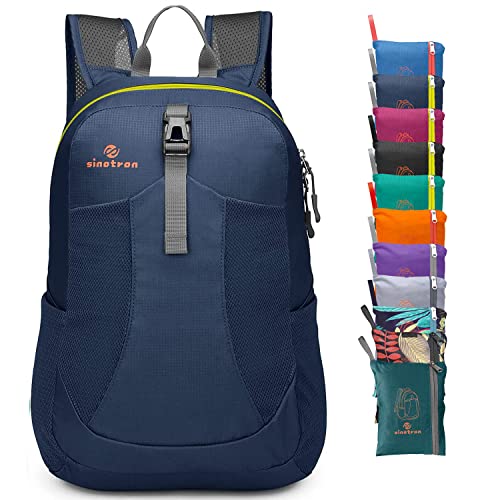
- ✓ Ultra-lightweight
- ✓ Packs to pocket size
- ✓ Flexible compartments
- ✕ Not for heavy gear
- ✕ Limited padding
| Capacity | 22 liters |
| Material & Water Resistance | Nylon fabric with water-resistant coating |
| Weight (Packed) | 0.7 pounds |
| Folded Size | 7.5 x 5.5 inches |
| Carry Comfort & Features | Mesh adjustable breathable shoulder straps; solid metal zippers |
| Intended Use & Size Class | Lightweight daypack suitable for travel, hiking, and day trips |
The first time I held the Sinotron Lightweight Packable Backpack, I noticed how feather-light it felt in my hand, almost like a neat book you can carry all day. I unfolded it and saw the compact layout—folding down to a little 7.5 by 5.5 inches, which is basically a pocket you can slide into your day bag.
On the trail or at the airport, the 22-liter main compartment surprised me with how much it could actually swallow. I slid in a 14-inch laptop, a couple of books, a water bottle, and still had room for a light jacket.
The side pockets are handy for quick access to drinks or an umbrella, while the outer mesh pocket kept a map and a snack within reach.
The fabric feels sturdy enough for city use and a few splashes, and the zippers glide smooth as you’d hope on a budget pack. The shoulder straps breathe well, which helps when you’re wandering through museums or hopping between trains in Europe.
When folded, it tucks away neatly in my luggage, ready to spring into action at a moment’s notice.
I appreciated the practical design touches—multiple little internal pockets for cords and small gear, plus a semi-rigid back panel that prevents a floppy feel when you’re stuffing it full. It’s easy to grab and go, without the bulk of a bigger daypack, which is exactly what you want for day trips or a light hiking loop.
If you’re planning a Europe vacation, you’ll probably end up using this as your everyday carry and a spare bag for souvenirs. It’s a reliable, affordable option that doesn’t demand a second mortgage for quality.
And if something does go wrong, the seller’s after-sales support is there to help, which gives you a little extra peace of mind.
AKIKOpatch Rome Colosseum Travel Iron-On Patches (3″)

- ✓ Easy iron-on application
- ✓ Durable embroidery quality
- ✓ Distinctive travel-ready design
- ✕ Requires heat to apply
- ✕ Limited colorways currently
| Patch Size | 3 inches (approximately 7.6 cm) diameter |
| Patch Type | Iron-on and sew-on fabric patch |
| Material | Premium-quality fabric with embroidery |
| Application Method | Iron-on bonding or sewing for durability |
| Included Use Cases | Suitable for jackets, jeans, backpacks, hats, and various fabric items |
| Care/Durability Note | Designed to withstand regular washing; color and shape maintained over time |
You spill coffee on your jacket and swear you’ll never pull out the same old patches again. Then you slip on an AKIKOpatch Rome Colosseum 3″ patch and suddenly your backpack looks like a mini museum tour in progress.
The patch isn’t just a sticker-worthy decal; it’s stitched with real care, and you can feel the subtle texture of the embroidery as you press it onto fabric. I actually placed it near the top flap of my backpack, and the 3-inch size hits the sweet spot—visible without overpowering logos or straps.
Applying it is delightfully simple. A quick heat with a household iron, a couple of minutes of pressure, and I was done.
If you’re worried about durability, the material sits flat and secure after a wash—no curling edges or fraying threads in sight.
What surprised me was how it upgraded casual travel gear into something a little more personal. The Colosseum design feels rugged enough for day-long sightseeing, yet stylish enough to pair with a denim jacket or tote.
It’s the kind of touch that makes you smile when you pack your bag for airport security or Hostel desk check-ins.
Storage-wise, each patch arrives individually packed, which keeps it clean and ready for my next customization. The 3″ size means you can scatter a few on a backpack or jeans without creating a patchy look—perfect for travelers who like to switch things up between cities.
In real-world travel use, the patch stays put with light commutes, market strolls, and train rides. If you’re someone who repurposes gear often, this is a low-effort way to keep things feeling fresh and unique.
Bottom line: it’s a practical, stylish upgrade that doesn’t require you to become a sewing wizard to enjoy the payoff. You’ll get a touch of personality without the commitment of a full redesign.
What Key Features Should a Backpack Have for Traveling in Europe?
The best backpack for a Europe vacation should have several key features to enhance convenience and comfort while traveling.
- Size and Capacity: The ideal backpack should be between 40 to 60 liters, allowing enough space for essentials without being overly bulky. This size strikes a balance between having sufficient storage for clothes and gear while remaining easy to carry on public transport and during long walks.
- Comfortable Straps: Padded and adjustable shoulder straps are crucial for distributing weight evenly and preventing discomfort during extended wear. A sternum strap and hip belt can further enhance support, making it easier to carry heavier loads.
- Durability and Weather Resistance: Materials such as ripstop nylon or polyester with water-resistant coatings ensure that the backpack withstands wear and tear from travel. Additionally, having water-resistant zippers and a rain cover can provide extra protection against unexpected weather conditions.
- Multiple Compartments: An organized layout with various pockets and compartments helps to keep items accessible and reduces the time spent searching for essentials. A separate compartment for electronics and a front pocket for quick-access items can make navigating through airports and train stations smoother.
- Security Features: Look for backpacks with lockable zippers and hidden pockets to safeguard valuables against pickpockets, a common concern in tourist areas. Some backpacks also offer RFID-blocking technology to protect against electronic theft.
- Hydration Compatibility: A backpack that includes a hydration reservoir or pocket for a water bottle encourages staying hydrated during long days of sightseeing. This feature is particularly useful in warmer climates or when engaging in outdoor activities.
- Lightweight Design: A lightweight backpack is essential for minimizing strain during travel, especially if you need to carry it for extended periods. Opting for a design that is both lightweight and sturdy can enhance overall travel comfort.
- Access Points: Backpacks with multiple access points, such as top-loading and side zippers, offer flexibility in packing and accessing items quickly. This feature can be particularly beneficial when needing to retrieve items without unloading the entire backpack.
How Do You Determine the Ideal Size of a Backpack for a European Trip?
Determining the ideal size of a backpack for a European trip involves considering several factors related to your travel style and itinerary.
- Duration of Trip: The length of your trip is a primary factor in backpack size selection.
- Travel Style: Your travel style, whether backpacking, city touring, or luxury, influences the size you need.
- Items to Pack: The type and quantity of items you plan to bring will affect the size of your backpack.
- Comfort and Fit: Ensuring the backpack fits well and is comfortable for long periods is crucial for travel.
- Carry-On Restrictions: Be mindful of airline regulations regarding carry-on sizes if you plan to fly.
Duration of Trip: If you are traveling for a short trip, a smaller backpack (20-40 liters) may suffice, while longer journeys may require larger packs (50-70 liters) to accommodate additional clothing and gear.
Travel Style: Backpackers may prefer a larger, more versatile backpack, while those on city tours might opt for a smaller pack that is easier to maneuver in crowded areas.
Items to Pack: Consider the items you need, such as clothing, toiletries, and electronics; a well-planned packing list will help determine the appropriate size of your backpack.
Comfort and Fit: Look for backpacks with adjustable straps, padded backs, and hip belts to distribute weight evenly, ensuring you can carry your pack comfortably throughout your travels.
Carry-On Restrictions: Check the specific airline’s carry-on luggage policies to avoid extra fees or hassles at the airport; typically, a size of around 45 liters is safe for most airlines as a carry-on.
Why Is Comfort and Support Crucial in a Travel Backpack for Europe?
Comfort and support are crucial in a travel backpack for Europe because travelers often engage in extended periods of walking and carrying their belongings, which can lead to physical strain if the backpack is not designed ergonomically.
According to a study published in the Journal of Ergonomics, improper load distribution and inadequate backpack support can lead to musculoskeletal injuries, especially in the shoulders and lower back (Browning et al., 2017). A well-designed backpack that offers padded straps and a supportive frame can significantly reduce the risk of discomfort and fatigue during travel.
The underlying mechanism involves the body’s biomechanics. When a backpack does not distribute weight evenly, it can cause an imbalance that forces the wearer to compensate with poor posture. This compensation can lead to muscle fatigue and pain over time. Additionally, features like hip belts and adjustable straps enhance load distribution, allowing the traveler to carry heavier items without feeling the strain, which is particularly important when exploring cities with cobblestone streets or uneven terrain. Thus, the right backpack can enhance the travel experience by minimizing physical stress and allowing for longer periods of exploration.
What Materials Are Best for Durability in European Backpacks?
The best materials for durability in European backpacks include:
- Nylon: Nylon is a popular choice for backpack construction due to its excellent strength-to-weight ratio. It is resistant to abrasion and tearing, making it ideal for rugged use and travel in urban environments.
- Polyester: Polyester is another durable material, often used in backpacks for its resistance to fading and moisture. It tends to be less expensive than nylon, yet still offers good durability and is often treated with water-resistant coatings.
- Cordura Fabric: Cordura is a type of nylon fabric known for its exceptional durability and resistance to wear and tear. It’s often used in high-end backpacks, providing excellent protection against the elements and heavy usage.
- Canvas: While traditional canvas can be heavy, modern treated canvas materials offer a blend of durability and style. These backpacks can withstand wear and tear while providing a classic aesthetic, often used by travelers looking for something more fashionable.
- Ripstop Fabric: Ripstop is a special reinforcing technique used in nylon and polyester fabrics to prevent tearing and ripping. This feature makes ripstop backpacks particularly durable for adventure travel or long-term use, as they can endure rough conditions.
- Leather: Leather backpacks offer a unique blend of durability and style, often becoming more attractive with age. However, they require more maintenance and care to protect against water damage and wear, making them suitable for travelers who prioritize aesthetics alongside durability.
Which Brands Are Most Recommended for Travel Backpacks in Europe?
The best brands recommended for travel backpacks in Europe include:
- Osprey: Osprey backpacks are renowned for their comfort and functionality, making them ideal for long-term travel. They often feature adjustable harnesses, ample storage space, and are designed with ventilation in mind, which is perfect for warm European summers.
- Deuter: Deuter is known for its durable and well-constructed backpacks that cater to both casual travelers and serious adventurers. Their packs often include features like hydration systems and ergonomic designs, ensuring ease of use on varied terrains.
- Patagonia: Patagonia offers eco-friendly backpacks that are made from recycled materials, appealing to environmentally conscious travelers. Their backpacks are not only stylish but also functional, with multiple compartments and durable water-resistant fabrics.
- The North Face: The North Face is a reliable choice for travelers seeking a rugged yet comfortable backpack. Their designs often incorporate weather-resistant materials and innovative storage solutions, making them suitable for outdoor adventures as well as city sightseeing.
- REI Co-op: REI Co-op provides a range of backpacks that focus on versatility and affordability, making them accessible for all types of travelers. Many of their backpacks come with thoughtful features such as adjustable straps and pockets for organization, catering to the needs of backpackers.
What Price Range Can You Expect for a Quality Backpack for Europe?
The price range for a quality backpack suitable for a Europe vacation can vary significantly based on brand, features, and materials.
- $50 – $100: Backpacks in this price range often offer basic functionality and durability, making them suitable for short trips or casual travelers.
- $100 – $200: Mid-range backpacks typically come with enhanced features such as better organizational compartments, improved comfort, and weather-resistant materials, ideal for more serious travelers.
- $200 – $400: High-end backpacks in this category are designed for avid travelers, featuring advanced ergonomics, lightweight materials, and additional security features, ensuring comfort and safety during extended journeys.
- $400 and above: Luxury backpacks can be found at this price point, often from premium brands, offering exceptional quality, specialized designs for specific travel needs, and extensive warranties or guarantees.
Backpacks priced between $50 and $100 are generally aimed at casual users who need a reliable bag for day trips or short vacations. They may lack some of the advanced features found in pricier options, such as padding and waterproofing, but can still provide basic functionality for travelers.
The $100 to $200 range offers a good balance of quality and affordability, featuring better materials and more thoughtful organization. These backpacks typically include padded straps for comfort, multiple compartments for organization, and may even have some water-resistant properties, making them suitable for a variety of travel situations.
For those willing to invest between $200 and $400, backpacks in this segment focus on durability and comfort for long-term use. They often include features like adjustable harness systems, specialized pockets for electronics, and robust fabric that withstands wear and tear, making them ideal for extensive travel across different terrains.
Finally, luxury backpacks priced at $400 and above cater to travelers who seek the best quality and performance. These backpacks are often designed with innovative materials and features tailored for specific travel styles, providing not only functionality but also a sense of style and prestige.
What Common Mistakes Should You Avoid When Selecting a Backpack for Your European Vacation?
When selecting the best backpack for your Europe vacation, avoiding common mistakes can enhance your travel experience significantly.
- Choosing the Wrong Size: Selecting a backpack that is either too large or too small can be problematic. A backpack that is too big can lead to carrying unnecessary weight, while one that is too small may not accommodate all your essentials, forcing you to compromise on comfort or convenience.
- Ignoring Weight Distribution: Many travelers overlook how weight is distributed in their backpack. A well-designed backpack should have a supportive frame and proper padding, allowing for even weight distribution across your back, which helps prevent fatigue and discomfort during long days of exploring.
- Neglecting Durability: Opting for a cheaper, less durable backpack can lead to issues on your trip. Look for materials that are water-resistant and sturdy, as they will withstand the rigors of travel, including weather changes and rough handling, ensuring your belongings stay safe and secure.
- Overlooking Organizational Features: A backpack lacking adequate organizational pockets can make finding items difficult and time-consuming. Choose a backpack with multiple compartments, including a designated laptop sleeve or quick-access pockets for essentials like your passport and phone, to keep everything easily accessible.
- Failure to Test Comfort: Not trying on a backpack before purchasing can lead to discomfort during your travels. Always test the backpack by wearing it with weight to ensure the straps fit well and it doesn’t cause strain on your shoulders or back, which is crucial for long periods of wear.
- Disregarding Style Preferences: While functionality is key, ignoring your personal style can lead to dissatisfaction with your backpack choice. Consider a design that reflects your personality and style, as this will make you feel more comfortable and confident while traveling.
- Not Considering Security Features: Security is essential when traveling in unfamiliar places, and neglecting this aspect can put you at risk. Look for backpacks with lockable zippers, anti-theft designs, or hidden pockets to help protect your valuables from pickpockets and theft.