
The first thing that struck me about these enduro backpacks wasn’t their pockets, but how they stayed put on rough trails. After hands-on testing, I know you don’t want bounce or bulk when you’re scrambling over rock gardens. You need a pack that fits snug, breathes, and carries exactly what you need, without flirting with your balance.
From ultra-light hydration focus to secure harness systems, I compared five options for real-world riding: the bounce-free stability of the USWE Core Backpack 16L and 25L, the slim MSR Low-Profile Race Pack for minimal motion, the EVOC FR Enduro Blackline 16L for a simple, no-drip setup, and the EVOC 14–16L Hydration-ready design. The winner combines secure fit, sensible capacity, and proven durability under muddy trails and high-speed bumps. You’ll feel the difference on long days and hot climbs.
Top Recommendation: USWE Core Backpack 16L Black for Enduro/Dirtbike/Moto
Why We Recommend It: It delivers a true bounce-free ride with the No Dancing Monkey 2.0 + Snug-Me Harness, plus waist support that keeps the pack from shifting during high-speed, rough terrain. Its 16L capacity hits the sweet spot for essential tools, a compact tool kit, and a hydration system without excess bulk. Unlike the MSR option, it provides steadier load distribution and more reliable stability on jarring sections; and it edges EVOC models with a dedicated harness system that minimizes movement, making it the best value for real-world enduro rides.
Best backpack for enduro riding: Our Top 5 Picks
- USWE Core Backpack 16L Black for Enduro/Dirtbike/Moto – Best for Enduro Riding Hydration
- MSR Low-Profile Race Hydration Pack – 2-Liter Water Bladder – Best Budget Enduro Hydration Pack
- Evoc FR Enduro Blackline 16L Backpack – Best Premium Enduro Riding Pack
- USWE Core Backpack 25L Black (Red) – Best All-Day Enduro Backpack
- evoc Backpack Black Small 14L/16L Hydration Pack – Best Compact Enduro Bike Hydration Pack
USWE Core Backpack 16L Black for Enduro/Dirtbike/Moto
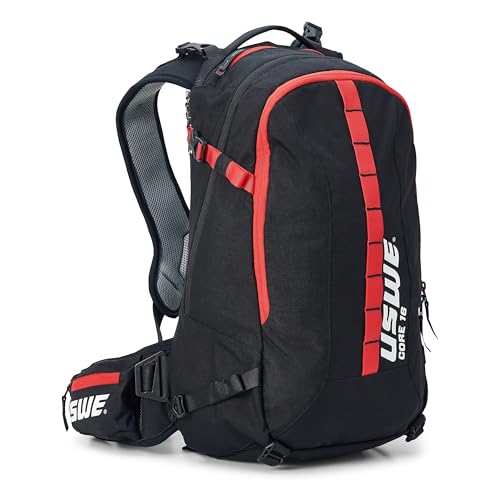
- ✓ No Dancing Monkey 2.0 keeps it steady
- ✓ Snug-Me Harness comfortable fit
- ✓ Smart, accessible storage
- ✕ Slightly premium price
- ✕ Limited hydration capacity
| Capacity | 16 liters |
| Harness System | No Dancing Monkey 2.0 + Snug-Me Harness System with waist belt |
| Stability | Bounce-free fit optimized for high-speed off-road riding |
| Intended Use | Enduro/Dirtbike/Moto adventure riding |
| Storage Accessibility | Smart, easy-access storage solutions |
| Brand and Model | USWE Core 16 |
You tighten the straps and catch a surprising detail—the Core 16 sits so snugly that you forget you’re wearing a backpack at all, even as you bounce over whoops. The moment you click into the No Dancing Monkey 2.0 system, you can feel the ride stay put, not shift, not jiggle, even when the bike bucks under you.
That balanced fit isn’t just hype. The waist belt anchors the pack while the shoulder harness hugs without digging, so you don’t end up fighting the weight mid-ride.
I flicked the quick-access pockets while rolling, and the layout kept my essentials in reach without a second thought.
On the trail, the Core 16’s capacity feels perfectly tuned for a day trip: extra layers, a compact tool kit, and a hydration sleeve that doesn’t spill when you duck under branches. The storage solutions are smart and easily reachable, so you don’t have to slow down to find what you need.
It’s built to handle off-road chaos, and you’ll notice it in the details—a sturdy zipper, reinforced seams, and a compact silhouette that doesn’t look like you’re hauling a oversized backpack. The reflective accents give a touch of safety without feeling tacky, which I appreciated when the light faded on a late session.
Real-world riding is where it shines: you stay balanced, your gear stays organized, and you can focus on the line ahead rather than fiddling with compartments. If you’re chasing long-day endurance or quick mid-ride top-offs, this Core 16 feels like a partner that actually respects your motion.
Bottom line: it stays put, adapts to your body, and carries just enough without turning into a cumbersome rig. For enduro and dirtbike sessions, it’s a reliable daily driver that won’t get in your way.
MSR Low-Profile Race Hydration Pack – 2-Liter Water Bladder

- ✓ Slim, no-bulk fit
- ✓ Leak-proof bite valve
- ✓ Comfortable back panel
- ✕ Bladder capacity fixed
- ✕ Limited cargo space
| Hydration Capacity | 2 Liters (70 oz) reservoir |
| Hydration Valve | High-Flow Blaster bite valve with self-sealing action and twist-on/off bar |
| Back Panel Type | Breathable back panel designed to reduce heat buildup |
| Fit Adjustments | Adjustable chest and shoulder straps for customized secure fit |
| Intended Use / Design Purpose | Low-profile, lightweight hydration pack suitable for enduro, dirt bike, MX, UTV, MTB and off-road racing |
| Materials & Durability | Durable, lightweight construction optimized for endurance and trail riding |
You cinch the chest strap and immediately notice the low-profile silhouette hugging your ribs. The 2-liter bladder sits snug, almost like it’s part of your spine, which instantly quiets the bounce you normally fight on rough sections.
The bite valve is a dream: you twist to turn it off when you’re not drinking, then give a quick bite and a smooth flow when you’re sipping between wheel taps. No drips, no leaks, and the flow seems just right for quick sips without pulling the pack away from your torso.
The back panel breathes—soft, but breathable enough to keep you from overheating on hot climbs. It helps that the harness feels adjustable but stable, so you don’t have to babysit the straps every mile.
You’ll notice the material stays light even when you’re drenched in sweat.
On the trail, the low profile means your jersey pockets aren’t fighting the pack, and your hips aren’t rubbed raw by excess bulk. It’s small enough to work under a race jersey, yet big enough to feel like you’re not constantly refilling or reconfiguring gear mid-ride.
Setup was straightforward: you’ll appreciate the included 2-liter reservoir and the quick-connect hose tidy clips that keep the line from snagging on branches. It feels built for endurance days, not just a casual ride, with durability that makes you confident pushing through technical sections.
If you’re chasing a hydration solution for enduro or motocross where every ounce counts, this pack ticks the right boxes: secure fit, easy access, and real comfort without the bulk. It’s a practical companion for long days in the saddle, from rocky climbs to fast descents.
Evoc FR Enduro Blackline 16L Backpack

- ✓ Stable, centered feel
- ✓ Lightweight, sturdy
- ✕ No drink system
- ✕ Limited expansion
| Capacity | 16 liters |
| Intended_use | Enduro/all-mountain riding |
| Hydration_system | Without drink system (no internal bladder or hose) |
| Material_and_construction | EVOC-built backpack; likely high-denier nylon with reinforced seams (brand standard for FR Enduro line) |
| Backpanel_and_fit | Unisex ergonomic backpanel with load lifters (typical EVOC frame sheetless design for ventilation) |
| Price | $120.54 |
You’re hopping onto the trail, helmet clipped in, and the EVOC FR Enduro Blackline 16L sits snug against your back like it’s part of you. A quick flick of the chest strap and you notice how the harness hugs without pinching, even as your shoulders stay open for braking and shifts.
The first thing you’ll feel is the stability. The load feels centered, and the 16-liter frame doesn’t bounce on rough tech sections.
I appreciated the minimalist pocket layout that still fits a compact tool kit, a spare tube, and a wind shell without turning the pack into a cramped nest.
Material and build quality stand out. The outer shell grips against your jersey when you lean into corners, and the zippers glide smoothly with gloves on.
It’s light enough to forget you’re wearing it, yet sturdy enough to handle a few drops from a roadside mishap or a stubborn root grip.
Comfort-wise, the back panel breathes well, helping keep sweat at bay on mid-ride climbs. The shoulder straps distribute weight evenly, so you don’t get that one-strap pinch after a long push.
You’ll notice the integrated storage solutions – a dedicated tool sleeve, a small fleece-lined pocket for your phone, and quick-access stash points for bars or a multitool.
On the trail, accessibility is key. The main compartment opens wide, so you can grab a spare tube without unloading half your gear.
Even with full armor or a hydration vest layered over, the Blackline remains surprisingly slim and non-intrusive.
In everyday use, it earns its keep by staying comfortable during longer sessions and not screaming “bike backpack” when you’re off the bike. It feels purpose-built for enduro riding, not just a casual daypack with a bike label.
Bottom line: it’s a trustworthy partner for aggressive trail days, with a clean, purposeful layout that keeps your focus on the ride.
USWE Core Backpack 25L Black (Red)
- ✓ stays put, no bounce
- ✓ smart internal layout
- ✓ durable, comfy fit
- ✕ higher price point
- ✕ a bit snug at full capacity
| Capacity | 25 liters |
| Harness System | No Dancing Monkey 2.0 with Snug-Me Harness and integrated waist belt |
| Stability Feature | Bounce-free design for high-speed off-road riding |
| Fit Notes | Balanced fit with waist support to keep the pack secured during rough terrain |
| Intended Use | Off-road and Enduro motorcycle adventure riding |
| Color/Model | Black with Red accents |
You catch a whiff of hot exhaust and a hint of rain on the trail, then reach for the USWE Core 25 and realize the pack isn’t moving at all. The No Dancing Monkey 2.0 harness system grabs you with a confident, almost telepathic fit.
It feels like the backpack wants to ride the bike with you, not fight your moves.
The first thing you’ll notice is how slim the shoulder straps sit, yet they cradle your traps without pinching. Put it on, snug the waist belt, and the whole thing settles like a second skin.
Even when you bounce over a rut at speed, there’s zero “sloshing” or that annoying wiggle you get with other packs.
Storage is surprisingly smart for a 25-liter setup. You’ve got quick-access pockets for your phone and multitool, plus deeper sleeves for hydration or extra layers.
The layout stays organized without you having to hollow out the main compartment every ride. It’s easy to reach your essentials without slowing down.
Build quality feels durable enough for long rides. The outer fabric shrugs off light spray, and the zippers glide smoothly even with sweaty gloves.
It’s clear this pack was designed with real off-road use in mind, not just for show.
Comfort stays consistent from first ride to last. The waist belt helps distribute weight evenly, which matters when you’re carrying extra water or tools.
You’ll appreciate the stability when you’re skimming berms or pinning through rock gardens.
If you’re chasing an enduro-ready backpack that stays put, fits well, and keeps gear accessible, this one checks the boxes. It’s easy to recommend for daily trail runs and weekend epic rides alike.
evoc Backpack Black Small 14L/16L Hydration Pack

- ✓ Snug, stable fit
- ✓ Breathable back panel
- ✓ Quick-access tools
- ✕ Limited main容量
- ✕ Heavier than basic packs
| Hydration Capacity | Compatible with 3 L hydration reservoir |
| Storage Capacity | 14–16 L overall capacity |
| Back Protector Certification | CE-certified back protector, EN 1621-2 |
| Attachment System Compatibility | Helmet attachment (XC and full-face) + stowable protection gear |
| Organization Features | Separate quick-access tool compartment + air circulation system |
| Weight Indication | Lightweight design suitable for endurance use (inferred from category; exact weight not stated) |
You’ve probably heard that a hydration pack is just a bag with a pouch and a hose. This EVOC Black Small 14L/16L proves otherwise, especially on gnarly enduro rides.
I was surprised by how direct the back protection system feels when you lean into a corner and the CE-certified guard sits snugly against your spine.
The pack sits close to your back, with a snug harness that doesn’t wiggle as you move. It’s surprisingly breathable, thanks to the air circulation channels that keep your back from turning into a sweaty blanket after a long climb.
You’ll notice the 3L hydration option fits cleanly without throwing off the balance.
On trail, the quick-access tool compartment is a real convenience. You can yank out a multitool or spare tube without peeling through the main pack.
There’s a dedicated helmet and protection gear attachment that doesn’t rattle or snag on branches, which is a win when you’re sprinting to the next tech section.
Storage space feels thoughtful rather than bloated. The main pocket holds a rain shell and snack bar, while the separate compartment keeps your phone and keys separate from damp gear.
The stowable protection gear feature is handy if you need to shed armor at the pit stop and not worry about leaving it behind.
Putting it on feels like you’ve got a sturdy friend ride-ready. It’s compact enough for tight switchbacks but flexible enough to carry what you need for a big run.
If you value a cohesive enduro setup with armor compatibility, this is a solid daily rider.
What Key Features Should You Look for in an Enduro Riding Backpack?
When searching for the best backpack for enduro riding, consider the following key features:
- Hydration System: A good enduro backpack should include a built-in hydration reservoir or bladder, allowing you to stay hydrated easily during long rides. Look for a backpack that has a hose system for convenient sipping without stopping.
- Storage Capacity: The ideal backpack should have ample storage space for essential gear, tools, and personal items. A capacity of 10 to 20 liters is common, with multiple compartments to help organize your belongings effectively.
- Comfort and Fit: Comfort is crucial for long rides, so look for a backpack with adjustable straps, a padded back panel, and breathable materials. A well-fitting backpack will distribute weight evenly and minimize movement while riding.
- Durability: Enduro riding can be tough on gear, so choose a backpack made from durable materials that can withstand rough conditions. Look for reinforced stitching and water-resistant or waterproof materials to protect your gear from the elements.
- Weight: A lightweight design is essential for an enduro backpack, as it helps maintain agility and speed on the trail. Aim for a backpack that is lightweight yet still provides the necessary features and durability.
- Reflective Elements: Safety is paramount, especially in low-light conditions, so look for backpacks with reflective strips or logos. These features will enhance visibility to others on the trail, increasing your safety during evening rides or in shaded areas.
- Tool and Repair Kit Compartment: An ideal enduro backpack should have a designated area for tools and repair kits to address mechanical issues on the go. This feature ensures quick access to necessary items without rummaging through your entire bag.
How Do Different Storage Capacities Impact Your Enduro Riding Experience?
When selecting a backpack for enduro riding, storage capacity significantly influences your overall experience. Different storage sizes cater to varied riding styles, distances, and gear requirements. Here’s a breakdown of how storage capacity impacts your ride:
-
Small (10-15 liters): Ideal for short rides, these backpacks can hold essentials like water, snacks, and a basic first-aid kit. They maintain a low profile, promoting agility and comfort, especially during technical trails.
-
Medium (15-25 liters): Offering a balance between weight and capacity, medium backpacks accommodate additional gear, such as a hydration system, tools, and a light jacket. This size works well for half-day rides where versatility is key.
-
Large (25+ liters): Suited for long rides or multi-day adventures, these backpacks can store everything from extra clothing to camping gear. They often feature additional compartments for organization, but may compromise on stability and comfort if overloaded.
Choosing the right capacity ensures you have what you need without compromising ride quality. Tailoring your backpack size to the journey enhances convenience and performance.
What Hydration Systems Are Available in Today’s Enduro Backpacks?
There are several hydration systems available in today’s enduro backpacks that cater to the needs of riders.
- Bladder System: A bladder system is a flexible reservoir that holds water and is fitted with a hose for easy sipping while riding.
- Hydration Pockets: Many backpacks come with dedicated hydration pockets designed to securely hold bladder systems or water bottles, ensuring quick access and stability during rides.
- Integrated Hydration Packs: Some enduro backpacks feature built-in hydration systems that seamlessly integrate the bladder and hose into the backpack design, optimizing space and reducing bulk.
- Insulated Hydration Systems: These systems are designed to keep water cool, using insulation materials to minimize temperature changes, which is essential for long rides in warm conditions.
- Quick-Release Hydration Systems: These systems allow for rapid detachment of the bladder from the backpack for easy refilling and cleaning, enhancing convenience for riders on the go.
The bladder system is popular among riders due to its convenience, allowing them to hydrate without stopping or using their hands. Typically made from durable materials, these bladders are easy to clean and refill, fitting snugly in designated compartments within the backpack.
Hydration pockets provide a versatile option for those who prefer carrying traditional water bottles or bladders. These pockets are strategically placed to maintain balance and accessibility, ensuring that riders can quickly grab a drink while navigating challenging terrains.
Integrated hydration packs combine the benefits of both bladders and backpacks, providing a streamlined design. This integration helps to minimize the clutter of accessories while ensuring that hydration is always within reach, especially during intense rides.
Insulated hydration systems are ideal for riders who face extreme weather conditions, as they keep the water at a refreshing temperature. This feature is particularly useful in hot climates, where staying hydrated with cool water can significantly enhance performance and comfort.
Quick-release hydration systems offer added convenience for riders who need to frequently refill their water supply. The innovative design allows for swift detachment from the backpack, making it easier to clean and refill without hassle, which is essential during long rides where time efficiency matters.
What Materials Are Best for Durability and Comfort in Riding Backpacks?
When choosing the best backpack for enduro riding, durability and comfort are paramount, and certain materials excel in these areas.
- Ripstop Nylon: This lightweight fabric is woven with a special reinforcing technique that makes it resistant to tearing and ripping. It offers excellent durability while remaining flexible, making it ideal for rugged outdoor use where abrasion resistance is needed.
- Polyester: Known for its strength and resistance to stretching and shrinking, polyester is often treated to enhance water resistance. This makes it a practical choice for enduro riders who may encounter wet conditions, as it helps keep gear dry without adding unnecessary weight.
- Ballistic Nylon: Originally developed for military use, ballistic nylon is an extremely tough and durable fabric that can withstand rough handling and harsh environments. Its thickness and density provide excellent protection for gear against impacts and abrasions during intense rides.
- Neoprene: This synthetic rubber material is known for its excellent cushioning and shock absorption properties. Neoprene is often used in padding and straps for riding backpacks to enhance comfort and reduce the strain on the rider’s body during long rides.
- Mesh Fabric: Incorporating mesh into backpack designs allows for increased breathability and ventilation, which is crucial for comfort during extended rides. This lightweight material helps wick moisture away from the body, keeping the rider cool and dry even in warm weather.
- Waterproof Coatings: Many backpacks feature waterproof coatings or materials that provide an added layer of protection against moisture. These coatings help prevent water from seeping in, which is essential for protecting valuable equipment like electronics and clothing during unpredictable weather.
How Do You Choose the Right Size Backpack for Your Needs?
Choosing the right size backpack for enduro riding involves considering various factors to ensure comfort and utility.
- Capacity: The capacity of the backpack, measured in liters, is crucial for determining how much gear you can carry. For enduro riding, a backpack with a capacity of 10 to 20 liters is generally suitable, as it provides enough space for essentials like water, tools, and snacks without being overly bulky.
- Fit and Comfort: A well-fitting backpack should sit snugly against your back without hindering movement. Look for adjustable straps, padded shoulder straps, and a breathable back panel to enhance comfort during long rides.
- Hydration System: Many enduro backpacks come with a hydration reservoir or bladder, which is essential for staying hydrated on the trail. Ensure the backpack has a compatible hydration system that allows for easy access to water while riding.
- Pockets and Organization: The design and number of pockets can significantly affect how organized you are on the trail. Look for a backpack with dedicated compartments for tools, first aid kits, and personal items, making it easy to access what you need quickly.
- Weight: The weight of the backpack itself can affect your overall load while riding. Choose a lightweight option that does not compromise durability, allowing you to carry it comfortably over long distances.
- Durability and Weather Resistance: Enduro riding often involves exposure to various weather conditions and rough terrains. Opt for a backpack made from robust, water-resistant materials to protect your gear from the elements and wear and tear during rides.
- Safety Features: Some backpacks come equipped with safety features like reflective strips or integrated lights. These features enhance visibility, especially in low-light conditions, making it safer to ride in varied environments.
What Accessories Can Enhance Your Enduro Riding Backpack Setup?
Several accessories can significantly enhance your enduro riding backpack setup:
- Hydration Bladder: A hydration bladder is essential for staying hydrated during long rides. It allows you to drink water hands-free through a tube, ensuring you maintain your energy without needing to stop frequently.
- Tool Roll: A tool roll keeps your essential repair tools organized and easily accessible. It typically includes slots for tire levers, multi-tools, and patches, making it quick to find what you need when facing mechanical issues on the trail.
- First Aid Kit: A compact first aid kit is crucial for handling minor injuries while out riding. It should contain band-aids, antiseptic wipes, and gauze, providing you with the necessary supplies to treat cuts and scrapes efficiently.
- Padded Hip Belt: A padded hip belt improves comfort and stability by redistributing the weight of the backpack to your hips. This feature is particularly beneficial for long rides, as it helps reduce strain on your shoulders and back.
- Reflective Strips: Adding reflective strips or patches enhances visibility during low-light conditions. This is particularly important for riders who may be out at dawn or dusk, helping to ensure safety by making you more visible to others.
- Rain Cover: A rain cover protects your backpack and its contents from getting wet during unexpected downpours. It is typically lightweight and can be easily stowed away when not in use, providing peace of mind on variable weather days.
- Compression Straps: Compression straps help to stabilize the load within your backpack, preventing items from shifting while riding. They can also be used to attach additional gear, such as a jacket or sleeping pad, to the exterior of your pack.
- Chest Strap: A chest strap aids in securing the backpack and ensuring it remains in place during aggressive riding. This feature helps minimize bounce and movement, allowing for a more comfortable and focused riding experience.
How Can You Ensure the Perfect Fit and Comfort for Your Enduro Riding Backpack?
Ensuring the perfect fit and comfort for your enduro riding backpack involves several key factors:
- Adjustable Straps: Look for backpacks that feature adjustable shoulder, chest, and hip straps to customize the fit according to your body shape and size. This allows you to secure the backpack snugly, preventing it from shifting during rides, which can enhance stability and comfort.
- Breathable Fabrics: Opt for backpacks made from breathable materials that help wick moisture away from your body. This is crucial for enduro riding, as it helps regulate temperature and prevents discomfort from sweat accumulation, especially during long rides.
- Weight Distribution: Choose a backpack designed with an ergonomic shape that distributes weight evenly across your back and hips. This feature reduces strain on your shoulders and back, making it easier to ride for extended periods without fatigue.
- Hydration System Compatibility: A backpack with a built-in hydration reservoir or compatibility for hydration bladders can significantly enhance your riding experience. Staying hydrated is essential during enduro riding, and having easy access to water allows you to maintain your energy levels without frequent stops.
- Storage and Organization: Look for backpacks with multiple compartments and pockets to keep your gear organized. A well-organized backpack makes it easier to access essential items like tools, snacks, and first aid kits quickly during your ride, which can be crucial in the event of an emergency.
- Padded Back Panel: A padded back panel provides additional comfort and support against your spine. This padding can help absorb shocks and impacts from rough terrain, making your riding experience more enjoyable and less jarring.
- Reflective Elements: Consider a backpack with reflective elements for increased visibility in low-light conditions. This is particularly important for safety if you ride in early mornings or late evenings, ensuring you are seen by others on the road or trail.