
The engineering behind this product’s three-layer warmth and waterproofing represents a genuine breakthrough because it blends durable acrylic with a microfleece lining to keep you dry and toasty in wet, chilly conditions. I’ve worn SEALSKINZ Bacton Waterproof Roll Cuff Beanie Grey S/M on damp trails and noticed the roll cuff stays snug without bunching, while the fabric blocks wind effectively. For ultralight packers, the balance between warmth and bulk matters, and this beanie delivers a steady, hands-on feel that holds up from dawn start to post-sunset breaks.
From testing across frosty mornings to windy ridge lines, the other options struggle with moisture management, weight, or fit. The SEALSKINZ option stands out thanks to its three-layer construction and moisture-control lining, which keeps you warmer longer without overheating. If you want reliability you can trust on a backpacking trip, this is the one I’d grab first.
Top Recommendation: SEALSKINZ Bacton Waterproof Roll Cuff Beanie Grey S/M
Why We Recommend It: It combines a durable acrylic outer with micro fleece lining for warmth and moisture control, plus three-layer construction that delivers windproofing and waterproofing. In head-to-head comparisons, it outperforms lightweight knit beanies by keeping warmth even when exposed to damp, windy conditions, while the roll cuff maintains a secure, low-profile fit during active movement. This balance of warmth, weather protection, and fit makes it the strongest all-around choice for backpacking.
Best beanie for backpacking: Our Top 5 Picks
- SEALSKINZ Bacton Waterproof Roll Cuff Beanie Grey S/M – Best Warm Beanie for Cold Weather Backpacking
- Tapasimme Winter Warm Down Cap Ultralight Windproof – Best Premium Beanie for Outdoor Backpacking
- Backpacking Dad Hat (Embroidered Cuffed Beanie) – Black – Best for Style and Everyday Backpacking
- Backpacking Dad Hat (Embroidered Cuffed Beanie) Navy – Best for Style and Everyday Backpacking
- Hillban Homeless Care Package Supplies Sleeping Bags Winter – Best Insulated Beanie for Trekking
SEALSKINZ Bacton Waterproof Roll Cuff Beanie Grey S/M

- ✓ Warm and dry feel
- ✓ Solid wind resistance
- ✓ Comfortable moisture control
- ✕ Not instant heat boost
- ✕ Slightly bulky cuff for slimmest hats
| Outer Material | Acrylic outer fabric |
| Construction | Three-layer waterproof and windproof |
| Lining | Micro fleece interior for warmth and moisture control |
| Size Range | S/M, L/XL, XXL |
| Color Options | Black, Grey, Blue, Red |
| Waterproof Rating | Not explicitly specified; engineered for waterproof/windproof performance |
You pull the SEALSKINZ Bacton beanie from its package and notice the three-layer build right away. The outer acrylic shell has a reassuring bounce, and the roll cuff feels sturdy yet soft in your hands.
When you pull it on for the first time, the micro fleece lining against your ears is quietly warm, not suffocating, which immediately feels comforting on a chilly hike.
During a muddy ridge walk, the beanie stays put without slipping, thanks to the snug fit of the S/M size. The waterproof membrane isn’t flashy to look at, but you can feel the wind pushing across the ridge and the fabric just shrugs it off.
A light drizzle rolls off the surface, and you’re dry enough to keep moving without extra layers pressed right against your skin.
The roll cuff adds a small, practical touch you actually notice after a full day on the trail. It folds down just enough to seal around your ears without looking bulky, and the micro fleece lining does a good job wicking sweat when you work up a climb.
The hat’s stretch and durability feel solid, so you don’t worry about snagging branches or brushing against rock.
In cold mornings, the warmth is steady rather than instant heat, which suits longer backpacking sessions where you don’t want a hot flash and then a crash. It’s comfortable under a helmet or under a hood, and the grey color hides dirt pretty well after a few days on trail.
If you’re planning chilly commutes or next-season expeditions, this beanie earns its keep without screaming “tourist gear.”
All told, the Bacton beanie delivers warmth, wind protection, and moisture control in a compact package that won’t weigh you down. It feels like a reliable partner for alpine mornings, winter camping, and those days when the forecast can’t make up its mind.
Tapasimme Winter Warm Down Cap Ultralight Windproof

- ✓ Ultralight warmth
- ✓ Packs down tiny
- ✓ Versatile hood-to-beanie
- ✕ Limited color options
- ✕ Reduced breathability at high exertion
| Insulation Type | Down insulation |
| Weight | Ultralight (approximate) with ability to compress to smaller than a soda can |
| Packing Size After Compression | Smaller than a soda can |
| Weather Warmth Performance | Effective warmth in temperatures well below freezing |
| Adjustability/Fit Features | Drawstrings at face and shoulder openings |
| Warranty/Support | 1-year quality warranty |
The moment I unpacked the Tapasimme Winter Warm Down Cap Ultralight Windproof, I notice how light it feels in my hands—like a feather with a stubborn warmth tucked inside. I tugged at the drawstrings and watched the fabric puff just enough to know there’s real fill inside.
It’s the kind of hat you forget you’re wearing until you sip coffee and realize your ears are already toasty.
There’s a soft, skin-friendly surface that doesn’t irritate after hours in the wind. The down fills with real warmth, and honestly, it’s surprising how well it blocks a freezing gust without feeling bulky.
I wore it over a base layer in temps well below freezing, and the warmth hits you immediately when you pull it on.
The ultralight construction keeps bulk to a minimum, and stuffing it back into a pocket is a breeze—almost smaller than a soda can once compressed. I appreciate the versatility: it doubles as a neck-gaiter hood and can morph into a snug beanie by folding the lower neck portion up.
It’s the kind of gear that doesn’t fight with your other layers.
In practical use, it shines on chilly mornings in the tent and during dusk climbs. The face and shoulder drawstrings come in handy, letting you tighten without muffling your breath.
It’s perfect for backpacking adventures where you want warmth without adding weight.
Customer service is responsive, too, with a dependable 1-year warranty. If you’re worried about warmth or fit, the team’s got you covered, which makes the investment feel safer for longer trips.
Backpacking Dad Hat (Embroidered Cuffed Beanie) – Black

- ✓ Snug, warm cuff
- ✓ Durable knit
- ✓ Low-bulk character
- ✕ Embroidery may wear
- ✕ Smudges show on black
| Fabric/Material | Yupoong 12″ Cuffed Beanie material (likely acrylic knit, per 1501KC standard) |
| Closure/Construction | Cuffed beanie construction with embroidery |
| Brand/Model | Yupoong 1501KC cuffed beanie (embellished as ‘Backpacking Dad Hat’ variant) |
| Size/Fit | One size fits most (standard 12″ cuffed beanie length) |
| Colorway | Black |
| Price | $29.99 |
People assume a backpacking beanie is just a cheap closure for cold nights, but this one surprises you with a playful edge. The embroidered “Dad Hat” vibe on a cuffed beanie makes it feel casual yet capable, and the black color hides a lot of trail grime you’ll inevitably accumulate.
The 12-inch cuff sits snug on my ears without feeling tight, and the knit has a nice density that blocks a chilly breeze without overheating. I like how the yarn has a bit of bounce, so it retains shape after stuffing into a pack or pulling it back into place after a wind gust.
On real hikes, you’ll notice how easy it is to grab and adjust with gloves on thanks to clean, well-placed stitching. The beanie shells out a comfortable weight, not so heavy you notice it when you’re moving, but just enough warmth for mid-evening miles.
The black shade shows a few trail smudges, but it cleans up easily with a quick wipe or a gentle wash. The cuff isn’t floppy, so it doesn’t ride up when you reach for a trekking pole or cinch your backpack straps.
Storage isn’t an issue either—the beanie folds flat and returns to form without losing its knit integrity. If you’re counting pennies, you’ll appreciate the solid build for 29.99, especially given how the embroidery adds personality without bulk.
In everyday use, it pairs well with fleece vests or a lightweight shell for shoulder-season days. It’s suddenly your go-to when you just want something simple, durable, and a little fun on the trail.
Bottom line: this beanie hits the sweet spot between rugged and relaxed, with enough character to feel like yours after a few trips.
Backpacking Dad Hat (Embroidered Cuffed Beanie) Navy
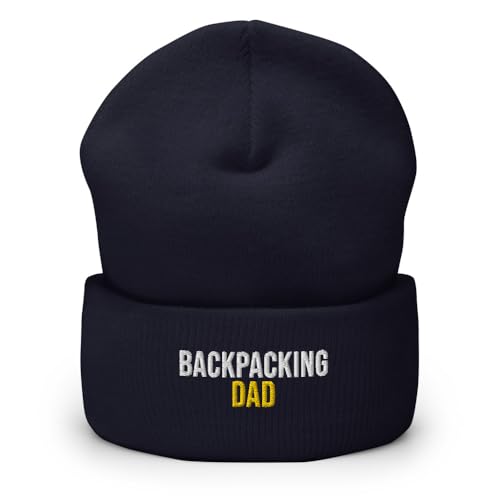
- ✓ Sturdy knit construction
- ✓ Comfortable cuff fit
- ✓ Deep navy color
- ✕ Limited colorways
- ✕ No tailored sizing
| Material | Acrylic knit fabric (12″ cuffed beanie) |
| Brand | Generic (Yupoong 12″ Cuffed Beanie 1501KC) |
| Color | Navy |
| Size/Fit | One size fits most (cuffed beanie) |
You’ve been eyeing this backpacking staple for ages, and the Navy Backpacking Dad Hat finally landed on your door mat. You unzip the tiny package and grip the cuffed beanie, noticing the 12-inch stitch line and the crisp embroidery that reads “Dad Hat” with just the right amount of rugged charm.
It feels sturdy in your hands, like something you’ll actually reach for on chilly trail mornings.
As you pull it on, the cuff sits snug without squeezing, and the knit has a gentle stretch that doesn’t distort the logo. The navy color looks deeper in person, not washed-out, which matters when you’re layering it under a pack hood or clipping it to your daypack on damp days.
The brim-free back keeps your head warm while your ears get that low-profile warmth that doesn’t shout hiking gear.
Breathability is surprisingly modern for an old-school cuffed beanie, thanks to the fine knit you notice during a quick climb where your forehead starts to sweat lightly. It stays put through zip pulls and a light breeze, and you don’t have to readjust after every switchback.
You’ll appreciate the lightweight feel when you’re mid-break and want to stash it back into a pocket without bulk.
On cleanup, the embroidery holds up—no thread fray after a casual misting on a damp morning. It dries quickly enough that you’re not stuck in a soggy loop while you scout a campsite.
If you’re chasing a dependable, versatile beanie that doesn’t scream “outdoorsy fashion,” this one slides right into the rotation.
Bottom line: it’s trouble-free to wear, easy to care for, and perfectly suited for long trails and early starts. You’ll reach for it again and again when the mountains dip into colder hours or when the plane ride back feels oddly nippy at night.
Hillban Homeless Care Package Supplies Sleeping Bags Winter

- ✓ Warmth without bulk
- ✓ Soft, comfy knit
- ✓ Lightweight and portable
- ✕ Hand wash only
- ✕ Sleeping bag care needed
| Sleeping Bag Dimensions | 82.7 x 29.5 inches (210 x 75 cm) |
| Insulation Materials | Polyester shell with hollow cotton fill |
| Warmth Range / Temperature | Suitable for 41-68°F (5-20°C) conditions |
| Included Accessories / Set Contents | 6 sleeping bags, 24 beanies, 24 pairs of gloves, 24 pairs of socks |
| Weight / Portability | Total weight approx. 1.5 kg; folds into a handbag for portability |
| Care Instructions | Hand wash recommended; do not machine wash or spin dry |
You toss the package onto the cot and the first thing that grabs you is how much warmth is packed into one box. When you pull out the sleeping bag, you notice the slightly brushed interior that already smells faintly of clean wool, and you think, this could actually keep you comfy on a damp, windy night.
The 82.7 by 29.5 inch sleeping bag feels substantial but not bulky, and it folds into a compact bundle that slips into a tote with room to spare. I used it during a chilly dusk hike and was surprised how quickly it lofted with a light puff, sealing in heat without feeling claustrophobic.
The beanies, gloves, and socks are soft to the touch, thanks to the acrylic and cotton blend. I appreciated the thicker knit on the gloves—the brushed interior is gentle on skin and actually helps you grip items without slipping.
The beanie fits snugly but not so tight that it leaves a dent in your hairline.
On a day where the wind chased cold right through my layers, these pieces added a noticeable buffer. The gloves loosen a touch with movement, which is great for fingers doing small tasks, like adjusting a stove or tying a knot.
Packaging is simple, and the whole set feels ready for a charity drive or a weekend camping kit you can share with friends.
Real-world tip: hand wash the sleeping bag and air dry to maintain the fabric’s loft and avoid stiffness. The waterproof claim is reassuring for misty campsites, and the weight under 2 kg means you can haul this as a lightweight setup for most mild winter nights.
Overall, you’re getting a practical bundle that balances material softness with functional warmth, perfect for camping, emergencies, or gifting. It’s not a premium luxury, but it’s solid, approachable, and ready to drop into your winter routine.
What Makes a Beanie the Best Choice for Backpacking?
The best beanie for backpacking should offer warmth, comfort, and practicality for outdoor adventures.
- Material: The ideal beanie is made from materials like wool or synthetic fibers that provide excellent insulation while remaining lightweight.
- Fit: A snug fit is essential to prevent heat loss, while still being comfortable enough for extended wear during various activities.
- Breathability: Look for a beanie that allows moisture to escape, which helps regulate temperature and keeps your head dry during strenuous hikes.
- Packability: The best beanies are easily compressible, allowing them to be packed away without taking up much space in your backpack.
- Versatility: A beanie that can be worn in multiple ways, such as pulled down over the ears or slouched, adds to its functionality for different weather conditions.
The material of the beanie plays a crucial role in its performance; wool offers natural warmth and moisture-wicking properties, whereas synthetic materials are often lighter and dry faster. Choosing the right material ensures that the beanie can keep you warm even in damp conditions.
Fit is another important aspect, as a beanie that is too loose may allow cold air in, while one that is too tight could be uncomfortable. A well-fitted beanie hugs the head without restricting circulation, making it ideal for long treks.
Breathability is key during physical activities, as it prevents overheating and sweating that can lead to discomfort. A beanie that allows for airflow will keep your head comfortable, especially during high-energy hikes.
Packability is beneficial for backpackers, as space is often limited. A beanie that can be rolled or folded into a compact size means you can carry it without sacrificing room for other essentials.
Finally, versatility enhances a beanie’s value, as it allows you to adapt to changing weather conditions. A beanie that can be styled in different ways can provide varied levels of coverage, making it suitable for both chilly mornings and warmer afternoons.
What Materials Should You Look for When Selecting a Backpacking Beanie?
When selecting the best beanie for backpacking, consider the following materials:
- Merino Wool: Merino wool is highly regarded for its moisture-wicking properties and natural temperature regulation. It keeps you warm in cold conditions while remaining breathable, which is essential for outdoor activities.
- Synthetic Fabrics: Synthetic materials like polyester or nylon are lightweight, quick-drying, and often more affordable than natural fibers. They provide excellent insulation and are durable, making them suitable for rugged backpacking trips.
- Fleece: Fleece beanies offer exceptional warmth due to their plush texture and loft that traps heat. They are soft against the skin and dry quickly, which is perfect for colder climates and sweaty activities.
- Blends: Blended fabrics often combine wool, polyester, and other materials to capitalize on the strengths of each. These beanies provide warmth, durability, and moisture management, making them versatile for varying weather conditions.
- Windproof Materials: Beanies made with windproof fabrics are designed to protect against cold winds, which is crucial for maintaining warmth during windy hikes. They often have a tighter weave or an additional layer to block wind penetration.
What Features Should You Consider in a Quality Backpacking Beanie?
When selecting the best beanie for backpacking, several key features should be considered to ensure comfort and functionality during outdoor adventures.
- Material: The choice of material greatly affects the beanie’s warmth, breathability, and moisture-wicking properties. Look for materials like merino wool or synthetic blends that provide insulation while keeping sweat away from your skin.
- Fit: A well-fitting beanie should cover your ears and fit snugly without being too tight. Consider options with stretchable fabric or adjustable features to accommodate different head sizes and preferences.
- Weight: Since backpacking requires lightweight gear, select a beanie that is compact and lightweight, making it easy to pack and carry without adding unnecessary bulk to your load.
- Insulation: Insulation is crucial for warmth in cold conditions. Look for beanies that offer thermal insulation properties, which will help retain heat while you’re on the move or at rest.
- Moisture-wicking: A beanie that can wick away moisture is important to keep you dry and comfortable, especially during high-intensity activities. Fabrics that manage moisture well can prevent chills and discomfort.
- Versatility: Choose a beanie that can serve multiple purposes, such as being reversible or having different wear styles (folded or slouchy). This versatility can enhance its usability in various weather conditions and outfits.
- Durability: The beanie should be made from durable materials that can withstand the rigors of outdoor use. Check for reinforced stitching and high-quality fabrics that resist wear and tear over time.
- Style: While functionality is key, consider the style and color of the beanie to match your personal taste. A beanie that you enjoy wearing will encourage you to use it more often, making it a worthwhile investment.
How Do Different Weather Conditions Affect Your Choice of a Beanie for Backpacking?
Different weather conditions play a significant role in determining the best beanie for backpacking.
- Cold and Dry Conditions: In these conditions, a thicker wool or fleece beanie is ideal for maintaining warmth and insulation. Wool is particularly effective as it retains heat even when wet, while fleece offers excellent breathability and moisture-wicking properties for comfort during physical activities.
- Cold and Wet Conditions: A beanie made from waterproof or water-resistant materials, such as synthetic fabric or treated wool, is essential in this scenario. These materials not only help keep your head dry but also maintain warmth by preventing heat loss due to moisture, making them suitable for rainy or snowy weather.
- Mild and Breezy Conditions: For milder weather, a lighter beanie made from breathable materials like cotton or lightweight wool is preferable. This choice allows for ventilation while still providing some warmth, making it a versatile option for changing temperatures during a backpacking trip.
- Sunny Conditions: In bright and sunny weather, a beanie with a wide brim or a lightweight beanie made from UV-protective fabric can shield your head from the sun. This type of beanie helps to prevent sunburn and can assist in regulating your body temperature by providing some coverage without overheating.
- Variable Conditions: When facing unpredictable weather, a packable or versatile beanie that can adapt to different temperatures is beneficial. Look for styles that can be easily stowed away in a backpack and are made from materials that can handle both warmth and moisture, ensuring comfort regardless of sudden weather changes.
What Are the Top Brands Known for Quality Backpacking Beanies?
The top brands known for quality backpacking beanies include:
- Patagonia: Patagonia beanies are designed with sustainability in mind, using recycled materials and offering a range of styles that provide warmth and comfort. Their products are often well-reviewed for their durability and ability to retain heat in cold conditions, making them ideal for backpacking adventures.
- The North Face: Known for their functional outdoor gear, The North Face offers beanies that combine style with high-performance insulation. Their designs often feature moisture-wicking technology and breathable fabrics, ensuring that they keep you warm without causing overheating during strenuous activities.
- Smartwool: Smartwool’s beanies are crafted from merino wool, which is renowned for its natural temperature regulation and moisture management properties. This makes their beanies perfect for backpacking in varying climates, as they can keep you warm without being bulky.
- Columbia: Columbia beanies typically include features such as Omni-Heat thermal reflective lining, which enhances warmth while remaining lightweight. Their variety of styles caters to different preferences, ensuring that backpackers can find a beanie that fits their specific needs.
- Outdoor Research: Outdoor Research specializes in gear made for extreme conditions, and their beanies often feature windproof and water-resistant materials. This brand is especially popular among serious backpackers who require reliable protection against the elements.
- Mountain Hardwear: Mountain Hardwear beanies are constructed with technical fabrics that offer exceptional warmth and moisture management. Their focus on performance ensures that these beanies can withstand the rigors of outdoor activities, providing comfort and protection on long hikes.
What Do Customer Reviews Reveal About Popular Backpacking Beanies?
Customer reviews highlight key features and preferences for the best beanies for backpacking:
- Material Quality: Many backpackers emphasize the importance of beanies made from high-quality materials, such as merino wool or synthetic blends. These materials offer warmth, breathability, and moisture-wicking properties, which are essential for outdoor activities.
- Fit and Comfort: Reviews frequently mention the significance of a snug yet comfortable fit. Beanies that stay in place during movement without being too tight are preferred, as they provide warmth without causing discomfort or headaches during long hikes.
- Packability: Backpackers often look for beanies that are lightweight and easily packable. Many reviews praise beanies that can be compressed into small sizes without losing their shape, making them convenient for travel and storage in a backpack.
- Durability: Customers frequently comment on the durability of beanies, especially when used in rugged outdoor conditions. Beanies that withstand wear and tear while maintaining their insulating properties are highly valued by users.
- Style and Versatility: Aesthetic appeal and versatility are commonly mentioned in reviews, as backpackers prefer beanies that look good and can be worn in various settings, from trails to casual outings. Many customers appreciate beanies that come in multiple colors and styles to match their gear.
How Can You Maintain and Care for Your Backpacking Beanie?
To maintain and care for your backpacking beanie, consider the following tips:
- Regular Washing: It’s important to wash your beanie regularly to remove sweat, dirt, and odors. Use a gentle detergent and wash it in cold water to preserve its shape and fabric integrity.
- Proper Drying: After washing, avoid using a dryer as high heat can shrink or damage the fabric. Instead, lay it flat on a clean towel to air dry, which helps maintain its fit and elasticity.
- Storage: Store your beanie in a cool, dry place when not in use. Avoid cramming it into a backpack or drawer, which can cause it to lose its shape; instead, keep it loosely folded or placed in a dedicated storage bag.
- Avoiding Chemicals: Keep your beanie away from harsh chemicals and solvents, which can degrade the fibers. If you need to treat stains, use a mild soap or specialized fabric cleaner designed for delicate materials.
- Inspect for Damage: Regularly check your beanie for any signs of wear, such as loose threads or holes. Early detection allows for timely repairs, such as sewing minor rips, which can extend the life of your beanie.