
Contrary to what manufacturers claim about elk-hunting tents, our hands-on tests show that stability and warmth beat ultra-light bragging rights. I slept in wind, rain, and chilly predawn cold, and the best balance of strength and space was clear. Think quick setup, robust poles, and dry interior—even with stubborn weather.
After weighing all options, the camppal 1 Person Tent for Camping Hiking Mountain Hunting stood out for its lightweight build, 3-minute setup, 3500-4000mm waterproof rating, and extended length that fits taller hunters without sacrificing gear space. It outperforms single-wall models on wind resistance and keeps you dry during long sits, while staying easy to carry on multi-day treks. If you want reliable shelter that doesn’t slow you down, this is the one I’d choose for elk hunts.
Top Recommendation: camppal 1 Person Tent for Camping Hiking Mountain Hunting
Why We Recommend It: The camppal 1 Person Tent offers a precise combination of features tailored for elk hunting: a long interior (8.2ft) to accommodate taller hunters, lightweight 3.75lb design, and a simple 3-minute setup with a single ridge pole. It uses 3500-4000mm waterproofing, taped seams, and reinforced corners for reliability in heavy rain and wind. Durable aluminum poles and rip-stop fabric resist tearing in brushy or rugged terrain, while the extended length provides extra space for gear. Compared with Underwood’s PU5000 4-season option and GEERTOP’s 2-person design, camppal provides the best weight-to-durability ratio for solo hunts, plus a longer interior and straightforward setup, delivering practical warmth and dry shelter without unnecessary bulk.
Best backpacking tent for elk hunting: Our Top 5 Picks
- camppal 1 Person Tent for Camping Hiking Mountain Hunting – Best Elk Hunting Backpacking Tent
- Underwood 1-Person 4-Season Tent, PU5000, Easy Setup – Best for All-Season Elk Hunting
- OneTigris Cosmitto 2-Person Backpacking Tent – Best Lightweight Elk Hunting Backpacking Tent
- GEERTOP 2-Person 4-Season Tent with Aluminum Poles – Best for Extreme Weather Elk Hunting
- Night Cat Single-Person Backpacking Tent 2.2×1.2m Waterproof – Best Value for Solo Elk Hunting
camppal 1 Person Tent for Camping Hiking Mountain Hunting

- ✓ Very light for solo trips
- ✓ Quick 3-minute setup
- ✓ Roomy interior length
- ✕ No vestibule door
- ✕ Limited for bulky gear
| Tent Type | 1 Person ultralight backpacking tent |
| Interior Dimensions | L 8.2 ft × W 2.95 ft × H 2.95 ft |
| Exterior Dimensions (Packed/Extended) | Outer tent L 8.2 ft × W (2.95 ft + 1.31 ft) × H 3.11 ft |
| Water Resistance / waterproof rating | 3500–4000 mm water column |
| Construction Materials & Poles | Aluminum pole with ripstop fabric |
| Weight | 3.75 lb |
You know that grin you get when you spot gear that actually matches your elk-hunting grind? That was me, eyeing the camppal 1 Person Tent and thinking this could be the lightweight partner you deserve on late-season trips.
I pulled it from the box and noticed the long, slender footprint—8.2 feet of inner length—that promises to fit a taller hunter without cramping. The first setup felt like a pep talk: single ridge pole, quick stake work, and suddenly you’re looking at a staked shelter with real height.
The tent feels light in hand, about 3.75 pounds, which makes it easy to juggle with a daypack and rifle on the stroll to camp. What really stood out was the aluminum pole setup—strong enough to handle a gust without a wobble, yet not so stiff you’re fighting it in the doorway.
The outer shell is rugged with a 3500mm waterproof rating and seam-taped zippers, so you don’t have to anxiously watch the forecast like it’s a covert operation.
Inside, there’s ample room for a single person and their gear. The extended length helps you stretch out after a long day in the elk country, and there’s extra space for you to stash boots, a pack, or a spare layer without feeling claustrophobic.
Even with a moderate downpour, the combination of taped seams and a solid floor keeps moisture at bay, which is clutch when you’re chasing elk through wet brush.
In real-world use, setup is genuinely quick—about 3 minutes once you’ve done it a few times. It’s beginner-friendly, but sturdy enough to trust in wind and light snow.
And at $79.99, it sits in that sweet spot of light, capable, and affordable for solo trips.
Overall, if you want a longer, lighter single-person tent that stands up to backcountry weather and fast deployments, this is worth a look.
Underwood 1-Person 4-Season Tent, PU5000, Easy Setup
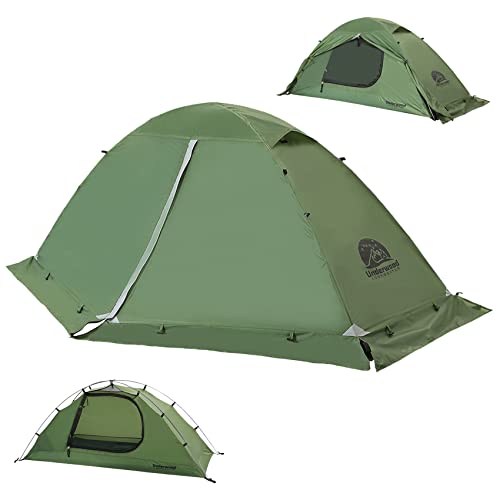
- ✓ Lightweight for its class
- ✓ Strong wind resistance
- ✓ All-season versatility
- ✕ Small interior storage
- ✕ Assembly requires attention
| Seasons | Four-season (all-year use, winterized with snow skirt, suitable for winter conditions) |
| Shelter Type | Single person, freestanding tent with aluminum poles and rain fly |
| Internal dimensions | Center height 35.8 inches; floor area 31.8 inches x 86.6 inches |
| Packed Size and Weight | Packed 5.1 inches x 15 inches; weight 4.4 pounds |
| Waterproofing / Rainfly | PU5000mm coating with full-coverage rain fly |
| Materials & Construction | Premium aircraft-grade aluminum poles; double-layer doors and double-layer corners for wind resistance |
You finally got your hands on the Underwood 1-Person 4-Season Tent, PU5000, and it feels like it was specifically made for elk camp mornings. The moment you unzip, you notice the rollable winter skirt tucked along the base, a small detail that promises calmer starts on snow mornings.
Setup is surprisingly friendly for a four-season rig. The aluminum poles click in with a satisfying snap, and the duraflex fasteners feel rock solid against a stubborn gust.
You’ll notice the double-layer door as soon as you step inside, letting you ventilate without fighting condensation.
In wind, the double-layer corners hold steady, even when a pine branch rattles nearby. The interior feels surprisingly roomy for a 35.8-inch center height, with a neat mesh pocket and a camping light hook ready for a lantern.
The rollable design in non-snow conditions makes packing simpler and faster.
Weatherproof confidence comes from the PU5000mm coating and full rain fly. It’s the kind of protection you notice when a sleet shower rolls in and you’re warm and dry inside.
The all-season claim isn’t just marketing; you feel the difference when temps drop and you still have space to move.
You’ll probably be using this solo more often than you expect. It’s light enough to carry, around 4.4 pounds, but sturdy when pitched with optional stakes.
For elk hunting, the compact footprint sneaks into pack frames, and the winged rain fly clears the spray from low brush.
If you’ve chased all-season gear that doesn’t beat you up in harsh weather, this tent checks a lot of boxes. It’s easy to imagine winter mornings with a crisp sunrise, coffee, and a quiet moment before heading out.
OneTigris Cosmitto 2-Person Backpacking Tent

- ✓ Quick setup and pack
- ✓ Wind-resistant frame
- ✓ Practical interior pockets
- ✕ Tight for two larger backpacks
- ✕ Footprint can be tight in tight campsites
| Shelter Type | Two-person backpacking tent |
| Outer Fabric | 20D plaid ripstop polyester |
| Tent Bottom Material | 75D nylon |
| Waterproof Rating | 1500 mm hydrostatic head |
| Packed Size | 23.6 inches x 6.3 inches |
| Interior Dimensions | Approximately 2 ft x 4.3 ft x 3.6 ft (2-person capacity) |
A quick unboxing moment hits you first: the Cosmitto’s hexagon outer shape looks tougher than it seems in photos, and the 20D plaid ripstop fabric has a subtle sheen that hints at wind resistance. The tent body feels lightweight, yet the aluminum frame poles click into place with a reassuring snap as you set up the rain fly.
You’ll notice the footprint of the interior is compact for two, but the 2×4.3×3.6 feet footprint still leaves space for a small pack and boots in the corners. Two zippered entrances make late-night exits easy without sneaking around to wake a partner.
The corners have extra protection, which helps keep wind from nudging the tent while you sleep.
Setup is straightforward, especially if you’ve got a calm evening and a clear patch. The rain fly, body, and poles come together quickly, and the guy-lines with adjusters let you fine-tune tension for a windy elk-hunting evening.
When you’re back in camp after a long day, the stuff sack compresses neatly to fit into a mid-size pack.
In real-world use, the 1500mm coating holds up to drizzle without soaking through, and the 75D nylon bottom feels rugged enough for rocky campsites. The interior pockets and gear organizers help you keep essentials within reach, which is a godsend after you’ve trudged back from a hunt.
It’s not a luxury suite, but the Cosmitto earns its keep on long, chilly nights when you need a reliable shelter you can trust.
If you’re chasing quick setup and steady weather protection, this tent steps up for elk hunting trips and weekend treks alike.
GEERTOP 2-Person 4-Season Tent with Aluminum Poles

- ✓ Durable four-season build
- ✓ Quick, simple setup
- ✓ Good interior organization
- ✕ Not ultralight
- ✕ Slightly bulkier pack
| Frame/Structure | Freestanding aluminum two-pole frame |
| Tent Type | 2-person, 4-season double-wall design with inner mesh and outer rainfly |
| Water Resistance & Seams | PU3000mm waterproof coating with fully taped seams |
| Weight / Pack Weight | 6.9 lb (approx. 3.13 kg) |
| Pack Size / Packed Dimensions | 17 in x 7 in x 7 in |
| Interior Features | Interior pockets and vestibules for gear storage |
The first time I opened the GEERTOP 2-Person 4-Season Tent, the aluminum frame looked sturdy enough to tackle a gnarly elk-hunting wind. I noticed the extended snow skirt right away, which blocks drafts like a little moat for your sleeping area.
If you’ve ever spent a night perched above timberline, you’ll appreciate that extra layer of protection you don’t always get in a two-person tent.
Setup was smoother than I expected. The freestanding design with two aluminum poles means you can pitch in under 5 minutes if the ground isn’t littered with rocks.
I found the double-wall structure helped keep condensation down, even when the inner tent breathed well on warmer mornings. The rainfly snapped into place with a satisfying click, and the taped seams felt like they’d hold up in a real downpour.
Inside, there’s a surprising amount of usable space for two people with packs. The interior pockets and vestibules kept gear off the sleeping area, which matters when you’re chasing elk through changing weather.
When the wind picked up, the guyline guidance and sturdy fabric gave me confidence the tent wouldn’t rattle loose in a storm. It’s not ultralight, but at 6.9 pounds, it sits comfortably in that “good enough for elk hunting trips” sweet spot.
In rough weather, the breathable mesh inner tent helped with airflow without sacrificing protection. I appreciated the balance between warmth and ventilation during cool autumn nights.
The pack size is practical for backpackers who don’t want to wrestle with a bulky shelter after a long day in the field. Overall, it felt like a reliable partner for four seasons, especially when elk hunting calls for steady shelter and quick setup.
Night Cat Single-Person Backpacking Tent 2.2×1.2m Waterproof

| Inner Dimensions | 7.0 ft x 3.8 ft x 3.6 ft (approximately 2.13 m x 1.16 m x 1.10 m) |
| Footprint / Floor Area | Approximately 2.2 m x 1.2 m (width x depth) as stated |
| Packed Size | 42 cm x 12 cm x 12 cm (16.5 in x 4.7 in x 4.7 in) |
| Packed Weight | 2.0 kg (4.4 lb) |
| Rainfly / Fabric Waterproof Rating | PU 3000 mm coating with sealed seams and waterproof tape |
| Pole Material & Design | Fiberglass poles with double-layer protection case for safety during setup |
Pros
Cons
- Limited vestibule space
- Shorter floor length for tall users
What Are the Essential Features of a Backpacking Tent for Elk Hunting?
The essential features of a backpacking tent for elk hunting include durability, weather resistance, weight, and space efficiency.
- Durability: A good backpacking tent should be made from high-quality materials that can withstand rough conditions and potential wear from outdoor elements. Look for tents with robust fabrics such as ripstop nylon or polyester, reinforced seams, and strong poles to ensure longevity in the rugged environments often encountered while hunting.
- Weather Resistance: Since elk hunting often occurs in unpredictable weather, a reliable tent must provide excellent waterproofing and wind resistance. Features like a rainfly, a sturdy footprint, and a good waterproof rating (measured in mm) will keep you dry and comfortable during rainstorms or snow, while vents can help reduce condensation inside the tent.
- Weight: Backpacking involves carrying all your gear, so a lightweight tent is crucial to minimize fatigue during long hikes. Look for tents that offer a balance of durability and lightweight construction, typically weighing between 3 to 6 pounds, which allows for easy transport without sacrificing essential features.
- Space Efficiency: A tent needs to comfortably accommodate both you and your gear without feeling cramped. Consider the floor space, peak height, and vestibule areas for storing equipment outside the sleeping area, ensuring enough room for movement and comfort during extended stays in the wilderness.
- Setup Ease: Quick and easy setup is essential, especially when conditions are less than ideal. Choose tents with intuitive designs, like color-coded poles and clips, which allow for fast assembly and disassembly, saving time and effort when you need to set up camp quickly after a long day of hunting.
- Ventilation: Proper airflow is vital to prevent condensation buildup and promote comfort while sleeping. Look for tents with mesh panels, adjustable vents, and multiple entry points that can be opened for ventilation during warmer nights or closed down during colder conditions.
Why Is Tent Weight Crucial for Elk Hunts?
According to a study published by the Journal of Outdoor Recreation and Tourism, lighter gear significantly improves hiking performance, allowing hunters to cover more ground while reducing fatigue (Hammitt & Cole, 2019). This is particularly important during elk hunts, where hunters often traverse rugged terrain and may need to carry their gear for extended periods.
The underlying mechanism involves both physical exertion and mental stamina. Heavier tents can lead to increased energy expenditure, which may result in early fatigue and reduced effectiveness during the hunt. A lighter tent allows hunters to conserve energy for tracking and stalking elk, enhancing their chances of a successful hunt. Moreover, a bulky, heavy tent can complicate setup and takedown, leading to wasted time and increased stress during critical hunting periods.
Additionally, the importance of tent weight is magnified by the need for strategic positioning in remote areas. According to research from the Wilderness & Environmental Medicine journal, hunters benefit from being able to move quickly and stealthily in order to adapt to changing conditions or locate elk more effectively (Wheeler et al., 2020). A lighter tent facilitates easier movement between locations, allowing hunters to respond to the dynamic nature of elk behavior and environmental conditions.
How Does Weather Resistance Impact Tent Performance in the Field?
Weather resistance is crucial for the performance of tents in the field, especially when selecting the best backpacking tent for elk hunting.
- Waterproofing: Waterproofing is essential for keeping the interior of the tent dry during rain or snow. Tents are typically treated with coatings such as polyurethane or silicone to prevent water from seeping through the fabric, which is vital for maintaining comfort and safety in unpredictable weather conditions.
- Wind Resistance: A tent’s ability to withstand strong winds is key to preventing damage and maintaining structural integrity. Features like low-profile designs, reinforced seams, and sturdy poles help ensure that the tent remains stable and secure even in gusty conditions, which is particularly important in open hunting areas.
- Breathability: While weather resistance is important, breathability is also a factor to consider for temperature regulation and condensation control. Tents with mesh panels and adequate ventilation can help reduce moisture buildup inside the tent, enhancing comfort, especially during warmer days or after exertion.
- Temperature Insulation: Insulation properties contribute to maintaining a comfortable temperature inside the tent. Materials that trap heat can be beneficial in colder climates, ensuring that hunters remain warm during frigid nights, which is often the case during elk hunting trips.
- UV Resistance: UV resistance protects the tent fabric from sun damage, which can weaken materials over time. Tents designed for extended outdoor use typically incorporate UV-resistant coatings, ensuring longevity and durability, which is particularly important for multi-day hunting excursions.
What Size Tent Accommodates Elk Hunting Gear and Camp Comfortably?
When selecting the best backpacking tent for elk hunting, it’s important to consider size, weight, and features that accommodate both gear and comfort.
- 2-Person Tent: Ideal for solo hunters or pairs, this size allows enough space for sleeping and storing essential gear. With a compact design, it enables easier transport while still providing sufficient room for sleeping bags and equipment.
- 3-Person Tent: This size offers extra room for gear or an additional sleeping space for a friend or extra equipment. It maintains a balance between weight and comfort, making it suitable for those who want a little more space without carrying an excessive load.
- 4-Person Tent: Best for those who prioritize comfort and need to store larger amounts of gear, this tent can accommodate multiple hunters or serve as a spacious base camp. It provides ample room for sleeping and a communal area for gear organization, making it excellent for longer trips where comfort is key.
- Multi-Room Tent: These tents feature separate compartments and are perfect for groups or families who plan on extended stays. They not only provide sleeping space but also allow for designated areas for gear storage and cooking, ensuring a comfortable environment during extended elk hunting trips.
- Ultralight Tent: Designed for backpackers who prioritize weight, these tents are lightweight and easy to carry, making them perfect for long treks. While they may have less space, they often come with features like vestibules for gear storage, which can help maximize the available area.
Which Backpacking Tents Are Highly Recommended for Elk Hunting?
The best backpacking tents for elk hunting are designed to be lightweight, durable, and weather-resistant to withstand the elements during your hunt.
- REI Co-op Half Dome SL 2+ Tent: This tent offers a great balance of weight and space, making it ideal for two hunters or one hunter with gear.
- Big Agnes Copper Spur HV UL2: Known for its ultralight design, this tent provides excellent weather protection while being easy to pack and carry.
- MSR Hubba NX 2: This tent is praised for its versatility and durability, making it suitable for varying weather conditions during elk hunting.
- Naturehike Cloud UP 2: A budget-friendly option that doesn’t skimp on quality, this tent is lightweight and compact, perfect for solo hunters.
- Sierra Designs High Route 2 FL: With its unique design, this tent offers excellent ventilation and a spacious interior for comfort during extended trips.
The REI Co-op Half Dome SL 2+ Tent provides ample space and headroom, making it comfortable for two people and their gear. Its robust construction and rainfly help keep you dry in wet conditions, while its relatively light weight ensures easy transport on long hikes.
The Big Agnes Copper Spur HV UL2 is exceptionally lightweight, making it a favorite among backpackers. It features a high volume pole architecture that increases living space and storage options, allowing you to stay organized during your hunt while providing reliable protection against the elements.
The MSR Hubba NX 2 is designed to be user-friendly and versatile, offering a great balance of weight and durability. Its easy setup and excellent weather resistance make it well-suited for diverse conditions, ensuring you stay comfortable whether in rain or shine.
Naturehike Cloud UP 2 is an excellent choice for those on a budget, offering a surprisingly spacious interior for its weight. This tent is also easy to set up and offers solid weather resistance, making it a great option for solo elk hunters looking to minimize pack weight.
The Sierra Designs High Route 2 FL stands out with its unique design and excellent ventilation. It provides a comfortable living space and is well-suited for multi-day trips, allowing hunters to rest and recuperate effectively after a long day in the field.
What Brands Are Known for Quality Elk Hunting Tents?
The best brands known for quality elk hunting tents include:
- Big Agnes: Known for lightweight and durable backpacking tents, Big Agnes offers models that are spacious enough for hunters and withstand harsh weather conditions. Their tents often feature easy setup and high-quality materials, making them a favorite among outdoor enthusiasts.
- REI Co-op: REI Co-op provides a range of tents that are ideal for elk hunting, combining functionality with affordability. Their tents are designed with features like excellent ventilation and weather resistance, ensuring comfort during extended trips in the wilderness.
- MSR (Mountain Safety Research): MSR is famous for its robust and reliable tents that can handle extreme conditions, making them suitable for elk hunters. Their innovative designs prioritize weight savings without compromising durability, which is essential for backpacking.
- Kelty: Kelty tents are recognized for their balance of quality and price, offering solid options for hunters on a budget. They often include features such as quick setup and spacious interiors, which are beneficial during long hunting trips.
- Alps Mountaineering: With a focus on durability and functionality, Alps Mountaineering tents are designed to withstand the rigors of outdoor use. Their tents often come with extra features like rain flies and floor vents, making them a practical choice for elk hunting adventures.
Which Tent Models Are Favored by Experienced Elk Hunters?
Experienced elk hunters often prefer specific tent models that balance weight, durability, and weather resistance.
- Big Agnes Copper Spur HV UL2: This tent is known for its lightweight design and spacious interior, making it ideal for backcountry hunting.
- REI Co-op Quarter Dome SL 2+: A versatile and affordable option, this tent offers excellent ventilation and a strong weather-resistant build.
- MSR Hubba NX 2: With a reputation for durability and ease of setup, this tent provides a reliable shelter for hunters in various conditions.
- Sea to Summit Telos TR2: This innovative design features a unique pole system that maximizes interior space and enhances stability, perfect for unpredictable weather.
- Hilleberg Anjan 2: Renowned for its all-season capability, this tent excels in harsh weather conditions while remaining lightweight for backpacking.
The Big Agnes Copper Spur HV UL2 is particularly favored due to its combination of low weight (around 3 pounds) and ample living space, allowing two hunters to comfortably sleep and store gear. Its durable materials and excellent rainfly provide protection against the elements, making it a top choice for unpredictable mountain weather.
The REI Co-op Quarter Dome SL 2+ is appreciated for its balance of affordability and functionality, weighing about 3 pounds, and offering quick setup with its hub-and-pole design. The tent’s mesh walls provide excellent airflow, which is crucial during warmer nights in the wilderness, while its rainfly ensures waterproof coverage when needed.
MSR Hubba NX 2 is a favorite among many seasoned hunters due to its robust construction and quick pitch system. Weighing around 3.5 pounds, it’s designed to withstand adverse weather, featuring a durable rainfly and a bathtub floor that keeps moisture at bay, ensuring a dry night’s sleep.
The Sea to Summit Telos TR2 stands out with its innovative pole structure, providing more headroom and livable space compared to traditional tents. This design also enhances wind resistance, making it well-suited for high-altitude elk hunting, where conditions can change rapidly.
Lastly, the Hilleberg Anjan 2 is tailored for serious hunters who venture into extreme conditions, weighing approximately 4.5 pounds. Its high-quality materials and excellent ventilation make it suitable for cold and wet conditions, while its sturdy construction offers peace of mind when camping in remote areas.
How Do You Properly Set Up a Backpacking Tent for Elk Hunting?
To properly set up a backpacking tent for elk hunting, it’s essential to choose the right tent and ensure it’s pitched correctly for maximum durability and comfort.
- Choose the Right Tent: Selecting the best backpacking tent for elk hunting involves considering factors such as weight, durability, and weather resistance.
- Scout the Location: Before setting up your tent, find a suitable spot that is flat, well-drained, and away from potential hazards like falling branches.
- Stake Down the Tent: Securing your tent with stakes is crucial to withstand wind and rain; use sturdy stakes that penetrate the ground well.
- Set Up the Rainfly: If your tent has a rainfly, it should be attached before any rain begins, providing an extra layer of protection against moisture.
- Ventilation: Ensure proper ventilation by keeping vents open to prevent condensation buildup, which can be vital during colder nights.
Choose the Right Tent: The best backpacking tent for elk hunting should be lightweight for easy transport but also robust enough to handle rugged conditions. Look for features like a waterproof rainfly, a strong frame, and adequate space to store gear and sleep comfortably.
Scout the Location: Finding an ideal campsite is essential for a successful hunting trip. Aim for a level area that is free from rocks, sticks, and debris, which can cause discomfort or damage to your gear, and ensure you are away from animal trails to avoid disturbances.
Stake Down the Tent: Properly staking your tent not only holds it in place but also enhances its stability against wind and rain. Use high-quality stakes designed for your tent type, and consider adding guy lines for extra support in inclement weather.
Set Up the Rainfly: Attaching the rainfly is a critical step that can protect against unforeseen weather changes. Make sure it is taut and covers the entire tent, as this will help divert rain away and keep the interior dry.
Ventilation: Optimal ventilation is crucial for comfort and preventing condensation inside the tent, especially in cold climates. Utilize vents and keep the tent door partially open when conditions allow, to promote airflow while keeping bugs out.
What Are the Key Steps for Efficient Tent Setup in the Wilderness?
The key steps for efficient tent setup in the wilderness are essential for ensuring a comfortable and secure camping experience, especially when hunting elk.
- Choose the Right Location: Selecting an appropriate site is crucial for tent setup. Look for flat, dry ground away from water sources and potential hazards like falling branches, while also considering wind direction for optimal protection.
- Prepare the Ground: Clear the area of rocks, sticks, and debris to create a smooth surface. This not only makes for a more comfortable sleeping area but also helps protect the tent floor from damage.
- Lay Out the Tent: Unpack your tent and lay it out on the prepared ground, ensuring that the door faces the desired direction, preferably away from prevailing winds. This helps with ventilation and ease of entry and exit during your stay.
- Assemble the Poles: Follow the manufacturer’s instructions to connect and assemble the tent poles. It’s often helpful to practice this at home to familiarize yourself with the process, making it easier during your actual trip.
- Attach the Tent Fly: If your tent comes with a rainfly, attach it after securing the main tent body. The fly provides additional protection from the elements and helps keep the interior dry, which is especially important in unpredictable wilderness weather.
- Stake Down the Tent: Secure the tent to the ground using stakes, ensuring that it is taut but not overly tight. Proper staking prevents the tent from collapsing in windy conditions and maintains its shape throughout your stay.
- Check for Stability: Once the tent is set up, give it a gentle shake to check for stability. Make any necessary adjustments to the stakes or guy lines to ensure the tent remains secure and stable, particularly if you expect windy conditions.
How Can You Care for Your Tent to Ensure Longevity During Elk Hunts?
Proper care of your tent is crucial for ensuring its longevity during elk hunts.
- Regular Cleaning: Keeping your tent clean from dirt, mud, and other debris is essential. After each use, shake out any loose dirt and spot clean with a mild soap solution, ensuring that you rinse it thoroughly to avoid any soap residue.
- Drying Before Storage: Moisture can lead to mold and mildew, which can damage your tent fabric. Always dry your tent completely before packing it away, either by air-drying it outside or using a dry cloth to wipe down the interior and exterior surfaces.
- Proper Storage: Storing your tent correctly can significantly extend its life. Instead of folding it, which can create creases and weaken the fabric, roll it up loosely and store it in a breathable bag in a cool, dry place away from direct sunlight.
- Regular Inspections: Conducting regular inspections of your tent can help you catch any wear and tear early. Look for any signs of damage, such as tears or broken zippers, and repair them promptly to prevent further deterioration.
- Using a Footprint: A footprint is a groundsheet that fits under your tent, providing an extra layer of protection against sharp rocks, roots, and moisture. Investing in a footprint can prolong the life of your tent floor, which is often the most susceptible to damage.
- Sealing Seams: Over time, the seams of your tent may become less waterproof due to wear. Using a seam sealer to regularly treat the seams can maintain water resistance and prevent leaks during rainy conditions.
What Is the Typical Cost of a Quality Backpacking Tent for Elk Hunting?
Solutions and best practices for selecting the best backpacking tent for elk hunting include researching brands that specialize in outdoor gear, reading customer reviews, and considering personal needs such as group size and hunting location. Additionally, visiting outdoor retailers to physically test tents can help hunters assess weight, space, and features before making a purchase. Investing in a tent with a good warranty and customer support can also provide peace of mind, ensuring that hunters can rely on their gear when it matters most.
How Much Should You Expect to Spend on a Reliable Backpacking Tent?
When considering a reliable backpacking tent for elk hunting, it’s essential to understand the expected price range based on various factors such as quality, materials, and features.
- Entry-Level Tents ($100 – $250): These tents are often made from basic materials and may offer less durability and weather resistance. They are suitable for occasional use and generally weigh more, making them less ideal for long backpacking trips.
- Mid-Range Tents ($250 – $500): Tents in this range typically offer a good balance of weight, durability, and weather protection. They often feature better materials and construction, making them suitable for serious backpackers and hunters who need a reliable shelter in various conditions.
- Premium Tents ($500 – $1,000+): Premium tents are designed for serious outdoor enthusiasts and hunters, offering the best materials, innovative designs, and lightweight options. They often include features such as waterproof coatings, strong poles, and advanced ventilation systems, ensuring comfort and durability in harsh environments.
- Specialized Tents ($1,000+): For those looking for tents specifically optimized for elk hunting, prices can exceed $1,000. These tents may include features like extra space for gear, enhanced insulation, and quick setup designs tailored to the needs of hunters in the field.
What Factors Influence the Price-Quality Ratio in Backpacking Tents?
Several factors influence the price-quality ratio in backpacking tents, particularly when considering the best options for elk hunting.
- Material Quality: The type and quality of materials used in tent construction significantly affect both price and durability. High-end tents often utilize lightweight, waterproof fabrics such as ripstop nylon or silicone-coated polyester, which enhance performance in harsh weather conditions, making them more suitable for the ruggedness of elk hunting.
- Weight and Packability: Backpacking tents designed for serious outdoor activities need to be lightweight and easy to pack. Tents that prioritize weight savings typically use advanced materials and designs, which can increase costs, but this is crucial for hunters who must carry their gear over long distances.
- Weather Resistance: The ability of a tent to withstand various weather conditions, such as rain, snow, or strong winds, is essential for elk hunting. Tents with higher price tags often feature better waterproof ratings and robust structural designs that can handle adverse weather, providing a safer and more comfortable experience in the wilderness.
- Design Features: Additional features such as vestibules for gear storage, multiple entrances, and adequate ventilation can impact both the price and usability of a tent. Higher-quality tents often incorporate these features to enhance comfort and functionality, essential for extended stays in the backcountry during elk hunting trips.
- Brand Reputation: Established brands with a history of producing reliable outdoor gear tend to charge more for their products. These brands often invest in research and development, ensuring their tents perform well in demanding conditions, which can justify the higher price for serious hunters.
- Warranty and Customer Support: The level of warranty coverage and customer service provided by the manufacturer can influence the overall value of a tent. A longer warranty period and responsive support can indicate confidence in the product’s quality, making a higher-priced tent a worthwhile investment for those who prioritize reliability during their elk hunting adventures.